The Hydrangea Task Northern Virginia Gardeners Must Finish This Week
Leafless stems are keeping secrets from you. Next July’s bigleaf blooms already rest inside those twigs.
Rhododendrons, lilacs, and azaleas tuck flower buds away the same way. Frost can arrive in Northern Virginia by late October, so you should start this month.
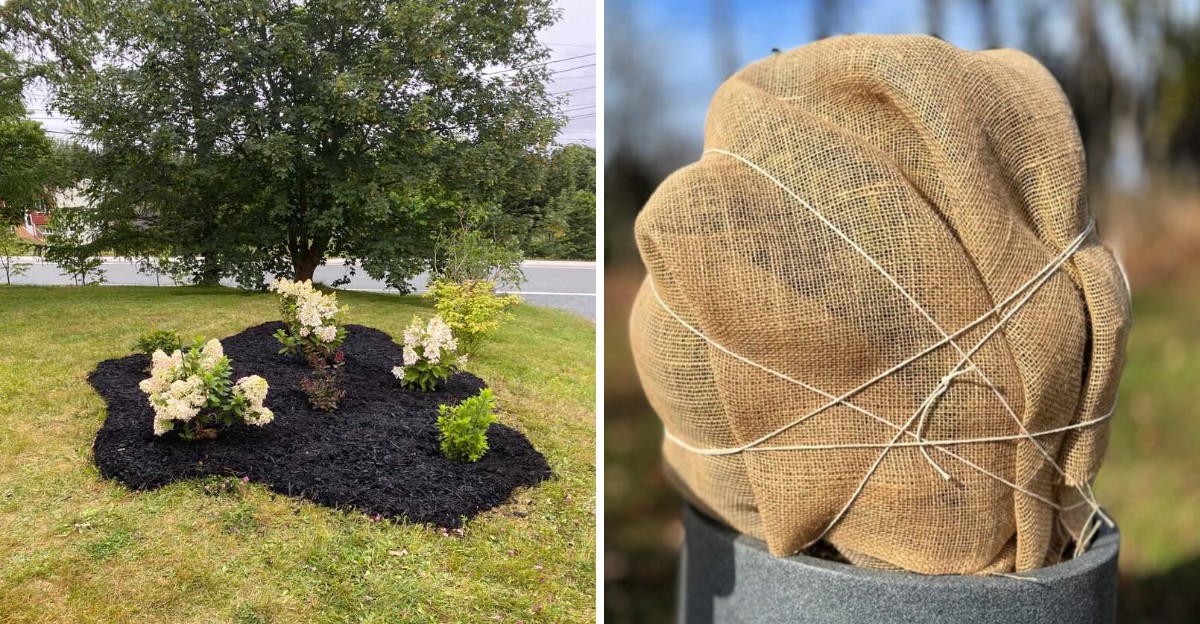
Chilled buds turn dark, and you get leafy shrubs without blooms. Spread shredded hardwood mulch in a thick ring around each shrub.
Water the soil deeply before temperatures drop, since thirsty roots leave buds exposed. Wrap burlap loosely around your tender shrubs whenever the forecast dips below freezing.
Hold your pruning shears until spring, because trimming now clips next year’s flowers. Save fertilizer for spring since fresh growth now will not harden before cold arrives.
Gardeners across Virginia can lose a whole season after a cold night. You can protect those buds this month with an afternoon’s work.
A Thick Blanket Of Mulch Before The First Hard Freeze
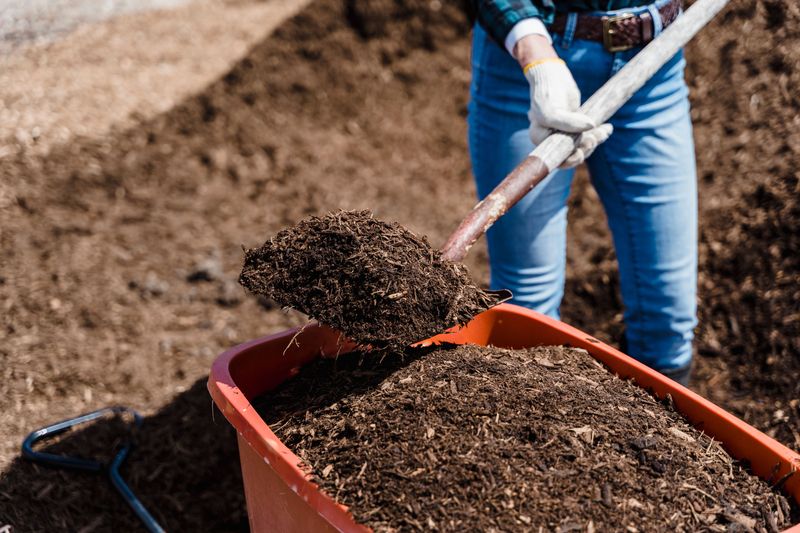
Picture tucking a sleepy kid into bed with a warm quilt on a chilly night. Your hydrangeas benefit from similar insulation, and shredded mulch protects the roots and the base of the stems.
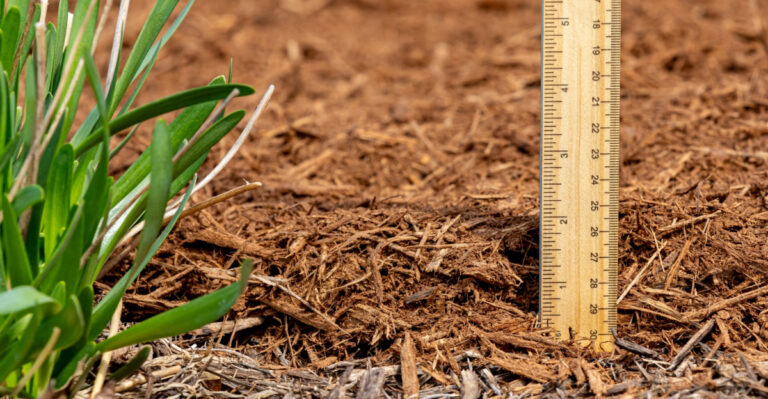
The big job now is spreading two to four inches of mulch around each shrub. Aim to finish before the first hard freeze, when temperatures drop to about 28 degrees.
Shredded hardwood, pine straw, and chopped leaves all work nicely. Chopped leaves are free, and your yard may have plenty of them right now.
Spread the mulch in a wide circle that reaches out to the edge of the branches. Keep it a few inches away from the stems so moisture does not cause rot.
Many folks pile mulch against the trunk like a volcano. That habit invites mice, fungus, and soggy bark, so flatten it out instead.
Mulch keeps the soil temperature steadier, which protects the shallow roots during large winter swings. Northern Virginia can move from the 60s to the teens within a few weeks.
Water each shrub deeply before you add the mulch layer. Moist soil holds heat better than dry soil, so the roots stay snug longer. Many yards need only a few bags. Check local garden centers for fall mulch sales.
Grab a wheelbarrow, a rake, and a free Saturday morning. Healthy roots and protected stems give your shrubs a better chance at strong blooms next summer.
Why Hydrangea Buds Need Winter Protection
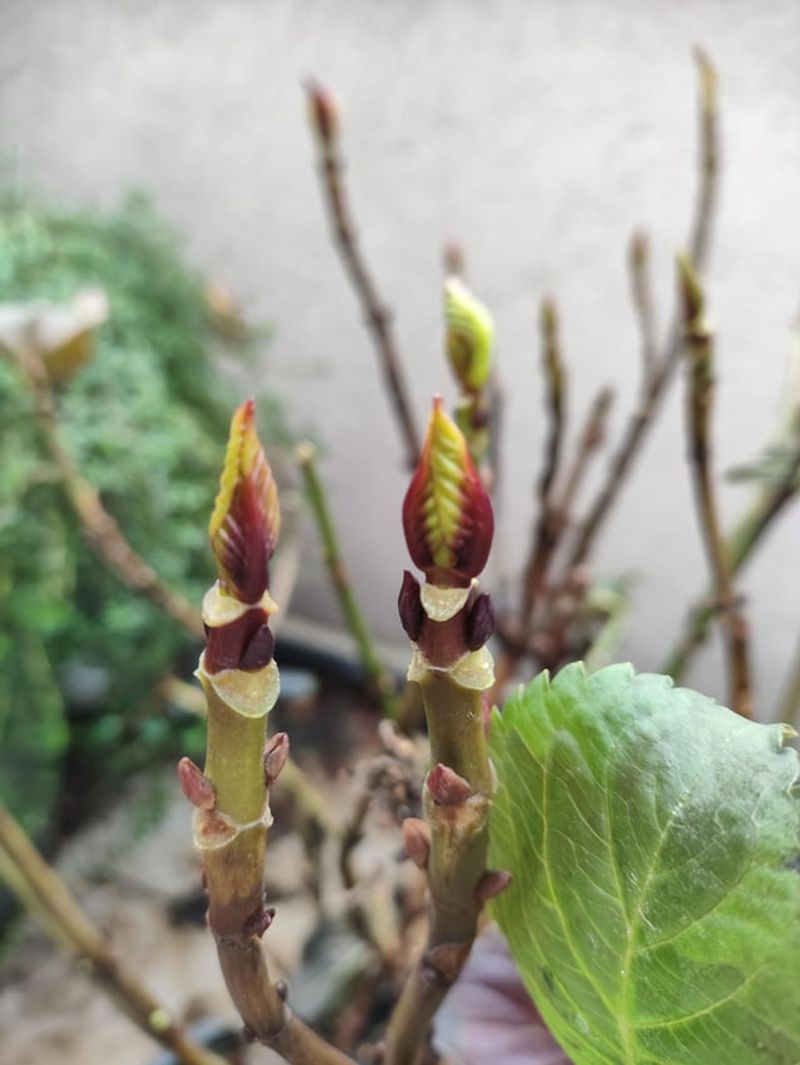
Bigleaf hydrangeas have a quirky habit that surprises many new gardeners. They form next summer’s flower buds in late summer and fall, on this year’s stems.
Gardeners call this blooming on old wood. The buds sit at branch tips all winter, waiting for spring like kids waiting for recess.
Those tiny buds are sensitive to low temperatures. A sudden freeze after a warm spell can turn them brown and soft.
Northern Virginia sits mostly in USDA zones 7a and 7b, with average winter lows of roughly 0 to 10°F depending on location. That cold is moderate, but temperature swings can be large.
Your Virginia Garden Changes Every Week. Your Plan Should Too.
Gardening in Virginia changes quickly throughout the season. Every Friday you’ll receive a simple weekly plan showing exactly what to plant, prune, fertilize, harvest, and protect so you never miss the right timing.
The first frost usually arrives in mid to late October, and a hard freeze often follows in late October or November, depending on location. Some years it arrives sooner, before shrubs fully harden off.
Drying winter winds add another problem. They pull moisture from stems and buds, leaving them shriveled even when the roots are fine.
Endless Summer and other reblooming types can flower on new growth too. Even so, they put on a bigger, earlier show when old buds survive the winter.
Oakleaf hydrangeas, native to the Southeast, are a bit tougher than their bigleaf cousins. Still, their buds also form in fall and appreciate a little extra protection.
Smooth and panicle hydrangeas bloom on new wood, so winter damage matters less for them. Know which kind you have before you start the cold-weather chores.
A quick look at the leaves usually solves the mystery. Big, glossy leaves often mean bigleaf, while oak-shaped leaves point to oakleaf.
The Late October Window In Northern Virginia
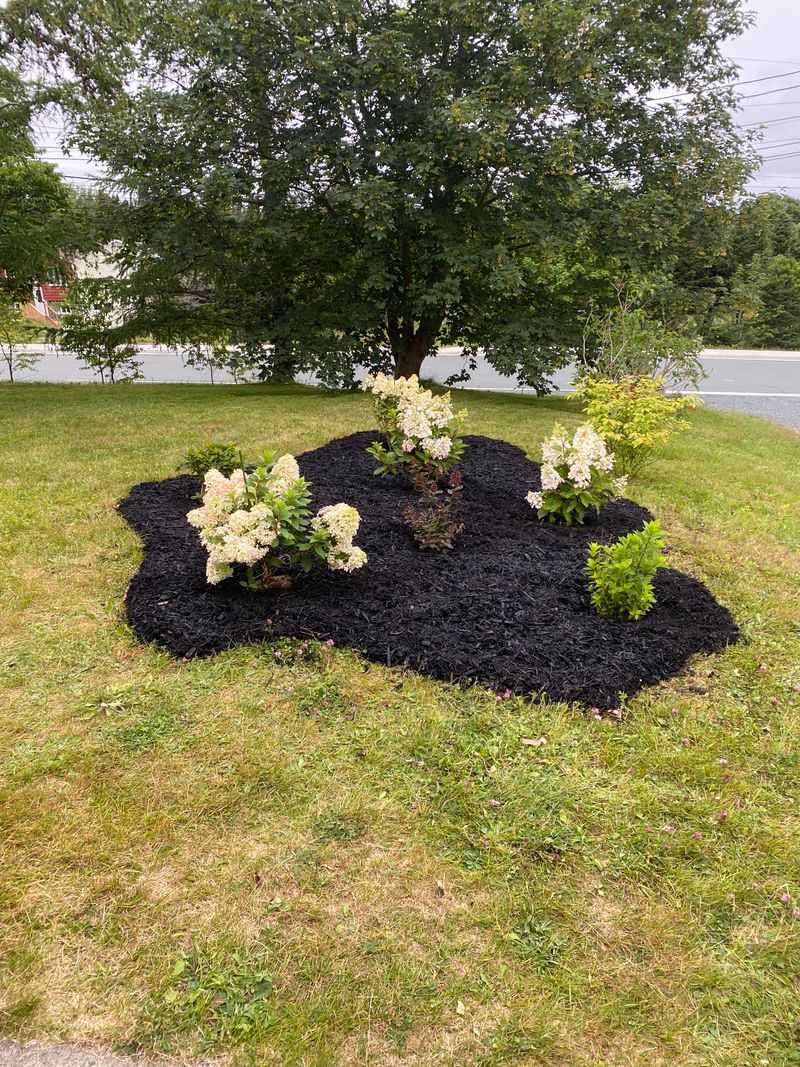
Timing a garden chore is a bit like catching a Metro train. Show up too early or too late, and you miss the ride.
For mulching hydrangeas in Northern Virginia, the sweet spot is late October through mid-November. The soil is still warm, but the shrubs are slowing down for winter.
If you wait until the ground freezes, mulch still helps keep soil temperature steady. It works best when spread before the first hard freeze.
A smart trick is watching the ten-day forecast closely. Once nighttime lows start hitting the mid-30s, grab your rake and get moving.
Arlington and Alexandria often stay a few degrees warmer because of all the pavement. Leesburg, Purcellville, and western Loudoun usually freeze a week or two sooner.
Low spots in your yard can also act like little frost pockets. Cold air sinks and settles there, much like water filling a bowl.
Check your hydrangea leaves for clues too. When they start yellowing or turning purple and dropping, the plant is heading into rest.
Plan the job for a dry afternoon after a good soaking rain. Damp soil and dry mulch make the easiest, tidiest combination. Mark a date on your calendar soon and treat it like any other appointment.
Pruning And Feeding Mistakes To Avoid
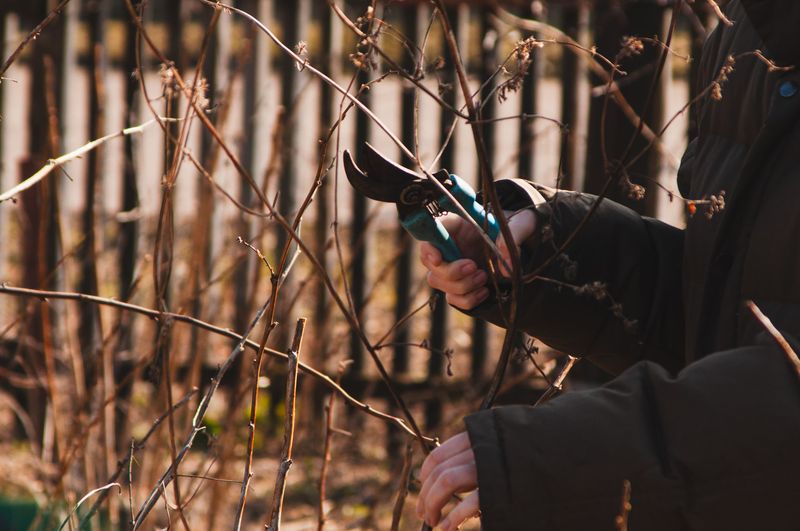
Each fall, some gardeners grab the shears and give the hydrangeas a neat little haircut. Next summer, those gardeners wonder where all the flowers went.
Cutting bigleaf and oakleaf hydrangeas in fall removes the buds for next year. You are effectively trimming away next summer’s flowers.
Please put the pruners away until the shrubs leaf out in spring. Then you can easily see which stems are healthy and which ones need trimming.
Old, dried flower heads can stay on the plant all winter. They look lovely dusted with snow and add a little shelter for the buds below.
Some gardeners even spray them gold for holiday porch displays. That counts as decorating, not pruning, so go ahead and get creative.
Another common slip is heavy fertilizing in October. Extra nitrogen wakes up tender growth that can freeze when cold weather arrives.
Skip the plant food until spring, when new leaves begin to appear. A light dose then supports strong stems and bigger blooms.
Raking mulch tight against the stems is a third common error. Wet mulch touching bark invites rot and gives voles a cozy hiding spot.
Panicle and smooth hydrangeas are the exception to the no-pruning rule. They bloom on new wood, so late winter trimming works fine for them.
When in doubt, leave the shears in the shed. Patience in October pays off with a garden full of color in July.
A Simple Burlap Wrap For Tender Buds
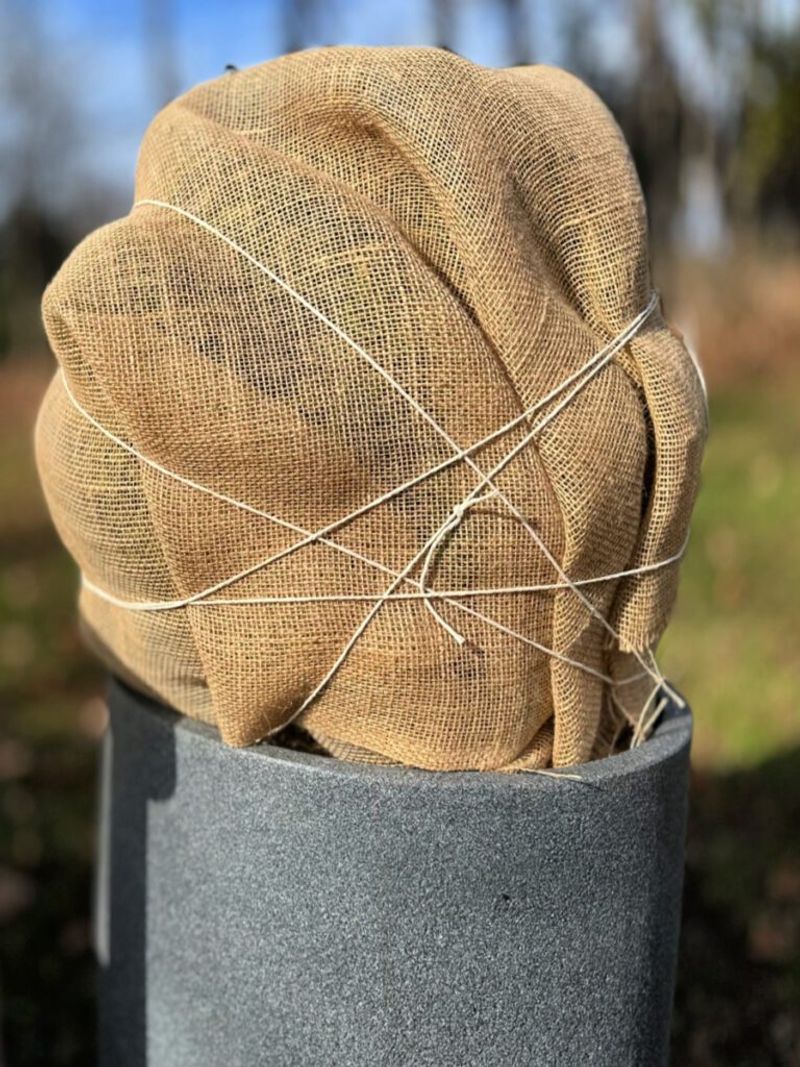
Gardeners have long used one humble material to protect their shrubs. Burlap, the same scratchy fabric used for potato sacks, works well in winter.
After mulching, a burlap wrap can add a second layer of protection for sensitive bigleaf hydrangeas, especially in exposed spots. It blocks drying winds while still letting air and moisture pass through.
Start by pounding three or four wooden stakes into the ground around each shrub. Space them just outside the branch tips so nothing gets crushed.
Wrap the burlap around the stakes and staple or tie it in place. Leave the top open so sunlight and rain can still reach the plant.
For extra warmth, loosely fill the cage with dry leaves or pine straw. Oak leaves work best because they stay fluffy and do not pack down.
Avoid plastic sheeting, even though it looks tempting. Plastic traps heat on sunny days, and the sudden swings can actually hurt the buds.
Smaller shrubs can get by with a frost blanket or an upside-down bushel basket. Remove these on mild days so the plant does not overheat.
Container hydrangeas need special care because their roots sit above ground. Move pots into an unheated garage or against a sheltered house wall.
The setup takes roughly twenty minutes per shrub, depending on size, and costs little. Burlap rolls are easy to find at most garden centers and hardware stores.
Leave the wrap in place until the risk of hard frost has passed, usually mid-April, and later in western Loudoun. Then unwrap your shrubs and enjoy a sneak peek at those healthy green buds.
Big Summer Blooms As The Reward
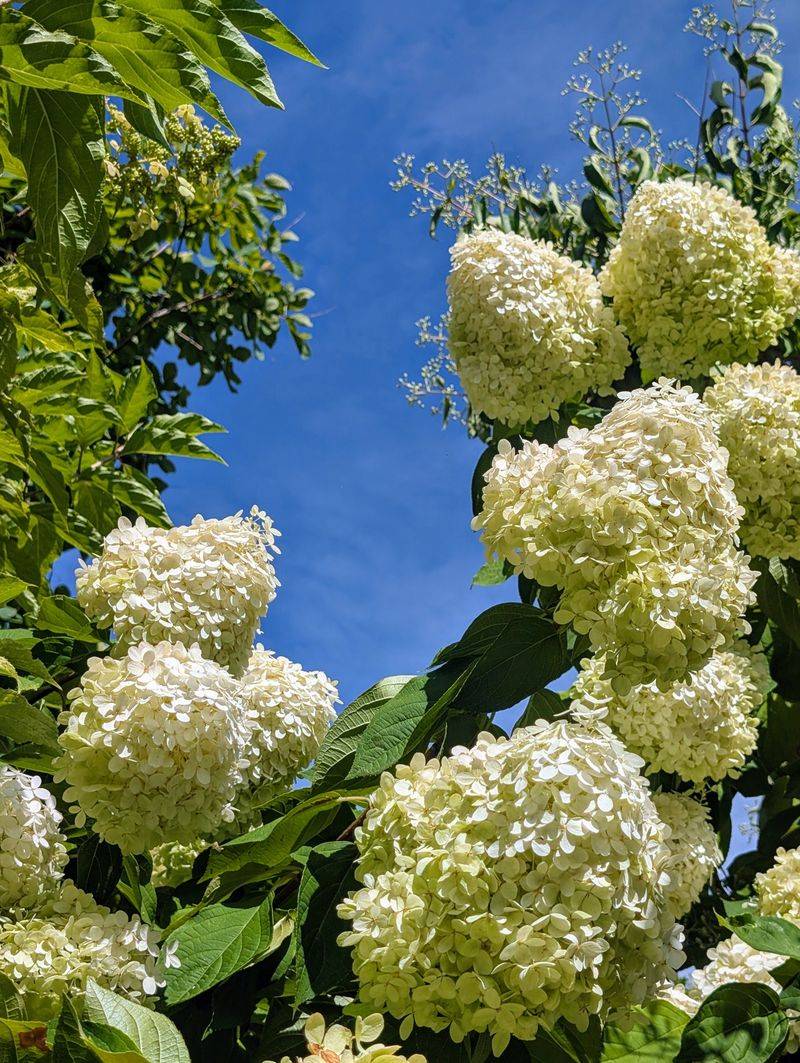
Remember the first time you saw a hydrangea bloom the size of a basketball? That memorable moment is what your October effort supports.
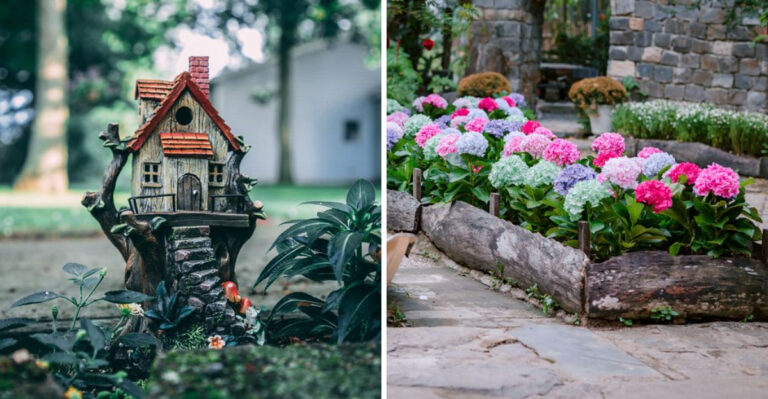
Shrubs that make it through winter with healthy buds burst into color by early June. Blue, pink, and purple mopheads can cover a plant from top to bottom.
In bigleaf hydrangeas, soil decides the color, which is a quirky bit of garden chemistry. Acidic soil (below about pH 5.5) with available aluminum produces blue flowers, while lime nudges them toward pink.
Mulch keeps paying off long after winter ends. As it breaks down, it feeds the soil and helps hold moisture during hot, sticky July afternoons.
Healthy roots also mean fewer droopy, wilted leaves in summer heat. You will spend less time dragging the hose around the yard.
To keep the good streak going, refresh the mulch every fall. Two inches of fresh material on top is plenty for most yards.
Planting in the right spot makes winter care easier, too. Morning sun with afternoon shade, near a protective fence or wall, suits hydrangeas best.
Consider choosing hardy reblooming varieties for new plantings. Many perform well in Northern Virginia and give a second chance if winter gets rough.
Keep a simple garden journal with your mulching date and the first freeze each year. Over time, you will spot patterns that make planning easier.
Neighbors will slow down on their evening walks to admire your yard. Smile, wave, and enjoy the compliments.