This Texas Native Tree Turns Golden In Fall And Hardly Needs Water
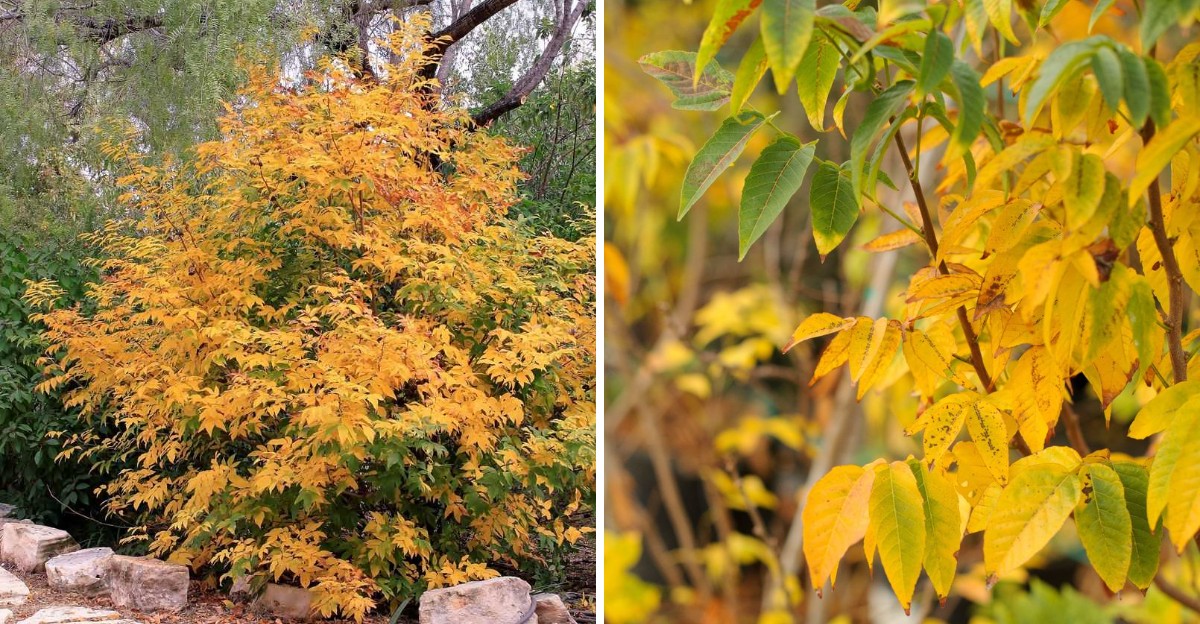
Why does a tree flourish on limestone slopes while your lawn demands constant watering? Texas hillsides host a native that thrives on thin soil, and you can plant it.
Fragrant pink blossoms open in spring, and pollinators find them fast. Summer brings glossy compound leaves that tolerate heat and thin rainfall.
You water it lightly during establishment, then step back. Roots grip shallow limestone soil and reach moisture you cannot see.
Autumn delivers clear yellow foliage while irrigated lawns fade beside it. Woody seed pods then hang in clusters and rattle in dry wind.
Compact growth suits you if overhead power lines cross your property. Pruning requires little effort, and you can skip fertilizer.
Seeds are toxic if eaten, so keep them far away from pets. Choose it for Texas landscapes and you gain color on a tight water budget.
A Small Native Tree Named Mexican Buckeye
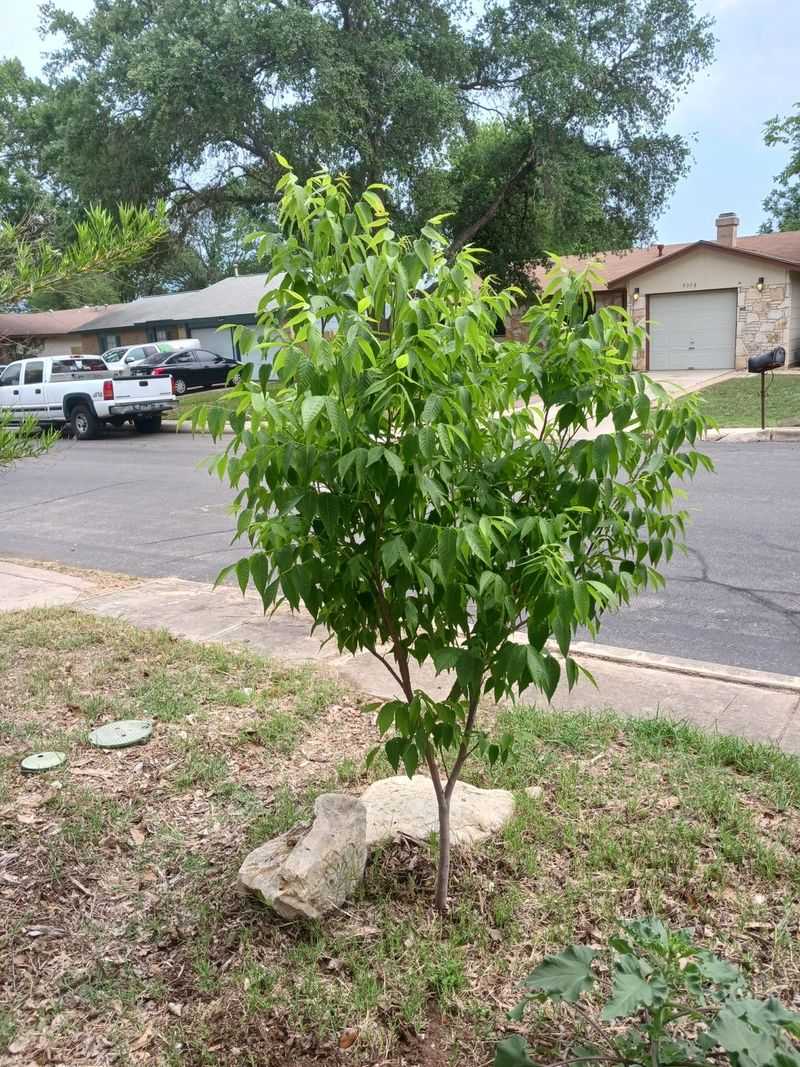
Ask a Hill Country gardener about easy fall color, and you may hear this name. The Mexican buckeye, or Ungnadia speciosa, is a small native tree with strong seasonal interest.
It grows wild across Central and West Texas, especially on the Edwards Plateau and in the Trans-Pecos. You can also find it in southern New Mexico and northern Mexico.
Most trees reach about 12 to 25 feet tall, though some stretch taller. Many grow with several trunks, giving them a shrubby, sculptural look.
Despite the name, it is not a true buckeye. True buckeyes and horse chestnuts belong to Aesculus, while this tree is Ungnadia, though both share the soapberry family.
The name likely comes from its shiny dark seeds, which resemble buckeye nuts. The resemblance is only superficial, but the nickname stuck.
In fall, its feathery leaves turn a warm butter yellow that glows in low afternoon light. On dry, rocky slopes, it often outshines taller trees nearby.
Once established, it handles long stretches without rain better than many common garden plants. That makes it a smart pick for anyone tired of hauling the hose around.
It also fits small yards, side gardens, and patio corners with ease. For Texans who want beauty without fuss, this little tree meets many needs.
Wildlife fans get a bonus too, since pollinators visit its spring flowers. Even deer tend to leave mature trees alone, though hungry ones may nibble.
The Science Behind Those Yellow October Leaves
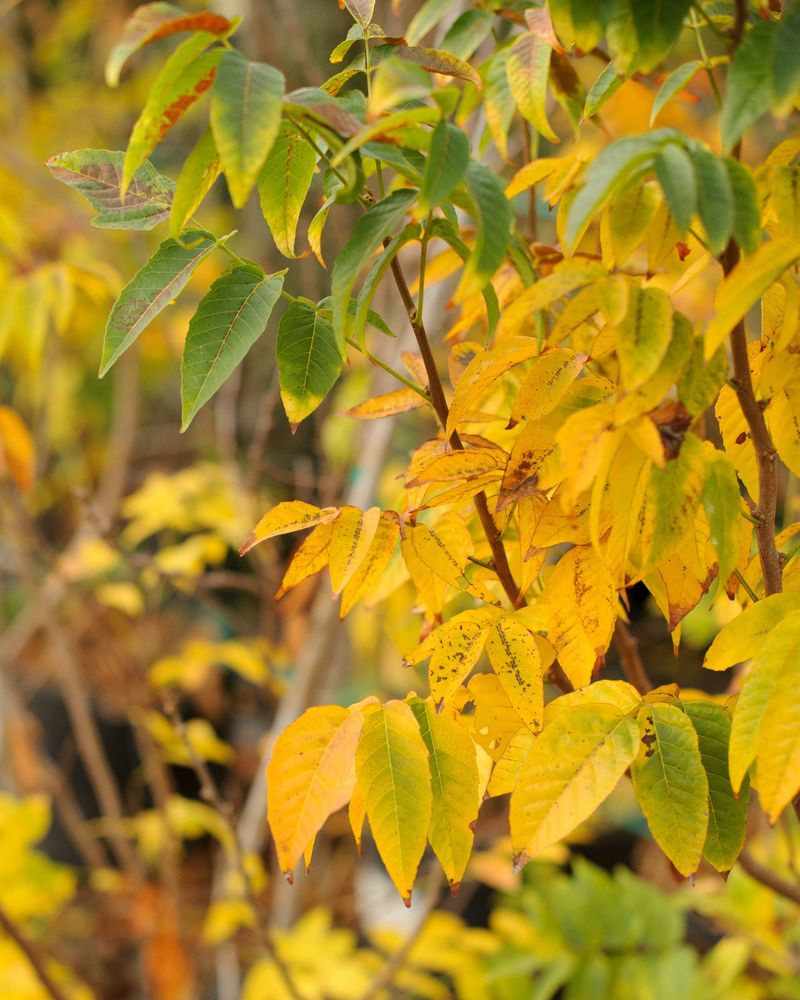
Picture a leaf as a tiny solar panel packed with green coloring called chlorophyll. All summer, that chlorophyll soaks up sunlight and turns it into food for the tree.
As October nights grow longer and cooler, the tree slowly stops making fresh chlorophyll. The green fades away, and hidden colors finally get their turn to shine.
Those hidden colors come from pigments called carotenoids, the same ones that make carrots orange. They were sitting in the leaves the whole time, just covered up.
Mexican buckeye leaves are loaded with these yellow pigments, so the tree turns a clear golden shade. Unlike some maples, it does not usually flash bright red.
Your Texas Garden Changes Every Week. Your Plan Should Too.
Gardening in Texas changes quickly throughout the season. Every Friday you’ll receive a simple weekly plan showing exactly what to plant, prune, fertilize, harvest, and protect so you never miss the right timing.
Weather can affect how strong the color looks each year, though yellow tones are fairly consistent. Sunny days and cool nights often help the gold look its richest.
An early hard freeze can cut the show short by browning leaves overnight. A very wet, cloudy fall may make the yellow look a bit duller.
In many parts of Texas, peak color typically shows up from late October into November, depending on the year’s weather. Trees in the Hill Country may light up a little sooner than those farther south.
Plant one where low afternoon sun can shine through the leaves from the side. The backlit gold looks almost like stained glass on a calm evening.
Snap a photo each fall, and you will notice how the color shifts from year to year. Think of it as a natural weather diary hanging right in your yard.
The Best Season To Plant One
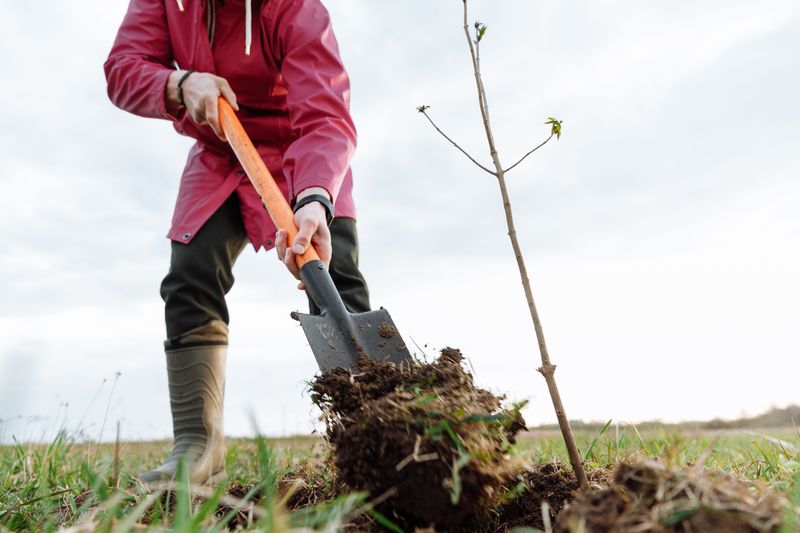
October is one of the best months to plant in most of Texas. The intense summer heat has eased, yet the soil stays warm enough for roots to grow.
Planting now gives a young Mexican buckeye several cool months to settle in before summer returns. Roots keep spreading underground even after the leaves drop.
By the time next July arrives, the tree has a deeper, sturdier root system. That head start is a big reason it can later handle drought so well.
Look for healthy trees in one to five gallon pots at native plant nurseries. Smaller trees often catch up quickly and settle in faster than big ones.
Dig a hole about twice as wide as the pot but no deeper. Set the tree so the top of the root ball sits level with the ground.
Fill the hole back in with the same native soil you dug out. Rich bagged mixes can hold too much water and keep roots from venturing outward.
Water deeply right after planting to settle the soil around the roots. Then add two or three inches of mulch, keeping it a few inches from the trunk.
Seeds are another option if you feel patient and a little adventurous. Gather the dark seeds from dry pods this month and plant them outside soon after. The seeds are toxic if eaten, so keep them away from children and pets.
Some seeds sprout the following spring, though germination varies. Watching a tiny sprout appear feels like a small backyard victory worth celebrating.
The Watering Mistake That Hurts It Most

Extra watering can cause problems, and plenty of gardeners learn that lesson with a hose in hand. The most common trouble for Mexican buckeye is too much water, not too little.
In the wild, this tree grows on rocky limestone hillsides where rain drains away fast. Its roots expect to breathe between drinks, not sit in soggy mud.
When soil stays wet for days, roots can start to rot and lose their grip. The tree may then wilt, yellow early, or drop leaves in summer.
Ironically, those signs look a lot like thirst, so worried owners often add even more water. That cycle can stress a tree that needs drier soil.
Severe drought can cause similar leaf drop, so check the soil moisture before changing your routine.
Watch out for lawn sprinklers that hit the tree several times a week. Grass may thrive on that routine, but your buckeye may decline over time.
Heavy clay soil is another challenge, since it holds moisture like a sponge. Planting on a slight mound or slope helps extra water run away from the roots.
Before watering, poke a finger two inches into the soil near the trunk. If it still feels damp, skip the hose and check again in a few days.
During the first summer, a deep soak every week or two is usually plenty. After that, most established trees get by on natural rainfall alone.
Only extended hot, dry periods call for an occasional slow, deep drink. Less watering generally suits this tree.
Sunny Spots And Rocky Soil Make It Happy
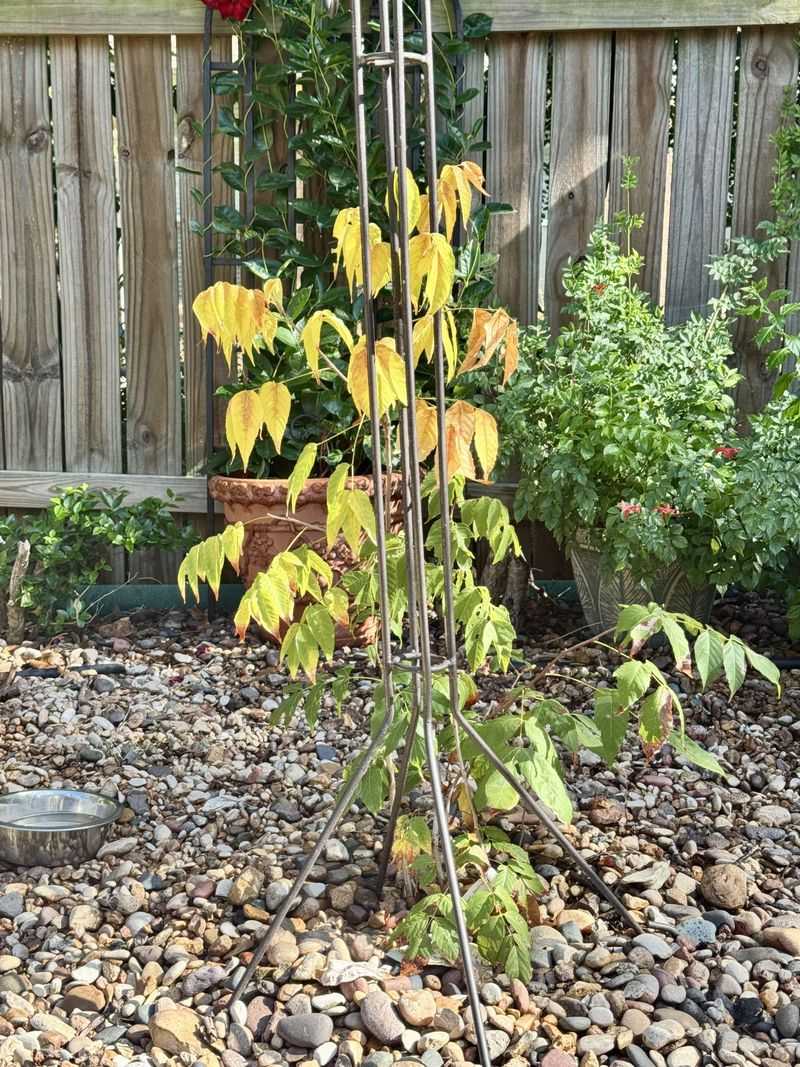
Some plants crave pampering, but this one prefers a rough-and-tumble life. Give it sun, decent drainage, and a little elbow room, and it mostly takes care of itself.
Full sun brings the most flowers in spring and the brightest gold in fall. It can handle partial shade, though it may grow looser and bloom less.
Rocky, alkaline, or shallow soils suit it just fine, so limestone yards are a perfect match. Sandy and loamy soils work well too, as long as water drains freely.
Skip heavy fertilizer, since extra food can push weak, floppy growth. A layer of shredded mulch slowly feeds the soil and keeps roots cooler in summer.
Pruning needs are light, which saves you time and sore arms. Trim crossing or broken branches right after the spring bloom, so you do not remove the flower buds.
You can shape it as a multi-trunk shrub or train it into a small single-trunk tree. Both styles look handsome, so pick whatever suits your space.
Pests and diseases seldom cause serious trouble for this sturdy native. Deer may nibble young plants, so a simple wire cage helps during the first year or two.
One caution matters for families with curious kids or pets. The seeds are toxic if eaten, so teach little ones to admire the pods without tasting them.
Pair it with other tough natives like salvia, agave, or cedar sage for a low-water garden. The mix creates color and texture through every season of the year.
Year-Round Rewards From Spring Blooms To Seed Pods
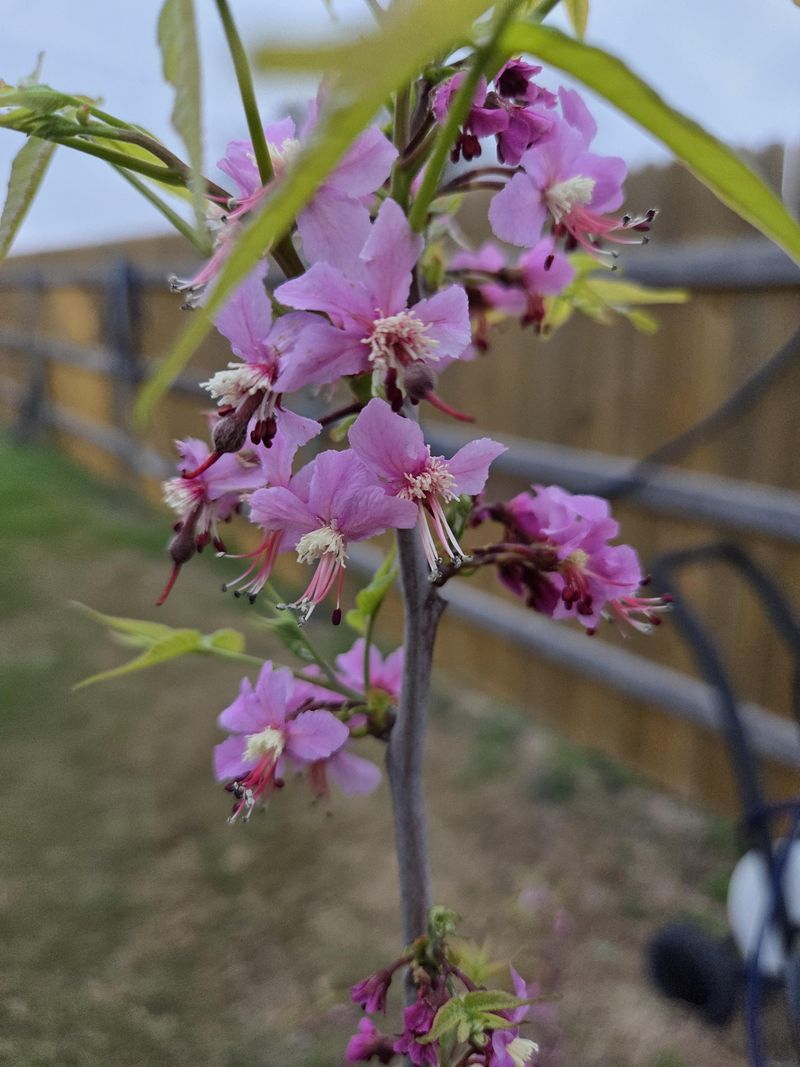
Long before the gold arrives, this tree starts the year with a surprise. In early spring, clusters of rosy pink flowers burst out along bare branches.
The blooms carry a sweet scent and often open around the same time as redbuds. From a distance, many people mix up the two trees. Pollinators visit the flowers on warm days.
After the flowers fade, glossy green leaves fill out the canopy. They provide light, dappled shade that feels pleasant on a hot summer afternoon. By late summer, odd three-sided seed pods dangle from the branches like tiny lanterns.
Winter brings its own quiet charm once the leaves have fallen. The empty pods often cling to branches, adding interesting shapes against a gray sky.
Over the years, a healthy tree can live for decades with very little help. Each season, it rewards you with something new to notice and enjoy.
Planting one this fall is a small act that pays off for a long time. Expect seasonal color for years.
Neighbors may even ask about it. If you share saved seeds, remind them that the seeds are toxic if eaten, and a hardy native will spread.