The Ohio Backyard Visitor That Eats Rabbits, Mice And Groundhogs
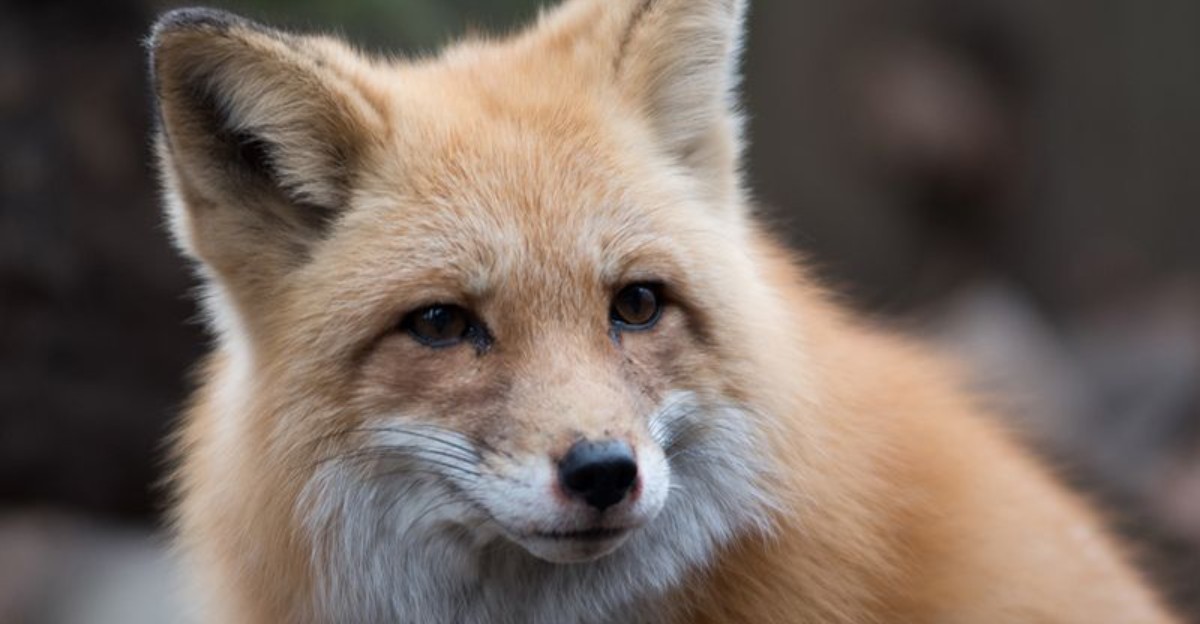
Something keeps your garden’s pest crowd under control, and you’ve probably never laid eyes on it.
It works the dawn and dusk shifts across Ohio, sliding along fence lines and field edges without a sound. Rabbits vanish.
Mice thin out. Even a plump groundhog makes the menu.
Nobody sends a thank-you card.
Most people spot a flash of fur or a pair of pointed ears and jump to the wrong conclusion. The truth is more interesting, and a lot less scary than the rumors suggest.
Its presence says something good about your patch of land, though a few details in your yard decide whether it stays or moves on.
Watch the tree line at first light this week. Patience pays off with this one.
1. That Visitor Is The Red Fox
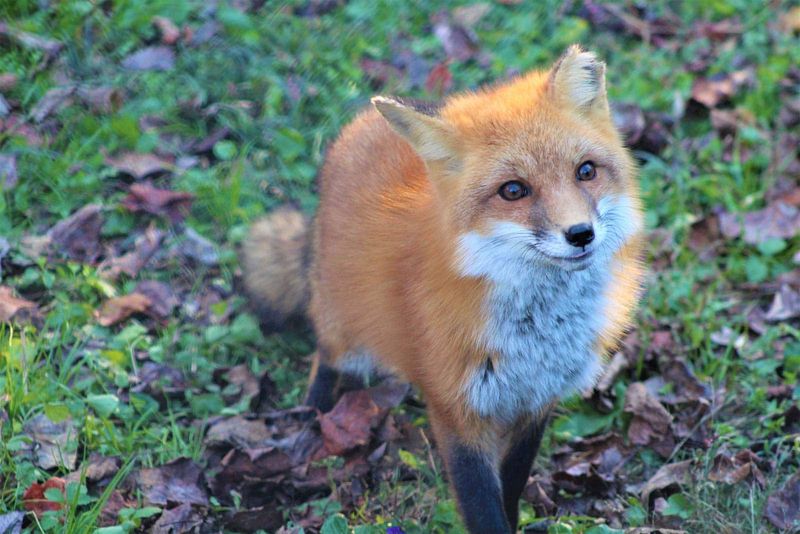
Meet the red fox, the rusty-coated wanderer of Ohio neighborhoods. Many folks spot one and stare, wondering if they really just saw a fox in town.
Yes, you did! Red foxes show up in backyards, parks, cemeteries, and quiet streets across the state.
They feel right at home where farm fields meet houses and shopping centers.
Why do they like these spots so much? Edges are full of food, from mice in tall grass to rabbits nibbling lawns.
Hedges, sheds, and brush piles also give them places to rest and hide during the day.
You are most likely to see one around dawn or dusk. That is when foxes are busy hunting and moving between their favorite spots.
Some city foxes even get bold enough to trot past in daylight.
If one wanders through your yard, enjoy the show from a window. Grab your phone and snap a picture, but stay back and let it go about its business.
Feeding foxes is a bad idea, since it teaches them to hang around people too much.
Fun fact: the red fox is one of the most widespread wild meat-eaters on the planet. It lives across North America, Europe, Asia, and even parts of North Africa.
Your backyard visitor has relatives all over the globe!
2. Ohio Is Home To Two Fox Species

Here is a little trivia to impress your friends at lunch. The state has exactly two native fox species, and they are not twins.
The first is the red fox, known to scientists as Vulpes vulpes. The second is the gray fox, with the tongue-twisting name Urocyon cinereoargenteus.
Both belong to the canid family, which also includes dogs, wolves, and coyotes.
So how are they different? The red fox loves open spaces like fields, meadows, and neighborhood edges.
The gray fox prefers thick woods and brushy areas, so it tends to stay more hidden.
Gray foxes have one amazing trick up their sleeve. They can climb trees!
Their curved claws let them scramble up trunks to escape danger or grab a snack. Red foxes stick to the ground and rely on speed and sharp senses instead.
Because gray foxes are so secretive, many Ohioans go years without seeing one. Red foxes are far easier to spot, which is why they get most of the attention.
Your Ohio Garden Changes Every Week. Your Plan Should Too.
Gardening in Ohio changes quickly throughout the season. Every Friday you’ll receive a simple weekly plan showing exactly what to plant, prune, fertilize, harvest, and protect so you never miss the right timing.
If you hike in southern Ohio’s hilly forests, keep your eyes peeled. That shadowy figure slipping between oaks just might be the rarer gray cousin.
Spotting both species makes you a true Ohio wildlife pro.
3. Tell Them Apart By The Tip Of The Tail
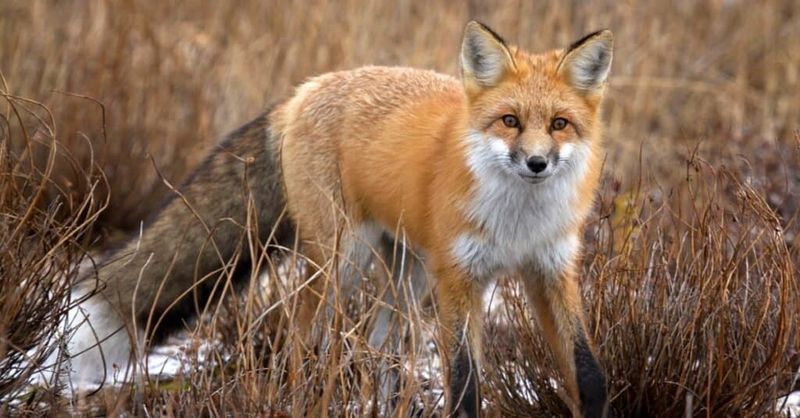
Forget the fur color for a second and look at the back end. The tail tip is the best clue for naming the fox you just saw.
A red fox has a white tip on its tail, like it dipped it in a can of paint. That white flag shows up even on foxes with unusual coats, such as darker or silvery ones.
So color can fool you, but the tail tip rarely does.
A gray fox tells a different story. Its tail ends in a black tip, and a dark stripe often runs along the top.
Think of it as a racing stripe on a sporty car.
There is another handy hint for red foxes. Look at their legs, and you will usually see black fur that looks like cozy socks.
Gray foxes tend to have reddish or rusty patches on their necks and sides instead, which can cause mix-ups.
Here is a quick memory trick. White tip means red fox, black tip means gray fox.
Say it a few times, and you will have it down for good.
Next time a fox dashes across the road, focus on that tail. In just a second or two, you can make a confident ID like a real naturalist.
4. Mice, Rabbits And Groundhogs Are All On The Menu

Gardeners, you might have a furry helper you never hired. Red foxes chow down on many of the pests that wreck vegetable patches.
Mice are a favorite snack. A fox listens for tiny squeaks and rustles under grass or snow, then leaps high into the air.
It lands nose first, pinning the mouse with its front paws. Watching this pounce is like seeing a furry acrobat at work.
Rabbits are next on the list. Those cute bunnies that munch your beans and lettuce make a hearty meal for a hungry fox.
Rats also get caught, which is good news for barns and sheds.
Then there are groundhogs, the big burrowing chewers of Ohio. Foxes are clever enough to learn a groundhog’s habits.
They wait and ambush the critter when it wanders too far from its burrow.
Because of this diet, foxes help keep rodent and rabbit numbers in check. Fewer rodents can mean less damage to crops, gardens, and even wiring in outbuildings.
So before you grumble about a fox in your yard, think about the free pest patrol. That orange visitor may be the reason your carrots made it through the summer.
Nature has its own way of balancing things out.
5. Birds, Insects, Fruit And Acorns Round Out The Diet

Picky eater? Not this animal.
A red fox is an omnivore, which means it eats both meat and plants.
When small mammals are hard to find, a fox simply switches menus. It will catch birds, crunch on beetles and grasshoppers, and even snack on crayfish.
Fish and carrion, which is meat from animals that have already passed on, also make the list.
Summer and fall bring a sweet change. Foxes gobble up berries, wild grapes, apples, and other fruits.
They munch on vegetables, nuts, acorns, and even grasses too. Some foxes raid backyard gardens for ripe tomatoes or fallen fruit.
This flexible diet is a big reason foxes do so well. They can live almost anywhere because they eat almost anything.
Smart, right?
Want fewer fox visits near your home? Pick up fallen fruit from trees and keep garbage cans tightly closed.
Bring pet food inside at night, and clean up spilled birdseed under feeders. Those leftovers draw mice, and mice draw foxes.
Did you know? Foxes sometimes bury extra food to eat later.
This habit is called caching, and they remember where most of their snacks are hidden. It is like having a secret pantry in the backyard.
6. A Red Fox Weighs Just 10 To 15 Pounds
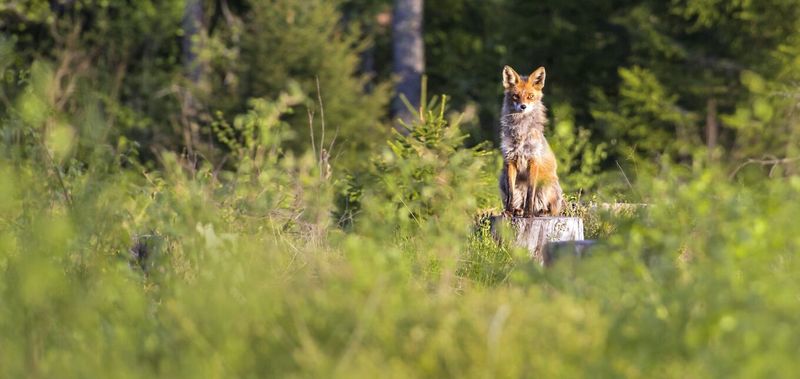
Guess how much a red fox weighs. Most people say something like a medium dog, but the real answer is surprising.
An adult red fox usually weighs about 10 to 15 pounds, and some are as light as 7. That is close to the size of a big house cat!
Males, called dogs, are often a bit heavier than females, called vixens.
So why do foxes look so much bigger? Their thick, fluffy fur and long legs trick our eyes.
Under all that fluff is a slim, lightweight body built for speed and pouncing.
The body stretches about 22 to 32 inches long. Then add a bushy tail that measures another 14 to 16 inches.
That tail is not just for show, either. Foxes use it for balance when running and wrap it around themselves like a blanket in cold weather.
Their small size helps them squeeze through fence gaps and slip under decks. It also explains why they go after small prey rather than large animals.
Here is a fun comparison for school. A red fox weighs about the same as a bowling ball or a full bag of potatoes.
Pretty light for such a clever hunter!
7. Red Foxes Pose No Danger To People
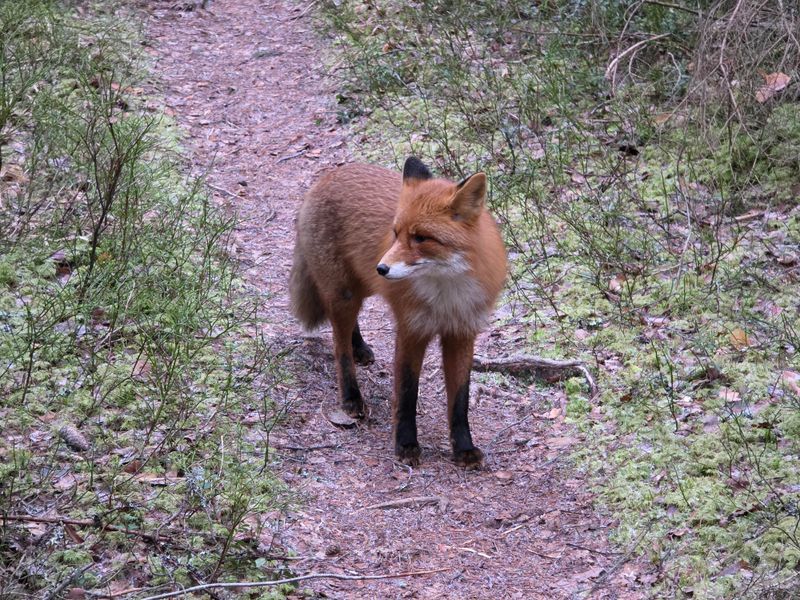
Take a deep breath, because that fox is more nervous than you are. Healthy red foxes much prefer to avoid people.
When a fox sees a human, its first move is usually to run. Foxes are shy by nature and see us as large, noisy creatures to steer clear of.
Attacks on people are very rare.
Trouble happens mostly when a fox feels cornered, trapped, or hurt. Rabies can also change an animal’s behavior, but it is uncommon in Ohio foxes.
A fox that acts confused, wobbly, or strangely bold should be reported to local wildlife officials.
What about kids and pets? Foxes are not considered a threat to children or to grown dogs and cats.
Tiny kittens are a different story, so keep very young pets indoors.
Here are a few simple tips. Give foxes plenty of space, and teach kids to watch quietly from a distance.
Never try to pet, feed, or catch one, even if it looks friendly.
If a fox lingers too close, clap your hands or make loud noises. Usually it will trot off without a fuss.
Sharing the neighborhood with wildlife can be peaceful when everyone keeps a respectful distance.
8. Keep Chicken Coops Secure At Night
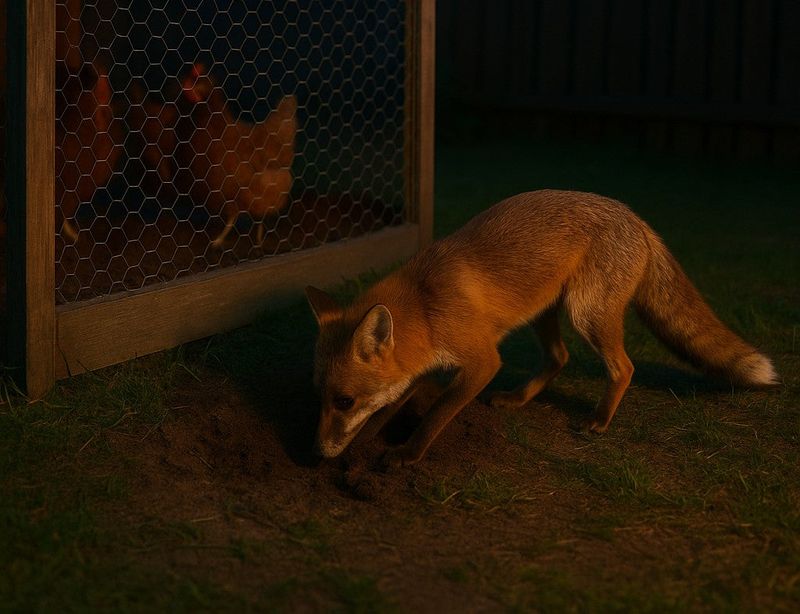
Ask any backyard chicken keeper about foxes, and you might hear a sigh. These sly hunters know a coop full of hens is like a snack bar.
Foxes are smart and patient. They watch your daily routine and look for weak spots, such as loose boards or a gate left open.
Once inside, a fox can harm several birds or carry off whole chickens and eggs.
Spring is the riskiest season. That is when foxes are feeding hungry pups and need lots of food fast.
The good news is that strong defenses work well. Build fencing at least six feet high so foxes cannot jump over.
Bury wire about a foot underground, or lay an apron of wire outward, to stop digging.
Use hardware cloth instead of chicken wire, since foxes can tear through thin mesh. Add locks that need two steps to open, because clever paws can flip simple latches.
Most important, close your flock inside the coop every evening. Foxes do much of their hunting from dusk to dawn.
Motion lights and a radio playing softly can add extra discouragement. A little effort each night keeps your feathered friends safe and clucking happily.
9. Foxes Live In All 88 Ohio Counties
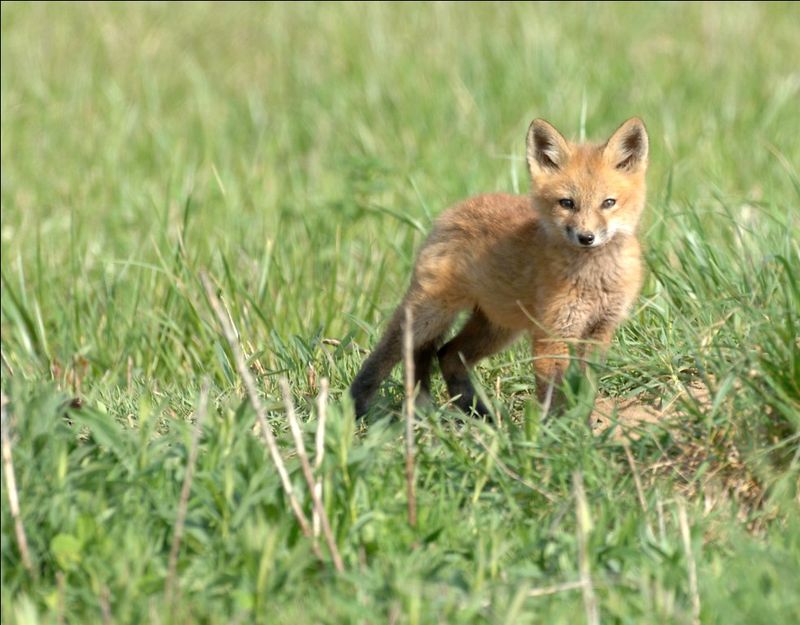
From Lake Erie to the Ohio River, this orange wanderer has the whole map covered. Red foxes live in every single one of the state’s 88 counties.
That is quite an achievement for any wild animal. It shows how well foxes adapt to different places, from quiet farm fields to busy city suburbs.
Some areas have more foxes than others. The farm country of central and northwestern Ohio tends to have the most.
Wide fields, fencerows, and woodlots create a perfect mix of hunting grounds and hiding spots.
Cities like Columbus, Cleveland, and Cincinnati have foxes too. Parks, golf courses, rail lines, and cemeteries work like green highways that let them travel through town.
Want to see one yourself? Visit a local park or nature preserve early in the morning.
Bring binoculars, walk quietly, and scan the edges where grass meets trees.
You can also help scientists by reporting sightings. Some wildlife groups and apps collect information about where foxes show up.
Your backyard photo might add a useful piece to the puzzle.
No matter where you live in the Buckeye State, a fox could be nearby. Keep watching, and someday that flash of orange might be yours to enjoy.