Foliage Doesn’t Reveal How Many Potatoes Are Hiding in an Arizona Patio Container
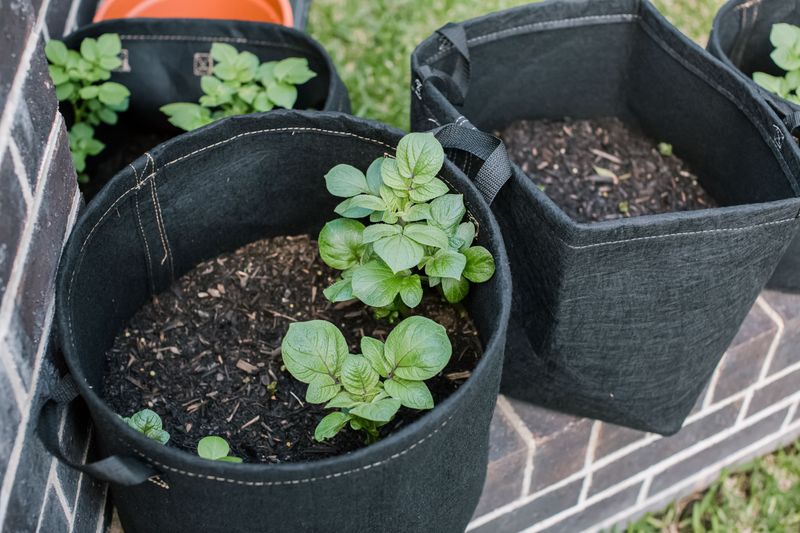
A potato plant can look leafy and healthy while the real action happens out of sight. In a patio container, that hidden growth makes harvest day feel like opening a present.
For low-desert Arizona gardeners, the trick is growing potatoes during the cool months, not the scorching ones. Here is how to plant, care for, and dig them with realistic expectations.
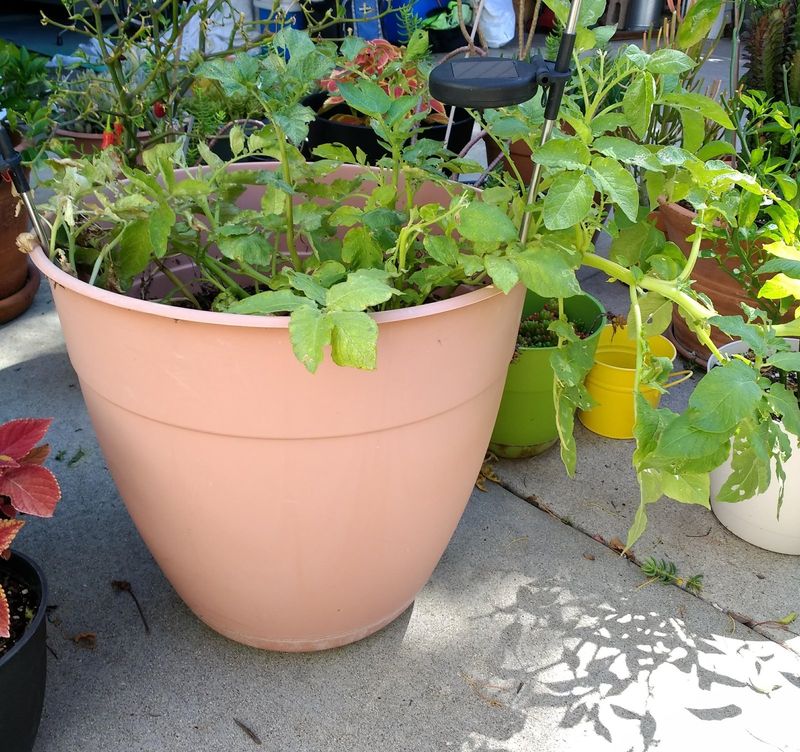
The foliage hides what the plant is building
Potatoes are not roots. The part we eat is an underground stem called a tuber, and it swells below the surface while the leaves do their work in the sun.
Illinois Extension explains how these tubers form on underground stems, which is why a bushy green plant tells you very little about what is happening below.
That is what makes a container harvest so fun. You tip the pot, run your hands through the mix, and find out what the plant built while you were not looking.
One plant can set several tubers, but the count is not fixed. The International Potato Center notes that a plant may form a few tubers or as many as 20, depending on conditions.
So treat the surprise as part of the fun, not a promise. Variety, moisture, nutrients, and temperature all shape how many potatoes you find and how big they get.
When should Arizona gardeners plant?
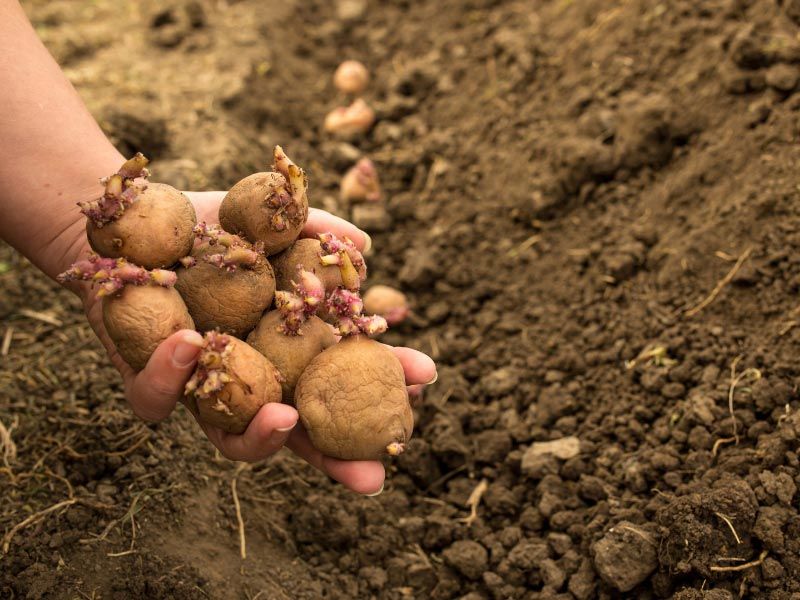
Low-desert gardeners get a flip-side calendar. Potatoes want cool weather, so the season runs through fall and winter instead of spring.
The University of Arizona planting guide lists September 1 through February 15 for Irish potatoes at elevations of 10 to 1,000 feet.
That window is only for those low elevations. Higher towns such as Prescott or Flagstaff have different dates, so check the same calendar for your elevation and watch your local conditions, like a surprise frost or a warm spell.
Why the fuss about temperature? Illinois Extension reports that tuber formation is strongest when soil sits around 60 to 70 degrees F and stops when it reaches about 80 degrees F.
A patio in a hot Arizona afternoon can pass that mark fast, so cooler months give your plants their best shot.
Choose a container that protects the growing zone
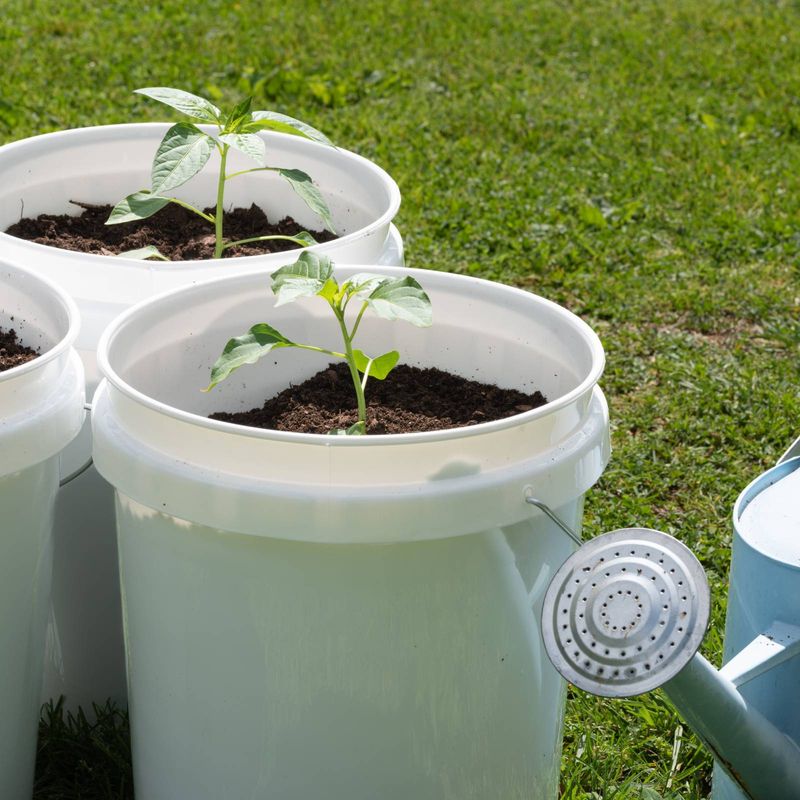
Pick a deep, adequately sized pot with drainage holes in the bottom. Fabric grow bags, sturdy buckets with holes, and large planters can all work if water can leave freely.
There is no magic size, so give the tubers room instead of cramming them in.
Skip the native desert dirt. Fill the container with a loose container mix that drains well, since heavy soil can hold water around the tubers.
University of New Hampshire Extension recommends a loose, well-drained mix for container potatoes.
Arizona sun adds a twist. Patio pots heat up and dry out faster than garden beds, and warm soil is bad news for tuber growth.
University of Arizona guidance suggests shading the container itself.
Try a shade cloth or a nearby pot wrapped around the sides, while keeping the leaves in the light. The plant needs its sun, but the root zone appreciates a break.
Your Arizona Garden Changes Every Week. Your Plan Should Too.
Gardening in Arizona changes quickly throughout the season. Every Friday you’ll receive a simple weekly plan showing exactly what to plant, prune, fertilize, harvest, and protect so you never miss the right timing.
Start with certified seed potatoes
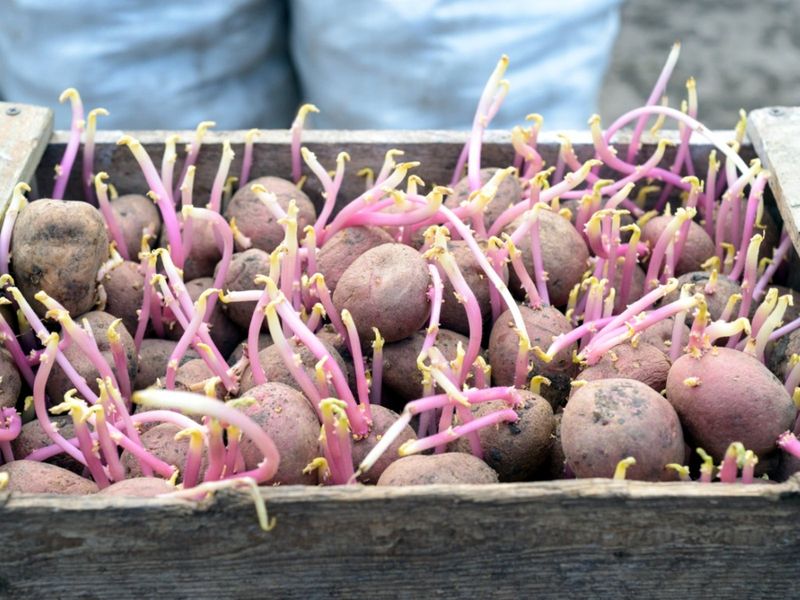
Buy certified seed potatoes from a nursery or reputable supplier. They are grown to be planted, and they help you avoid problems that can come along with ordinary table potatoes.
Grocery-store potatoes are tempting, but they are a gamble. Some market potatoes may be treated to prevent sprouting, so they may sit there and never wake up.
University of Arizona potato guidance points gardeners toward certified seed for this reason.
Once you have your seed, set it in the prepared container during the cool window for your elevation. Large seed potatoes are often cut into pieces with a few eyes each, and some growers let cut sides dry before planting.
Place them in the loose mix and cover them with a few inches.
Check this container potato advice for planting steps, then water lightly so the mix is damp, not soggy.
Keep the mix moist and the tubers covered
Moisture is the daily job. Aim for a mix that feels like a wrung-out sponge: damp throughout, never swampy.
Press a finger a couple of inches down and water when it starts to dry. Drainage matters just as much, since extra water has to be able to leave.
Arizona patios make this tricky, because pots dry out faster than the ground. University of Arizona container advice notes that containers need more frequent watering attention in desert conditions.
On a warm day, check more than once.
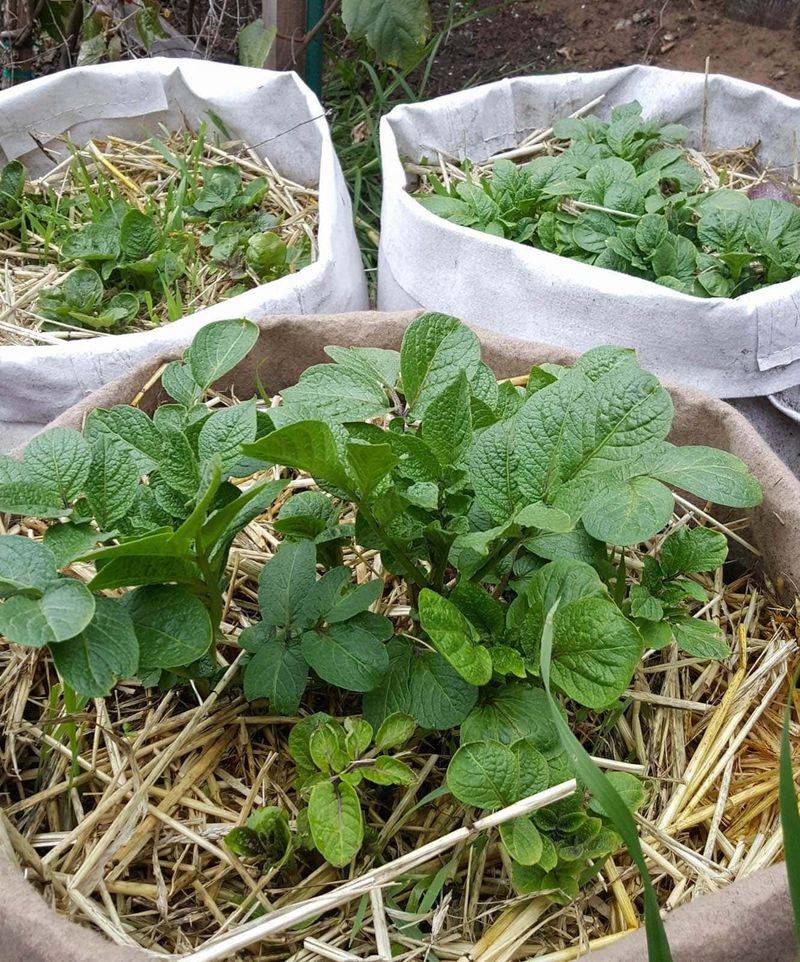
As stems grow, add more mix around them. Illinois Extension describes hilling as a way to cover developing tubers so light does not reach them.
Leave the top leaves showing so the plant can keep making energy.
Think of this step as protection, not a trick for a bigger crop. Extra layers do not automatically mean more potatoes.
Harvest according to the potatoes you want
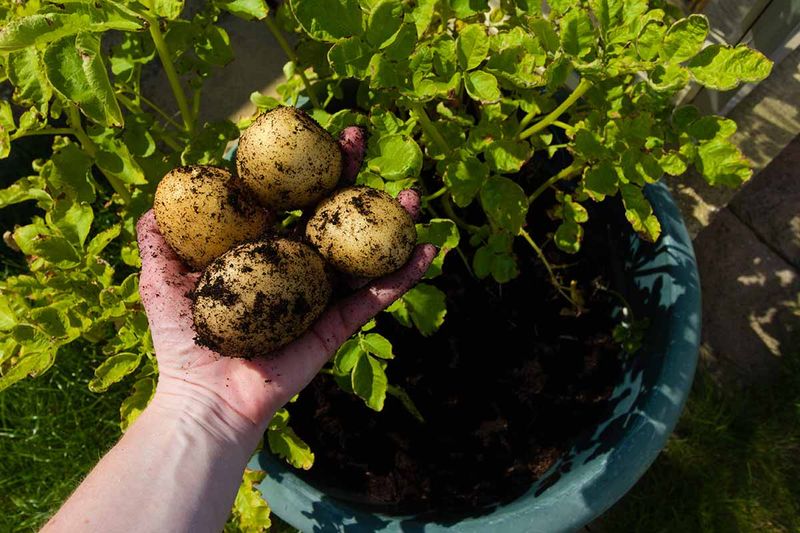
Decide what you are after. Small new potatoes can be gathered gently from the edges of the mix before the foliage fades.
For full-size, mature potatoes, wait until the leaves yellow and die back. Iowa State Extension describes both approaches.
Flowers can look like a finish line, but a blooming plant alone does not mean the whole crop is ready. Watch the foliage instead, then tip the container onto a tarp and sort through the mix.
A few safety notes. Never eat potato leaves, stems, sprouts, or green fruit.
Tubers that were exposed to light can turn green, and that is a warning sign. University of Alaska Fairbanks Extension covers greening, and color alone does not tell you exactly how much is in a potato.
Discard potatoes that are heavily green or taste bitter. Normal, unexposed potatoes are fine to enjoy, and storing them in the dark helps.
A hidden harvest is possible, not guaranteed
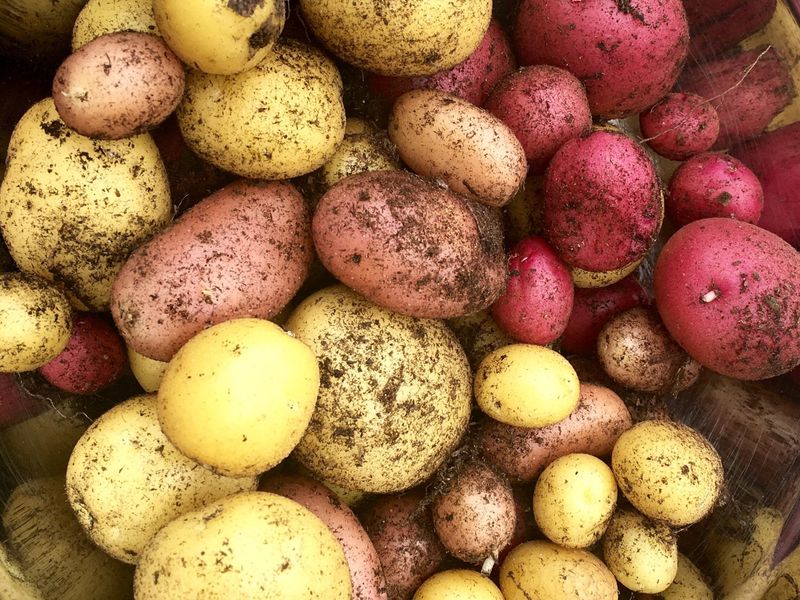
So what is hiding in that pot? Probably several tubers, in a mix of sizes.
The number depends on the variety, moisture, nutrients, and temperature, and the range is wide, from just a few to many.
Container crops may also come up smaller than in-ground crops, as extension specialists point out. That does not make a patio pot a poor choice.
It is easy to reach, easy to shade, and fun to dig.
Judge your season by the basics: you planted in the cool window, kept the mix evenly moist, and waited for the plant to tell you when to dig.
The best part of a potato pot is the moment you tip it over and find out.