Why Deer Strip Ohio Arborvitae Every Winter – Protect Them Now
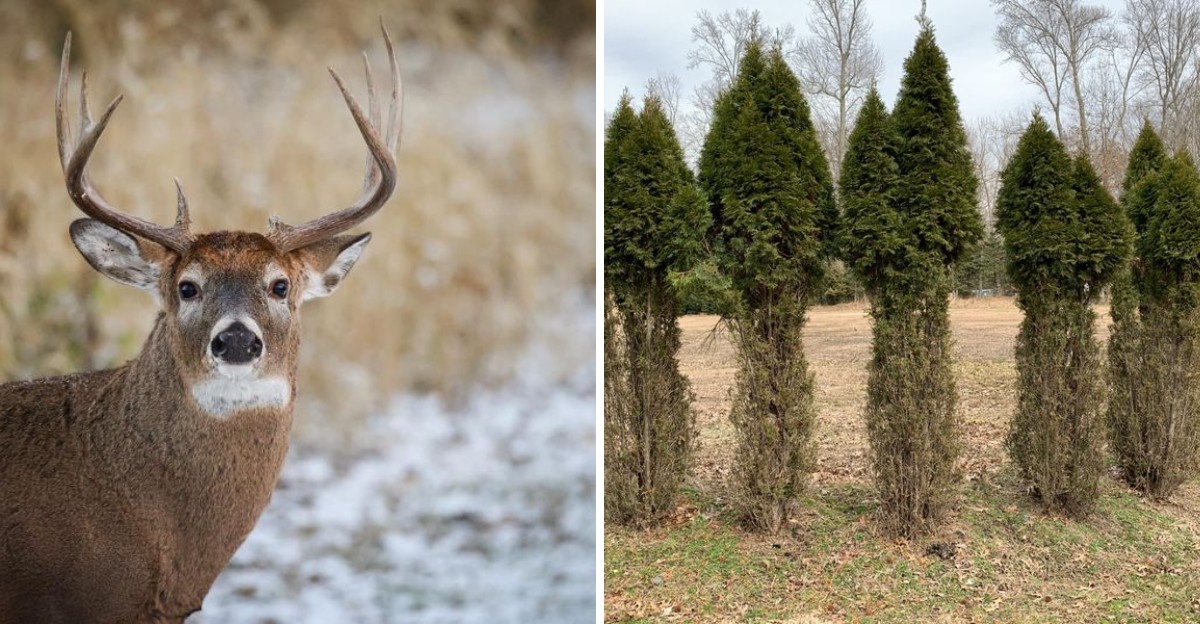
Walk out one January morning and find your privacy hedge chewed bare from the ground up to about four feet. You know exactly who dined overnight.
Ohio deer treat arborvitae like a winter salad bar. Other food runs low, snow covers the ground, and your evergreens stand there like an open invitation.
One cold week can wreck what took years to grow.
Replacing the damage costs a small fortune, and the tree never quite looks the same again. Most gardeners only react after the first bite marks show up.
Smart owners get ahead of it in fall, before the hungry herds start scouting. A few moves now make your yard look like a bad restaurant to every deer in the county.
Pick your plan this weekend while the ground is still soft. Deer don’t wait for a convenient date.
1. Arborvitae Is A Deer Favorite
Picture a deer strolling through a snowy Ohio yard like it owns a buffet pass. Your arborvitae hedge is the first thing on its menu.
American arborvitae, known to scientists as Thuja occidentalis, ranks near the top of the deer snack list. Its flat, soft sprays of foliage are tender and easy to chew.
Those leaves also pack real nutrition when little else is green. To a hungry deer, a row of arborvitae looks like a salad bar that stays open all winter.
Popular cultivars such as ‘Emerald Green’ are especially at risk. Homeowners love them for tidy privacy screens, and deer love them for an easy meal.
Many Ohio neighborhoods sit right next to woods, creeks, and farm fields. That means deer wander through yards most nights, often without anyone noticing.
Look closely at your shrubs for clues that deer have visited. Torn, ragged branch tips and hoof prints in snow or mud are classic signs.
Deer lack upper front teeth, so they rip foliage instead of clipping it cleanly. Rabbits leave neat, angled cuts, which helps you tell the two apart.
Knowing your shrubs are a top target is the first step toward protecting them. Once you accept that deer are watching, you can plan your defense before the snow flies.
2. Deer Turn To Evergreens When Winter Food Runs Low
Summer is easy living for an Ohio deer. Clover, acorns, garden greens, and tender leaves are everywhere they look.
Then autumn fades and the pantry slowly empties. Leaves drop, crops get harvested, and acorns get gobbled up by squirrels and turkeys.
By December, the landscape turns brown and gray. Evergreens suddenly stand out as one of the few green meals left.
Snow makes the problem even worse. When a blanket of white covers grasses and low plants, deer cannot paw down far enough to reach them.
Experts note that browsing on evergreens often jumps right after the first big snowfall. A hedge that looked fine in November can be stripped within a few nights.
Think of it like a family that runs out of groceries during a storm. They will eat whatever is in reach, even foods they usually skip.
Your Ohio Garden Changes Every Week. Your Plan Should Too.
Gardening in Ohio changes quickly throughout the season. Every Friday you’ll receive a simple weekly plan showing exactly what to plant, prune, fertilize, harvest, and protect so you never miss the right timing.
Deer also save energy in winter by staying close to shelter. Yards with dense hedges near woods give them both food and cover in one handy spot.
Keep an eye on the weather forecast as the season changes. When the first heavy snow is predicted, your protection should already be in place and ready.
Planning ahead turns a tough winter into a manageable one. Your shrubs will thank you come spring.
3. Bare Lower Branches May Never Green Up Again
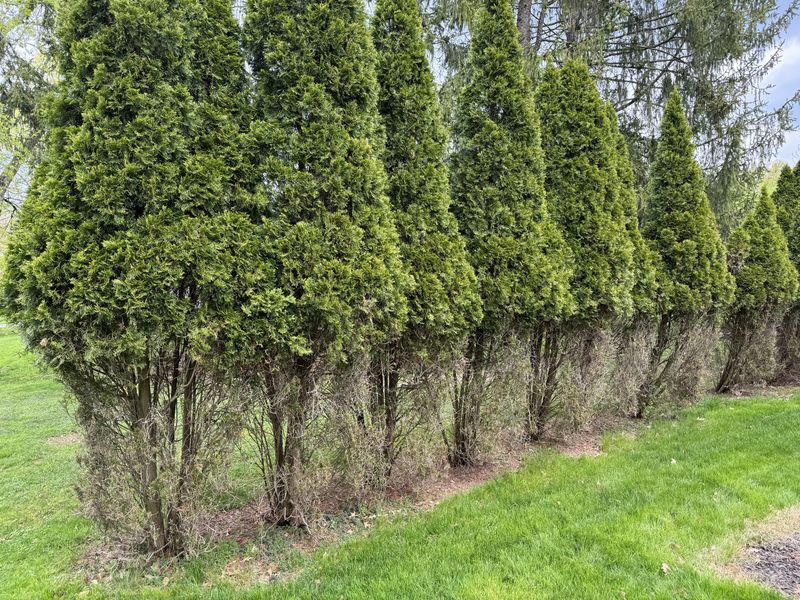
Here is the hard truth many gardeners learn too late. Arborvitae does not bounce back from heavy browsing the way a lawn recovers from mowing.
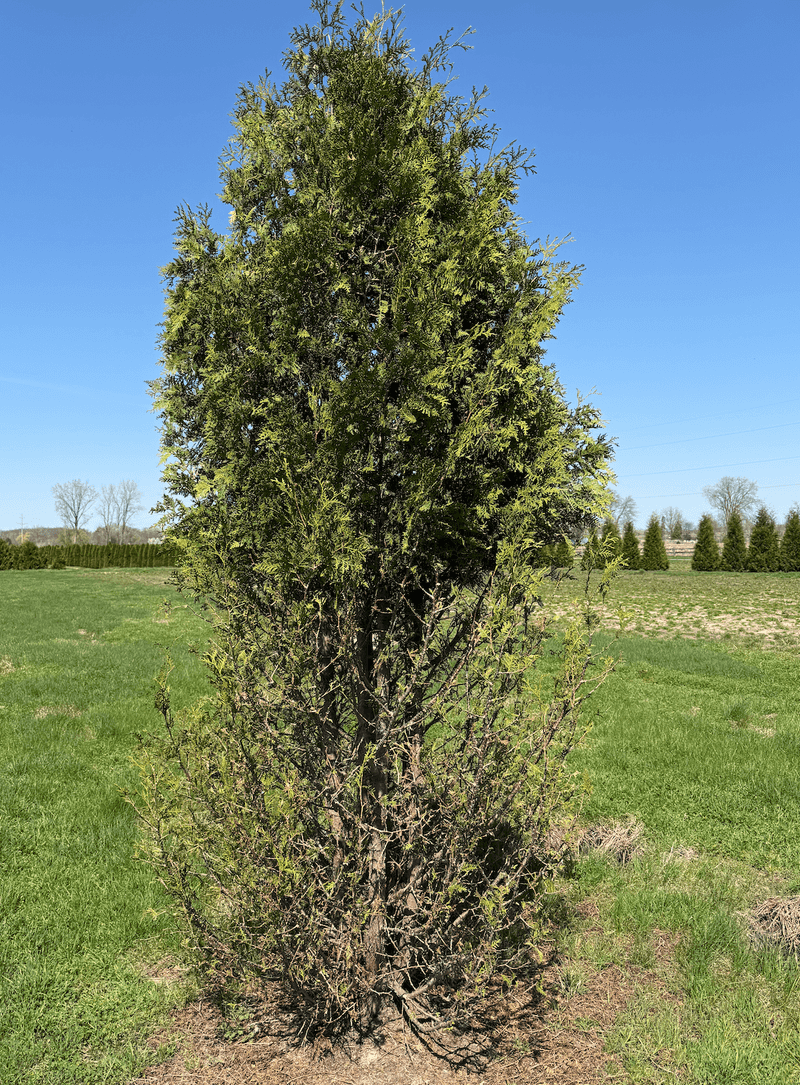
Once deer strip foliage down to bare wood, that section often stays brown for good. The plant simply cannot push out new growth from old, leafless stems.
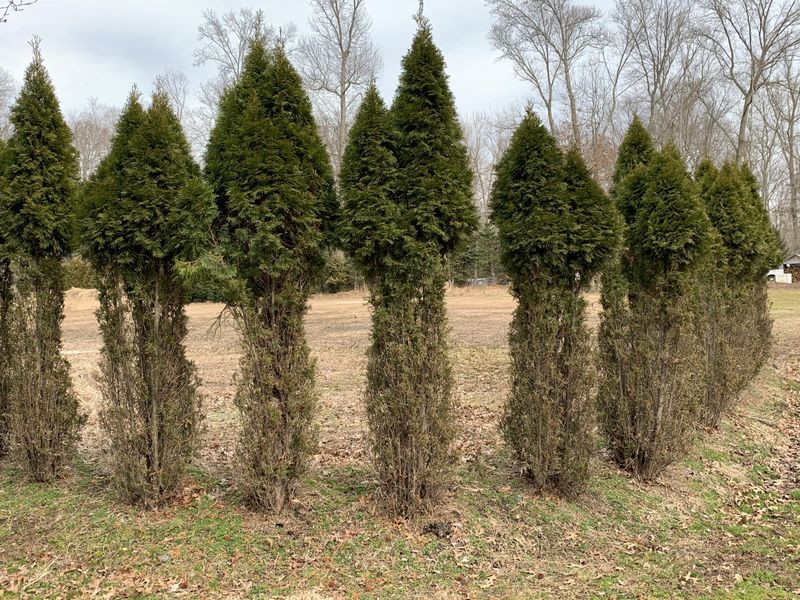
The lower third of the shrub usually takes the biggest hit. That is exactly the height where a deer can stand and munch with ease.
The result is a shrub that looks like it is wearing a skirt on top and nothing below. Your privacy screen now has a see-through gap at eye level for your neighbors.
Mild nibbling is a different story. Light damage on branch tips can fill back in over a growing season or two.
Repeated browsing year after year is what changes the shape for the long run. Each winter of feeding adds more bare wood that stays bare.
Resist the urge to prune heavily into brown areas hoping for regrowth. Trim only tattered tips back to healthy green foliage in spring.
Some homeowners hide bare bottoms with low shrubs planted in front. Boxwood or juniper work well because deer tend to leave them alone.
Prevention truly beats repair with this plant. A little effort now saves years of waiting.
4. Fencing Is The Most Effective Protection
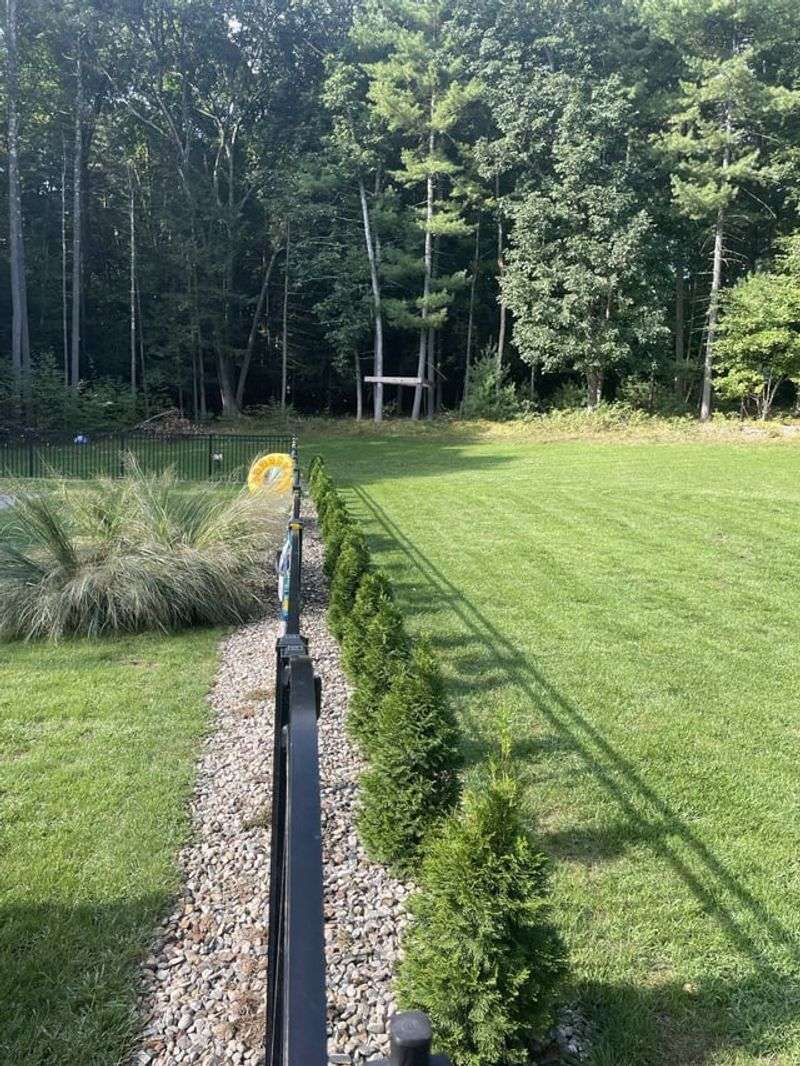
Sprays wash off and scare tactics wear thin. A solid barrier, though, keeps working night after night without any fuss.
Deer fencing is widely seen as one of the most reliable ways to stop browsing. If deer cannot reach the shrub, they cannot eat it.
Height matters more than most people expect. Deer are amazing jumpers, so perimeter fences should stand about 7.5 to 8 feet tall.
Protecting just a few shrubs is easier. A 6-foot fence around a small group can work because deer dislike leaping into tight, cramped spaces.
Black polypropylene mesh is a popular choice for home yards. It blends into the background and is hard to spot from the house.
Metal wire or welded mesh lasts longer in areas with heavy deer traffic. It costs more upfront but holds up against curious bucks.
Here is a bonus many people overlook. Keeping deer out of your yard can also lower the number of ticks they carry in, which helps reduce Lyme disease risk.
Check your fence after storms and heavy snow. Fallen limbs or drifts can create a ramp that lets deer hop right over.
Treat fencing like an investment in your landscape. One good install can protect your hedge for many winters.
5. Set Fencing About 18 Inches From The Trees

Ever watched a deer stretch its neck through a fence like a curious giraffe? That clever trick explains why spacing matters so much.
A barrier pressed right against your shrub does not do much good. Deer can push their noses through the mesh and nibble whatever touches it.
Leaving about 18 inches of space between the barrier and the foliage solves that problem. It keeps hungry mouths just out of reach.
Spacing also protects the plant from wind damage. When branches rub against wire or burlap during winter gusts, the foliage can scuff and turn brown.
For single trees, many experts suggest a round cage about 4 feet across. That gives the arborvitae room to grow wider over the next few years.
Here is a simple way to set it up. Drive sturdy stakes into the ground before it freezes, then wrap your mesh around them and tie it tight.
Use a tape measure or a yardstick as you place each stake. Eyeballing distance often leaves one side too close.
Remember that shrubs grow every season. Check your spacing each fall and move stakes outward if branches are creeping toward the fence.
A few extra inches now can make all the difference by February.
6. Don’t Wrap Burlap Too Tightly
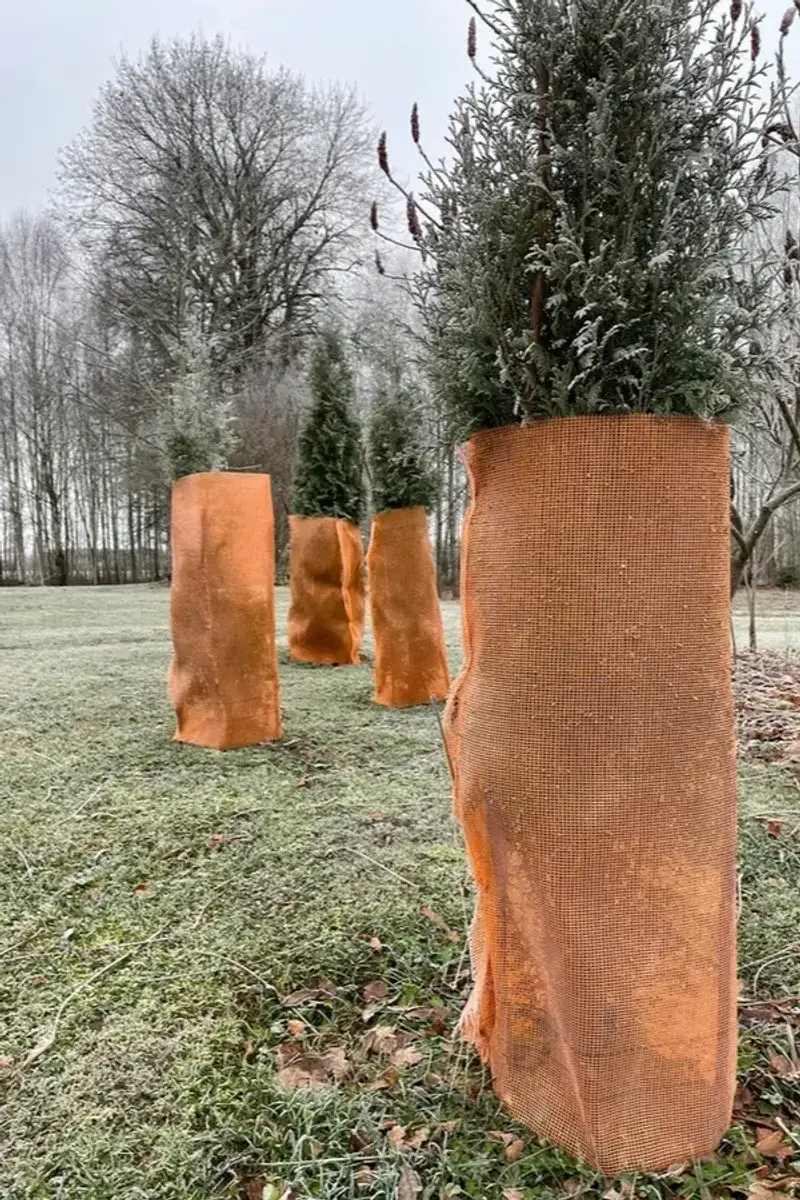
Burlap-wrapped shrubs dotting Ohio yards look a bit like giant wrapped presents. That cozy coat can be a great shield, but only if you wrap it the right way.
Burlap works best on smaller arborvitae. It hides the tasty foliage and creates a barrier deer would rather not chew through.
The biggest mistake is cinching it too tight. A squeezed shrub cannot breathe, and moisture gets trapped against the leaves.
Trapped dampness can lead to mold and browning. Tight twine may also bend or snap branches under the weight of snow.
Aim for snug, not strangled. You should be able to slide a hand between the burlap and the foliage without much effort.
Start by gently tying branches upward with soft twine in a spiral. Then wrap the burlap loosely around the outside and secure it with a few ties.
Another option is building a burlap screen on stakes around the plant. It blocks deer and wind without touching the shrub at all.
Timing matters at both ends of the season. Remove wraps in early spring so the tree can soak up sunlight and start growing again.
Leaving burlap on too long can cause pale, weak growth. Mark a spring date on your calendar as a reminder.
7. Apply Repellents Before Temperatures Drop Below Freezing
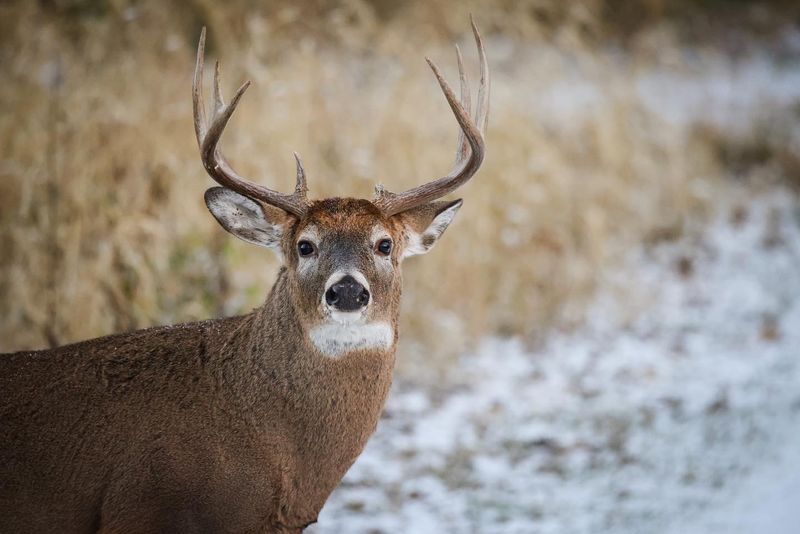
Timing is everything with deer sprays. Think of repellent like sunscreen, since it works best when applied before trouble starts.
Most repellents use bad smells or bitter tastes to make plants unappealing. A deer takes one sniff or bite and decides to wander elsewhere.
Late fall is the sweet spot for your first application. Aim to spray before the first hard freeze hits your part of Ohio.
Why the rush? Many sprays do not stick or dry well in freezing temperatures, so they lose much of their punch.
Pick a dry day when temperatures sit above 40 degrees. The product needs a few hours without rain to soak in and dry on the foliage.
Coat the shrub thoroughly from the ground up to about 6 feet. That covers the full height a deer can comfortably reach.
Pay extra attention to the lower branches. Those are the first spots deer test when they come calling.
Watch for warm spells during winter, too. A mild January afternoon can be a perfect chance to reapply and refresh protection.
Wear gloves and follow the label closely. Some formulas smell strong, so keep them away from doors and windows.
Early action helps train deer to skip your yard before habits form.
8. Rotate Repellent Scents So Deer Don’t Get Used To Them
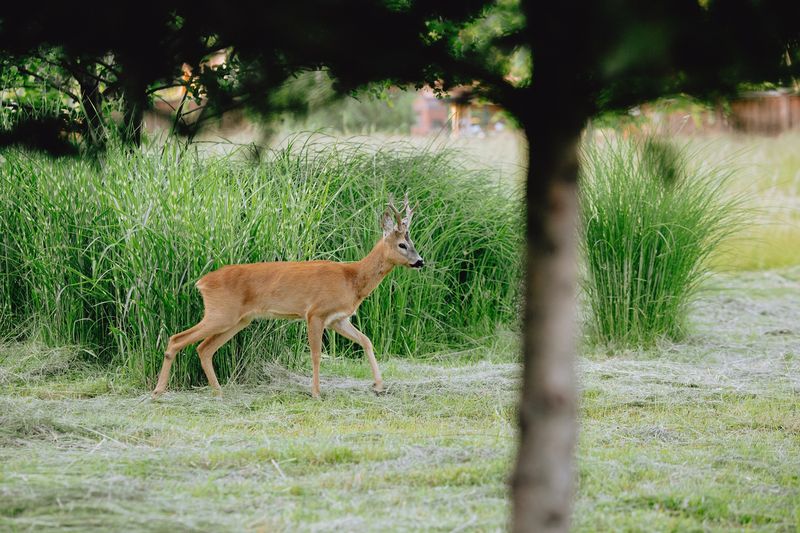
Deer are smarter than they look. Smell the same odd odor every night, and soon it becomes just another part of the yard.
Scientists call this getting used to a scent, and it happens with repellents all the time. A spray that worked great in November may lose its scare factor by January.
The fix is surprisingly simple. Switch between different products or scents every few weeks throughout the season.
Try rotating among a few main types. Egg-based sprays, garlic blends, and hot pepper formulas each give deer a different reason to back off.
Egg-based formulas get high marks from many gardeners. Deer seem to strongly dislike that rotten egg smell, which they may link to danger.
Fun fact: some research suggests that smell reminds deer of predators. That may be why it sends them hurrying elsewhere.
Keep a simple log in a notebook or on your phone. Write down which product you used and the date so you know when to switch.
Reapply after heavy rain or melting snow, too. Water can wash away the protective coating faster than you think.
Variety keeps deer guessing. A confused deer is far more likely to move on to your neighbor’s yard instead.
9. Some Varieties Are Less Tempting To Deer
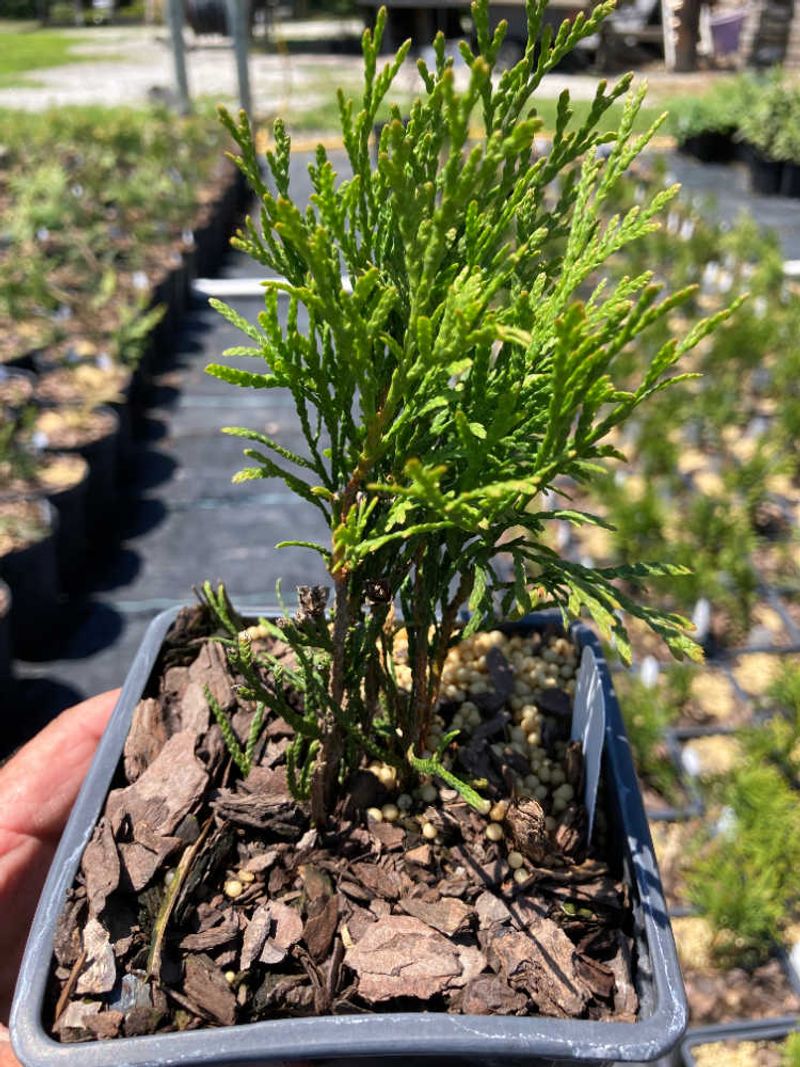
Here is a bit of hometown pride for Buckeye gardeners. The ‘Spring Grove’ arborvitae was selected right in Cincinnati, Ohio, and it shows excellent resistance to deer.
Not every arborvitae is equally tasty. Picking the right type can save you plenty of headaches down the road.
‘Green Giant’ is a well-known choice with much better deer resistance than American types. It grows fast and tall, making it great for privacy screens.
Still, no plant is fully deer-proof. A starving deer in a harsh winter may sample almost anything green.
‘Steeplechase’ is another variety that deer tend to pass by. It has a dense, upright shape that fits nicely in many yards.
Western red cedar cultivars generally hold up better than American arborvitae. Their foliage seems less appealing to hungry browsers.
Want to mix things up? Boxwood and juniper are also known for being unappetizing to deer, and they add nice texture to a planting bed.
If you are replacing damaged shrubs, consider swapping in tougher varieties. A blend of plant types also keeps deer from feasting on one big buffet.
Visit a local Ohio nursery and ask what works in your area. Staff often know which plants survive local deer pressure best.