What Virginia Gardeners Should Plant In Containers Before Winter Nights Arrive
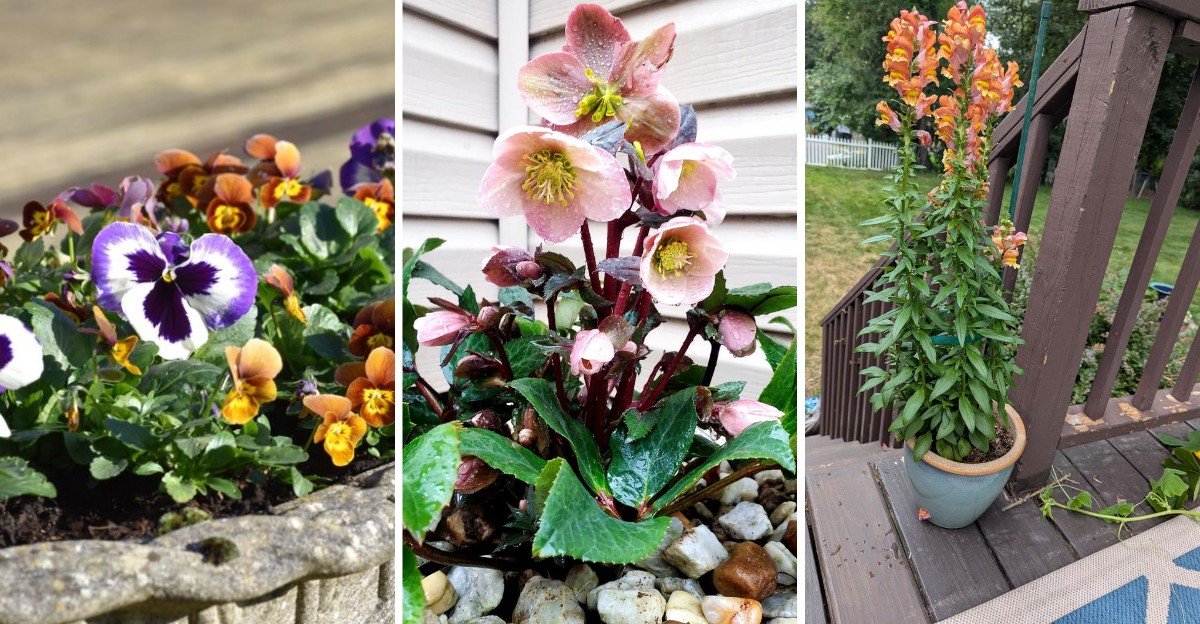
Your porch pots don’t have to sit empty until spring. A few tough plants can keep them full, bright, and cheerful straight through the cold months in Virginia.
Most people pack away their trowels once the maple leaves start to fall. Clever gardeners know that fall is secret prime time for container planting.
Plenty of plants actually love the chill, and some even taste sweeter after a crisp cold snap. Frosty pansies, ruffled kale, and hardy herbs all shrug off cold weather.
Containers make winter gardening easy. You can shuffle pots into sheltered spots, protect tender roots, and enjoy pops of color right outside your front door.
You don’t need a big yard or fancy tools to pull it off. A few good pots, the right plants, and a little planning will carry you through the long gray months ahead.
1. Pansies For Color Through Cold Snaps
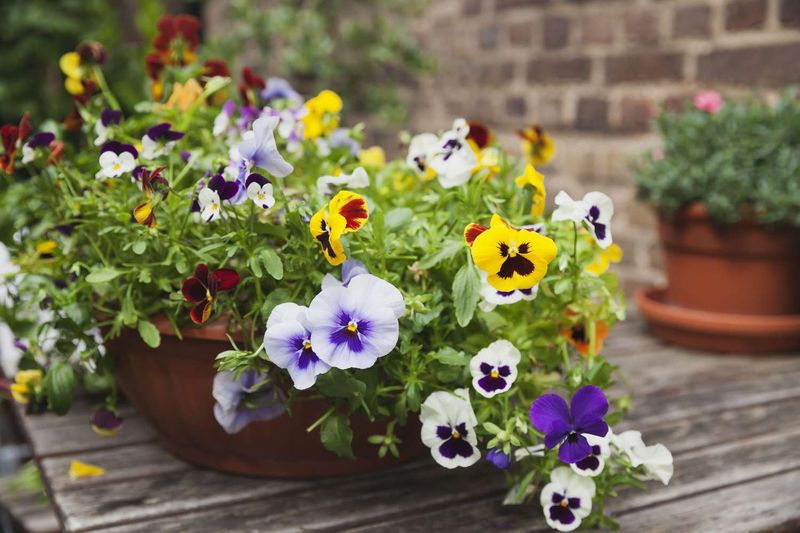
Picture a frosty December morning with purple and yellow faces grinning up from your porch pot. Pansies pull off that trick better than almost any other flower in Virginia.
Fall planting works best from mid-September until about Thanksgiving, a little earlier in the mountains. October is the sweet spot, because roots have time to settle in before real cold arrives.
Hardy little annuals like these shrug off light frosts with ease. Even after a dip into single digits, they often perk up and bloom again.
Container choice matters more than you might think. Terra-cotta can crack as it freezes and thaws, so pick plastic, synthetic, or glazed ceramic pots instead.
Drainage holes are a must, since pansies sulk in soggy soil. Fill pots with quality potting mix and add a balanced fertilizer at planting time.
Skip feeding once winter settles in, because the plants slow down during cold months. Water about once a week when temps sit above freezing and rain is scarce.
Pinching off faded blooms, stem and all, keeps fresh flowers coming. Look for Matrix, Cool Wave, or Panola types, which handle cold especially well.
A long stretch below 20 degrees calls for a quick move into an unheated garage. Bonus fact: pansy petals are edible and make a cheerful salad garnish.
Try pairing them with ivy or creeping jenny for a fuller look. Trailing greenery softens the pot edge and fills gaps while flowers take a break.
2. Violas For Tiny, Tough Flowers
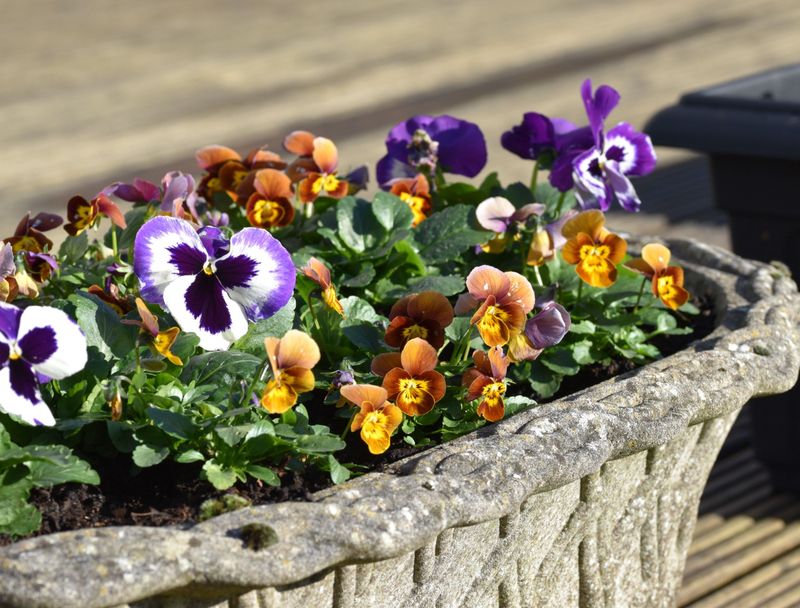
Small but mighty, violas are the scrappy younger cousins of pansies. Their blooms are about the size of a nickel, yet they often outlast bigger flowers.
Gardeners love them because they keep blooming when the weather turns mean. A sharp freeze might flatten them overnight, but sunshine usually brings them right back.
Plenty of flowers per plant means a fuller pot without much fuss. Tuck five or six violas into a 12-inch container for a carpet of color.
Window boxes and hanging baskets suit them nicely, since they spill gently over edges. Mixing purple, yellow, and white varieties creates a cheerful patchwork effect.
Here is a fun bit of trivia: one wild viola still goes by the name Johnny-jump-up. People noticed how they popped up in surprising spots after seeds scattered on their own.
Your Virginia Garden Changes Every Week. Your Plan Should Too.
Gardening in Virginia changes quickly throughout the season. Every Friday you’ll receive a simple weekly plan showing exactly what to plant, prune, fertilize, harvest, and protect so you never miss the right timing.
Sun matters for strong blooming, so aim for at least six hours daily. Morning light is especially helpful, because it melts frost quickly and warms the soil.
Watering needs are modest during cool weather. Check the soil with a finger, and add water only when the top inch feels dry.
Plant them in early fall across most of Virginia for the best show. By spring, many will burst into a second big wave of flowers.
Little effort goes a long way with these charmers. Snip back leggy stems in late winter to encourage tidy, bushy growth.
3. Ornamental Kale And Cabbage For Bold Foliage
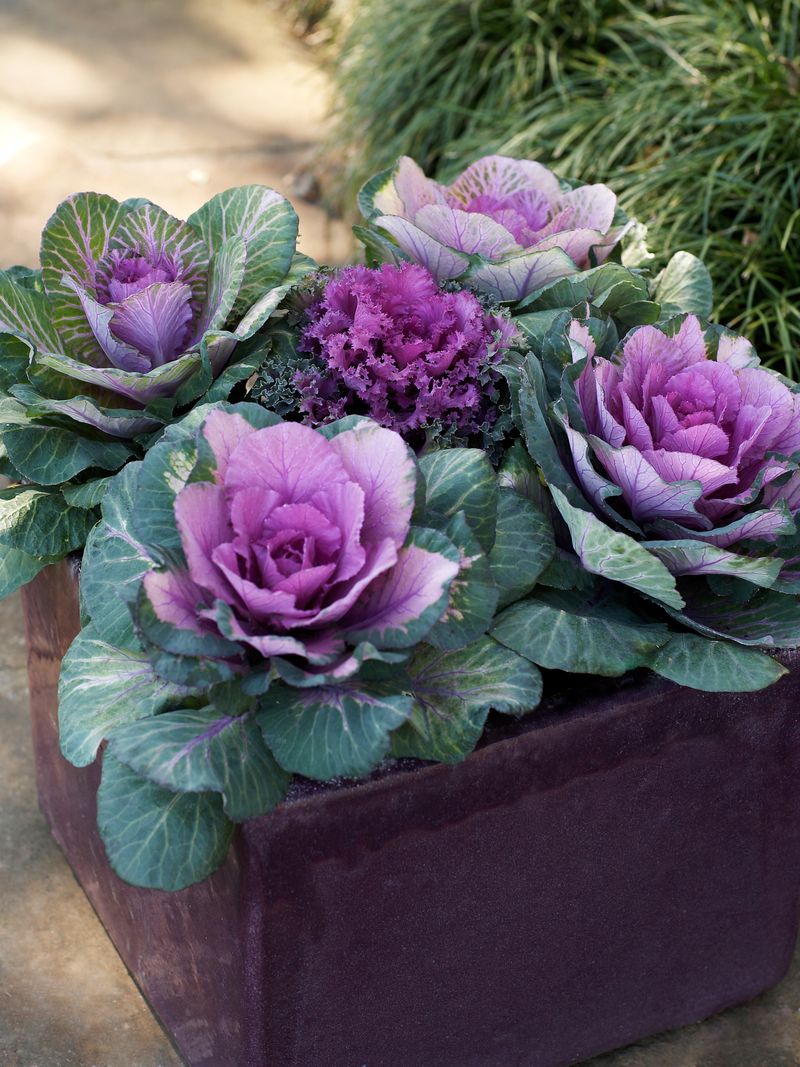
Forget flowers for a moment, because some of the boldest winter color comes from leaves. Ornamental kale and cabbage look like giant ruffled roses in pink, purple, and cream.
Cold weather is their secret ingredient. Centers only turn bright once nights drop below about 50 degrees, so color gets richer as fall deepens.
Buy plants that already show some color for an instant effect. Smaller transplants work too, though they need a few weeks to fill out.
Use a wide, sturdy pot since mature plants can reach a foot or more across. One large kale makes a striking centerpiece surrounded by pansies or violas.
Plant them a little deeper than they sat in the nursery pot. Burying part of the stem helps keep top-heavy plants from flopping over.
Watch for cabbage worms early in the season, especially on warm fall days. Picking off small green caterpillars by hand usually handles the problem quickly.
Leaves can handle temps down into the teens without much trouble. Extended deep freezes may cause damage, so group pots against a wall for shelter.
Technically these plants are edible, though they taste bitter compared with garden kale. Most folks happily enjoy them for looks alone.
As spring warms up, they will send up tall flower stalks. Swap them out then for summer plants and start fresh.
4. Snapdragons For Upright Cool-Season Blooms
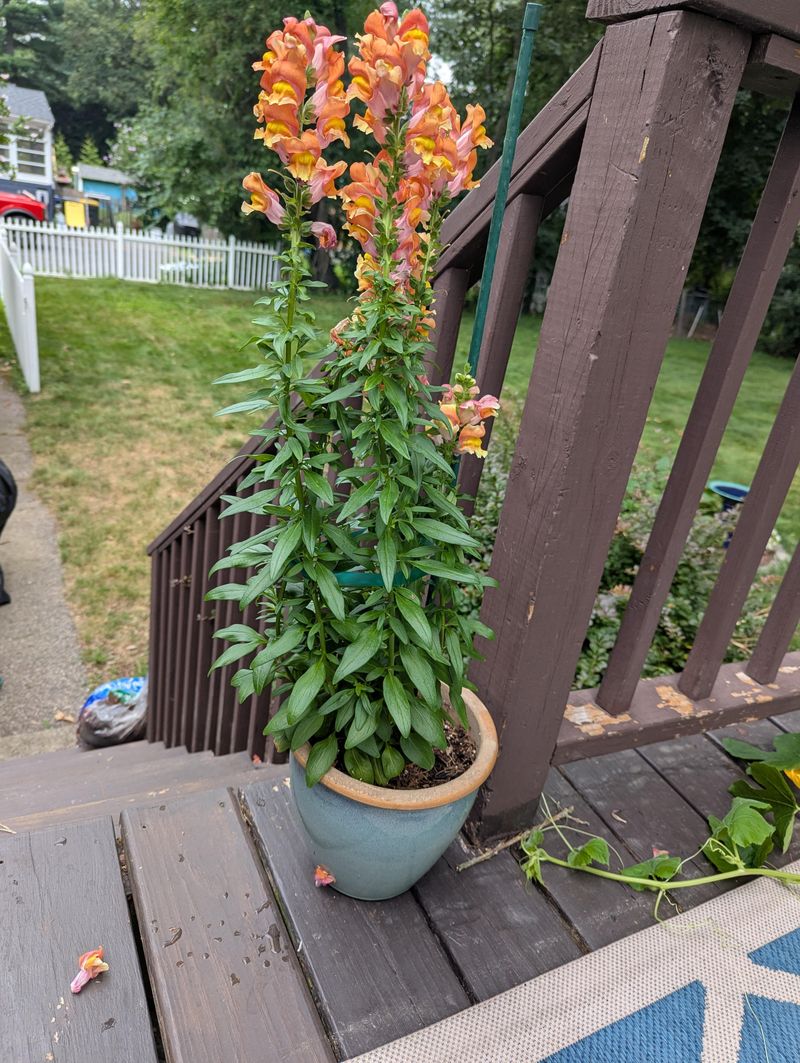
Squeeze a snapdragon blossom gently, and it opens like a tiny dragon mouth. Kids find it hilarious, and grown-ups secretly enjoy it just as much.
Height is the big gift snapdragons bring to winter pots. Their tall spikes add a vertical punch that low, mounding plants simply cannot offer.
Many people think of them as spring flowers, but they handle cold surprisingly well. In milder parts of Virginia, fall-planted snaps often survive winter and rebloom early.
Plant them in September or early October while soil is still warm. Strong roots formed before frost help plants push through chilly weeks.
Place tall varieties in the center or back of a container. Shorter dwarf types like Snapshot work nicely along edges or in smaller pots.
Full sun keeps stems strong and flowers plentiful. Shady spots tend to produce floppy plants with fewer blooms.
Cutting faded flower spikes encourages new side shoots to form. Those fresh stems will give you another round of color later on.
Covering pots with frost cloth on extra cold nights offers helpful protection. Remove the cover in the morning so plants can soak up sunlight.
Colors range from soft peach to deep burgundy, so you can match any porch style. Pair them with silver dusty miller for a classy contrast.
5. Heuchera For Evergreen Leaf Color
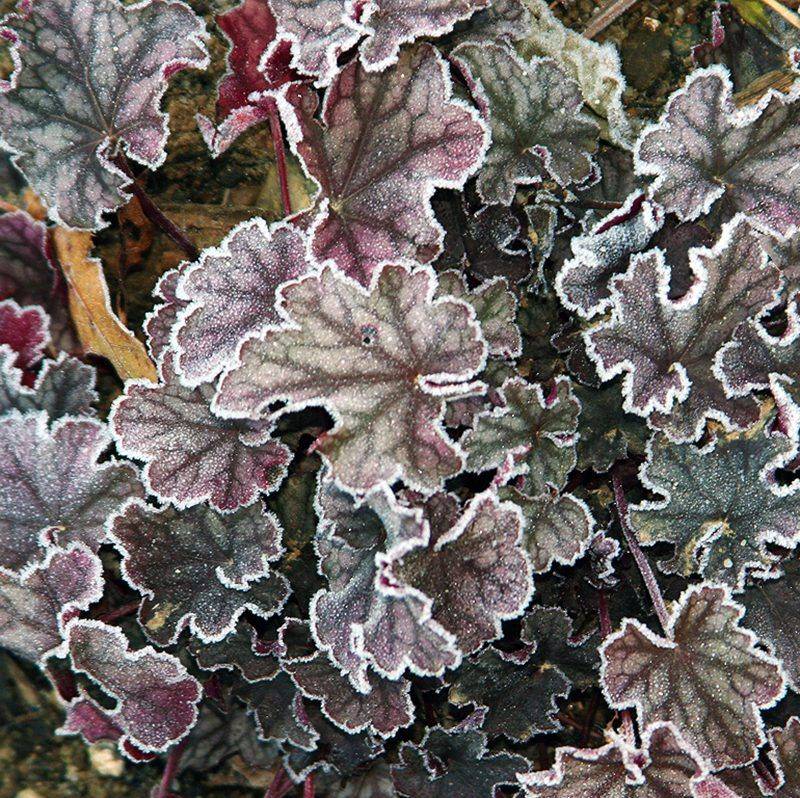
Some plants shout, but heuchera speaks in rich, steady tones all winter long. Its leaves come in caramel, plum, lime, and even near-black shades.
Gardeners often call it coral bells, thanks to the dainty flower spikes it sends up in late spring. Still, most people grow it for the foliage.
Evergreen leaves stay attractive through much of winter. Colors may deepen or shift as temperatures drop, which keeps things interesting.
Partial shade suits heuchera best, especially spots with afternoon protection. Too much harsh sun can scorch the leaf edges.
Good drainage is key, because soggy roots lead to rot. Mix a handful of fine bark or perlite into your potting soil for extra airflow.
Frost heaving can push plants upward during freeze and thaw cycles. Check pots after cold spells and gently press any lifted crowns back down.
Here is a smart trick for saving money. Since heuchera is a perennial, you can move it into a garden bed come spring.
Try combining several colors in one wide pot for a living mosaic. A lime variety beside a dark purple one creates a lovely contrast.
Trim off tattered leaves in late winter before new growth begins. Fresh foliage will soon fill in and look tidy again.
6. Hellebores For Late Winter Blooms
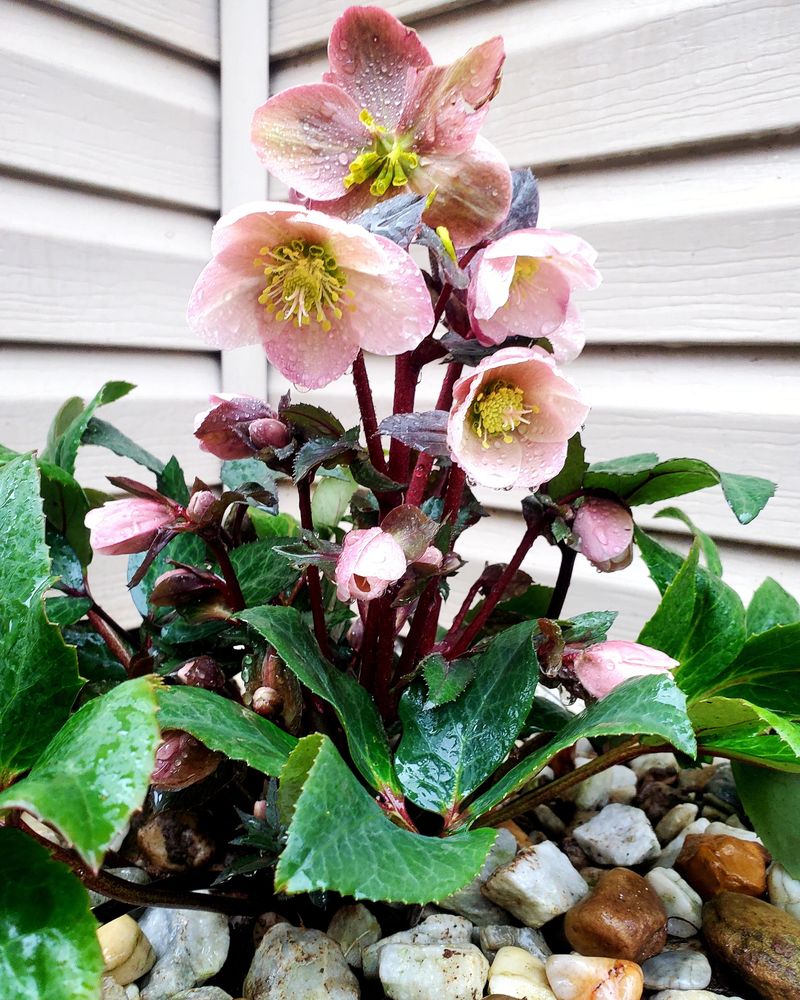
Snow on the ground and flowers in bloom sounds impossible, right? Hellebores make it happen, often opening right as February feels its gloomiest.
Nicknamed the Lenten rose, this plant blooms around the Lent season. Its cupped flowers come in white, pink, green, and moody burgundy.
Hellebores grow happily in containers if you give them room. Choose a pot at least 14 inches wide, since roots like to spread out.
Shade lovers at heart, they thrive on a north or east side porch. Bright winter light is welcome, though summer sun can be too strong.
Flowers tend to nod downward, which hides their pretty faces. Set pots on a step or a plant stand so you can enjoy them easily.
A quick safety tip matters here. All parts are toxic if eaten, so keep pots away from curious pets and small children.
Patience pays off with these slow but steady growers. Once settled, a single plant can bloom for many years in the same pot.
Snip off old, ragged leaves in late winter before buds open. Clean foliage lets the blossoms take center stage.
Water regularly during dry spells, but avoid soggy soil. A light layer of shredded leaves on top helps hold moisture and protect roots.
7. Dwarf Conifers For Year-Round Structure
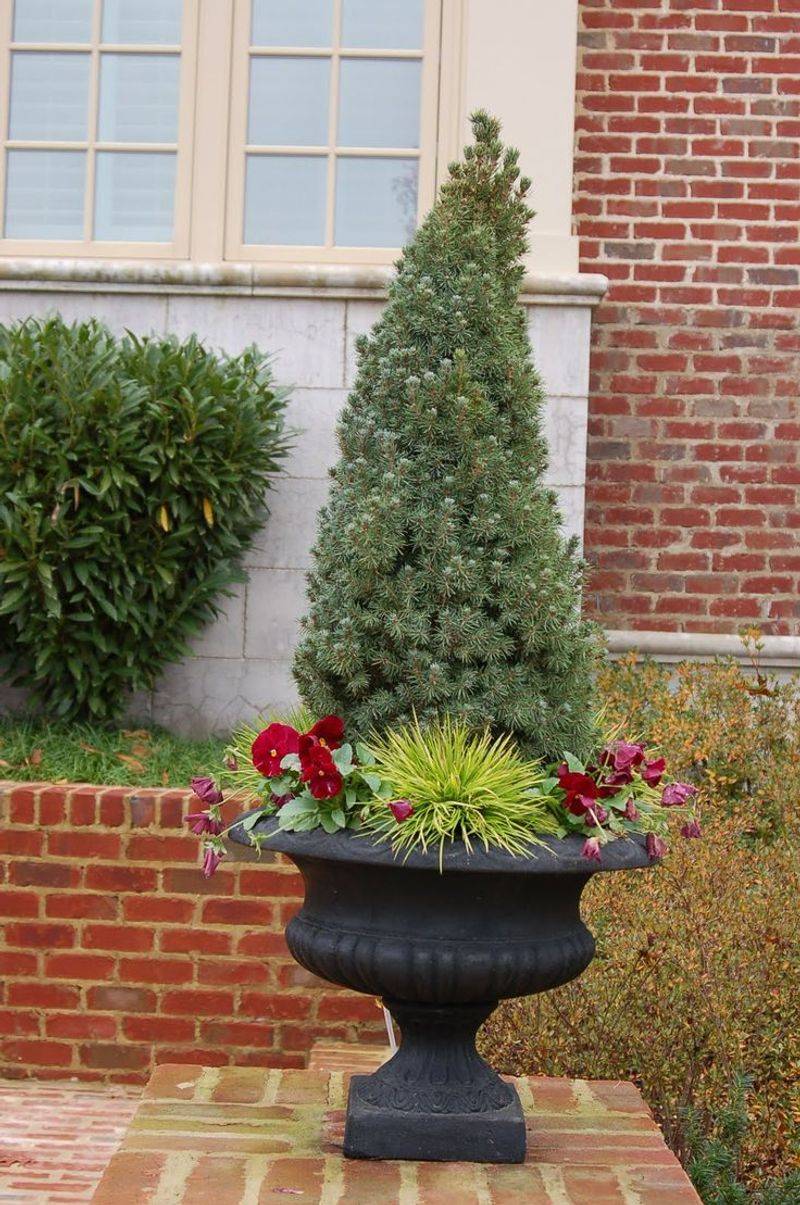
Think of dwarf conifers as the backbone of a winter container. Flowers come and go, but these little evergreens stand steady through every season.
Popular choices include dwarf Alberta spruce, Hinoki cypress, and compact junipers. Each offers a different texture, from soft and feathery to crisp and spiky.
A matching pair beside your front door looks polished and welcoming. Add twinkle lights in December, and you have instant holiday decor.
Roots in pots face colder conditions than roots in the ground. Pick conifers rated at least one zone colder than your area for extra safety.
Most of Virginia falls between zones 6 and 8. So a plant hardy to zone 5 or colder gives you a nice cushion.
Large, heavy pots help in two ways. They hold more soil to insulate roots, and they resist tipping during winter winds.
Evergreens still lose moisture through their needles in winter. Water whenever the soil is dry and unfrozen, especially before a hard freeze.
Underplant with pansies or trailing ivy for a layered look. The mix of greenery and blooms keeps the pot lively for months.
Fertilizer can wait until spring growth begins. Feeding in fall may push tender shoots that cold weather could damage.
8. Spring Bulbs Layered Beneath The Soil
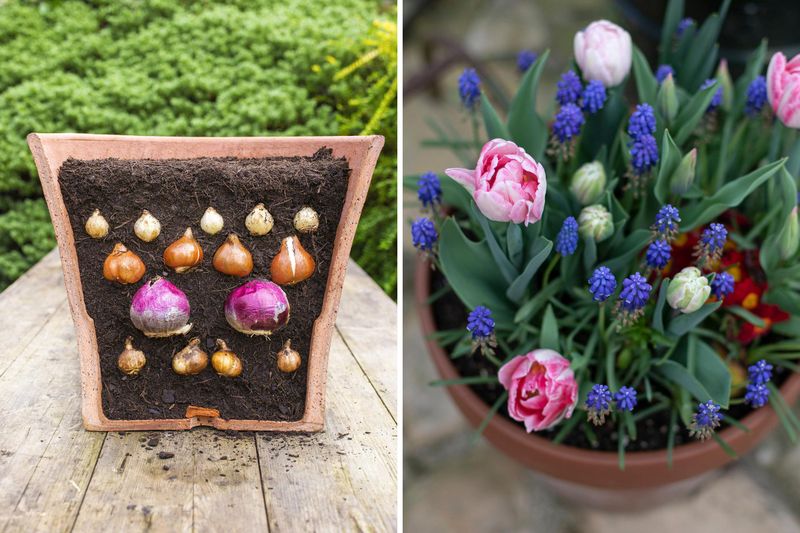
Gardeners have a fun name for this trick: the bulb lasagna. You stack bulbs in layers so blooms pop up in waves each spring.
Start with large bulbs like tulips and daffodils at the bottom, about eight inches deep. Cover them with soil, then add a middle layer of grape hyacinths.
Small bulbs such as crocus go near the top. Finish with a few inches of soil and plant pansies right over everything.
Pansies add color all winter while bulbs quietly grow roots underneath. Come spring, shoots poke up through the flowers like a happy surprise.
Timing works best from October through November across the state. Soil should feel cool, ideally below 60 degrees, before bulbs go in.
Bulbs need a cold period to bloom properly. Our winters usually provide plenty of chill, so no refrigerator step is needed.
Squirrels love digging up fresh bulbs, sadly. Lay chicken wire over the soil before adding pansies to keep those furry thieves out.
Daffodils are a smart choice if critters are common. Rodents and deer tend to leave them alone because they taste unpleasant.
Water once after planting, then only when the soil feels dry. Soggy pots can cause bulbs to rot before spring.
9. Parsley And Thyme For A Winter Herb Pot
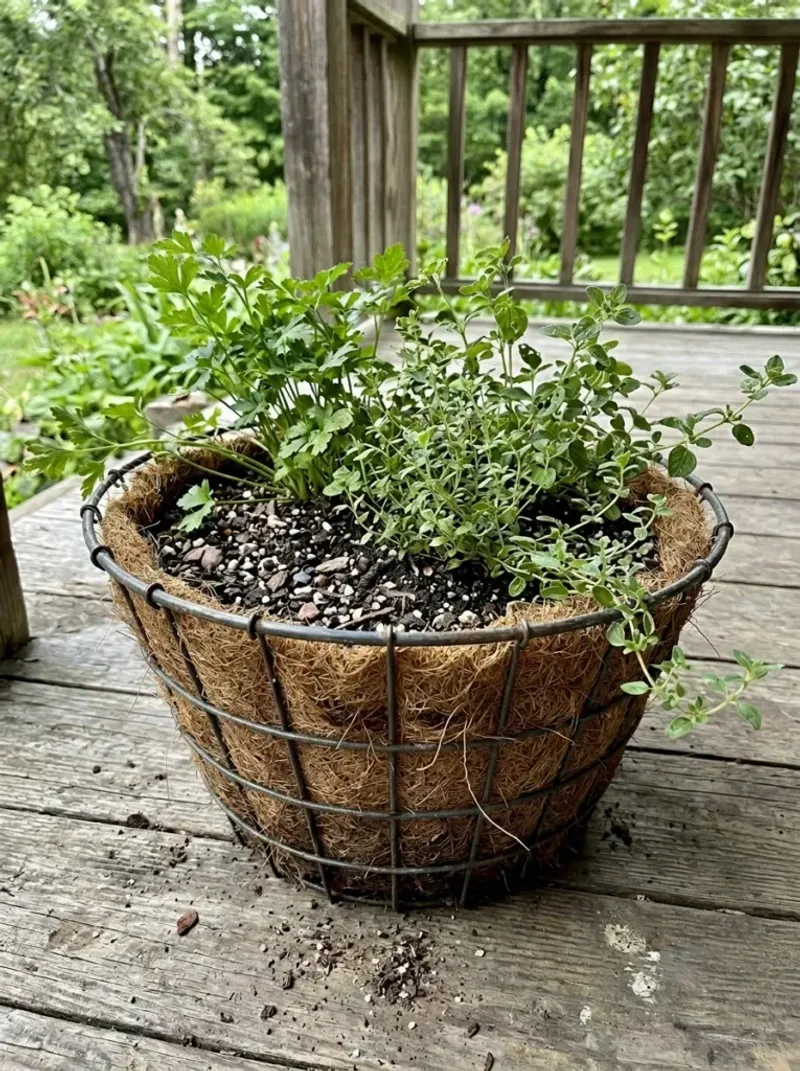
Nothing beats stepping outside in January to snip fresh herbs for soup. A small pot of parsley and thyme makes that cozy dream real.
Parsley handles cold better than most people expect. Its leaves stay green through light freezes and may even taste sweeter afterward.
Thyme is a tough Mediterranean native that shrugs off chilly air. It can stay green and fragrant through much of a mild winter.
Their growing needs match well, making them easy pot partners. Both like sunshine and soil that drains quickly after rain.
Place the container close to your kitchen door for easy picking. You are more likely to use herbs you can grab in seconds.
Fun history fact: ancient Greeks burned thyme as incense for courage. Legend says Roman soldiers bathed in thyme water before battle
Harvest parsley from the outer stems first, leaving the center to keep growing. Trim thyme lightly, taking no more than one third at a time.
Hard freezes in western Virginia can be rough on herbs. Slide the pot against a sunny wall or cover it with a frost blanket overnight.
Parsley is a biennial, so it will flower and fade next summer. Enjoy its leaves through spring, then replant a fresh batch in fall.
10. Lettuce, Spinach, And Kale For A Container Harvest
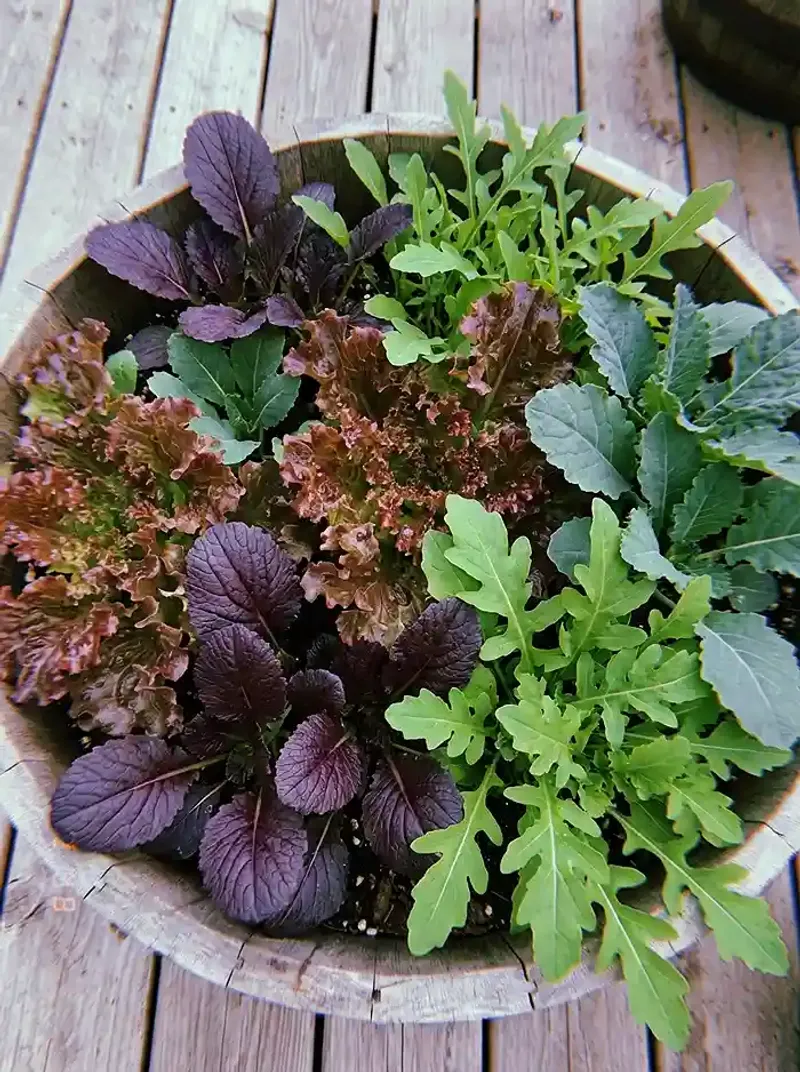
Homegrown salad in winter sounds fancy, but it is easier than you might guess. Leafy greens actually prefer cool weather over summer heat.
Spinach is the toughest of the bunch. It can handle temps in the low 20s and keeps producing through mild spells.
Kale may be even sturdier, and frost improves its flavor. Cold weather turns some starches into sugars, giving leaves a sweeter bite.
Lettuce is a bit more delicate, so plan to cover it on freezing nights. Loose-leaf types like Black Seeded Simpson grow fast and regrow after cutting.
Start seeds or transplants in September for the best results. Containers should be at least eight inches deep with good drainage.
Window boxes and wide, shallow tubs work nicely for greens. Pick a spot with at least four to six hours of sun.
Harvest outer leaves and let the centers keep growing. This cut-and-come-again method stretches one planting over many weeks.
An old bedsheet or frost cloth makes a simple shield on frigid nights. Pull it off by midmorning so plants get light and air.
Winters bounce between cold snaps and warm days, which greens handle well. With a little care, fresh salads can grace your table until spring.