The Trees In Shenandoah Valley Yards That May Need Approval Before Removal
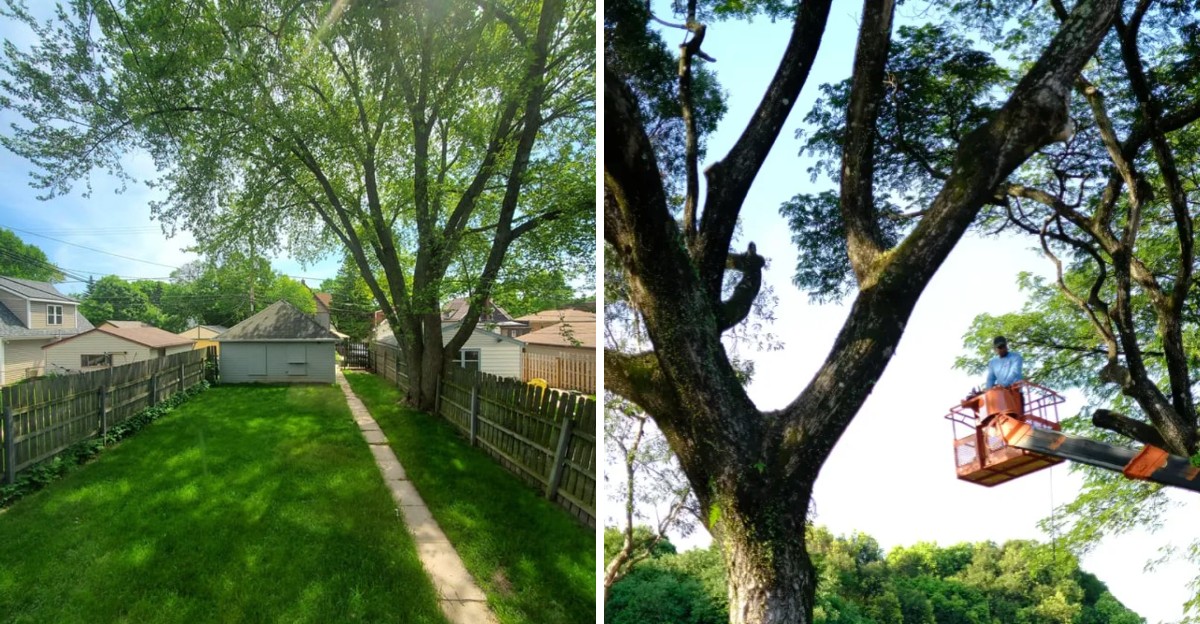
Fire up a chainsaw on a quiet Valley morning and watch how fast the neighborhood turns into a live audience. Curtains twitch.
Dogs bark. Somebody’s uncle wanders over with opinions he did not get from an arborist. Most homeowners figure a tree in the yard is fair game.
You rake its leaves every fall, you dodge its acorns, so it’s yours, right? Well, mostly.
In Virginia’s Shenandoah Valley, some trees come with a little extra paperwork attached. The city might claim one, VDOT might claim another, and your HOA or the neighbor next door could have a say too.
Plot twist nobody asked for.
A two-minute phone call before the first cut can spare you a whole lot of drama. Here are the trees most likely to need a thumbs-up before they come down.
1. Virginia Trees In A City Street Right-Of-Way
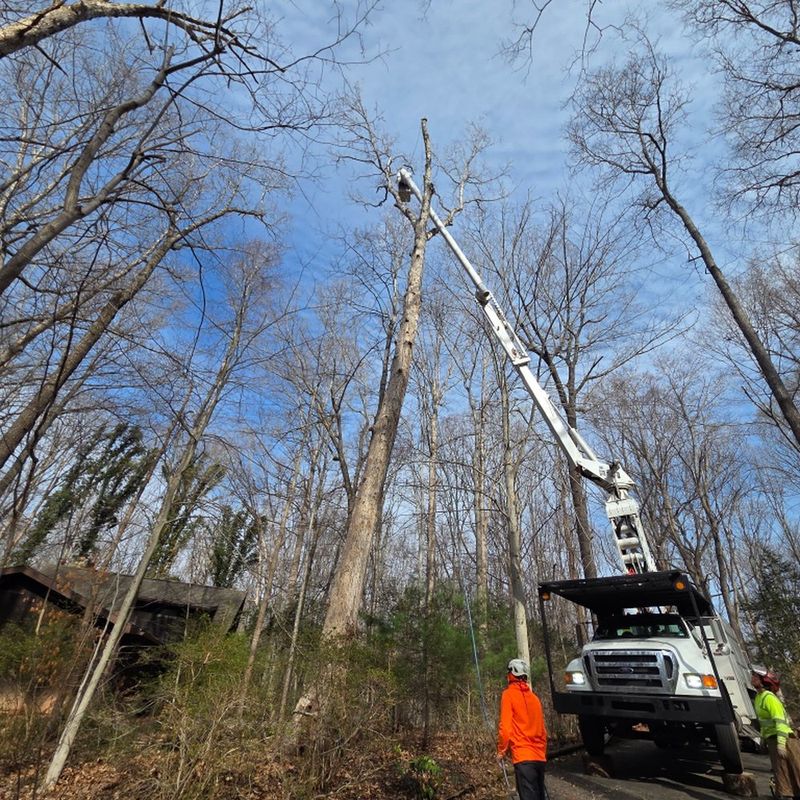
That big oak by the curb may feel like part of your front yard. In many Virginia towns, though, the strip between the sidewalk and the street belongs to the city.
Harrisonburg and Winchester both treat street trees as public trees. In Harrisonburg, a permit from the Public Tree Advisory Board is required before planting or removing any public tree, and applications need to go in at least 30 days ahead.
Other Valley cities and towns may have similar rules, so it pays to check.
So why do cities care so much? Street trees shade sidewalks, cool down hot pavement, and soak up stormwater during heavy summer storms.
In Winchester, the city’s Trees division is responsible for the health and safety of trees on city streets and in the public right-of-way. Residents can request removal, trimming, or planting of those trees through the City Arborist.
Before you call a tree service, grab your property survey or plat. It shows where your lot line ends, and that line is often a few feet back from the curb.
Next, give your city or town office a quick call. Ask whether a permit is needed and who handles the work.
Skipping this step can put you on the wrong side of local rules, and the tree may not even be yours to remove.
Winchester has been a Tree City USA community for more than four decades. That recognition requires a community tree ordinance and a dedicated tree department or board, so local crews take public trees seriously.
2. Virginia Trees Along State-Maintained Roads
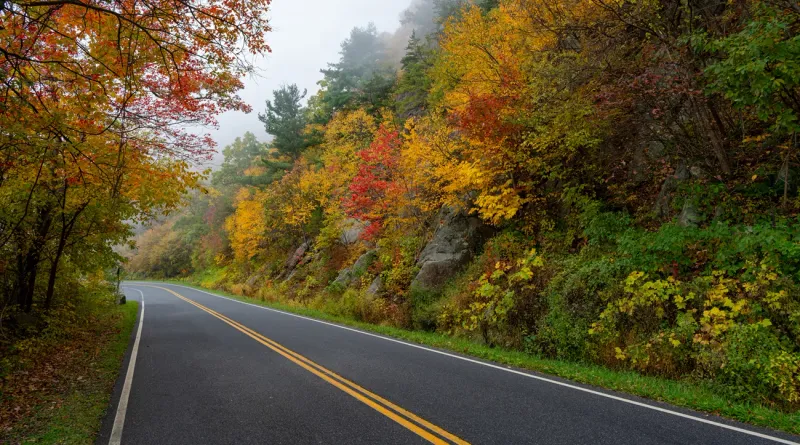
Country roads in the Valley wind past farms, barns, and rows of towering walnuts. A surprising number of those roads are maintained by the Virginia Department of Transportation, better known as VDOT.
Outside of most incorporated towns, VDOT handles the bulk of the road system in the Commonwealth. That means the land along the shoulder often falls under its control.
Here is the tricky part. The state right-of-way often extends past the pavement and the ditch, and its width varies from road to road.
Your local VDOT office can tell you where it ends near your property.
Your Virginia Garden Changes Every Week. Your Plan Should Too.
Gardening in Virginia changes quickly throughout the season. Every Friday you’ll receive a simple weekly plan showing exactly what to plant, prune, fertilize, harvest, and protect so you never miss the right timing.
If a tree inside that zone needs trimming or removal, VDOT requires a land use permit. This applies even if you are paying for the work yourself.
Under state regulations, tree trimming and removal permits can be issued by the district roadside manager, so that is a good person to ask about when you call.
The rule exists for safety. Falling limbs, crews working near traffic, and blocked sight lines at driveways can all create real dangers for drivers.
Got a tree leaning toward the road after a storm? Report it to VDOT at 1-800-FOR-ROAD, and the agency may handle it.
For planned removals, contact your local VDOT residency office. Rockingham, Augusta, Shenandoah, and Page counties are each served by a residency, though one office may cover several counties.
A little patience goes a long way here. Permits take time to process, so plan your project ahead of the busy spring season when tree crews book up fast.
3. Locally Designated Heritage, Specimen, Or Memorial Trees
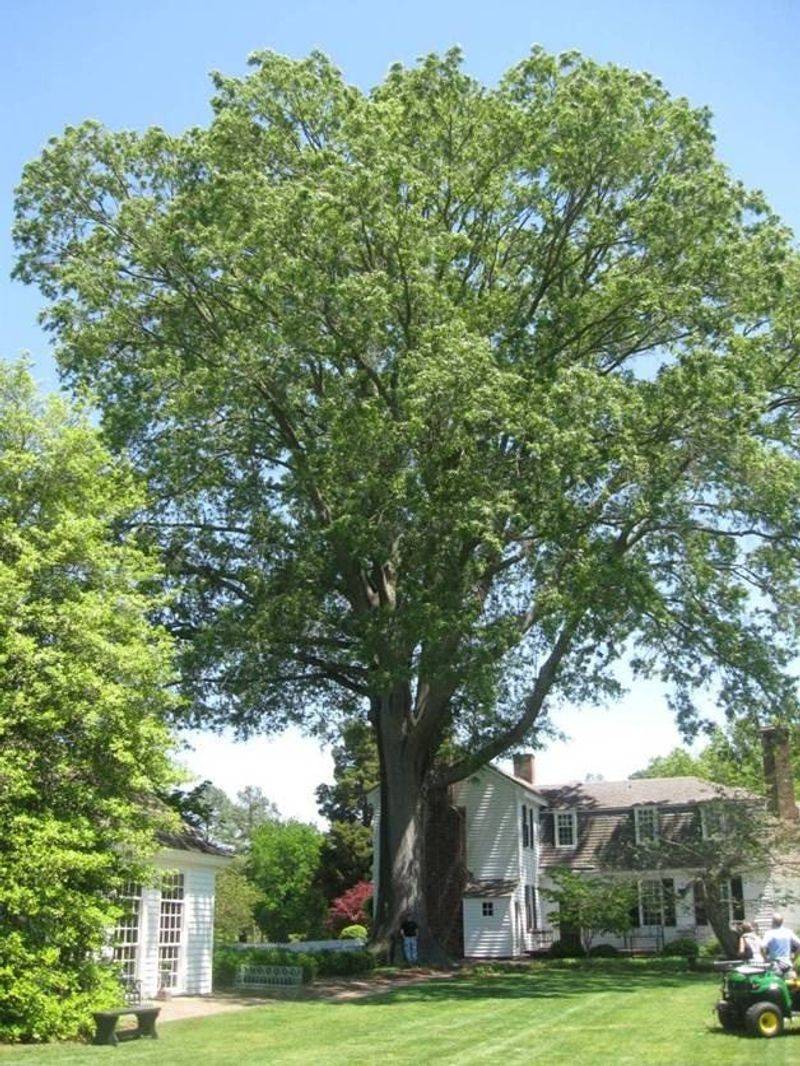
Some trees have stories bigger than their trunks. A white oak that shaded Civil War soldiers or a maple planted for a fallen veteran can carry deep meaning for a whole community.
Virginia law lets localities adopt ordinances that protect heritage, specimen, memorial, and street trees. A heritage tree typically has historical or cultural value, while a specimen tree stands out for its size and quality.
Memorial trees are usually planted to honor a person or event. You might spot a small plaque at the base or find a record at the town office.
These protections apply to individual trees a locality has formally designated, not to every old tree in town. Not every locality uses them, so the key question is whether yours has.
How do you find out? Start by asking your local planning or zoning office whether your city, town, or county has a tree conservation ordinance and whether any trees on your property are listed.
The Virginia Big Tree Program is another neat resource. Run by Virginia Tech, it tracks the largest known trees of each species across the state.
A spot on that list is an honor, not a legal protection.
If your tree turns out to be special, take it as a compliment. Owning a living piece of history is pretty cool, and an arborist can offer advice on caring for an old giant instead of removing it.
4. Trees In HOA Communities Across Virginia
Ah, the homeowners association. Love it or not, an HOA can have more say over your yard than you might expect.
Many newer neighborhoods around Harrisonburg, Waynesboro, and Front Royal come with covenants. These rules often cover fences, paint colors, and yes, trees.
Some HOAs require approval from an architectural review committee before you remove any tree over a certain trunk size. Others ask you to replace it with an approved species.
Why so strict? Trees boost curb appeal and property values, and the HOA wants the neighborhood to keep its leafy, welcoming look.
Your first stop should be the governing documents you received at closing. Look for sections called covenants, restrictions, or landscaping guidelines.
Can’t find them? The HOA management company can usually email a copy within a day or two.
Submitting a request is often simple. A short form, a photo of the tree, and a reason for removal tend to do the trick.
Pro tip: if the tree is sick or damaged, include a letter from a certified arborist. Committees are far more likely to approve a quick removal when an expert backs you up.
Going rogue is a gamble. HOAs in Virginia can levy fines and even place liens on a home for unpaid penalties, so a polite request is worth the wait.
Under Virginia’s Property Owners’ Association Act, those charges are capped at $50 for a single offense or $10 per day for an ongoing one, for up to 90 days, but that can still add up to $900 for one stubborn stump.
5. Trees Cleared As Part Of Construction Or Grading In Virginia
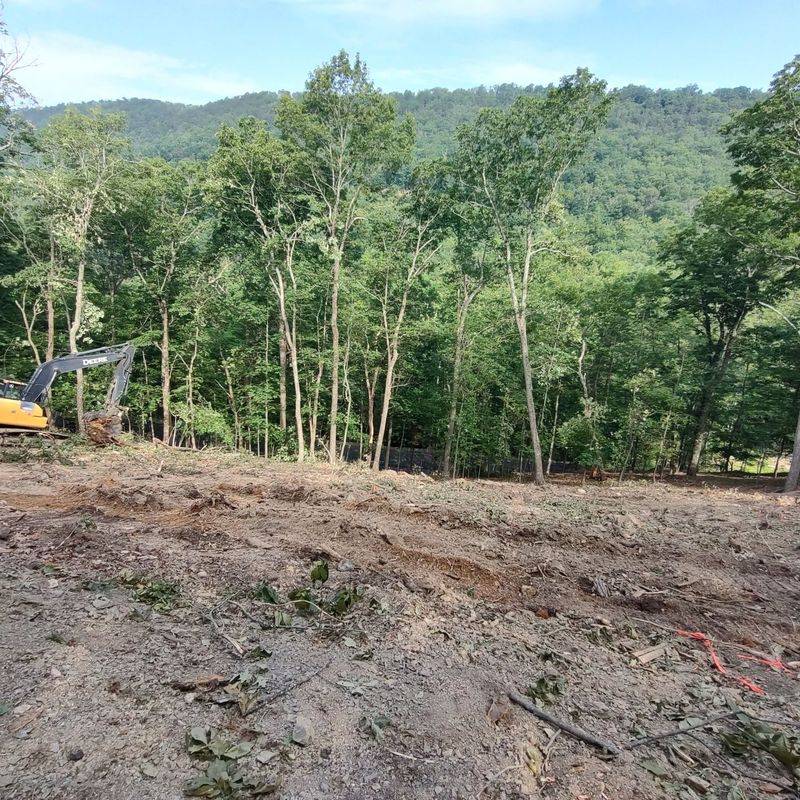
Building a garage, adding a pool, or finally putting up that dream house? Clearing trees often comes with the territory.
Here is where many folks get caught off guard. In Virginia, land disturbance over a certain size can trigger erosion and sediment control rules.
Statewide, projects disturbing 10,000 square feet or more generally need an approved erosion and sediment control plan, and localities can set a lower threshold. For a sense of scale, 10,000 square feet is a little less than a quarter acre, which a new house, driveway, and backyard can reach faster than you might think.
Clearing and grading count as land disturbance. So pulling out stumps and reshaping the soil may need approval before the bulldozer rolls in.
Some localities also have tree preservation or replacement rules for new development. A site plan might need to show which trees stay and which ones go.
Talk with your county building or planning office early in the process. Bring a rough sketch of your project, and they can tell you what paperwork applies.
Good contractors handle much of this for you. Ask any builder you hire whether they will pull the needed permits and install silt fencing to keep mud out of nearby streams.
Keeping soil in place helps more than just the rules. Valley creeks stay clearer, and your new yard won’t wash away in the first big rain.
6. Trees On Land Protected By A Virginia Conservation Easement
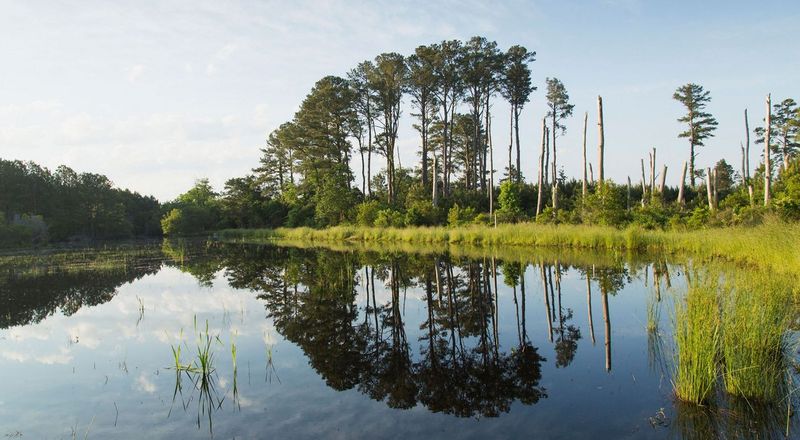
The Shenandoah Valley is home to some of the most protected farmland in the region. More than 220,000 acres of private land here are protected, and plenty of landowners are proud to be part of it.
A conservation easement is a legal agreement that limits how land can be used, often forever. The landowner keeps the property but gives up certain rights, like heavy development.
Many easements also protect forests, stream banks, and scenic views. That can mean tree cutting is limited or needs approval from the group holding the easement.
The Virginia Outdoors Foundation holds about 80 percent of the easements in the state. Local land trusts, such as the Shenandoah Valley Conservancy (formerly the Valley Conservation Council), hold others.
Buying a farm or rural home? Check the deed and title records for any easement language before closing.
Easement restrictions apply to all future owners, not just the person who signed it.
Already own easement land? Pull out the easement document and read the sections on forestry and vegetation.
Some agreements allow removal of hazard trees or limited cutting without fuss. Larger timber harvests may need a forest management plan or pre-harvest plan approved ahead of time.
Stream buffers deserve extra care. Trees along creeks help shade the water for native brook trout and filter runoff from fields.
A quick email to your easement holder clears up most questions. Staff are usually happy to help, since working with landowners is a big part of their mission.
7. Trees That Belong To A Neighbor In Virginia
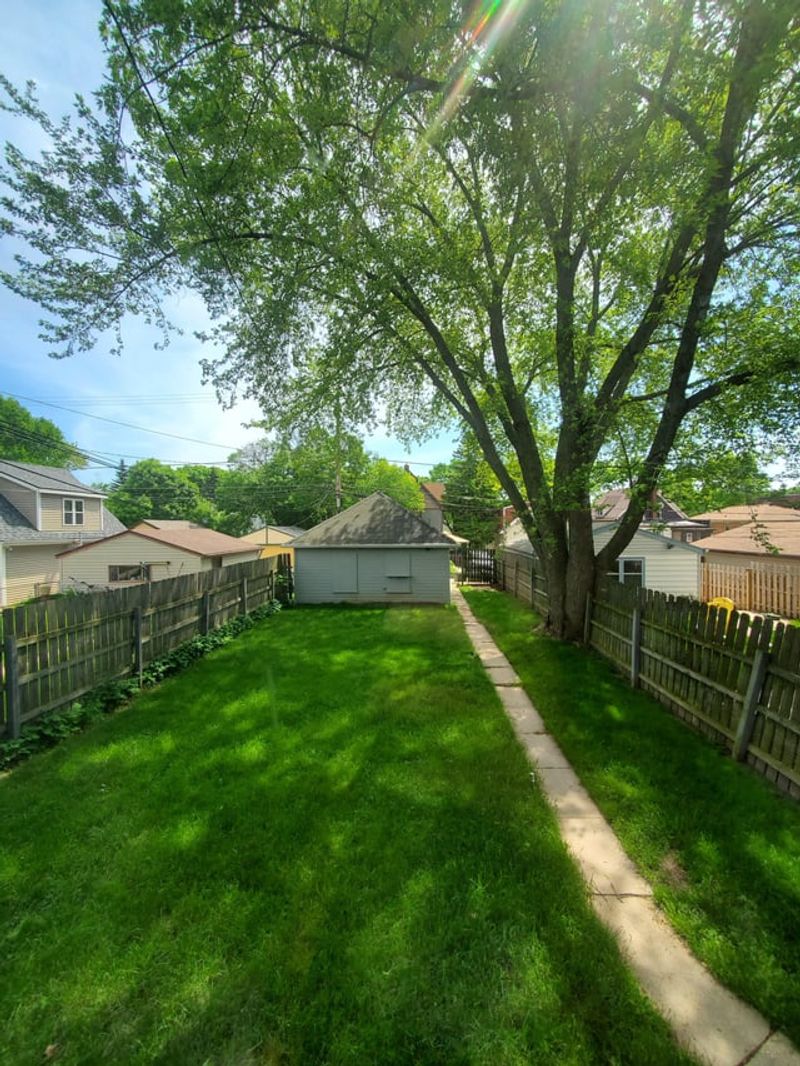
“Good fences make good neighbors,” the old saying goes. Trees, however, don’t pay much attention to fences.
When a trunk sits on your neighbor’s land, the tree belongs to them, even if half its branches hang over your yard. Cutting it down without permission can lead to serious legal trouble, including claims for damages.
So what are your options? Under long-standing Virginia law, you may trim branches that cross onto your property, up to the property line.
What if the tree is doing real damage? In 2007, the Virginia Supreme Court ruled in Fancher v.
Fagella that encroaching trees causing actual harm, or posing an imminent danger of it, can be treated as a nuisance. In those cases, a court may require the owner to cut back or remove the tree.
Trees growing right on the boundary line can get complicated. If the trunk straddles the line, talk with your neighbor before doing anything major, and consider getting legal advice if you disagree.
The friendliest path starts with a chat over the fence. Many Valley neighbors will split the cost of removing a risky tree, especially after an ice storm leaves limbs dangling.
Not sure where the line is? A licensed surveyor can mark it for you, and that small cost can prevent a big argument down the road.