Why Squirrels Are Chewing Up Ohio Porch Pumpkins And How To Stop Them
Bite marks around the stem and a ragged hole in the side are not how anyone pictures a porch pumpkin looking by Halloween.
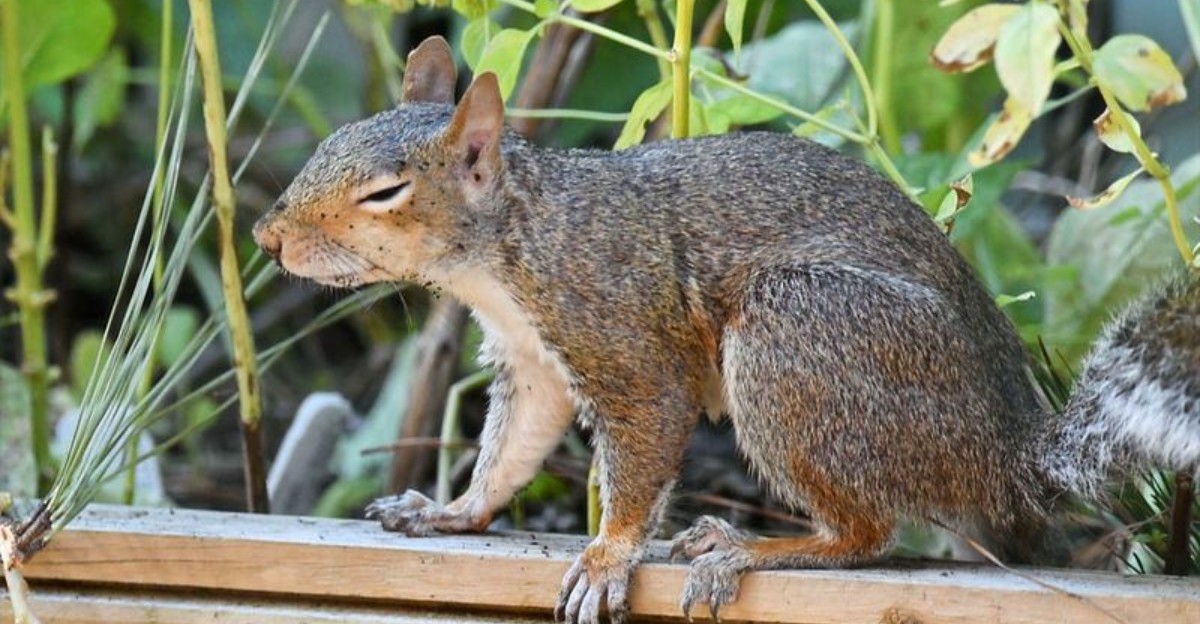
Squirrels are usually behind the damage, and they can hollow out a pumpkin surprisingly fast. Carved pumpkins often vanish even quicker, with the seeds and soft flesh exposed.
Fall keeps squirrels busy in Ohio as they gather and store food ahead of winter.
Sitting right on the steps, a pumpkin offers an easy meal with no climbing or digging required.
Some popular fixes work better than others, and a few can create new headaches. Choosing the right one depends partly on whether your pumpkins are whole or carved.
Take a closer look at where the chewing starts, since that detail can help you decide what to try.
1. Those Bite Marks Are Usually About Food Rather Than Mischief
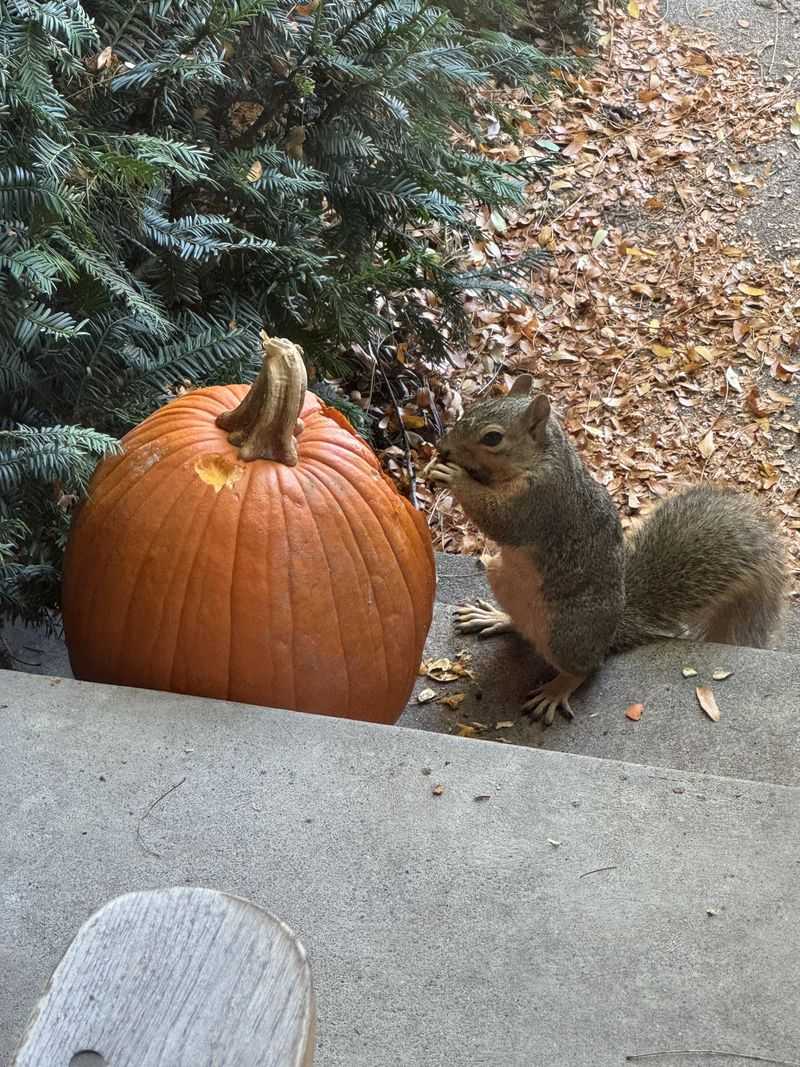
Squirrels are not out to ruin your decorations. They are hungry, and a pumpkin is basically a big package of food sitting on your steps.
Pumpkin flesh is soft and moist, and the seeds inside are packed with fat and protein that squirrels value.
Fall is a busy season for them in Ohio. Gray and fox squirrels spend a lot of time gathering and burying nuts before winter arrives.
When acorns, hickory nuts, and walnuts are plentiful, squirrels may pay less attention to porch displays.
Nut crops vary quite a bit from year to year, though. In a lean year, a pumpkin can become a tempting backup meal, and you may see more chewing than usual.
Chewing also helps squirrels keep their teeth in check, since their front teeth keep growing throughout their lives.
Still, the main draw is usually what is inside. Squirrels often gnaw straight toward the seed cavity, leaving holes near the top or sides.
Seeing it this way changes how you solve the problem. Instead of trying to scare away a pest, you are really working to make food harder to reach.
Once you think about it that way, the rest of the steps in this list start to make a lot more sense.
2. Freshly Cut Pumpkins Can Be Even More Tempting To Hungry Visitors
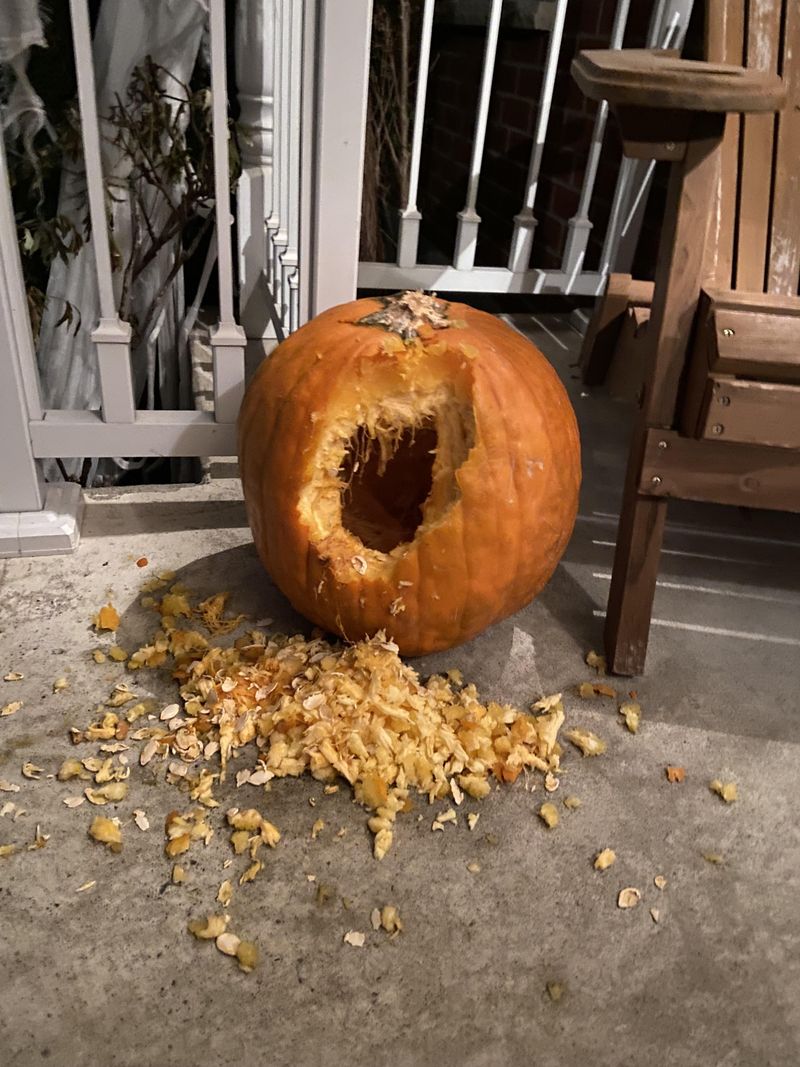
Carving a jack-o-lantern opens a buffet. Once the rind is cut, the moist flesh and leftover seeds are right there for any squirrel to grab.
A whole, uncut pumpkin has a tough skin that takes effort to chew through.
Carved pumpkins skip that step. The open edges give off a stronger scent, and the soft inner walls are easy to bite.
Leftover seeds and stringy pulp inside the pumpkin add to the appeal, so scrape the inside as clean as you can before displaying it.
Timing matters, too. Carved pumpkins break down faster than whole ones, and soft, mushy spots may attract squirrels along with insects and mold.
One practical move is waiting to carve until a few days before Halloween. In much of Ohio, late October weather swings between warm afternoons and chilly nights, and warmth can speed up rot.
Your Ohio Garden Changes Every Week. Your Plan Should Too.
Gardening in Ohio changes quickly throughout the season. Every Friday you’ll receive a simple weekly plan showing exactly what to plant, prune, fertilize, harvest, and protect so you never miss the right timing.
Painting or decorating pumpkins with stickers keeps the rind whole, which may make them a bit less inviting than a carved face.
Faux pumpkins are another choice if squirrel damage has been bad in past years. They lack the real look, but squirrels typically lose interest once they discover there is nothing to eat.
Whatever you choose, toss any seed scraps from carving night in the trash instead of the yard.
3. Nearby Bird Feeders Can Keep Squirrels Coming Back To The Porch
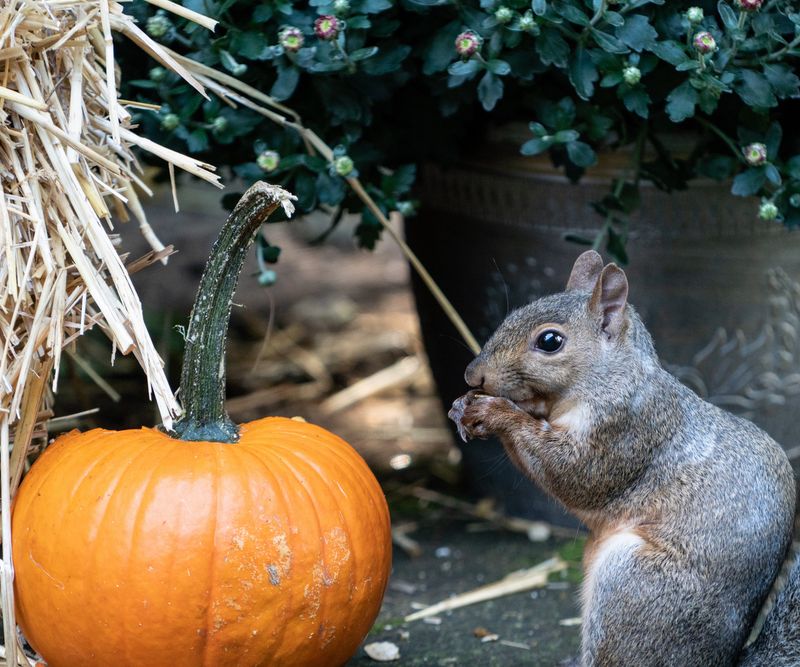
Look a few feet past your pumpkins. If a bird feeder hangs nearby, you may have already set out a welcome mat for squirrels.
Sunflower seeds, corn, and peanuts in feeders are favorites for squirrels, and spilled seed on the ground draws them in daily.
Once a squirrel learns your porch area means easy food, it tends to return and check the spot often.
That habit puts your pumpkins right in its path. A squirrel visiting the feeder may notice the display and decide to take a sample.
Moving feeders farther from the porch can help. Even shifting a feeder to the back yard puts some distance between the snack bar and your fall decor.
Squirrel baffles on feeder poles are another useful tool. They can limit access, though placement matters, since squirrels leap surprisingly far from fences and branches.
Cleaning up spilled seed under the feeder reduces the ground buffet, too.
Some Ohio bird lovers switch to safflower seed or nyjer during fall. Squirrels seem less interested in these, though hungry ones may still eat them, so results can vary.
You do not have to give up feeding birds. A little rearranging may be enough to make the porch a less exciting stop.
4. Moving Pumpkins Away From Trees And Shrubs May Reduce Easy Access
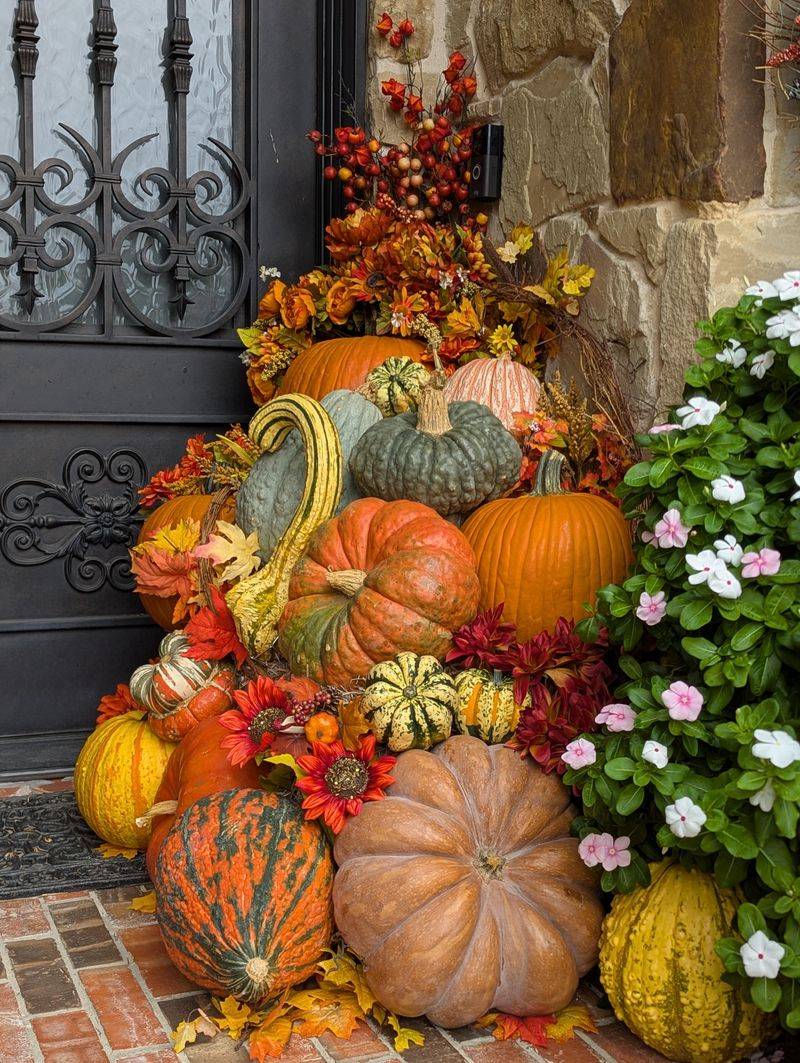
Squirrels like cover. A pumpkin parked under an oak or tucked beside thick shrubs gives them a quick, safe path to food.
Trees provide escape routes from hawks, dogs, and people, so squirrels feel bolder when branches are close.
Shrubs work the same way at ground level. A squirrel can dart from the bushes, take a few bites, and vanish again in seconds.
So try a different spot for your display. Open areas, like the middle of the porch or a spot near the door that gets regular foot traffic, may feel riskier to a squirrel.
Height can help a bit, too. Pumpkins on a raised table away from railings are harder to reach than ones sitting next to a porch post.
Keep in mind that squirrels are strong climbers and jumpers. A determined one can still reach most displays, so placement lowers the odds rather than solving everything.
Trimming low branches that hang over the porch is a longer-term fix, but check with a tree professional for larger limbs.
Plenty of older Ohio neighborhoods have big shade trees right beside the house. In those yards, combining a better location with other steps on this list usually works better than relying on placement alone.
5. Wire Mesh Can Create A Physical Barrier Around The Display
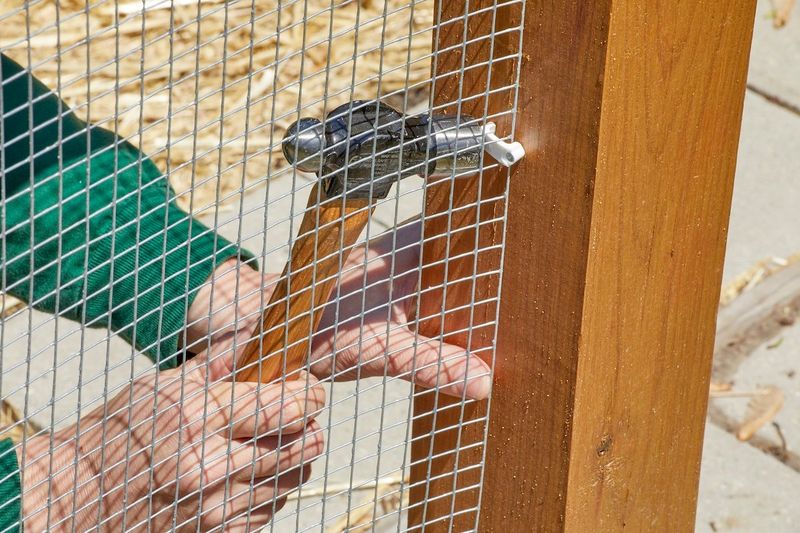
Sometimes the simplest fix is a fence. Squirrels cannot eat what they cannot reach, and a wire barrier puts real distance between teeth and pumpkin.
Hardware cloth or chicken wire can be shaped into a loose cage around a pumpkin or a small group.
Leave a little space between the wire and the rind. If the mesh presses tight against the pumpkin, a squirrel may still chew through the gaps.
Wear gloves when cutting wire, since the edges can be sharp. Bending the cut ends inward keeps them from snagging kids or pets on the porch.
Bird netting draped over a display is a lighter option, though squirrels can chew through thin plastic netting. Check it every few days for holes.
Looks are the obvious downside. Wire around a fall display is not the prettiest choice, so some people use it mainly overnight and remove it during the day.
Others tuck the mesh under hay bales, mums, or corn stalks so it blends in better.
Squirrels in Ohio are active mostly during daylight hours, especially in the morning and late afternoon. If you only cover pumpkins at night, they may still get hit during the day, so consider your schedule before choosing that approach.
6. Taste And Scent Repellents Need Reapplying To Stay Useful
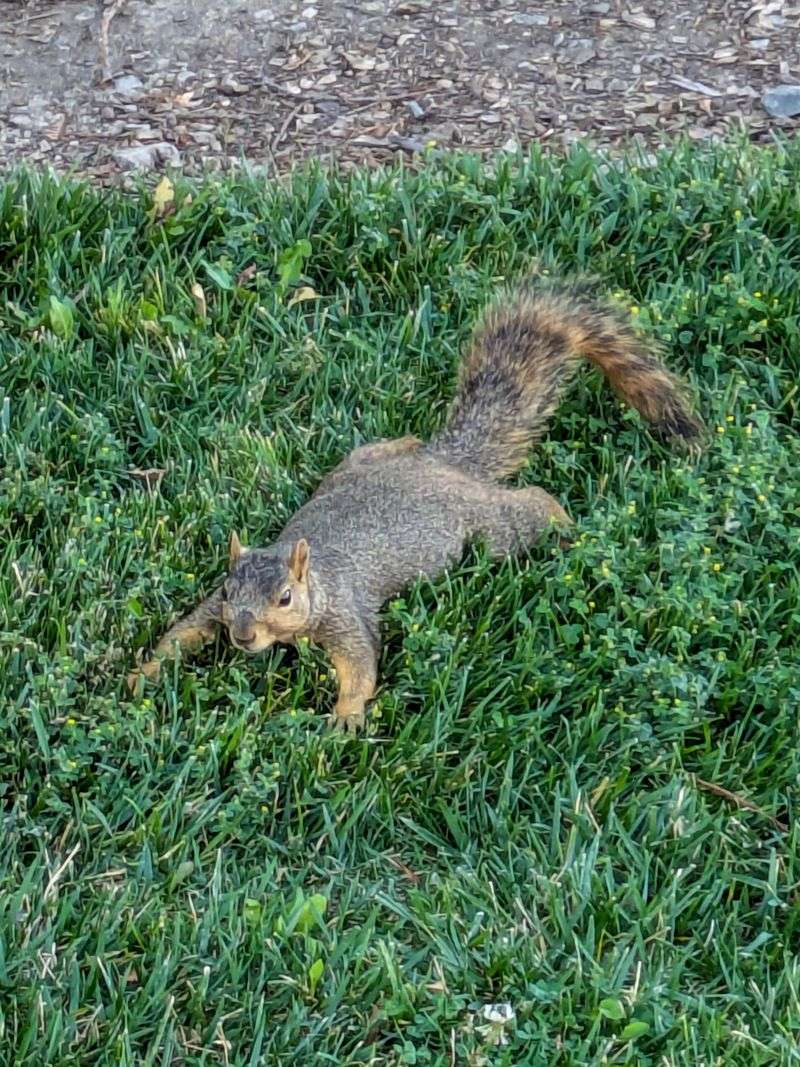
Spray it once and forget it? Squirrels will usually remind you that it does not work that way.
Repellents with capsaicin, the compound that makes hot peppers spicy, are a common choice for pumpkins and other decorations.
Birds are not bothered by capsaicin the way mammals are. Squirrels, on the other hand, tend to dislike the burning taste after a bite or two.
Commercial squirrel repellents often contain capsaicin, garlic, or other strong-smelling ingredients. Read the label carefully and follow its directions for outdoor use.
Rain is the big problem. Fall showers in Ohio can wash a coating off in a single afternoon, leaving your pumpkin unprotected again.
Reapply after rain and every few days in dry weather, or as the product label suggests.
Results vary from squirrel to squirrel. A very hungry animal may push through the taste, especially when other food is scarce.
Homemade hot pepper sprays are popular, but handle them with care. Wear gloves, keep them away from your eyes, and do not use treated pumpkins for cooking or composting where pets can get into them.
Think of repellents as one layer in a bigger plan, not a stand-alone answer.
7. Removing Other Easy Food Sources Can Reduce Repeat Visits
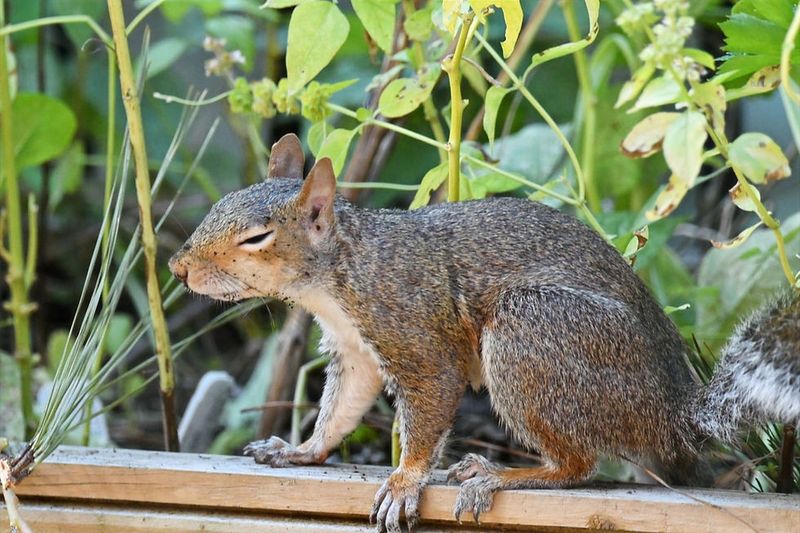
Squirrels keep a mental map of every good snack in the neighborhood. If your yard offers several, it may land near the top of their daily route.
Fallen nuts, birdseed spills, pet food left outside, and open trash cans can all invite repeat visits.
Black walnut, hickory, and oak trees are common across Ohio, and they drop plenty of nuts in fall. Raking some of them up may make your yard a little less rewarding.
Bring pet bowls indoors after meals, especially overnight.
Secure garbage and compost bins with tight lids. Squirrels are clever, and a loose lid often gets nudged open quicker than you might expect.
Garden leftovers count, too. Ripe tomatoes, squash, and spilled seeds in vegetable beds can keep squirrels hanging around well into fall.
Fewer food sources do not mean zero squirrels. Your neighbors’ yards and nearby woods will still support them, so expect some activity no matter what.
The goal is to make your property less of a destination. When there is less to find, squirrels may spend more time elsewhere and give your pumpkins a break.
Paired with smart placement, barriers, and repellents, a tidier yard can help your fall display last a bit longer.