What To Do With Green Pumpkins And Winter Squash When Michigan Frost Comes Early
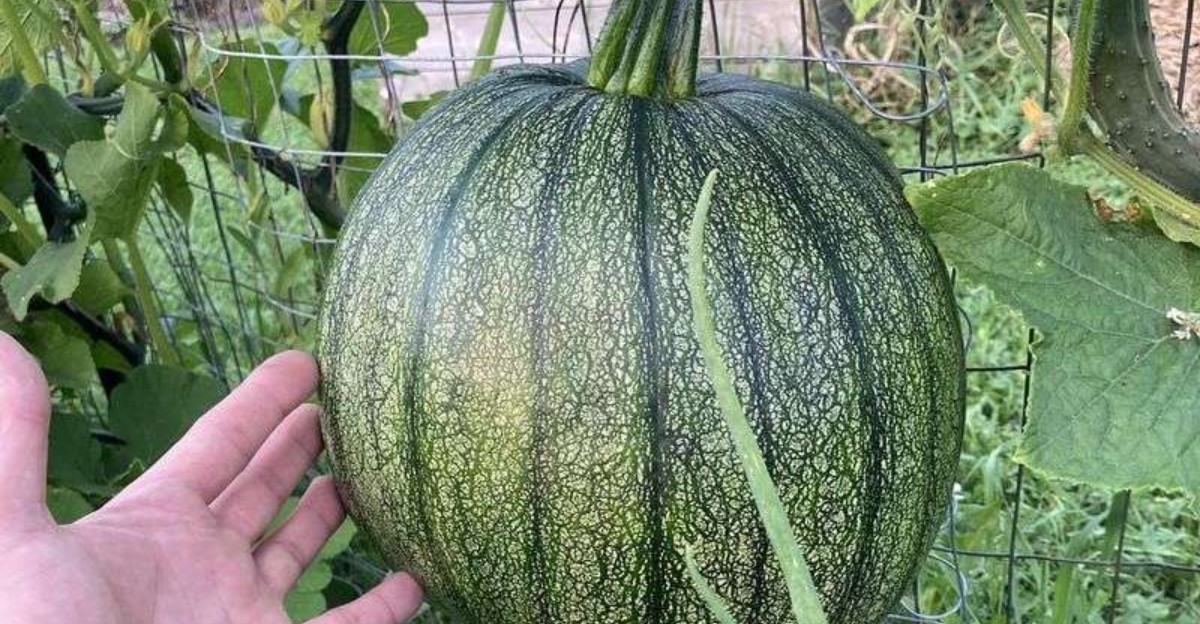
A frost warning arrives while your pumpkins are still green. It feels like a lost cause, but there is a lot you can do.
The vines may wilt, yet the fruit often stays fine. A light frost rarely harms a mature rind. A hard freeze is another story, so timing matters. Check each fruit first.
Press a fingernail into the skin. If it resists, the rind is firm, and the fruit can be stored. Cut it with a few inches of stem and bring it indoors. Pumpkins that are only partly green may even color up in a warm, bright spot.
Fully immature fruit is less reliable, but it can still be cooked. A quick sort turns a stressful night into a good harvest.
1. Cover Vines To Buy A Little More Time
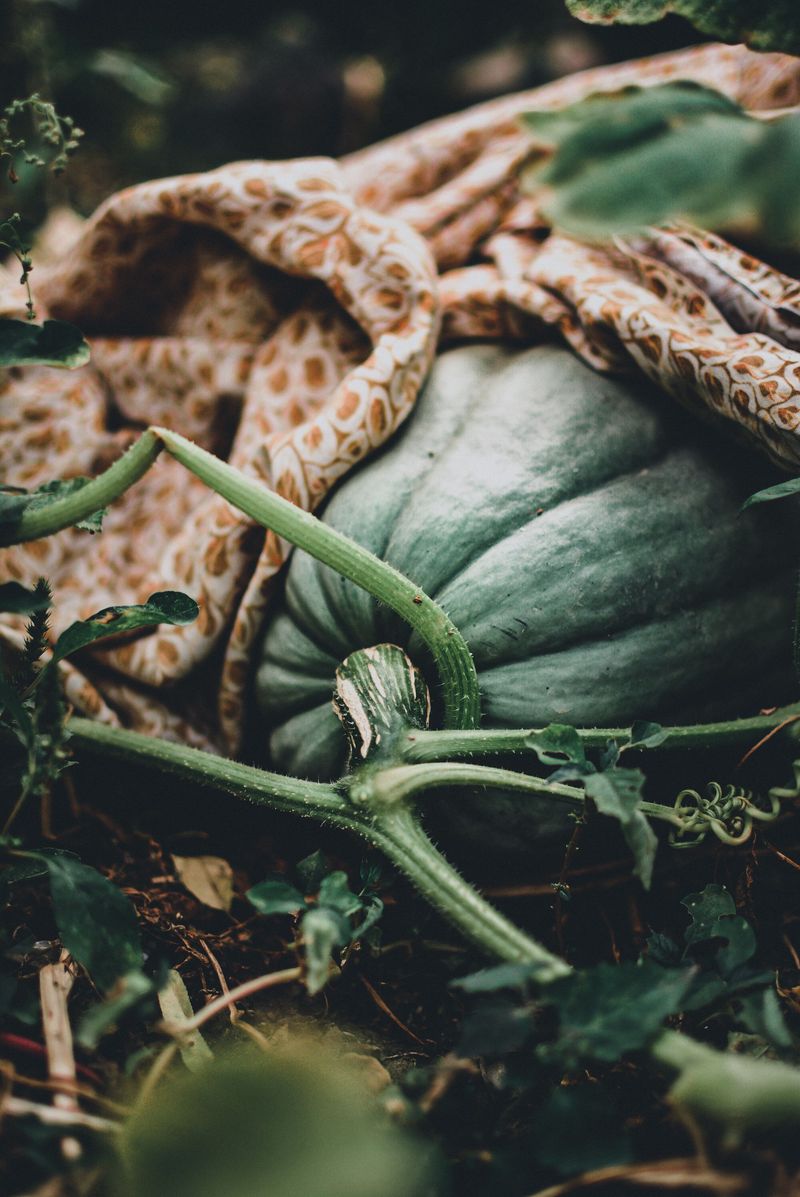
A single chilly night can feel like the end of the season, but it rarely is. Light frost often visits Michigan gardens once or twice before the real cold settles in. A simple cover can help your green pumpkins and squash ride out those first cold nights.
Frost harms plants in two ways. It browns the big leaves that feed the fruit, and it can damage the rind of the pumpkins themselves.
When you trap the ground’s stored warmth under a cover, the air around the vines stays a few degrees warmer, which is often enough to block a light frost.
Grab whatever you have on hand. Frost cloth from the garden store works great, but old sheets, light blankets, and even beach towels will do the job.
Drape them over the vines and fruit in the evening, before the temperature drops, and let the edges touch the ground so heat stays inside.
Morning matters just as much. Pull the covers off once the sun is up and the frost has melted, so the plants can get light and fresh air. Leaving covers on all day can make things too warm and damp.
Keep a close eye on the weather app, too. Covers protect against light frost, usually around 30 to 32°F, but they won’t save fruit from a hard freeze in the mid-20s. When a deep cold night is coming, it’s time to harvest everything.
Michigan weather has a funny habit of turning mild again after an early frost. A week or two of sunny Indian summer days can give fruit near maturity the boost it needs to finish strong.
2. Check Which Fruit Is Mature Enough To Ripen
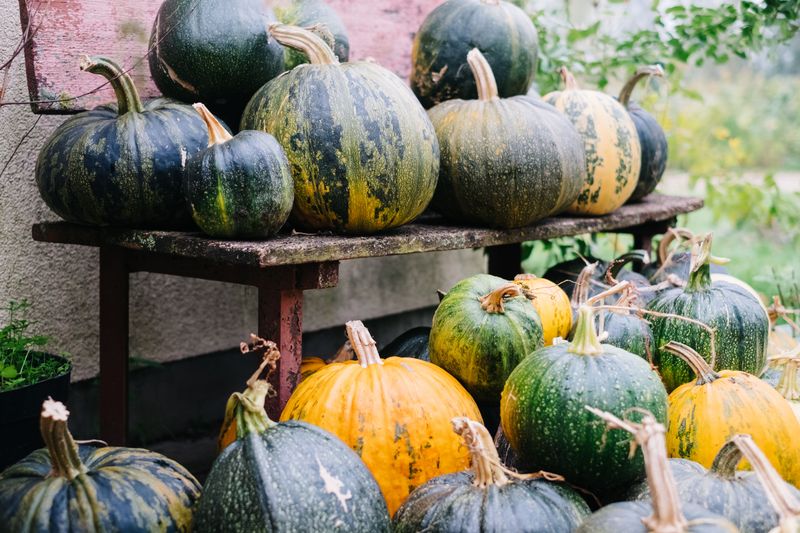
Not every green pumpkin is equal. Some are just days away from turning orange, while others are still babies that need weeks more.
Knowing the difference helps you plan what to keep, what to cook, and what to share. Size is your first clue. Fruit that has reached its full size for the variety has done most of its growing.
A hard rind and a hint of color change are even better signs, since these pumpkins and squash often keep developing color after you pick them. Try the fingernail test next. Press your nail gently into the skin.
Your Michigan Garden Changes Every Week. Your Plan Should Too.
Gardening in Michigan changes quickly throughout the season. Every Friday you’ll receive a simple weekly plan showing exactly what to plant, prune, fertilize, harvest, and protect so you never miss the right timing.
If it slides in easily and leaves a mark, the fruit is still young, but if the rind pushes back and barely dents, you have a mature or nearly mature fruit on your hands.
Look at the stem as well. A stem that is turning tan, hard, and corky shows the vine is finishing its work. Green, soft stems usually mean the fruit needs more time.
Small, soft, fully green fruit is a different story. Pumpkins and squash at that stage usually won’t ripen or store well, so plan to eat them soon instead.
Sorting makes everything easier. Make three piles: mature, nearly mature, and immature. Each group gets its own plan, which you’ll find in the tips ahead.
Michigan frost has a sneaky way of arriving while vines hold fruit at every stage, from tiny green knobs to fully colored giants. A quick sorting session turns that messy mix into a clear game plan.
3. Harvest Before A Hard Freeze
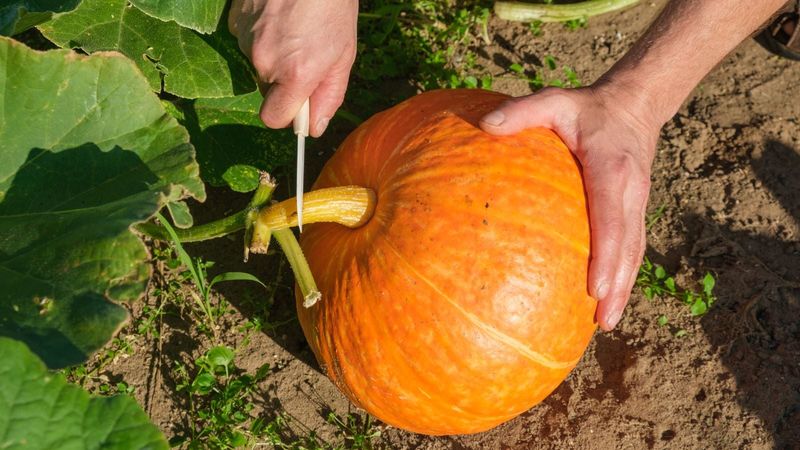
When the forecast says 28°F or lower, grab your pruners and head outside. A hard freeze is the one thing pumpkins and winter squash can’t shrug off.
Getting fruit indoors in time is the biggest favor you can do for your harvest. Freezing temperatures hurt more than the skin. Ice crystals form in the rind and the flesh just beneath it, leaving soft, watery spots once the fruit thaws.
Those spots quickly turn into rot, and frost-damaged fruit won’t hold up in storage. Skip the twisting and yanking. Use sharp pruners or a knife to cut each fruit from the vine.
Leave 3 to 4 inches of stem on pumpkins and about an inch or more on smaller squash like butternut and acorn.
That stem works like a cork. It helps seal the fruit and keeps germs from sneaking in. Pumpkins without stems tend to spoil much faster, so treat that little handle with care.
Speaking of handles, never carry a pumpkin by its stem. It may look easy, but stems snap more often than you’d think, especially on heavy fruit.
Hold pumpkins from the bottom with both hands, or use a wagon or wheelbarrow lined with an old blanket.
Move everything into shelter right away, such as a garage, porch, or mudroom. Leaving fruit outside overnight after picking still puts it at risk.
In Michigan, hard freezes can follow the first frost by just a few days, especially up north and in the Upper Peninsula. Watching the forecast closely gives you a head start.
4. Let Nearly Mature Fruit Color Up In A Warm, Sunny Spot
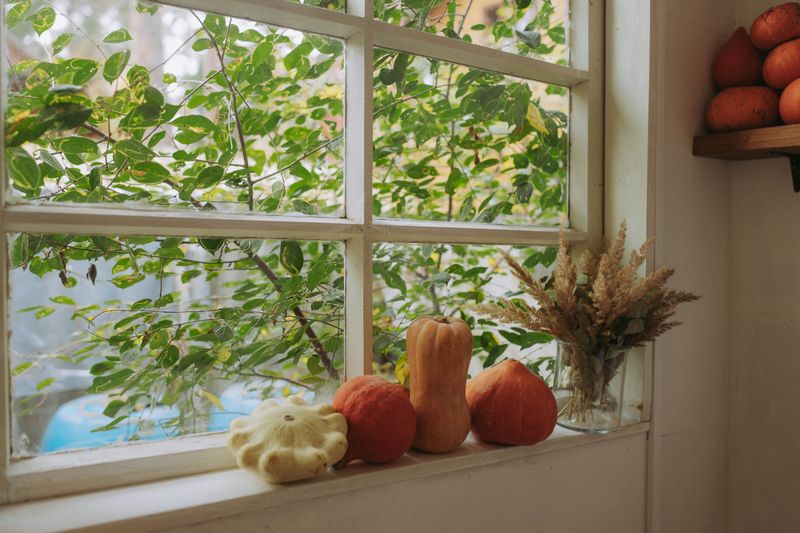
Kids love it, and grown-ups secretly do too. Watching a green-streaked pumpkin slowly turn orange on a sunny windowsill feels a little like magic. For partly ripe fruit, a warm, bright spot can finish what the garden started.
Fruit that is close to maturity keeps changing after harvest. Warmth and light help the green fade and the full color come through, whether that’s bright orange, deep tan, or rich gold.
Fruit with some color already showing has the best odds. One honest note before you start. Color may catch up, but flavor and sweetness don’t always match pumpkins that finished on the vine.
These fruits are still tasty, just sometimes a bit milder. Find the sunniest place in your home. A south-facing window works beautifully, and so does a heated sunroom or an enclosed porch that stays warm.
Set the fruit on a towel or tray so it doesn’t sit on a cold surface. Turn each pumpkin every few days. The side facing away from the window needs its share of light too, or you’ll end up with a two-toned look.
Little rotations add up to a more even color. Patience pays off here. Some fruit colors up within a week or two, while others take longer, so check them often and enjoy the slow show.
Once colored, use them for fall decor or in the kitchen. Michigan gardeners, who often dream of orange pumpkins for porches, harvest parties, and Halloween, can still have them even after frost shows up early.
5. Cure Mature Fruit For Better Storage
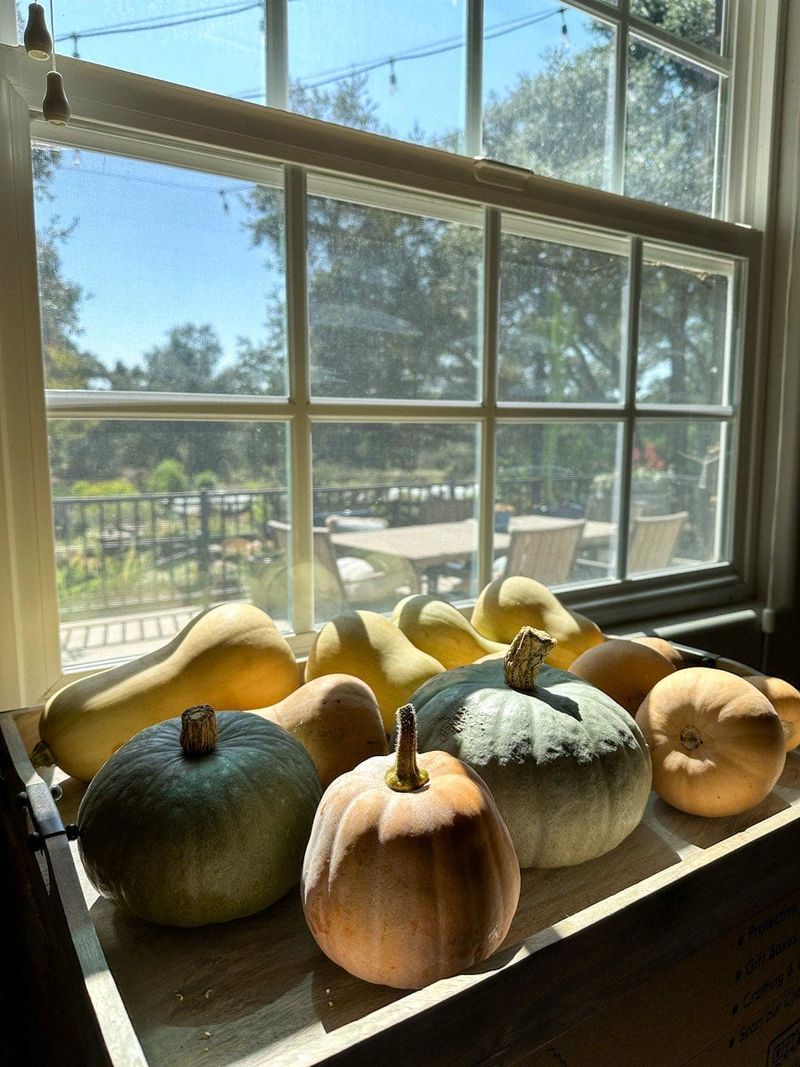
Think of curing as a spa week for your squash. A short stay somewhere warm toughens the skin and helps mature fruit last for months. It’s an old farm trick that still works wonders today.
Warm air does two helpful things. It hardens the rind, and it heals small scratches and nicks from harvest. A tougher shell means fewer openings for rot, so cured fruit stores much longer.
Aim for about 80 to 85°F for roughly 10 to 14 days. Butternut, hubbard, and pumpkins all respond well to this treatment.
Good spots include a room near the furnace, a warm laundry area, or any heated space that stays cozy.
Set fruit on shelves, tables, or racks instead of a cold concrete floor. Cold surfaces can undo the work you’re trying to do. Leave a few inches between each one so air can flow freely around them.
Acorn squash is the big exception. Curing actually lowers its quality, making the flesh stringy and less tasty. Skip this step for acorn squash and move it straight into storage.
A small thermometer can be a handy helper. Rooms often feel warmer than they really are, and a quick check takes the guesswork out of the process.
Farmers in warmer states can often cure squash right in the field. In Michigan, fall afternoons are usually too cool and nights too chilly for that, so moving fruit indoors gives it the warmth it needs. A little effort now means homemade squash soup well into winter.
6. Use Immature Squash Like Summer Squash
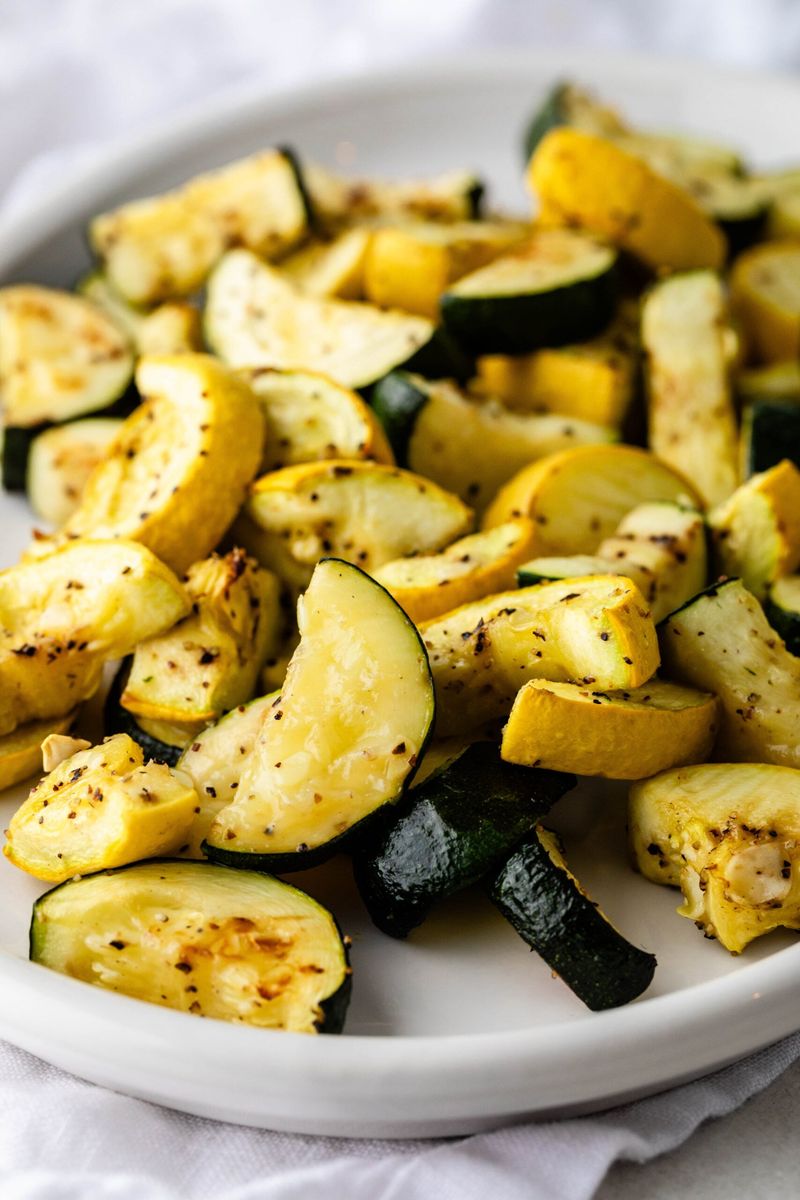
Here’s a secret many gardeners never learn. That small, soft, green squash you thought was useless can be dinner tonight. Young winter squash cooks a lot like zucchini.
Immature fruit won’t keep in storage, and it probably won’t ripen. But the flesh is tender and the skin is thin, much like summer squash.
That makes it quick to prep and easy to cook. Start by washing and slicing it. If the skin feels a bit tough, peel it with a vegetable peeler.
Scoop out any seeds that have started to form, though very young fruit may barely have any.
Sautéing is the easiest way to go. Toss slices in a pan with olive oil, garlic, salt, and pepper until tender and lightly browned. A sprinkle of parmesan at the end makes it even better.
Roasting brings out a gentle sweetness. Cut the squash into chunks, coat with oil and your favorite spices, and bake at around 400°F until golden on the edges.
Soups and stir-fries welcome young squash too. Add cubes to vegetable soup, chili, or a quick stir-fry with peppers and soy sauce. Small green pumpkins work the same way and taste mild and fresh.
Use these fruits within a week or two, since they soften fast. Keep them in the fridge if you won’t cook them right away.
Michigan gardeners often face a surprise pile of immature fruit after an early frost. Turning that pile into weeknight meals keeps your hard work from going to waste.
7. Store Mature Fruit Cool, Dry, And Above 50°F
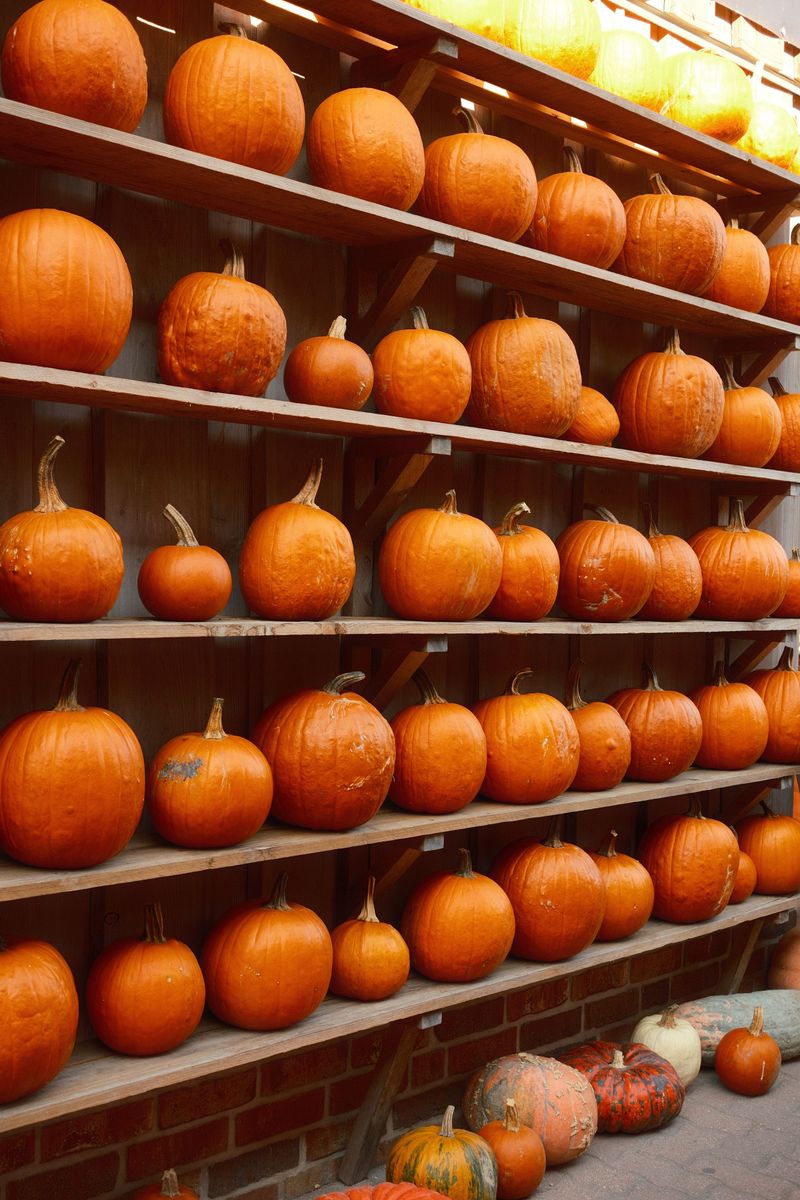
Picture a pantry full of squash in February, still firm and ready for soup. With the right storage spot, that’s totally possible. The trick is finding a place that’s cool, but not too cool.
Most pumpkins and winter squash keep best around 50 to 55°F. Moderate humidity and good airflow help them stay firm and slow down decay.
Below about 50°F, fruit can suffer chilling injury, which leads to soft spots and early spoiling.
Set fruit in a single layer on shelves, racks, or pieces of cardboard. Make sure they aren’t touching, since contact points trap moisture. Stacking them in a pile might save space, but it often costs you fruit.
Keep stored squash away from apples. Ripening apples give off ethylene gas, which can shorten storage life and cause yellowing in squash. Separate rooms are best if you store both.
Not all squash lasts the same amount of time. Acorn and delicata keep for a shorter stretch, often around one to three months, so cook them first. Butternut and hubbard can last for several months when stored well.
Spare bedrooms, cool closets, and unheated but insulated rooms often work great. A basic thermometer helps you find the best spot in your home.
Many Michigan garages and basements dip below 50°F once winter arrives. They may seem perfect in October, but by January they can be too cold. Moving your squash to a slightly warmer room can add weeks of good eating.
8. Check Often And Use Damaged Fruit First
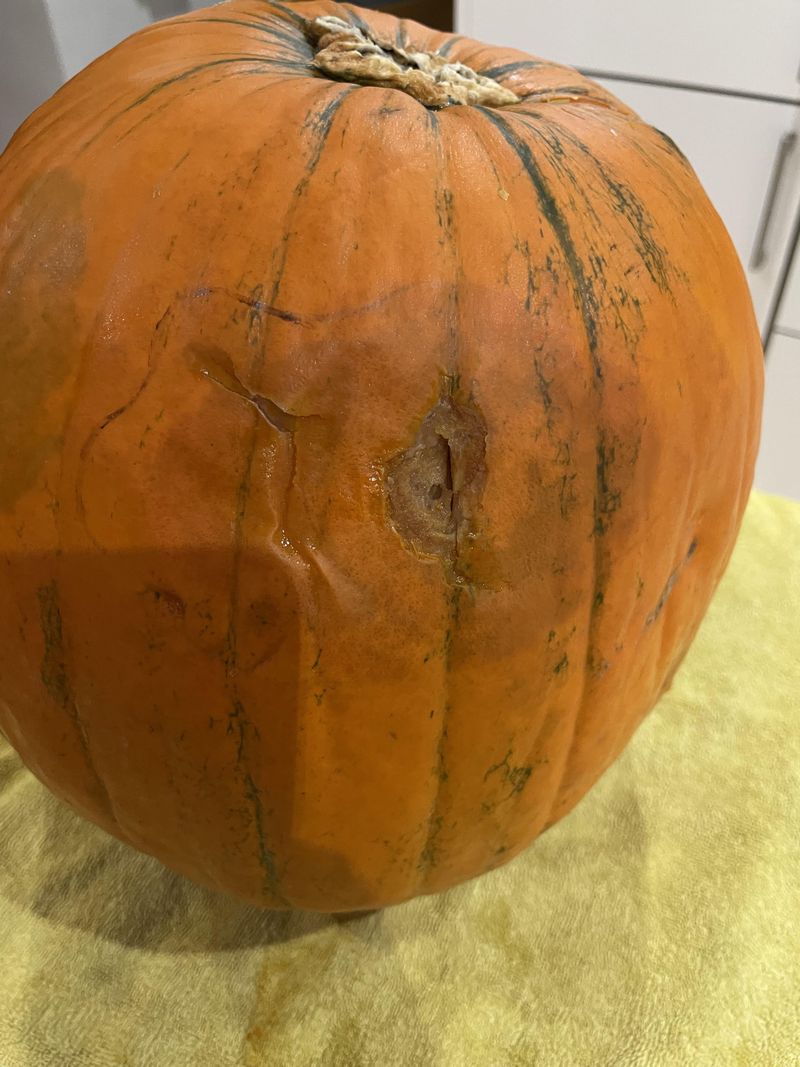
Out of sight should never mean out of mind. Stored squash can look perfect for weeks, then surprise you with a soft spot. A quick check every so often keeps small problems from growing.
Fruit that was touched by cold or picked before full maturity has a higher chance of trouble. Thin rinds and tiny frost marks give rot an easy way in.
And once one fruit starts to spoil, the decay can spread to its neighbors. Make a habit of looking things over every week or two. Pick up each fruit, turn it, and gently feel the surface.
Watch for soft areas, dark patches, mold, or stems that have fallen off. Small blemishes don’t mean the fruit is ruined. Cut away the bad area, then cook the rest right away.
Fruit with missing stems should also move to the front of the line. Got more squash than you can eat? Roast or steam it, mash or cube the flesh, and freeze it in labeled bags.
Frozen squash works great in soups, pies, muffins, and pasta sauce for months. Some fruit will be too far gone. If it feels mushy or starts leaking, add it to the compost pile. It will turn into rich food for next year’s garden, which feels like a nice ending.
After a rushed Michigan harvest before early frost, fruit often carries more scrapes and bruises than usual. Regular checks help you enjoy every good bite, and your future garden gets a boost too.