How To Dig Up And Store Dahlia Tubers For Winter In North Carolina
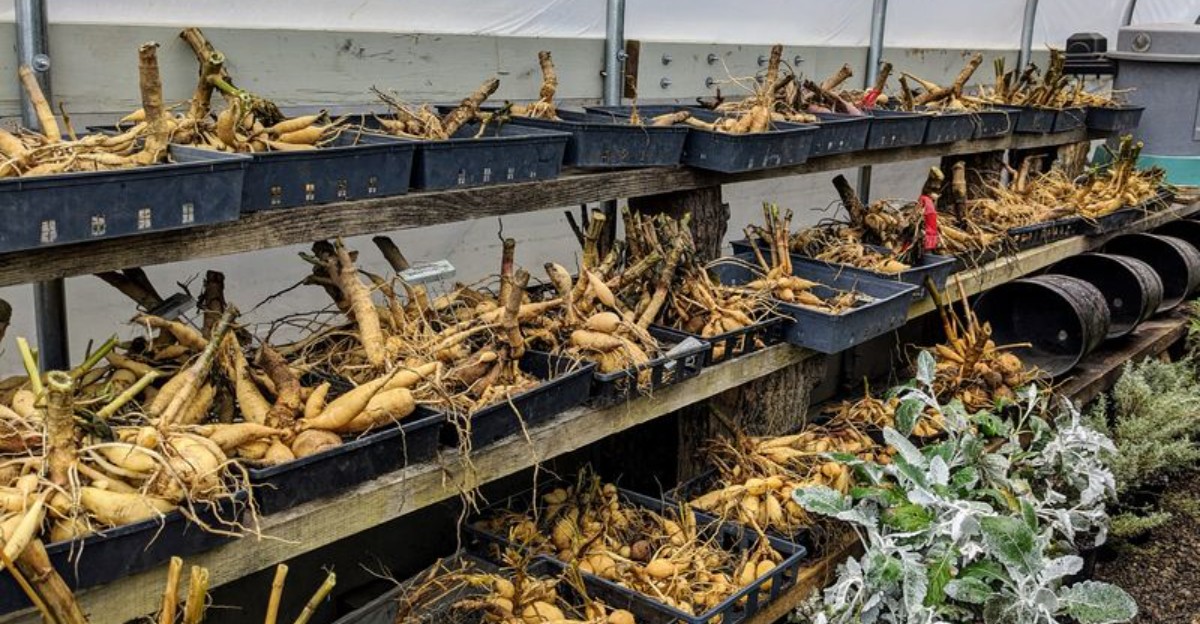
Dahlia tubers look a bit like a bunch of small sweet potatoes, and they are just as storable. In many parts of North Carolina, winters are mild enough that some gardeners leave them in the ground. Others lose them to wet, cold soil.
Lifting them is safer, though it takes some care. The first frost blackens the leaves, which tells you it is time. Digging too roughly can snap the necks off the tubers, and a broken neck means a tuber that will not sprout.
After digging, they need to dry, then rest in a cool, dark place. Too much moisture causes rot, and too little makes them shrivel. A little attention in fall keeps your favorite varieties coming back for years.
1. Decide Whether Your Dahlias Need Digging
Where you live in North Carolina makes a big difference for your dahlias. A gardener in Boone faces a very different winter than someone growing flowers near Wilmington. Before you grab a shovel, take a moment to think about your spot on the map.
Dahlia tubers are fleshy roots that store water and food. When the soil around them freezes, or when it stays cold and wet for weeks, the tubers can turn mushy and rot.
In the Mountains and much of the Piedmont, winter brings enough freezing weather that digging is usually the safest choice.
Things change as you head east. In parts of the Coastal Plain with sandy, well-drained soil, many gardeners leave their dahlias in the ground all winter.
They cover the planting area with a thick layer of mulch, about 4 to 6 inches of shredded leaves, pine straw, or straw, to keep the cold out.
Soil type matters just as much as location. Heavy red clay holds water like a sponge, and a wet clay bed in January is rough on tubers. If your yard stays soggy after rain, digging is a smart move even in a milder area.
Your favorite plants deserve extra care too. If you grow a rare variety or one you paid good money for, digging it up removes the gamble. You can always leave common, easy-to-replace plants in the ground as a test.
North Carolina stretches from cold mountain peaks to warm coastal towns, so no single rule fits every garden.
Look at your winter lows, check how your soil drains, and decide plant by plant. A little planning now keeps your dahlia collection safe and growing.
2. Wait Until Frost Blackens The Foliage
Patience pays off when it comes to dahlias. Many gardeners feel tempted to dig the moment the weather turns chilly, but the plant still has work to do. Waiting for the right signal leads to tougher, healthier tubers.
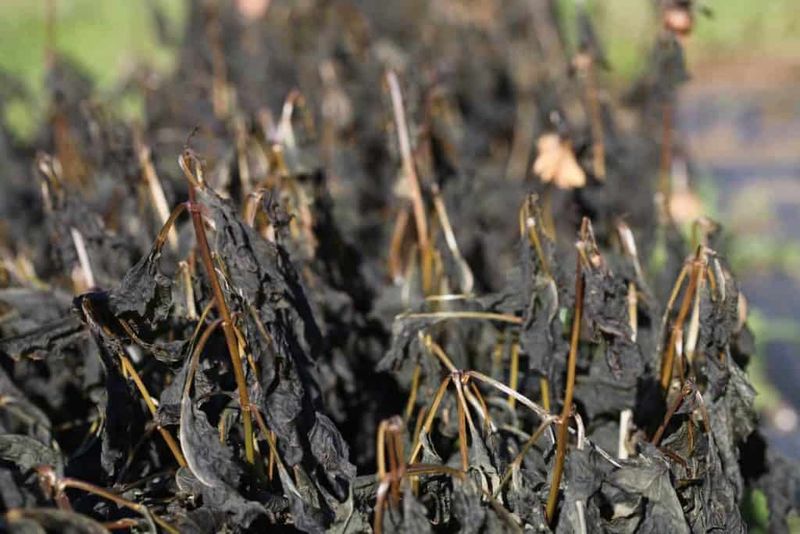
That signal is the first frost. When frost hits, the leaves turn dark and limp, almost overnight. It looks sad, but it tells the plant to stop growing and get ready for its winter rest.
After the frost, leave the tubers in the ground for about one to two weeks. During this time, their skins toughen up, a bit like a callus forming on your hand. Tubers with thicker skins hold moisture better and resist rot during storage.
Your North Carolina Garden Changes Every Week. Your Plan Should Too.
Gardening in North Carolina changes quickly throughout the season. Every Friday you’ll receive a simple weekly plan showing exactly what to plant, prune, fertilize, harvest, and protect so you never miss the right timing.
Timing across the state varies quite a bit. In the Mountains, frost often arrives in October, so digging usually happens that month or soon after. Piedmont gardeners tend to dig from late October into November, while coastal areas may see frost even later.
Keep an eye on the forecast once the leaves blacken. You want to finish digging before the ground freezes solid or a hard freeze rolls in. Frozen soil is hard to work, and a deep freeze can harm tubers that are still underground.
Some years, frost never seems to show up on time, especially in the eastern part of the state.
If late fall drags on without a frost, you can cut the plants down and wait a week or two before digging. Either way, giving tubers that short rest makes a real difference when spring comes.
3. Cut The Stems And Label Each Plant
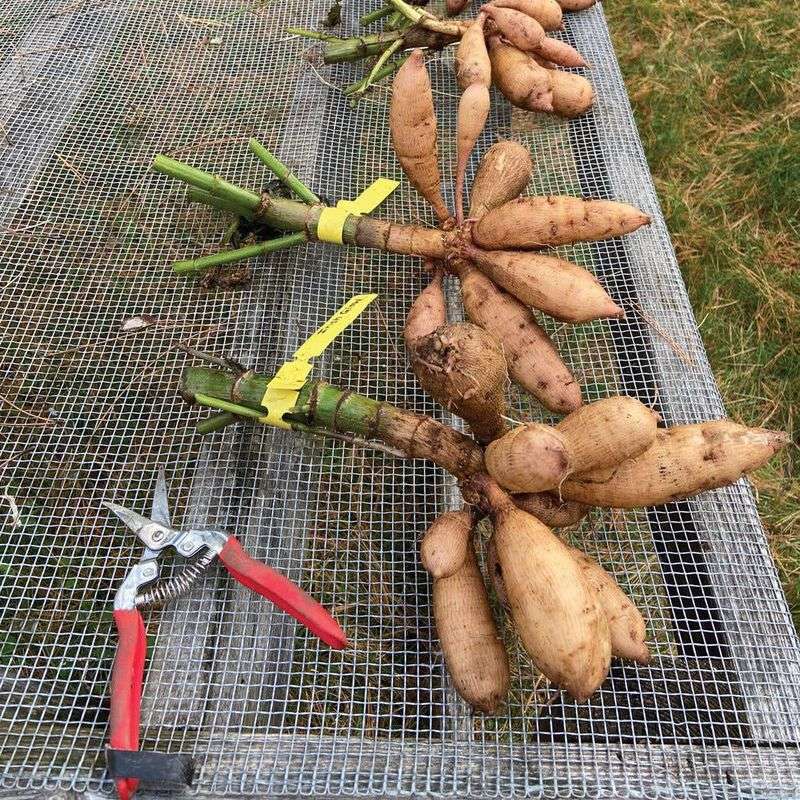
Ever dug up a pile of dahlias and realized you had no idea which was which? Almost every grower has made that mistake once. Without the flowers, a cafe au lait tuber and a bright red one look nearly the same.
Start by cutting the stems back to about 4 to 6 inches above the ground. A short stump gives you something to see and hold onto, but it keeps the clump from being clumsy and top-heavy. Sharp, clean pruners make neat cuts that heal well.
Next comes the label. Tie a tag to each stem with the variety name written in pencil or waterproof marker.
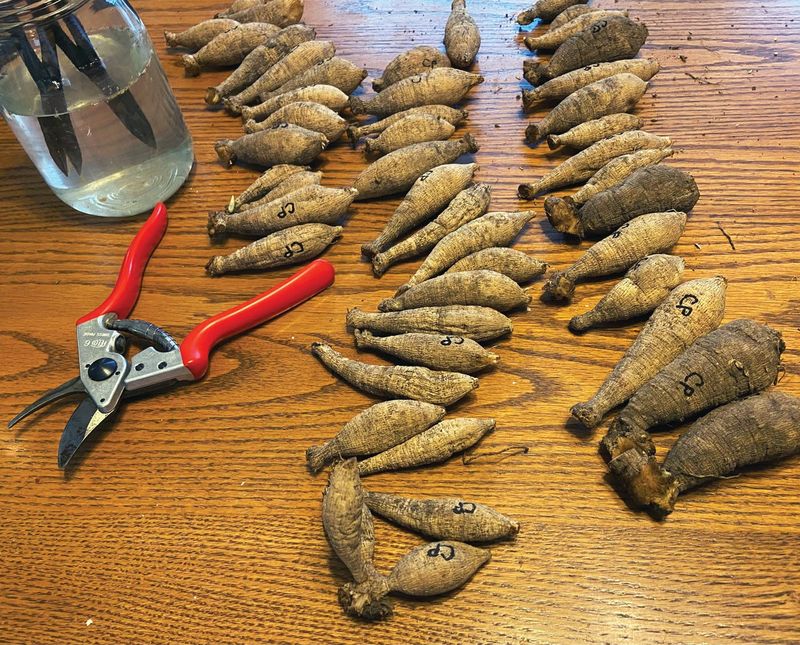
Some gardeners also write the name right on the tubers with a permanent marker after they are cleaned and dry, which keeps the name with the tuber all winter long.
Notes help too. Jot down the flower color, bloom size, plant height, and how well each one performed this year. A small notebook or a phone photo of each plant in bloom works great.
Those details pay off big next spring. You can plan where tall plants go, group colors in pleasing ways, and decide which varieties earned a spot again. Plants that disappointed can go to a friend or the compost pile.
North Carolina gardeners love dahlias for cutting gardens, farmers markets, and bright summer borders.
Many grow dozens of varieties at once, and keeping them straight takes a simple system. A few minutes with tags and a marker saves hours of guessing later.
4. Dig Carefully To Avoid Breaking Tubers
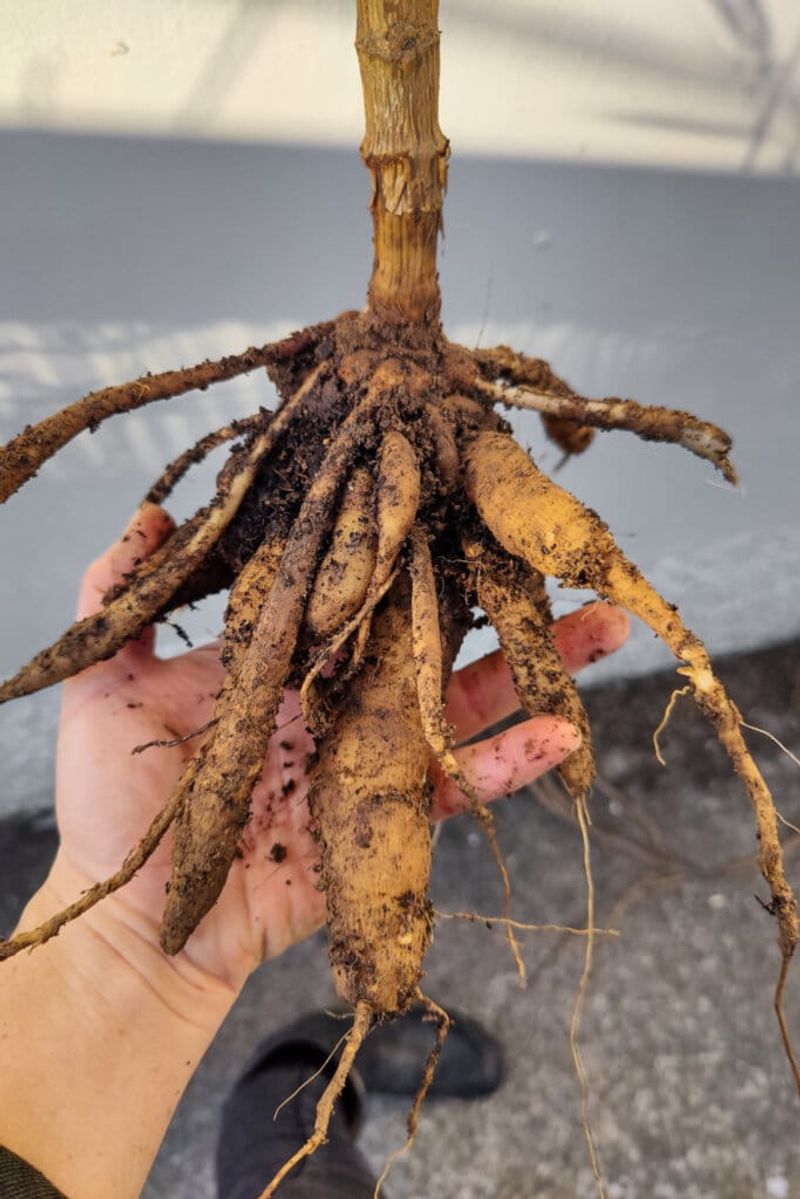
Dahlia tubers may look tough, but they have a weak spot. Each tuber connects to the main stem by a thin neck, and that neck snaps with surprisingly little force. One rough tug can ruin a perfectly good tuber.
Why does the neck matter so much? The growth eyes, which become next year’s sprouts, sit on the crown where the stem meets the tubers.
A tuber that breaks off without a neck linking it to the crown cannot send up a new plant, no matter how plump it looks.
A spading fork is the best tool for the job. Push it into the soil in a wide circle about a foot away from the stem, rocking it gently to loosen the dirt. Work your way all the way around before trying to lift anything.
Once the soil feels loose, slide the fork under the clump and lift from below. Raise it slowly, letting extra dirt fall away as you go. Never yank the plant up by its stem, since that puts all the pressure right on those fragile necks.
North Carolina’s famous red clay makes this step a little trickier. Clay grips tubers tightly, especially when wet, and a clump can come up as one heavy, sticky ball. Try digging a day or two after rain, when the soil is moist but not muddy.
If the clump feels stuck, loosen more soil instead of pulling harder. A bit of extra time protects your plants. Careful digging means more healthy tubers and more flowers next summer.
5. Clean And Dry The Clumps
Fresh from the ground, a dahlia clump is usually caked in dirt. Cleaning it off is more than a tidy habit. Clean tubers let you spot problems before they ruin your winter storage.
Use a gentle spray from a garden hose or a soft brush to remove the soil. Go easy around the necks and crown, since they still break easily. As the dirt washes away, look for soft spots, cuts, or signs of rot.
Here is a trick many growers swear by. Turn each clump upside down for a day or two so water can drain out of the hollow stems. Trapped water inside the stem can lead to rot that starts at the crown, right where the growth eyes live.
Drying should be quick but not too long. Set the clumps in a shaded, frost-free place with good airflow, such as a garage, shed, or covered porch. A day or two is often enough for the outer skin to feel dry to the touch.
Leaving them out for many days can backfire. Tubers lose moisture fast, and they can shrivel before you even pack them away. The goal is dry skin on the outside with a firm, juicy inside.
Fall in North Carolina can be quite humid, especially in the Piedmont and along the coast. Damp air slows drying, so a small fan can help move air around the clumps. Just keep them out of direct sun, which can overheat and dry them unevenly.
6. Divide Now Or Wait Until Spring
Gardeners love to debate this one. Some divide dahlia clumps in fall, while others swear by spring. Both choices work, and each has its own perks.
Dividing in fall saves a lot of space. A whole clump can be as big as a basketball, but single tubers pack neatly into boxes. You can also toss any damaged pieces right away, so they do not spread rot to healthy ones.
Spring dividing has its own big advantage. By then, the growth eyes have often swelled or started to sprout, which makes them much easier to see. Finding eyes in fall can feel like searching for a freckle in the dark.
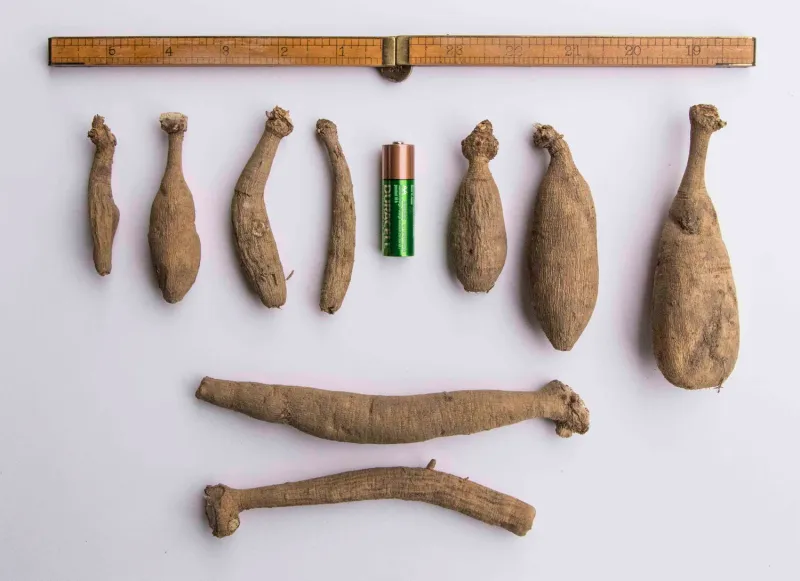
Every division needs at least one eye to grow. That eye sits on the crown, so each piece should include a healthy tuber, an unbroken neck, and a small chunk of crown. A tuber without an eye will stay a lumpy root and never sprout.
For fall dividing, use clean, sharp tools like a pruner or sturdy knife. Wipe the blades with rubbing alcohol between clumps to avoid spreading disease. Cut the crown into sections carefully, checking each piece for an eye before setting it aside.
Toss anything soft, broken, or rotting without a second thought. Those pieces will only cause trouble in storage.
In North Carolina’s long growing season, clumps can get huge in just one year, so dividing keeps them manageable and gives you plenty of extra plants to share with friends.
7. Store Tubers Cool And Slightly Moist
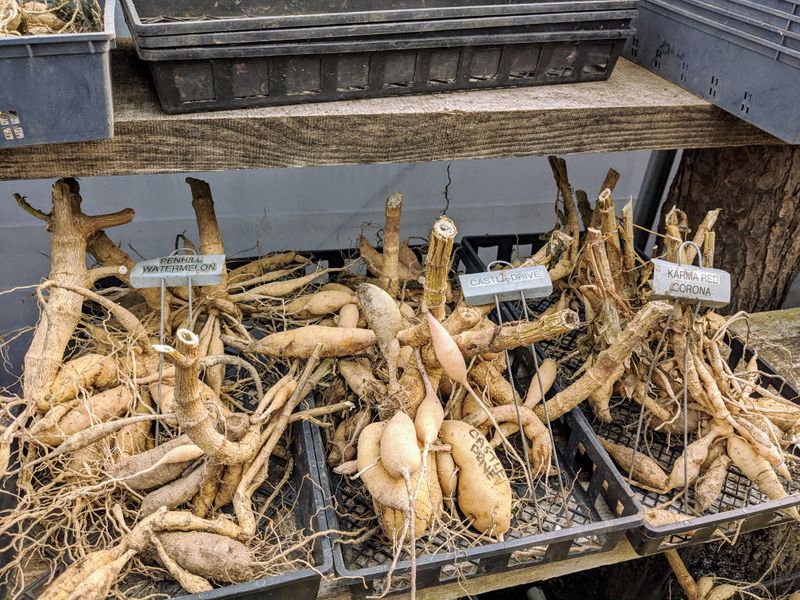
Think of stored dahlias like Goldilocks. They want conditions that are not too warm, not too cold, not too wet, and not too dry. Getting that balance right is the secret to plump tubers in spring.
Cool temperatures keep tubers resting. Aim for a spot that stays around 40 to 50 degrees Fahrenheit and never freezes. If it gets much warmer, the tubers may start sprouting too soon.
Moisture is the next piece of the puzzle. Tubers need a little to stay firm, but too much leads straight to rot. Packing them in slightly damp peat moss, vermiculite, or wood shavings helps hold that steady middle ground.
Place a layer of packing material in a box, plastic tub, or crate, then add tubers so they do not touch each other.
Cover them with more material and repeat. Some growers prefer wrapping each tuber in plastic wrap, which locks in moisture and keeps any rot from spreading.
Finding the right spot can be the hardest part in North Carolina. Many homes here are built on slabs or crawl spaces instead of basements.
A cool basement works great if you have one, but an insulated garage, a crawl space, or an unheated closet along an outside wall can also do the job.
Test your spot before filling it up. Leave a simple thermometer there for a week or two and check the lows and highs. Knowing your numbers helps you choose with confidence and keeps your collection safe until planting time.
8. Check Stored Tubers Every Month
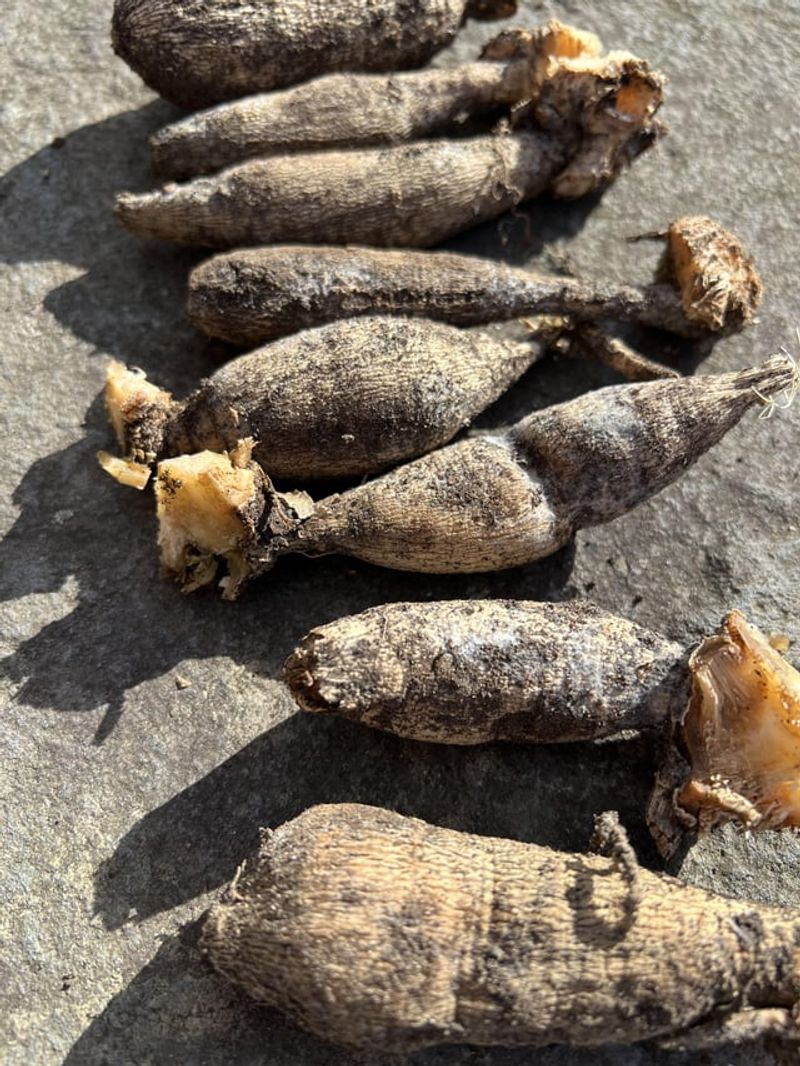
Out of sight should never mean out of mind. Stored dahlias change quietly over the winter, and a quick monthly check can save your whole collection. It takes only a few minutes.
Storage spots rarely stay perfect. A cold snap, a warm week, or a damp spell can shift the conditions inside your boxes. Tubers that get too dry start to wrinkle, while ones that stay too damp can grow mold or rot that spreads to their neighbors.
Once a month, open your containers and look closely. Gently squeeze a few tubers to feel for firmness. Healthy ones feel solid, like a fresh potato.
Wrinkled tubers just need a drink. Lightly mist the packing material with a spray bottle, not the tubers themselves, and check again in a couple of weeks. Most bounce back nicely.
Anything soft, mushy, or covered in fuzzy mold needs to go right away. Small spots of mold can sometimes be trimmed off and dusted with cinnamon, which many gardeners use as a natural fungus fighter. When in doubt, remove it to protect the rest.
North Carolina winters love to surprise us with warm spells in February and March. Those mild days can wake tubers early, and you might find pale sprouts poking out.
If that happens, move them somewhere cooler or start them in pots indoors a few weeks before your last frost.
When spring arrives and the soil warms, it is time to plant. All that winter care turns into healthy plants and a summer full of beautiful blooms.