The Blue Ridge Foliage Peak Weeks Every Virginia Homeowner Should Bookmark
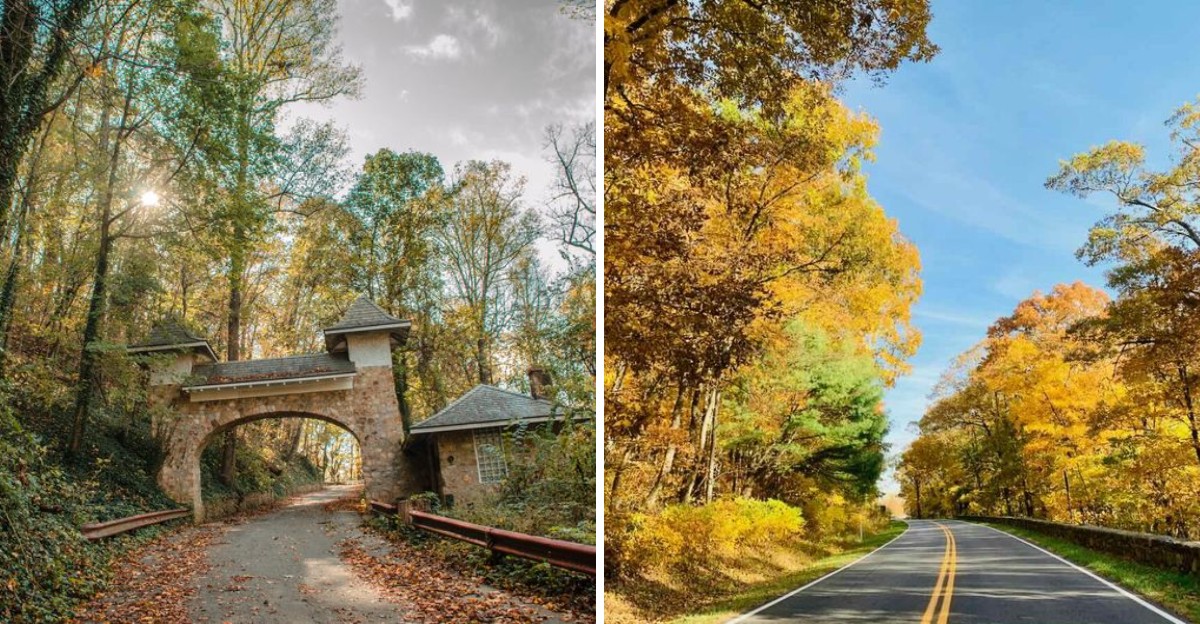
You get a short window in Virginia, so plan around it. Peak color hits the Shenandoah summits early, then descends toward the valleys you drive through.
Skyline Drive hands you an early display, usually while Charlottesville still looks green. Mount Rogers, your highest point in Virginia, flips weeks before the lowlands do.
Blue Ridge Parkway rewards you for planning around elevation. Each overlook you pick peaks on its own schedule.
Check elevation before you pick a weekend. Higher stops need your early attention, and lower towns tolerate a late arrival.
Strong storms can thin a ridge within days, so you should watch the forecast. Cool nights deepen the reds you chase, and warm nights dull them.
Pack layers, a full tank, and patience for slow traffic at popular pullouts. Arrive early, because you want open parking and soft morning light.
1. Mount Rogers And Grayson Highlands In Late September
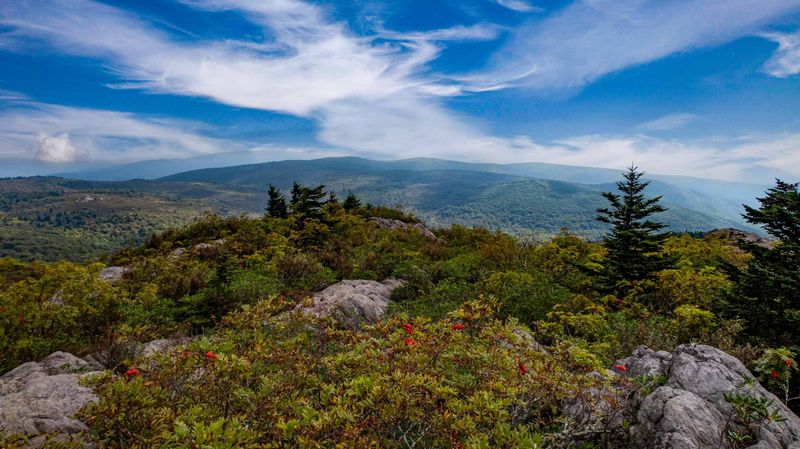
Peak dates shift with the weather each year, so check current color reports before you go. Picture standing on the open Grayson Highlands balds while wild ponies chew grass beside you. Mount Rogers is the highest point in Virginia, so color shows up here early.
Cold nights arrive early at this elevation, and trees respond fast. By the last week of September, red maples and mountain ash start to glow.
Grayson Highlands State Park sits right next door and makes a great starting point. Its Massie Gap parking area leads to trails with wide, open views.
The Appalachian Trail also crosses this area, so you might meet thru-hikers. Many of them have walked hundreds of miles and love a friendly hello.
Weekends get crowded, especially when the ponies are out near the trail. Try to arrive before 9 a.m. if you want a decent parking spot.
Pack layers, because the summit area can feel noticeably cooler than town. Wind on those open balds feels stronger than you might expect.
Homeowners in southwest Virginia can treat this trip as a rough preview, since your own trees follow their own timing. Treat this trip as a rough preview, since your own trees follow their own timing.
The ponies are wild, so please keep your distance and skip the snacks. Feeding them can make them sick and teaches them to beg from hikers.
Bring a thermos of hot cider and a small blanket for the rocks. Sitting still for ten minutes up there feels as restorative as a spa break.
Bookmark the final week of September for this trip on your calendar. It is the opening act, and the rest of the state follows its lead.
2. Highland County’s Sugar Maples In Early October
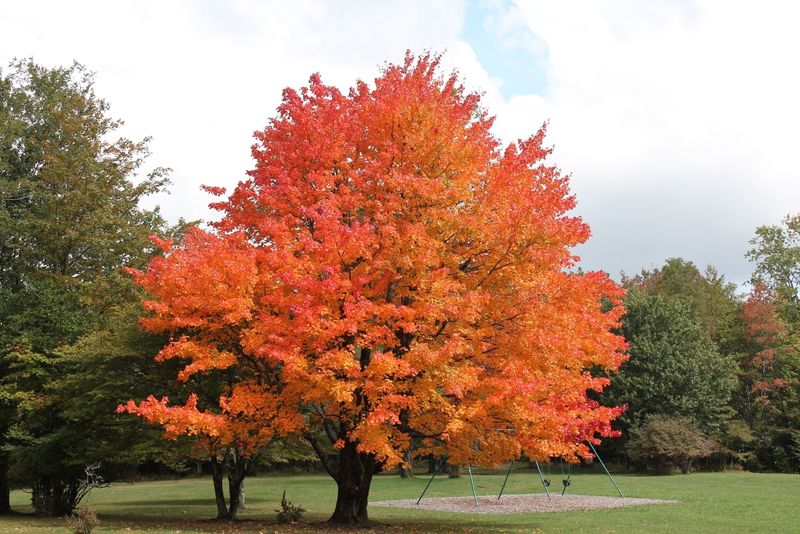
Folks call Highland County Virginia’s Switzerland, and one drive explains why. It has the highest average elevation of any county east of the Mississippi.
That height means cool air settles in early, often before October even begins. Sugar maples here often turn orange during the first ten days of the month.
Monterey is the tiny county seat, with fewer than two hundred residents. Drive Route 250 through town and you will feel like you stepped back in time.
Your Virginia Garden Changes Every Week. Your Plan Should Too.
Gardening in Virginia changes quickly throughout the season. Every Friday you’ll receive a simple weekly plan showing exactly what to plant, prune, fertilize, harvest, and protect so you never miss the right timing.
Maple syrup is a big deal here, mostly in March during the sugar festival. Still, many local shops sell syrup year-round, so grab a bottle for pancakes.
Cell service gets spotty in the hollows, so download maps before you leave. A paper map in the glove box is cheap insurance against getting lost.
For the best views, try the overlooks along Route 250 near Shenandoah Mountain. Morning light hits the ridges from the east and makes the orange pop.
Homeowners who love sugar maples can learn plenty by studying these mature trees. Notice how they grow in open spaces with plenty of sun and room.
Cooler, drier weather in early autumn usually brings the brightest colors here. A warm, rainy September can push the peak back a few days.
Check the Virginia Department of Forestry fall color reports before you head out. They update weekly and save you from showing up a bit too early.
Mark the first week of October for this quiet corner of the state. You will trade traffic jams for cows, barns, and vivid orange hillsides.
3. Big Meadows Around The Second Week Of October
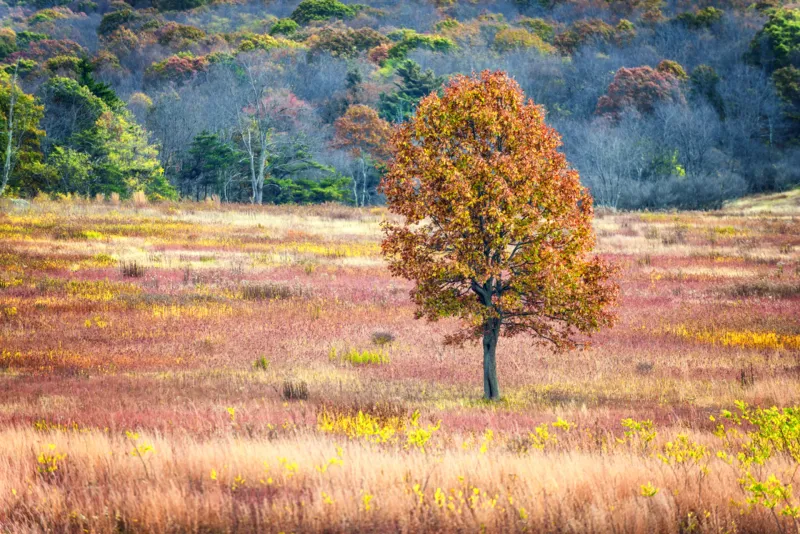
Did you know Big Meadows is one of the few big open fields in Shenandoah National Park? Deer graze there at sunrise while the woods around them fill with color.
Sitting near milepost 51 on Skyline Drive, this area reaches about 3,600 feet. Color usually builds in early October and peaks around the second week.
The Byrd Visitor Center has rangers who share weekly updates on leaf conditions. Ask them which overlooks look best that day, since conditions shift quickly.
Dark Hollow Falls is a short but steep hike just up the road. The 1.4-mile round trip ends at a waterfall framed by yellow birch and maple.
Remember that the climb back up feels much harder than the walk down. Bring water and take breaks, especially if you have little ones along.
Skyline Drive charges an entrance fee, but an annual pass pays off quickly. Families who visit more than once a year can often save money.
Big Meadows Lodge opened in 1939 and still welcomes guests each fall. Rooms book up months ahead, so reserve early if you want to stay overnight.
Stars show up clearly here because there is little light from nearby towns. Stay past dusk on a clear night for a bonus sky show.
Homeowners in northern Virginia can use this week as a helpful yard signal. When Big Meadows peaks, trees at lower elevations often lag behind by a week or more.
Circle the second week of October and bring a camera with a full battery. You will want more photos than you think.
4. Northern Skyline Drive In Mid October
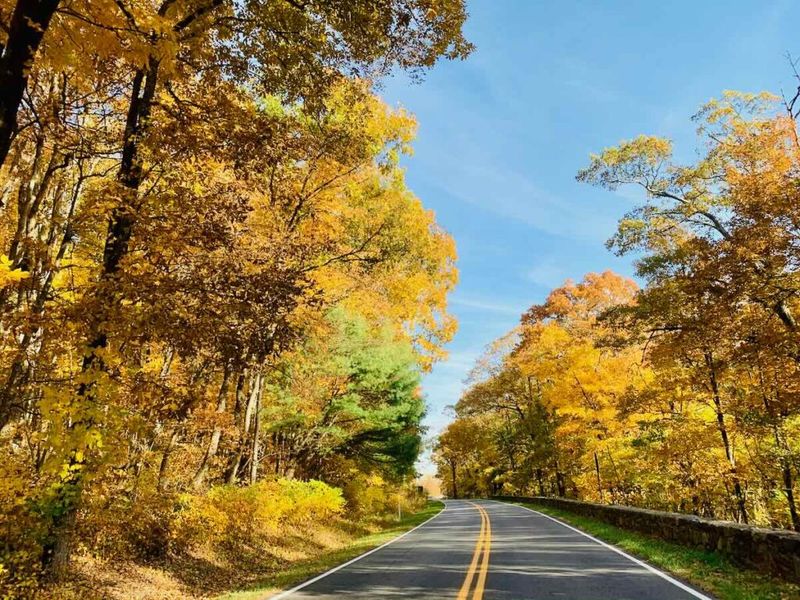
Front Royal is the doorway to Skyline Drive, and mid-October is its moment to shine. Oaks and hickories along the northern section glow in deep red and rusty gold.
Lower elevations here mean color arrives later than at Big Meadows. Most years, the peak lands between October 15 and October 25.
Dickey Ridge Visitor Center sits just a few miles from the north entrance. Its picnic area overlooks the valley and makes a great lunch stop.
Weekend traffic can crawl at the entrance gate on sunny October Saturdays. Visiting on a weekday morning cuts the wait and gives you quieter overlooks.
Skyline Drive has a speed limit of 35 miles per hour for good reason. Deer, bears, and wild turkeys cross the road without looking both ways.
Hogback Overlook offers a wide view on this stretch. On clear days, you can count the bends of the Shenandoah River below.
Families near Washington, D.C. can reach this area in about ninety minutes. That makes it an easy day trip without needing a hotel.
After your drive, stop in Front Royal for apple cider donuts and local shops. Nearby orchards also offer pick-your-own apples through much of October.
For your own yard, this is a smart week to plan fall cleanup. Rake after the color fades so you can enjoy the show first.
Bookmark the third week of October for this northern gateway trip. Your camera roll and your whole travel crew will thank you later.
5. The Peaks Of Otter In Mid October
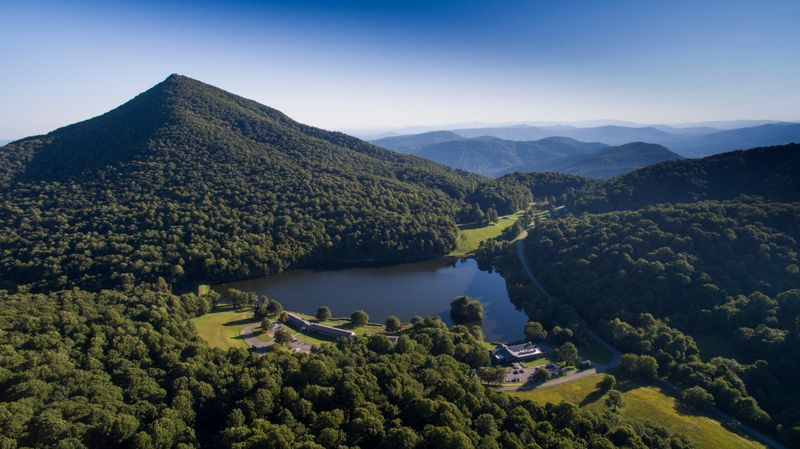
Sharp Top Mountain looks like a giant drew it with a pointy pencil. Rising near milepost 86 on the Blue Ridge Parkway, the Peaks of Otter are hard to miss.
Color here peaks around the middle of October, give or take a few days. Hickories turn butter yellow while sourwoods flash a deep, wine red.
Sharp Top rises to about 3,875 feet above sea level. Its pointed outline makes it one of the easiest peaks to spot from the parkway.
The hike to the summit is about 1.5 miles one way and fairly steep. A shuttle bus has run partway up in some years, so check before you go.
Wear shoes with good grip, because the top section has big rocks to climb. The summit view is your reward, stretching across valleys for miles.
Abbott Lake sits at the base and reflects the mountains like a mirror. Early mornings bring mist that lifts slowly and shows off the color underneath.
The Peaks of Otter Lodge sits right on the lake and serves hearty meals. A warm bowl of soup after a chilly hike hits the spot.
Lynchburg and Bedford homeowners live close enough for an easy afternoon trip. Many families make it a yearly tradition with photos in the same spot.
Bring binoculars, since hawks and other raptors pass along these ridges in fall. You might spot a few soaring overhead on a breezy, clear afternoon.
Plan for the weekend around October 15 to catch the best mix. That pointy peak will look even better against a bright blue sky.
6. Roanoke And Mill Mountain In Late October
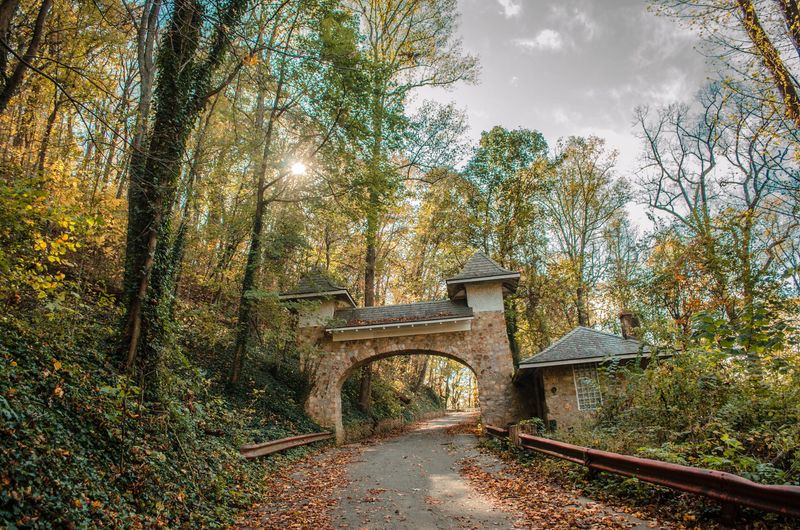
Roanoke calls itself the Star City, thanks to a giant neon star on Mill Mountain. From that overlook, late October color spreads across the whole valley below.
The Blue Ridge Parkway curves right around Roanoke, which makes it easy to reach. Roanoke Mountain Loop is a short, twisty side road with stunning views.
Peak color here usually arrives between October 20 and October 30. Lower elevations around the city hold their color a little longer than high peaks.
Red oaks, black gums, and dogwoods give this area a rich, warm look. Dogwoods often turn a deep purple red that looks great in photos.
The Mill Mountain Star is lit most nights, so plan a sunset visit if you can. Watching the city lights flicker on beneath autumn hills is a memorable sight.
Roanoke Mountain Loop is closed to trailers and large RVs because of tight curves. Leave the camper at the campground and bring a smaller car instead.
Downtown Roanoke has a lively farmers market that has run since 1882. Grab pumpkins, apple butter, and local honey after your scenic drive.
Homeowners in the Roanoke Valley should plan gutter cleaning for early November. Your trees will likely drop much of their color soon after this peak.
Weather matters too, since a strong windstorm can bring down many leaves in one night. Watch the forecast and go sooner if a big front is coming.
Pencil in the last ten days of October for this urban mountain treat. The star will be waiting, glowing like it knew you would come.
7. Charlottesville’s Foothills From Late October Into November
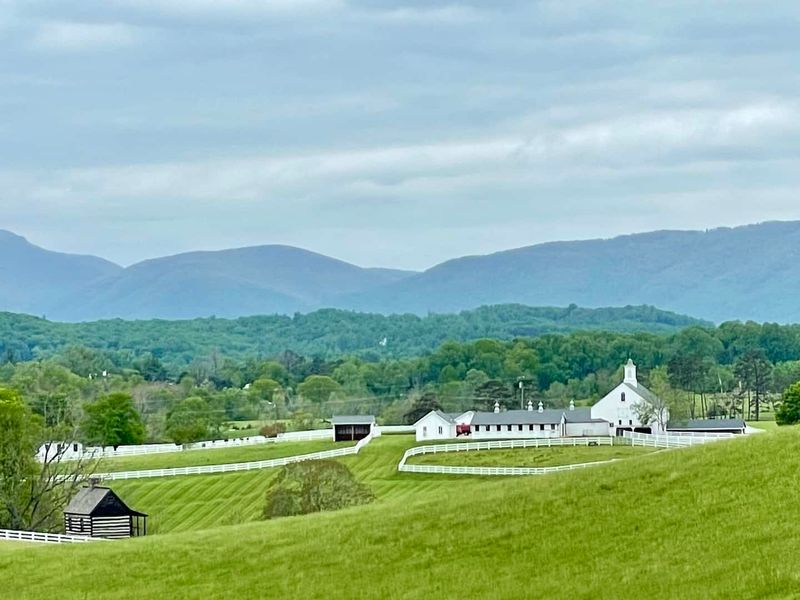
Thomas Jefferson picked his mountaintop home partly for the view, and he chose wisely. Around Monticello, the foothills of the Blue Ridge glow in late October.
Elevations here are lower, so trees hang onto their color later in the season. The peak usually falls in the last week of October or even early November.
Carter Mountain Orchard sits next door and offers sweeping views over Charlottesville. Go for apple picking, then stay for the sunset over the colorful hills.
Local wineries dot the countryside, and many have patios facing the mountains. Kids can enjoy the open lawns while adults soak in the scenery.
Route 151 through Nelson County is a favorite fall drive for locals. Expect slow traffic on weekends, since many visitors have the same idea.
Humpback Rocks, near the start of the Blue Ridge Parkway, sits much higher than the foothills, so its color peaks earlier. The hike is steep but quick, with a rocky top and huge views.
Homeowners here can watch their own maples turn alongside the hills. Snap a photo from the same window each week to track the change.
Those photos also show how your trees respond to each season’s weather. If a tree’s color looks weak year after year, ask a local arborist to take a look.
Pack a light jacket, since evenings cool off quickly once the sun drops. A warm cider from the orchard stand helps too.
Book your apple picking and scenic drive for the final week of October. Jefferson would likely approve, and he might even ask for a slice of pie.
8. Down On The Shenandoah Valley Floor In Early November
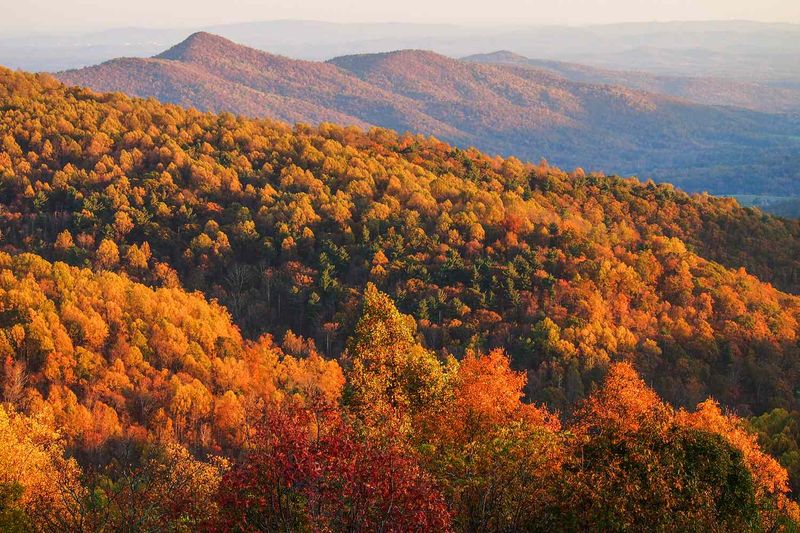
Think the show is over by Halloween? Down on the Shenandoah Valley floor, color often hangs on into early November.
Towns like Staunton, Harrisonburg, and Winchester sit lower and stay a bit warmer. That extra warmth slows the change and stretches the season for patient leaf fans.
Pin oaks and planted sweetgums often carry this late show. Sweetgums turn shades of purple, red, and orange all on the same tree.
Staunton’s Gypsy Hill Park is a lovely spot for an easy stroll under big trees. Ducks paddle around the lake while golden leaves drift onto the water.
Back roads between valley towns pass red barns, rolling fields, and stone fences. Take your time, since tractors and buggies share these roads with cars.
Crowds thin out by November, so restaurants and inns are easier to book. Prices may also drop a little once peak season passes.
For homeowners, early November is a great time to plant new trees. Cool air and warm soil help roots settle in before winter arrives.
Mulch fallen leaves with your mower instead of bagging them all. Shredded leaves feed your lawn and save you a sore back.
Keep a rake handy for sidewalks and storm drains, where piles can cause trouble. Wet leaves get slippery and can clog drains during heavy rain.
Sunsets come earlier now, so start your drive by mid-afternoon. Save the first week of November for one last valley drive, the encore the mountains deserve.