Why Your Pennsylvania Christmas Cactus Blooms Too Early (Or Too Late)
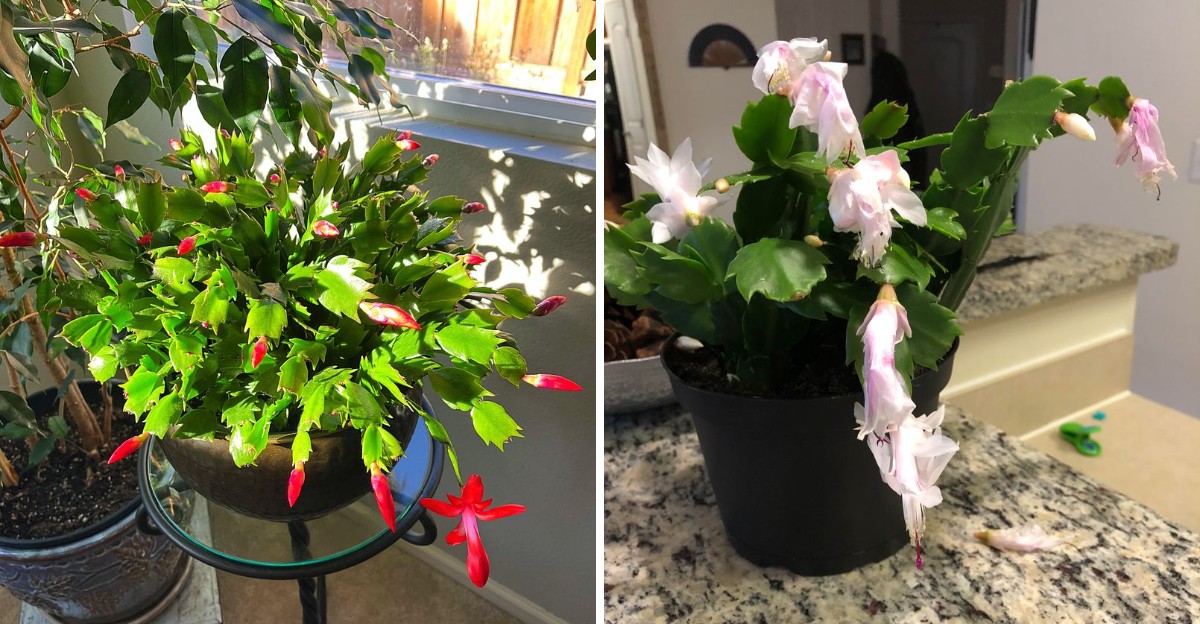
Here’s a surprise for a lot of Pennsylvania plant lovers. That “Christmas cactus” sitting on your windowsill might not be a Christmas cactus at all.
Many of the plants sold under that name are actually Thanksgiving cacti. They look nearly identical, but they naturally bloom a few weeks earlier, often in November. If yours bursts into flower before the turkey hits the table, that could be the reason.
Timing isn’t only about the plant’s identity, though. These holiday bloomers set buds based on night length and temperature.
Warm rooms, bright lamps left on late, or a spot too close to the furnace can delay flowering. A cool porch or chilly windowsill can push things along faster than expected.
Fortunately, you have more control than you might think. With a few small changes, you can nudge your plant toward blooming right on time.
1. It Might Actually Be A Thanksgiving Cactus
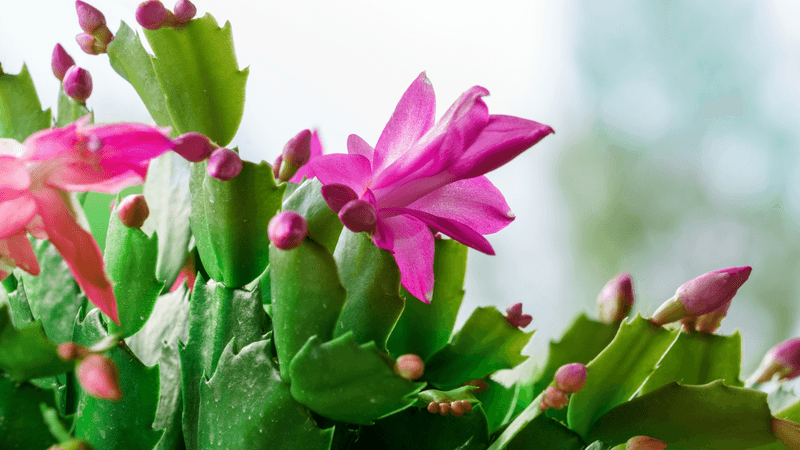
Plenty of shoppers bring home a plant labeled Christmas cactus, only to see it flower before the turkey is even cooked. Surprise!
The plant was probably a Thanksgiving cactus all along. Garden centers and big box stores often mix up the names, so you are far from alone.
Both plants are close cousins. They come from the rainforests of Brazil, where they grow on tree branches instead of in dry deserts. They look very similar, but their natural bloom times are a few weeks apart.
A Thanksgiving cactus usually blooms in November. A true Christmas cactus tends to flower closer to December.
So if your plant shows color early every single year, it may simply be doing exactly what nature designed it to do.
Telling them apart is easy once you know the trick. Look closely at the flat, leaf-like segments on the stems. Thanksgiving cactus has pointed, sharp edges that look a bit like tiny claws or crab pincers.
True Christmas cactus has smooth, rounded, scalloped edges. The segments look softer and more like little waves. You can also check the flowers, since Thanksgiving cactus blooms tend to stick out sideways from the stem.
Here is a fun fact. Thanksgiving cactus is actually sold far more often than Christmas cactus because growers find it easier to time for holiday sales. That means the plant on your table might have been mislabeled from the start.
If you discover you own a Thanksgiving cactus, enjoy it anyway! You cannot change its natural schedule much.
Instead, think of it as the opening act for the holiday season. Some Pennsylvania plant lovers keep both types to enjoy flowers from November through January.
2. Cool Fall Nights Arrived Early
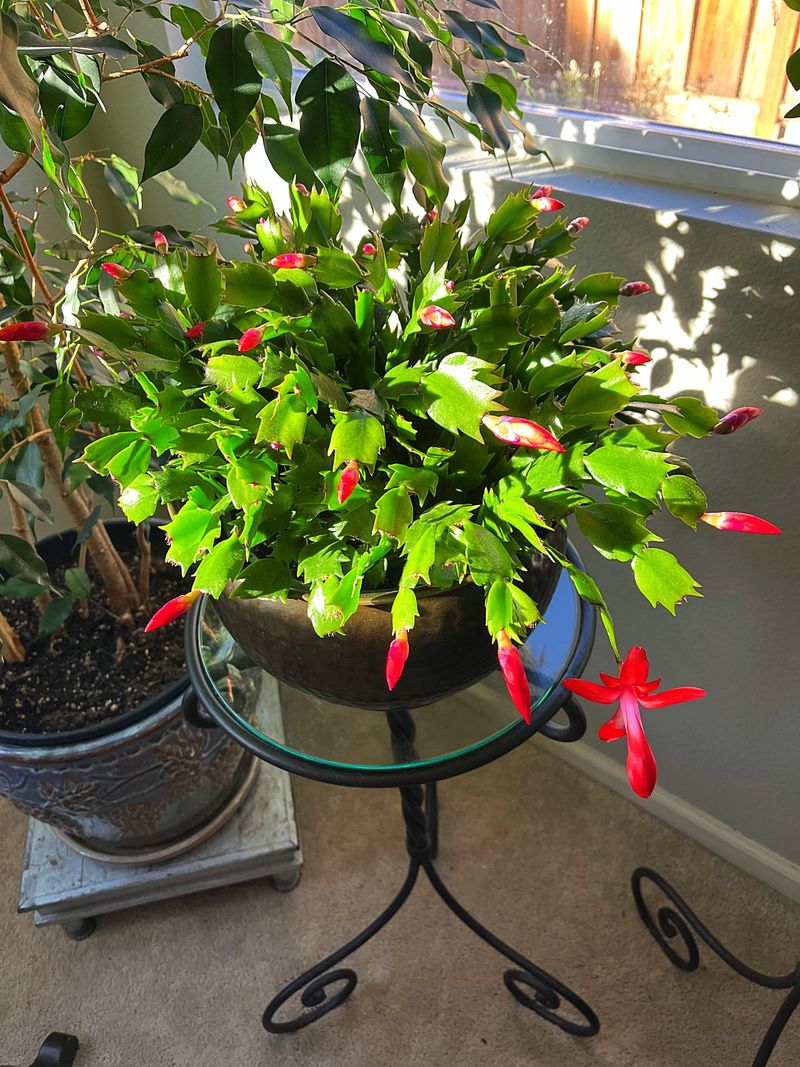
September in Pennsylvania can feel like summer one day and sweater weather the next. Your Christmas cactus notices those changes even more than you do. Cool nights are one of its biggest signals to start making flower buds.
When nighttime temperatures stay around 50 to 60 degrees, the plant gets the message that winter is coming. It begins forming tiny buds at the tips of its stems. Those buds then take several weeks to grow and open.
Your Pennsylvania Garden Changes Every Week. Your Plan Should Too.
Gardening in Pennsylvania changes quickly throughout the season. Every Friday you’ll receive a simple weekly plan showing exactly what to plant, prune, fertilize, harvest, and protect so you never miss the right timing.
So what happens if your cactus spent early fall outside? Many people set their plants on a porch or patio for the summer.
That is a great idea for healthy growth, but chilly September evenings can kick bud formation into gear sooner than you planned.
A cool window does the same thing. Drafty older homes, common across Pennsylvania, often have windowsills that drop into the 50s at night. A plant sitting there may decide it is time to bloom long before December.
The fix is all about timing. If you want flowers right around Christmas, keep the plant a bit warmer through September. Then give it those cool nights starting in early to mid October.
Keep a simple thermometer near your plant. It costs just a few dollars and takes the guesswork out of things.
You will know exactly how cool your plant is getting each night. Watch out for frost, too. Christmas cactus cannot handle freezing weather.
Bring it indoors before nights fall below about 45 degrees, which can happen in many parts of Pennsylvania by late September or early October. A cold snap can harm the leaves and ruin your chances of a big flower show.
3. It’s Getting Too Much Light At Night
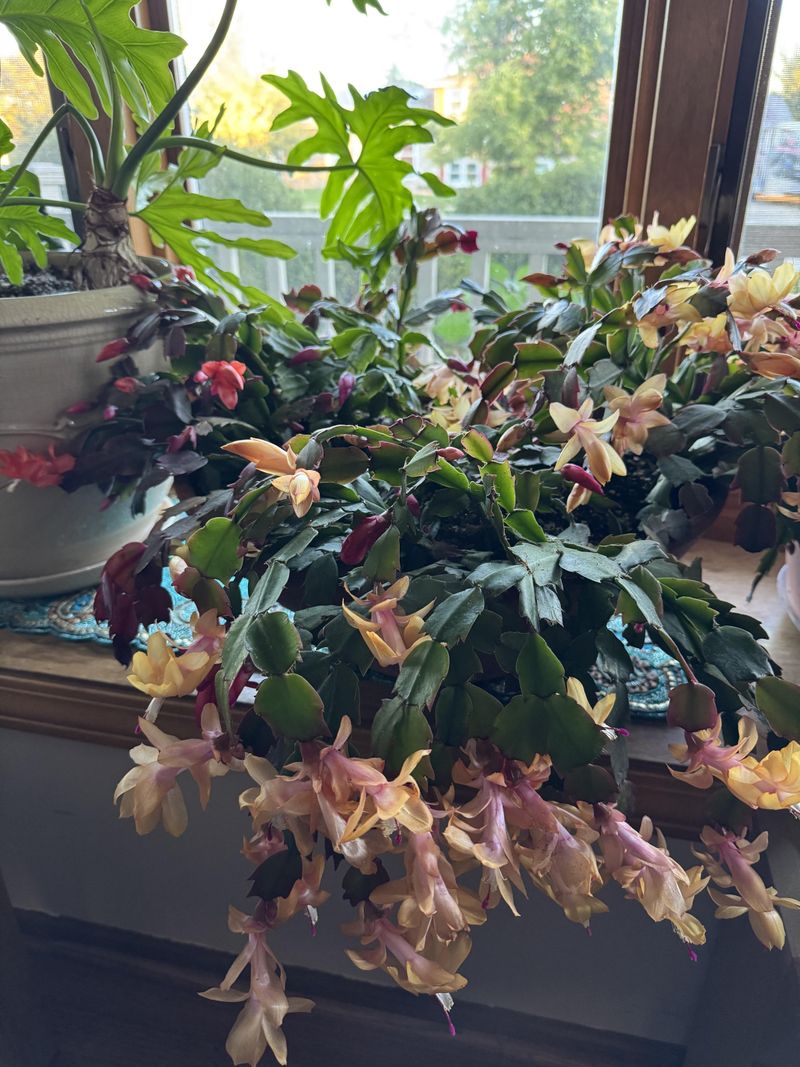
Darkness is like a secret ingredient for a blooming Christmas cactus. Most people think plants only care about sunlight. This one, though, pays very close attention to how long the nights last.
To form buds, the plant needs about 12 to 14 hours of complete darkness every night. It needs that schedule for several weeks in a row, usually about six to eight weeks. In nature, the long nights of fall and winter give it exactly that.
Inside our homes, things get tricky. We turn on lamps when it gets dark. We watch TV, scroll on tablets, and leave the kitchen light on. Even a little glow can reset the plant’s internal clock.
Think about where your cactus sits. If it lives in the family room or a busy kitchen, it might be getting hours of extra light each evening. That light tells the plant it is still summer, so it holds off on making buds.
Outdoor lights matter too. A bright porch light or streetlight shining through a window can be enough to delay flowering.
Luckily, the solution is simple. Move your plant to a spare bedroom, a quiet guest room, or any space that stays dark after sunset. Some people cover the plant with a cardboard box from about 6 p.m. to 8 a.m. each day.
Just remember to uncover it in the morning. Your cactus still needs bright daylight during the day to stay strong.
Once you see buds forming, you can relax the darkness routine and move it back to a spot where everyone can enjoy it.
4. Your Home Is Too Warm
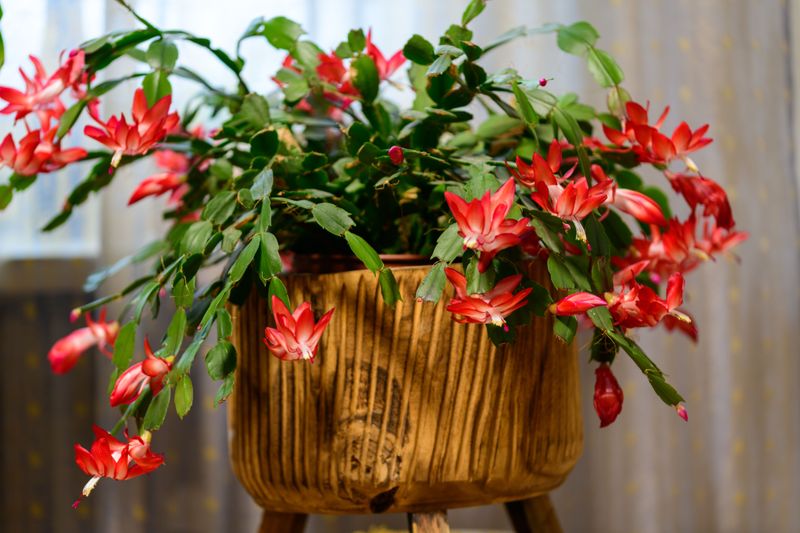
Once the first frosty morning hits, most Pennsylvania families crank up the furnace. That toasty air feels wonderful to us. Your Christmas cactus, on the other hand, may not be a fan.
Warm temperatures can slow down or even pause bud formation. When the air stays above about 70 degrees, especially at night, the plant does not get the cool signal it needs. As a result, your flowers may show up late or barely show up at all.
Many homes keep the thermostat between 68 and 72 degrees all fall. That range is cozy for people. For a Christmas cactus trying to plan its holiday show, it is a bit too comfortable.
So what can you do? Find a cooler room in your house. A guest bedroom with the vent partly closed works nicely. A bright, enclosed porch that stays above freezing can also be perfect.
Aim for nighttime temperatures in the 50s to low 60s starting in early fall. Daytime can be a little warmer, around the mid 60s. That gentle cool-down mimics the plant’s natural habitat in the Brazilian mountains, where nights get crisp.
Basements can work too, but only if they get some natural light during the day. A dark, gloomy basement corner will not give the plant the energy it needs.
Once you spot buds about the size of a grain of rice, you can bring the plant back to a warmer area. Just do it slowly.
A gradual move helps keep those buds attached and growing. Before you know it, your home will be bursting with color just in time for holiday guests.
5. Changes And Stress Are Throwing It Off
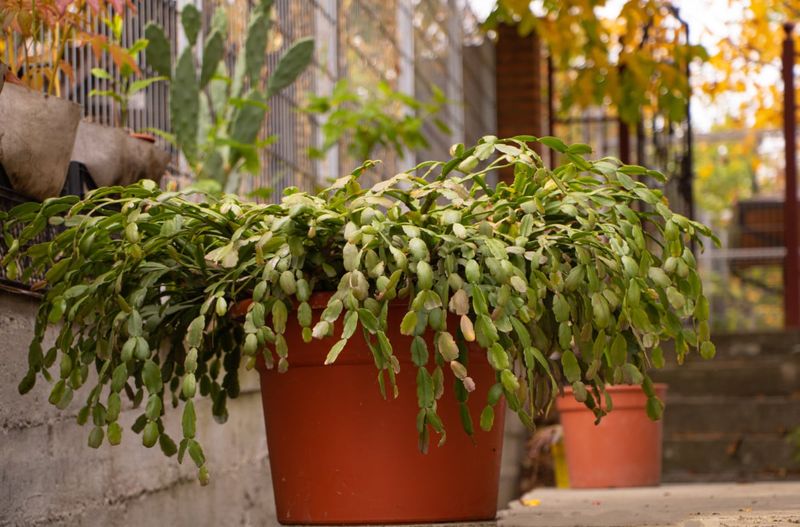
Ever had a week where everything went wrong? Your Christmas cactus can have those too. This plant is a creature of habit, and sudden changes can really rattle it.
The most common sign of stress is bud drop. You see tons of plump buds, and then they fall off one by one. It feels heartbreaking, but there is usually a clear reason behind it.
Moving the plant is a big one. Carrying it from room to room, or bringing it home from the store, can upset it. Turning the pot often can also confuse the buds, since they like to face the light.
Temperature swings cause trouble as well. Cold drafts from doors opening during Pennsylvania winters can shock the plant. Dry, hot air blowing from a heating vent can make buds shrivel and drop.
Watering is another tricky area. Too much water can cause soggy roots and rot. Letting the soil dry out completely, though, can make the plant drop its buds to save energy. Aim for soil that feels slightly dry on top before you water again.
Fertilizer timing matters, too. Feeding the plant late in the season pushes it to grow leaves instead of flowers. Stop fertilizing around late summer or early fall.
Here is a handy tip. Once buds appear, pick a spot and leave the plant there. Keep it away from vents, fireplaces, and drafty doors.
A small humidifier or a tray of pebbles with water underneath can add moisture to dry winter air. Calm and steady care is the best gift you can give your cactus this season.
6. It Didn’t Get Enough Energy During The Year
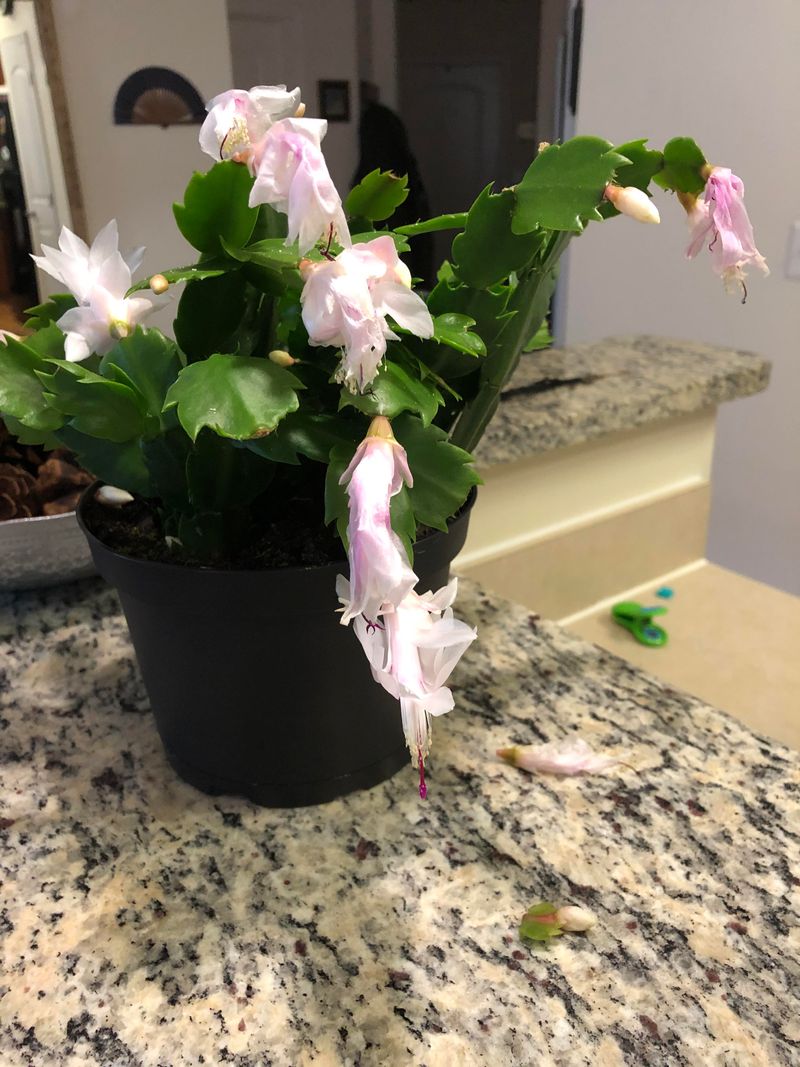
Think of flowers as the plant’s big holiday performance. Like any great show, it takes plenty of practice and preparation. For a Christmas cactus, that prep happens during spring and summer.
During the warm months, the plant grows new stems and stores energy. That stored energy later fuels all those colorful blooms. If the plant had a weak growing season, it may bloom late, bloom lightly, or skip blooming entirely.
Low light is the usual culprit. A cactus tucked in a dim corner all year cannot make much food for itself. Its stems may look thin, pale, or floppy. That is a sign it is running low on energy.
Recent repotting can also slow things down. A newly repotted plant puts its effort into growing roots instead of flowers.
Fun fact: Christmas cactus actually likes being a little snug in its pot, so you only need to repot every few years.
Want a stronger plant next year? Give it bright, indirect light from spring through summer. An east-facing window works great.
Many Pennsylvania gardeners move their plants outside to a shady patio once nights stay above 50 degrees, usually by late May.
Avoid harsh afternoon sun, which can scorch the leaves and turn them reddish. Water regularly when the top inch of soil feels dry. Feed it with a balanced houseplant fertilizer about once a month from spring until late summer.
If you need to repot, do it in spring right after blooming ends. That gives the plant months to settle in. With steady care all year long, your cactus will build the strength it needs for a dazzling winter display.