What New Jersey’s Invasive Plant Law Means For The Trees In Your Yard
Your favorite shade tree may now carry a restricted label. Trenton rewrote the rules, and New Jersey phases them in gradually.
Callery pears and Norway maples sit squarely in the spotlight. You can keep the trees you own, and no inspector is knocking.
Garden centers, however, will soon face limits on these varieties. Violating the new permit rules can bring fines for retailers.
Planting a replacement means choosing wisely before you spend a dime. Natives like serviceberry and red maple deliver brilliant fall color without the legal baggage.
Check the state’s invasive species list before your next nursery trip. Neighbors with towering maples lining their driveways may ask what you know.
Answer them with facts about New Jersey law, not rumors. Smart buyers choose species that comply and thrive in local soil. Property values and neighborhood bragging rights both benefit.
Norway Maple Opens The Restricted List
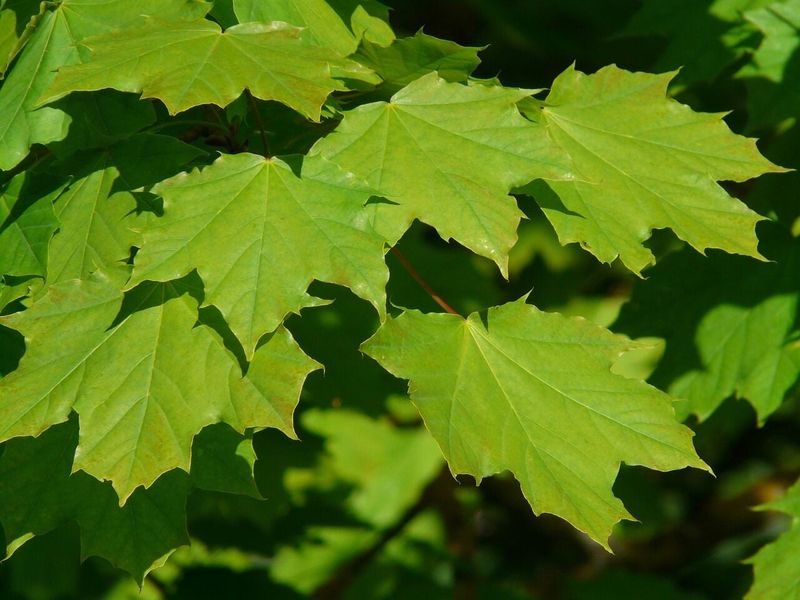
Picture an older street in northern New Jersey, and a Norway maple is likely standing there. Builders planted thousands of them after the 1950s because they grew fast and handled city air.
New Jersey enacted the Invasive Species Management Act statewide in January 2026. It requires permits for propagating listed species from 2027 and for selling them from 2030, including this maple.
So what did this tree do wrong? Its dense shade and shallow roots crowd out grass, wildflowers, and young native trees growing nearby.
It also drops huge piles of winged seeds every year. Those seeds sprout in woods, parks, and stream banks, pushing out sugar maples and red maples.
You can spot one by snapping a leaf stem in half. A Norway maple leaks milky white sap, while native maples show clear sap.
Here is the relief part for homeowners. The law targets sales and propagation, so you are not required to cut down a tree you already own.
If yours is healthy, you can simply pull up the seedlings each spring. A garden hoe or quick tug by hand works well on little sprouts.
Planning to replace one someday? Red maple, sugar maple, or black gum give you gorgeous October color without the invasive tendencies.
Callery Pear Loses Its Spring Spotlight
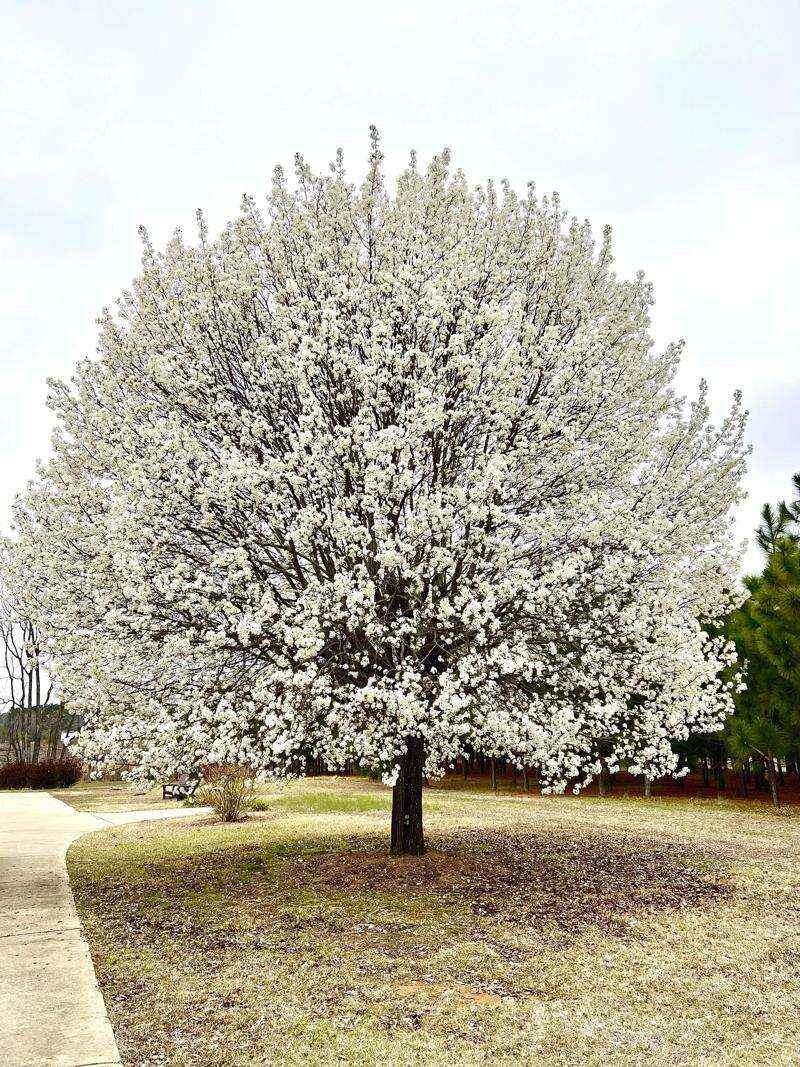
Every April, whole neighborhoods turn snowy white with blossoms. Then someone opens a window and asks why the street smells like old fish.
That odor comes from the Callery pear, often sold as the Bradford pear. It was once the darling of shopping centers and new housing developments.
Gardeners loved its neat shape and tidy flowers for decades. However, the tree carries two significant drawbacks beneath its pretty blossoms.
First, its branches grow at weak, narrow angles. Strong storms and heavy snow can split the trunk right down the middle.
Second, different Callery varieties cross-pollinate and make tiny fruits. Birds eat them and spread seeds into fields, where thorny thickets pop up fast.
New Jersey’s invasive species law places this pear on its prohibited list, with sales restricted from 2030 without a permit. Several other states, including Ohio and Pennsylvania, have taken similar steps.
Your New Jersey Garden Changes Every Week. Your Plan Should Too.
Gardening in New Jersey changes quickly throughout the season. Every Friday you’ll receive a simple weekly plan showing exactly what to plant, prune, fertilize, harvest, and protect so you never miss the right timing.
Already have one by the driveway? Keep an eye on cracks in the main branches, especially after windy autumn nor’easters.
An arborist can tell you whether pruning or removal makes sense. Some towns even offer programs that swap old pears for native saplings, so ask your municipality.
For bright spring flowers without the drama, try serviceberry or eastern redbud. Both bloom early, feed pollinators, and smell much nicer near your front door.
Tree Of Heaven Joins The Prohibited List
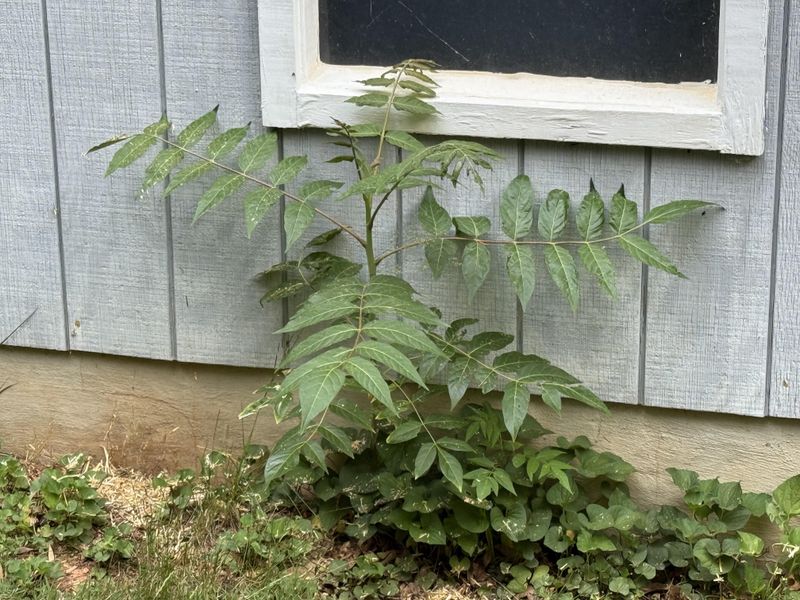
Despite its lovely name, this tree is widely regarded as a problem invader. It grows almost anywhere, including sidewalk cracks and abandoned parking lots.
Tree of heaven arrived from China in the 1700s as a fancy garden plant. Today it lines highways, rail lines, and empty lots across the Garden State.
Crushed leaves give off a sharp smell, a bit like burnt peanut butter. Many people learn to identify it by nose before they learn its leaves.
The real trouble involves an insect neighbor. Tree of heaven is the favorite host of the spotted lanternfly, a pest that hurts vineyards and orchards.
On top of that, its roots release chemicals that make it harder for other plants to grow. It also sends up sprouts from roots far away from the trunk.
Because of all this, the state’s invasive species law lists it as prohibited, with sale and distribution restricted from 2030. The listing sends a clear message to nurseries and landscapers.
Cutting it down alone usually backfires. The stump responds by sending dozens of new shoots from its roots.
Experts suggest working with a licensed professional who treats the tree before removal. Late summer and early fall are often the best times for that work.
Once it is gone, plant a native like black cherry or sassafras. Local birds and butterflies will thank you.
Princess Tree Spreads Fast On Disturbed Land
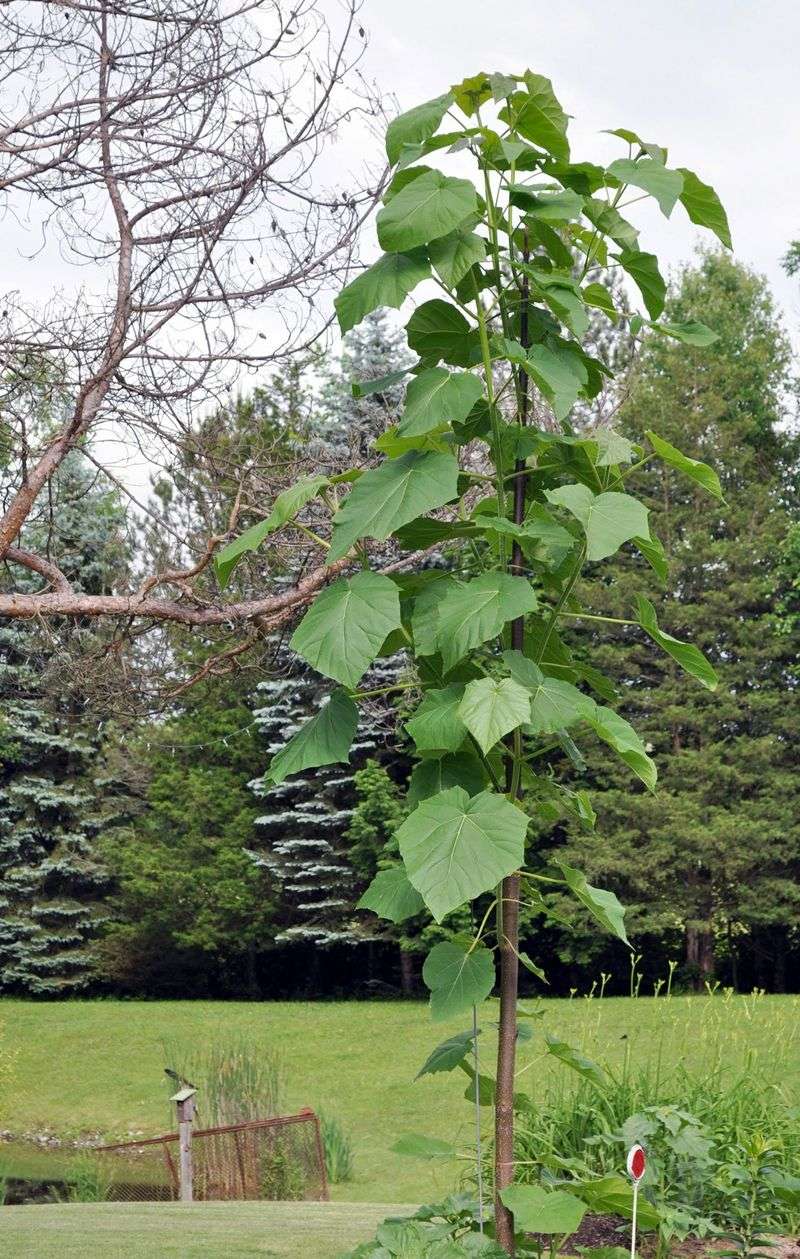
Imagine a tree that can grow ten or more feet in one season. That sounds like a fairy tale, and the princess tree plays the part well.
Also called empress tree or Paulownia, it shows off purple, bell-shaped flowers in spring. Its leaves can grow as large as a pizza box.
Back in the 1800s, its seeds were used as packing material for shipped china. Those little seeds escaped and began their own American adventure.
One seed pod holds thousands of tiny winged seeds. A single tree can release millions in a year, and the wind carries them far.
Princess trees love burned areas, rocky slopes, and disturbed soil. They grow so fast that native seedlings simply cannot keep up.
This tree is not on New Jersey’s current prohibited list, yet it spreads aggressively in disturbed soil. Think twice before planting it, and check the state list for updates.
If one already grows in your yard, try removing the seed pods each fall. That simple chore cuts down on surprise sprouts around town.
Young seedlings pull out easily when the soil is damp after rain. Larger trees may need professional help because of their aggressive root sprouts.
Want fast shade with big flowers instead? Northern catalpa or tulip poplar offer bold blooms and grow quickly while staying friendly to local wildlife.
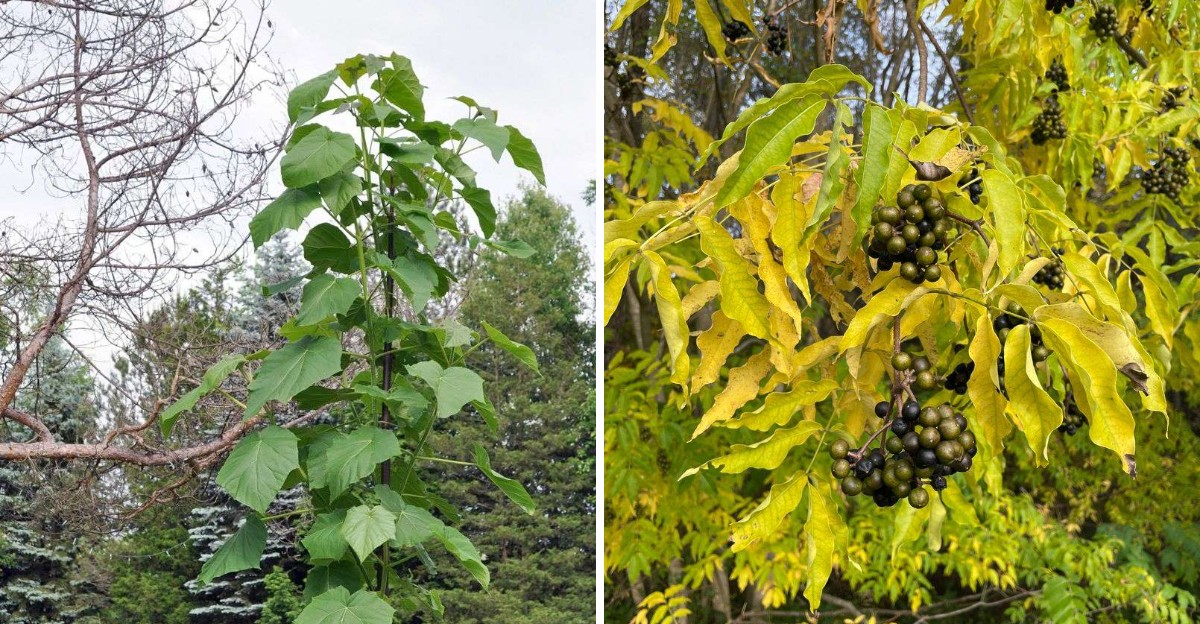
Amur Cork Tree Spreads Through Birds
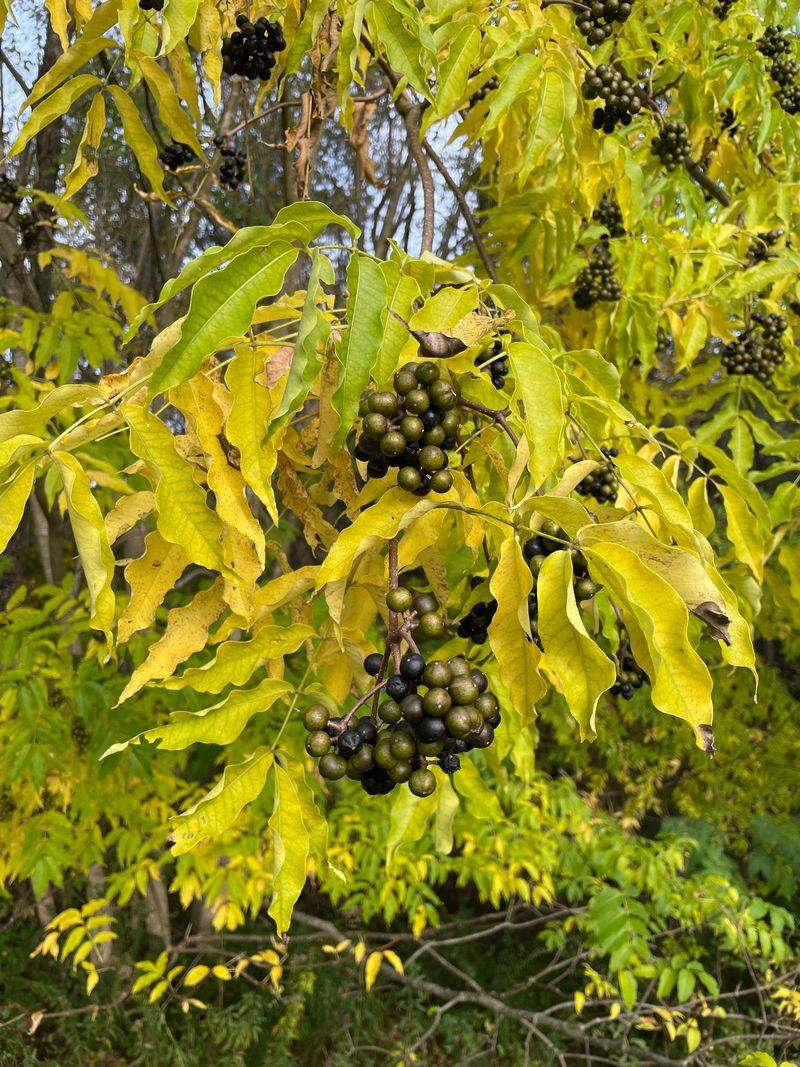
Run your hand along its trunk, and you will feel something soft and spongy. That thick, corky bark made the Amur cork tree a popular park tree.
It comes from northern China, Korea, and Russia. Landscapers planted it for its wide crown, golden fall leaves, and interesting texture.
Things look harmless until autumn arrives. Female trees produce clusters of shiny black berries that birds gobble up eagerly.
Birds then scatter those seeds into nearby forests. The young trees grow quickly and shade out native plants on the woodland floor.
Crushed berries also smell strongly of turpentine. Some people notice that scent long before they notice the tree itself.
Because of how it spreads, the Amur cork tree worries forest managers. It does not appear on New Jersey’s prohibited list at present, so check the state list before planting.
Here is a helpful tip for owners. Male trees do not make berries, so they spread far less than female trees.
Check your tree this month while fruit is still hanging. If you see black clusters, consider talking with an arborist about long-term plans.
Looking for a replacement with cool bark? River birch has peeling, cinnamon-colored bark, and it handles soggy New Jersey yards nicely. Shagbark hickory offers another rugged, eye-catching option.
Amur Maple Raises Concerns About Spread
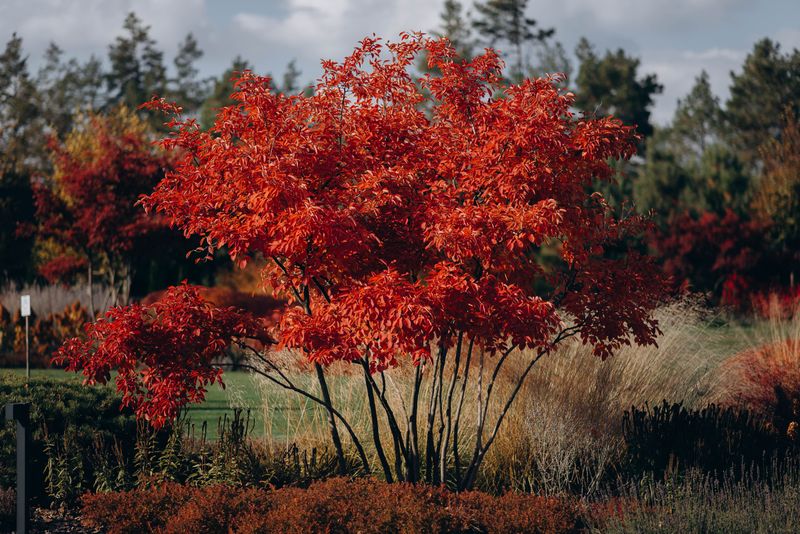
Few small trees glow quite like an Amur maple in October. Its leaves flash scarlet so bright that drivers sometimes slow down to stare.
This little maple usually stays under twenty feet tall. That size made it a favorite for patios, small yards, and decorative hedges.
Unfortunately, it shares a family habit with the Norway maple. It produces plenty of winged seeds that spin away like tiny helicopters.
Those seeds land in meadows, forest edges, and wetlands. Soon, thick clumps of Amur maple crowd out native shrubs that wildlife depend on.
Researchers have watched it spread across the Northeast and Midwest for years. Some Northeastern states have restricted it, but it does not appear on New Jersey’s current prohibited list.
New Jersey has not restricted its sale. Still, a native alternative makes a safer long-term plan.
Maybe you already have one framing your back steps. You can keep it, but mowing around the base helps stop seedlings from settling in.
Picking up fallen seed clusters in fall also helps a lot. A rake and an old bucket make the chore surprisingly quick.
For similar fiery color, consider native options like red chokeberry or highbush blueberry. Both shrubs turn brilliant red each autumn and stay neat in small spaces.
Autumn Olive Lands On The Prohibited List
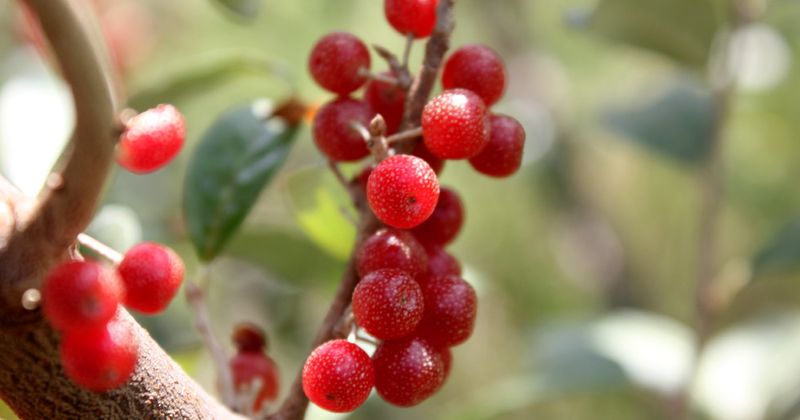
Walk past a farm field this month, and you may notice silvery leaves sparkling in the breeze. Look closer, and tiny red berries with silver freckles cover the branches.
That plant is autumn olive, a shrubby small tree from Asia. Ironically, government programs once encouraged planting it for wildlife food and erosion control.
The plan worked a little too well. Birds loved the berries and spread seeds everywhere, from roadsides to open meadows.
Autumn olive also adds nitrogen to the soil. That sounds helpful, yet it changes the ground so native plants struggle to compete.
One large plant can produce thousands of berries each season. Without some control, a single bush can turn into a dense thicket within a few years.
New Jersey’s invasive species law lists it as prohibited, with sale and distribution restricted from 2030. Conservation groups across the state welcomed the law.
Curious foragers might enjoy a surprising detail. The berries are edible and taste tart, a lot like a sour cranberry.
Some people make jam from them, which also removes seeds from the landscape. Just make sure you identify the plant correctly before tasting anything.
To replace autumn olive, try native winterberry holly or American elderberry. Both feed birds generously and look cheerful in fall gardens. Spicebush makes another easygoing pick for shady spots.
Japanese Angelica Tree Also Makes The List
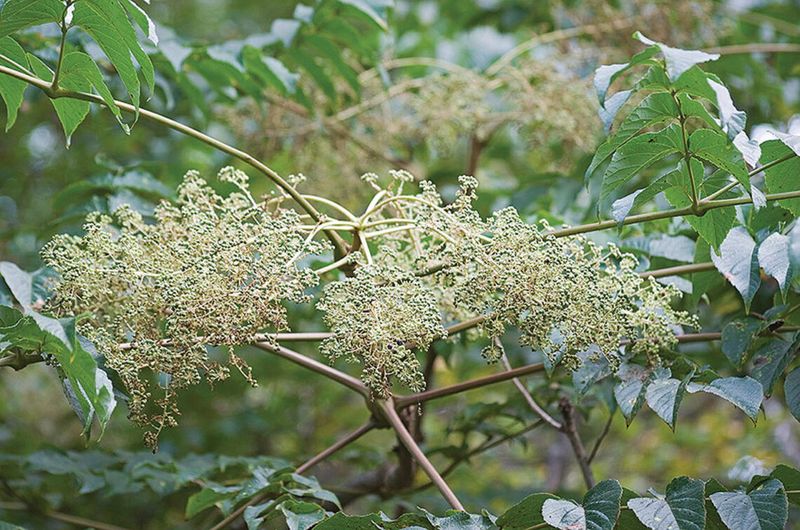
Gardeners who brush against this tree usually remember it. Sharp prickles cover its stems, giving it a tough, spiky look that stands out in autumn.
Japanese angelica tree came to America as an ornamental plant. People admired its tropical-looking leaves and huge, frothy clusters of white summer flowers.
It looks almost identical to a native cousin called devil’s walking stick. Even experts sometimes need a careful look at the leaf veins to tell them apart.
The imported version spreads through root suckers and seeds eaten by birds. Patches can grow thick enough to block hiking trails and forest edges.
New Jersey’s invasive species law includes this prickly character. Sales are restricted from 2030, though certain exempt cultivars need special labels.
Thinking about tackling one yourself? Wear thick leather gloves and long sleeves, because those spines easily poke through cotton.
Digging out young plants with roots attached works best. Leftover root pieces often sprout again, so check the area next spring.
Your county’s Rutgers Cooperative Extension office can help with identification. Staff there answer homeowner questions and can suggest safe removal steps.
For a bold, tropical feel without the problems, look at native devil’s walking stick or pawpaw. Pawpaw even grows tasty fruit that tastes like banana custard.