Why October Is The Ideal Month To Bait Fire Ants In North Carolina Yards
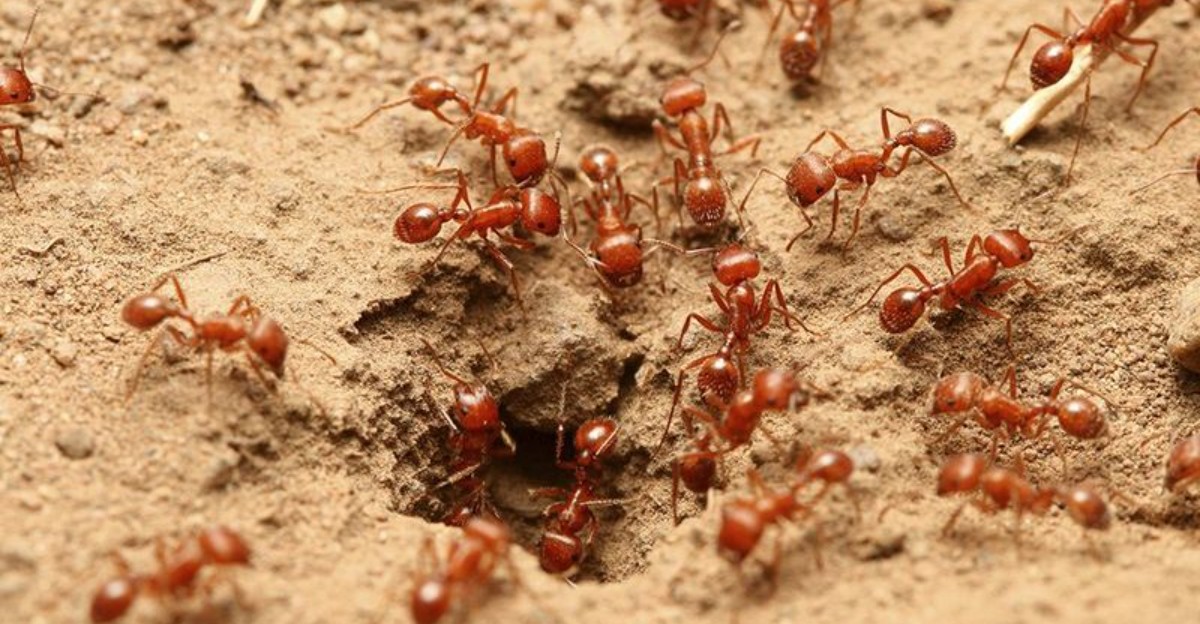
Most people fight fire ants in summer, when the mounds are impossible to miss. October is often the smarter moment. Colonies are still active, and workers are busy collecting food to carry back to the nest.
That behavior is exactly what baits depend on. Ants take the bait home and share it, which means one application can reach the whole colony, queens included.
Spring and summer get most of the attention, but fall treatment can reduce the number of mounds that appear next year.
Timing and weather matter, though. Bait spoils when wet and fails when ants are not foraging. North Carolina’s mild October days often provide the right conditions. Choosing the right day turns a frustrating chore into a much more effective one.
1. Fire Ants Forage Actively In Mild Fall Weather
Cool mornings and warm afternoons make October feel just right for people, and fire ants seem to agree.
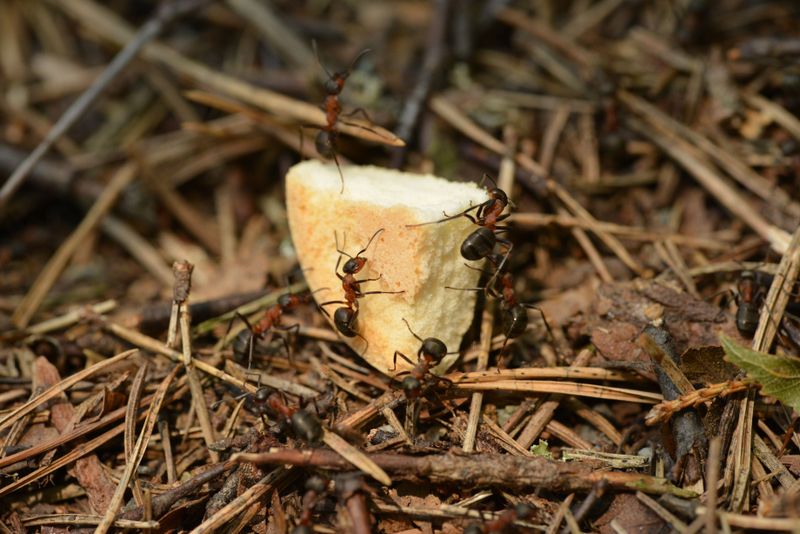
When the summer heat finally breaks, worker ants leave their mounds and roam the lawn looking for food. That busy search is exactly what you want when you plan to use bait.
Baits only work when worker ants pick them up and carry them back home. If ants are hiding underground because it is too hot or too cold, the granules just sit in the grass and go to waste.
Fire ants forage best when soil and air temperatures are mild, roughly between the upper 60s and upper 80s Fahrenheit, so fall days often hit the sweet spot.
Not sure if the ants are hungry right now? A simple kitchen test can tell you. Drop a small piece of hot dog or a potato chip on the ground a few feet from a mound and check back later.
If ants swarm the snack within about 30 minutes, they are actively feeding, and you can spread bait with confidence. No visitors after half an hour? Try again on a warmer day or later in the afternoon, when the ground has had more time to heat up.
North Carolina weather makes this timing easy to catch. October often brings a long run of pleasant days in both the Piedmont and the Coastal Plain, which keeps fire ants out and about.
Pick one of those comfortable afternoons, run your snack test, and let the ants do the delivery work for you.
2. Baits Have Time To Work Before Winter
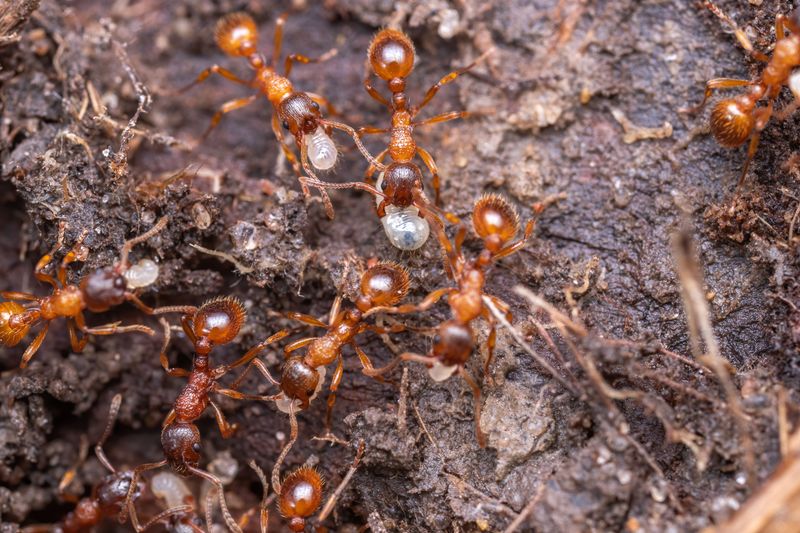
Patience pays off with fire ant bait. Unlike sprays that act right away, baits move slowly through a colony, and that slow pace is actually their secret strength.
Some baits begin to show results in a few days to a couple of weeks. Others contain insect growth regulators, which stop the queen from producing new workers, and those can take several weeks to a few months to fully show their effect.
In every case, the ants need to keep feeding and sharing the bait for it to spread through the whole colony.
Timing matters here. When you apply bait in early to mid fall, worker ants still have plenty of warm days to collect it and pass it around underground. Wait until late fall, and the cold may slow their foraging before the treatment has a chance to reach everyone.
Your North Carolina Garden Changes Every Week. Your Plan Should Too.
Gardening in North Carolina changes quickly throughout the season. Every Friday you’ll receive a simple weekly plan showing exactly what to plant, prune, fertilize, harvest, and protect so you never miss the right timing.
Before you shake out a single granule, take a minute to read the product label. It will tell you which active ingredient is inside and how long you should expect to wait for results.
Knowing that ahead of time keeps you from worrying when mounds do not vanish overnight. Once the bait is down, resist the urge to retreat or poke at the mounds. Mark the date on a calendar and check again in a few weeks.
Across North Carolina, fire ant activity drops off as winter temperatures roll in, usually by late November or December. Getting bait out in October gives it a head start, so the colony stays busy feeding while the product does its quiet job.
3. Fall Treatment Means Fewer Mounds In Spring
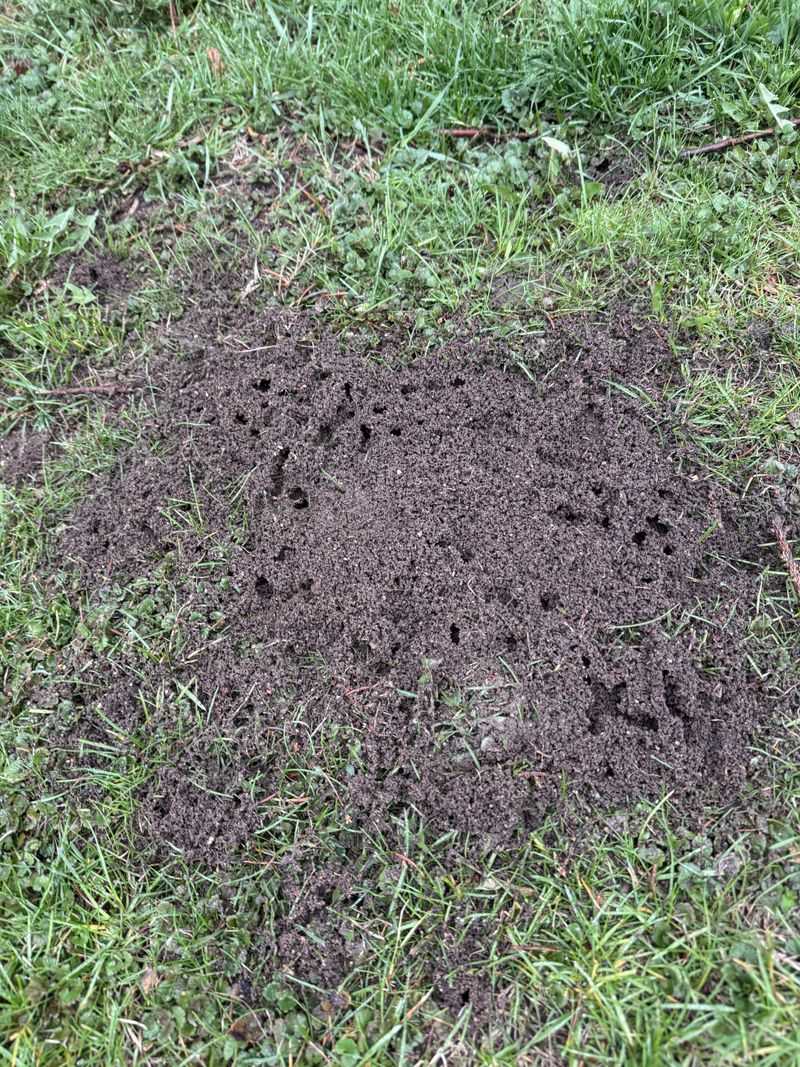
Spring in North Carolina is full of cookouts, soccer games, and garden planting. Nothing ruins those plans faster than stepping into a fresh fire ant mound that seemed to pop up overnight.
Fall baiting helps prevent that surprise. Colonies that are weakened or wiped out in October simply cannot bounce back with the same strength once the weather warms up.
Fewer healthy colonies heading into winter means fewer new mounds greeting you in April and May.
Think of it as getting a jump on next year. Instead of chasing mounds while the kids are already outside, you are cutting down the population months ahead of time. For the best year-round control, pair your fall treatment with a second one in spring.
Many experts suggest baiting twice a year, once in fall and again in spring, when ants become active again. Together, those two rounds keep pressure on the colonies and make it harder for new ones to settle in.
Spend extra attention on the spots that matter most to your family. Play areas, swing sets, vegetable beds, dog runs, and the edges of patios deserve careful coverage.
Those are the places where a painful sting is most likely to happen, especially for small children and curious pets.
North Carolina yards often see mounds rise quickly after spring rains soak the soil. Ants push up fresh dirt almost as soon as the ground dries out.
A smart October treatment means fewer of those little hills to deal with when you are ready to enjoy the warm season.
4. Dry Weather Helps The Bait Work Better

Here is a detail many people miss: most fire ant baits are basically tiny bits of corn grit soaked in soybean oil mixed with an active ingredient. Ants love the oil. Water, however, is the enemy.
When rain, morning dew, or wet grass touches the granules, the bait can soak up moisture and lose its appeal. Soggy bait is much less attractive to worker ants, so they may walk right past it. That means wasted money and a colony that stays strong.
Dry conditions give your bait the best shot. Apply it when the grass is completely dry and the forecast shows no rain for at least 24 hours. That window gives the ants time to find the granules and haul them home.
Skip the early morning, when dew usually coats the lawn. Late morning or afternoon tends to work better, since the sun has dried the blades and ants are out foraging. If you run a sprinkler system, turn it off for a day or so after treatment.
Watering right after spreading bait is one of the most common mistakes homeowners make. It feels natural to water the yard, but it can undo all your effort in minutes.
North Carolina gives you a helpful edge here. October is often one of the driest months of the year across much of the state, with plenty of sunny, low-humidity days.
That steady stretch of dry weather makes it easier to find a good day to spread bait and let it stay fresh.
5. Workers Carry The Bait Deep Into The Colony
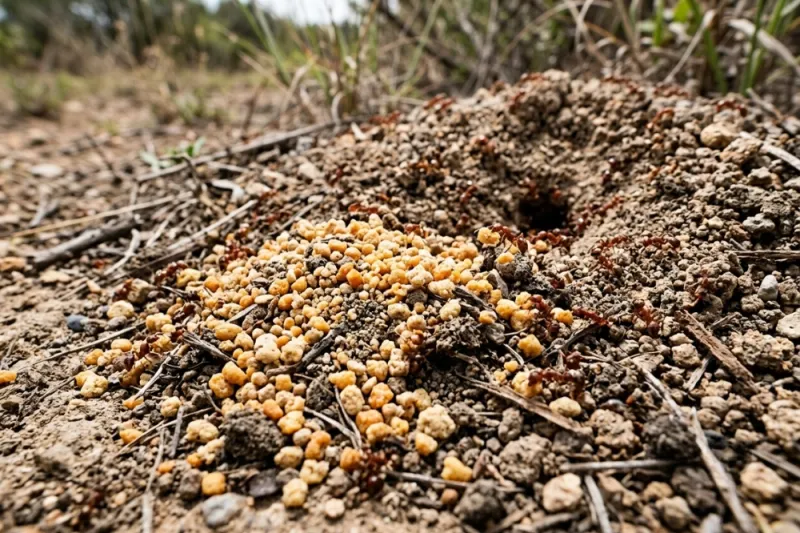
Every fire ant colony depends on one key member: the queen. She can lay hundreds or even more than a thousand eggs a day, and she lives deep underground where most sprays never reach.
Bait solves that problem in a clever way. Worker ants gather the granules and carry them back to the nest, then share the food with other ants, the growing young, and the queen herself.
In other words, the colony delivers the treatment to its own most protected spot. Mound drenches can work, but they often miss tunnels that run several feet down or spread out sideways.
When the queen survives, she simply keeps producing workers, and the colony rebuilds. Baits reach much further because the ants do the traveling.
To keep that process running smoothly, leave the mounds alone. Kicking, raking, or digging into a mound before or after baiting can cause the ants to pack up and move to a new spot nearby. You want them calm and focused on feeding.
Also hold off on spraying contact insecticides on the same mounds right after you bait. Those products can wipe out the very workers you need to carry the bait inside. Give the bait time to spread first.
For North Carolina homeowners, reaching the queen is the whole game. A colony without its queen cannot replace its workers, so it fades away instead of springing back. Letting the ants carry October bait home is one of the most effective ways to make that happen.
6. The Two-Step Method Works Well In Fall
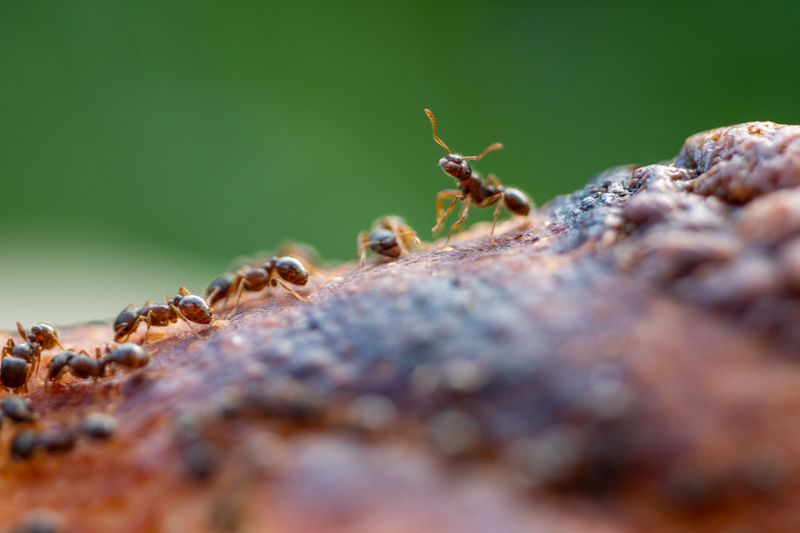
Some fire ant mounds are easy to spot. Many others hide under shrubs, along fence lines, or beneath thick grass where you would never notice them until someone gets stung.
That is why the two-step method makes so much sense. Step one is broadcasting bait across the entire yard, which treats lots of colonies at once, including the hidden ones. Step two handles the troublemakers in busy spots that need faster action.
Start with a hand-held spreader set to the rate listed on the bait label. Most products call for a small amount per acre, so a little goes a long way. Walk the lawn at a steady pace for even coverage, and avoid dumping extra bait on top of mounds.
A few days later, return for step two. Look for mounds near walkways, play sets, garden beds, and doorways, then treat each one with a product labeled for individual mound use. These treatments work faster, which matters when kids or pets pass by every day.
Spacing out the two steps gives the broadcast bait time to get picked up before you treat specific mounds. It is a simple routine, and fall weather makes both steps comfortable to finish.
Here in North Carolina, NC State Extension recommends the two-step method for managing fire ants in home lawns.
Their specialists have studied fire ants across the state for years, so following their advice puts you on solid ground. An October afternoon with a spreader can set your yard up for months of relief.
7. Fresh Bait And Careful Use Make A Difference
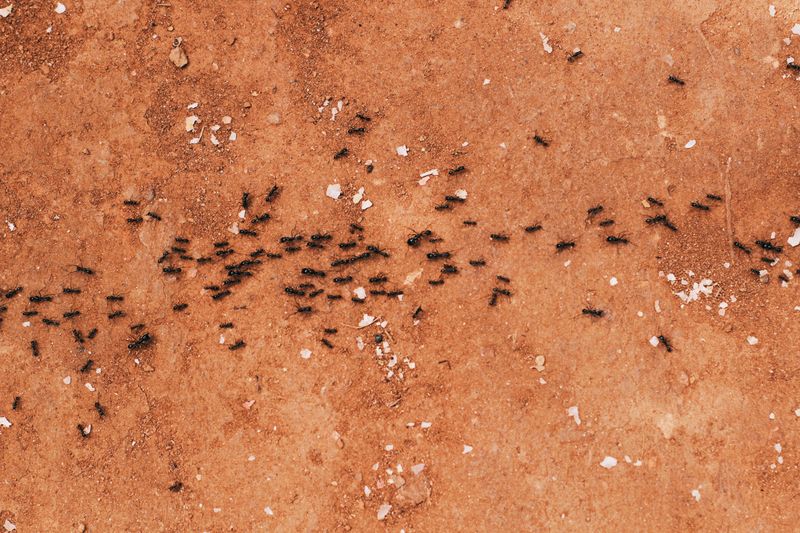
Ants are surprisingly picky eaters. Hand them stale bait, and they will often turn up their tiny noses and walk away.
The oil in fire ant bait is what draws them in, but that oil can go rancid once the bag is opened and exposed to air and heat. Rancid bait loses its appeal, so all your careful timing goes to waste. Fresh bait, on the other hand, gets snapped up quickly.
Buy only what you need for the season, and check the label for how long an opened bag stays good. Many products suggest using opened bait within a few months.
Store leftovers in a sealed container in a cool, dry place, away from a hot garage wall or a sunny shed.
Careful use matters just as much as freshness. Follow the label rate exactly, since adding extra bait will not speed up results and can harm the environment. Keep children and pets off treated areas for as long as the label directs.
Water deserves special care too. Avoid spreading bait near streams, ponds, or storm drains, where runoff could affect fish and other wildlife. Leaving a buffer zone protects the creatures that share your neighborhood.
North Carolina has a wide range of conditions for fire ants. They are well established throughout the Piedmont and Coastal Plain, while they remain less common in the Mountains.
If you live in those eastern and central regions, fresh bait and smart habits this October can make your yard safer and more enjoyable all year long.