Mushrooms Popped Up In Your New York Yard Overnight? Here’s What’s Going On Below
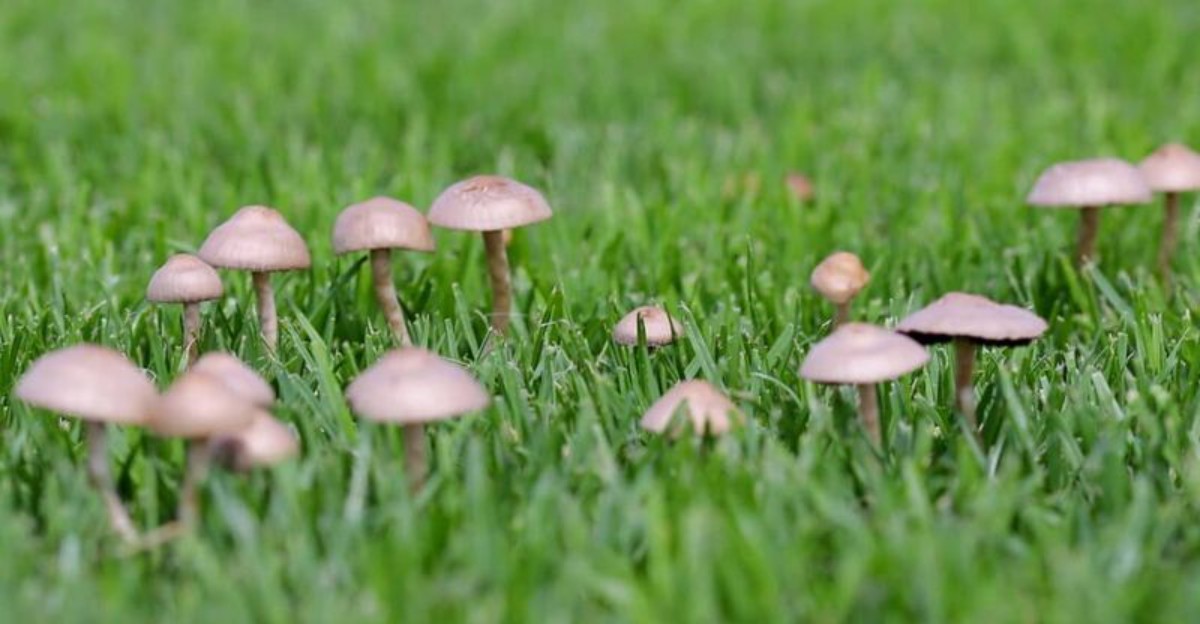
You went to bed with a plain green lawn and woke up to a tiny mushroom village. If that sounds familiar, you’re in good company across New York.
After a soggy night, pale caps can sprout as if someone planted them while you slept. They look strange, a little spooky, and sometimes almost cute.
The real story isn’t happening on top of the grass. It’s unfolding in the damp soil below, where a hidden network of fungi has been at work for months or even years.
Knowing what’s down there helps you decide whether to shrug, smile, or grab a glove. It can also keep curious kids and pets safe, since some wild mushrooms are toxic.
The guide below explains what your yard is telling you about the life underground. A closer look might change how you see your next mowing day.
A Hidden Web Of Fungus Threads Lives In Your Soil
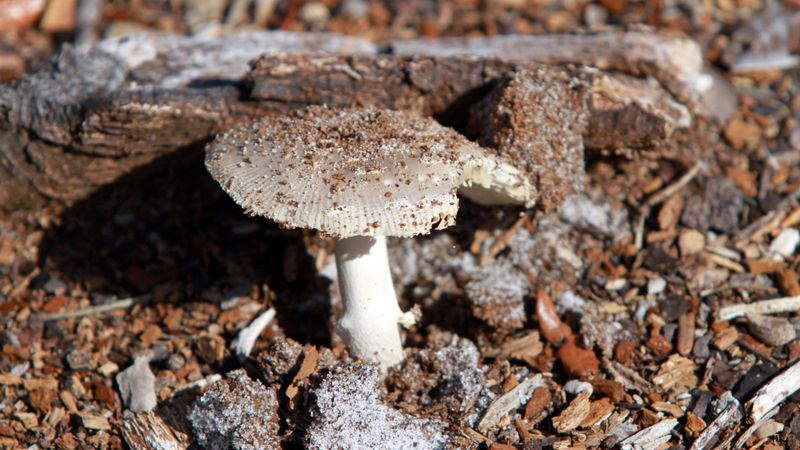
Picture a giant spider web made of cotton, stretched through every handful of dirt. Scientists call that web mycelium, and it is the main body of a fungus.
Each strand is called a hypha, and it is thinner than a human hair. Millions of them twist together into a fuzzy white mat you rarely notice.
Dig into damp mulch or under an old log, and you might spot it. The threads often look like pale cobwebs clinging to bark and soil.
Mycelium spreads quietly through soil, wood chips, and fallen leaves. Some networks stretch across huge areas and link the roots of many plants.
Here is a fun fact to share at dinner. One honey mushroom fungus in Oregon covers more than 2,000 acres underground.
Your New York yard probably will not host anything that big. Still, a healthy patch of lawn can hold miles of these threads in a small space.
Why should you care about something you cannot see? The network breaks down old plant material and recycles nutrients back into the ground.
Without it, fallen leaves and twigs would pile up for ages. Your flowers, trees, and grass would also have a harder time finding food.
Want to see it for yourself? Gently lift a layer of old mulch after a rainy week and look for white, stringy patches.
Try not to disturb it too much. Put the mulch back, and the hidden web will keep doing its helpful job.
Mushrooms Are Just The Fruit Of That Network
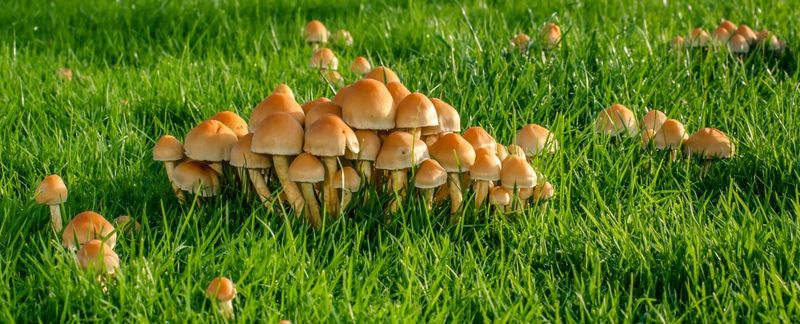
Think of an apple tree in an orchard. The apples are what you see and pick, but the tree itself is much bigger.
Mushrooms work in a very similar way. They are the fruit of the hidden fungus, not the whole creature.
Their main job is making spores, which act a bit like seeds. A single mushroom can release millions of these tiny specks into the air.
Wind, rain, insects, and even your shoes carry spores to new places. A few will land in the right spot and start fresh networks.
Your New York Garden Changes Every Week. Your Plan Should Too.
Gardening in New York changes quickly throughout the season. Every Friday you’ll receive a simple weekly plan showing exactly what to plant, prune, fertilize, harvest, and protect so you never miss the right timing.
Look under the cap of a common lawn mushroom. Those thin lines, called gills, are where spores are made and dropped.
Try a simple spore print experiment with an adult nearby. Set a cap gill-side down on paper overnight, covered with a bowl.
By morning, you may see a lovely pattern of colored dust. Experts use spore color to help tell different mushrooms apart.
Mushrooms are short-lived guests in the yard. Many pop up, spread spores, and collapse within a few days.
The mycelium stays behind, though, and keeps growing for seasons. It simply waits for the next good moment to fruit again.
So when a cluster fades on your lawn, the show is not over. The real performer is still backstage, getting ready for an encore.
Buried Wood And Old Roots Are Their Food
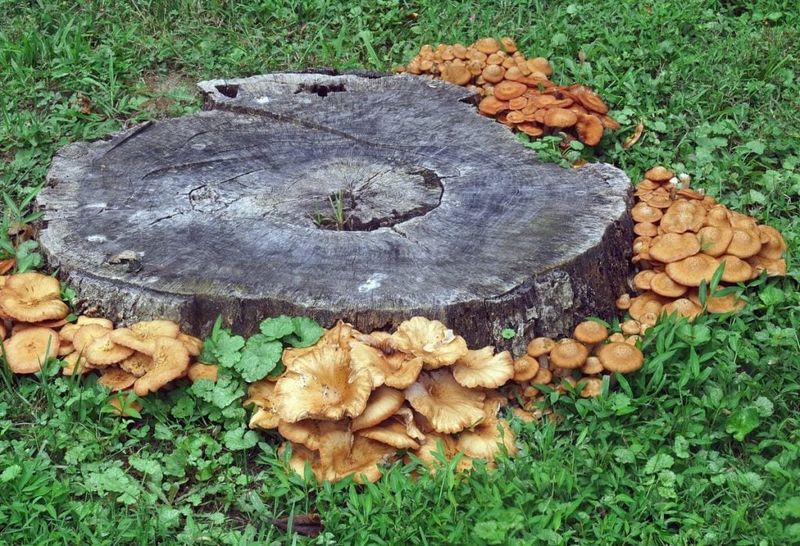
Did a big tree once stand where your mushrooms are now growing? There is a good chance its old roots are feeding them.
Fungi do not eat like animals do. They release special enzymes that break food down outside their bodies, then absorb it.
Their favorite meals include rotting stumps, buried branches, and old roots. Leftover construction lumber hidden under the soil can also become a feast.
Many New York homes sit on land that was once woods or farmland. Tree roots from decades ago may still be slowly breaking down underground.
Fungi are nature’s cleanup crew in this process. They turn tough wood into soft, dark, crumbly soil full of nutrients.
Here is a practical clue for homeowners. Mushrooms in a line or tight patch often trace a buried root or board.
If they bother you, consider removing the food source. Grinding out an old stump can reduce mushrooms over the next few seasons.
Thick piles of wood mulch also give fungi plenty to munch on. Raking mulch thinner or freshening it less often can help.
Keep in mind the food supply will run out eventually. Once the buried wood is fully broken down, the mushrooms usually fade away too.
Patience is often the easiest fix. Your yard gains richer soil while the fungi finish their meal.
Rain Triggers Sudden Flushes
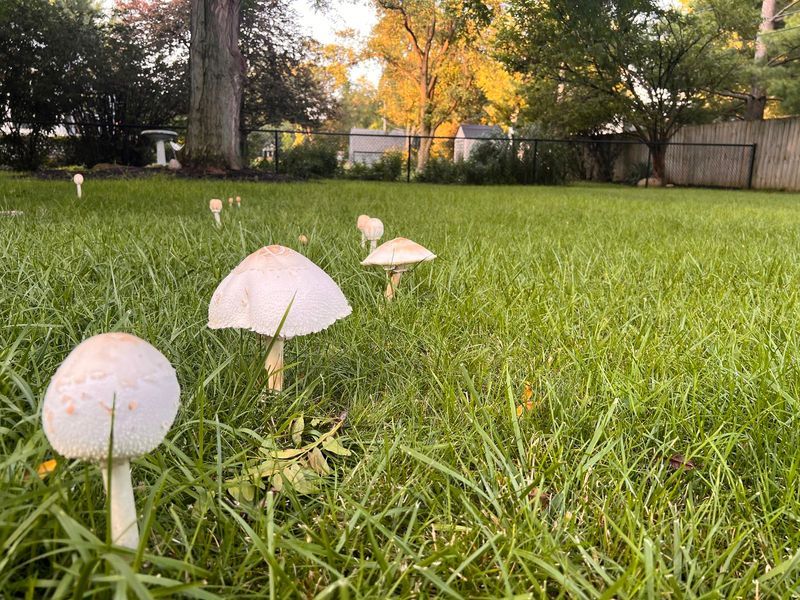
Thunder rumbles on Tuesday night, and by Wednesday breakfast your lawn looks like a mushroom party. That speedy appearance has a simple explanation.
Fungi love moisture more than almost anything else. Their underground threads need damp conditions to grow and fruit.
When rain soaks the soil, fungal cells drink up water quickly. They swell and expand, pushing a mushroom up in just hours.
Most of the mushroom was already formed in tiny form underground. The rain basically inflates it like a water balloon.
Wet soil also becomes softer and easier to break through. Delicate caps can then poke above the grass with little effort.
Mushroom growers call a big batch of fruiting a flush. Your yard may see several flushes during a rainy stretch.
Late summer and fall are prime times. Warm soil plus frequent showers creates perfect mushroom weather.
Watering habits matter too. Running sprinklers every evening keeps the ground wet overnight, which fungi absolutely adore.
Try watering early in the morning instead. Grass gets a drink, and the sun dries the surface before night.
Deep, less frequent watering also helps your lawn grow stronger roots. Fewer soggy evenings often mean fewer surprise caps at sunrise.
Fairy Rings Mark A Fungus Spreading Outward
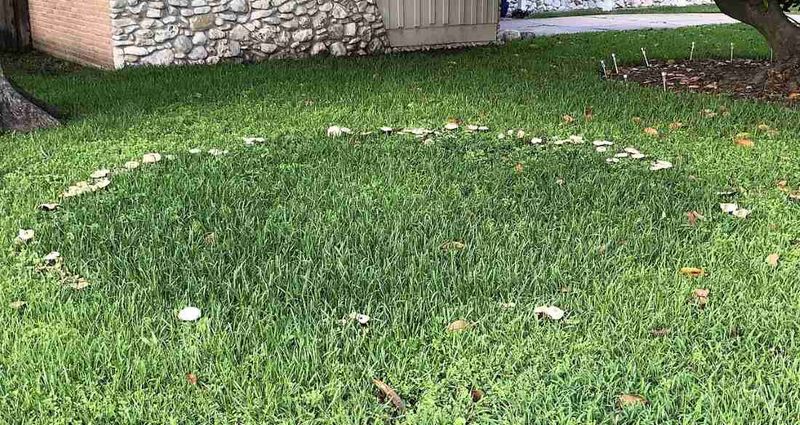
Old European tales claimed fairies danced in circles at night, leaving mushrooms behind. The real reason is less magical but just as cool.
A fairy ring forms when mycelium grows outward evenly in every direction. Picture a ripple spreading across a still pond.
The fungus starts in one spot and keeps reaching outward for fresh food. Over time, the center runs low on nutrients.
Older threads in the middle fade away. The active, hungry edge forms a ring where mushrooms pop up.
You might notice other signs too. A band of extra-green grass often appears as the fungus releases nitrogen.
Sometimes a ring of brown, thirsty grass shows up instead. Dense mycelium can make soil repel water in that zone.
Rings can grow a few inches to over a foot each year. Some in Europe are believed to be hundreds of years old.
Many New York lawns host fairy rings, especially in older neighborhoods. Unwanted brown patches can be helped with core aeration.
Poke holes along the ring with a garden fork, then water deeply. Moisture reaches roots again, and the grass often recovers.
Extra nitrogen fertilizer can also hide the green band. Evening out the color makes the ring far less noticeable.
They’re Quietly Improving Your Soil
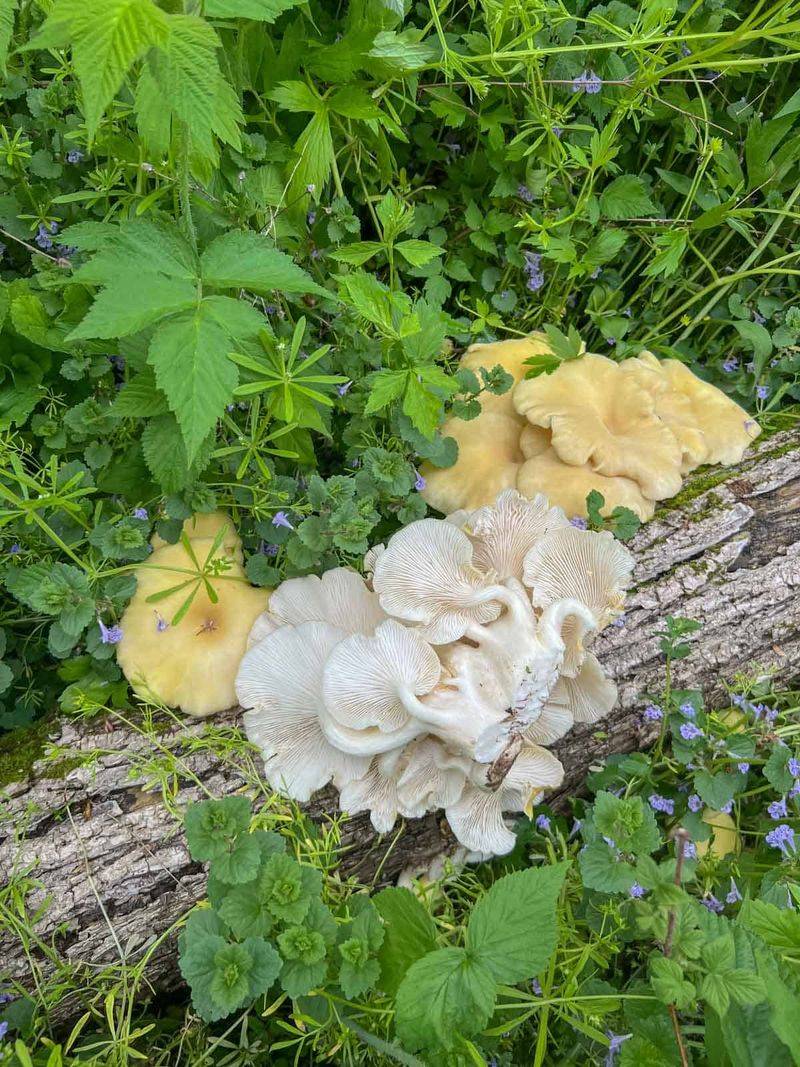
Free fertilizer delivered without a truck or a bill sounds pretty great. Fungi offer something close to that.
As they break down leaves, wood, and roots, nutrients return to the soil. Plants can then reuse that food to grow.
Fungal threads also act like a tiny net holding soil together. Crumbly, well-built soil lets air and water move more easily.
Better structure means fewer hard, packed spots in your yard. Earthworms and helpful bugs enjoy that loose ground too.
Some fungi go even further and partner with plant roots. Scientists call these mycorrhizal fungi, meaning fungus-root.
The fungus reaches far into the soil, gathering water and phosphorus. In return, the plant shares sugars it makes from sunlight.
About 90 percent of land plants form these partnerships. Oaks, maples, and many garden veggies benefit from them.
Gardeners can support these helpers easily. Go light on heavy tilling, since digging tears the delicate threads.
Leaving some shredded leaves on garden beds feeds the network. Fungicides used without good reason can harm these allies as well.
Next time mushrooms appear, consider them a report card. They often signal soil that is alive, busy, and doing well.
Most Won’t Harm Your Lawn
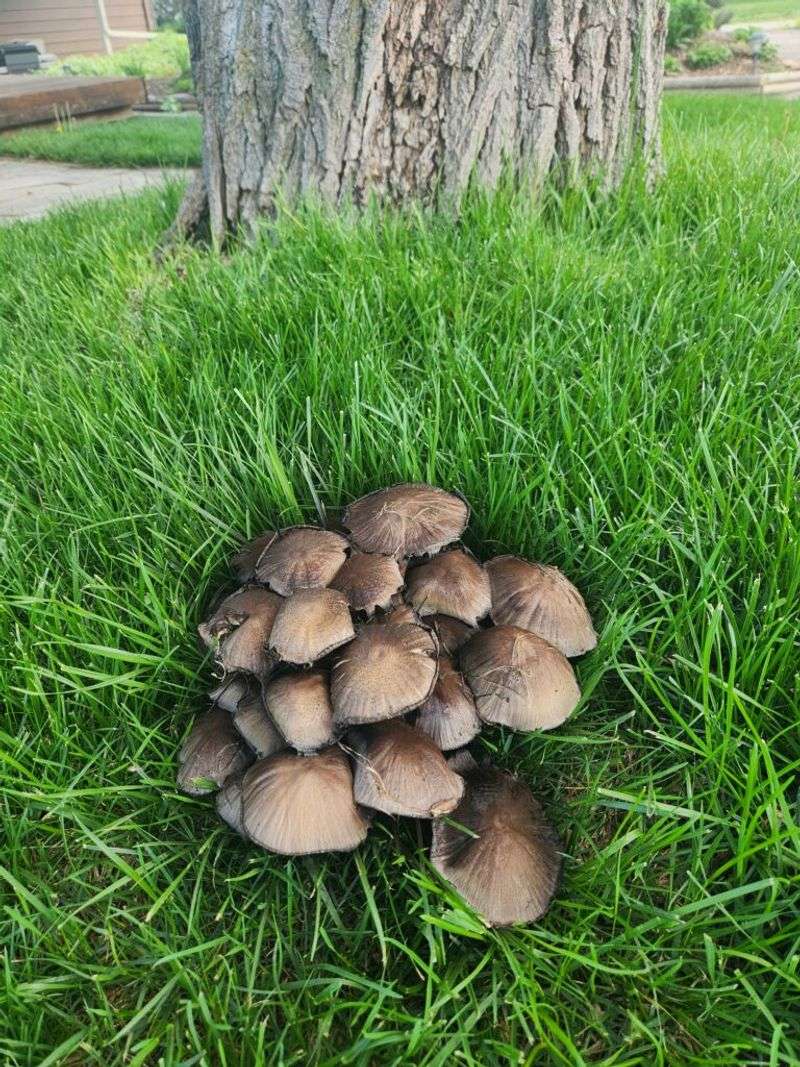
Relax, your grass is not under attack. Most lawn mushrooms are harmless neighbors just passing through.
They feed on decaying material, not on living grass blades. In fact, their work enriches the soil your lawn grows in.
The main fungus stays tucked safely underground. It rarely competes with grass for space or sunlight.
Mushrooms usually vanish on their own within a few days. Sunshine and drier weather speed up their exit.
Many lawn care experts see them as a sign of healthy soil. Lifeless, compacted ground rarely supports much fungal activity.
So what should you do about them? Often, the best choice is simply leaving them alone.
If they bug you, mowing breaks them up quickly. Bag clippings if you want to avoid spreading spores around.
Fungicides are rarely worth the money for lawn mushrooms. They seldom reach the deep mycelium and can harm helpful soil life.
One exception is worth watching for, though. Spreading brown patches or slimy spots may point to a separate lawn disease.
A local garden center or Cornell Cooperative Extension office in New York can help. Bring a photo or sample for quick advice.
Some Are Toxic To Kids And Pets
Toddlers and puppies explore the world with their mouths. That makes a yard full of mushrooms worth a careful look.
While most lawn mushrooms are harmless to grass, some can make people and animals very sick. Even tiny bites can cause trouble.
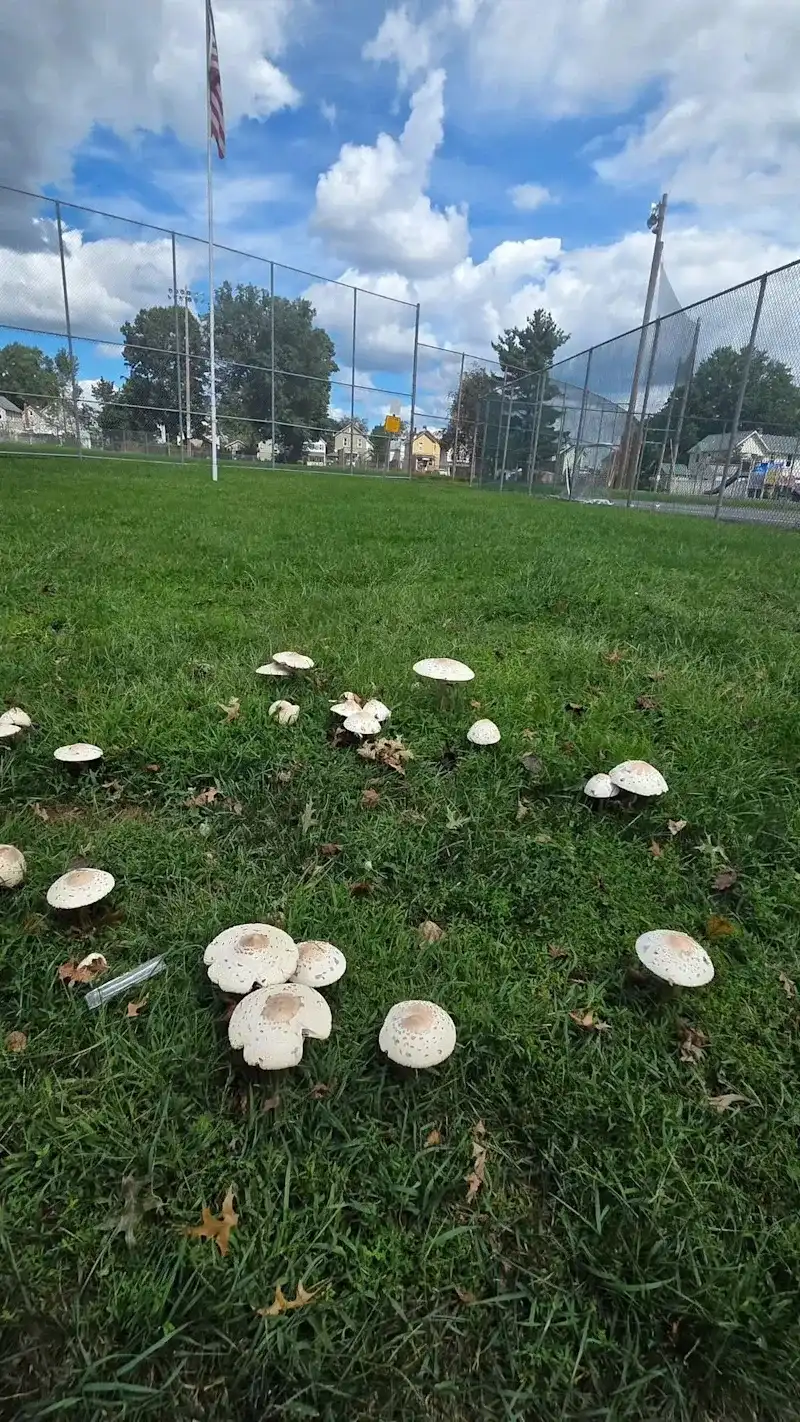
A troublemaker that sometimes appears in lawns is the false parasol, or green-spored parasol. It shows up in lawns and often grows in big rings.
Its large white caps have brownish scales on top. Older gills turn a grayish green as spores mature.
Eating it can cause severe vomiting and stomach pain. Other species, like some Amanitas, are far more dangerous.
Here is the safest family rule. Do not eat any wild mushroom unless a trained expert confirms it.
Buying mushrooms from the grocery store is the smart way to enjoy them. Look-alikes fool even experienced foragers sometimes.
If kids or pets show interest, remove mushrooms right away. Wear gloves, bag them, and toss them in the trash.
Walk the yard after rainy nights before letting little ones play. A quick five-minute sweep can prevent a scary situation.
Suspect someone ate one? Call Poison Control at 1-800-222-1222 or your vet immediately, and save a sample for identification.
Picking Them Won’t Remove The Fungus
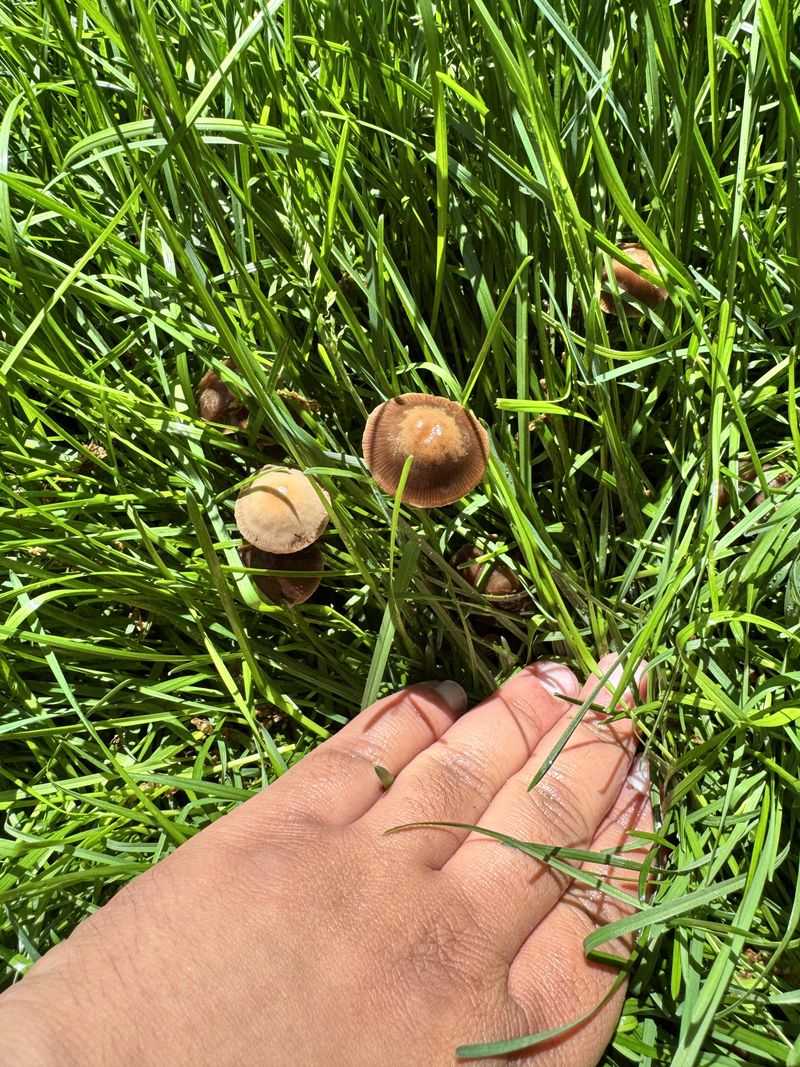
Plucking every mushroom feels satisfying, like weeding a garden. Unfortunately, the fungus barely notices.
Remember, the mushroom is only a temporary fruit. The real organism lives in the soil as that sprawling mycelium.
Pulling a mushroom is like picking an apple. The tree stays rooted and ready to grow more next season.
Researchers in Switzerland studied this question for nearly 30 years. They found that picking did not reduce future mushroom crops.
Some results even hinted at slightly more mushrooms afterward. Gentle disturbance may encourage the network to fruit again.
So is picking pointless? Not at all, since it still has real benefits.
Removing caps keeps them away from curious kids and pets. It also tidies the lawn before guests visit.
Pick them before they mature, and fewer spores get released. Fewer spores mean fewer new colonies starting nearby.
Use gloves or a plastic bag turned inside out. Seal them up and place them in the trash, not your compost pile.
Plenty of homeowners make a quick morning pass after storms. Pair picking with the drainage tips below for better long-term results.
Better Drainage Means Fewer Surprises
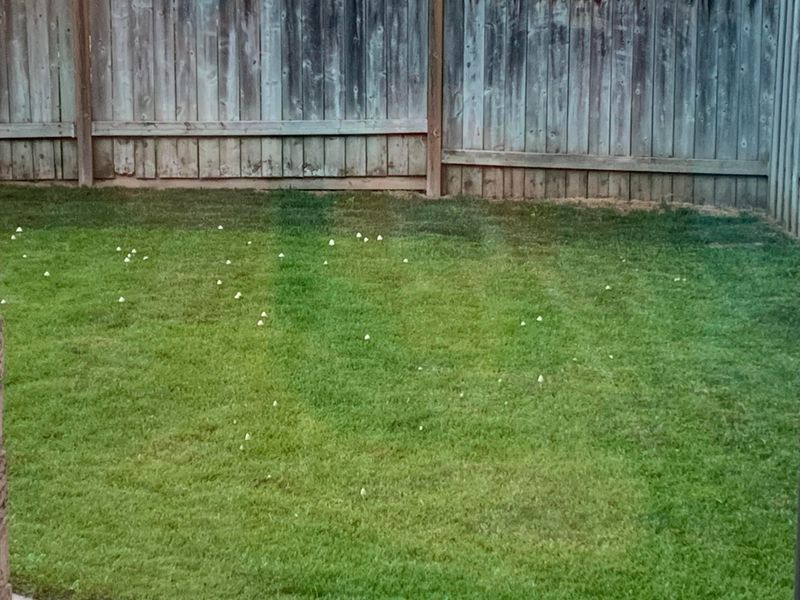
Soggy spots are like a welcome mat for fungi. Dry them out, and the guest list gets a lot shorter.
Mushrooms need steady moisture to fruit. Yards that stay damp for days give them ideal growing conditions.
Start by finding the problem areas. Walk your lawn after rain and note puddles or squishy ground.
Core aeration is a great first step. Pulling small plugs of soil lets air and water move deeper.
Fall is a smart time for aeration in New York. Cooler weather helps grass recover quickly from the process.
Check your gutters and downspouts as well. Extending them away from the lawn keeps roof water from pooling.
Shady corners stay wet much longer than sunny ones. Trimming low tree branches lets in light and breeze.
Aim for soil that feels moist but not soaked. Adjust sprinklers so they run less often and only in the morning.
Thin out thick thatch, too, since it traps moisture near the surface. A sturdy rake or dethatcher handles the job well.
With better drainage, your New York yard should host fewer overnight surprises. Any mushrooms that still appear will simply remind you the soil is alive.