How A Bowl Of Autumn Fruit In New Jersey Can Cause Christmas Cactus Buds To Drop
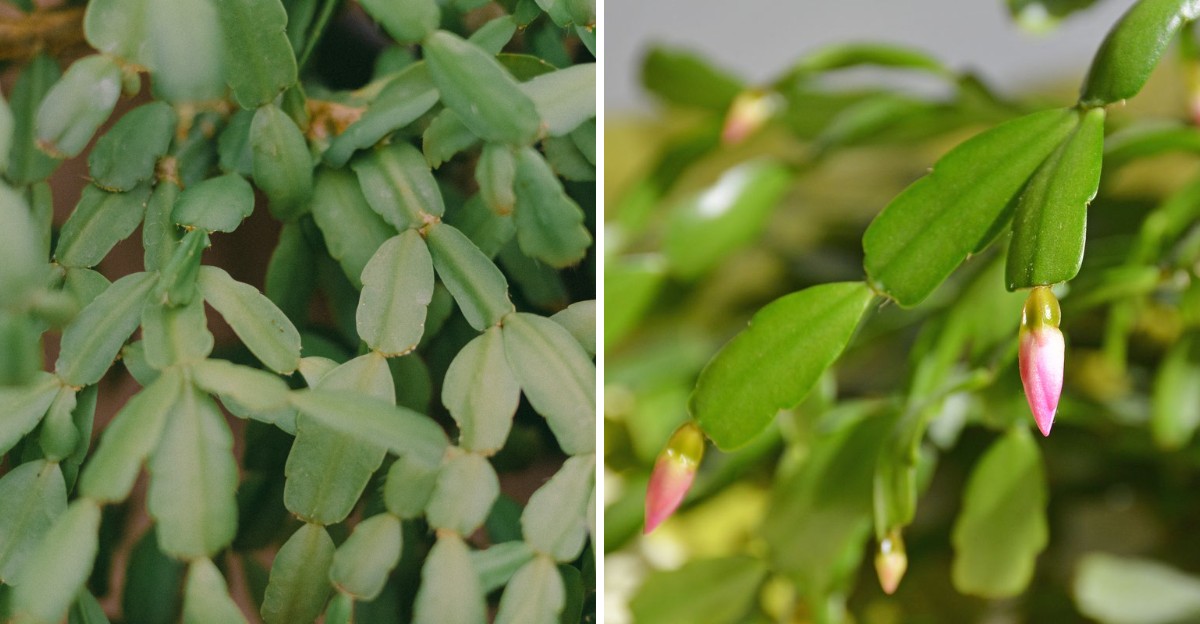
Those plump pink buds did not drop by accident. You checked the soil, the light, and the pot size. Ripening apples release ethylene, an invisible gas that tells buds to let go.
Christmas cactus buds react to traces far too faint for you to smell. Bananas, pears, and ripe tomatoes give off the same gas.
Across New Jersey, cozy autumn kitchens turn into ethylene hubs by late October. Meanwhile, your cactus senses the shift and releases its flower buds within days.
Chilly drafts, a turned pot, and low light can cause similar drops. Still, you can save those blooms by moving the fruit bowl across the room.
Park apples in a cool pantry, away from your New Jersey windowsills. Distance protects those buds, so December may bring color.
Ripening Fruit Gives Off An Invisible Gas
Picture a ripe apple sending a signal to the sensitive plants in the room. Fruit releases a plant hormone called ethylene as it ripens, and you cannot see or smell it.
Ethylene works as a chemical signal for plants. It tells fruit to soften, sweeten, and change color, which is great for bananas on the counter.
Christmas cacti respond to that signal too, and they react strongly. Even a small amount of ethylene can signal the plant to drop its flower buds.
Scientists call this reaction bud abscission, which means the plant deliberately sheds parts such as buds. The buds snap off at the base and tumble down.
Apples are among the highest ethylene producers in a New Jersey autumn kitchen. Pears, bananas, tomatoes, and avocados also release plenty of gas while they ripen.
Damaged or bruised fruit releases more ethylene than healthy fruit. A single soft spot on a Honeycrisp can turn up the volume quite a bit.
The gas drifts through the air and builds up in closed rooms. Kitchens with shut windows in cool weather can hold onto it for hours.
So the fruit bowl is not just decoration on your counter. It acts as a steady source of ethylene, and your cactus may be sitting right next door.
Cut flowers react in a similar way, which is why florists keep fruit far from bouquets. Carnations and orchids wilt quickly around ripening produce.
Bud drop also has other common causes, including changes in light, cold drafts, moving the pot, and uneven watering. Check those along with the fruit as well.
October Is Bud-Setting Season
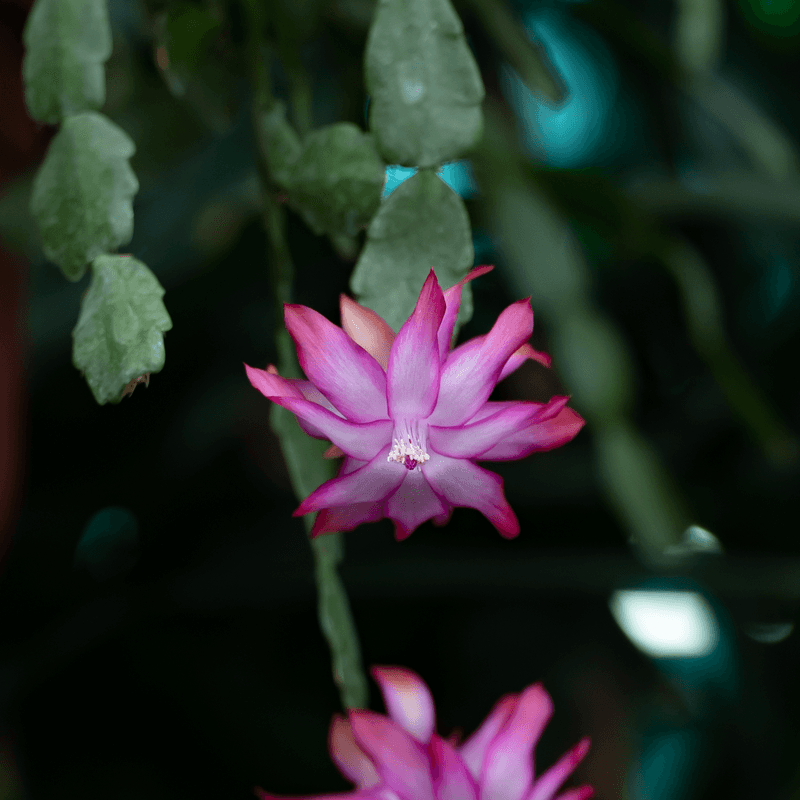
Many New Jersey gardeners notice their holiday cactus acting fussy in October. That timing is no accident, and it lines up closely with harvest season.
Christmas cacti set their buds when nights grow long and cool. In the Garden State, that shift happens from late September through early November.
Right as buds form, local orchards are full of apples and pears. Families come home from pick-your-own farms with bags full of fruit.
Young buds are tender and easy to upset during this stage. A plant that shrugs off small stresses in summer can react strongly in fall.
Your New Jersey Garden Changes Every Week. Your Plan Should Too.
Gardening in New Jersey changes quickly throughout the season. Every Friday you’ll receive a simple weekly plan showing exactly what to plant, prune, fertilize, harvest, and protect so you never miss the right timing.
Cool weather adds another layer to the problem. People close windows and turn on the heat, so ethylene has fewer ways to escape.
Halloween pumpkins and gourds usually release only small amounts of the gas. Still, a soft or decaying pumpkin is best kept away from your plant.
Buds are most vulnerable while they are small and still developing. After that, they hold on a little tighter, but caution still helps.
Mark your calendar for early October as the start of bud watch. A few weeks of care now can mean a full bloom by mid-December.
Think of it as keeping the air around your plant calm. The fewer ethylene sources nearby, the better the results.
Thanksgiving cactus, a close cousin, follows a similar but slightly earlier schedule and faces similar risks. Treat both plants with the same careful attention this month.
The Kitchen Counter Mistake
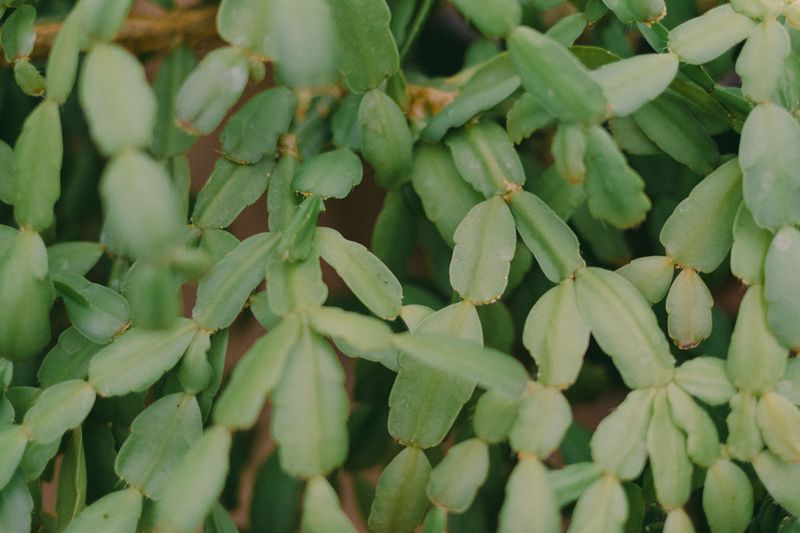
It happens in many homes each fall, and it starts with good intentions. Someone places the cactus on the sunny kitchen counter, right beside the fruit bowl.
The spot looks perfect at first glance. There is bright light, steady warmth, and a lovely view of the backyard maples turning orange.
Unfortunately, that cozy corner is a poor spot for buds. The plant breathes in ethylene all day, and the buds start loosening within days.
Many people blame overwatering or a chilly draft first. They move the pot, change the watering schedule, and still watch buds drop.
Another common slip is storing fruit in a paper bag to ripen it faster. That bag traps ethylene, so the gas stays concentrated until the bag is opened.
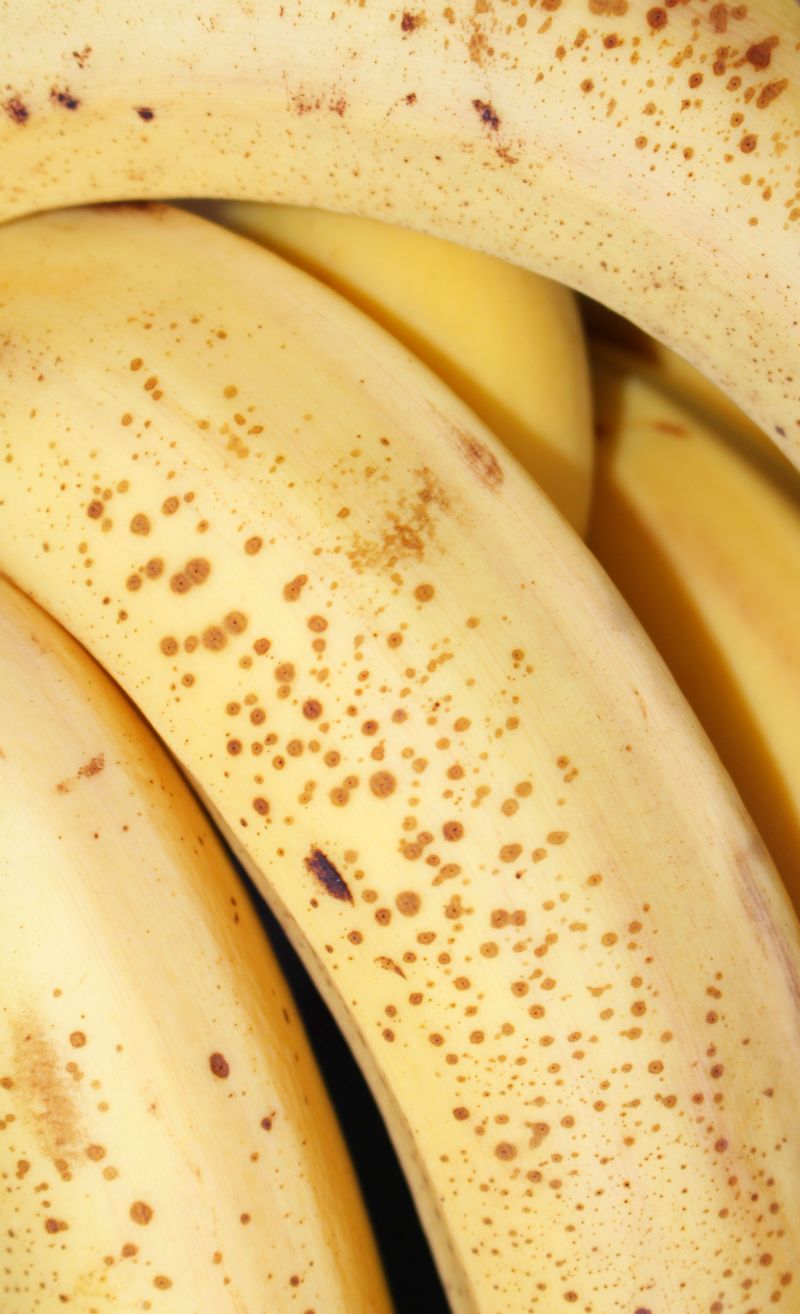
Bananas on a hook near the window cause trouble too. Their speckled peels mean they are giving off lots of gas.
Even a fruit bowl in the next room can matter in a small apartment. Air moves easily through open doorways, especially in compact Jersey City or Hoboken homes.
Moving the plant often can also stress the buds. Christmas cacti dislike sudden changes in light, so pick one safe spot and stick with it.
The kitchen feels like the heart of the home, so the mix-up makes sense. Your cactus simply prefers a calmer, fruit-free neighborhood.
Look around your counters tonight and note every piece of ripening produce. That quick check might save a whole season of flowers.
Moving The Plant Away From The Fruit Bowl
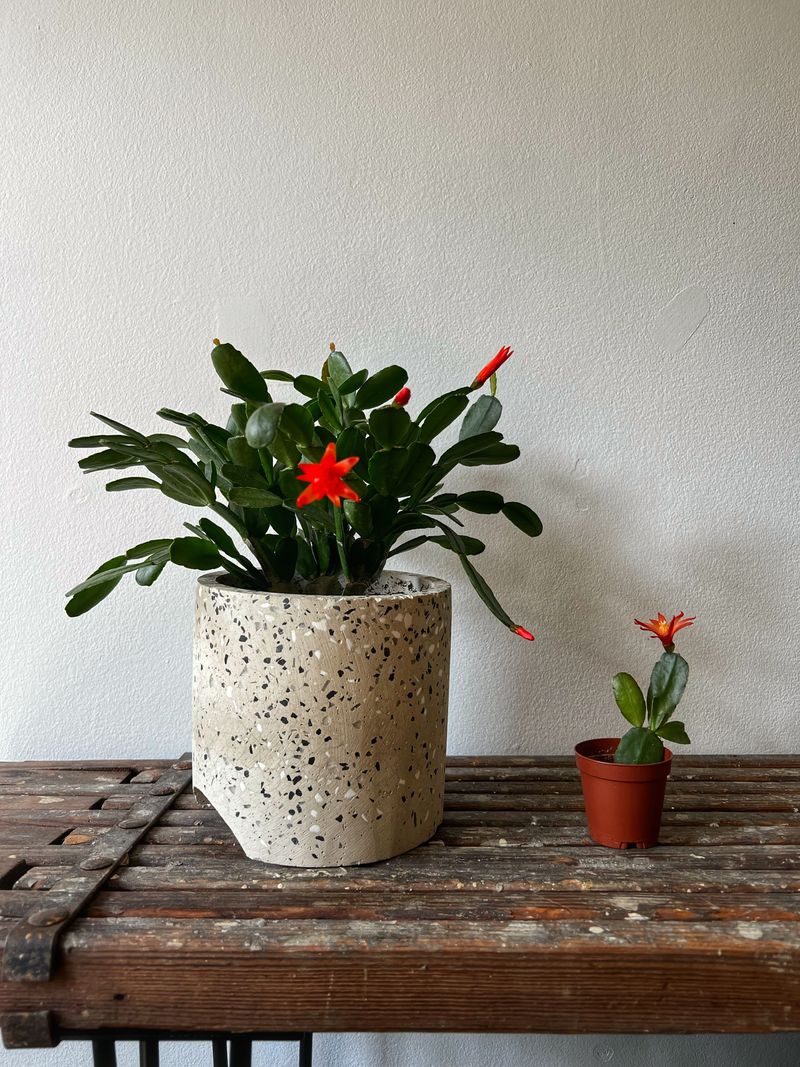
Trying this fix costs nothing and takes about five minutes. The simplest move is to separate the plant and the fruit by at least one room.
A bedroom, home office, or cool enclosed sunroom works nicely for most plants. Look for bright, indirect light and nighttime temperatures between 55 and 65°F (13 to 18°C).
If the plant must stay in the kitchen, move the fruit instead. Keep apples and pears in the refrigerator, where the cold slows ethylene production.
Bananas can live in a pantry or on a covered porch for a few days. Remove any bruised or moldy fruit right away, since it releases extra gas.
Fresh air helps clear lingering ethylene from the room. Crack a window for a few minutes on milder October afternoons to swap out stale air.
Some gardeners use ethylene-absorbing packets inside produce drawers. The small sachets soak up the gas and help fruit last longer too.
Keep the plant away from heat vents and drafty doors while you are at it. Steady conditions help buds stay attached through the season.
Water only when the top inch of soil feels dry. Waterlogged roots add stress, and a stressed plant may drop buds more easily.
Once the plant settles, leave it alone and let it rest. Turning or moving the pot again can undo your hard work.
A little planning now means fewer surprises later. Your fruit stays crisp, and your cactus keeps its sweet promise of bright holiday color.
Recovery After The Buds Fall
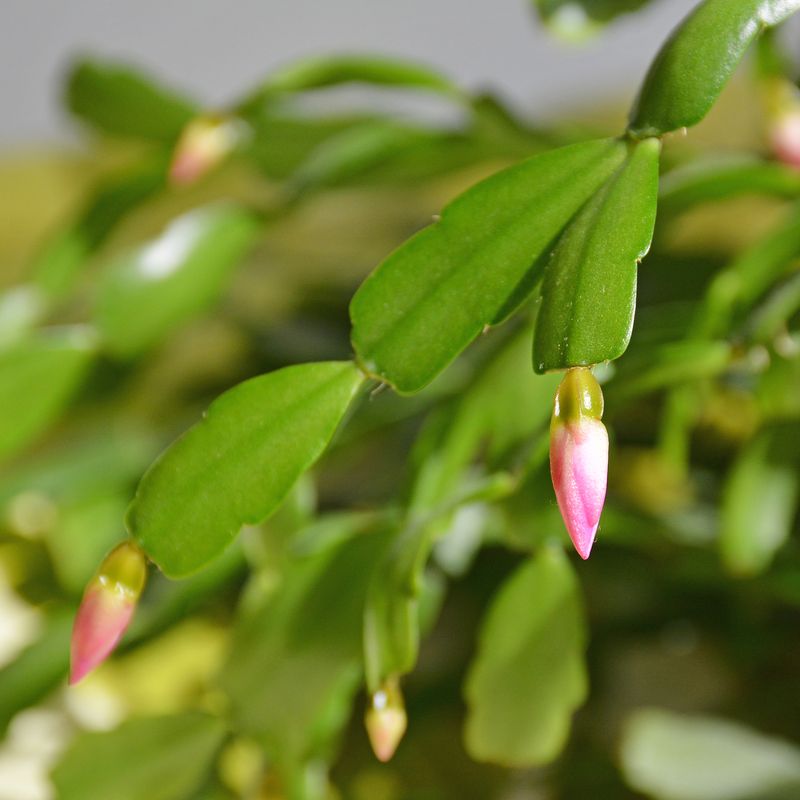
Finding a pile of fallen buds can feel disappointing. Take a breath, because your plant is likely still healthy if its segments look firm.
Bud drop hurts the bloom show, but it does not harm the roots or stems. The green segments should stay firm, plump, and bright.
Check the remaining buds once the fruit is gone. Small buds that stay attached for a week will often keep growing and open on schedule.
Some plants surprise their owners by setting a second round of buds. This can happen if long nights and cool temperatures continue into late fall.
Give the cactus about twelve to fourteen hours of darkness each night. A closet or a spare room with no lamps works for this trick.
Keep watering light and skip fertilizer until new buds appear. Feeding a stressed plant can push leafy growth instead of flowers.
Blooms might arrive closer to New Year’s Day than Christmas this time. Many New Jersey gardeners joke that their cactus runs on its own calendar.
If no new buds form this winter, do not panic. The plant will rest, grow new segments in spring, and try again next fall.
Christmas cacti can live for decades, so one missed season is a small bump. Some families pass the same plant down through three generations.
Patience is the real secret here. A healthy plant with a fresh start usually rewards you with plenty of cheerful pink flowers down the road.
A Fruit-Free Zone For Holiday Blooms
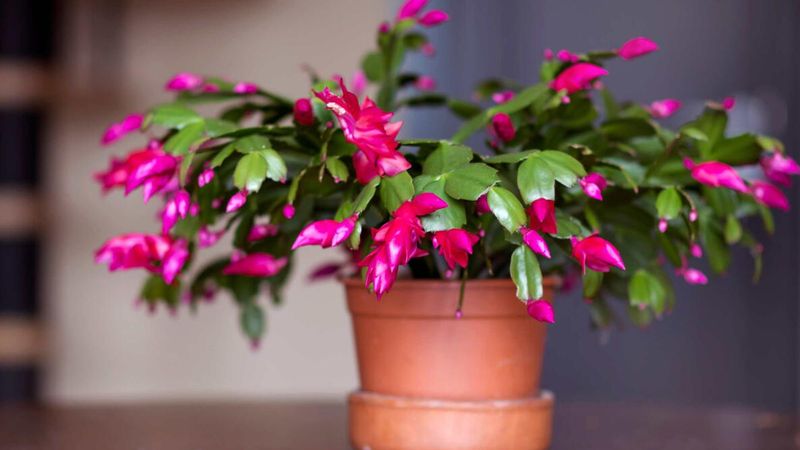
Experienced gardeners treat early fall like a planning season, not a guessing game. Setting up a fruit-free zone each October keeps buds safe year after year.
Pick a permanent home for your cactus before buds appear in late September. An east-facing window in a bedroom or den is a strong choice.
Then choose a separate spot for the fruit bowl, ideally across the house. Many people find the dining room or a cool mudroom works nicely.
Share the rule with everyone in the household. Kids and guests love to set snacks down anywhere, including right beside the plant.
A small sign or sticky note can help during the busy holiday stretch. Simple reminders stop a stray banana from becoming a problem.
Be careful with gift baskets too, since they often arrive packed with pears and apples. Unwrap them in the kitchen and keep them far from flowering plants.
Florist bouquets with decorative apples or pears deserve the same caution. Place them in another room until your cactus finishes blooming.
Write a reminder on your fall calendar right next to apple picking day. That one note connects the two events in your mind.
Over time, the routine becomes second nature, like raking leaves or hanging lights. Your plant rewards the effort with layers of rosy, dangling flowers.
A bowl of fruit and a blooming cactus can share a home. They just need their own separate spaces.