These Texas Plants Look Stunning When Paired With Pumpkins
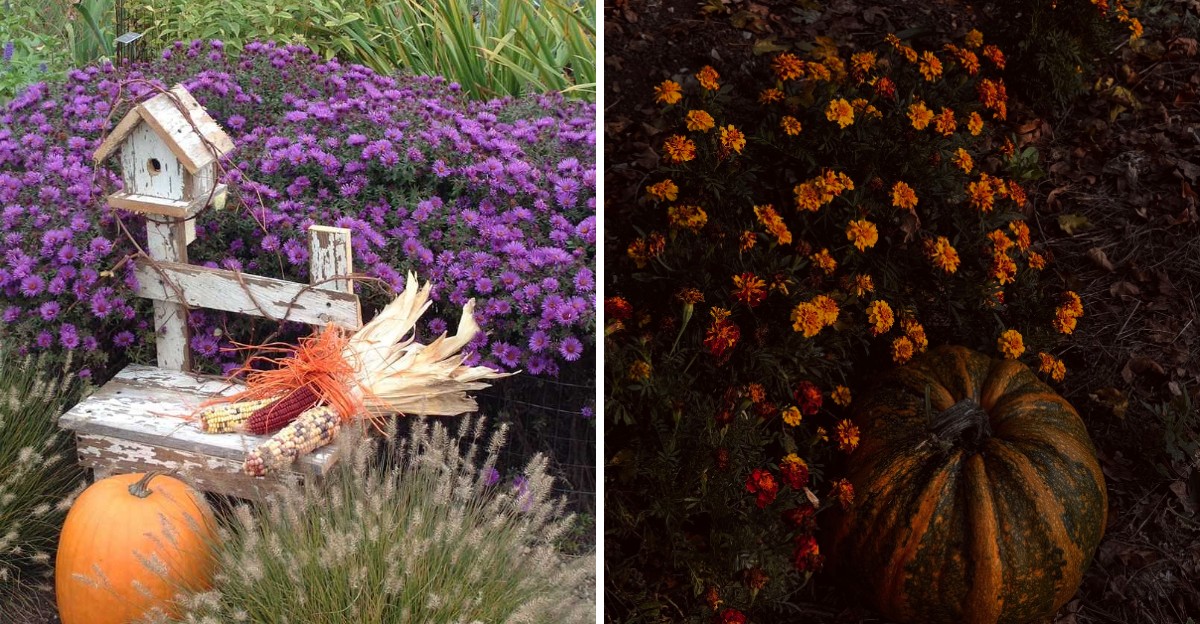
Decorating for fall in Texas comes with its own challenges. It might be 85 degrees on Halloween, and those cute pumpkins on the porch are working hard just to make it through October. The plants around them need to be just as tough.
Plenty of Texas-friendly flowers, grasses, and foliage plants look gorgeous next to pumpkins. Fiery oranges and golds echo the colors of the season.
Deep purples and burgundies add rich contrast. Airy grasses and bold leaves bring texture and height, turning a simple stack of pumpkins into a display that looks straight out of a magazine.
Best of all, these plants can handle warm days, cool nights, and the occasional surprise heat wave. Many will keep going long after the pumpkins are gone.
With the right mix, your porch can look festive from the first fall breeze all the way to Thanksgiving.
1. Gulf Muhly Brings A Pink Cloud
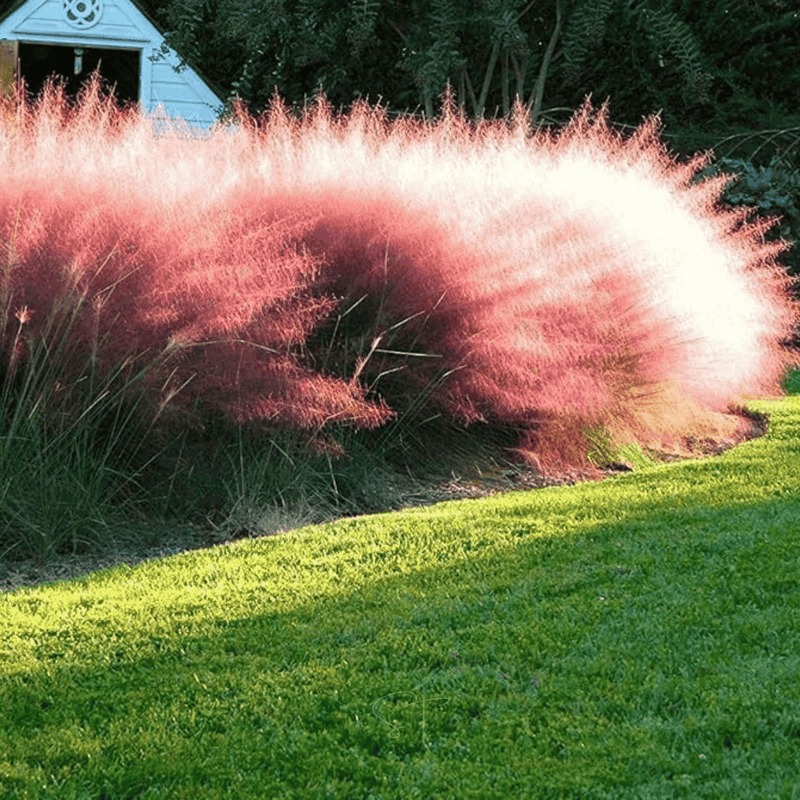
Gulf muhly is a native Texas grass that spends most of the year looking plain and green. Then fall arrives, and it bursts into clouds of airy pink plumes. The plumes are so fine that they look like cotton candy floating above the ground.
Pink and orange might not sound like a match at first. Trust the combo, though. The soft pink calms down the bold orange, and the result feels gentle and dreamy. White pumpkins look lovely here too.
Placement matters a lot with this grass. Try to plant it where morning or evening light shines through it from behind. When the sun hits the plumes at a low angle, they seem to glow from the inside.
Gulf muhly is also very easy to care for. It loves full sun and handles heat and dry spells without fuss. Once it gets settled, it needs very little water.
Good drainage is a must. Soggy soil can make the roots rot, so avoid low spots where water sits. Sandy or rocky soil works great.
In late winter, cut the old growth down to a few inches tall. Fresh green blades will pop up in spring, ready for another show.
For a pumpkin display, plant three or more clumps together. A group creates a bigger pink haze than one lonely plant. Then tuck pumpkins of different sizes along the front edge for a picture-perfect fall scene.
2. Fall Aster Adds Purple Punch
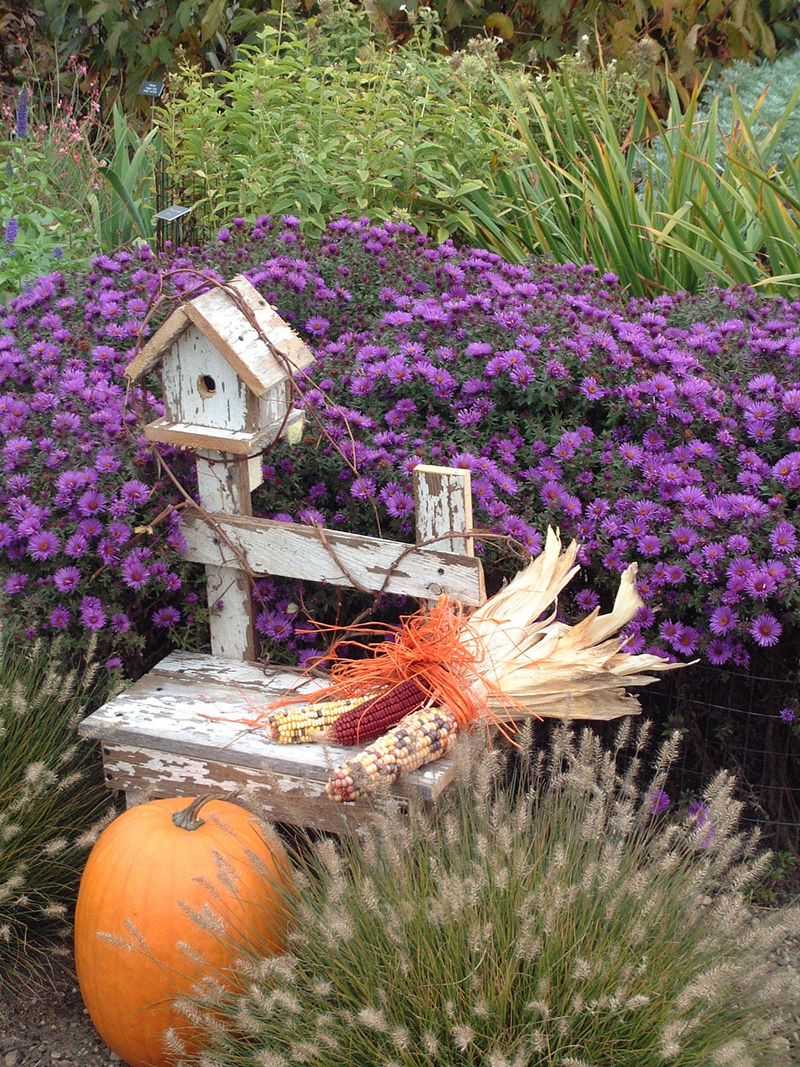
Color experts love a simple trick called contrast. Purple and orange sit across from each other on the color wheel, so they make each other look brighter. Fall aster puts that trick to work in your yard.
In October and November, this plant covers itself in tiny purple flowers. Each bloom has a little yellow center, like a mini daisy. When the plant is in full bloom, you can barely see the leaves.
Set a few pumpkins next to a blooming aster, and the purple seems to pop. The orange looks richer too. It is a bold look that grabs attention from the street.
Fall aster is a Texas native, which means it knows how to handle tough weather. It shrugs off heat and does not need much water once it has grown roots. That makes it a smart pick for busy gardeners.
Your Texas Garden Changes Every Week. Your Plan Should Too.
Gardening in Texas changes quickly throughout the season. Every Friday you’ll receive a simple weekly plan showing exactly what to plant, prune, fertilize, harvest, and protect so you never miss the right timing.
Here is a fun bonus. Monarch butterflies pass through many areas in fall on their long trip to Mexico.
They stop to sip nectar from aster blooms along the way, so your pumpkin display can double as a butterfly snack bar.
Plant fall aster in full sun for the most flowers. In too much shade, it gets leggy and blooms less.
A quick tip keeps it tidy. Trim the plant back by about a third in early summer. It will grow bushier and form a neat mound full of buds.
Use it along walkways, in front of shrubs, or in big pots by the door. Pair it with orange or even green heirloom pumpkins for a fun, lively look.
3. American Beautyberry Surprises Everyone
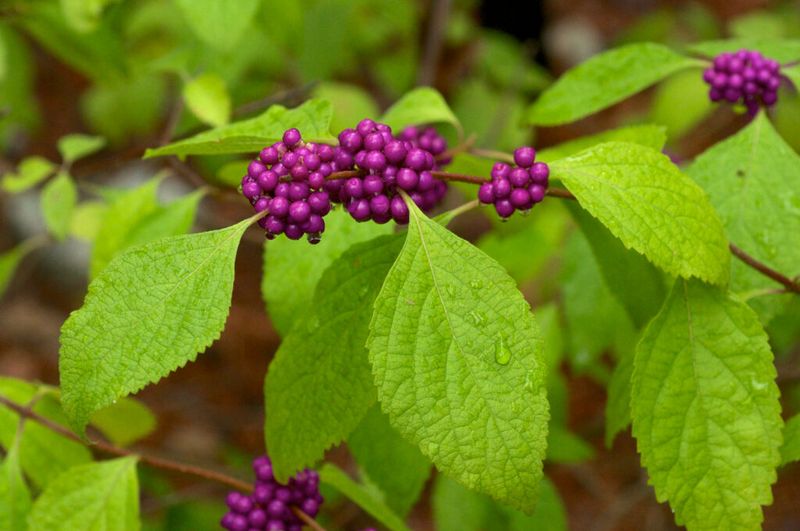
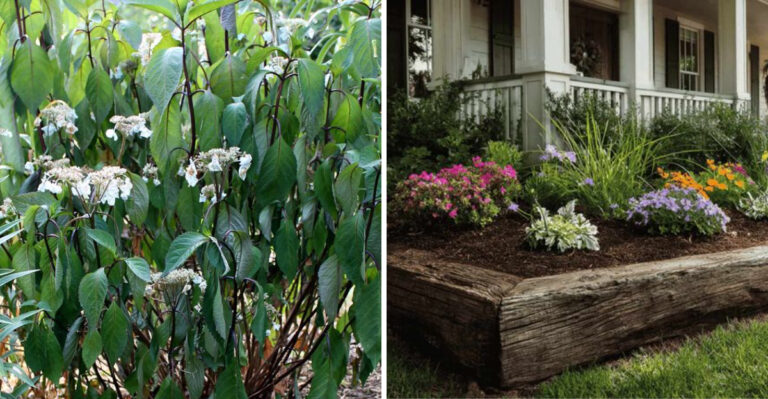
Guests often stop and ask, are those berries real? They really are. American beautyberry grows clusters of shiny purple berries that look almost too bright to be natural.
For most of the year, this shrub blends in quietly. Its small pink flowers in summer are easy to miss. Then fall comes, and the stems get lined with tight balls of vivid purple fruit.
That color is a fun surprise next to pumpkins and gourds. Most fall displays stick with orange, brown, and gold. Beautyberry breaks the pattern and adds a playful jewel tone.
Growing it is pretty simple. Beautyberry does well in sun or part shade. It also handles many soil types and does not need much fussing.
Birds enjoy the berries later in the season. Mockingbirds, robins, and cardinals may visit to snack. Watching them adds extra life to your yard.
One of the best parts is that you can bring it indoors. Cut a few branches and place them in a tall jar or vase. Set them on the porch table with small pumpkins around the base for an easy arrangement.
Leaves often drop before the berries do, so the bare stems show off the fruit even more. Cut branches can last a week or more in water.
Prune the shrub hard in late winter. It blooms and fruits on new growth, so cutting back helps it produce more berries next year.
4. Esperanza Keeps The Sunshine Coming
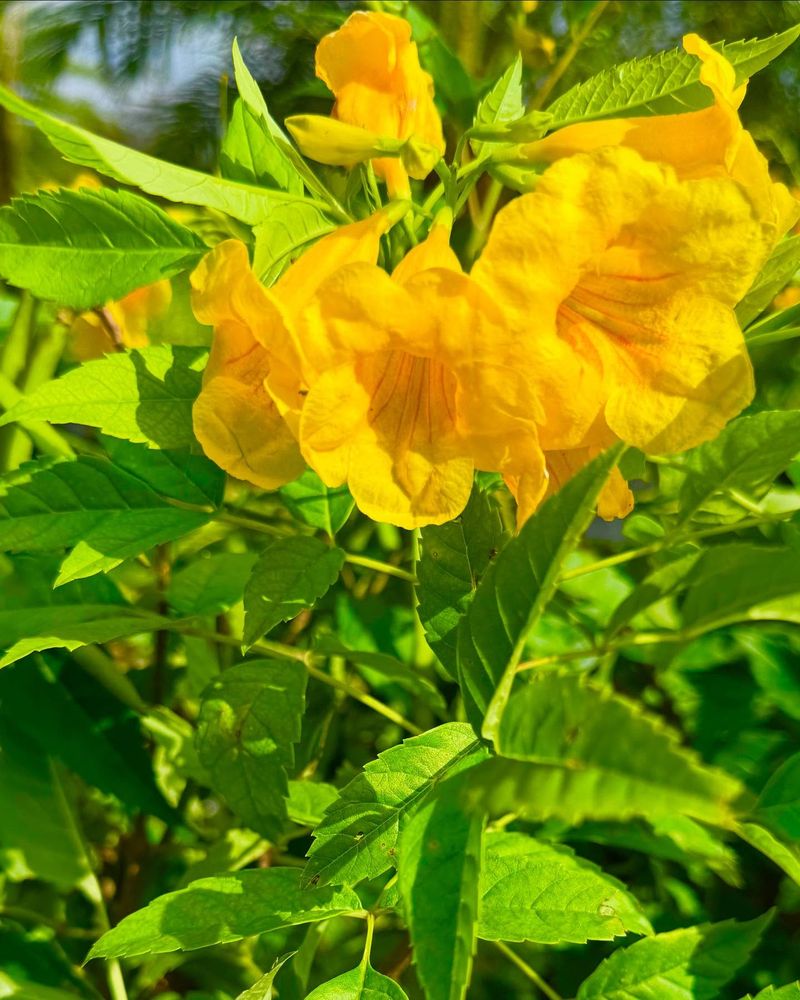
Esperanza is a Spanish word that means hope. It is a perfect name for a plant that keeps blooming even when summer heat wears everything else out.
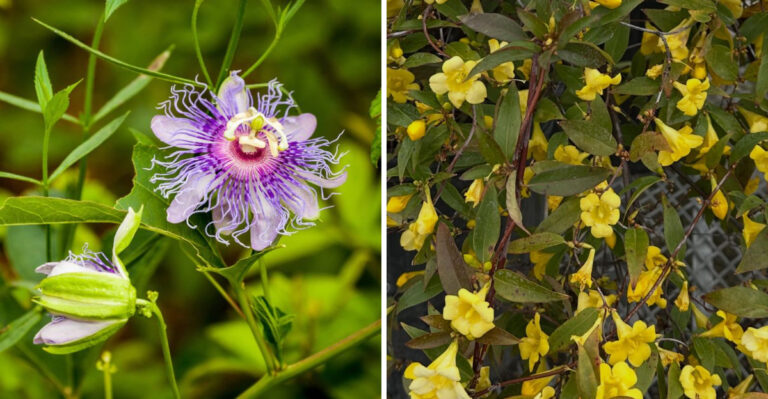
Bright yellow, trumpet-shaped flowers hang from the branches in big clusters. They show up in summer and keep coming until the first frost. That long season means the plant is still flowering when pumpkin time arrives.
Yellow and orange are close cousins on the color wheel. Together, they create a warm, cheerful glow. Add a few white pumpkins, and the yellow looks even brighter and cleaner.
This plant loves sun. The more light it gets, the more blooms it makes. It also handles heat and dry weather like a champ.
Esperanza works well in garden beds, but it also thrives in large containers. A big pot by the front door filled with esperanza makes a great stage. Stack pumpkins around the base, and you have an instant fall welcome.
Choose a pot at least 18 inches wide so the roots have room. Use potting soil that drains well. Water when the top inch of soil feels dry.
Bees and hummingbirds visit the flowers often. You may spot a few buzzing around while you sip coffee on the steps.
After blooming, the plant forms long, skinny seed pods. Snip them off to encourage more flowers. Leaving too many pods can slow down the show.
In colder areas, the plant may freeze back in winter. Do not worry. In many places, it sprouts back from the roots once spring warms things up.
5. Copper Canyon Daisy Matches Perfectly
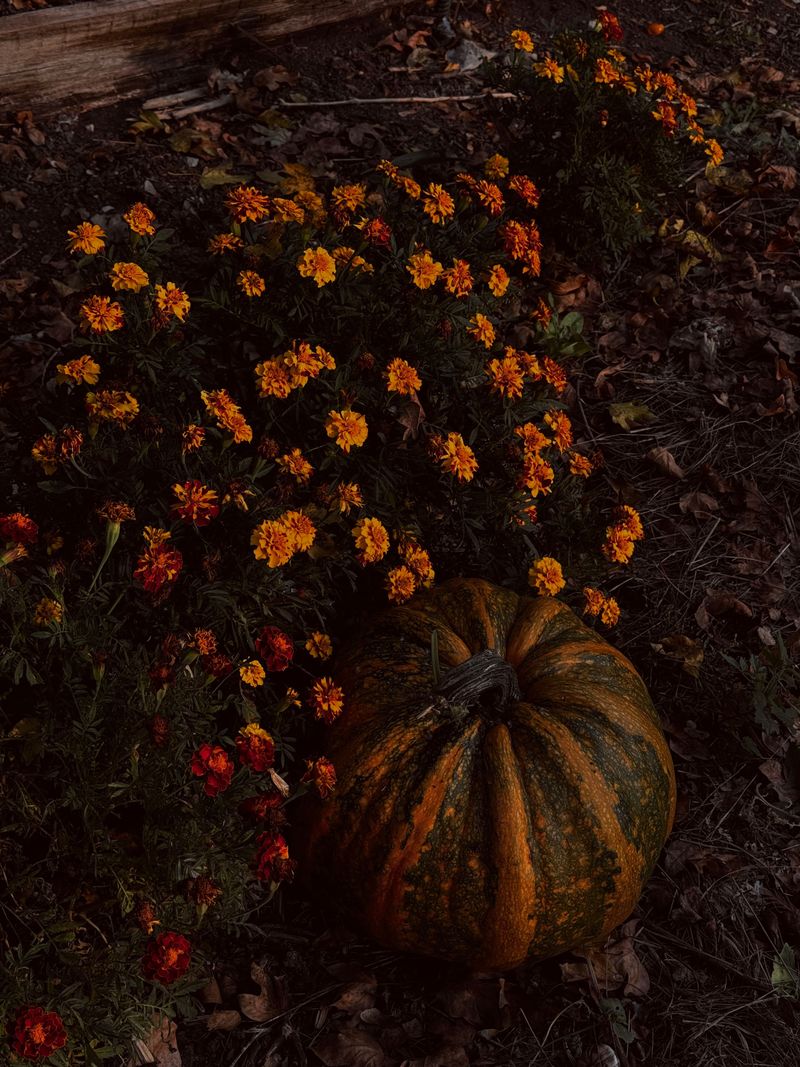
Some plants look like they were made to match pumpkins. Copper Canyon daisy is one of them, with blooms in almost the exact same warm shade.
All summer, it looks like a neat, leafy shrub with lacy green foliage. Then fall hits, and the whole plant explodes into golden-orange flowers. It can be covered so thickly that it looks like a giant bouquet.
Matching colors create a calm, unified look. Instead of contrast, you get a rich wash of autumn warmth. Pumpkins seem to melt into the scene in the best way.
Brush your hand across the leaves and you will notice something. They have a strong scent, a bit like a mix of mint and marigold. People either love it or think it is a little odd.
Deer, on the other hand, do not care for it at all. That smell keeps them away, which is great news if deer snack on your other plants. Your fall display can stay safe.
This shrub is not native to Texas, but it is adapted in Texas landscapes.Plant it in full sun with soil that drains fast. Too much water can make it floppy.
Give it room to spread. It can grow about four feet tall and wide. That size makes it a strong backdrop for a pumpkin pile.
Trim it lightly in early summer to keep it compact. Avoid heavy pruning late in the season, or you may cut off flower buds.
For a fun look, line up pumpkins in a row along the front, smallest to largest.
6. Maximilian Sunflower Stands Tall
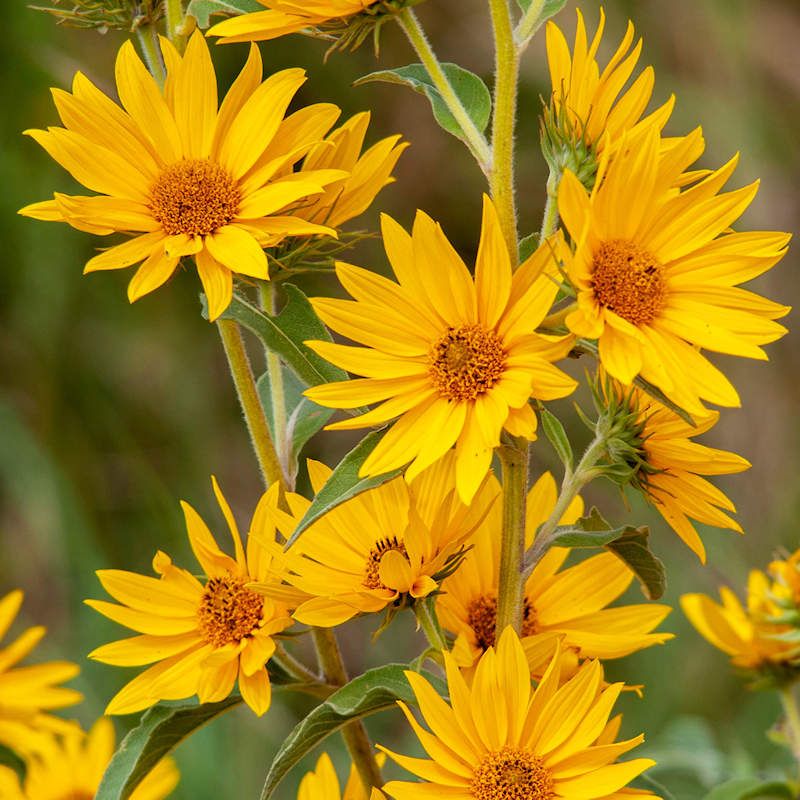
Old farm stands come to mind when you see Maximilian sunflowers. Tall stalks of yellow blooms rise over hay bales and pumpkins, and suddenly it feels like harvest season.
These native sunflowers can reach six to ten feet tall. In September and October, the top of each stalk fills with dozens of bright yellow flowers. They are smaller than the classic giant sunflower, but there are so many more of them.
Height is the secret here. Most pumpkin displays sit low to the ground. Planting these sunflowers behind the pumpkins adds a tall wall of color that draws your eye up.
The plant was named after a German prince named Maximilian. He explored the American plains in the 1830s and studied the plants and wildlife he found.
Growing them is easy. They love full sun and can handle poor soil and dry spells. In fact, rich soil and lots of water can make them grow too tall and flop over.
They spread by underground roots. That means a small patch can grow bigger each year. Give them space at the back of a bed or along a fence.
Birds go wild for the seeds in late fall. Goldfinches especially like to perch on the heads and pick them clean.
For the full harvest look, add a hay bale or two in front of the sunflowers. Stack pumpkins on and around the bales.
Toss in a few corn stalks, and you have a classic country scene. Cut the stalks down in winter after the birds finish snacking.
7. Firebush Turns Up The Heat
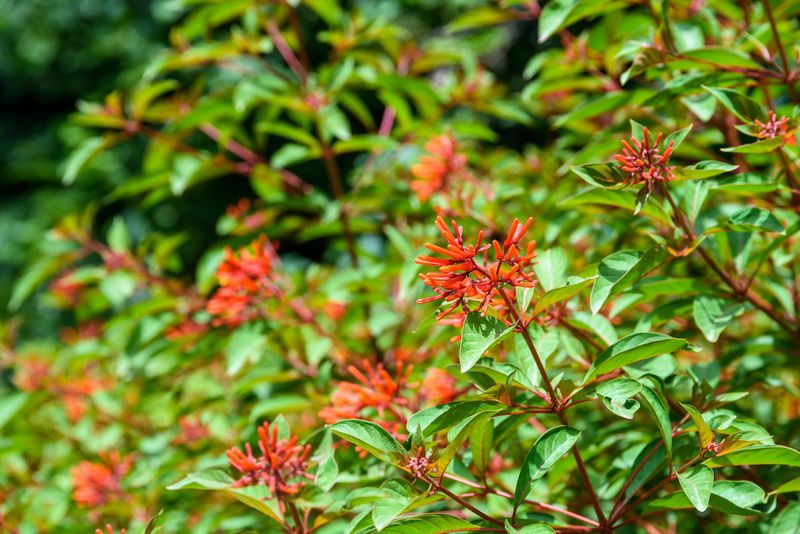
Hummingbirds treat firebush like their favorite restaurant. Plant one, and you might see these tiny birds zipping in for a drink every few minutes.
Firebush makes clusters of orange-red flowers shaped like little tubes. That shape is perfect for a hummingbird’s long beak. Butterflies stop by too, so the plant always seems busy.
As nights get cooler in fall, something neat happens. The green leaves start to take on red and bronze tones. Now the whole plant looks like it is glowing with warm fire colors.
That fiery look is a natural match for pumpkins. The reds and oranges blend together for a bold, cozy display. Deep red or green pumpkins add even more drama.
Firebush loves heat, so summer does not slow it down. Full sun gives the best flowers and leaf color. It can handle some shade, but it will bloom less.
Water it often while it gets started. After it settles in, it can handle dry spells pretty well. A layer of mulch helps hold moisture in the soil.
Frost is the one thing it does not like. In cold areas, it will freeze back to the ground. Many plants regrow from the roots in spring, but in colder spots you can grow it in a pot and move it to a garage for winter.
Big pots work well for a porch display. Place a firebush on each side of the door with pumpkins piled around them. It looks warm and welcoming all season.
Enjoy the show until the first frost arrives in your Texas yard.