How To Stop Stink Bugs From Invading Your Pennsylvania Home
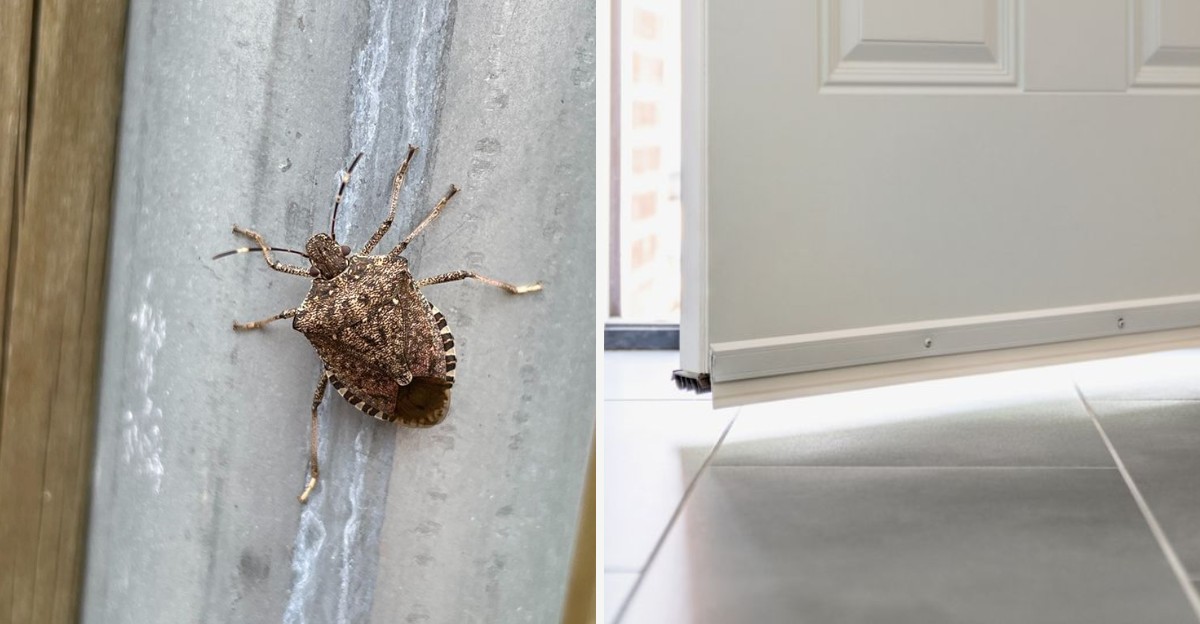
Most people start thinking about stink bugs when one drops from the ceiling into their lap. By then, dozens more may already be hiding in the walls. The best time to stop them is before they ever get inside.
Pennsylvania homeowners know the struggle well. Every fall, stink bugs crowd onto sunny walls and window frames, searching for a way in.
Once a few slip through, others are often close behind. Their numbers tend to build year after year if nothing changes.
Keeping them out doesn’t require harsh sprays or expensive treatments. Most stink bugs get in through small, everyday gaps that are easy to overlook and just as easy to fix.
A little effort now can save you from a winter of chasing smelly bugs across your ceilings and windowsills.
1. Seal Cracks Before Fall
Timing is everything when it comes to stink bugs. Every year in September and October, these bugs feel the cooler air and start hunting for shelter. They squeeze into gaps so thin you might not even notice them.
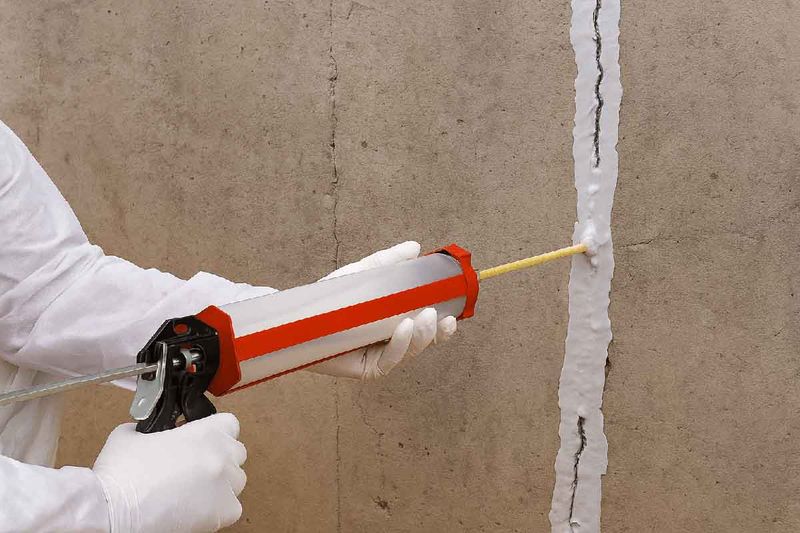
Your best move is to beat them to the punch. Late summer, around August, is the perfect window to grab a caulk gun and get to work. Once the bugs are already crawling on your walls, you are playing catch-up.
Start by walking slowly around your house. Look closely at the edges of windows, door frames, and places where siding meets trim.
Check spots where two different materials meet, like brick and wood, because those seams often crack over time.
Any gap wider than a credit card is wide enough for a stink bug. Adult bugs are flat, which helps them slide into tight spaces. Even small cracks can let dozens of them inside over a few weeks.
For most gaps, a good silicone or silicone-latex caulk works well. It stays flexible through hot summers and freezing winters. Clean the area first, remove old cracked caulk, and let everything dry before you start.
Run a smooth, steady bead of caulk along each crack. A wet fingertip or a caulk tool helps press it into the gap. Let it cure for the time listed on the tube before rain hits.
Here is a bonus. Sealing cracks also keeps out spiders, ants, and chilly drafts. That means lower heating bills during those cold Pennsylvania winters.
One afternoon of work in August can pay off for months, and you will feel proud every time you see a stink bug stuck outside.
2. Install Door Sweeps And Weatherstripping
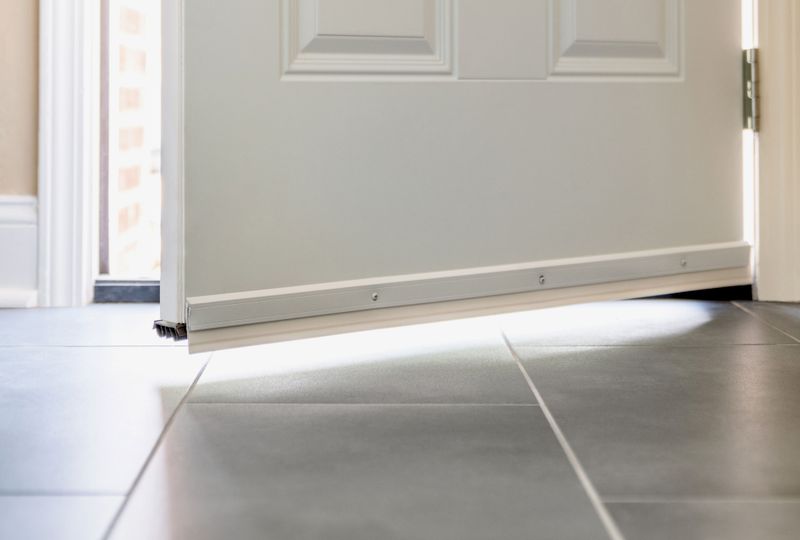
Try this quick test tonight. Turn off the lights inside, then shine a flashlight along the bottom of your front door from outside. If you can see light sneaking through, a stink bug can sneak through too.
Doors are some of the easiest entry points for these pests. We open and close them all day, and over time the seals wear down. The gap under a door can grow without you ever noticing it.
A door sweep fixes this problem fast. It is a strip of rubber, vinyl, or bristles that attaches to the bottom of the door. When the door is closed, the sweep presses against the threshold and blocks the opening.
Your Pennsylvania Garden Changes Every Week. Your Plan Should Too.
Gardening in Pennsylvania changes quickly throughout the season. Every Friday you’ll receive a simple weekly plan showing exactly what to plant, prune, fertilize, harvest, and protect so you never miss the right timing.
Most sweeps cost less than twenty dollars at a hardware store. Many simply screw on, while others slide onto the bottom edge. You can usually finish one door in under thirty minutes.
Do not forget the doors people tend to ignore. Garage doors, basement doors, and side doors are favorite spots for stink bugs. A worn rubber seal at the bottom of a garage door is like an open welcome mat for them.
Weatherstripping takes care of the sides and top of the door. Peel-and-stick foam is cheap and easy. For a longer-lasting fix, try V-strip or rubber tube weatherstripping that fits into the frame.
Close the door after installing it and look for gaps again. The door should shut snugly without being hard to open. As a nice extra, you will notice fewer cold drafts this winter, and your furnace will thank you.
3. Repair Window Screens
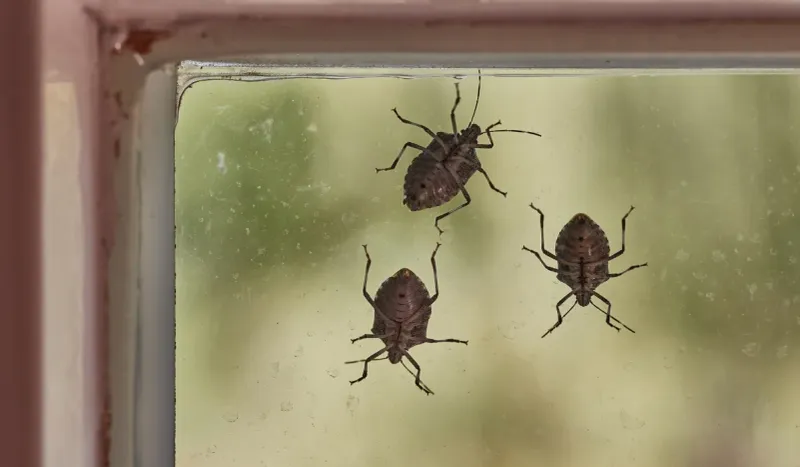
My neighbor once found eleven stink bugs inside her kitchen in one afternoon. She was puzzled until she spotted a tiny tear in the window screen, no bigger than a pencil eraser. That little hole was their front door.
Window screens take a beating over the years. Pets push on them, kids poke them, and the weather slowly weakens the mesh. Small rips are easy to miss, but stink bugs find them quickly.
Take a few minutes to check every screen in your home. Hold each one up to the light and look for holes, loose corners, and bent frames. Run your fingers along the edges where the mesh meets the frame.
Tiny holes are simple to fix. Screen repair patches come in small kits and often just stick or hook into place. Some people even use a dab of clear nail polish or glue for very small holes.
Bigger damage calls for new mesh. Rescreening a frame sounds tricky, but it is a fun project. You need new screen material, a rubber spline, and a cheap spline roller tool.
Fit matters just as much as the mesh. A screen that wobbles or leaves a gap at the side is almost useless against bugs. Make sure each screen sits snugly in its track with no light peeking around it.
Here is a fun fact. Stink bugs are drawn to light, so they often gather on windows at night. A tight screen lets you enjoy fresh fall air without inviting these smelly guests to your dinner table.
4. Cover Attic And Soffit Vents
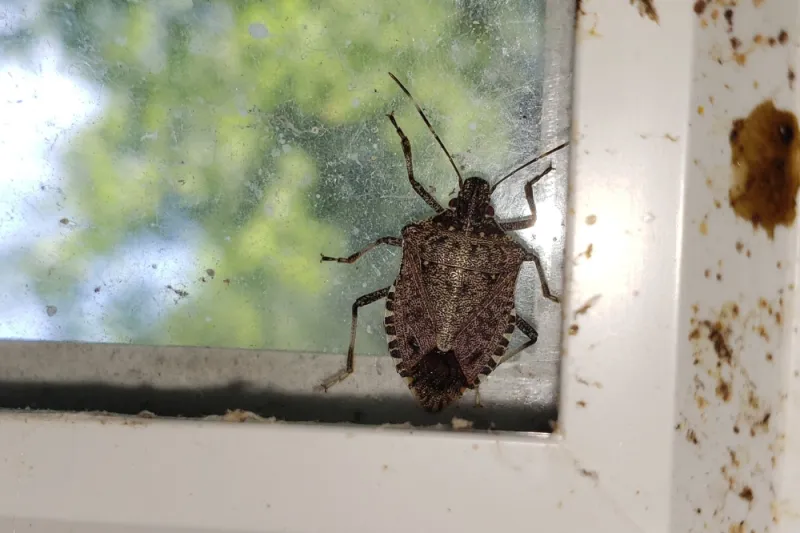
Attics are like five-star hotels for stink bugs. They are quiet, dark, and protected from the bitter Pennsylvania cold. Many homeowners climb up in spring and find hundreds of bugs tucked into the insulation.
So how do they get up there? Most of them walk right in through attic and soffit vents. Soffit vents sit under the edge of your roof, and gable vents are on the side walls of the attic.
These vents are important. They let air flow through your attic, which helps prevent moisture, mold, and ice dams. You do not want to block them, but you do want to bug-proof them.
The answer is fine mesh screening. Look for metal or fiberglass mesh with tiny openings, about 1/16 inch or smaller. Regular window screen size often works well and still lets plenty of air pass through.
Cut the mesh a little bigger than the vent opening. Attach it behind or over the vent using a staple gun, screws, or outdoor-rated adhesive. Make sure there are no loose edges that bugs could squeeze around.
Safety comes first with this job. Working on a ladder near a roofline can be risky. Have a helper hold the ladder, or hire a handyman if heights make you nervous.
While you are up there, check for other openings. Look for gaps where the roof meets the walls, missing shingles, or damaged trim.
A quick peek inside the attic with a flashlight can also show you if bugs have already moved in, which helps you know where to focus.
5. Seal Around Pipes, Cables, And Dryer Vents
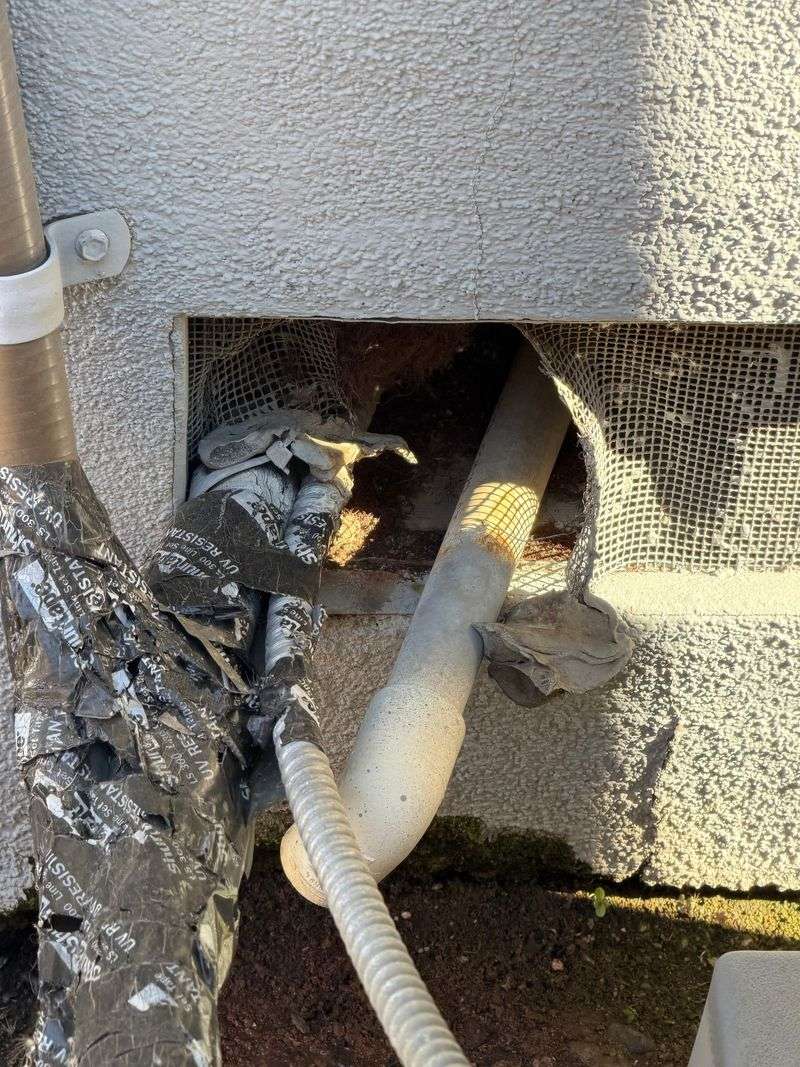
Sneaky entry points are the ones that cause the most trouble. You might seal every window and door, yet still find stink bugs on your couch. Often, the culprit is a small gap around a pipe or cable.
Think about everything that goes through your outside walls. Cable TV lines, internet wires, phone lines, water spigots, gas lines, and air conditioner tubing all need holes. Installers do not always seal those holes well.
Grab a flashlight and take a slow lap around your house. Look low near the foundation and high near the roof. Pay extra attention to spots behind bushes, since those are easy to skip.
Small gaps can be filled with caulk. Larger openings work better with expanding spray foam. Use a low-expansion foam around pipes so it does not push too hard or bend anything.
Spray a little at a time, because the foam grows as it dries. Once it hardens, you can trim the extra with a utility knife. Some people paint over it to protect it from sunlight.
Dryer vents need special care. Never seal the vent opening itself, because hot air must escape safely. Instead, seal around the outside of the vent pipe and check that the flap closes all the way.
If your dryer flap is broken or stuck open, replace it. Some vent covers come with a built-in screen or louvered flaps that shut tight. Keep lint cleared away so the flap works properly and stays a strong barrier against bugs.
6. Check Window Air Conditioners And Chimneys
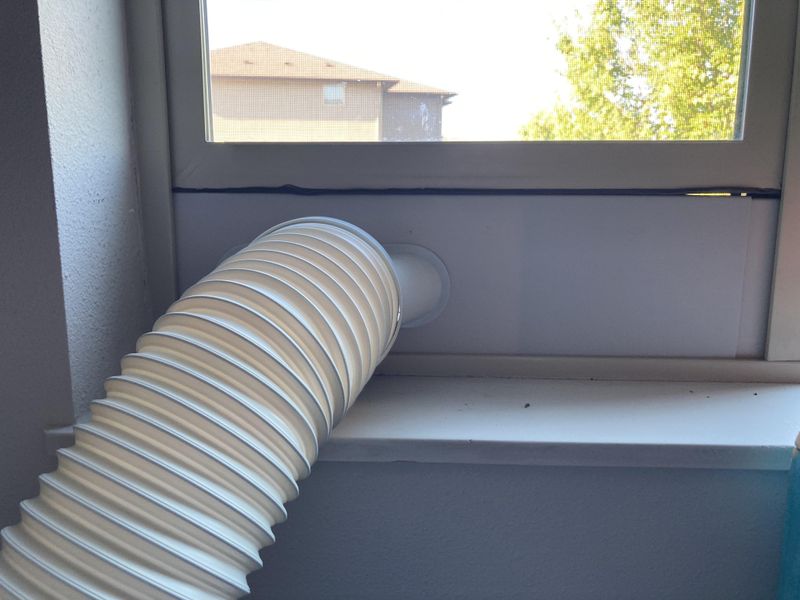
Window air conditioners are a summer blessing. Once fall arrives, though, they become a cozy hideout for stink bugs. The bugs crawl into the vents and gaps around the unit, then wander right into your home.
The simplest fix is to pull out window units by mid-September. Pennsylvania usually cools down by then, so you will not miss them much. Store them in a garage or basement until next summer.
Before you store them, give each unit a quick look. Shake out any bugs hiding inside, and wipe down the case. Covering the unit with a plastic bag keeps bugs from moving in while it sits in storage.
Some people leave their units in all year. If that is you, seal around the unit with foam strips or weatherstripping. An outdoor AC cover also helps block bugs from slipping inside the vents.
Now, let us talk about chimneys. A chimney is basically a tall, open tunnel straight into your house. Stink bugs, birds, and even raccoons can find their way down.
A chimney cap with a mesh screen solves most of this. Caps are often made of stainless steel or galvanized metal and fit over the top of the flue. A chimney sweep can install one while doing a yearly cleaning.
Inside, check your fireplace damper. It should close firmly with no gaps when the fireplace is not in use. If it is warped or rusty, a top-sealing damper is a great upgrade that also keeps heat from escaping.
7. Act Fast When They Gather On Sunny Walls
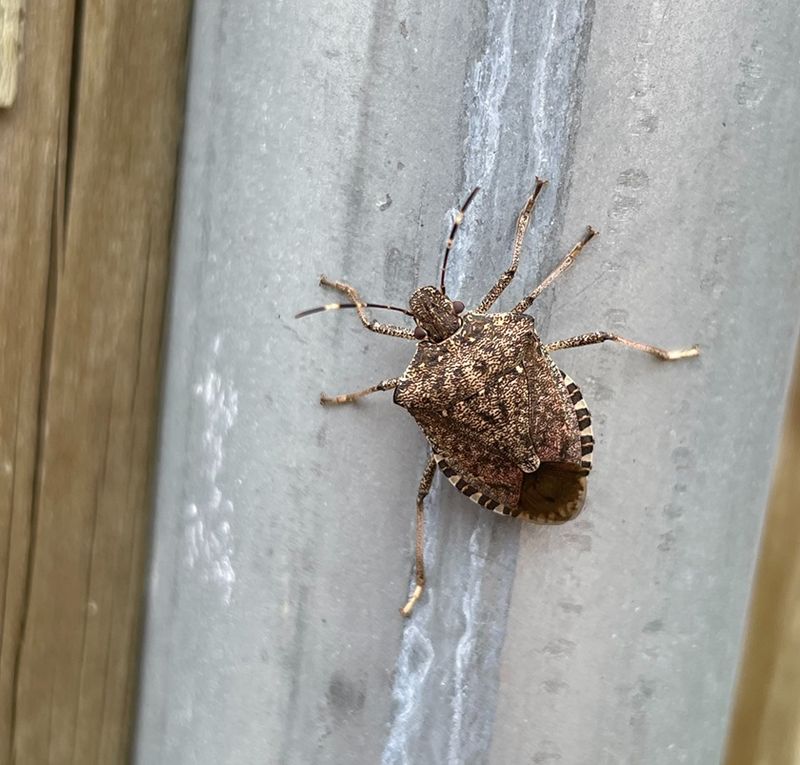
Warm October afternoons bring a strange sight across Pennsylvania. Dozens or even hundreds of stink bugs pile onto the sunny side of houses. They are soaking up heat before slipping inside for winter.
South- and west-facing walls get the most sun, so they draw the biggest crowds. Watch these spots closely during September and October. Spotting a group early gives you the upper hand.
Soapy water is your secret weapon here. Fill a jar or bucket with water and a squirt of dish soap. The soap breaks the surface tension, so the bugs sink and cannot climb back out.
Hold the container just below a bug and tap it gently. Stink bugs tend to drop straight down when disturbed. You can clear a big cluster in just a few minutes this way.
Some bugs will still make it indoors. When you find them, skip the shoe or tissue. Crushing a stink bug releases that awful smell, which can linger for hours.
A vacuum works much better. Use one with a disposable bag, then seal the bag and toss it outside when you are done. Some people keep an old handheld vacuum just for bug duty, so the main one never smells.
Here is a quirky fact. Stink bugs release scents that can attract more of their friends. Removing big groups quickly means fewer bugs get the message that your house is the place to be.
A little effort on sunny afternoons goes a long way toward a calm, odor-free winter.