Why Your Arizona Low-Desert Fig Tree Won’t Produce Figs and What to Do About It
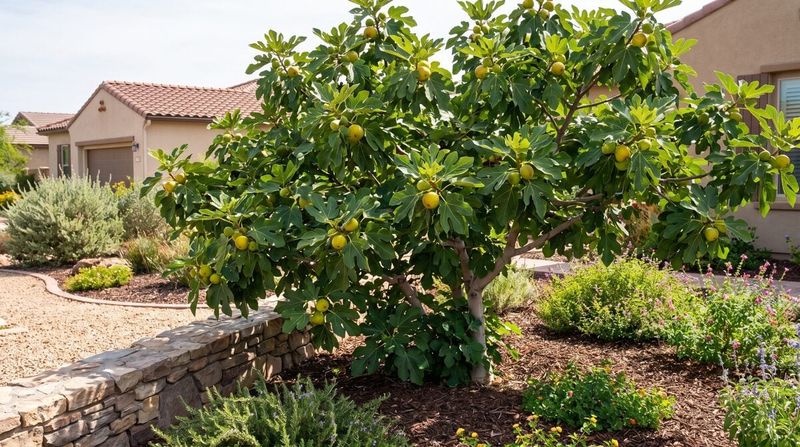
A fig tree full of green leaves but no fruit can feel like a bad joke in a Phoenix or Tucson yard. The cause is often simpler than a missing pollinator, and the fix may be to change nothing for a while.
This guide is written for Arizona’s low desert, so it may not fit every Arizona climate or site. Start with what your tree is actually doing, then work through the checks in a smart order.
First distinguish no fruit from fruit drop
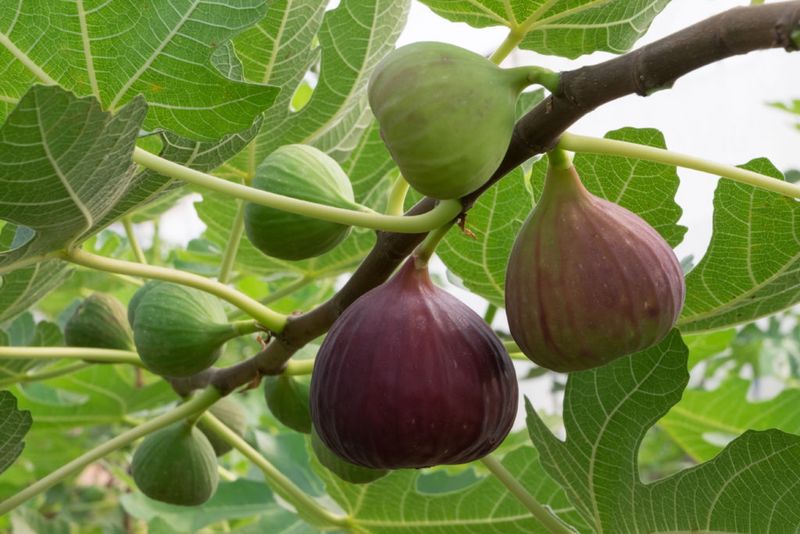
Walk out to the tree and look closely at what you see. Is there no fruit at all?
Do tiny figs form and then fall? Or do small, firm figs hang on and never soften?
Each of these points to a different set of checks.
A tree with no fruit calls for a look at its age, variety, pruning history, light, and feeding. Fruit that forms and drops makes uneven watering and tree stress more likely suspects.
Figs that stay small and firm may simply not be ripe yet.
Before you change anything, jot down when the symptom shows up. Note the month, the recent weather, and your last watering, pruning, or feeding.
Low-desert guidance for growing common figs treats these as separate puzzles, and a few days of notes can save you from fixing the wrong thing.
A young tree may need time, and common figs need no pollinator
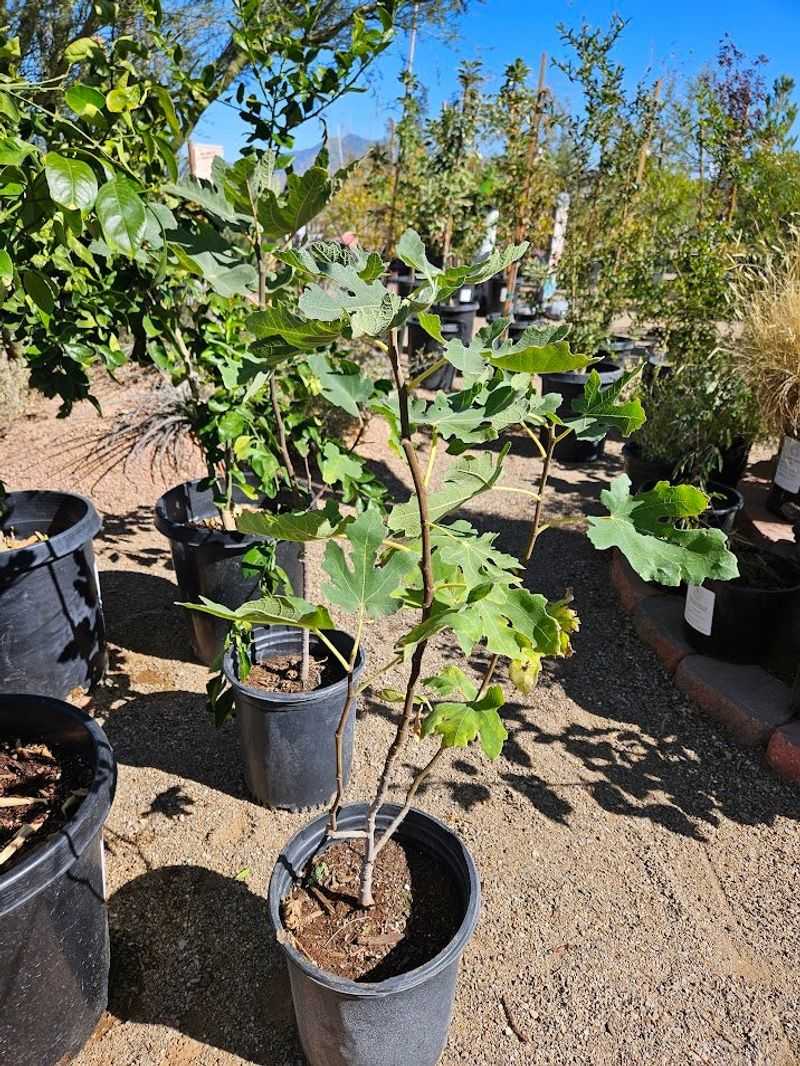
Patience is the first tool here. Arizona guidance says a young fig may need three to four years to produce a viable crop, and some trees take longer.
A tree of that age with no figs is not automatically in trouble.
You may have heard that figs need a second tree or tiny wasps. For the common figs recommended for Arizona home gardens, such as Black Mission and Brown Turkey, that is not the case.
They set fruit without cross-pollination, as described in a backyard gardener fig guide.
Other fig types can differ, so the variety matters. If you inherited the tree or lost the plant tag, check old receipts, ask the nursery, or compare leaves and fruit with photos of known varieties.
Identify what you have before you buy a second tree.
Uneven irrigation can disrupt fruit production
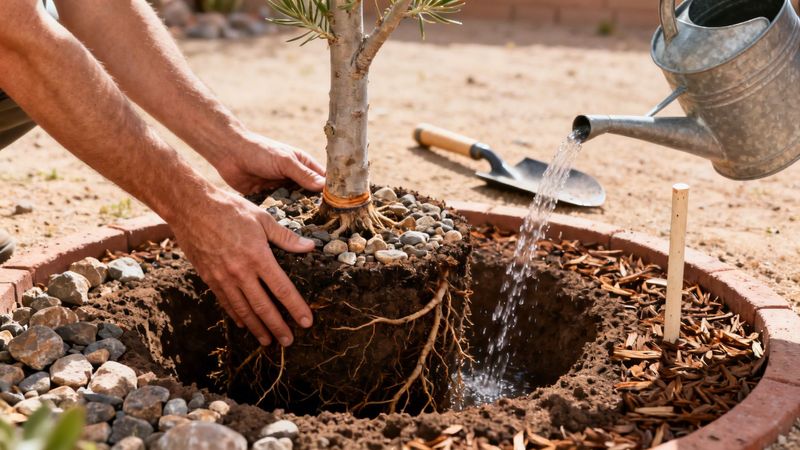
Water swings can cost you fruit. Too little or too much can reduce production or cause figs to fall.
Dry spells followed by soaking are especially hard on a tree.
Skip the rigid calendar and use a soil probe or long screwdriver. Push it in near the drip line and see how deep the moisture goes.
Water the whole root zone, not just a small spot by the trunk.
For low-desert summers, extension guidance gives every three to five days as a typical interval, and more often in extreme heat. Treat that as a starting point only.
Sandy or clay soil, emitter layout, tree size, and a heat wave all change how fast water soaks in and dries out.
Your Arizona Garden Changes Every Week. Your Plan Should Too.
Gardening in Arizona changes quickly throughout the season. Every Friday you’ll receive a simple weekly plan showing exactly what to plant, prune, fertilize, harvest, and protect so you never miss the right timing.
Figs do well here, but they are not drought-proof. Steady summer moisture matters for both fruit set and fruit quality, so do not hold back water hoping for sweeter figs.
Check sun and drainage; don’t diagnose by soil label alone
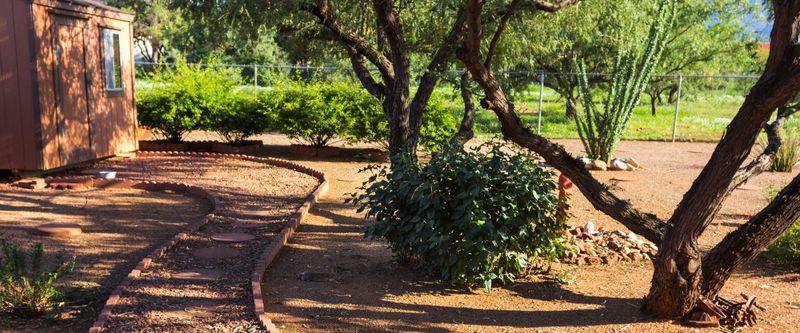
Take a look at the planting spot. Low-desert guidance calls for full sun, about eight to ten hours a day, and well-drained soil.
A tree shaded by a wall, a neighbor’s tree, or a patio cover may grow leaves happily and still hold back on fruit.
Drainage deserves a test too. Fill a hole with water and see how long it takes to empty.
Compacted or soggy ground may improve with a mound or berm, which is one option mentioned in fig troubleshooting guidance.
Soil labels can mislead. One general plant profile says common fig dislikes alkaline soil, yet figs are grown successfully in the low desert.
Alkaline or caliche soil alone is not a diagnosis, and you should not add acidifiers without a soil test.
More fertilizer can mean more leaves, not more figs
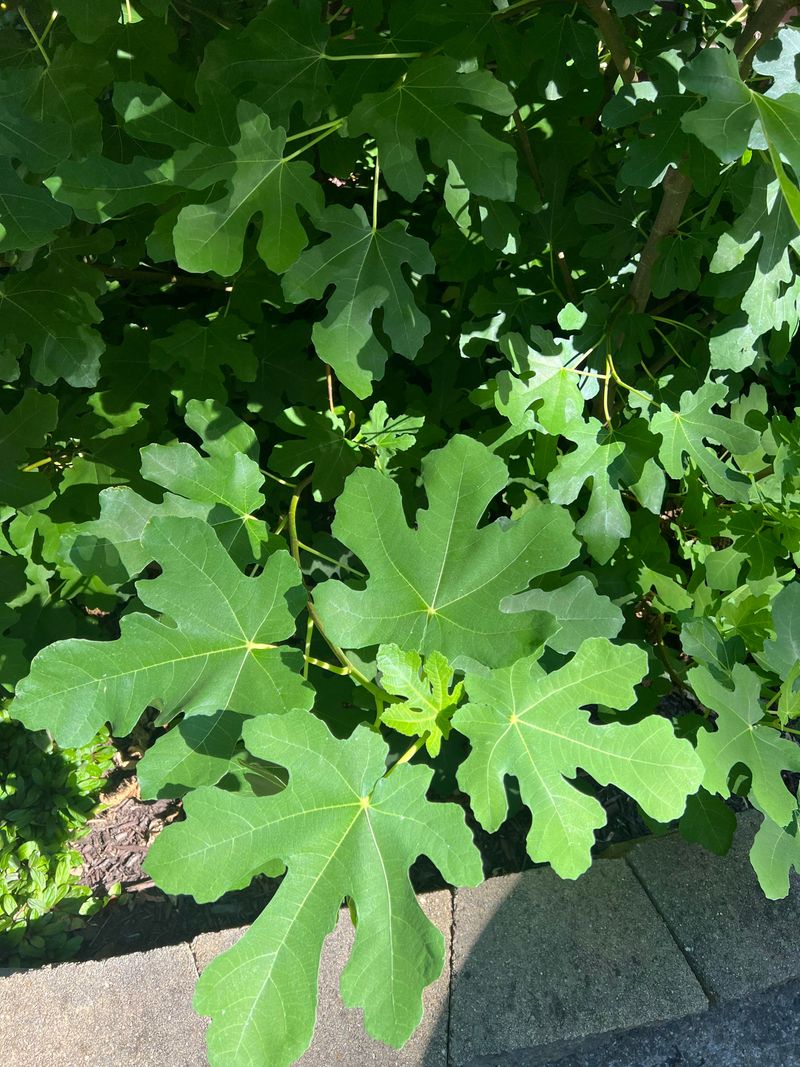
Reaching for a fertilizer bag is a common reflex, and it can backfire. In-ground figs growing in native soil often need no fertilizer at all.
Instead, measure last year’s growth. If new shoots grew less than a foot, or your soil conditions call for it, feeding may make sense.
A tree that shot out long, leafy branches already has plenty of fuel.
Too much nitrogen pushes the tree to build leaves and branches instead of fruit, a problem noted in fig drop and no-fruit advice. A lush, dark green tree with few figs is a classic clue.
If your tree sits near a lawn that gets heavy feeding, some of that nitrogen may reach its roots too. Hold off on extra feeding until you have checked the other causes.
Heavy winter pruning can remove the early crop
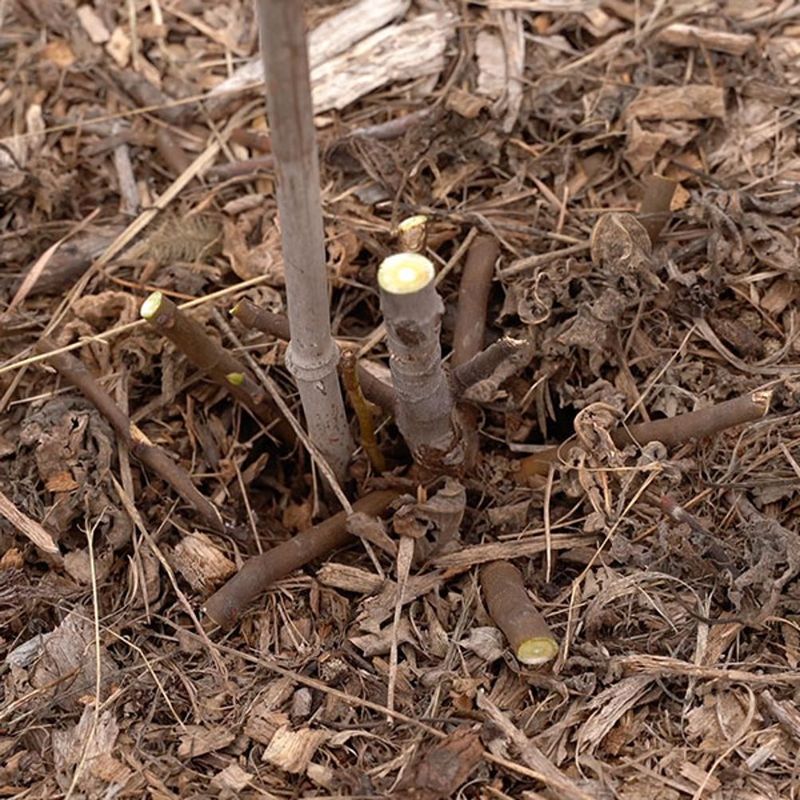
Think back to last winter. Did you cut the tree hard to shape it or keep it small?
That could explain a missing early crop.
Figs need no special pruning to fruit, and cutting hard will not force figs. The early crop forms on last year’s wood, so heavy winter cuts can take it away, as described in low-desert fig guidance.
A later crop forms on the current season’s growth.
Review what you removed and keep cuts modest. Take out dead, crossing, or damaged limbs and leave the rest.
Pruning does not explain every case of poor production, so keep it as one item on your checklist.
Wear gloves and cover your skin when cutting. Fig sap can irritate skin, especially in strong sun.
Check the crop window before calling the season a failure
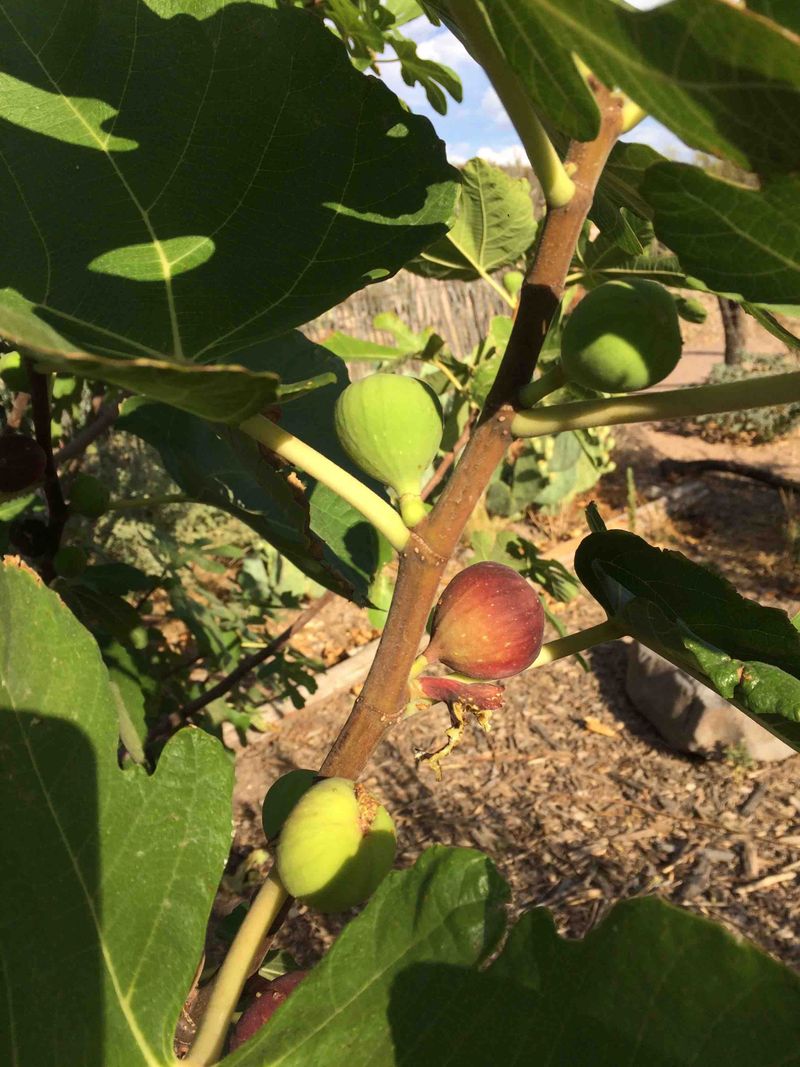
Timing can fool you. Arizona figs may give an early-summer crop and another in late summer or early fall.
If the first one never shows, a later crop may still come, though nothing is guaranteed.
Small, firm figs may just need more time. Figs also do not ripen after picking, so wait until they soften and droop on the branch.
Master Gardener fig advice covers this point well.
When you are ready to troubleshoot, go in order. Name the symptom, then check tree age and variety.
Next look at soil moisture, sun and drainage, fertilizer, and pruning history. Change one thing at a time so you can tell what helped.
A fig tree often rewards the gardener who watches closely and changes little.