Why October Is The Best Month To Plant Trees In Florida, And Which Ones To Choose
Something shifts in Florida in October that most homeowners walk right past without noticing. The brutal summer heat finally loosens its grip, mornings start smelling like damp soil and possibility, and the garden hose gets a well-deserved break.
While most people are busy thinking about pumpkins and holiday plans, something genuinely interesting is happening underground.
Tree roots are quietly waking up and getting ready to grow, and that is exactly why October is one of the best kept secrets in gardening.
Most homeowners wait until spring to plant trees, and honestly that is a habit worth reconsidering. Fall planting gives roots months to establish before summer heat arrives and turns every new planting into a survival situation.
The trees that go in the ground this October will have a serious head start on everything planted in March. Grab a shovel.
1. Cooler Days Give Roots A Head Start
Roots are the hidden heroes of every tree. When the heat drops in fall, young trees can spend their energy growing underground instead of fighting the sun.
In Florida, summer days often stay above 90 degrees. A new tree planted in July has to work hard just to stay cool and hold onto water.
By October, temperatures usually slide into the comfy 70s and low 80s, which takes a lot of pressure off.
Soil stays warm much longer than the air does. Warm soil plus mild air is a sweet combo for root growth.
The tree can stretch its roots out into the ground while its leaves rest in gentle weather.
Think of it like starting a new job on a calm week instead of a busy one. You get time to learn the ropes before things get hectic.
A tree planted in fall gets several months to settle in before the hot, dry spring arrives.
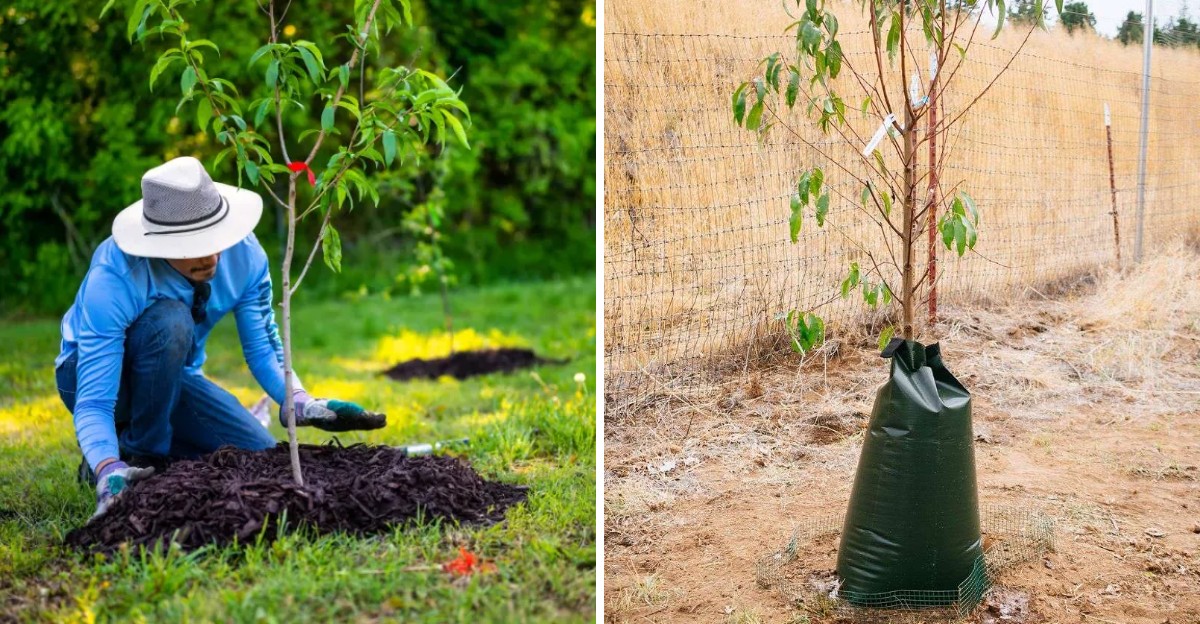
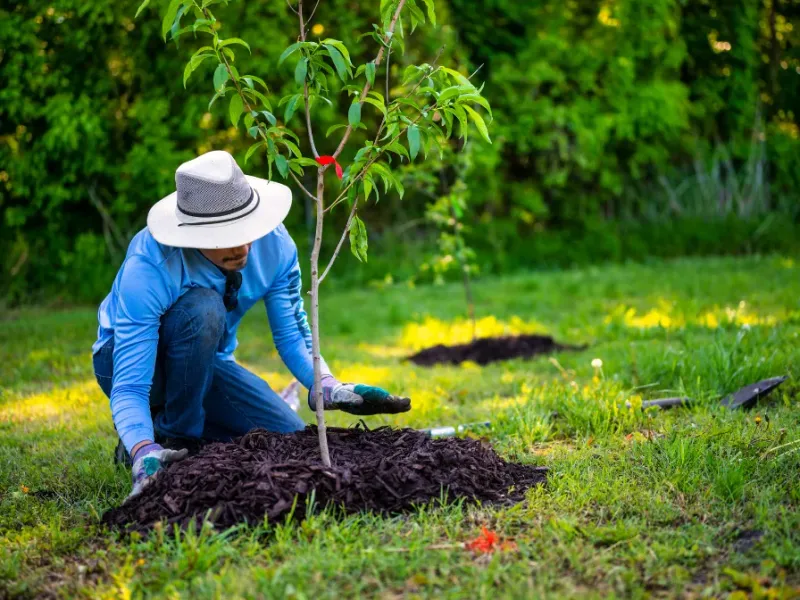
Here is a helpful tip for your planting day. Dig a hole about two to three times wider than the root ball, but not deeper.
Set the top of the root ball slightly above the ground line so water drains away from the trunk.
Gently loosen any roots circling the pot. That small step helps them spread outward into the native soil instead of growing in a tight loop.
2. Hurricane Season Winds Down In October
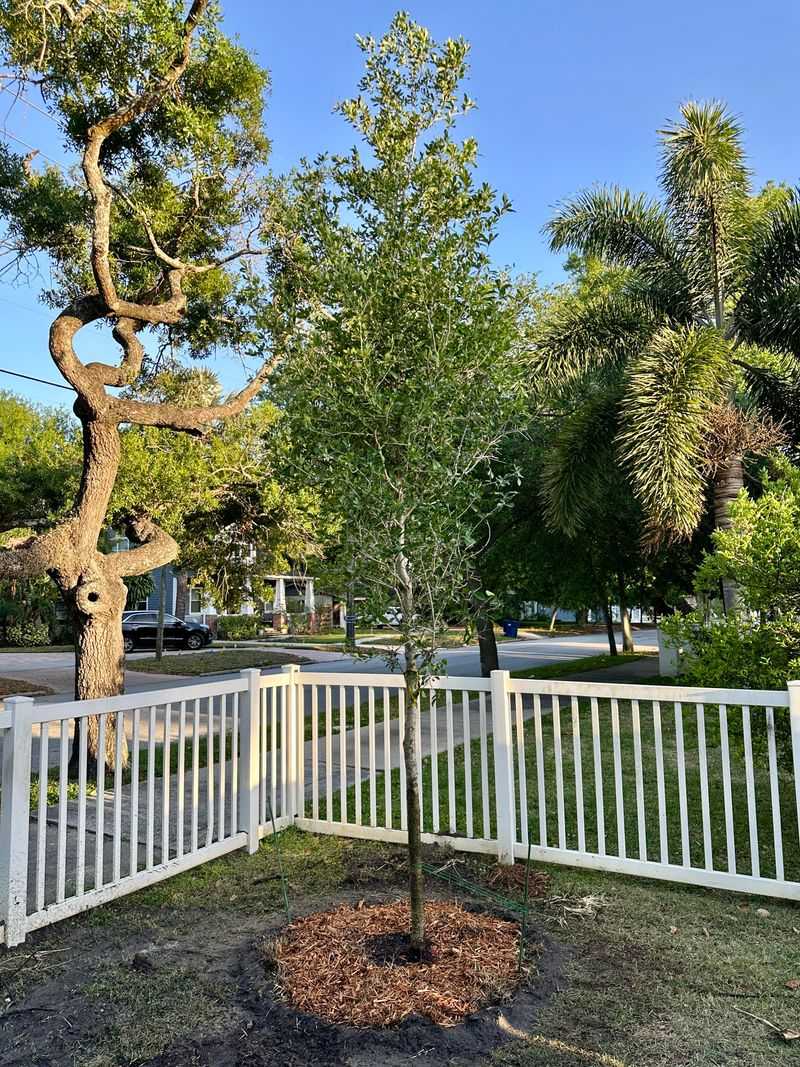
Nobody wants to plant a fresh sapling and then watch a tropical storm whip it around. Timing your planting with the weather calendar is a smart move.
Hurricane season officially runs from June through November. Still, the busiest stretch usually peaks in August and September.
Once October rolls in, the odds of a major storm start dropping, especially in North and Central Florida.
A newly planted tree has a small root system. It cannot grip the ground the way an older tree can.
Strong winds can tip it over or loosen the soil around it. Planting after the peak gives your tree months of calmer weather to anchor itself before next summer.
Fun fact: trees that grow through a few mild breezes actually build stronger trunks. Gentle swaying tells the tree to thicken its wood, a bit like exercise for your muscles.
Your Florida Garden Changes Every Week. Your Plan Should Too.
Gardening in Florida changes quickly throughout the season. Every Friday you’ll receive a simple weekly plan showing exactly what to plant, prune, fertilize, harvest, and protect so you never miss the right timing.
That is also why many arborists suggest skipping tight stakes when possible. If your tree needs support, use soft straps and loose ties.
Remove them after about six months to a year so the trunk can move and grow tough.
Keep an eye on local forecasts during early October, especially in South Florida, where storms can linger later. If a late system is headed your way, simply wait a week or two before planting.
Patience here can save you a lot of trouble.
3. Less Watering Work For Gardeners In Fall
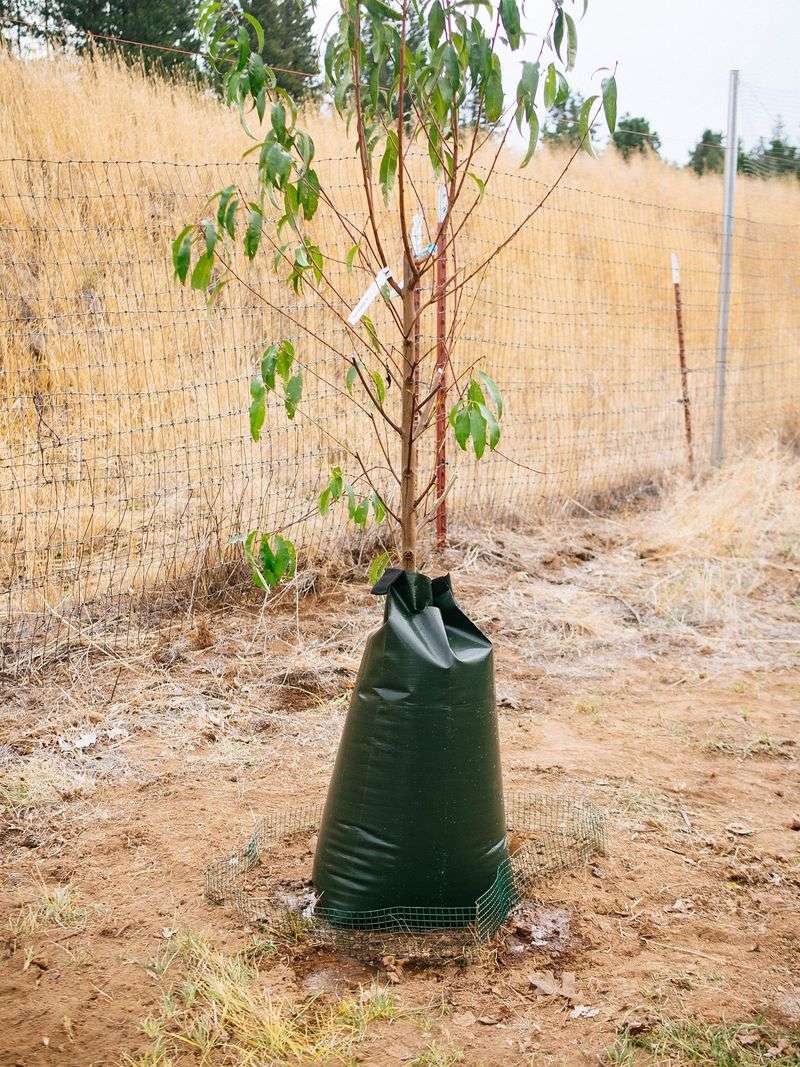
Ask anyone who planted a tree in June how often they dragged out the hose. The answer is usually some version of every single day.
Fall planting changes that story in a big way.
With cooler air, water does not evaporate from the soil as quickly. Leaves also lose less moisture through tiny openings called stomata.
That means your tree holds onto drinks longer, and you spend fewer evenings standing in the yard with a nozzle.
New trees still need regular care, though. A simple plan works well for most Florida yards.
For the first two weeks, water every day. For the next couple of months, water two or three times a week.
After that, slowly stretch the time between waterings.
How much water is enough? A good rule is about one to two gallons for every inch of trunk width.
A small tree with a one inch trunk needs a couple of gallons each time.
Slow-drip watering bags are a handy tool here. You fill them up, zip them around the trunk, and they release water over several hours.
The soil soaks it in deeply instead of letting it run off.
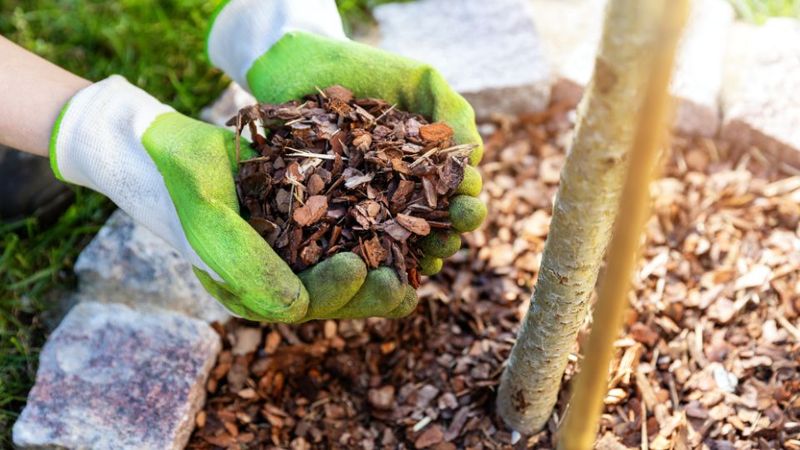
Add a ring of mulch about two to three inches thick around the tree. Keep it a few inches away from the trunk, though, so the bark stays dry and healthy.
4. Live Oak Is A Classic Shade Giant
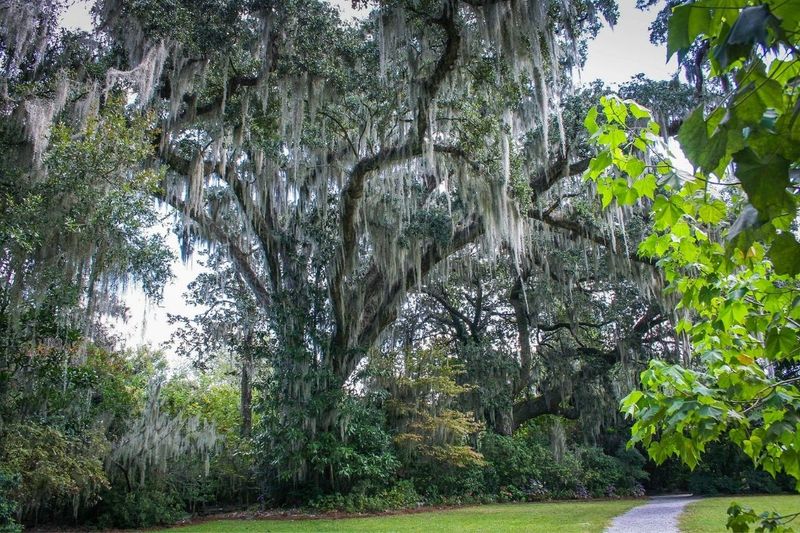
Some trees feel like they belong in old postcards, and the live oak is one of them. Its long, sweeping branches can stretch wider than the tree is tall.
Live oaks grow naturally all across Florida. They handle sandy soil, salty breezes, and heat with impressive toughness.
After big storms, researchers have found that live oaks are among the trees most likely to stay standing. Their low, spreading shape and strong wood help them resist wind.
Here is a cool bit of history. Live oak wood is so dense that it was used to build the USS Constitution, a famous navy ship.
Cannonballs reportedly bounced off its sides, earning it the nickname Old Ironsides.
Before you plant one, think about space. A grown live oak can reach 60 feet tall and spread 80 feet or more.
Keep it at least 20 feet away from your house, driveway, and sidewalks so roots and branches have room.
Planting a live oak in October gives it a strong start on its long life. These trees can live for hundreds of years, so you are really planting a gift for future families.
Choose a young tree with one straight central trunk. That shape leads to a sturdier structure as it grows.
Prune lightly in the first few years to keep one main leader in charge.
5. Southern Magnolia Brings Charm And Fragrance
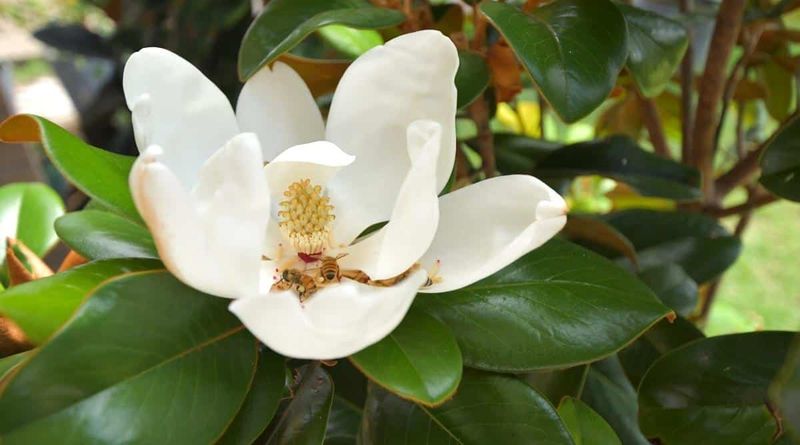
Few scents say Southern summer quite like a magnolia bloom. One flower can be as big as a dinner plate and smell sweet like lemon and vanilla.
The southern magnolia is native to Florida and much of the Southeast. Its thick, shiny leaves stay green all year, so your yard looks lush even in winter.
The underside of each leaf often has a fuzzy, rusty brown color that adds extra interest.
Planting in fall works nicely for magnolias. Their roots are a bit sensitive, so they appreciate a calm season to settle.
Try not to disturb the root ball too much when you set the tree in the ground.
Did you know? Magnolias are some of the oldest flowering plants on Earth.
Fossils show they were around when dinosaurs walked the planet, long before bees existed. Beetles were likely their first pollinators.
These trees prefer rich, slightly acidic soil that drains well. Full sun to part shade suits them best.
Give them plenty of space, since they can reach 60 to 80 feet tall in the right spot.
One small heads up: magnolias drop large leaves throughout the year. Some folks love using them in crafts and holiday decorations.
Others prefer planting a dwarf type like Little Gem, which stays smaller and fits better in tight yards.
6. Red Maple Adds Fall Color
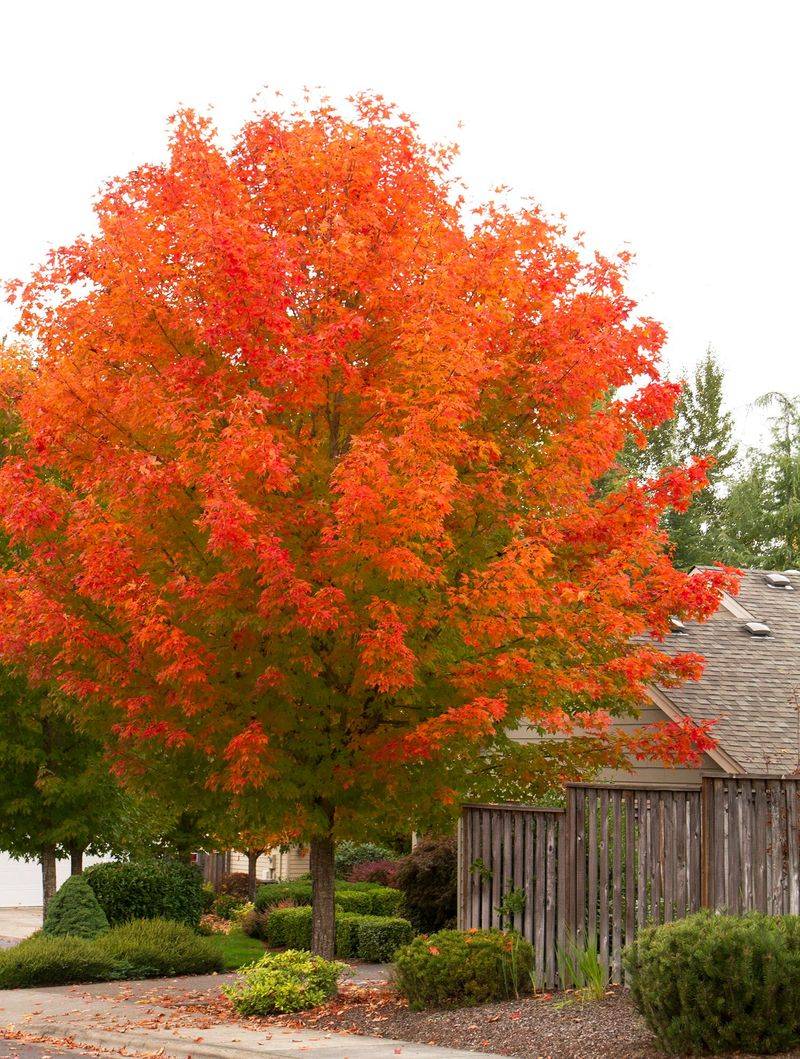
Folks who move here from up north often miss the colorful leaves of autumn. Good news: you can grab a little of that magic right in your own yard.
The red maple grows wild in Florida swamps and wetlands. It earns its name all year long.
In late winter, it shows tiny red flowers. Then come red seed wings, red leaf stems, and in cooler areas, bright red and orange fall leaves.
Since red maples love moisture, they work great near ponds, rain gardens, or low spots that stay damp. They also grow fairly fast, which makes them a favorite for people who want shade sooner rather than later.
Planting one in October lets the roots settle before the tree pushes out those early spring blooms. A strong root system means healthier flowers and fuller leaves.
A friendly warning for pet owners with horses: red maple leaves can make horses sick, especially when wilted. Keep them away from pastures.
For dogs and people, they are not a known problem.
Look for Florida-grown types sold at local nurseries. Trees grown from local seeds tend to handle the heat and soil much better than ones shipped from cooler states.
Ask the nursery staff where the tree came from before you buy. Red maples usually reach 40 to 60 feet, so plan a spot with room overhead.
7. Citrus Trees Make Backyards Taste Better
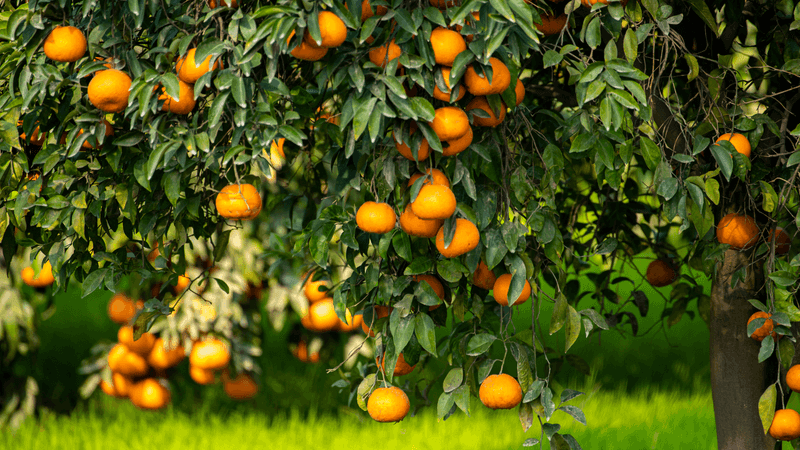
Picking a sun-warm orange right off your own tree feels like a small victory. Kids love it, adults love it, and the flavor beats anything from the store.
Florida is famous for citrus, and for good reason. Oranges, lemons, limes, grapefruit, and tangerines all grow well in much of the state.
Fall is a solid time to plant in Central and South Florida, where frost is rare. In North Florida, waiting until early spring may be safer for cold-sensitive types.
Choose a sunny spot with at least eight hours of light each day. Citrus trees also need soil that drains quickly.
Wet feet can cause root problems, so avoid low areas where rain puddles.
Some easy picks for beginners include Meyer lemons, which handle a bit of cold, and satsuma mandarins, which are sweet and simple to peel. Key limes are a fun choice for pie lovers.
Citrus greening is a serious disease spread by tiny insects. Always buy trees from certified nurseries that sell disease-free stock.
Moving citrus from other areas without permits is not allowed.
Feed young citrus trees with a fertilizer made for citrus several times a year. Watch the leaves for yellowing or spots.
Healthy, glossy leaves usually mean a happy tree and a sweet harvest in a few years.
8. Sabal Palm Shows Off True Florida Pride
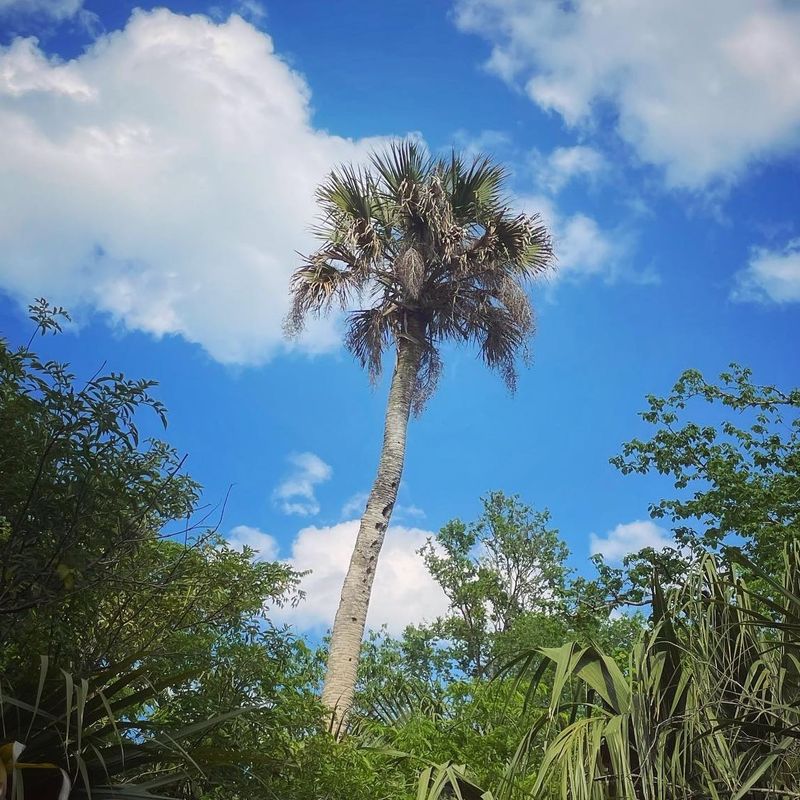
Every state has its symbols, and Florida chose a tough one. The sabal palm, also called the cabbage palm, is the official state tree.
It shows up just about everywhere, from beaches to highways to backyards. That is because it handles salt spray, drought, floods, and strong winds better than many other plants.
If you want low-fuss beauty, this palm fits the bill.
Quick history note: early settlers ate the soft inner bud of the palm, which tastes a bit like cabbage. That is how the nickname started.
Harvesting the bud, though, harms the tree, so it is best left alone today.
Here is something many people find surprising. When you plant a sabal palm, most of its old roots stop working.
The palm grows brand new roots from its base. Warm fall soil helps those fresh roots form quickly.
Nurseries often tie up the fronds or trim them off before planting. That reduces water loss while new roots grow.
Keep the soil moist for the first few months, and you should see fresh green fronds pop out from the center.
Sabal palms grow slowly but steadily, often reaching 40 to 50 feet. Their slim trunks fit nicely in smaller yards where a wide shade tree would not work.
They also give birds and bats a place to rest.
9. Simple October Planting Tips
Great trees start with a few smart choices on planting day. A little planning now saves lots of headaches later.
First, call 811 before you dig. The service is free, and workers will mark underground pipes and cables.
Hitting a gas or power line is a mistake nobody wants to make.
Next, match the tree to your spot. Look up to check for power lines, and look around for buildings and pools.
A tree that fits its space grows healthier and needs less trimming.
Pick your tree carefully at the nursery. Healthy leaves, a straight trunk, and roots that are not circling the pot are good signs.
Smaller trees often settle in faster than big ones, and they cost less too.
Skip heavy fertilizer right away. New trees need time to grow roots first, and too much food can push leafy growth the roots cannot support.
Wait a few months before feeding.
Mulch is your best friend in Florida yards. Pine bark or pine straw keeps soil moist, blocks weeds, and breaks down to feed the ground over time.
Finally, think about using native trees when you can. They support local birds, bees, and butterflies.
A few well-chosen trees planted this October can turn your yard into a cool, shady, lively place for years to come.