10 Easiest Privacy Plants to Grow in Arizona
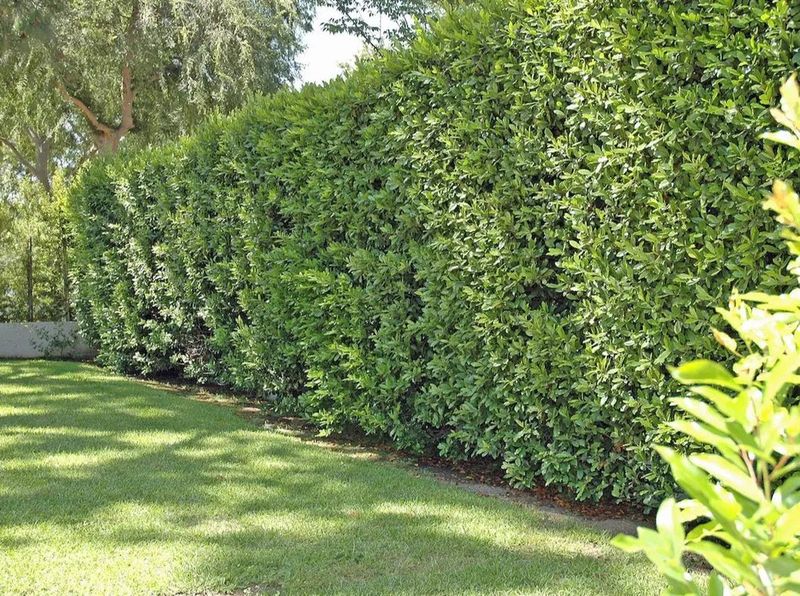
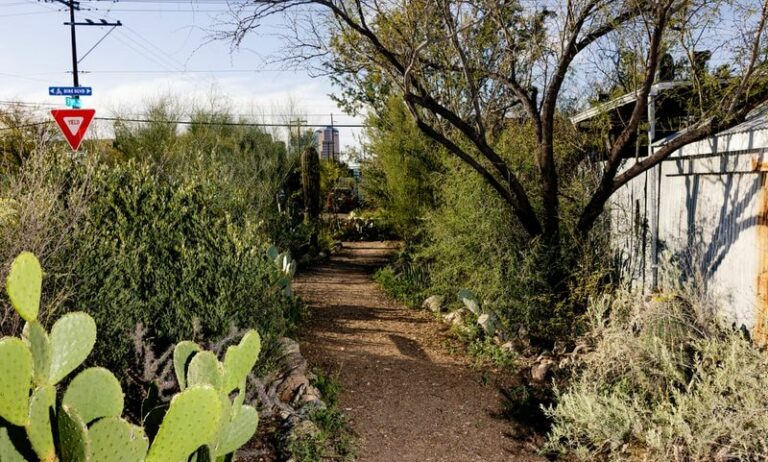
Nosy neighbors, a busy street, or a bare block wall can make your backyard feel less like a retreat. The good news is that Arizona has plenty of tough plants that grow into living screens without drinking your water bill dry.
Many of them also shade hot walls, feed pollinators, and give birds a safe place to hide. Here are ten easy picks that can handle 110 degree summers, caliche soil, and very little fuss.
1. Arizona Rosewood
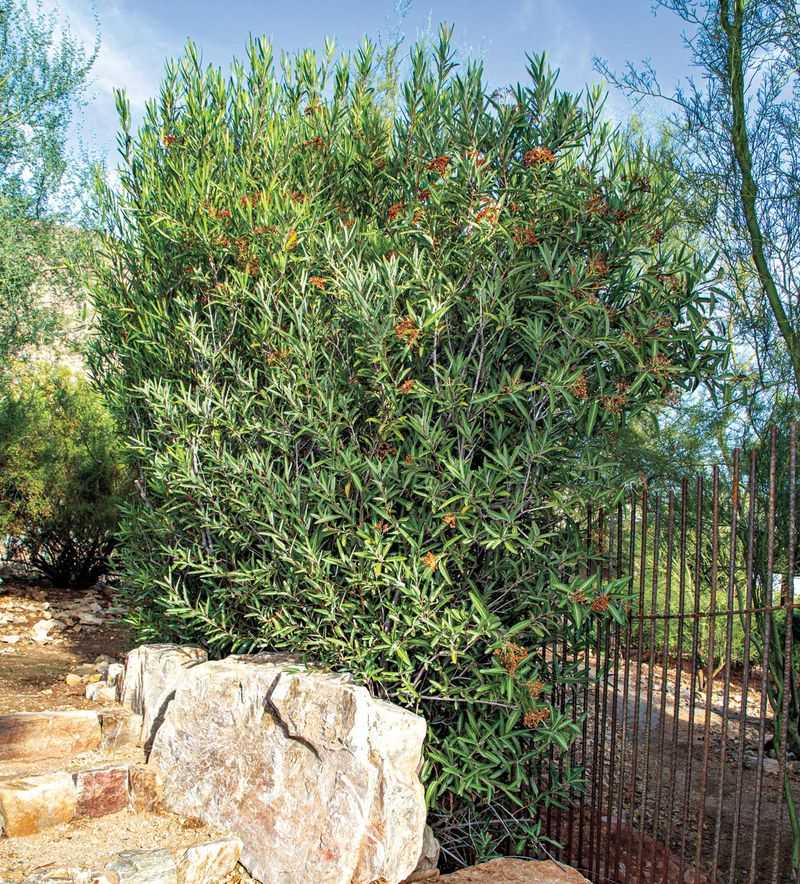
Picture a hedge that looks like it belongs in a lush garden but was born in Arizona’s rocky canyons. Arizona Rosewood pulls off that trick with glossy, dark green leaves that stay put all year long.
Growing 10 to 20 feet tall and 10 to 15 feet wide, it fills in as a thick wall of foliage that blocks views from second-story windows. Growth is slow to moderate, so patience pays off, but you get a screen that rarely needs shaping.
It shrugs off full sun, reflected heat, and even stubborn caliche soil once its roots settle in.
Spring brings clusters of small white flowers with a light scent. Native bees and butterflies may show up to visit, and the dense branches give songbirds a sheltered spot for nesting.
That makes your privacy line double as a small wildlife refuge.
Plant it in fall, from October through November, so roots can grow during the mild months before summer arrives. Water deeply every week or two the first year, then taper off.
After that, an occasional soak during long dry spells keeps it happy. Cleanup is minimal, and it drops very little litter onto patios or pools.
2. Texas Sage
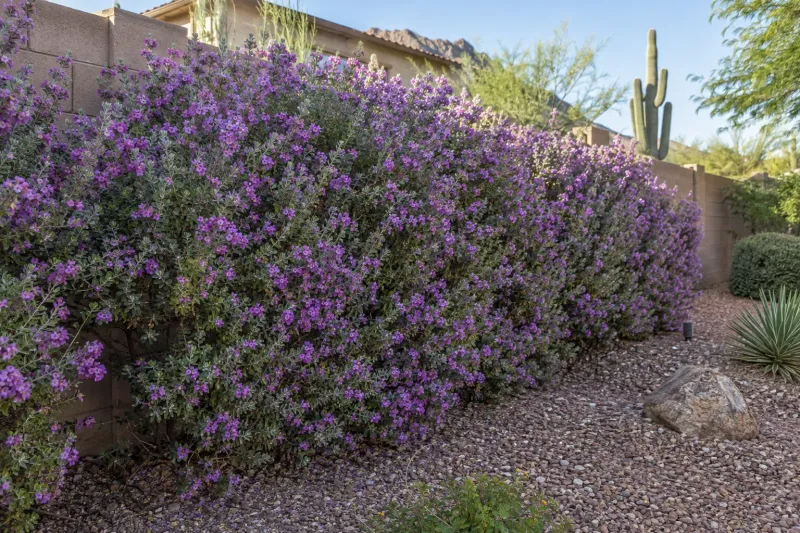
Ever notice how certain Arizona shrubs burst into purple right after a summer storm? Locals sometimes call Texas Sage the barometer bush because it seems to predict rain, flowering when humidity climbs during monsoon season.
Native to Texas and northern Mexico, it feels right at home in the low desert. Expect a mound of silvery gray leaves that reaches about 5 to 8 feet tall and wide.
Line several along a fence and you get a soft, light-colored screen that reflects sunlight instead of soaking it up.
Those purple or lavender blooms are a magnet for bees and butterflies. A single row can turn a plain property line into a busy pollinator stop several times a year.
It also handles alkaline soil and blazing afternoon sun without complaint.
The biggest mistake people make is overdoing it. Too much water or frequent shearing into tight boxes can reduce flowering and weaken the plant.
Give it good drainage, full sun, and only occasional deep watering once established. Light, natural pruning in late winter keeps it full.
Fall or early spring planting gives roots time to grow before heat sets in, and after that, it practically takes care of itself.
3. Jojoba
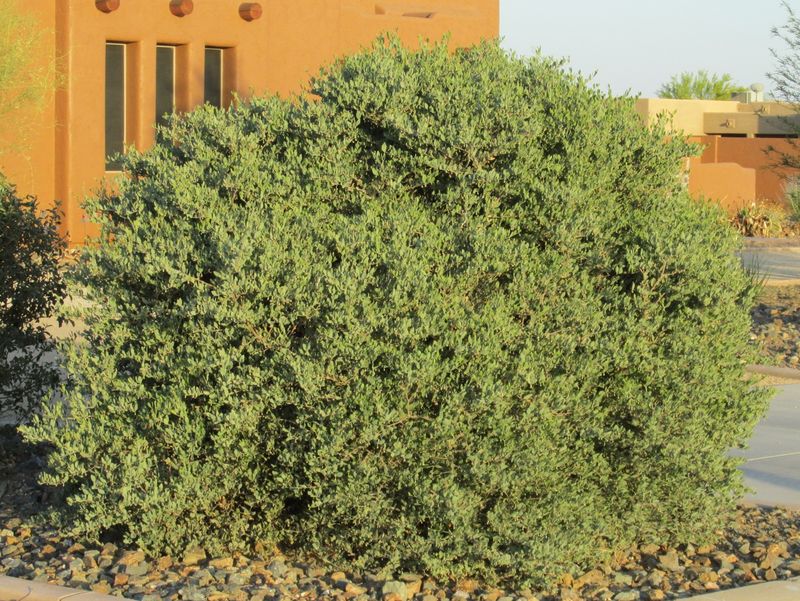
Long before anyone bottled jojoba oil for shampoo, this shrub was quietly thriving across the Sonoran Desert on almost nothing. Some established plants survive on rainfall alone, which makes jojoba one of the thriftiest privacy choices you can make.
Your Arizona Garden Changes Every Week. Your Plan Should Too.
Gardening in Arizona changes quickly throughout the season. Every Friday you’ll receive a simple weekly plan showing exactly what to plant, prune, fertilize, harvest, and protect so you never miss the right timing.
Leathery gray-green leaves stand upright, tilting their edges toward the sun to reduce heat stress. Over time, the plant forms a dense, rounded mound about 4 to 8 feet tall and wide.
That size works nicely for screening a patio, hiding utility boxes, or blocking the view from a sidewalk.
Yes, it grows slowly, often 6 to 12 inches each year. Think of it as an investment rather than an instant fix.
In return, you get a shrub that handles sandy, rocky, or caliche ground and laughs at reflected heat from block walls.
Wildlife appreciates it too. Quail, rabbits, and small birds often use jojoba for cover and forage, so your yard can feel more like a natural desert edge.
Plant in fall, water regularly the first year, then step back. Overwatering is the real danger here.
Fun fact: female plants produce the seeds that hold the famous oil.
4. Hopseed Bush
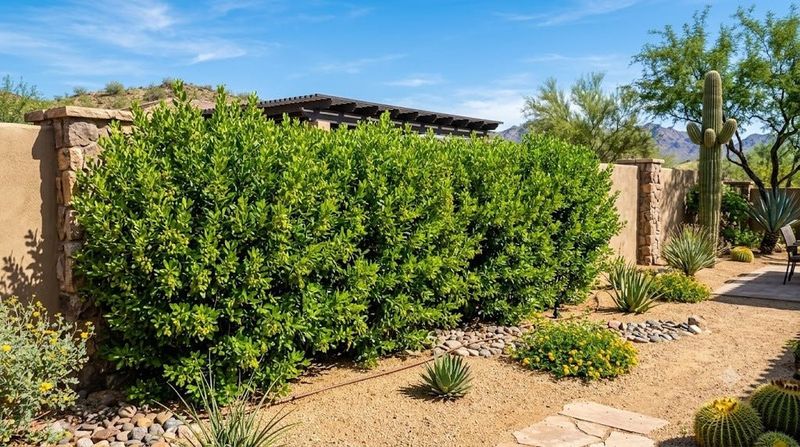
Need privacy before next summer’s pool parties? Hopseed Bush is the sprinter of this list, adding roughly 2 to 3 feet a year once it gets going.
Its narrow, bright green leaves create a soft, feathery look that feels cooler than many desert shrubs. Mature plants reach 8 to 15 feet tall and 6 to 10 feet wide, enough to block views into a backyard from neighboring yards.
Plant them about 5 or 6 feet apart for a seamless hedge.
Pool owners love it for another reason. The root system is not known for being aggressive, so it plays nicely near decks and hardscape.
It also tolerates the intense reflected heat bouncing off water, concrete, and walls, which can scorch fussier plants.
Water needs are low to moderate once established. A deep soak every week or two in summer usually does the trick, with much less in winter.
You can leave it natural and airy or trim it into a more formal shape. The papery seed capsules that give it its name add a touch of color in late spring.
Plant in fall or early spring. Within a couple of seasons, you may forget the neighbors ever had a view.
5. Feathery Cassia
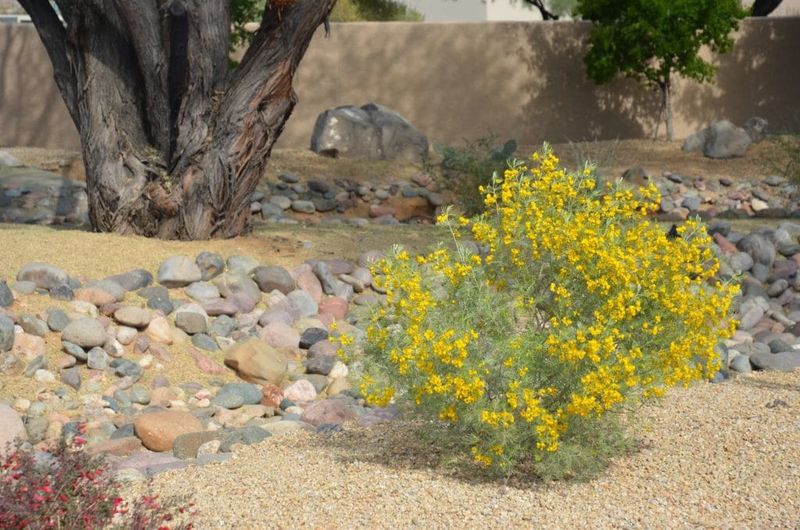
When the rest of the country is shoveling snow, Feathery Cassia lights up Arizona yards with sunny yellow flowers. Blooms appear from late winter into spring, giving you color right when many plants look tired.
Fine, needle-like silver-green leaves create a soft texture that blends beautifully with desert gravel and boulders. The shrub grows fast, about 2 to 3 feet per year, and settles at 4 to 6 feet tall and wide.
That height works for screening a low wall, a side yard, or a front patio.
Bees and butterflies may visit the flowers for early-season food, which helps support pollinators before summer heat arrives. Another perk is how tidy it stays.
Litter is light, so you will not spend weekends raking leaves off your walkway.
Care is refreshingly simple:
Give it full sun and fast-draining soil. Water deeply but rarely once established, since soggy roots cause trouble.
After bloom, a light trim removes seed pods and keeps the shape full.
Plant it in fall so it can settle in before its first big flower show. Pair several with Texas Sage for a mixed screen that blooms in different seasons.
6. Desert Willow
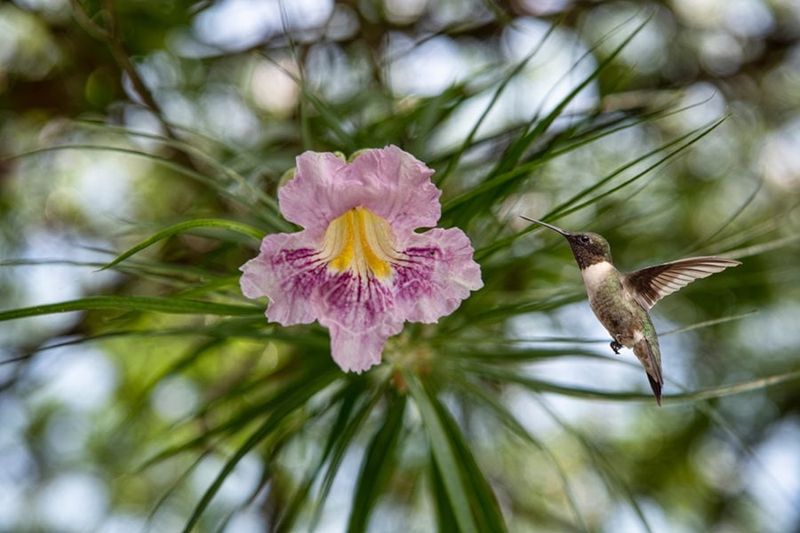
Hummingbirds seem to have a sixth sense for finding Desert Willow. Once those orchid-like trumpet flowers open, you may see tiny visitors zipping in all day long from spring through summer.
Despite the name, this native is not a true willow at all. It earned the nickname from its long, slender leaves.
Growing fast to 15 to 25 feet tall with a multi-trunk shape, it works best as a taller, airy screen that blocks views from upstairs windows while letting breezes through.
Flowers come in pink, purple, burgundy, or white, depending on the variety. Carpenter bees and native bees join the hummingbirds, turning your yard into a lively pollinator spot during the hottest months.
The light canopy also casts dappled shade over patios and west-facing walls.
Here is the honest trade-off: it drops its leaves in winter. If you need year-round screening, mix it with evergreen shrubs underneath.
During the warm season, when you are outside most, the coverage is great.
It handles alkaline soil, extreme heat, and low water once established. Plant in fall or early spring, water deeply while young, and enjoy one of the most rewarding native trees in Arizona.
7. Arizona Cypress
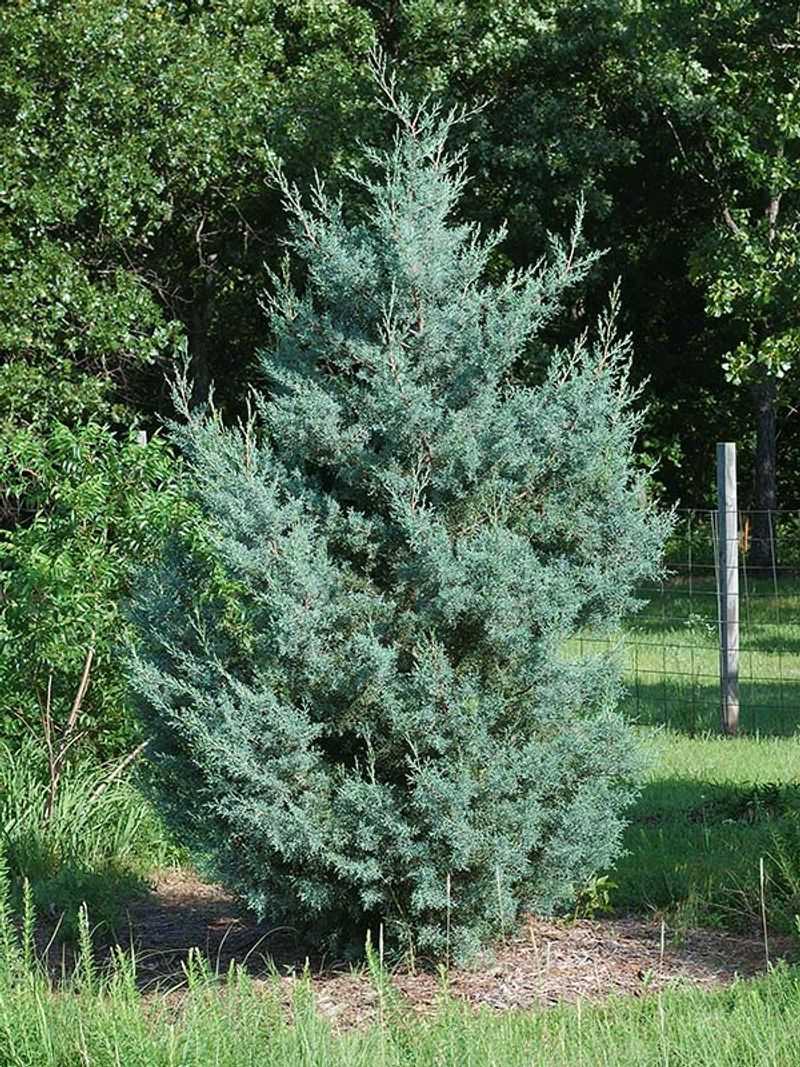
Some yards need more than a hedge. They need a living wall.
Arizona Cypress delivers exactly that with dense, silver-blue foliage that can soar 20 to 30 feet tall.
As a native evergreen conifer, it brings a cool, almost mountain-forest feel to the desert. Growth runs moderate to fast, often 2 to 3 feet each year, so a row planted now can block a two-story view within a few seasons.
Its upright shape keeps it from sprawling too wide.
Wind is another enemy it handles well. Planted in a line, these trees act as a natural windbreak against dust storms that roll through during monsoon season.
Birds also tuck into the thick branches for shelter from heat and predators.
A few tips help it thrive in the low desert. Space trees 8 to 10 feet apart so air can move between them.
Water deeply and slowly, soaking the root zone instead of sprinkling the surface, especially during the first two summers. Once established, it gets by on modest water.
Plant in fall when temperatures cool. Fun fact: the bark on mature trees peels in thin, reddish strips, adding winter interest.
8. Mastic Tree
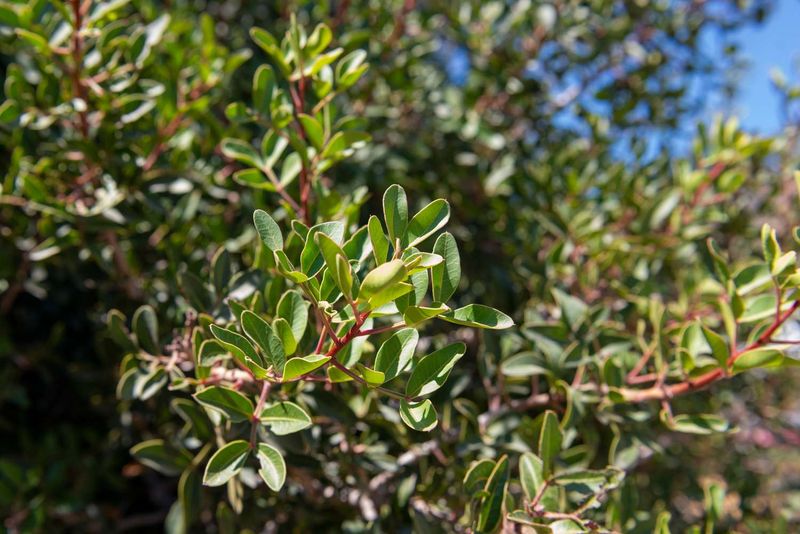
A two-story house next door can make even the tallest fence feel useless. That is where Mastic Tree shines, offering a broad, dense evergreen canopy that blocks those high sight lines.
Originally from the Mediterranean, it has proven itself as a reliable performer in Phoenix and Tucson landscapes. Expect a mature size of roughly 15 to 25 feet tall and an impressive 20 to 30 feet wide.
That spreading crown creates generous shade, which can help cool a patio or west-facing wall during brutal summer afternoons.
Growth is on the slower side, but the payoff is a sturdy, long-lived tree that stays green all year. It tolerates drought once established and handles intense heat without looking stressed.
Many homeowners grow it as a multi-trunk specimen for a fuller, more natural look.
Give it plenty of room, since that wide canopy needs space to stretch. Full sun and well-drained soil keep it healthy.
Deep, infrequent watering encourages roots to grow down instead of staying near the surface.
Plant in fall or early spring. Did you know?
The resin from this tree has been harvested for centuries and was once used as a natural chewing gum.
9. Carolina Cherry Laurel
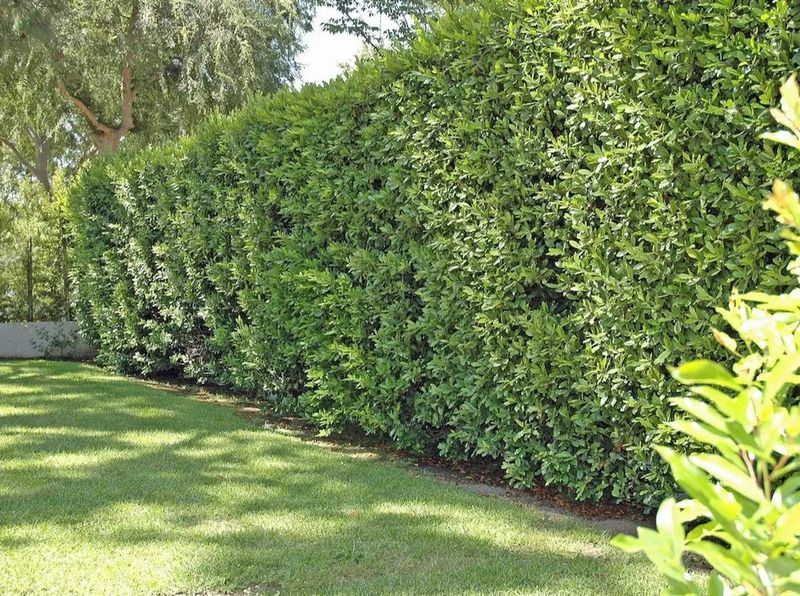
Love the look of a crisp, formal hedge? Carolina Cherry Laurel gives you that polished style with glossy, bright green leaves that take well to shaping.
Reaching 12 to 18 feet tall, it forms a thick screen that blocks views year-round. Unlike most picks on this list, it is not a desert native, so placement matters more.
In the low desert, it performs best with some afternoon shade, such as along an east-facing wall, and a bit more water than true desert plants.
That extra attention brings real rewards. Fragrant creamy-white flowers in early spring may attract bees and butterflies.
Later, small dark berries draw mockingbirds, finches, and other birds into the yard, adding movement and song.
To keep it thriving, mulch the root zone to hold moisture and keep soil cooler. Drip irrigation works well, with deeper watering during June through September.
Avoid planting in spots with brutal reflected heat from pavement.
Plant in fall so roots grow strong before summer. Trim lightly after flowering to keep a tidy shape.
If you want a classic garden hedge that still handles Arizona wind and heat with smart siting, this is your best option.
10. Desert Hackberry
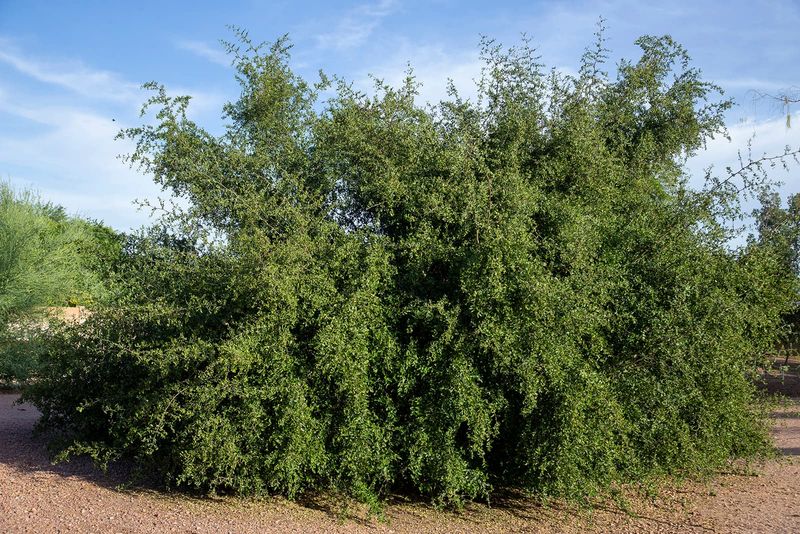
If your dream yard buzzes with birds, Desert Hackberry might be the hardest-working plant you can grow. Quail, cactus wrens, thrashers, and even roadrunners often use its tangled branches for shelter.
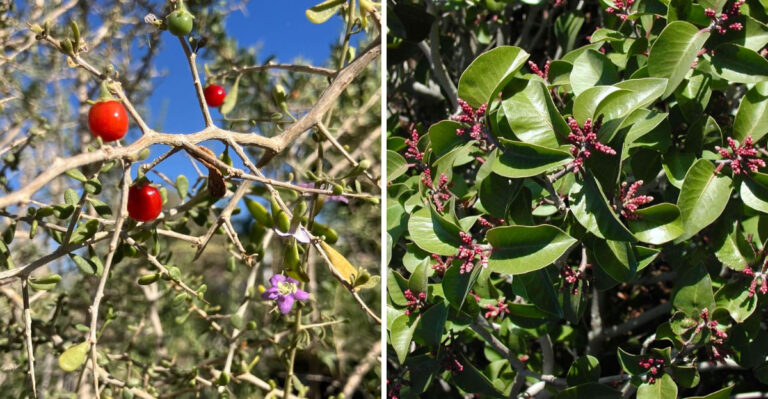
This native shrub reaches about 10 to 15 feet tall and wide, building a dense, slightly thorny thicket. Those spines are a bonus for privacy, since they discourage people and pets from cutting through.
Small, bright orange berries ripen in fall and feed many bird species.
Roadrunners deserve a special mention. These speedy desert birds hunt lizards, insects, and sometimes scorpions, so welcoming them with good cover may help make your yard less inviting to unwanted critters.
Results vary, of course, but a habitat-rich yard tends to support more natural predators.
Care could not be simpler. Desert Hackberry loves full sun, tolerates poor soil and extreme heat, and needs very little water once established.
Small greenish flowers in spring also attract pollinators.
Plant it in fall along a back property line or wash area where its wild shape can shine. Give it a couple of years, and you will have a screen that feels like a slice of the open desert.