Foothill Palo Verde: A Low-Water Arizona Native Shade Tree Once Established
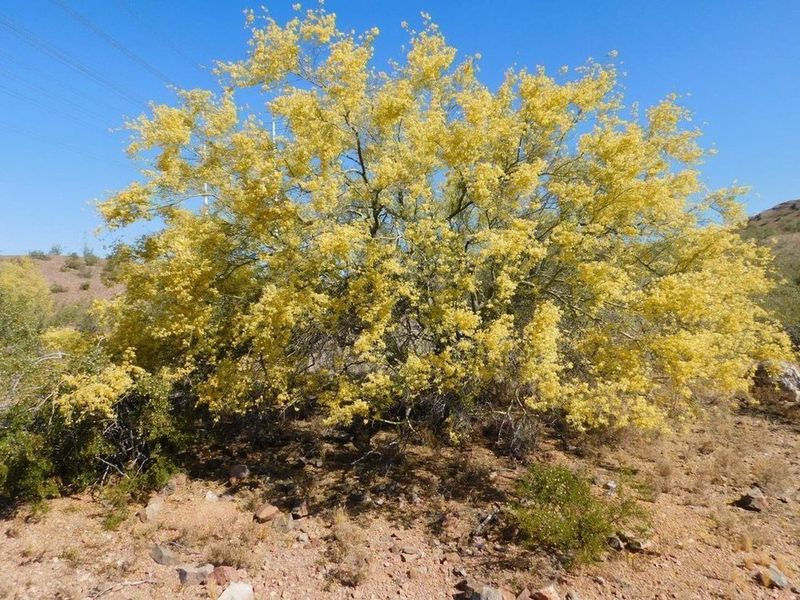
A tree that shrugs off a low-desert summer sounds like a dream, and the Foothill palo verde comes close. This Sonoran Desert native can need little extra irrigation once its roots settle in.
But low-water and no-water are not the same thing, and the first few years matter a lot. Here is how to plant it, water it, and set realistic expectations in a hot, hardpan-prone yard.
Foothill palo verde is a low-water native choice
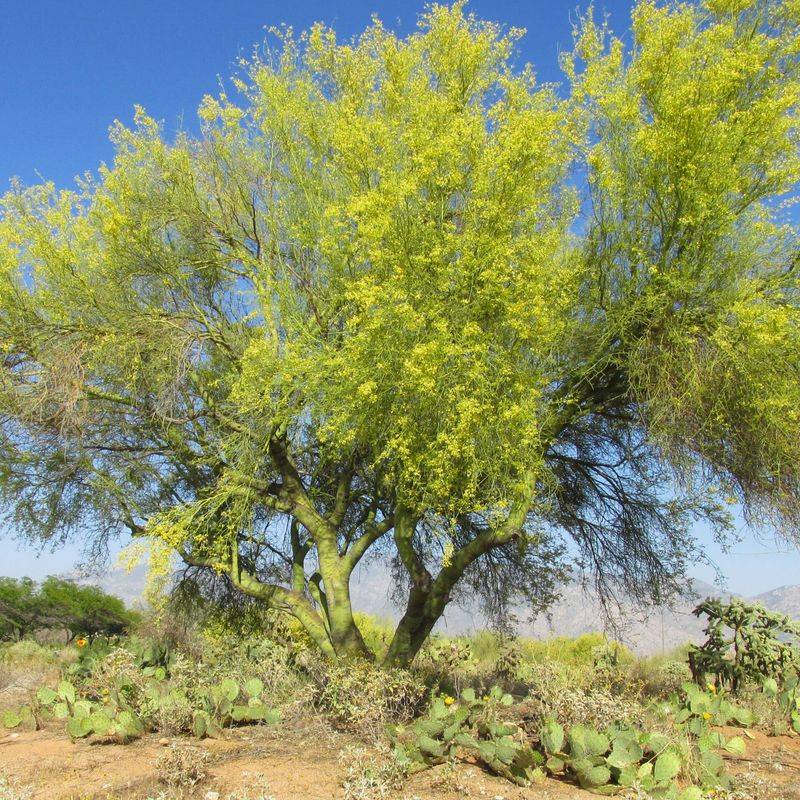
Meet Foothill palo verde (Parkinsonia microphylla), a Sonoran Desert native that typically reaches about 10 to 20 feet tall and wide, according to University of Arizona Extension guidance. That modest size makes it a handy fit for many residential yards.
It likes well-drained soil, and it does not handle frequent irrigation or lawn conditions well. If your sprinklers run every other day to keep turf green, this is the wrong spot for it.
Palo verde is also a name that covers several species and hybrids, and they are not interchangeable. Blue palo verde (Parkinsonia florida), for example, can benefit from an extra irrigation or two during the hot, dry season, while Foothill palo verde is less tolerant of frequent watering.
Check the plant tag for the species name before you buy, and do not assume advice written for one palo verde fits another.
Used in the right place, Foothill palo verde can be a low-water backbone for a desert yard.
Young trees need regular, deep watering
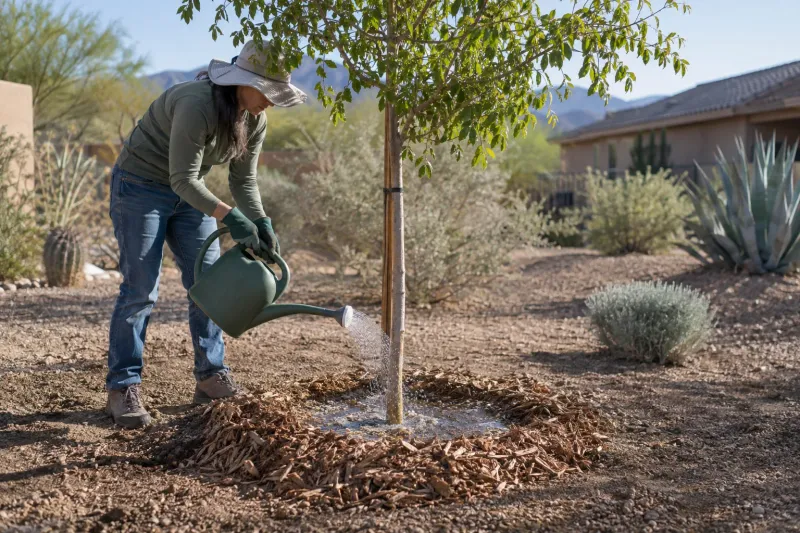
Plan on roughly two to three years for a landscape tree to establish, though that is a rough guide and not a promise. Guidance such as this Extension plant list treats establishment as a period of regular supplemental water.
During those years, water deeply, not in quick sprinkles. A slow soak pushes moisture down where roots can follow it, and a shallow splash mostly wets the surface and evaporates.
How often you water depends on heat, soil, rainfall, and how the tree looks. A sapling baking in July on sandy soil will want more attention than one planted in cool weather in heavier ground.
Local schedules, like those from the Arizona Municipal Water Users Association, give a useful starting point for the Phoenix area.
Watch for stress signs such as wilting, leaf drop beyond the normal seasonal pattern, or dry soil several inches down. Adjust from there, and stay on the schedule until the tree is clearly settled in.
Established trees need deep, spaced watering
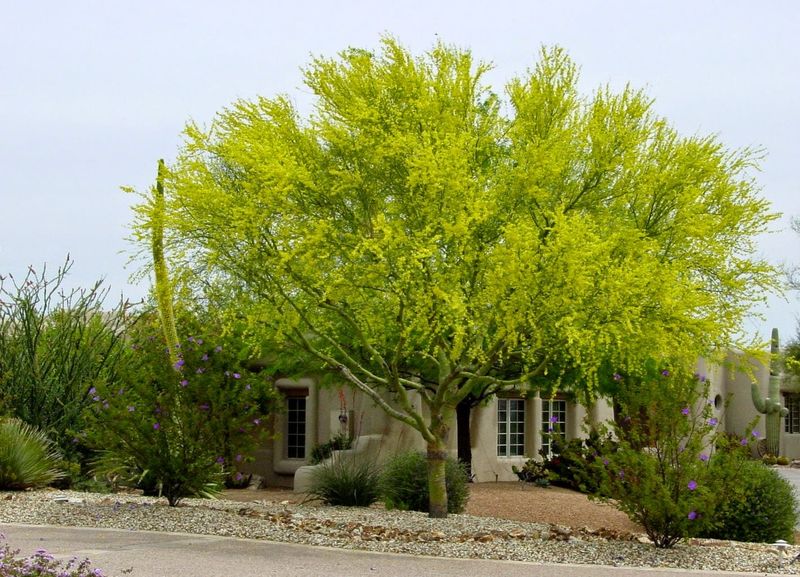
Once your tree has settled in, the goal shifts to deep, infrequent soakings with long gaps between them. Short, frequent sprinklings are the habit to drop, since Foothill palo verde does not tolerate frequent irrigation well, as noted in Extension palo verde guidance.
Where you put the water matters as much as when. Apply it across the root zone and out toward the edge of the canopy, not just at the trunk.
Roots reach well past the base, and constant moisture right against the trunk is no help.
Your Arizona Garden Changes Every Week. Your Plan Should Too.
Gardening in Arizona changes quickly throughout the season. Every Friday you’ll receive a simple weekly plan showing exactly what to plant, prune, fertilize, harvest, and protect so you never miss the right timing.
Before watering again, check the soil. Push a long screwdriver or soil probe down and see if it still feels damp.
Extension advice on plant responses to drought and heat also supports using soil moisture to guide timing.
Keep this tree off the lawn sprinkler zone. If turf shares its space, move the tree or the irrigation lines.
Rainfall may not carry the tree through every drought
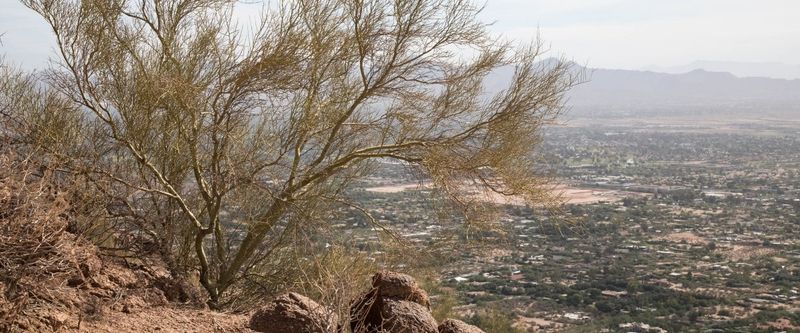
Established desert-adapted plants may get by on rainfall in some conditions, with occasional extra water during extended dry periods, as described in this Extension plant list. That is low supplemental water, not zero water.
Long droughts can stress Foothill palo verde, and the tree may shed branches, according to University of Arizona guidance. Surviving on rain is also different from growing fast or holding a full, handsome canopy.
If yours looks sparse after a dry spell, a deep soaking may help.
You may come across irrigation research on landscape trees. One University of Arizona study included a thornless palo verde hybrid, not native Foothill palo verde, and only simulated shutting off irrigation after establishment.
It does not show that a native tree in any yard needs no water.
Your yard counts too. Extension advice on rainwater harvesting notes that hardscape can keep rain from reaching roots.
Choose a site with room and reliable drainage
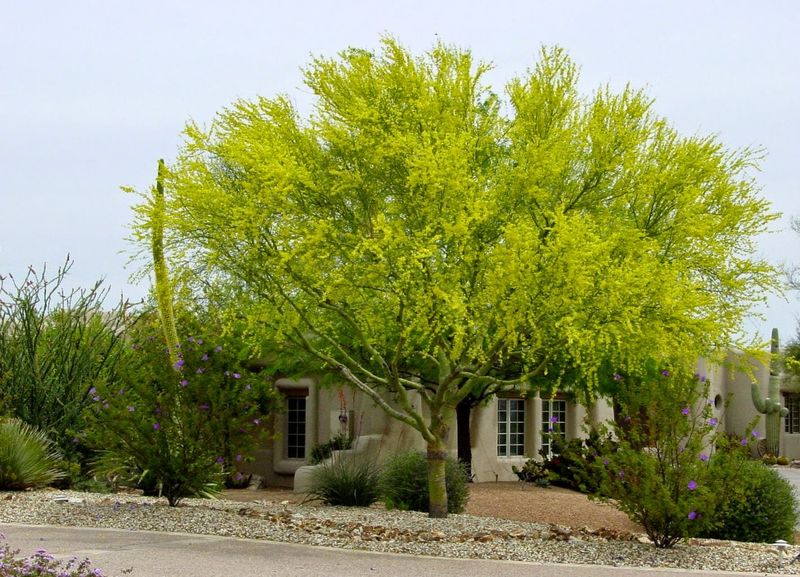
Late fall is a useful planting window for many desert-adapted plants, since roots can grow in mild weather before summer heat arrives. It will not suit every site, so judge your own yard.
Test drainage first. Dig a hole, fill it with water, and see how long it takes to empty.
University of Arizona guidance on desert-adapted plants says water should drain within 12 to 24 hours. That is their guideline, not a universal rule.
If water sits, you may have caliche or hardpan, a cement-like layer common in low-desert soil. Break through it where needed, or pick another spot.
Then think about size. Leave space for the full 10 to 20 foot spread, and keep the tree away from walkways, since spiny branches and fallen pods can be a nuisance.
Extension advice on choosing the right plants backs matching plants to the space they will fill.
Flowers and pods support wildlife, not pest-control claims
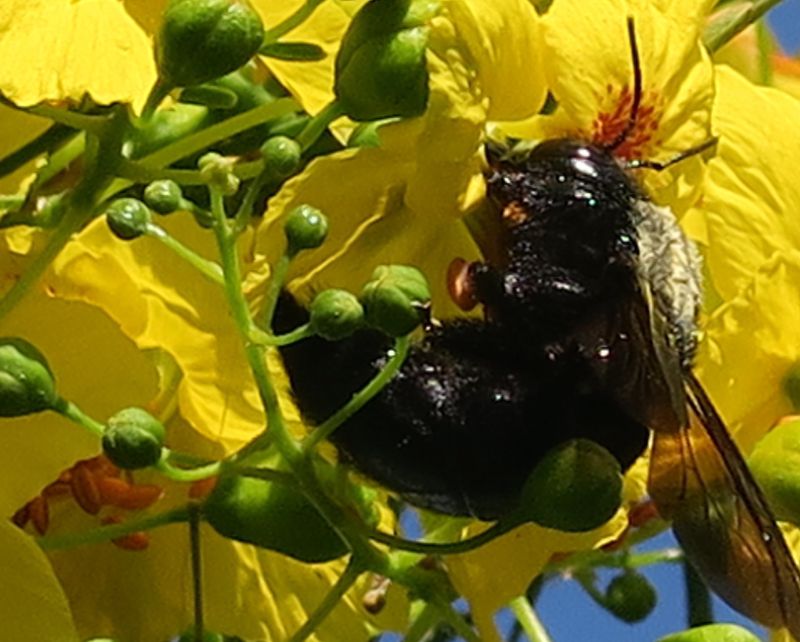
In spring, the yellow blooms offer nectar, and wildlife use the pods, as described in Extension guidance on palo verde. Pollinators such as bees may visit, though no tree can guarantee who shows up.
Foothill palo verde is also described as a nurse plant for cacti, meaning its canopy can shelter young cacti growing beneath it. The Arizona Native Plant Society mentions this role in restoration work.
Now the limit. These are habitat benefits.
Nothing reviewed shows that palo verde repels or reduces scorpions, mosquitoes, or ticks, so do not plant one expecting pest control.
Think of it as a yard that offers food and shelter to desert life, with results that depend on your neighborhood and surroundings.
Low-water does not mean maintenance-free
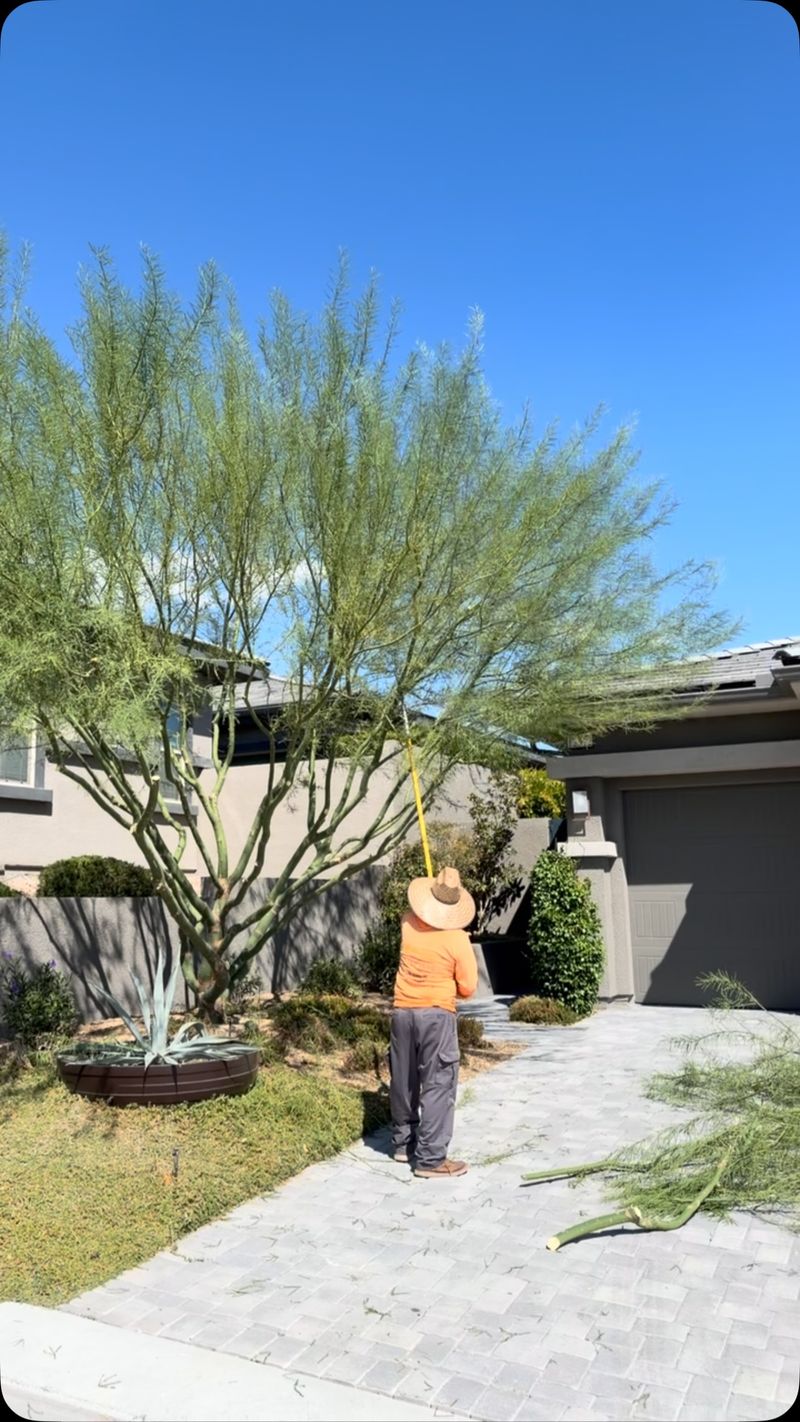
A well-sited, established Foothill palo verde may need little supplemental irrigation, not none. Expect to remove dry branches and sweep up pods now and then.
Give it steady, deep watering through the early years, and plan an occasional deep soak when dry periods drag on. A little attention up front buys years of quiet shade.