Why Weeds Pop Up in Arizona Yards After Monsoon Rains
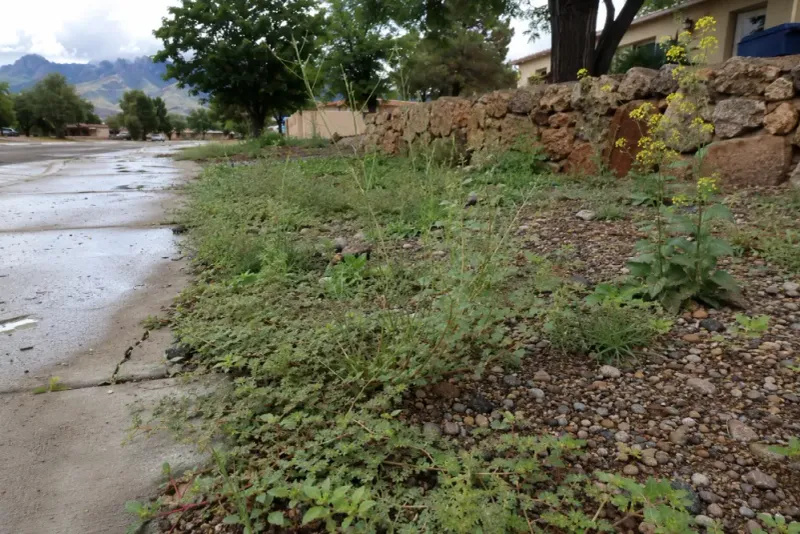
A few storms roll through, and suddenly the gravel, flower beds, and lawn edges look busier than they did last week. Many Phoenix and Tucson homeowners blame the rain, and it does play a part.
But the full story is a little more tangled, and knowing it can save you water, time, and the wrong treatment. Here is how to sort out what is really growing in your yard.
Why monsoon rain can make a yard look greener
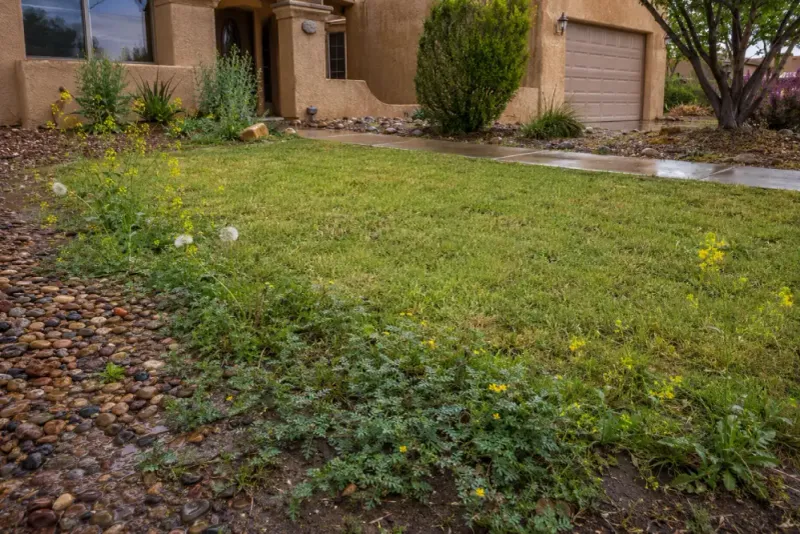
Arizona’s monsoon season runs from June 15 through September 30, and the storms that arrive in that window can set off a seasonal green-up across the desert. Washes, vacant lots, and backyards all pick up color after a good soaking.
Some of that green is welcome, like native wildflowers and grasses. Some of it is not.
Rain matters because it delivers moisture to seeds that have been sitting in the soil, sometimes for a long time. A seed needs water and the right warmth before it sprouts, and a summer storm can supply both at once.
That is why a yard can seem to change overnight, even though the seeds were there all along.
Still, rain is a helper, not a magic switch. A storm does not create a weed problem from nothing, and it does not explain every plant you spot afterward.
Some may have been small and tucked under larger plants, and others may have been getting water from your drip lines. Treat the first rain as a reason to take a closer look, not as proof of what you are seeing.
What a post-rain flush does—and does not—tell you
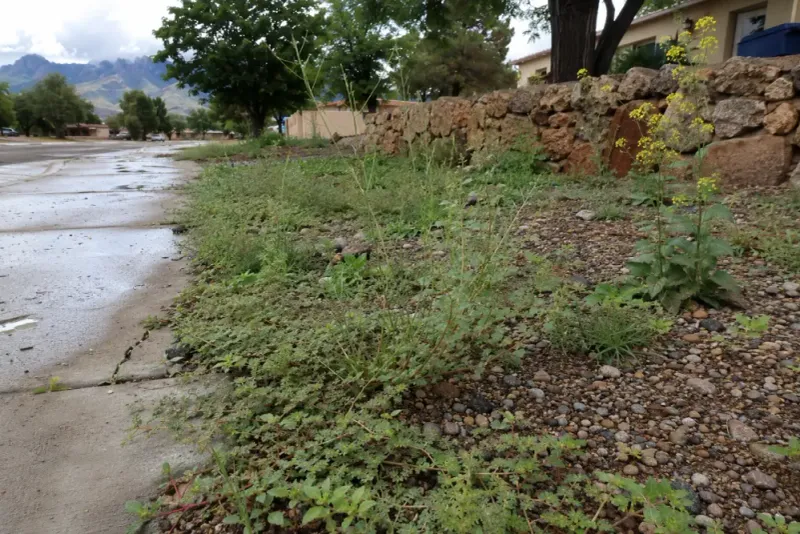
Noticing a plant after a storm is not the same as knowing it sprouted after that storm. Visible growth and germination are two different events.
A seedling can sit small and hidden for days or weeks before it gets big enough to catch your eye.
Germination itself depends on several things working together. Species matters, as do soil moisture, temperature, the condition of the seed, and how deep it is buried.
Seeds of the same weed can even come up at different times, which is why one patch may look uneven, with tiny plants next to large ones. You can read more about this in seed germination guidance for Arizona growers, which stresses that emergence varies.
Other explanations are common too. Irrigation can supply moisture on a schedule that has nothing to do with the sky.
Low-desert weed seasons also overlap, so cool-season plants may linger while summer plants begin, and some weeds persist across both.
A handy clue: size. Plants with a range of sizes, or growing right along a drip line, likely started earlier than the storm.
Some summer weeds grow before and through the monsoon
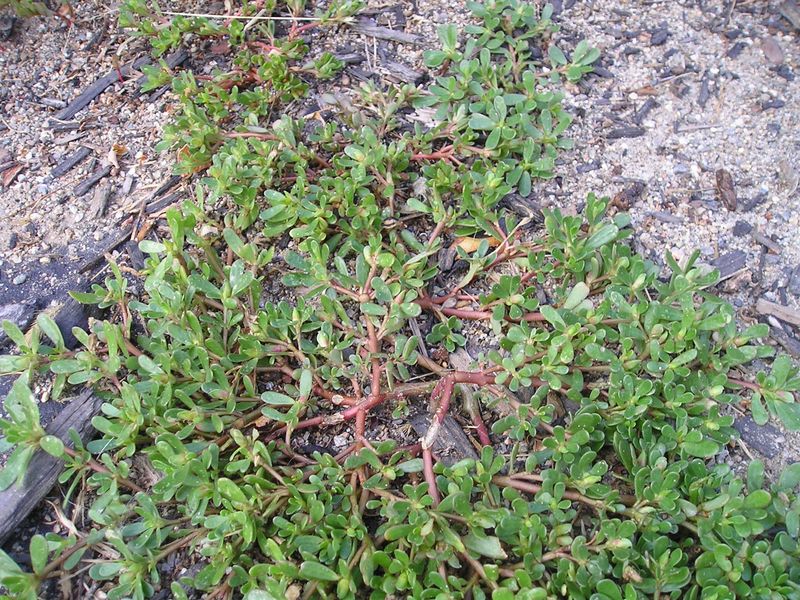
Summer annual weeds do not wait politely for the first thunderstorm. Many begin growing in spring and keep going through the hottest months.
Spurges, purslane, and several summer grasses are common examples in low-desert yards.
Your Arizona Garden Changes Every Week. Your Plan Should Too.
Gardening in Arizona changes quickly throughout the season. Every Friday you’ll receive a simple weekly plan showing exactly what to plant, prune, fertilize, harvest, and protect so you never miss the right timing.
That means a mat of spurge you spot in July may have started back in May, helped along by a sprinkler or a leaky emitter. The monsoon may simply have given it a growth boost, along with a few late arrivals.
Acting early on new growth, before plants flower and drop seed, helps keep the count down.
Checking for fresh seedlings during the monsoon can also help extend control into fall, since a new wave of seed can keep the cycle going. Walk the yard every week or so and look at gravel edges, cracks in pavers, and the bare soil beneath shrubs.
Keep in mind that not every plant you notice after rain belongs to this group. Some will be native wildflowers, some will be perennials, and some will be something else entirely, so look closely before you pull.
Identify the plant before choosing a response
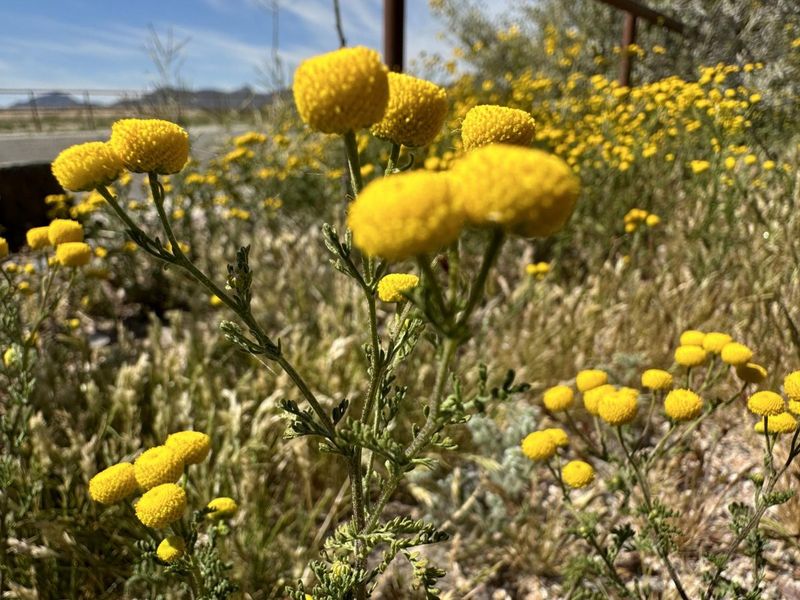
Before you pull, spray, or hoe anything, find out what it is. The right move depends on the plant, and a wrong guess can waste effort or make things worse.
A clear photo and a trusted local identification source go a long way.
One big dividing line is how the plant survives. Annual weeds reproduce by seed, so the goal is to remove them before they set seed.
Perennial weeds can regrow from roots, rhizomes, or other underground parts, so leaving a piece behind may mean the plant returns.
Stinknet is a good example of why a careful look matters. It is a cool-season annual, not a typical monsoon weed, and its seedlings can be mistaken for other plants.
Wear gloves and long sleeves when handling it, and know that a plant carrying seed can scatter it during removal. Spraying dried stinknet does not clear the brush or affect seed on standing plants.
Buffelgrass is another special case. It is an aggressive invader and a fire hazard, and ordinary weed advice is not enough.
It can come back from seed, so plan on repeated monitoring and look up buffelgrass-specific steps.
Match removal to the weed’s growth habit
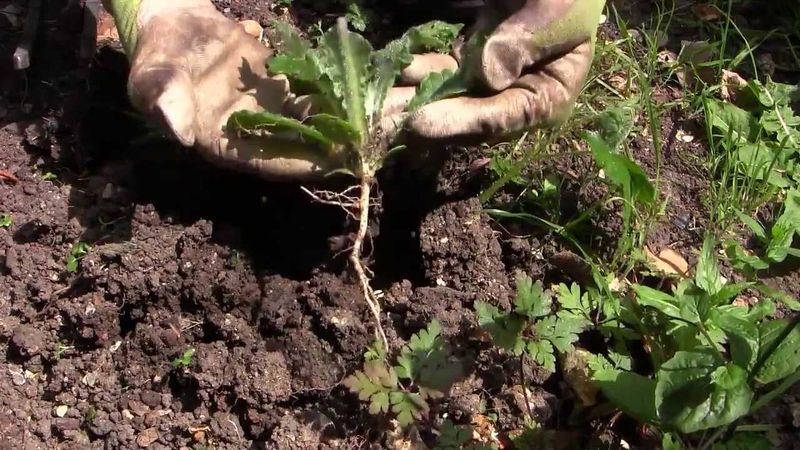
Once you know what you have, removal gets simpler. For annual weeds, timing is the main thing.
Take them out before they set seed, and you cut off the next round before it begins.
Perennials call for a different approach. These weeds can regrow from roots or underground stems, so yanking the top off often leaves the real engine in place.
Digging works better, and moist soil makes that easier, but you have to go deep enough to lift the roots and avoid leaving small pieces that can sprout again.
Moist soil after a storm or a deep irrigation can make some weeds slide out cleanly, which is a nice bonus. It is not a rule, though.
Pulling right after rain is not a dependable method for every species, and a wet tug on a deep-rooted plant may snap it off at the crown.
A practical tip: pull one plant and examine the base. If you see a single thin taproot, you likely have an annual.
If you see thick roots or runners, switch to digging and bag the pieces.
Use pre-emergents only for prevention
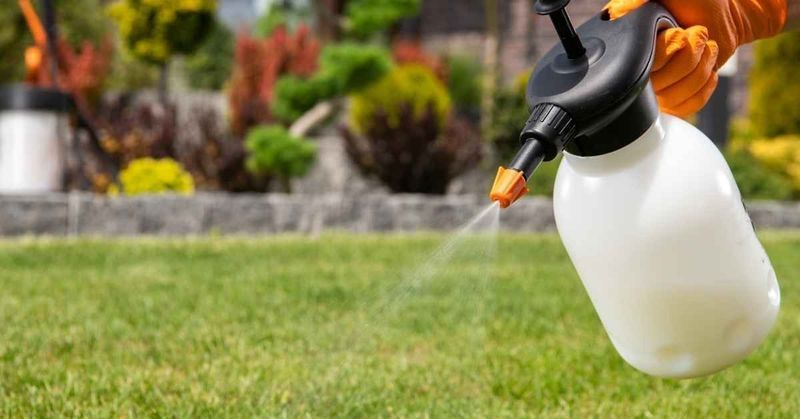
Pre-emergent herbicides work by stopping new weeds from establishing. They are not a fix for plants that are already up and growing.
If you spread one over a bed full of mature weeds, you will still see those weeds next week.
Timing and watering-in are where people get tripped up. Some products need water to activate, others have different requirements, and the best window depends on the weeds you are aiming at.
Arizona turf guidance on spring pre-emergent use makes the point that activation needs vary from product to product.
That is why no single date or watering amount works for every yard. Your label is the final word on when to apply, how much to use, and how much water to add afterward.
Read it before you buy, and check that the weeds you are trying to stop are actually listed.
It also helps to match this tool to the plan. If your issue is a summer annual you identified last year, a preventive product may help you get ahead next season.
If your issue is a perennial already in place, prevention will not solve it.
Reduce open ground with mulch and plant cover
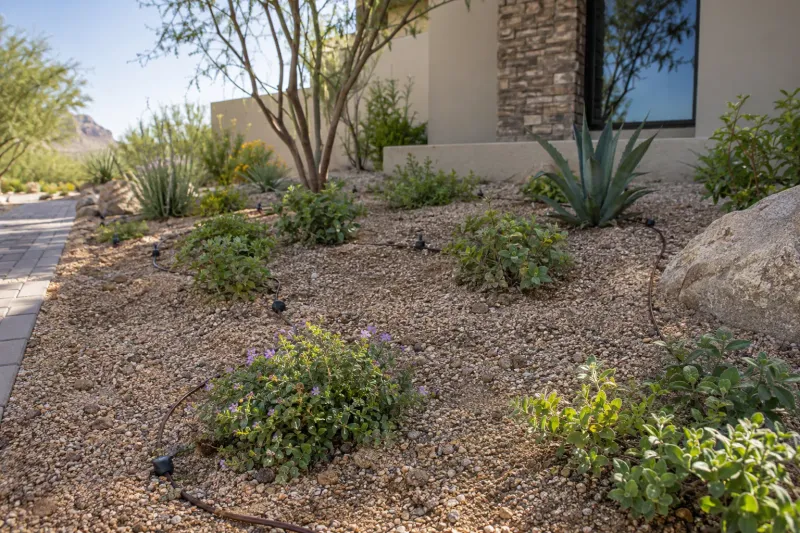
Bare soil is an invitation. Weed seeds that land on open ground have light, space, and moisture waiting for them.
Mulch and healthy plant cover can take some of that space away.
A three-inch layer of mulch can prevent annual weeds, though it does not stop perennial weeds, whose roots and underground parts can push through. So mulch is a helpful layer, not a shield.
You will still want to check beds after rain and pull whatever shows up.
Desirable plants do similar work. Native groundcovers, shrubs, and well-spaced perennials fill gaps that weeds would otherwise take, and desert-adapted choices like desert willow or penstemon can do that without heavy watering.
Competition from established plants can leave less room for new seedlings.
Neither approach guarantees a weed-free yard. Think of them as ways to make the job smaller.
Keep mulch off the trunks of shrubs and trees, refresh thin spots, and watch for weeds that sprout in the mulch itself.
Make careful scouting a post-rain habit
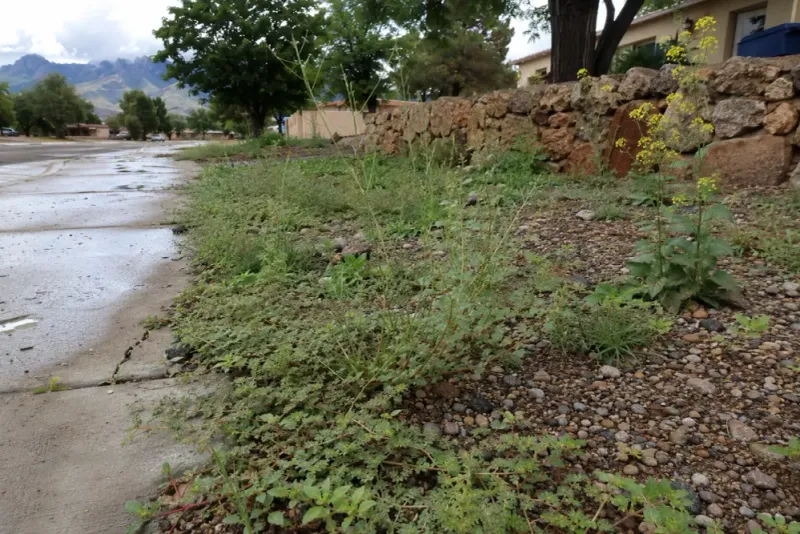
A short walk after each storm or irrigation cycle beats a big cleanup later. Keep the routine simple.
First, look at new growth along drip lines, gravel edges, and bare patches. Second, identify anything unfamiliar before you pull or treat it.
Third, deal with annual weeds before they set seed, since seed is what fuels the next batch.
Remember that the best response depends on the plant. A spurge, a perennial with deep roots, stinknet, and buffelgrass each call for something different.
And no single cleanup or product can promise that nothing will grow back.
Weeds read the weather, but they also read your sprinkler schedule.