Why North Carolina Plants Struggle When Temperatures Plunge From The 80s To Frost
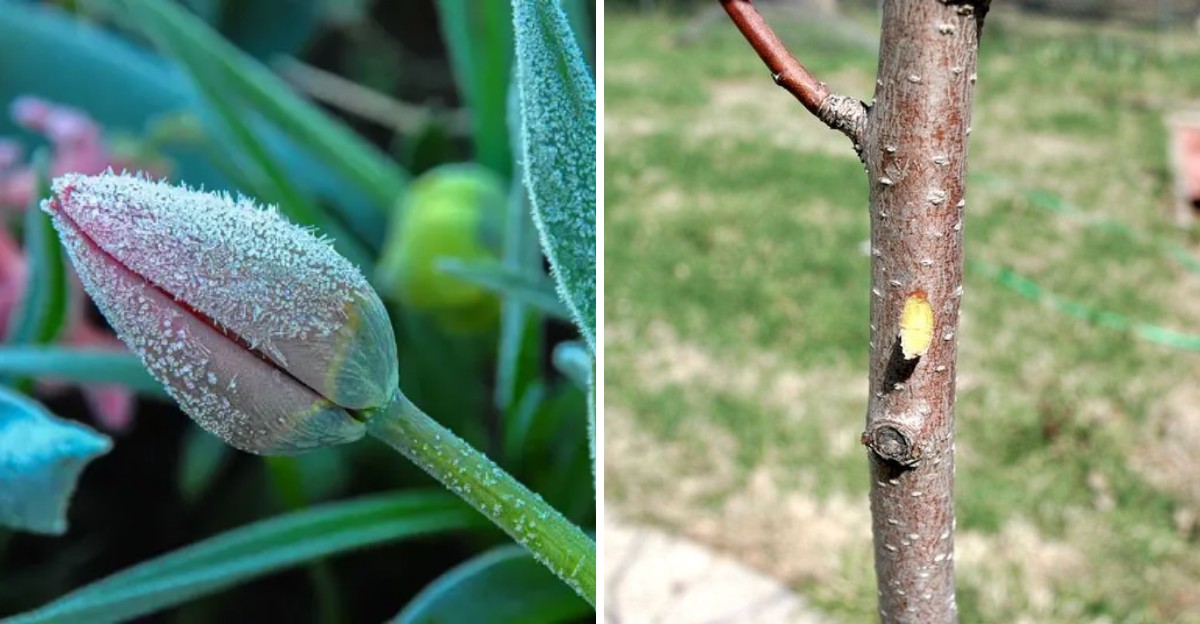
North Carolina weather has a truly remarkable talent for keeping gardeners humble. One afternoon you are sitting on the porch in shorts with a glass of sweet tea, completely at peace with the world.
Forty-eight hours later you are scraping frost off the windshield and questioning every plant decision you made this season. The temperature swings in this state are genuinely something else, and your garden feels every single degree of them.
Leaves that looked absolutely perfect on Monday can be drooping, darkened, and deeply unimpressed by Thursday morning.
Fall and spring are the worst offenders, flipping from summer warmth to icy mornings with almost no warning whatsoever.
But here is the thing: once you understand what is actually happening inside those stems and roots during a rapid temperature drop, protecting your plants gets a whole lot easier and less stressful.
1. Plants Never Get A Chance To Harden Off
Plants are a lot like people adjusting to a new job. They need time to settle in before things get tough.
Gardeners call that slow adjustment hardening off. As days cool little by little, plants move water out of their cells and build up natural sugars.
Those sugars act a bit like antifreeze, helping tissues handle chilly nights.
The trouble starts when North Carolina skips the gradual part. A string of 85-degree days tells shrubs it is still summer, so they keep growing soft and juicy.
Then a cold front rolls in from the west, and frost shows up before the plant has any defense ready.
Soft, water-filled tissue is the most fragile kind. When it freezes, ice crystals form and tear cell walls, much like a soda can splitting in the freezer.
The leaves turn mushy, dark, or crispy within a day or two.
You can help your plants get ready, though. Stop fertilizing with nitrogen by late August, since it pushes tender new growth.
Ease up on watering in early fall unless the ground is truly dry.
Potted plants can be moved into a shaded, sheltered corner for a week before cold weather arrives. That small step gives them a head start on toughening up.
A little patience now saves a lot of disappointment after the first freeze.
2. Fresh Fall Growth Gets Fooled By Warm Spells
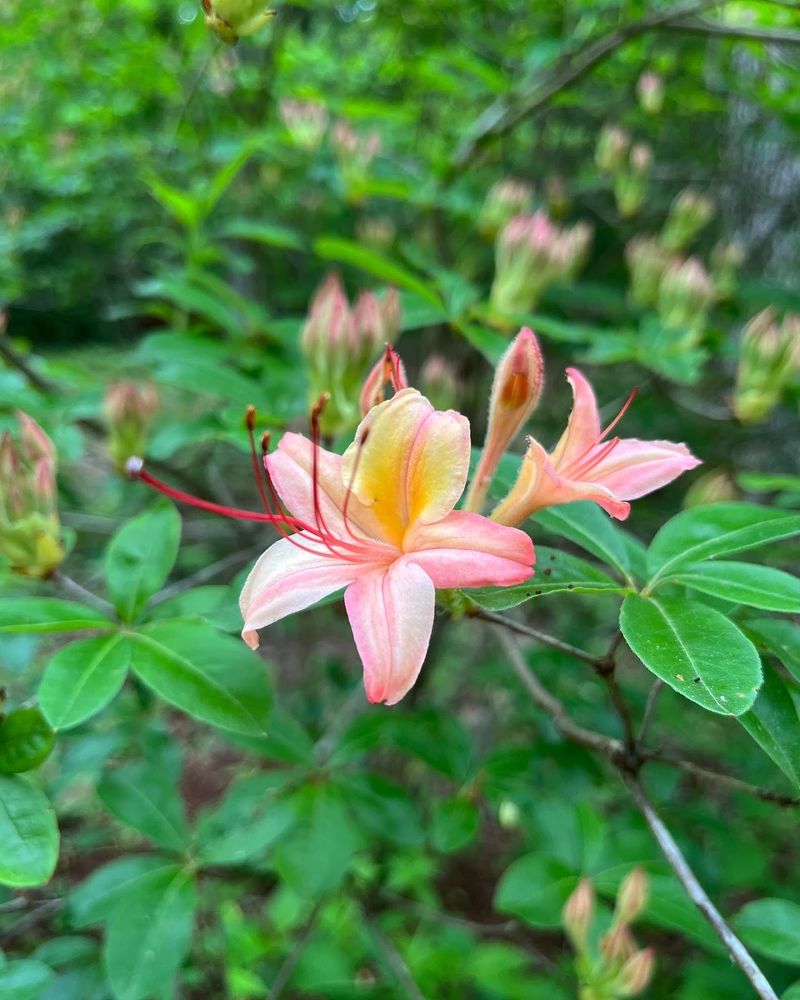
Ever seen an azalea bloom in October and thought it was a happy surprise? It might look sweet, but that flower is a sign of confusion.
Many shrubs read warm temperatures as a green light. When a toasty week arrives in mid-fall, they push out bright new leaves and sometimes buds.
In North Carolina, that happens often because the growing season stretches long and warm.
New shoots are thin, pale, and packed with water. They have not formed the thicker bark or waxy coating that older stems use for protection.
A single frosty night can scorch them black by morning.
Here is the bigger problem. Flower buds that open in fall were meant for spring, so the plant loses part of next year’s show.
Your North Carolina Garden Changes Every Week. Your Plan Should Too.
Gardening in North Carolina changes quickly throughout the season. Every Friday you’ll receive a simple weekly plan showing exactly what to plant, prune, fertilize, harvest, and protect so you never miss the right timing.
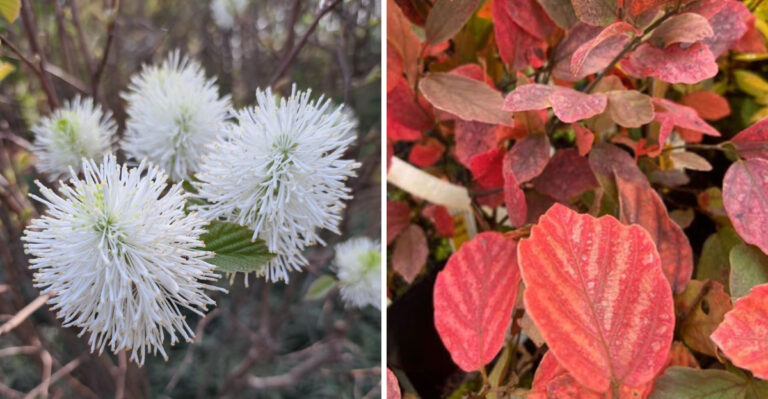
Camellias, hydrangeas, and forsythia are common victims of this mix-up.
To reduce the risk, skip pruning after early August. Cutting branches signals the plant to grow, and that new growth will be caught off guard later.
Hold off on heavy watering during warm fall stretches too.
If a frost does nip fresh shoots, leave them alone for now. Those browned tips actually shield the lower stems from the next cold snap.
Wait until spring, when new growth appears, to trim back the damaged parts cleanly.
3. Water Inside Cells Turns To Ice
Here is a fun fact for your next science class. Plant leaves contain a high proportion of water, often making up a large majority of their fresh weight, with the exact amount varying considerably depending on the species and growing conditions.
That water is great on a hot day because it keeps leaves cool and firm. On a frosty night, though, it becomes a big weakness.
When temperatures dip to 32 degrees or lower, water inside and between plant cells can freeze.
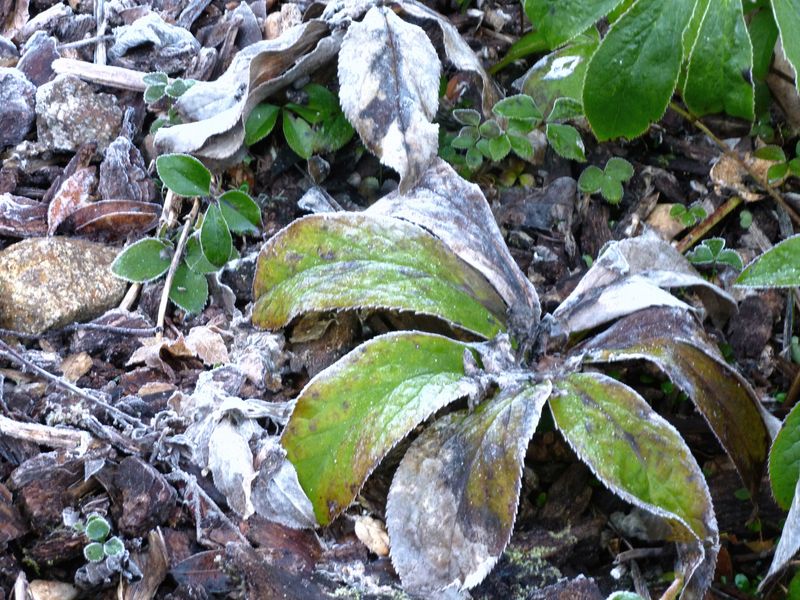
Ice takes up more space than liquid water. As crystals grow, they poke and stretch cell walls until some of them burst.
Once the sun comes out and things thaw, the damaged tissue leaks and goes limp.
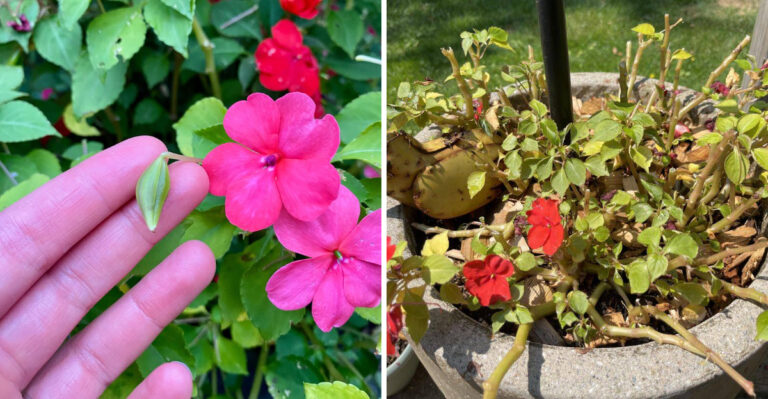
Gardeners in North Carolina often see this on basil, tomatoes, peppers, and impatiens. One day the leaves look perfect, and the next they hang like wet tissue paper.
Dark, glassy patches are a clear clue that ice did the damage.
A few easy moves can help. Water the soil a day before a freeze, because moist ground holds heat better than dry ground.
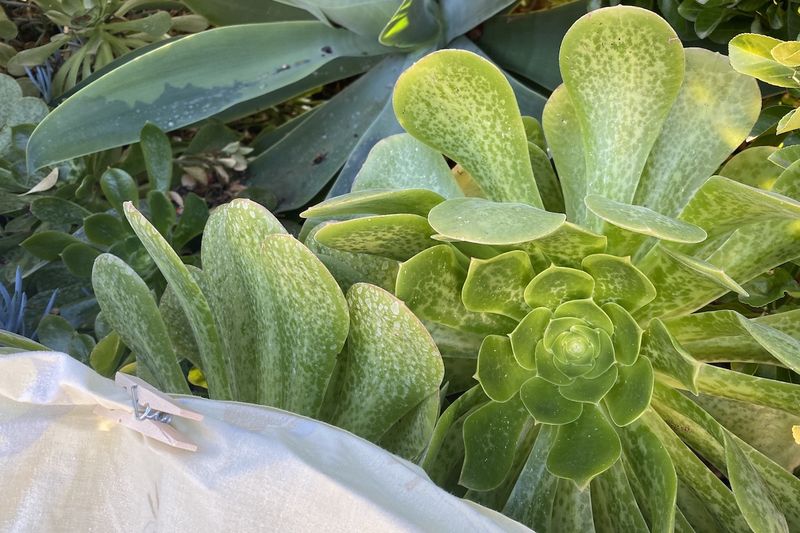
Cover tender plants in the evening with an old sheet or frost cloth that reaches the soil.
Avoid plastic touching leaves, since it carries cold right through. Remove covers once the morning warms up so plants do not overheat.
Those few minutes of effort can save an entire bed of summer favorites.
4. Roots Feel The Shock From Below
Most people look at leaves when frost hits. Roots, though, can be quietly suffering underground where nobody notices.
Soil usually changes temperature slowly, which protects roots. But after a hot stretch, roots are busy pulling up water and food for active growth.
A sudden freeze in the top few inches can catch them mid-task and slow everything down.
Container plants have it hardest. Pots sit above ground, so cold air wraps around every side.
In North Carolina, many folks leave potted herbs and flowers on decks, where roots can chill far faster than in a garden bed.
Heavy red clay, common across the Piedmont, adds another twist. Wet clay can freeze and thaw over and over, pushing small plants right out of the ground.
Gardeners call this frost heave, and it leaves roots exposed to cold air.
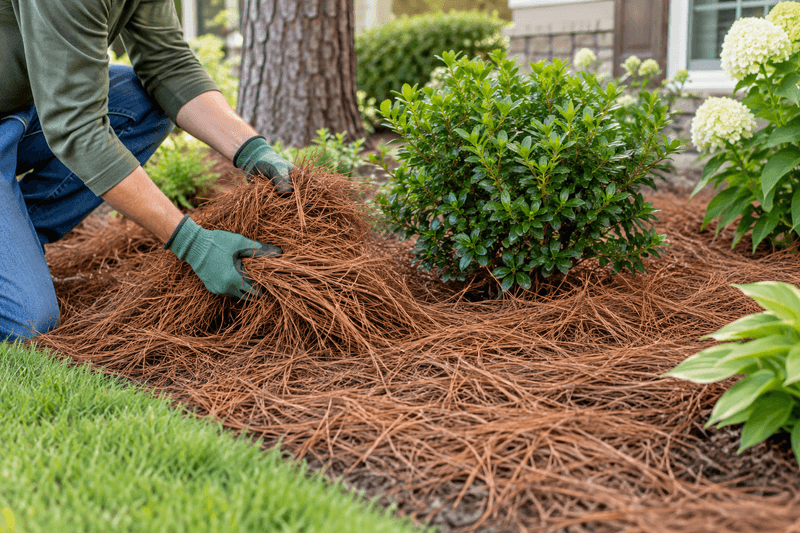
Mulch is your best friend here. Spread two to three inches of shredded bark, pine straw, or chopped leaves around plants in fall.
It acts like a cozy blanket that keeps soil temperatures steady.
For pots, group them together against a house wall or move them into a garage on freezing nights. Wrapping containers in burlap or bubble wrap helps too.
After a freeze, check for heaved plants and gently press them back into the soil.
5. Sunny Mornings Make Frost Damage Worse
Sunshine after a cold night sounds like a good thing. Surprisingly, it can be the real troublemaker.
When frozen leaves warm up too quickly, cells do not have time to recover. Slow thawing lets water move back into place gently.
Fast thawing from bright morning sun can rupture tissue that might have otherwise pulled through.
This is why plants on the east side of a house often look worse after a freeze. They get blasted by early sun while still icy.
Clear skies in North Carolina fall and spring make this pattern pretty common.
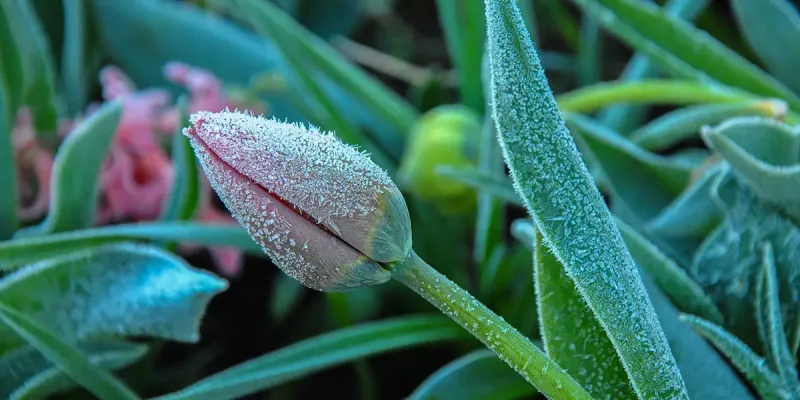
Bark can suffer too. Young trees, like maples and fruit trees, sometimes get cracks on their south or southwest sides.
Warm afternoon sun heats the trunk, and then temperatures crash at night, splitting the bark open.
So what can you do? For small plants, leave frost covers on until the sun has been up for a couple of hours.
That gives things a chance to thaw more evenly.
For young trees, wrap the lower trunk with a light-colored tree guard in late fall. Remove it in spring so bugs do not hide underneath.
When planting new shrubs, consider spots with a bit of morning shade. That simple choice can spare you a lot of brown leaves later on.
6. Tropical Favorites Were Not Built For North Carolina Cold
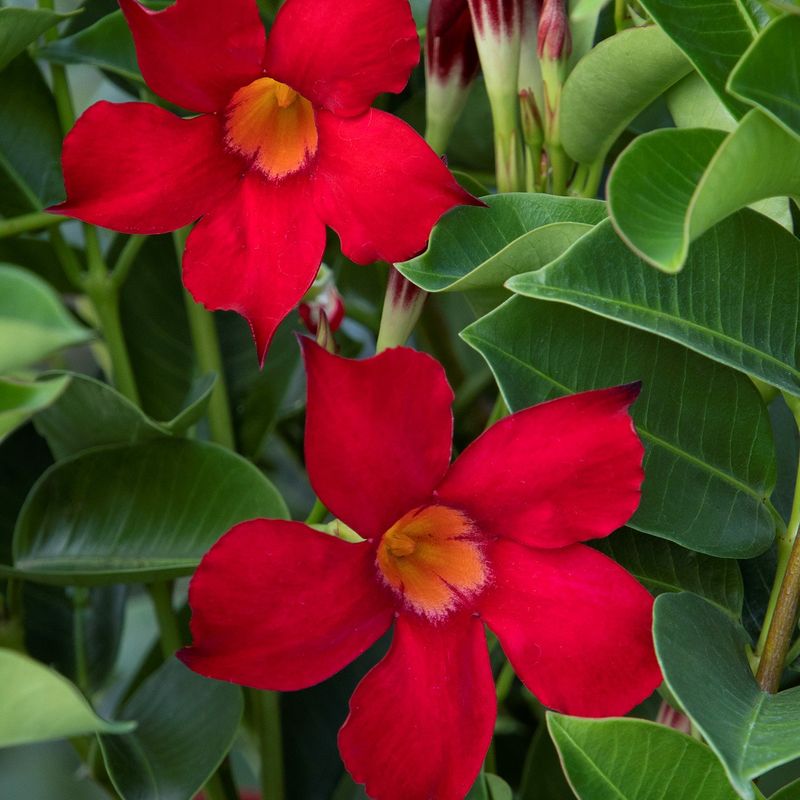
Hibiscus, mandevilla, and elephant ears feel like a beach vacation in a pot. Their homelands, though, rarely see anything close to frost.
Plants from warm places grow cells that are not designed for cold. Many tropical plants can begin showing chilling injury when temperatures drop into the 40s or even the low 50s, depending on the species, well before any frost arrives.
Gardeners call this chilling injury, and it looks like dark spots, curled leaves, or sudden leaf drop.
Summer in North Carolina is hot and humid enough to make these plants thrive. That success can trick us into thinking they are tough.
Then one sudden 38-degree night shows how fragile they really are.
The good news is that tropicals are easy to rescue if you plan ahead. Watch the forecast starting in late September.
When nights are expected to dip below 50, bring pots inside or into a bright garage.
Elephant ears, cannas, and caladiums can be dug up after their leaves fade. Let the bulbs dry for a few days, then store them in a paper bag with dry peat.
Keep them somewhere cool but above freezing until spring.
Indoors, give tropical plants your sunniest window and water lightly. They may drop a few leaves while adjusting.
That is normal, and fresh growth usually returns once days start getting longer.
7. Mountain And Coastal North Carolina Face Different Frost Risks

Talk to a gardener in Boone and another in Wilmington, and you might think they live in different countries. Their frost calendars can be weeks apart.
North Carolina stretches from the Blue Ridge Mountains to the Atlantic shore. Higher elevations cool off quickly, and first frost can arrive in late September.
Down along the coast, warm ocean water keeps temperatures milder, sometimes delaying frost until December.
The Piedmont sits in the middle and gets a little of both. Cities like Raleigh and Charlotte often swing between warm afternoons and chilly nights.
Those big daily swings are especially rough on plants.
Even inside one yard, conditions shift. Cold air is heavy and slides downhill, collecting in low spots like water in a bowl.
Plants at the bottom of a slope often freeze while those higher up stay fine.
Knowing your zone helps a lot. Check the USDA hardiness zone map and your county’s average first frost date.
Your local Cooperative Extension office shares free guides for your exact area.
Pay attention to your property’s frost pockets too. Place tender plants on higher ground or near a warm brick wall.
Save low, open spots for tough natives that shrug off cold. A little planning matches each plant with the place it can handle best.
8. Spring Swings Will Hit Fruit And Flowers Hard Too
October is actually the perfect time to start thinking about next spring, before the chaos of the season makes planning feel impossible.
Peach growers in the Sandhills know this lesson well. A single cold night in March or April can wipe out a summer’s worth of fruit, and the window between those late frosts and early blooms is frustratingly narrow.
Spring brings its own version of the wild temperature swings you are navigating right now. Warm days in March wake up trees and shrubs early.
Blossoms open, leaves unfurl, and everything looks ready.
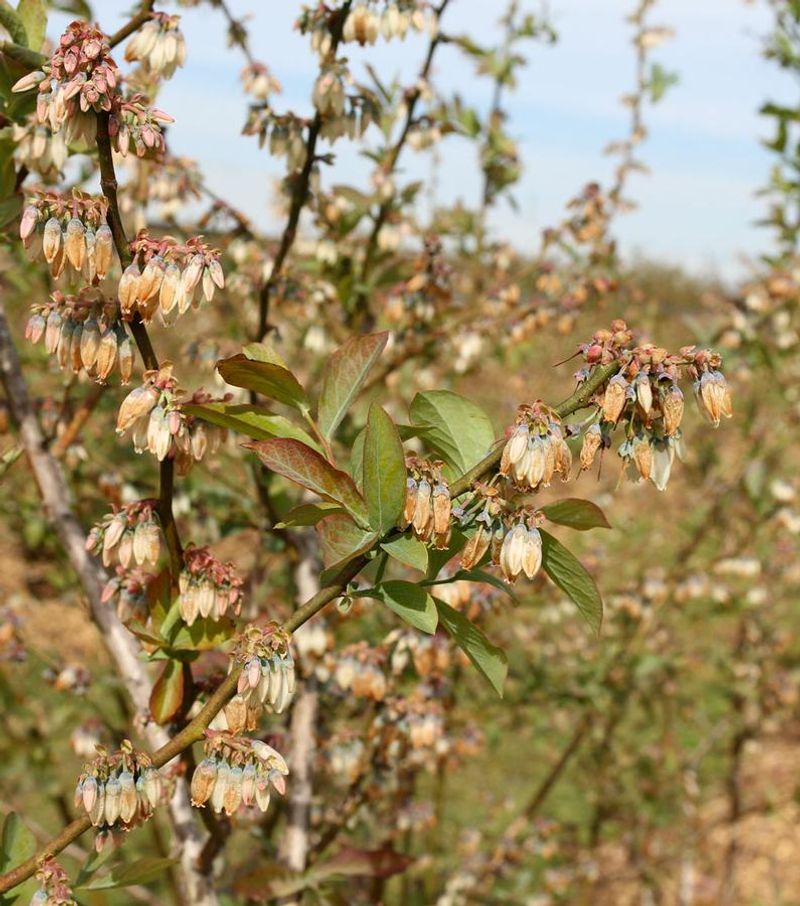
Then a late frost sneaks in, sometimes as late as mid-April in North Carolina, and open flowers are extremely sensitive to cold. Damaged blooms turn brown in the center and will not produce fruit.
Blueberries, strawberries, apples, and peaches are common victims. Ornamental favorites like magnolias and hydrangeas can lose their whole flower display too.
The decisions you make this fall can actually reduce that spring risk. Choosing fruit varieties that bloom later in spring lowers the chance of frost hitting open flowers.
Planting trees on gentle slopes rather than in low areas where cold air settles is another smart fall planting decision.
This October is also a good time to order frost cloth and row covers so they are on hand before you need them in a hurry next March.
A little fall preparation today takes a lot of the sting out of spring surprises later.
9. Smart Recovery Steps For Frost-Bitten Plants
Patience might be the most underrated gardening tool out there. After a frost, the urge to grab the pruners can be strong, but waiting often works better.
Brown, crispy leaves do not mean a plant is gone for good. Many shrubs and perennials keep healthy tissue in their stems and roots.
Give them time, and fresh buds usually push out once warmer weather settles in.
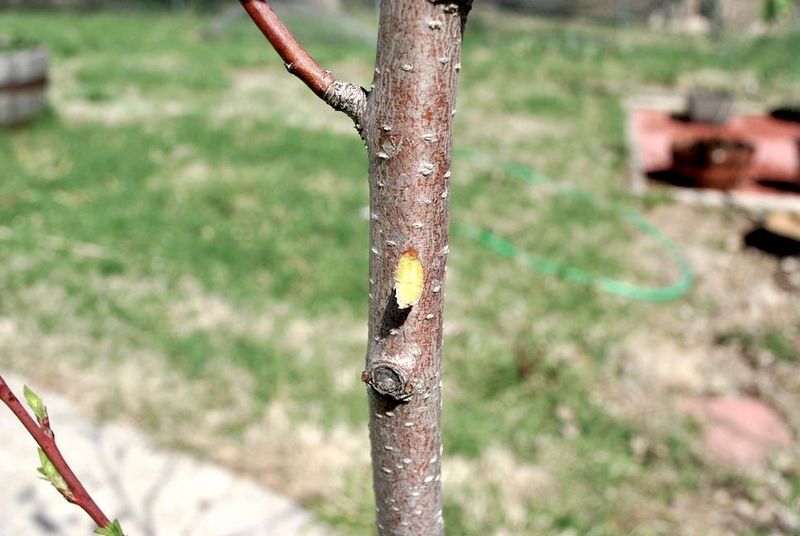
Try the scratch test to check. Gently scrape a bit of bark with your fingernail.
Green underneath means that part is still alive and healthy, while brown and dry means it can be trimmed later.
Most experts in North Carolina suggest waiting until new spring growth appears before pruning. Damaged leaves offer some cover against more cold snaps.
Cutting too soon can also trigger tender growth that gets hit again.
Skip fertilizer right after frost damage. A stressed plant needs rest, not a push to grow.
Keep watering steady but light, especially during dry, windy winter spells.
Once spring arrives, trim off clearly damaged stems with clean, sharp pruners. Feed lightly with compost to help plants rebuild.
Keep notes on which plants handled the cold well and which struggled. Over a few seasons, that simple journal becomes your personal guide to building a tougher, happier garden.