Surprising Things Floridians Do With Citrus Peels
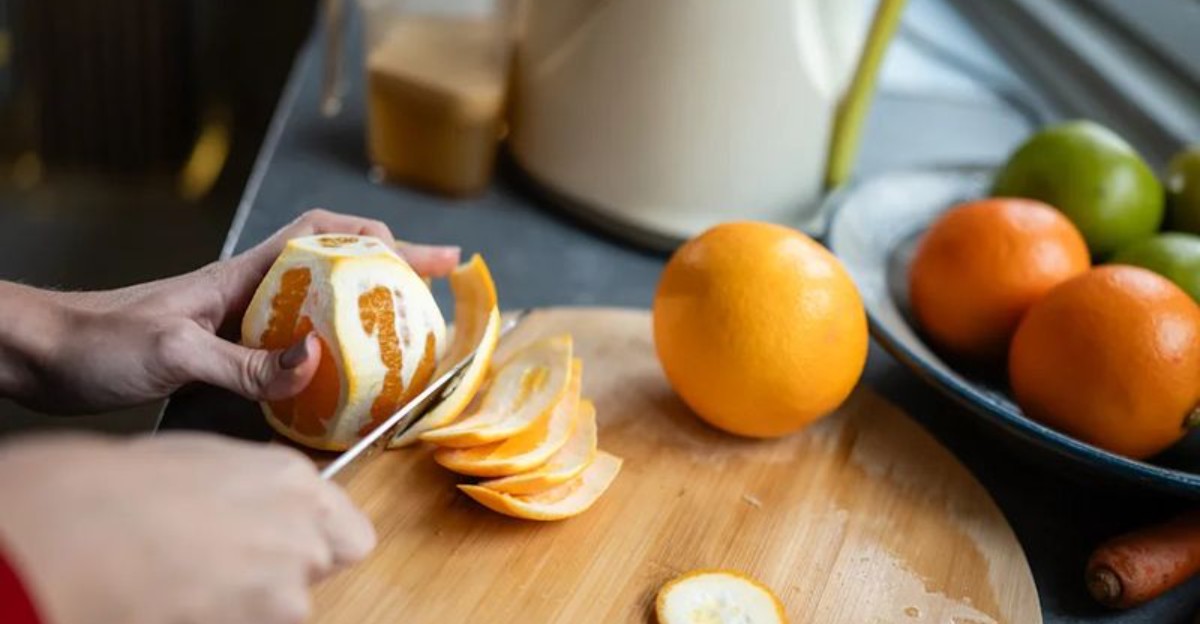
In Florida, citrus season leaves plenty of oranges, lemons, and grapefruits on kitchen counters, but the peels often end up in the trash. That’s a shame, because those fragrant scraps have a few tricks up their sleeve.
From freshening up a stuffy room to adding a little extra usefulness around the garden, citrus peels can earn their keep long after the fruit is gone. Some uses are old household favorites, while others might catch you off guard.
Of course, not every popular peel trick lives up to the hype, and a few can cause problems when used in the wrong place. The trick is knowing which ideas are worth trying and which ones belong in the compost bin.
Next time you peel an orange, think twice before tossing the leftovers. That bright, fragrant rind might have more uses than you ever suspected.
1. Toss Them Into The Compost Pile
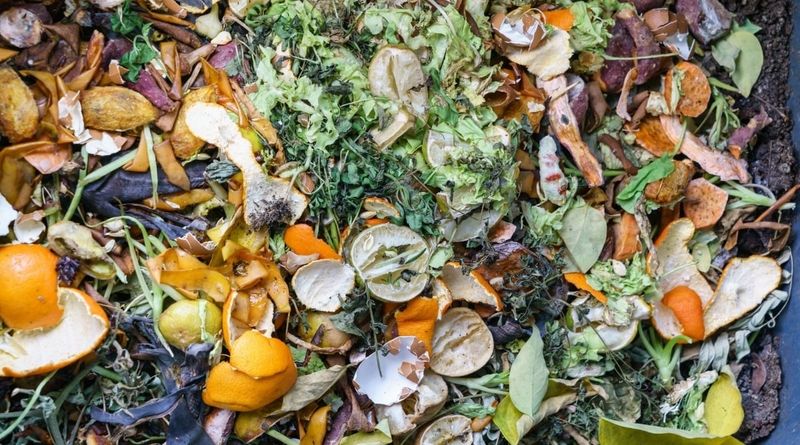
Ask any Florida gardener with a thriving veggie bed, and they might point to their compost bin with pride. Orange rinds, lemon scraps, and grapefruit skins often end up right there in the mix.
For years, some people believed citrus peels would hurt worms or ruin a compost pile. Practical experience and research tell a different story.
The peels break down just like other kitchen scraps.
Why bother adding them? Citrus peels carry helpful nutrients such as nitrogen, phosphorus, and potassium.
Plants love these nutrients because they support strong roots, green leaves, and healthy growth.
Citrus peels do add organic matter and nutrients to compost as they break down. They decompose more slowly than some kitchen scraps, so chopping them into small pieces and mixing them with a variety of other materials helps the process along.
Still, balance matters a lot. Using only citrus peels can make the pile too acidic, which slows things down.
Mix them with other scraps like coffee grounds, leaves, grass clippings, and veggie trimmings.
Size makes a big difference as well. Chop peels into small pieces before tossing them in, since smaller bits break down much faster.
A quick slice with a kitchen knife or a pair of scissors does the trick.
Placement helps speed things up. Bury the peels in the middle of the pile instead of leaving them on top.
The center stays warmer and moister, so microbes can get to work sooner.
Here is a simple routine to try. Keep a small container with a lid on your counter for scraps.
Once it fills up, carry it outside, chop any big peels, and stir them deep into the pile.
Over a few months, those bright rinds turn into dark, crumbly soil. Your tomatoes, peppers, and flowers will thank you for the snack, and your trash can will feel a little lighter each week.
2. Dry Strips Of Peel For Year-Round Recipes
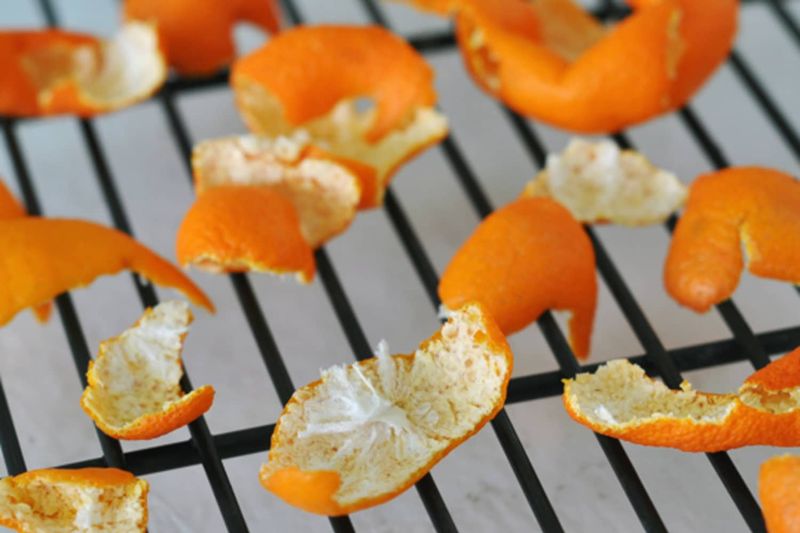
Grandma had a jar on her kitchen shelf filled with curly orange strips. Every winter, she dropped a few into her tea, and the whole house smelled like a grove.
Your Florida Garden Changes Every Week. Your Plan Should Too.
Gardening in Florida changes quickly throughout the season. Every Friday you’ll receive a simple weekly plan showing exactly what to plant, prune, fertilize, harvest, and protect so you never miss the right timing.
Drying peels is one of the easiest ways to save that Florida sunshine for later. All you need is fresh fruit, a peeler, and a little patience.
Start by scrubbing the citrus well under running water. Then peel the rind off in strips, trying to leave behind most of the white pith.
That spongy white layer tastes bitter, so less is better.
Now pick your drying method. The simplest way is to lay the strips on a wire rack at room temperature.
In a few days, they should snap easily when bent.
Short on time? Bake the strips in an oven set to about 180 to 200 degrees Fahrenheit for a few hours.
Check them often, and pull them out once they feel dry and crumbly.
A food dehydrator works nicely, too. Follow the appliance’s instructions for drying citrus peel, and check the strips periodically.
The exact time depends on their thickness and the appliance, so rely on the texture rather than a fixed number of hours. The peels should be thoroughly dry before you store them.
Once dry, store the strips in a clean, airtight jar. Keep the jar in a cool, dark cupboard so the flavor lasts.
The fun part is using them. Drop a strip into hot tea or a pot of soup stock for a gentle zing.
Grind some into powder and stir it into spice rubs for chicken or fish.
Dried peel also makes a lovely garnish for drinks and desserts. A tiny pinch can brighten a sauce in seconds.
Months from now, when fresh fruit is harder to find, that little jar will still smell like a sunny morning in Florida.
3. Turn The Peels Into Candied Citrus

Sweet, chewy, and a little bit fancy, candied citrus peel feels like a treat from an old-time candy shop. Lucky for you, it starts with scraps you might otherwise throw away.
Florida oranges work wonderfully for this recipe. Their thick, fragrant rinds turn into glowing little jewels once they soak up some sugar.
First, cut the peels into long, even strips. Then comes the secret step that beginners sometimes skip.
Boil the strips in plain water, drain them, and repeat a few times.
Why all that boiling? Each round pulls out more of the bitter taste.
By the last batch, the peels should feel soft and smell sweet instead of sharp.
Next, make a simple syrup by mixing sugar and water in a pot. Add the strips and let them simmer slowly.
Keep cooking until the peels look clear and shiny, almost like stained glass.
Lift the strips out with a fork and set them on a rack to cool. While they are still a bit sticky, roll them in granulated sugar.
That sparkly coat gives a lovely crunch.
Fun fact: candied peel has been around for hundreds of years. Long ago, sugar helped people save fruit through seasons when fresh food was scarce.
So how do you eat them? Snack on them straight from the jar, or dip the ends in melted chocolate for a dessert that looks store-bought.
Chop a few to sprinkle over cakes, cookies, pies, or a scoop of ice cream.
Candied peels also make a charming homemade gift. Pack them in a small jar, tie on a ribbon, and add a tag that says made with Florida sunshine.
Friends and neighbors will likely ask for the recipe.
4. Grate And Freeze The Zest For Later
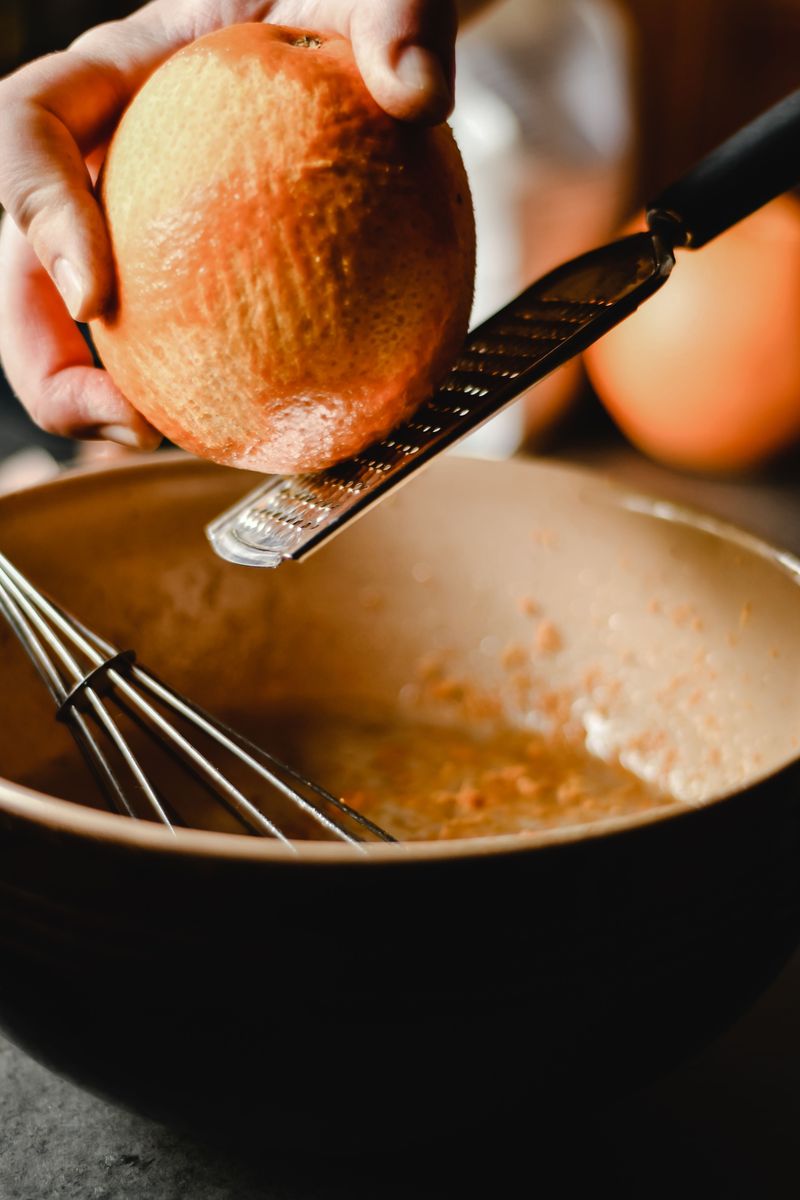
Picture this: you are halfway through a cake recipe, and it calls for a tablespoon of orange zest. You check the fruit bowl, and of course, it is empty.
Smart Florida cooks dodge that problem with a stash of frozen zest. A few minutes of grating today means flavor ready whenever you need it.
So what exactly is zest? It is the thin, brightly colored outer layer of the peel.
That skin is packed with tasty oils, which is why a small amount gives such a big punch.
Plump, fresh oranges are perfect for zesting. Wash and dry the fruit first, then run it across a zester or fine grater.
Turn the orange as you go so you only scrape the colorful part.
Stop once you see white pith peeking through. That layer tastes bitter and can spoil the flavor of your dish.
Now for storage. Spread the zest in small piles on a plate or pack it into an ice cube tray.
Freeze it, then move the portions into a labeled freezer bag.
Prefer a shelf option? You can also let fresh zest dry for about a day before using or storing it.
Frozen zest, though, keeps that fresh taste a lot longer.
Here is a handy tip. Zest your oranges before you juice or eat them, since grating a peeled orange is nearly impossible.
Frozen zest fits into all sorts of meals. Stir it into muffin batter, pancake mix, or frosting.
Sprinkle some over chicken, beef, or fish before cooking for a bright, fresh lift.
Each small pinch brings a sunny pop of flavor. Your future self, standing in the kitchen with an empty fruit bowl, will be very grateful.
5. Simmer A Batch Of Homemade Marmalade
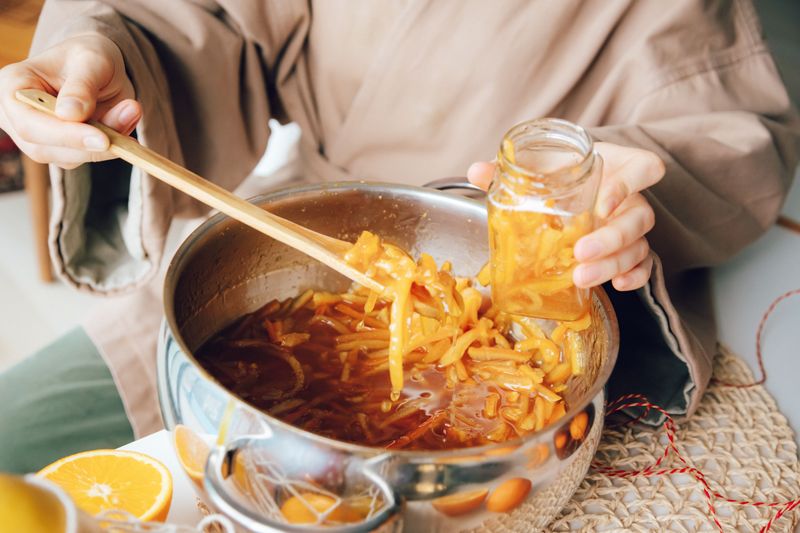
On a slow Saturday, a pot of bubbling orange marmalade can fill a whole home with a warm, sweet glow. Spread on toast the next morning, it tastes like pure Florida.
Marmalade is a fruit spread made with citrus peel, sugar, and water. Unlike jelly, it has tender bits of rind floating inside, which gives it a fun, chewy bite.
Florida oranges make an ideal base thanks to their juicy sweetness. Many recipes also add a lemon for extra tang.
Some cooks toss in pectin to help the spread thicken faster.
The basic steps are simple. Wash the fruit well, then chop it up, peel and all.
Simmer the pieces in water until the rind turns soft.
After that, stir in the sugar. Let the mixture boil until it thickens and coats the back of a spoon.
Patience pays off here, so keep stirring to prevent sticking.
Want to try an old trick? Some recipes suggest soaking the chopped fruit in water overnight before cooking.
Others boil the peels with a pinch of baking soda to soften the bitter edge.
One big reason to make it yourself is control. Store-bought marmalade can taste flat or overly sugary.
At home, you decide how sweet or tart your batch will be.
Homemade versions also taste brighter and fresher. You can even mix in grapefruit or tangerines to create your own signature blend.
Once cooled, spoon the marmalade into clean jars and keep them in the fridge. Spread it on biscuits, swirl it into yogurt, or brush it over baked chicken for a shiny glaze.
A jar tied with twine also makes a thoughtful gift for teachers, neighbors, or friends who miss the taste of sunny mornings.
6. Grind Dried Peel Into A Pantry Pest Deterrent
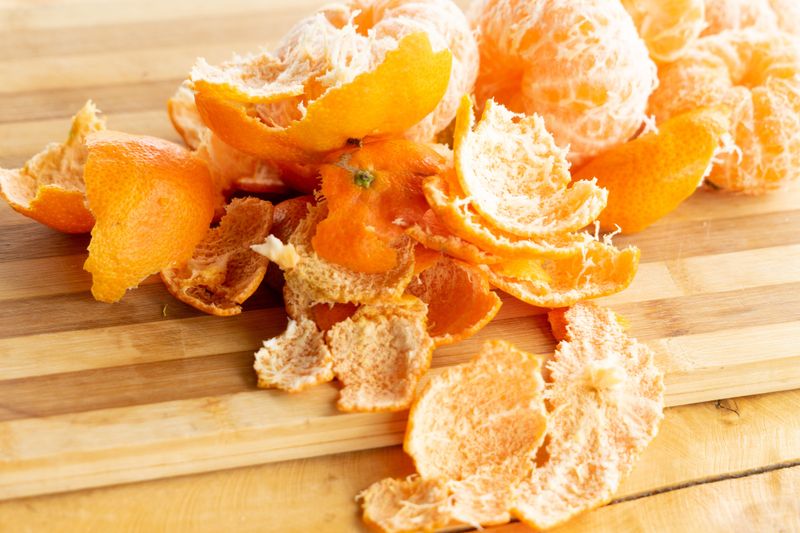
Ants marching across the counter are a classic Florida summer problem. Before reaching for harsh sprays, many locals grab a handful of dried orange peels instead.
Citrus peels contain fragrant natural oils, including limonene. Although concentrated citrus oils are used in some pest-control products, the small amount present in leftover peels is unlikely to provide reliable protection against household insects.
History backs this idea up, too. Long ago, growers hung dried citrus peels among their trees to help shoo away fruit flies.
Making your own peel powder is easy. Start with peels that are fully dry and brittle.
Break them into pieces and whirl them in a clean coffee grinder or blender until they turn into a coarse powder.
You can keep fully dried peel in a clean, airtight jar for its fragrance, but don’t count on it to keep pantry pests away. For better protection, store dry foods in tightly sealed containers, clean up crumbs and spills, and check packages for signs of insects.
Got an ant trail already? Wipe up the trail, clean away food residue, and seal any gaps ants may be using to enter.
Citrus-peel spray is not a proven substitute for these practical steps.
The fresh, zesty scent is pleasant, but don’t rely on citrus peels to keep flies or mosquitoes away. For outdoor gatherings, use a proven insect repellent according to its label.
Keep your expectations realistic, though. Citrus works best as a gentle helper, not a cure-all for a big bug problem.
Clean up crumbs, seal food in tight containers, and wipe spills quickly.
If you want to use dried citrus peel in cooking, prepare and store a separate batch specifically for food. Keep it away from pantry pest-control experiments and other household uses.
Your shelves will smell like a sunny grove instead of a chemical cleaner. That is a win for your nose and your peace of mind.