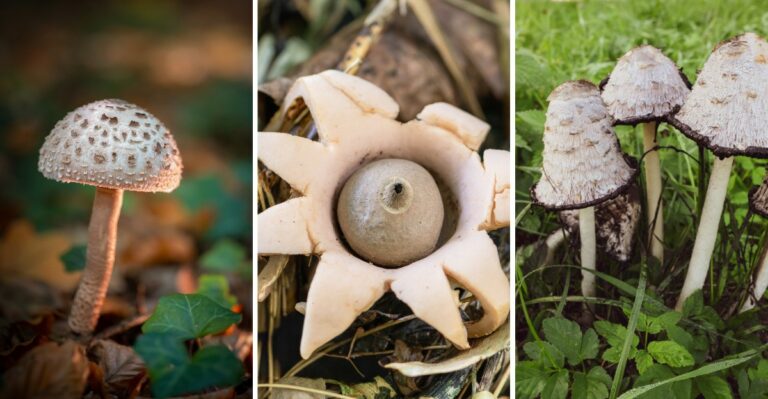
Before You Bag Those Leaves In New Jersey, Check Who Is Sleeping Inside The Pile
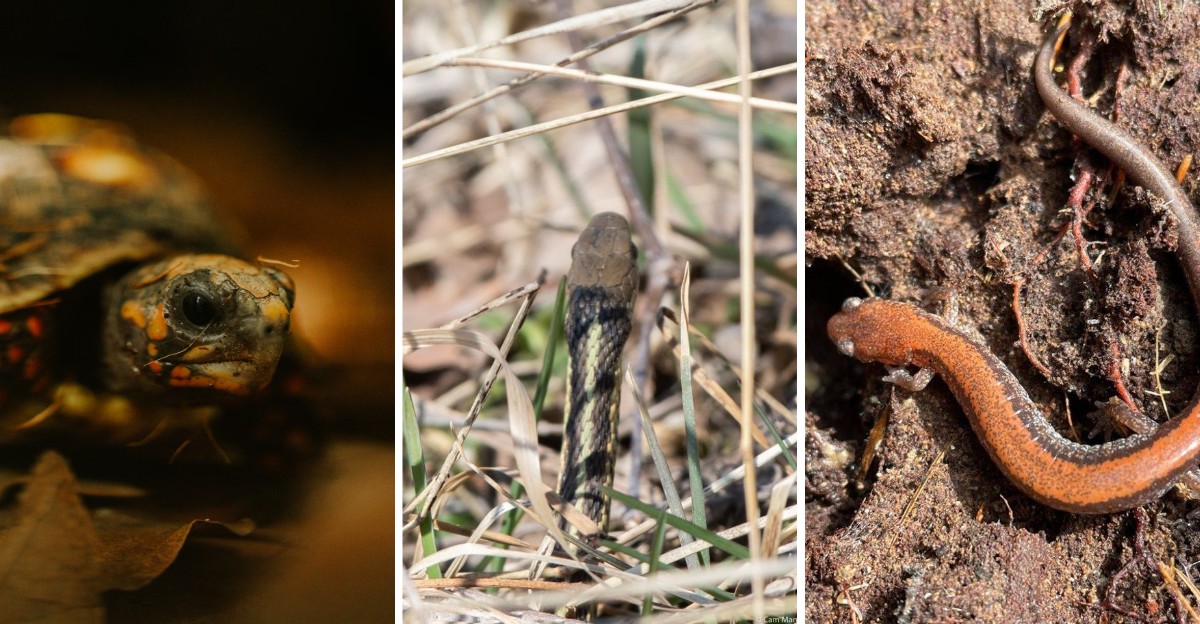
Stop before you bag that pile. Wood frogs across New Jersey settle under your leaves and let their bodies partly freeze.
Box turtles tuck themselves into that loose litter, shutting out the cold. You might also host luna moth cocoons tucked inside folded leaves.
Bumblebee queens sleep under that cover, each carrying next summer’s colony alone. Sweep it and you empty a hidden nursery.
Neighbors in New Jersey tidy lawns into smooth carpets, leaving sleepers without cover. Your messy corner might be the only shelter within blocks.
Leave a ragged mound along the fence and you become a landlord. Tenants pay in garden help, since hungry toads eat slugs and beetles.
Compost the extra leaves in a wire bin and shred some for garden mulch. Wait until spring warms the soil before you touch the pile. Respect your tiny roommates.
1. Woolly Bear Caterpillars Freezing Solid On Purpose
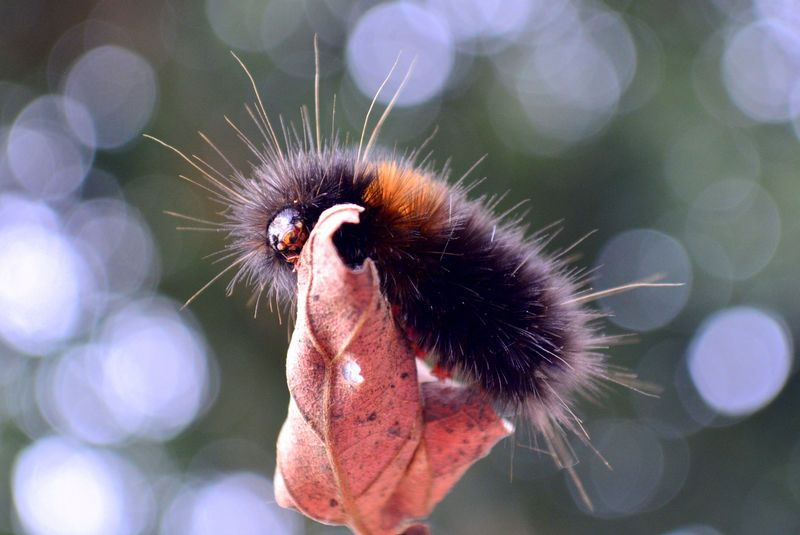
Picture a fuzzy brown and black caterpillar rolling into a ball when you touch it. Many New Jersey kids have poked these little caterpillars for years.
Woolly bears are the babies of the Isabella tiger moth, and October is their big moving month. You often see them racing across driveways, hunting for shelter.
Their favorite winter spot is a thick pile of leaves near a fence or garden bed. Once tucked inside, they let their bodies freeze over the coldest weeks.
Their bodies make a natural antifreeze that protects their cells from ice damage. When spring warms the soil, they thaw out and start munching plants again.
Old folk tales claim the width of their brown stripe can predict how harsh winter will be. Scientists say the stripe actually shows age and food supply, not weather.
Bagging leaves in October can collect these wandering woolly bears without you even noticing. Once the bag hits the curb, the caterpillars lose the shelter they had found.
Try raking leaves into a corner of your yard instead of hauling every bit away. A loose pile under shrubs makes a perfect hibernation spot.
If you spot a curled-up woolly bear, gently move it to the pile with a leaf. Skip picking it up bare-handed, since the bristles can itch sensitive skin.
Your reward comes in late spring, when fluffy yellow-orange moths circle the porch light at night. That is a good return for one small, untouched corner of leaves.
2. Bumblebee Queens Napping Under The Surface
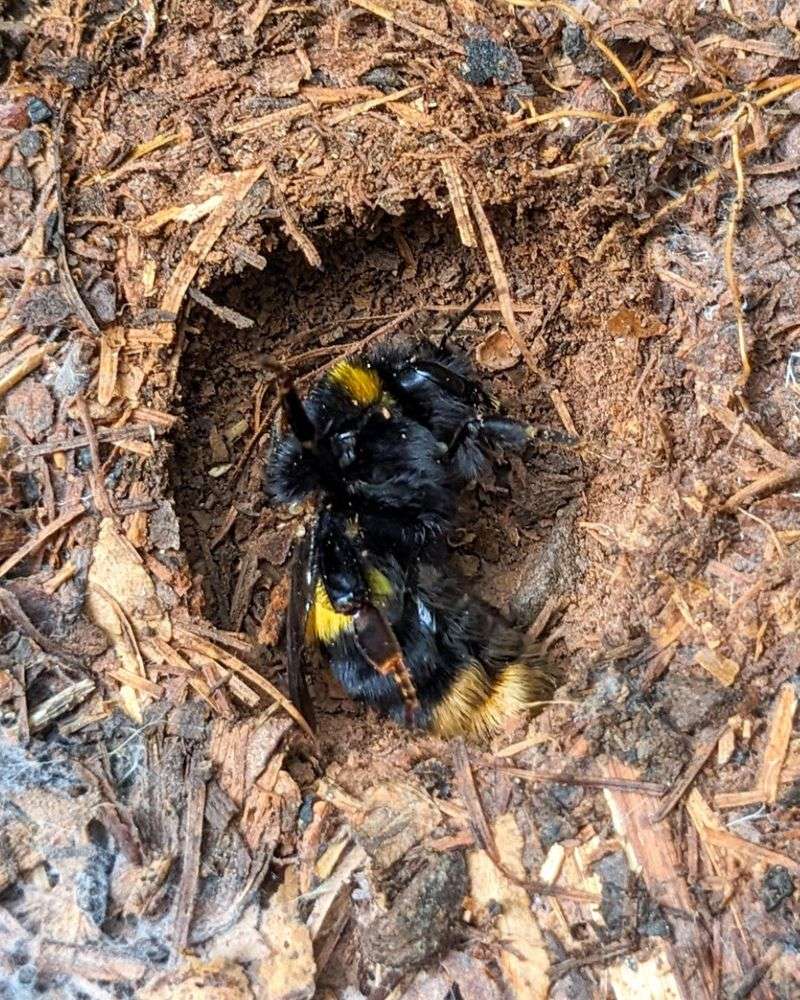
Royalty might be napping in your backyard right now, and you would not have a clue. A single bumblebee queen spends winter alone, just under the soil and leaves.
In fall, the old bumblebee colony breaks apart and the workers die off. Only new queens survive, and each one carries the hope of next year’s hive.
She digs a small hole a few inches deep, often under loose leaf litter. That soft blanket keeps the ground from freezing too hard around her.
New Jersey has several native bumblebee types, including the common eastern bumblebee. The rusty patched bumblebee is now believed to have disappeared from New Jersey.
Your New Jersey Garden Changes Every Week. Your Plan Should Too.
Gardening in New Jersey changes quickly throughout the season. Every Friday you’ll receive a simple weekly plan showing exactly what to plant, prune, fertilize, harvest, and protect so you never miss the right timing.
A queen that survives winter may found a colony with dozens of workers. Those workers pollinate tomatoes, blueberries, pumpkins, and plenty of wildflowers.
When you clear the ground completely with a rake, you may uncover a sleeping queen. Exposed to frost and hungry birds, her odds of surviving until spring drop.
Leave leaves in flower beds and along the edges of your property this October. A deep leafy layer gives queens cover until they emerge in spring.
Be careful with leaf blowers too, since strong air can toss small insects around. Also keep piles away from your foundation, since ticks and mice love leaf litter.
Come spring, watch for big fuzzy bees bumbling around early blooms like crocuses. Each one might be the queen who slept under your maple tree.
Plant a few native spring flowers nearby, and her first breakfast will be ready. Think of it as room service for a very important guest in your yard.
3. Eastern Box Turtles Digging In For The Season
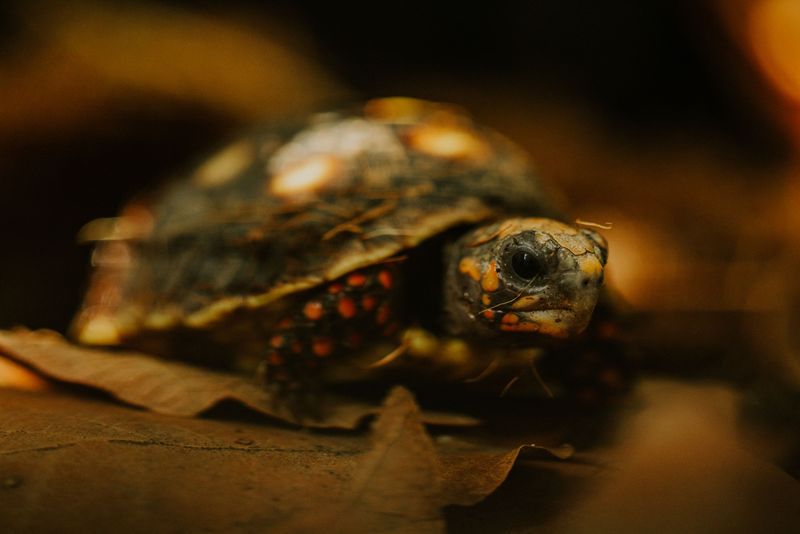
Grandparents in South Jersey love telling stories about finding box turtles in the garden. Those encounters are now less common than they were decades ago.
Eastern box turtles are a species of special concern in New Jersey, so each one matters. Many live for several decades, sometimes outliving the people who happen to spot them.
When October nights turn chilly, these turtles start searching for a winter hideaway. They burrow into soil, and leaf litter settles over them like a quilt.
Some dig only a few inches down, which puts them right under your rake. Their brown and orange shells blend so well that spotting them takes sharp eyes.
A box turtle can close its shell tight thanks to a hinged bottom section. That trick protects it from many predators, but not from rakes or lawn mower blades.
Before clearing leaves near woods or gardens, walk the area slowly and look carefully. Gently brush suspicious bumps with a gloved hand before you start raking hard.
If you find one, leave it where it is and cover it back up with leaves. Moving a turtle far away can confuse it, since they stick close to home.
State law also forbids keeping wild box turtles as pets in New Jersey. Snapping a photo is fine, though, and makes a great memory.
Leaving a wild corner of leaves near a shady spot gives these old timers a safe bunk. Your yard could host the same turtle for many winters to come.
4. Wood Frogs Surviving Winter Partly Frozen
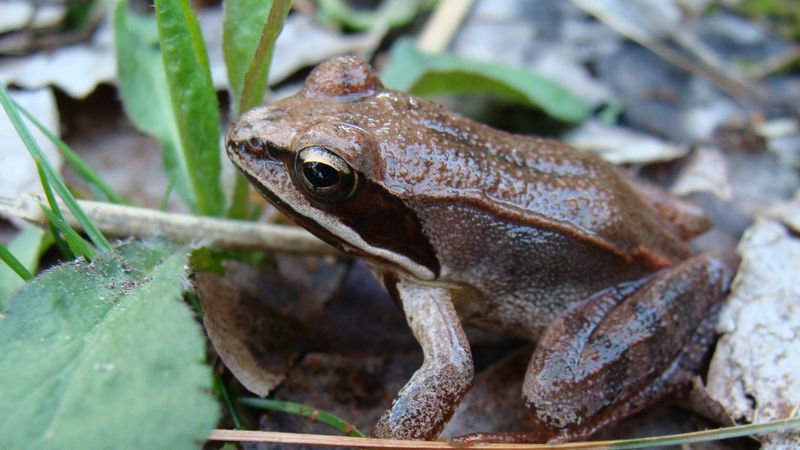
Imagine freezing partly solid every winter and then waking up just fine in the spring. Wood frogs manage this remarkable feat right here in our New Jersey forests.
These small brown frogs wear a distinctive dark mask that stretches across their eyes. They live in wooded areas and often wander into nearby yards during fall.
Instead of digging deep, wood frogs settle just under leaf litter on the forest floor. Your leaf pile near the tree line can look like the perfect spot.
As temperatures drop, up to two thirds of the water in their bodies can freeze. Their heart stops beating, and they stop breathing for weeks at a time.
Sugar flooding their cells works like antifreeze, keeping vital organs safe from sharp ice crystals. When warmth returns, the heart restarts and the frog hops off.
They are often the first frogs to call in early spring, even before the snow fully melts. Their croak sounds a lot like a flock of quacking ducks.
Since frozen frogs feel stiff and still, people sometimes toss them out by mistake. If you find a cold, rigid frog in the leaves, simply cover it back up.
Avoid moving it indoors, because a sudden thaw can harm its delicate system. Frogs follow a careful seasonal schedule, so it is best to leave them alone.
Keep a leafy strip along the edge of the woods untouched until spring. If a vernal pool is nearby, you may hear a duck-like chorus in early spring.
5. Red-Backed Salamanders Hiding In The Damp Layer
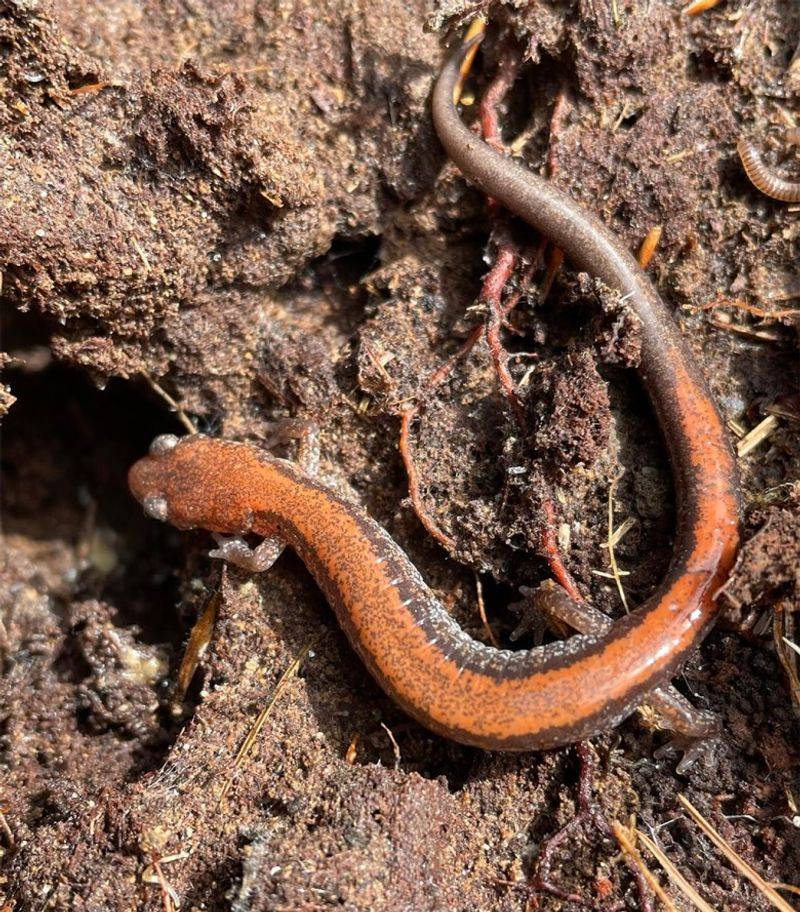
A New Hampshire study found red-backed salamanders weighed twice as much as all breeding birds combined. Many people walk right past them without ever noticing they are there.
These slim little amphibians grow only about three inches long. Most have a reddish stripe down the back, though some are plain dark gray.
Unlike frogs, they have no lungs at all and breathe right through their skin. That means they need damp places to stay alive and healthy.
Thick layers of wet leaves are exactly what they crave, especially near logs and stones. In New Jersey, they are among the most common salamanders around.
During fall, they hunt tiny bugs, mites, and worms hiding under the leaf layer. As frost arrives, they move deeper underground or under rotting wood.
Removing all the leaves dries out the soil and reduces their food supply. A bare lawn is too dry for a creature that drinks through its skin.
Before bagging, check damp spots near rocks and logs by lifting just one corner. If you see a wiggly orange stripe, set the leaves gently back down.
Wash or wet your hands before touching one, since lotions and dry skin can hurt them. Better yet, just watch quietly and let it slip away.
Gardeners have a reason to love these helpers too. They eat small invertebrates, including some pests that chew on young plants, seedlings, and tender garden shoots.
A shady leaf pile beside a fallen log turns into a salamander apartment complex. Rent is free, and the tenants handle pest control for you.
6. Mourning Cloak Butterflies Wedging Into Cozy Cracks
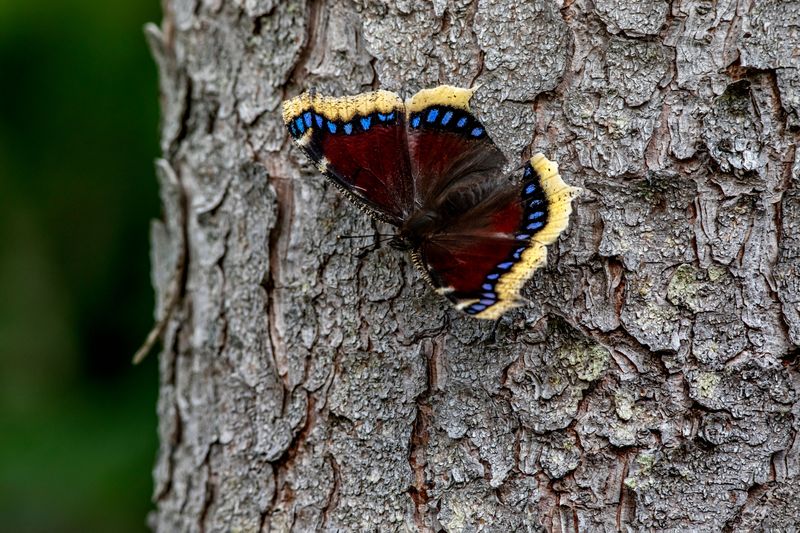
Many butterflies migrate or winter as eggs or pupae, but some stay as adults. The mourning cloak spends winter as a full-grown adult, right here in New Jersey.
Its wings are a rich chocolate brown with a creamy yellow border and tiny blue dots. Folded up, it looks almost exactly like a dry, crinkled leaf.
That disguise is the whole point, since it helps the butterfly hide from hungry birds. It squeezes into tree bark cracks, woodpiles, and sometimes thick leaf heaps.
Natural antifreeze compounds in its body help it survive the frosty winter nights. Each adult can live ten or eleven months, which is remarkable for a butterfly.
Because it wakes up early, you may spot one fluttering on a warm February afternoon. They sip tree sap and rotting fruit since few flowers bloom that early.
Raking into bags can trap a sleeping mourning cloak among the leaves you toss. Since it looks like one more brown leaf, it is easy to miss.
Keep a small brush pile or stack of firewood in a quiet corner of your yard. Loose bark and leaves tucked around it make a snug winter hideout.
Skip burning leaf piles, which is also prohibited statewide under New Jersey’s environmental protection rules. Fire can seriously harm any animals sheltering inside the pile.
When you see that first brown butterfly gliding by in late winter, give yourself a pat on the back. Your messy woodpile just helped spring arrive a little early.
7. Firefly Larvae Living In Leaf Litter
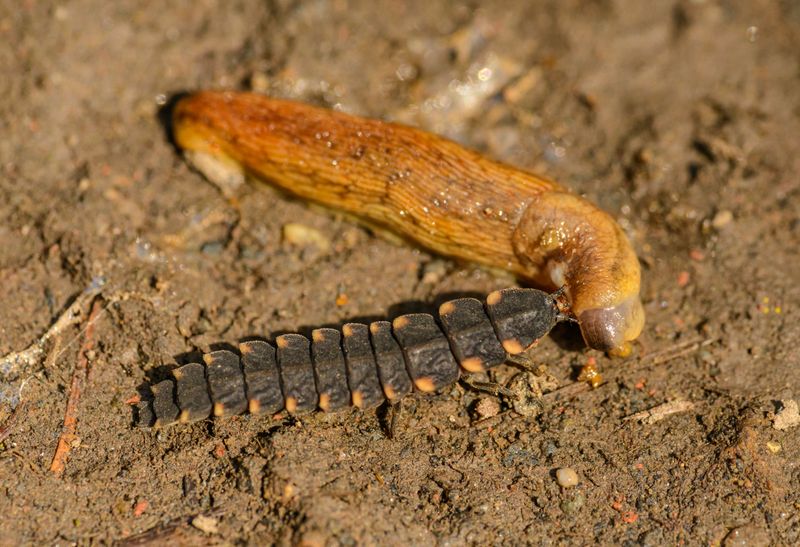
Summer nights in New Jersey sparkle with fireflies blinking over backyards and ball fields. Few people realize those glowing bugs spend most of their lives on the ground.
Firefly larvae look like tiny, flat, segmented worms with a little light on the tail. Some people call them glowworms because they shine faintly at night.
They live in damp leaf litter and soil for one to two years before growing wings. October finds them burrowing down to wait out the cold weather.
These babies are fierce hunters despite their small size. They chase down slugs, snails, and worms, then inject them with a numbing bite.
Gardeners who fight slugs every year should treat firefly larvae like hired help. One healthy population can help keep slug numbers down near hostas.
Firefly numbers are falling in some areas due to light pollution, pesticides, and habitat loss. Clearing all leaves removes the moist cover these larvae need.
Keep some leaves under trees, along fences, and around garden beds through winter. Skip spraying chemicals there, since soil-dwelling larvae can be harmed by them.
On a mild fall evening, grab a flashlight and peek at the leaf layer. Turn it off, wait, and you may see a glow, though summer is better.
That tiny light is a promise of June nights filled with flickering magic. Protecting it now costs nothing but a little patience with your rake.
Kids especially love hunting for glowworms, so make it a family nighttime adventure. Just remind everyone to look, not grab, and to put leaves back afterward.
8. Eastern Garter Snakes Hunting For A Warm Hideout
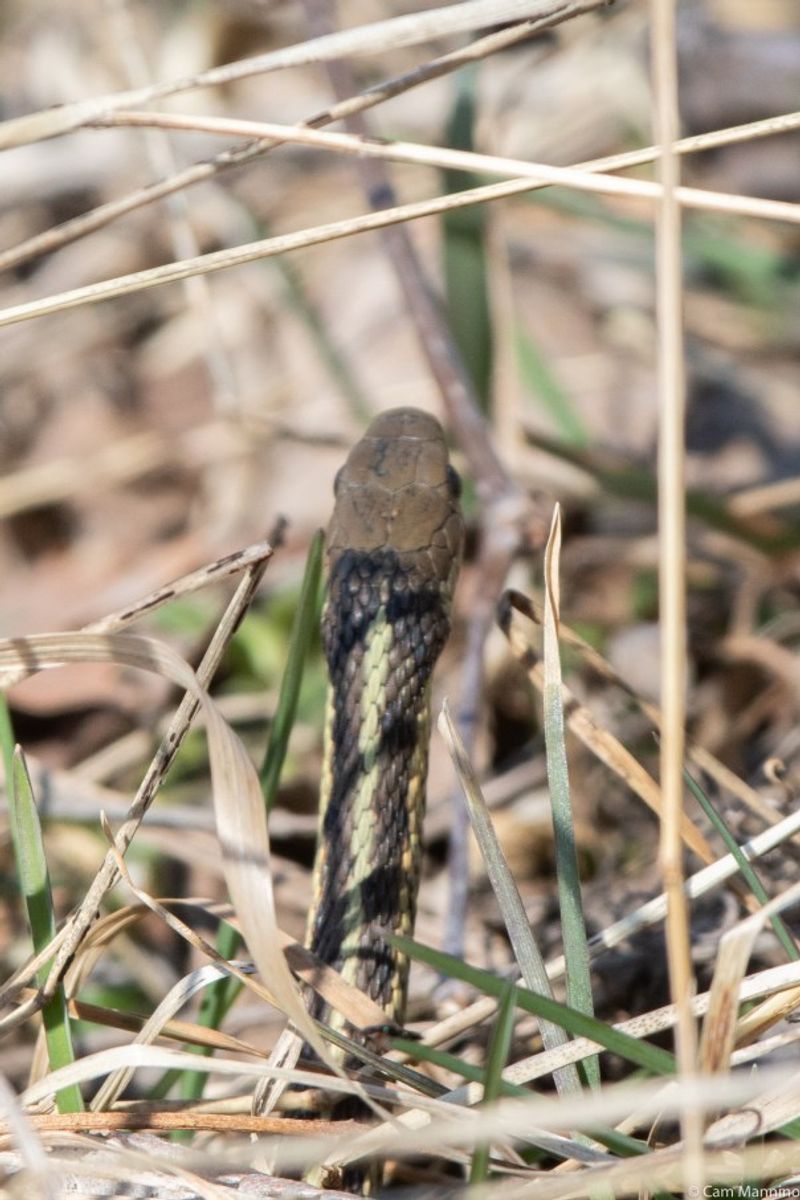
A surprise snake can startle anyone, but this one usually flees as soon as it senses you nearby. Eastern garter snakes are harmless and common across New Jersey.
You can spot them by three yellowish stripes running down a dark green or brown body. Most adults grow about two feet long, noticeably shorter than a standard baseball bat.
In October, garter snakes slither around looking for a cozy spot before winter sets in. Stone walls shelter them, and nearby leaf piles may attract them.
They feed on earthworms, slugs, frogs, and insects that bother your garden. Having one around is like owning a free, quiet pest patrol.
If a garter snake feels cornered, it may release a strong-smelling musk or nip. The bite is minor, but the smell can stick to your gloves for hours.
Wear thick gloves and boots while raking, and tap the ground lightly first to warn snakes. Most snakes will slide away quickly once they feel the movement.
If one stays put, step back and give it a few minutes to leave. Skip nudging it with a stick, since you may misjudge which snake it is.
Teach kids to look but not touch, and to call an adult if they spot a snake. Only two venomous species live in New Jersey, and copperheads show distinctive hourglass bands.
Leaving a leafy, rocky corner gives these striped neighbors a place to settle. Next spring, they may be back on duty, munching slugs before you even plant tomatoes.