What To Do In Your California Garden The Day Before A Red Flag Warning
Some of the most important garden work of the year happens on a quiet, golden evening that gives no hint of trouble.
The forecast tells a different story, and the hours before it arrives carry real weight.
Dry leaves, loose cushions, stacked wood, and thirsty plants all look harmless in calm air.
Tomorrow they may not, and the difference often comes down to a few unhurried tasks done in the right order.
None of it requires special tools or professional skills, just clear priorities and a little daylight.
Above all else, people come before plants, and an official order to leave outranks every chore on any list.
A tidy, prepared yard gives the wind far less to work with.
1. Read The Warning Details First
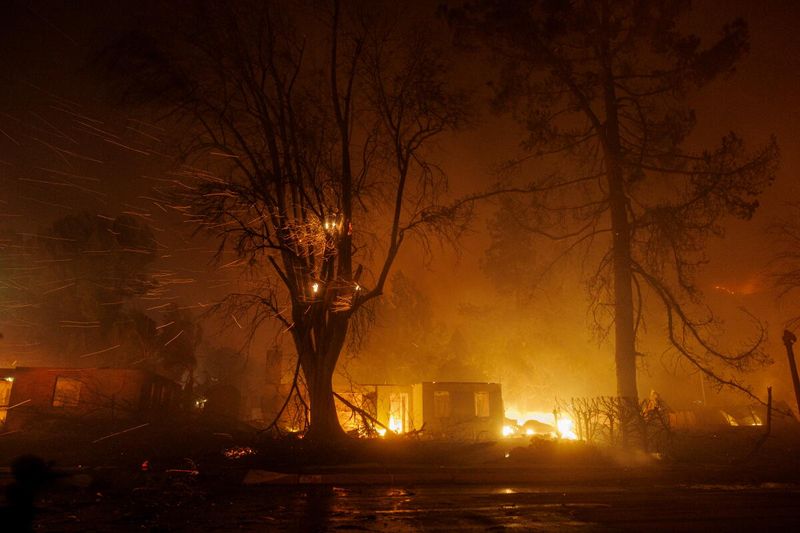
Every alert of this kind describes a forecast rather than a fire report. The National Weather Service issues a Red Flag Warning when conditions are ripe for fire to start and spread quickly.
Three ingredients team up behind each warning: strong winds, very low humidity, and grass, brush, and leaves that are already dry. A Fire Weather Watch sometimes comes first, a day or two ahead, as an early heads-up.
The full alert on a local news site carries far more detail than a phone pop-up. Start and end times matter, since many warnings begin early in the morning and run through the following evening.
The coverage area deserves a look too, because warnings often target hills, canyons, and valleys where winds funnel hardest. Warnings sometimes cover only part of a county, so the listed zones matter more than the city name.
Expected wind speeds and gust numbers shape the evening’s plan. A steady 20 miles per hour calls for tidy work, while gusts above 50 call for serious tie-downs.
Humidity in the single digits signals that plants and wood will be extra crisp.
County emergency alert systems offer text or phone notifications, and signing up takes only minutes.
County websites also show evacuation zones, and knowing two routes out of the neighborhood adds a margin of safety.
A packed go-bag belongs on the evening’s list as well. Garden chores can wait if needed, while a fast, organized exit rarely can.
2. Water Plants Deeply Ahead Of The Wind
Dry wind works like a giant hair dryer on leaves. It pulls moisture out of plants faster than roots can replace it, leading to wilting, scorched edges, and stressed trees.
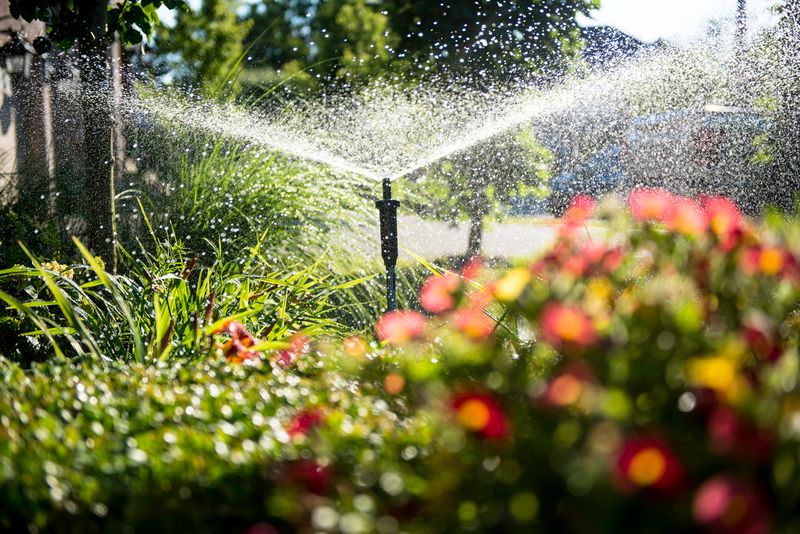
A deep soak the day before gives roots a full reserve to draw from. UC ANR guidance favors slow, deep watering that reaches the root zone over a quick sprinkle that only wets the surface.
Drip lines, soaker hoses, or a hose on a slow trickle at the base of each plant all work well.
The most vulnerable plants deserve first attention. Young trees, new plantings, containers, and vegetable beds dry out fastest.
Pots can lose water within hours on a windy day, so a thorough soak until water runs from the drainage holes makes sense.
Your California Garden Changes Every Week. Your Plan Should Too.
Gardening in California changes quickly throughout the season. Every Friday you’ll receive a simple weekly plan showing exactly what to plant, prune, fertilize, harvest, and protect so you never miss the right timing.
Morning or evening watering loses less to evaporation. Overhead spray during a hot afternoon mostly floats away before reaching the soil.
Local water rules still apply. Many California cities and water districts limit watering days or hours, so a quick check of the provider’s schedule helps avoid trouble.
A well-hydrated garden also tends to carry less crispy, brittle material that can catch embers. Watering helps plants cope, yet it does little to protect a home from fire, so the rest of the list still matters.
Sprinkler timers deserve attention too. Automatic cycles set to run during the warning itself mostly blow away in the gusts, so a pause on those days saves water for when it counts.
3. Clear Dry Leaves From Roofs And Gutters
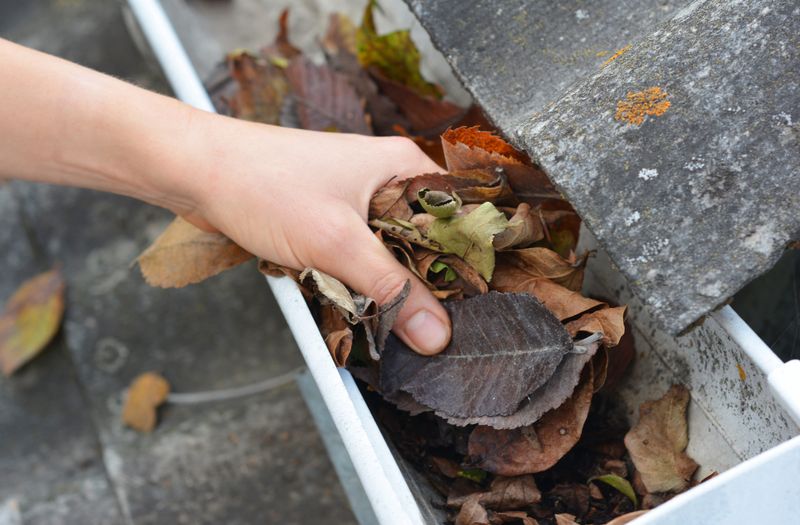
Few spots invite a glowing ember like a gutter packed with brown pine needles. CAL FIRE notes that wind-blown embers are a leading cause of homes catching fire, and dry debris on roofs and in gutters ranks among their favorite targets.
Clearing leaves, needles, and twigs from gutters and roof valleys takes priority. A gutter scoop and gloves speed the job.
Ladder work is best saved for calm conditions with a helper holding the base, and the roof is no place to be once winds pick up.
Ground level comes next. The first five feet around the home, known as the ember-resistant zone or Zone 0, deserve a careful rake to remove dry leaves, grass, and needles. Decks, porches, and steps benefit from a sweep.
Leaves love to hide under decks and in corners, and dry weeds tend to cling to fences and walls.
Under the Zone 0 rules approved this year, bark mulch and wood chips are excluded within those first five feet in designated areas. Swapping them for gravel or bare soil makes sense when time allows.
One caution applies to tools. Mowers and string trimmers can throw sparks off rocks, so power equipment is best kept away from dry grass during Red Flag conditions, with any mowing finished early in the morning before the warning begins.
Debris belongs in the green waste bin or hauled away, since a pile of dry clippings by the garage only moves the problem a few feet.
4. Move Combustible Items Away From The House
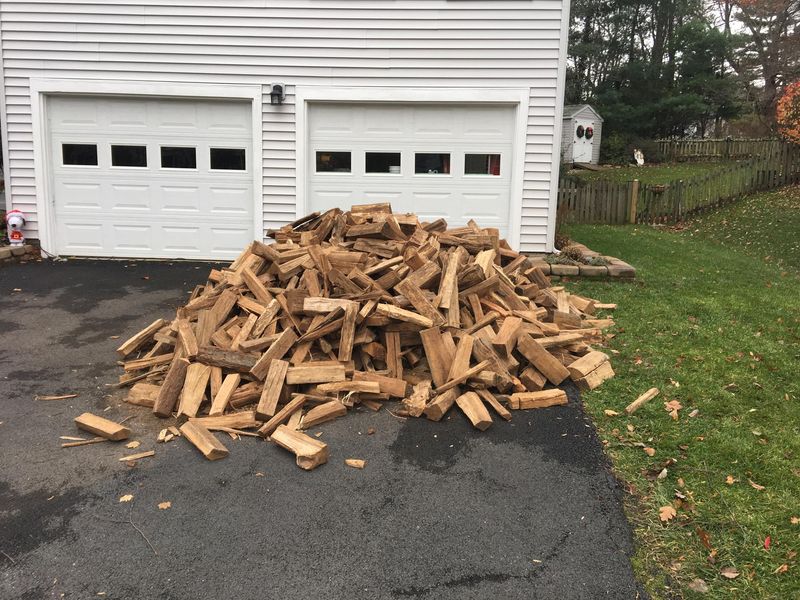
Firewood stacked neatly against the house looks tidy and stays handy. On a Red Flag day, that cozy stack becomes fuel parked right at the walls.
CAL FIRE’s Ready for Wildfire guidance places firewood piles at least 30 feet from the home and other buildings, and the new Zone 0 rules exclude firewood within the first five feet.
Moving part of the pile tonight still helps when moving all of it isn’t practical. A plastic tarp over the stack offers no protection and can melt or ignite. Bare ground or gravel farther from the house makes a better staging spot for the wood that gets moved.
The soft items come next. Patio cushions, outdoor rugs, umbrellas, hammocks, and doormats ignite easily when an ember lands on them, so the garage or house makes a better home for the night.
Wicker chairs and wooden planters also belong away from walls and windows.
A walk around the yard often reveals hidden fuel. Stacks of cardboard, bags of bark-based potting mix, old lumber, brooms, straw bales, and dried wreaths on side gates all catch easily and store better indoors or far from the house.
Propane tanks need care as well. Barbecue tanks stay safest upright, with valves closed, away from the house and dry plants.
Gas cans and paint thinner belong in a safe spot in the garage rather than tucked beside a wooden fence. A quick sweep tonight can keep a stray spark from growing into something far bigger.
5. Secure Furniture Pots And Tools
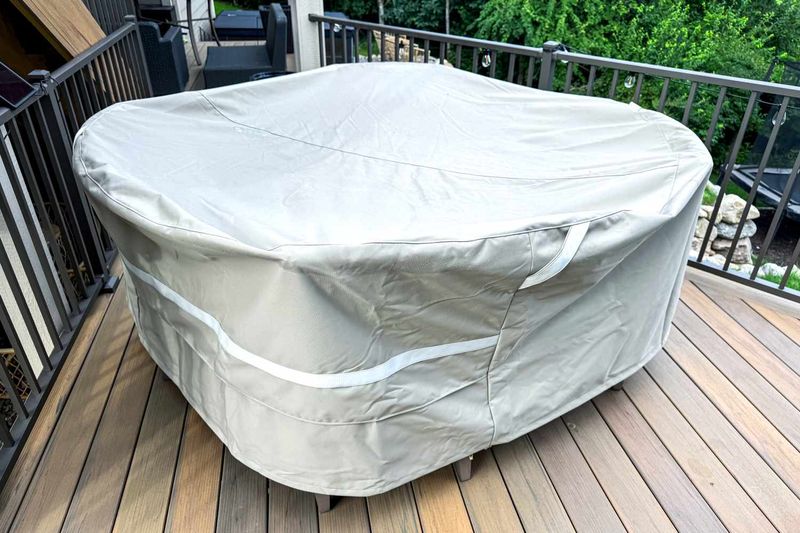
A plastic patio chair cartwheeling across the yard is no rare sight during a strong wind event. Santa Ana and Diablo winds can toss chairs, umbrellas, and trash cans hard enough to break windows, dent cars, or damage nearby power lines.
Light items come first. Market umbrellas fold up and lie flat or move indoors, while lightweight chairs can be stacked in the garage or tied together and strapped to something sturdy.
Small tables rest more securely on their sides against a protected wall.
Potted plants follow. Tall pots catch wind like sails and tip over, cracking containers and snapping stems.
Clustering them in a sheltered corner, laying very tall ones gently on their sides, and moving hanging baskets to the ground all reduce damage. Grouped pots also hold moisture better.
Tools are easy to overlook. Rakes, shovels, and pruners leaning on a fence can turn into flying hazards or vanish into the next yard, so the shed, with its door latched, makes a safer spot.
Closed gates and secured trash and recycling bins round out that step.
Trellises, bird feeders, shade sails, and garden decorations all count as wind targets too. Shade sails are best taken down completely, since strong gusts can rip the fabric or pull posts from the ground.
Solar stake lights pull out easily and are worth gathering. A yard with nothing left loose means less cleanup afterward and far less risk to anyone outside during the gusts.
6. Stake Young Trees And Tall Plants
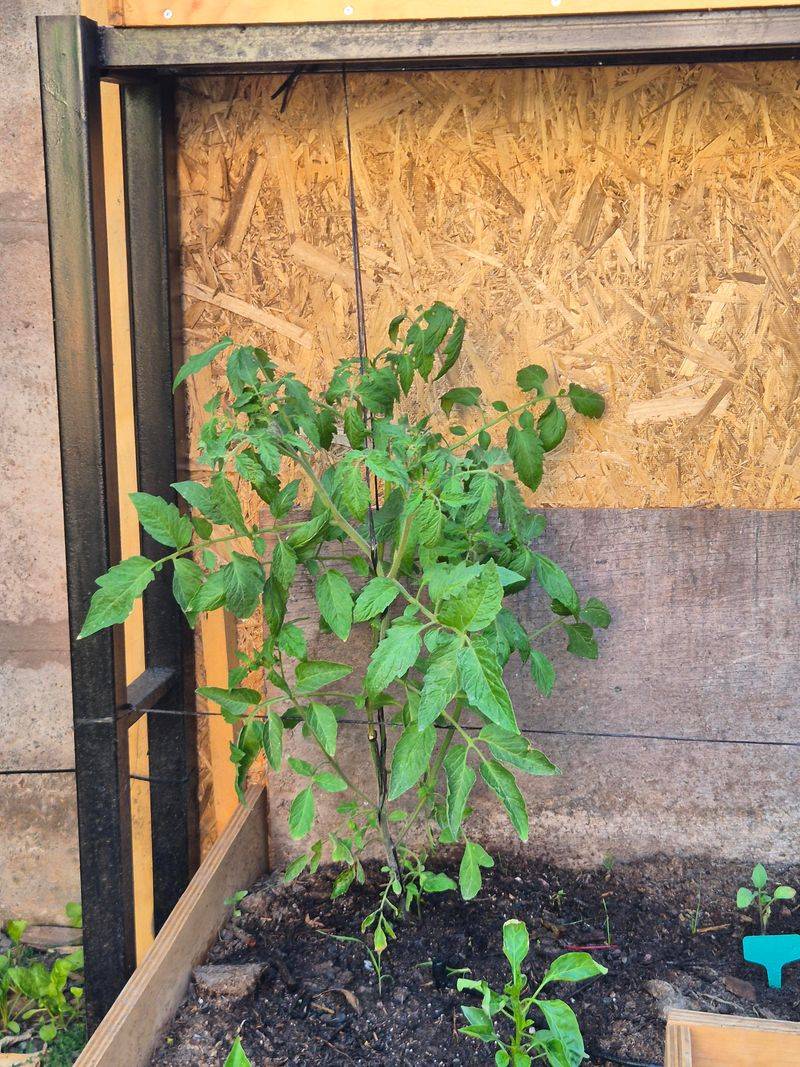
Small root systems leave young trees easy targets for strong gusts, and tall flowers and vegetables run a close second. A single windy night can leave a new citrus tree leaning badly.
UC ANR advice calls for supporting young trees with two stakes placed on opposite sides of the trunk, outside the root ball. Soft, flexible ties in a loose figure-eight let the trunk sway a little.
Wire or tight string is best avoided, since it can cut into bark.
Existing stakes deserve a check. Pushing them firmly into the soil, replacing any that have weakened or worn, and adjusting ties so they hold snugly without choking the trunk all help.
A little trunk movement actually helps trees grow stronger over time.
Tall plants need backup too. Tomatoes benefit from extra ties to their cages or stakes, especially near the top where plants carry the most weight.
Sunflowers, dahlias, and climbing beans appreciate a sturdy bamboo cane or two, and trellises hold better when tied firmly to a fence.
Light pruning makes sense only for branches that are clearly broken, brittle, or rubbing. Heavy pruning the day before a windstorm is best avoided, since fresh cuts and stressed plants make a poor match.
The deep watering from earlier helps here as well, because moist soil holds roots more firmly than dusty ground. A few minutes of staking can protect a tree that took years to grow.
7. Harvest Ripe Fruit And Produce
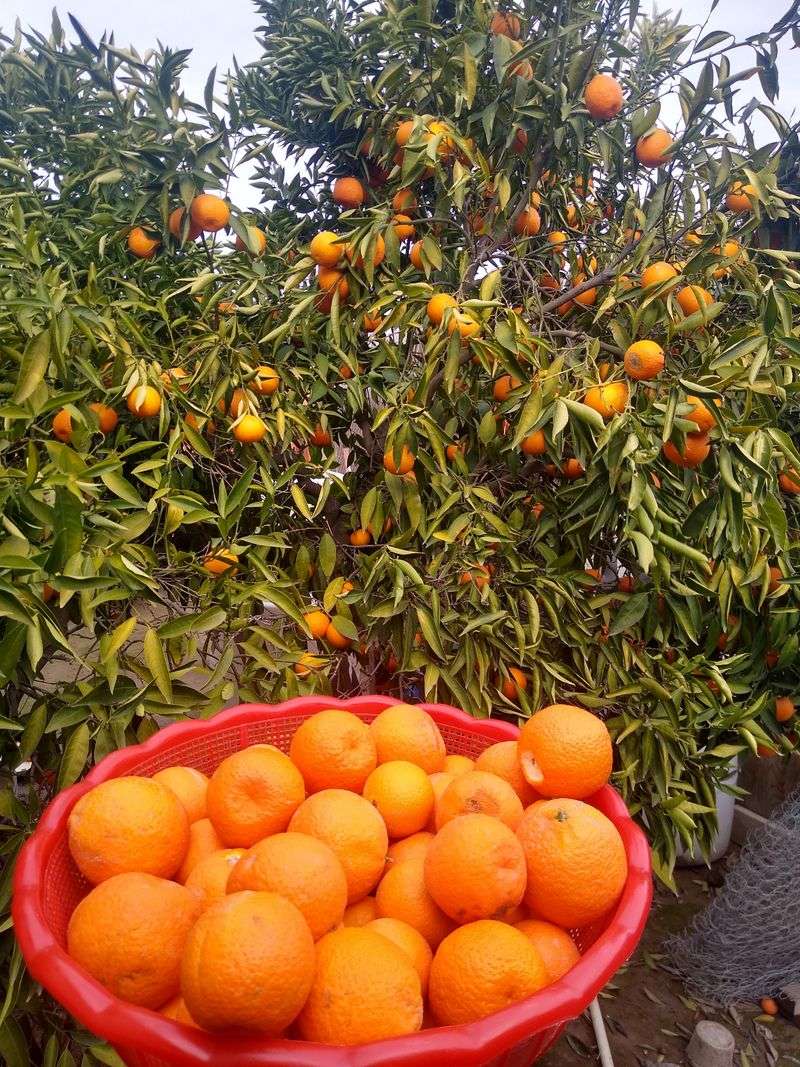
Strong winds love a ripe target. Fruit hanging heavy on branches can end up on the ground overnight, bruised and split before the morning coffee.
October offers plenty to gather. Pomegranates, apples, lemons, and early persimmons often hang ready, along with the last tomatoes, peppers, and squash of the season.
A basket trip through the garden for anything ripe or nearly ripe saves much of it. Lemons hold well on the counter or in the refrigerator, and mature avocados finish ripening indoors, so those can come off a little early.
Leafy greens and herbs also take a beating from hot, dry wind. Lettuce, basil, and kale ready for the next few days can be snipped now, since gusts often leave tender leaves torn and crispy.
Picking helps the plant, too. Heavy fruit adds weight that can snap branches in strong gusts, while lighter limbs bend and recover more easily.
Fallen fruit matters for another reason. Rotting fruit on the ground attracts rats and other pests, according to UC IPM, and dried drops add to yard litter that can catch embers.
Already fallen fruit belongs in the green waste bin. Gloves help, since rodents and yellowjackets often find fallen fruit first.
A bowl of fresh lemons on the kitchen table makes a pleasant reward for a busy evening. Lemonade, shared extras for the people next door, or sliced fruit tucked into the freezer all keep the harvest from going to waste.
8. Check Hoses Sprinklers And Water Access
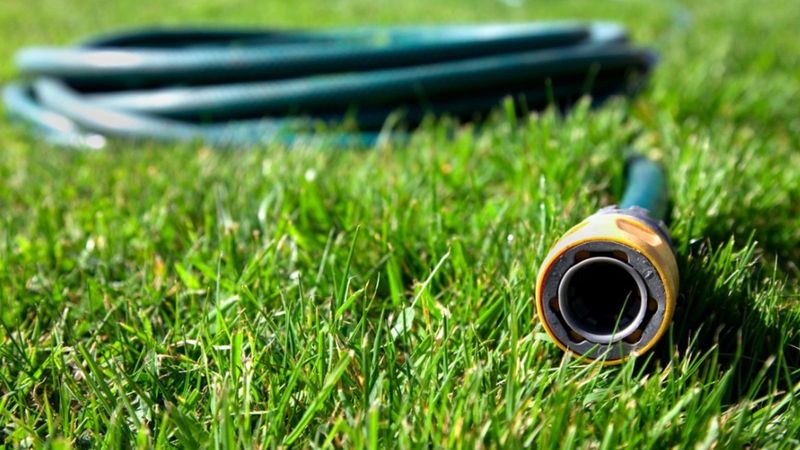
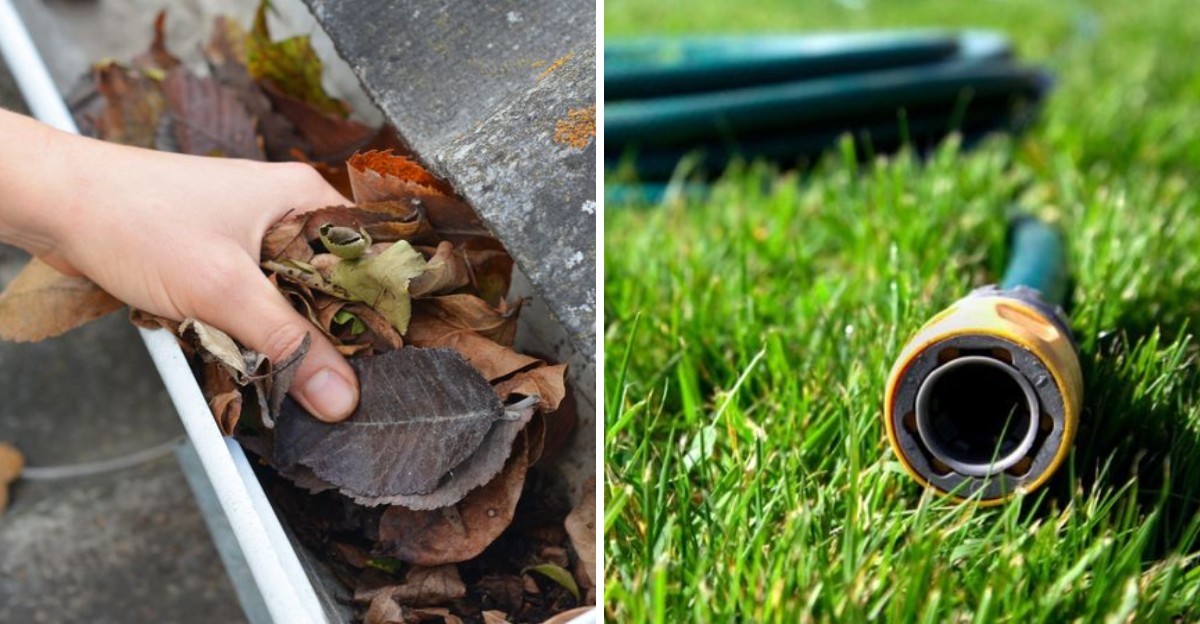
Each outdoor spigot deserves a quick test. A hose cracked by summer sun or a nozzle that sticks is far better found tonight than during an emergency.
CAL FIRE suggests keeping a garden hose long enough to reach every side of the home. Connecting it to a spigot, adding a shutoff nozzle, and coiling it where it can be reached quickly all save precious seconds.
Leaky washers and clogged sprinkler heads are worth fixing now so irrigation works when needed.
Knowing the location of the main water shutoff, and how to operate it, adds another layer of readiness.
A bucket, shovel, and rake kept nearby help with small spot fires from embers, though only when officials have not ordered residents to leave.
Sprinklers left running on the roof or across the yard during an evacuation are best avoided. CAL FIRE warns that running water can lower the pressure firefighters rely on, so shutting sprinklers off before leaving matters.
People always come before plants. Alerts from the county, CAL FIRE, and the local fire department deserve close attention through the warning period.
When an evacuation warning or order arrives, leaving promptly with family, pets, and the go-bag takes priority over everything else in the yard.
No pot, tree, or tomato is worth a single minute of delay. A yard prepared the evening before lets everyone focus on what truly matters once the wind arrives.