Here’s Why You Should Always Put A Coffee Filter In Your New York Flower Pots
Muddy water is sprinting across your windowsill toward your socks right now. You water your favorite pot in New York and dirt escapes with the flow. Below, your neighbor’s fire escape collects a brown splatter nobody ordered.
Gardeners across the boroughs have fought this mess with sponges and sighs. Meanwhile, the fix sits in your cabinet beside the sugar.
It costs pennies, smells faintly of fresh paper, and takes seconds to use. Baristas discard this item in huge numbers.
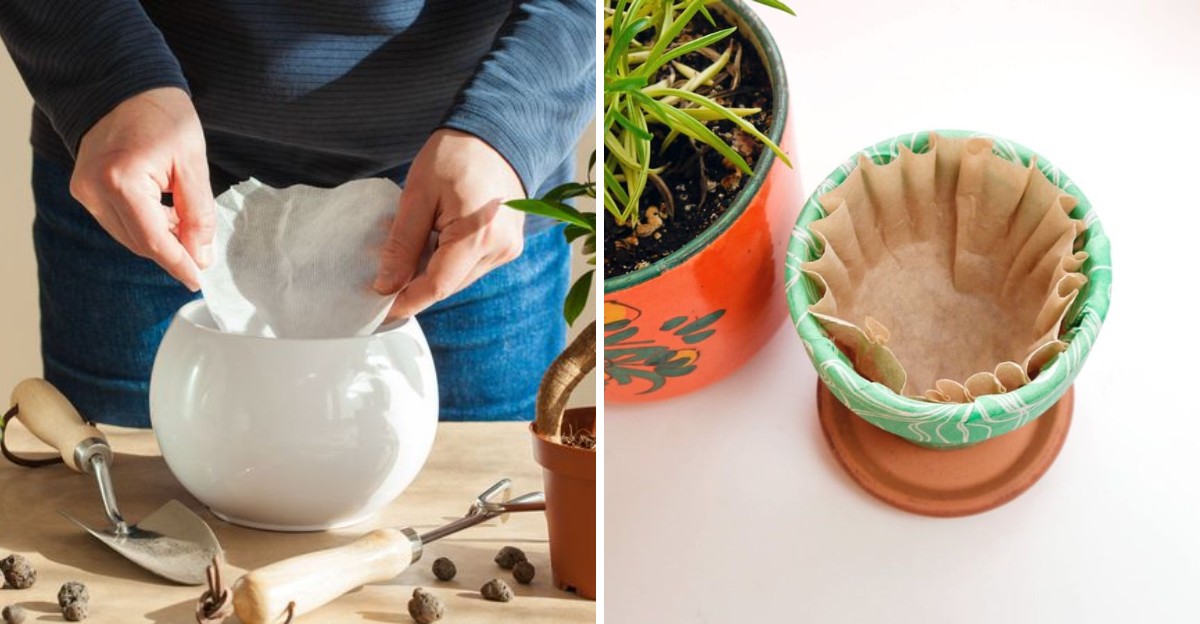
Plant stores charge extra for fancy versions of the same trick. Slip a round of paper over the drainage hole and soil stays put.
Water drains through while the paper holds back loose soil grains. Apartment growers across New York now use this simple hack. Gravel can trap water near roots. Your coffee filter dodges that trap and does much more.
1. Helps Keep Soil From Washing Out The Drainage Hole
Every time you water a potted plant, a little bit of soil tries to make a getaway. The drainage hole is its favorite exit, and gravity is happy to help.
Over weeks and months, that slow leak adds up to a surprising amount of lost dirt. Roots end up sitting higher, drying out faster, and searching for food that washed away.
A coffee filter works like a tiny security guard parked right over the hole. Water slips through its paper fibers, but most soil particles stay behind.
Setting one up is simple, even if you have little gardening experience. Lay a single filter flat at the bottom of the pot before you add any soil.
For bigger holes, use one wide filter or a slight overlap, since stacked layers slow drainage. Press it down gently with your fingers so it sits snug against the base.
Heavy fall rains can soak outdoor pots quickly. Those downpours push extra water through the soil, and that means extra soil escaping too.
With a filter in place, your potting mix stays largely where you put it. You will spend less money buying fresh bags of soil to top things off.
Think of it as a seatbelt for your dirt during a rainy October storm. Your plants will hold steady, and so will your wallet.
Give it a try on one pot this week and compare it with another. Compare the two pots after a month and judge for yourself.
2. Saves Your New York Floors And Patios From Muddy Stains
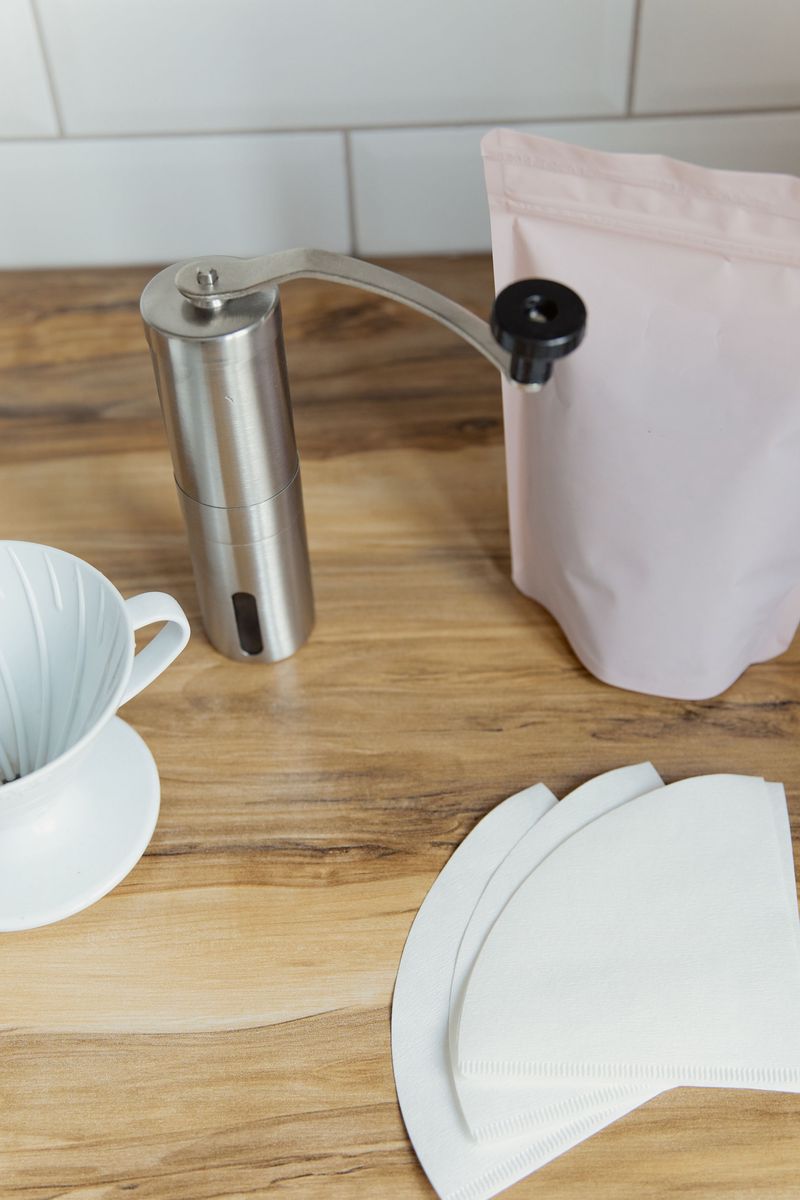
Ask any apartment dweller in Queens about muddy water stains, and you might get a long story. Those brown rings on wood floors and windowsills can be stubborn to scrub away.
Dirty runoff happens when loose soil mixes with drainage water and flows out of the pot. It lands in saucers, drips off ledges, and splashes onto anything nearby.
A coffee filter catches most of that grit before it ever leaves the container. What drips out afterward is noticeably clearer, though it can still carry some tint.
Clear water is far easier to wipe up than a puddle of mud. It also leaves fewer marks on painted ledges, stone patios, and wooden decks.
Your New York Garden Changes Every Week. Your Plan Should Too.
Gardening in New York changes quickly throughout the season. Every Friday you’ll receive a simple weekly plan showing exactly what to plant, prune, fertilize, harvest, and protect so you never miss the right timing.
Renters especially benefit, since security deposits can shrink when floors show water damage. A few cents of paper might save you a frustrating conversation with your landlord.
Balcony gardeners have another reason to care about where their pot water goes. Muddy drips falling onto a neighbor’s railing or air conditioner can cause disputes.
Pair the filter with a deep saucer for even better protection indoors. Empty the saucer about thirty minutes after watering so roots do not sit in a puddle.
Brownstone stoops and rooftop terraces look much tidier without muddy streaks running down. Your outdoor space stays photo ready, even after a busy weekend of watering.
Clean floors, calm neighbors, and healthy plants make a useful combination. All it takes is one flat paper circle tucked into the bottom of each pot.
3. Lets Extra Water Drain Away Freely
Here is a myth worth busting: rocks at the bottom of a pot do not improve drainage. Horticulture research shows gravel can trap water higher up, near the roots.
That soggy zone is called a perched water table, and plants do poorly in it. Roots sitting in wet soil can struggle with waterlogging and turn mushy.
A coffee filter takes up almost no space, so soil reaches the bottom of the pot. Water can flow straight down and out without getting stuck in a rocky layer.
The paper is thin enough to let moisture pass but strong enough to hold soil. It is a balancing act that a gravel layer does not match.
October in New York brings cooler days, so pots dry out more slowly than in summer. Good drainage matters even more now, because soggy soil stays soggy much longer.
Herbs like rosemary and thyme are especially picky about wet feet. Mums and ornamental kale on your stoop also prefer soil that drains well.
Choose plain white or unbleached basket filters for the best water flow. Cone filters work too, but you may need to cut them open and flatten them.
Check your setup after watering by watching how quickly water appears at the hole. A steady trickle soon after watering means things are flowing nicely.
Lighter pots are another bonus, since you skip the heavy gravel layer. Moving containers indoors before the first frost suddenly feels a lot easier.
4. Blocks Bugs From Crawling Into The Pot
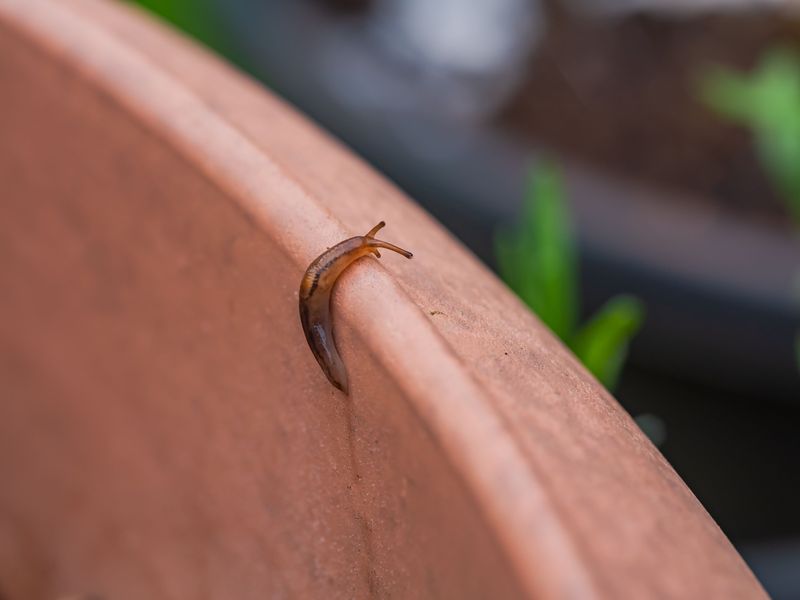
Picture a tiny slug sliding up through a drainage hole at midnight, looking for a snack. Not ideal, right?
Drainage holes are open doors for crawling critters, especially in outdoor pots. Slugs, sow bugs, earwigs, and ants all love the cool, damp space under a container.
A coffee filter adds a simple barrier between the outside world and your plant’s roots. It will not stop every determined bug, but it may make the trip harder.
Fall is a busy season for pests looking for shelter before winter. Many New York gardeners bring pots inside in October, and hitchhiking bugs come along too.
Nobody wants earwigs scurrying across the kitchen counter after moving a geranium indoors. A filter at the bottom reduces the odds of unwanted guests sneaking into your home.
Before bringing plants inside, lift each pot and check the bottom closely. Rinse off visible bugs with a gentle spray, and check the soil surface for gnats or mealybugs.
Then replace old, torn filters with fresh ones while the pot is empty or being refreshed. A clean barrier gives you better protection through the long indoor months.
Raising pots on small feet or bricks helps too, since bugs love dark, damp hiding spots. Air flowing underneath keeps the base drier and less inviting.
Combined with a filter, these easy habits help keep many crawlers out of your containers. Your houseplants can rest easy, and so can anyone who dislikes surprise bugs.
Kids and pets will appreciate a bug free living room too. Fewer critters indoors means fewer surprises when someone moves a plant.
5. Protects Roots During Freeze And Thaw Cycles
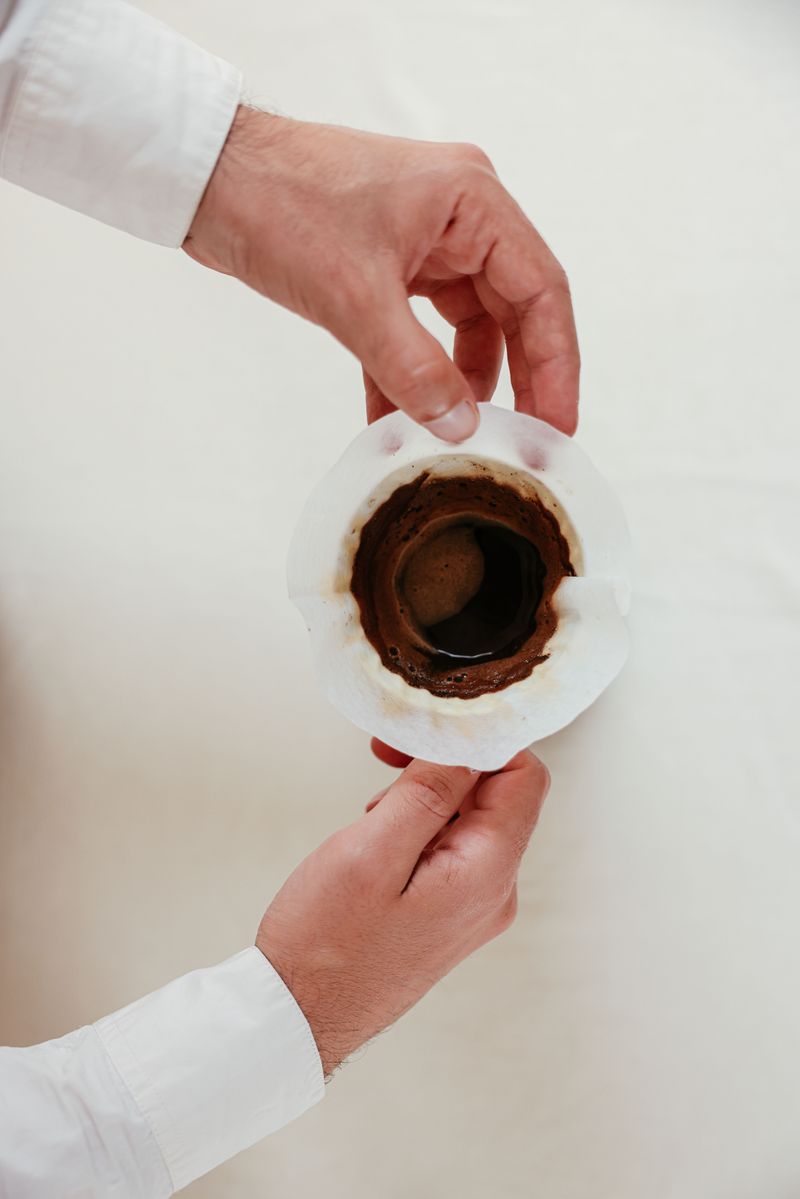
New York winters love to play games, with icy nights followed by surprisingly mild afternoons. Those swings can be tough on potted plants left outside on balconies and stoops.
When wet soil freezes, it expands, and when it thaws, it shrinks back down. Repeated cycles can shift soil, loosen roots, and even crack fragile clay pots.
Good drainage is one of the best defenses against this seasonal tug of war. Less trapped water means less ice forming around delicate roots.
A coffee filter can help keep soil from plugging the drainage hole. Water keeps draining while soil stays in the pot, though you should replace the filter when you repot.
October is a good month to prepare, since the first frost usually arrives in mid to late November in the city, and earlier in the Hudson Valley. Repot hardy perennials or shrubs early in fall so their roots settle before the cold.
Add a fresh filter during repotting, then water thoroughly and let the excess drain. Group pots together near a wall to share warmth on chilly nights.
Burlap wraps or bubble wrap around the outside of containers add another cozy layer. Some gardeners also tuck pots into larger boxes filled with fallen leaves.
Avoid watering right before a hard freeze is forecast in your neighborhood. Moist soil is fine, but soaking wet soil invites ice trouble.
Terracotta pots are especially sensitive, so give them extra care this season. A working drainage system makes spring revival far more likely for your favorite plants.
Come April, you might find green shoots poking up right on schedule. That small paper circle may have played a small part in the good result.
6. Costs Pennies Compared To Fancy Pot Liners
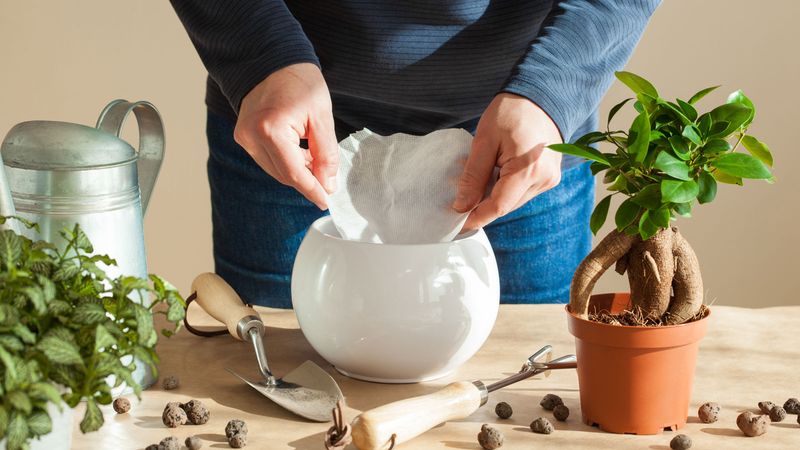
Garden centers sell fancy mesh discs, foam liners, and special screens for drainage holes. Premium discs and liners can run several dollars each, which adds up if you own a dozen pots.
Coffee filters, meanwhile, come in packs of a hundred or more for just a few bucks. That works out to about a cent or two per pot.
Bodegas, grocery stores, and dollar shops all over New York carry them. You can grab a pack on the way home without a special trip.
You may already have a stash sitting in a kitchen drawer. Even if you only drink tea, a roommate or neighbor probably has extras to share.
Savings matter when city living already stretches budgets thin. Spending less on supplies leaves more money for new plants, better soil, or cute pots.
Teachers running classroom gardens can use this trick for the same reason. Students can set up dozens of seed cups without blowing the school supply budget.
Community gardens often rely on low-cost methods like this one. Sharing simple, low cost methods helps more neighbors grow food and flowers together.
Buy basket style filters if possible, since they fit round pots of many sizes. Store the extras in a dry bin with your trowel and gloves.
Paper towels can work in a pinch, but they break apart much faster. Coffee filters hold up better when wet, which makes them a good fit.
Your wallet gets a break, and your plants will not notice the difference. Sometimes the humblest supplies turn out to be the smartest.
7. Makes Fall Repotting Quicker And Cleaner
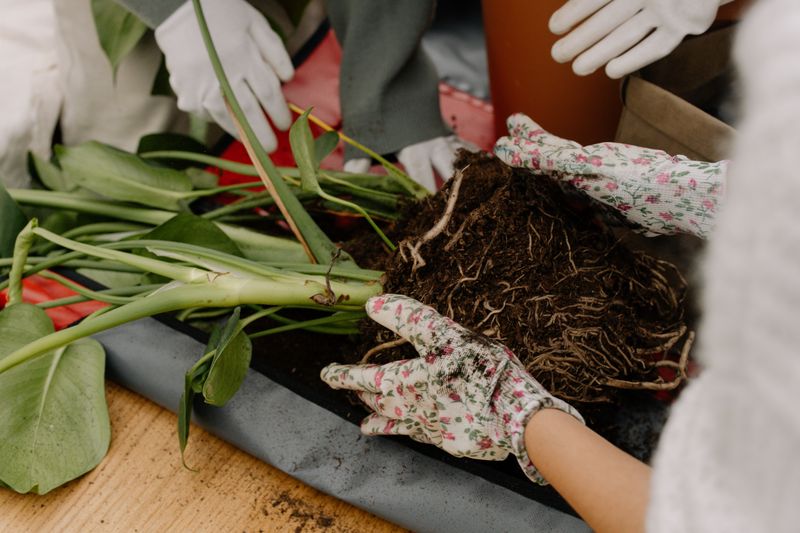
Repotting day can feel like a wrestling match with a stubborn root ball. Soil spills everywhere, the plant refuses to budge, and suddenly the kitchen floor is a disaster.
A coffee filter at the bottom makes the whole process noticeably smoother. Roots and soil slide out more easily because they are not stuck in the drainage hole.
Without a filter, roots can grow straight through the hole and grip the pot tightly. Pulling them free can tear tender roots and stress the plant.
Fall repotting works if houseplants must come inside from balconies, though spring is ideal. Cooler weather slows growth, so plants handle the move, but they recover more slowly.
Start by watering the plant a day ahead so the soil holds together. Tip the pot sideways, tap the edges, and ease the plant out gently.
The old filter may come out with the root ball, though roots can grow into it. Peel it away, check the roots, and trim any mushy or brown pieces.
Place a fresh filter in the new container before adding a layer of potting mix. Set the plant inside, fill around the sides, and press the soil down lightly.
Cleanup goes faster, especially if you work over newspaper. Fold the paper, toss the scraps in compost, and you are done.
Some gardeners find the filter trick makes repotting a quicker routine. Give it a shot this weekend and see if you agree.
8. Breaks Down Naturally Without Harming Your Garden
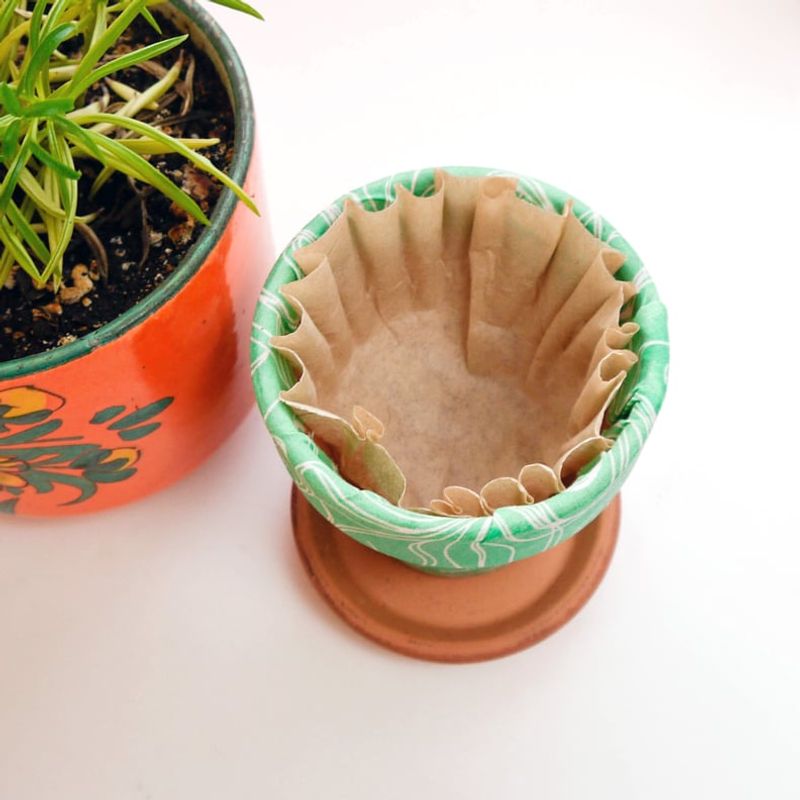
Unlike plastic mesh, a coffee filter is made from plant fibers that return to the earth. Over many months, it slowly softens and breaks down inside the pot.
By then, plant roots have usually spread out and settled the soil into place. The filter does its job early, then quietly fades away like a good stagehand.
Unbleached brown filters are a very earth friendly choice for gardeners. Both types are safe, and white filters from brands like Melitta are whitened with oxygen instead of chlorine.
Used coffee filters can work too, as long as you shake out the grounds first. A light coffee smell is harmless and fades within a few days.
New York City runs a free, mandatory curbside composting program in every borough, so check the Sanitation Department’s accepted list before tossing a used filter in the bin. Choosing compostable garden supplies fits right in with that greener city spirit.
When you eventually empty a pot, toss the old filter into your brown compost bin. It will mix with leaves and food scraps and become rich soil again.
Plastic liners, by contrast, can linger in landfills for decades without breaking apart. Small choices like this add up across millions of city households.
Kids can learn a lot from watching a filter change over a season. Dig one up in spring and talk about how nature recycles materials.
Soil microbes, and earthworms in outdoor pots, help break down the softened paper. Their activity improves soil structure and helps your plants grow stronger.
One paper circle keeps soil tidy and breaks down on its own. That is a gardening win worth bragging about at your next block party.