Creatures You’re Legally Not Allowed To Remove From Your Florida Home Or Garden
Reach for that shovel to evict a squatter, and you could owe the state a lot more than the price of a new one.
Some animals living around your Florida home carry legal protection, and the rules still apply when one parks itself on your porch or tears up your flower bed. Ignorance doesn’t count as an excuse.
Neither does the fact that you got there first.
Plenty of homeowners learn this the awkward way, usually from an officer at the fence. A few of the protected residents look like pests.
Others look so harmless you’d never suspect a problem.
The rules also shift with the season and the situation, which turns guesswork into a risky game.
Find out which neighbors come with a badge before you grab a trap or a broom. One phone call to the right agency can save you a hefty fine.
1. Bats Roosting In Your Attic Or Eaves
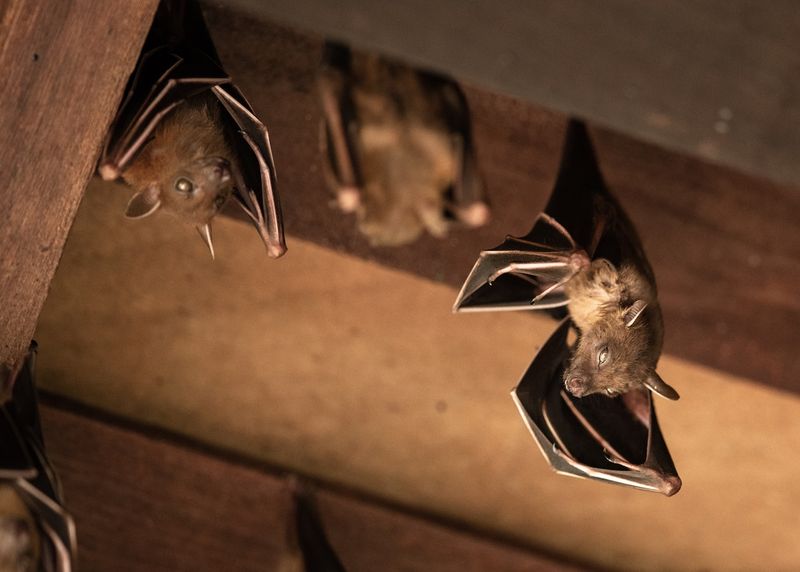
Squeaks at sunset and little dark shapes zipping out of your roofline can feel spooky. Yet those tiny flyers are some of the best bug hunters your neighborhood has.
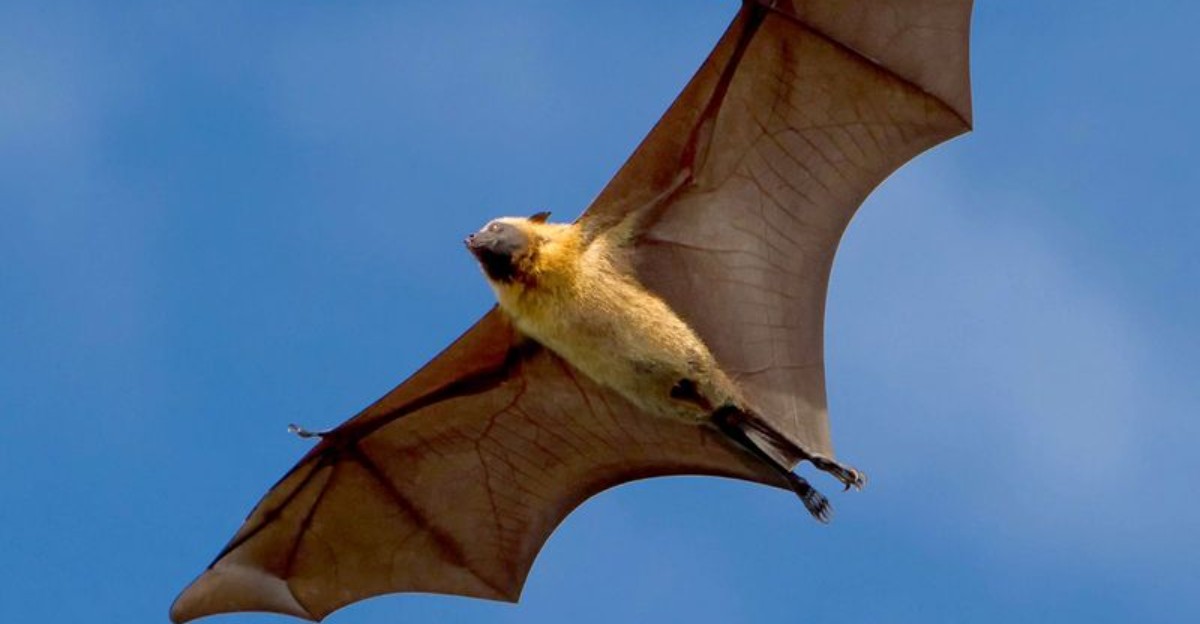
All 13 native bat species in Florida are protected by law. You cannot trap, poison, harm, or relocate them on your own.
The legal fix is called exclusion. A one-way device lets bats leave the attic but blocks them from getting back in.
Timing matters a lot here. From April 16 to August 14, bat mothers are raising pups that cannot fly yet, so exclusion is not allowed without a permit.
Outside that season, exclusion devices must stay up for at least four nights in a row. Those nights need low temperatures of 50 degrees or warmer so bats are active and leave.
Sealing holes while bats are still inside counts as animal cruelty under Florida law. That can lead to serious trouble, plus a terrible smell later.
A single bat that wanders into your living room is a different story. You can safely guide that one outside any time of year.
Fun fact: one bat can eat hundreds of mosquitoes in an hour. Hiring a licensed wildlife pro who knows exclusion rules keeps you legal and keeps these helpful neighbors around.
2. Gopher Tortoises Digging In Your Yard
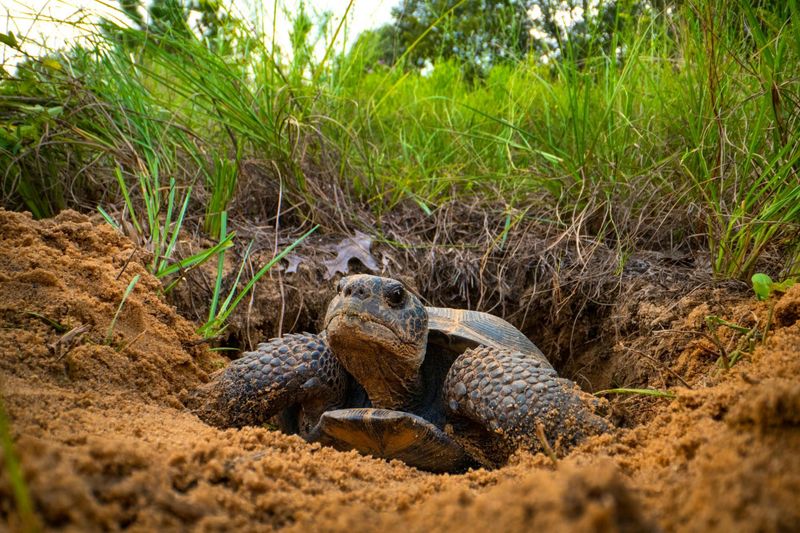
Picture a slow, dusty little bulldozer with a shell. Gopher tortoises dig long burrows that can stretch over 40 feet, and hundreds of other animals use them as shelter.
Because they are a State Threatened species, both the tortoise and its burrow are protected. Harassing, capturing, moving, or disturbing them without permission breaks state law.
Here is the part many homeowners miss. Any digging or ground work within 25 feet of a burrow needs a permit from the Florida Fish and Wildlife Conservation Commission, known as FWC.
That means planning a pool, shed, or new fence takes a little homework first. Survey your yard for burrows before any heavy equipment rolls in.
Filling in a burrow, even if you never see a tortoise, can still count as a violation. Penalties may include fines, stop-work orders, and in serious cases felony charges.
Your Florida Garden Changes Every Week. Your Plan Should Too.
Gardening in Florida changes quickly throughout the season. Every Friday you’ll receive a simple weekly plan showing exactly what to plant, prune, fertilize, harvest, and protect so you never miss the right timing.
Only FWC Authorized Agents can usually capture and relocate these reptiles. Property owners with 10 or fewer burrows may handle it after finishing FWC online training and getting a permit.
The easiest move is often to simply work around them. Mow carefully, keep pets away from the burrow opening, and enjoy having a living fossil as your quiet backyard roommate.
3. Florida Burrowing Owls Nesting In Open Lots
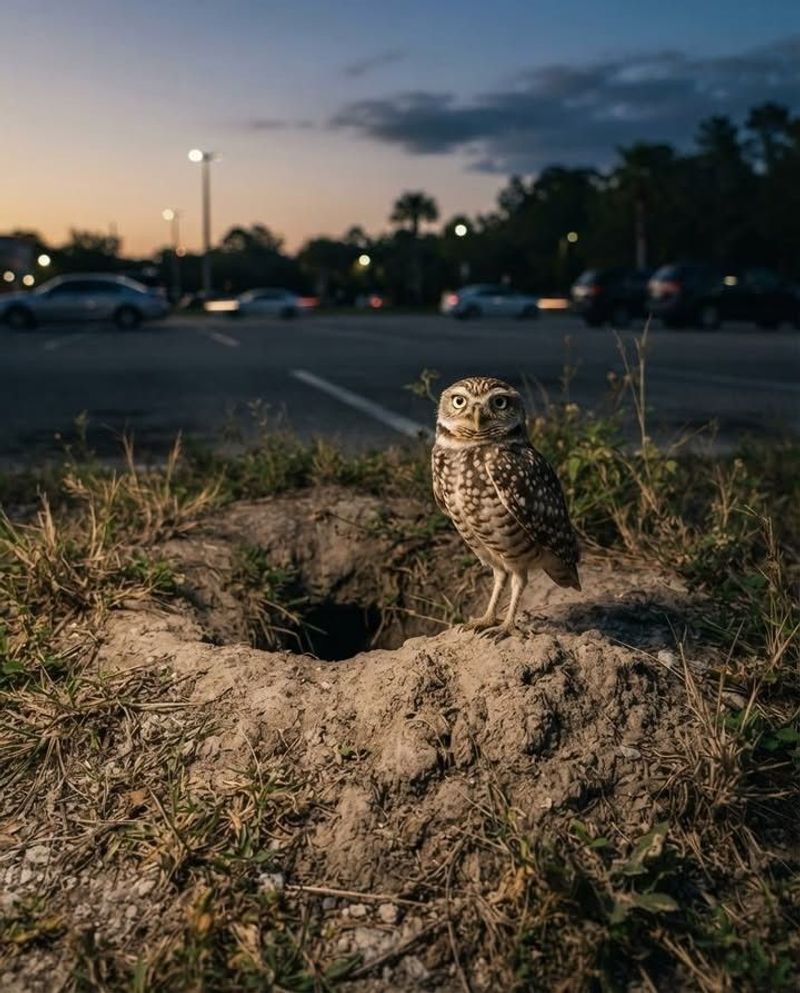
Long legs, bright yellow eyes, and a habit of bobbing their heads give these owls a cartoon-like charm. Unlike most owls, they live underground and are often spotted in daylight.
Florida burrowing owls are a State Threatened species. The birds, their burrows, and their eggs are protected by state law and the federal Migratory Bird Treaty Act.
Their breeding season runs from February 15 to July 10. During those months, extra care is needed around any burrow.
Permits are required for building work within 33 feet of a burrow during nesting season. The rest of the year, that buffer shrinks to 10 feet.
Even an empty burrow cannot be destroyed without an FWC permit. Owls often return to old homes, and young birds may tuck inside.
If a burrow sits right where you want to build, FWC treats destruction as a last resort. Builders may be asked to create starter burrows nearby to give the owls a new spot.
Many communities, like Cape Coral, mark owl burrows with small stakes and rope. Leaving those markers alone and keeping lawn mowers back is a friendly way to help.
4. Eastern Indigo Snakes Passing Through
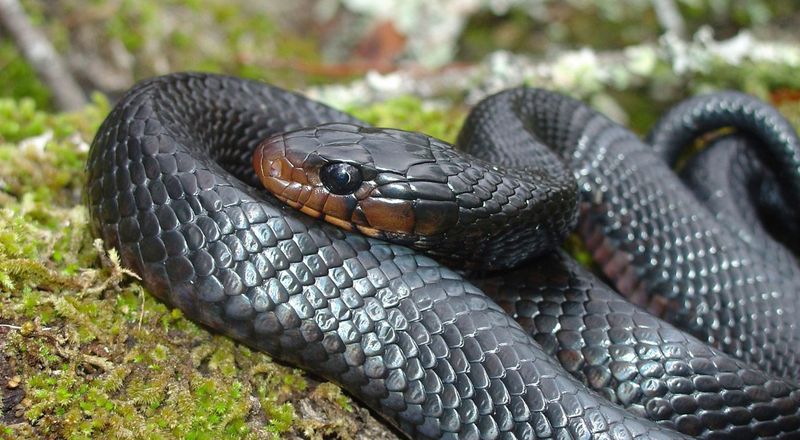
Shiny as polished black glass with a blue shimmer, the eastern indigo snake is the longest native snake in the United States. Some stretch past eight feet.
Spotting one might make your heart race, but take a breath. These snakes are not venomous, and they even eat other snakes, including rattlesnakes.
Eastern indigos are listed as Threatened by both the U.S. Fish and Wildlife Service and FWC.
Under the Endangered Species Act, you cannot take one without a permit.
That word take covers a lot. It includes harming, harassing, chasing, trapping, capturing, or collecting the snake.
Breaking these rules can lead to big fines or even jail time. So the best plan is pretty simple.
Step back and let the snake move along on its own schedule. Do not touch or handle it, even to help it cross the yard.
If you are clearing land and see one, stop the work right away. Contact the nearest U.S.
Fish and Wildlife Service field office with the location and condition of the snake.
Think of it as a rare celebrity cameo. Snap a photo from a safe distance and let it continue its stroll.
5. Great Horned Owls Nesting In Your Trees
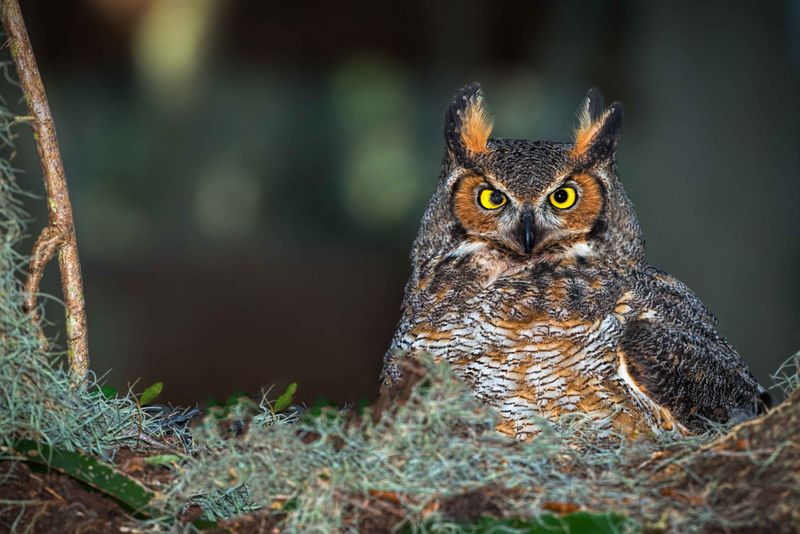
Hoo-hoo, hoo-hoo. That deep, soft call at midnight might mean a great horned owl family has moved into the oak out back.
All Florida raptors, including these feathery tigers of the night, are protected by the federal Migratory Bird Treaty Act and state law. That covers the birds, their nests, and their eggs.
Disturbing the nest of any native bird requires a permit. If eggs or chicks are inside, you need permission from the U.S.
Fish and Wildlife Service.
Be careful when walking near an active nest. Great horned owls guard their young fiercely and may swoop at people who get too close.
Wearing a hat and keeping your distance during nesting season can save you a scratched scalp. Keep small pets indoors at night too, since these owls are skilled hunters.
Once the young owls leave and the nest is empty, it may be removed. You can then block the spot to discourage nesting there again.
Find an owl that seems hurt? Call a licensed wildlife rehabilitator instead of handling it yourself.
Many homeowners grow fond of their owl neighbors. They help control rats and mice for free, which is a pretty good rent deal.
6. Routine Yard Work Usually Doesn’t Need A Permit
Relax, gardening fans. Trimming shrubs, pulling weeds, and mowing the lawn usually do not require any special paperwork.
Things change when wildlife enters the picture. Florida defines nuisance wildlife as animals that cause or are about to cause property damage, threaten safety, or create an annoyance in or under a building.
Property owners can generally deal with nuisance animals that fit that definition. You may also hire someone to handle it for you.
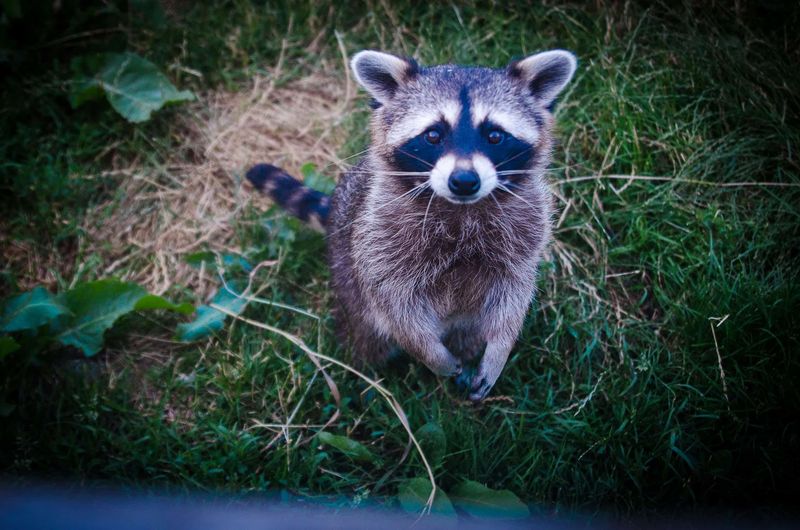
Still, simply seeing a raccoon or opossum in your yard does not make it a nuisance. FWC suggests trying prevention first, like securing trash cans and sealing gaps under porches.
Trapping and moving native wildlife should be a last option. If you release one somewhere else, the land must be at least 40 connected acres in the same county.
You also need written permission from that landowner. Dropping animals on public parks or government land without permission is not allowed.
Some animals carry extra rules no matter what. Alligators, deer, bears, bats, bobcats, protected birds, and listed species require special permits or cannot be removed at all.
When in doubt, a quick call to FWC or a licensed trapper clears things up fast.
7. Report Wildlife Violations To FWC’s Hotline
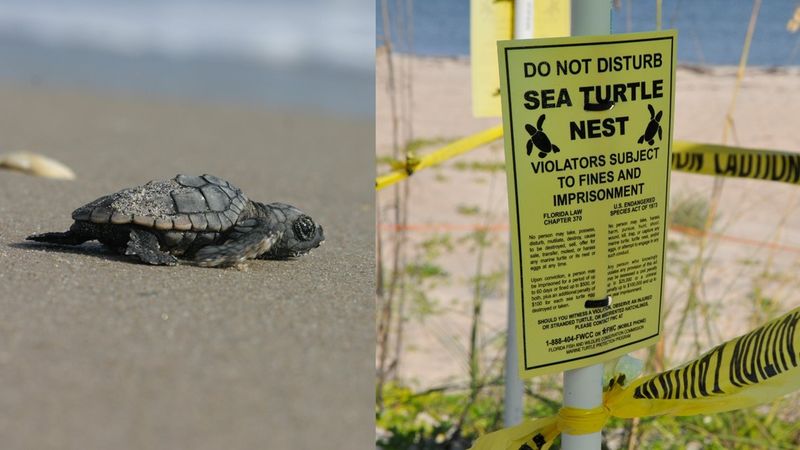
Ever watched a bulldozer roll toward a tortoise burrow and felt your stomach drop? You can do something about it, and you might even earn a reward.
FWC runs the Wildlife Alert Hotline for suspected fish, wildlife, and boating violations. The toll-free number is 888-404-FWCC, which is 888-404-3922.
Calling is not the only option. You can dial #FWC from a cell phone, send a tip online at MyFWC.com/WildlifeAlert, or use the FWC Wildlife Alert app.
Good details make a big difference. Try to note the exact location, what people looked like, vehicle descriptions, and license plate numbers.
Photos taken from a safe spot can help too. Stay calm and avoid confronting anyone yourself, since officers are trained for that part.
Here is a nice bonus. The program offers rewards from 100 to 1,000 dollars when a tip leads to a citation or arrest.
Saving the hotline number in your phone takes about ten seconds. That small step turns you into a backyard guardian for owls, snakes, tortoises, and bats.
Wildlife cannot speak up for itself. Neighbors who pay attention give these creatures a fighting chance.