Sow These Hardy Annuals In New York This Fall For A Flower-Packed Spring
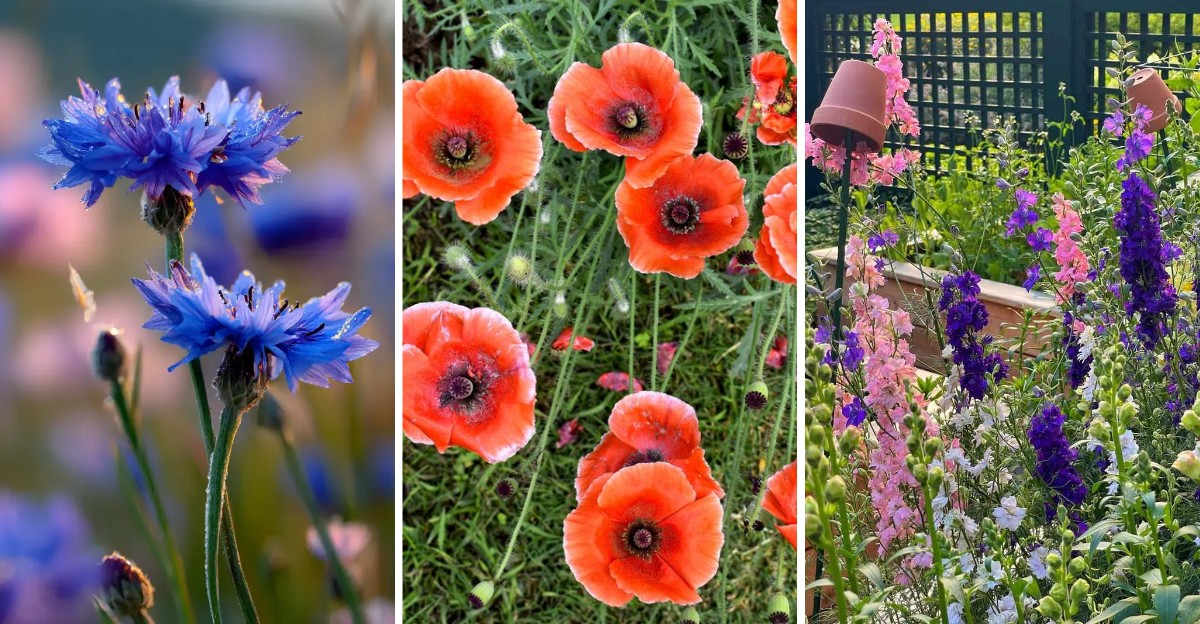
A garden bursting with color while your neighbors are still raking soggy leaves starts with a handful of seeds. Toss them out on a chilly fall afternoon, and let winter do the rest.
In New York, many tough little annuals prefer a cold start. Freezing nights and the slow spring thaw help the seeds wake up strong and ready.
Fall sowing feels like planting a secret, since nothing seems to happen for months. Then one bright spring morning, tiny sprouts appear right where you scattered them.
The plants that follow often grow sturdier and bloom weeks earlier than spring-sown seeds. Some even self-sow and return year after year.
Timing is the trick, since seed should go down late, once the soil turns cold. The flowers below are worth the chilly fingers.
1. Larkspur Loves A Cold Start
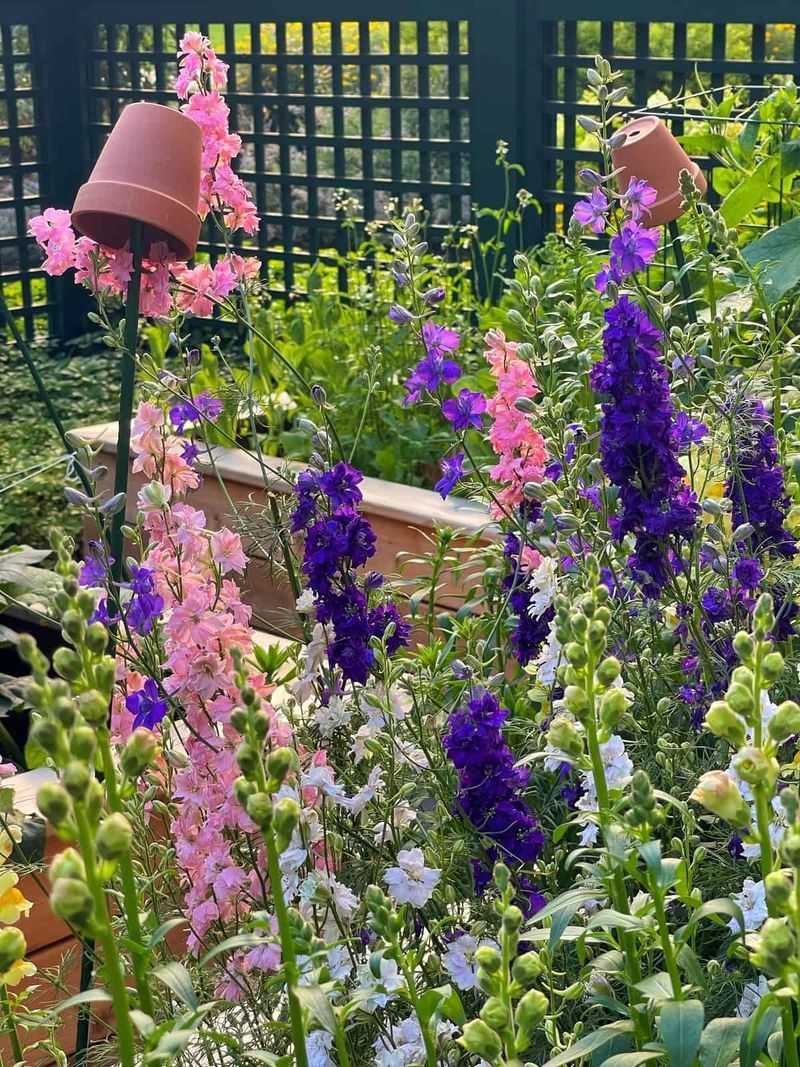
Old-fashioned cottage gardens owe much of their charm to larkspur’s tall, feathery spikes. Grandmothers grew it for good reason, since it blooms in shades of blue, pink, purple, and white.
Here’s the catch that surprises new gardeners. Larkspur seeds sprout poorly in warm soil and need a stretch of real cold first.
Fall sowing gives them that chill naturally. New York winters act like a free refrigerator, waking the seeds up right on schedule.
Spring-sown larkspur often sulks or struggles. Fall-sown plants, on the other hand, grow taller, bushier, and bloom earlier with sturdier stems.
Plant the seeds directly where you want them to grow. Larkspur has fussy roots and rarely enjoys being moved from pots to garden beds.
Aim for a depth of about one quarter to one half inch. The seeds like darkness to germinate, so a light layer of soil matters here.
Pick a sunny spot with soil that drains well after rain. Soggy ground over winter can cause seeds to rot before spring arrives.
Thin seedlings in spring so each plant has about eight inches of space. Crowded plants compete for food and may flop over in the wind.
Fun fact: larkspur gets its name from flower spurs that look like a lark’s claw. Bees and hummingbirds both visit the blossoms often.
Cut a few stems for bouquets once they open. They also dry beautifully when hung upside down in a cool, shady room.
2. Poppies Need Winter To Sprout Well
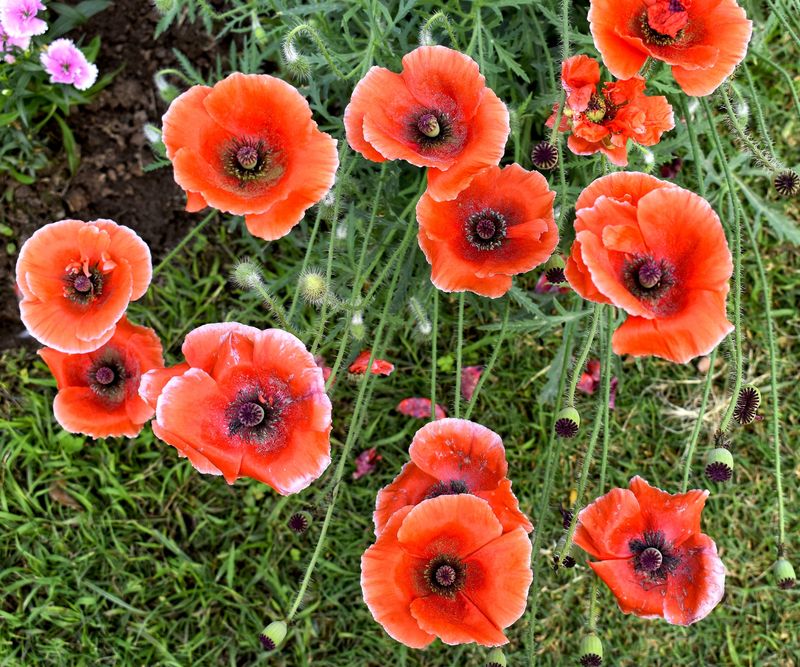
Ever tried growing poppies in May, only to see nothing happen? You’re far from alone, and the problem usually comes down to timing.
Poppy seeds need cold stratification to germinate well. That fancy phrase simply means weeks of cold, damp conditions before sprouting.
A New York winter handles the job perfectly. Freezing, thawing, and melting snow all prepare the tiny seeds for spring growth.
Sow them directly outdoors in late autumn. Poppies hate having their roots disturbed, so transplanting seedlings tends to end in disappointment.
Size matters with these seeds, and they are incredibly small. Mixing them with a bit of dry sand helps you spread them evenly.
Skip the soil covering entirely. Poppy seeds need light to sprout, so simply scatter them on top and press gently.
Your New York Garden Changes Every Week. Your Plan Should Too.
Gardening in New York changes quickly throughout the season. Every Friday you’ll receive a simple weekly plan showing exactly what to plant, prune, fertilize, harvest, and protect so you never miss the right timing.
Choose a sunny, open patch with lean soil. Poppies actually prefer ground that isn’t overly rich, which makes them easy to please.
Breadseed, Shirley, and corn poppies all work well for fall sowing. Each brings its own shade, from soft pink to fiery scarlet.
Once spring arrives, thin crowded seedlings to give each plant room. Extra seedlings can be snipped at soil level rather than pulled.
Leave a few seedpods on the plants after blooming ends. They’ll scatter seeds on their own and return for another colorful show.
3. Bachelor’s Buttons Bounce Back Every Spring
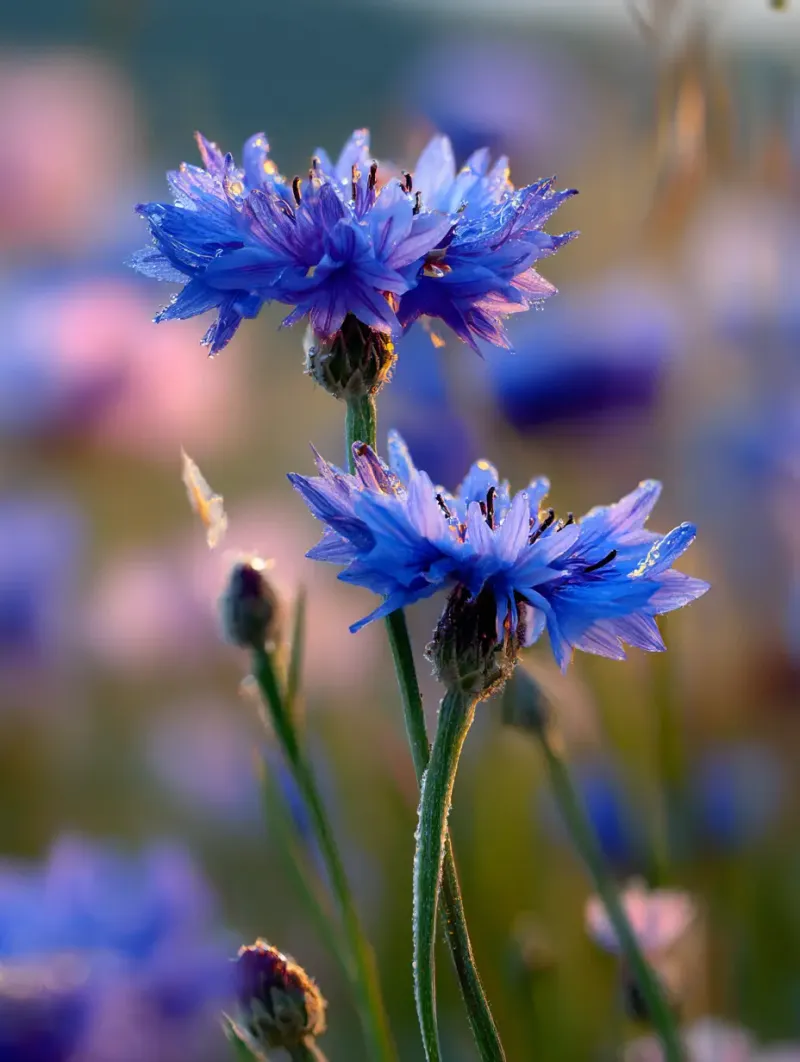
Talk about a flower with staying power. Plant bachelor’s buttons once, and you may find them popping up for years afterward.
Their bright cornflower blue is hard to beat in any garden. Newer varieties also come in pink, white, maroon, and nearly black shades.
Light frost doesn’t bother these cheerful plants one bit. Seeds germinate best in cool soil, making fall a smart sowing season.
Fall-sown plants grow longer stems with better flowers. Cut-flower farmers often prefer this method for exactly that reason.
Sow seeds about one quarter inch deep in a sunny spot. Cover them lightly with soil and pat the area down gently.
The name has a sweet backstory worth sharing. Young men once wore the flowers on their jackets when courting someone special.
Bachelor’s buttons readily self-sow, which explains how they return each spring. Just leave a few faded blooms on the plants to ripen.
Goldfinches love the seeds too, so expect some feathered visitors. Bees and butterflies also flock to the open blossoms all season.
Plants can reach two to three feet tall in good conditions. Plant them behind shorter flowers so nothing gets hidden from view.
Pick blooms often for small bouquets on your kitchen table. Frequent cutting encourages more flowers and keeps the plants looking tidy.
4. Love-In-A-Mist Sows Itself For Years
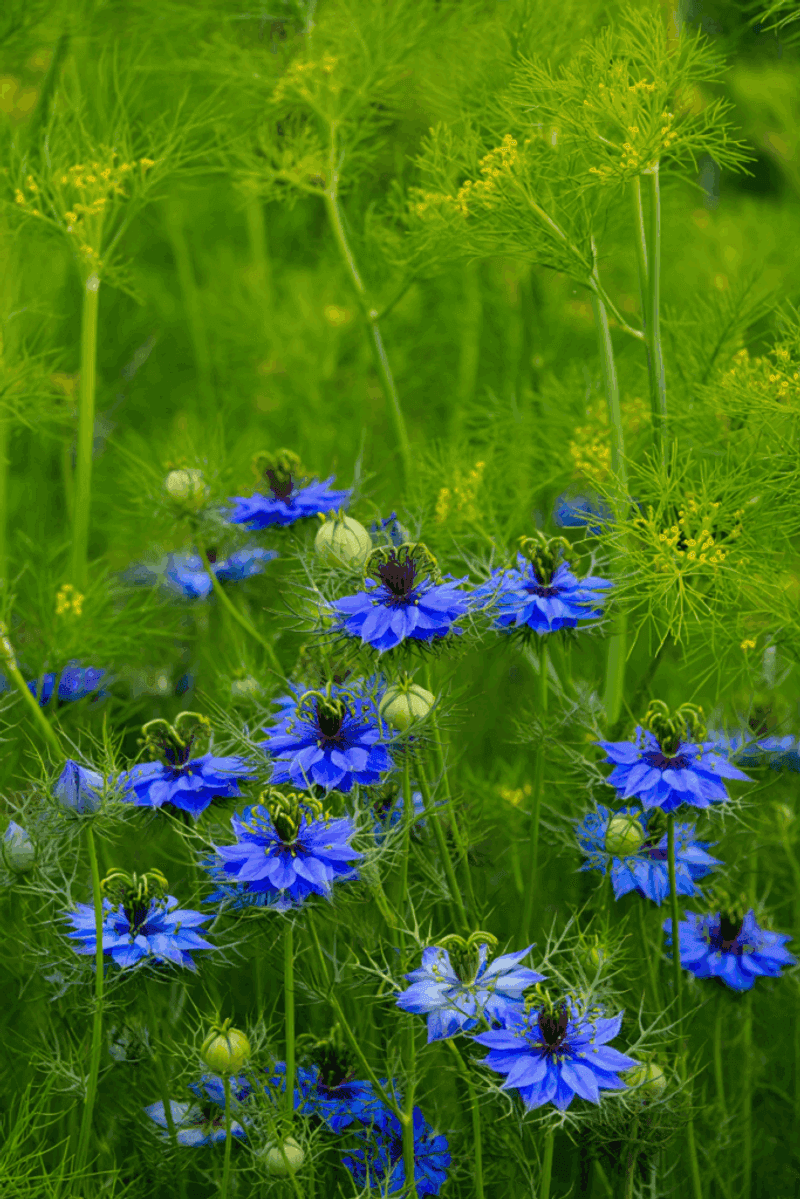
Few plants have a name as dreamy as love-in-a-mist. Each blossom sits inside a cloud of lacy green foliage, almost like a veil.
Gardeners know it by its botanical name, Nigella damascena. Its flowers come in soft blue, white, pink, and lavender tones.
Fall sowing works beautifully for this easygoing annual. Seeds rest through winter, then sprout once the ground warms a little.
Direct sowing matters a great deal here. Love-in-a-mist grows a long taproot that dislikes being moved around.
Plant seeds shallowly, about one eighth to one quarter inch deep. A light dusting of soil on top is plenty.
After the flowers fade, something fun happens. Puffy, striped seed pods form and look wonderful in dried arrangements.
Those pods also explain why the plant returns for years. Seeds fall from them naturally and sprout in the same area next spring.
New York gardeners often find seedlings tucked between paving stones and garden edges. Most volunteers can be moved while tiny or simply thinned out.
Bloom time is fairly short, around a few weeks per plant. Sowing a second batch in early spring stretches the show into summer.
Pair it with poppies or bachelor’s buttons for a soft meadow look. The fine foliage fills gaps and gives the bed a gentle, airy feel.
5. Calendula Shrugs Off Chilly Weather
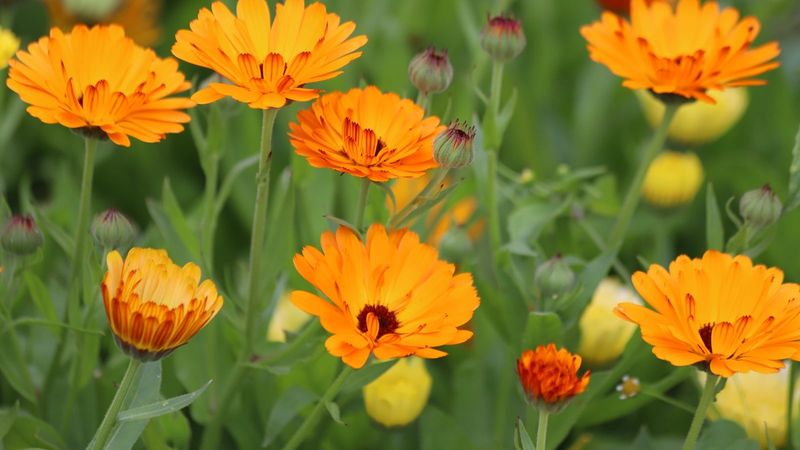
Sunshine in flower form, calendula glows orange and gold even on gray days. Cool weather barely slows it down.
Known as pot marigold, it thrives as a cool-season annual. Early spring and fall are when it truly shines.
Sow seeds several weeks before your first autumn frost. You can also wait and scatter them later for a spring crop.
Plant the curved, crunchy seeds about one quarter to one half inch deep. Calendula needs darkness to germinate, so cover them well.
Hot summers may cause plants to slow down or stop blooming. A trim in July often brings fresh flowers once temperatures drop again.
Here’s a bit of history to enjoy. People have used calendula petals for centuries in soups, salves, and natural dyes.
Toss a few petals into a salad for a peppery pop of color. Make sure no sprays have touched the plants first.
Vegetable gardeners love calendula for another reason too. The blooms draw ladybugs and hoverflies, which help control pests.
Leave some flowers to mature on the plant. Calendula often self-seeds, giving you free plants in following seasons.
Trim regularly the rest of the time to keep blooms coming. A few minutes of pinching each week can stretch the flowering season a long way.
6. Pansies And Violas Bloom Now And Again In Spring
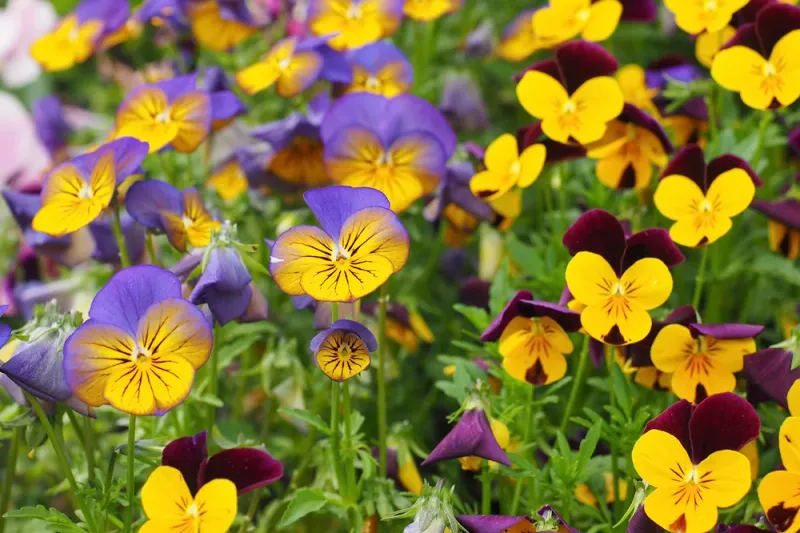
Pansies get a double life, and that’s their real superpower. Plant them in fall for color now, then enjoy a second show in spring.
Both pansies and violas are surprisingly tough. With a layer of mulch, they can ride out much colder nights than their delicate looks suggest.
Early fall planting in New York gives roots time to settle in. Strong roots before winter mean a bigger burst of color come spring.
Many gardeners use nursery plants for fall instead of seeds. Set each plant so the top of the root ball sits level with the soil.
Once the ground freezes, add a few inches of shredded leaves or straw. Mulch protects roots from harsh freeze and thaw cycles.
Don’t panic if foliage looks floppy on a frosty morning. The plants usually perk up once the sun warms them later in the day.
Violas have smaller flowers but often bloom more heavily. They also tend to bounce back faster after a tough winter.
Fun fact: pansy flowers are edible and slightly sweet. Bakers love pressing them onto cookies and cakes for decoration.
Snip off faded blossoms in spring to keep new buds forming. Plants left alone will turn their energy toward making seeds instead.
Try tucking them near walkways and doorsteps. Their cheerful faces greet you on chilly mornings when little else is blooming.
Scatter Seed Right Before The Ground Freezes
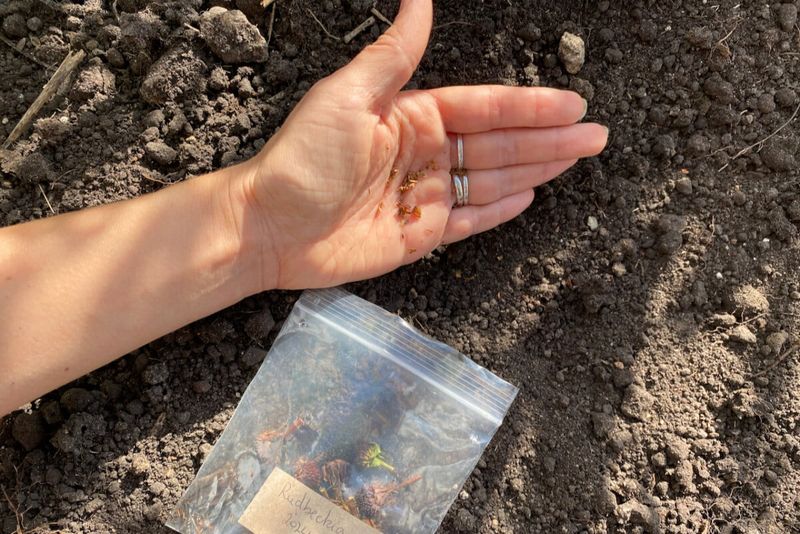
Timing can make or break fall sowing. Plant too early, and your seeds may sprout before winter hits.
Tender seedlings caught by a hard freeze often won’t survive. That’s why patience pays off with this method.
Wait until after your first hard frost of the season. Cold soil keeps seeds sleeping instead of sprouting during a warm spell.
In most of New York, that means late October through November. Upstate gardens usually get there sooner than Long Island or the city.
A quick weather check helps a lot. Look for steady nights in the twenties or low thirties before scattering seed.
Prepare the bed ahead of time while the soil is still workable. Clear weeds and loosen the top inch or two with a rake.
Choose a calm, dry day for sowing. Wind can blow tiny seeds away before they ever touch the ground.
Seeds then sit through weeks of cool, moist weather. That chilly rest breaks their dormancy so they’re ready when spring arrives.
Some gardeners even sow on top of a thin layer of snow. The dark seeds stand out, making it easy to see coverage.
Keep notes on the date and weather each year. Over time, you’ll learn the perfect sowing window for your own backyard.
Press Seeds Into The Soil, Don’t Bury Them
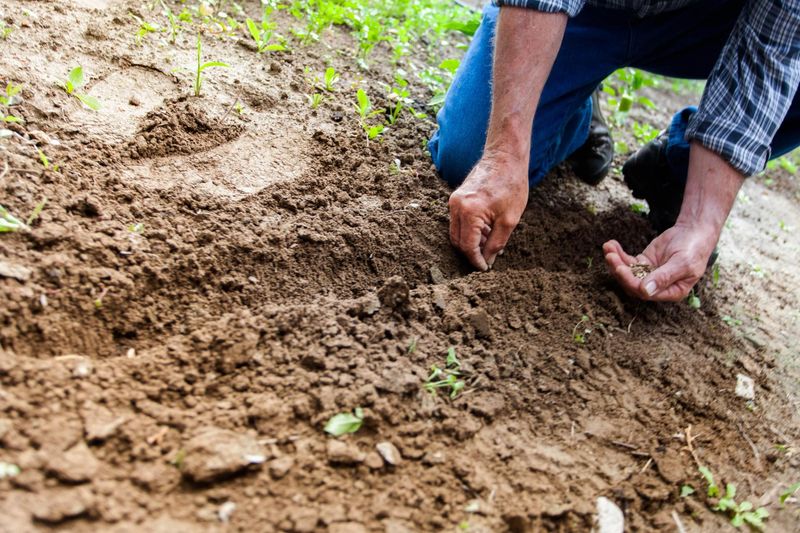
Picture a seed trying to push through two inches of soil. It probably runs out of energy long before reaching daylight.
Small seeds carry very little stored food. Planting them too deep is one of the most common mistakes beginners make.
A simple rule works for most hardy annuals. Plant seeds about two to three times as deep as they are wide.
Poppy seeds are the exception that needs extra care. They need light to sprout, so press them onto the surface without covering.
Larkspur, calendula, and bachelor’s buttons like a bit more cover. One quarter to one half inch deep suits them well.
Pansy and viola seeds prefer a light blanket of soil. Around one eighth to one quarter inch works nicely.
Here’s a handy trick for good contact. Lay a flat board over the sown area and step on it gently.
Firm contact helps seeds soak up moisture from the soil. Loose seeds can dry out or wash away in heavy rain.
The palm of your hand works fine for small patches. Just press down lightly so you don’t pack the dirt too hard.
Avoid raking after sowing surface seeds like poppies. One quick pass can bury them deeper than they’d like.
Mark Your Rows So You Don’t Weed Them Out
Spring weeding with fresh enthusiasm can backfire fast. Many gardeners have yanked out their own flower seedlings by mistake.
Young larkspur and poppies look a lot like common weeds. Without markers, telling them apart becomes a guessing game.
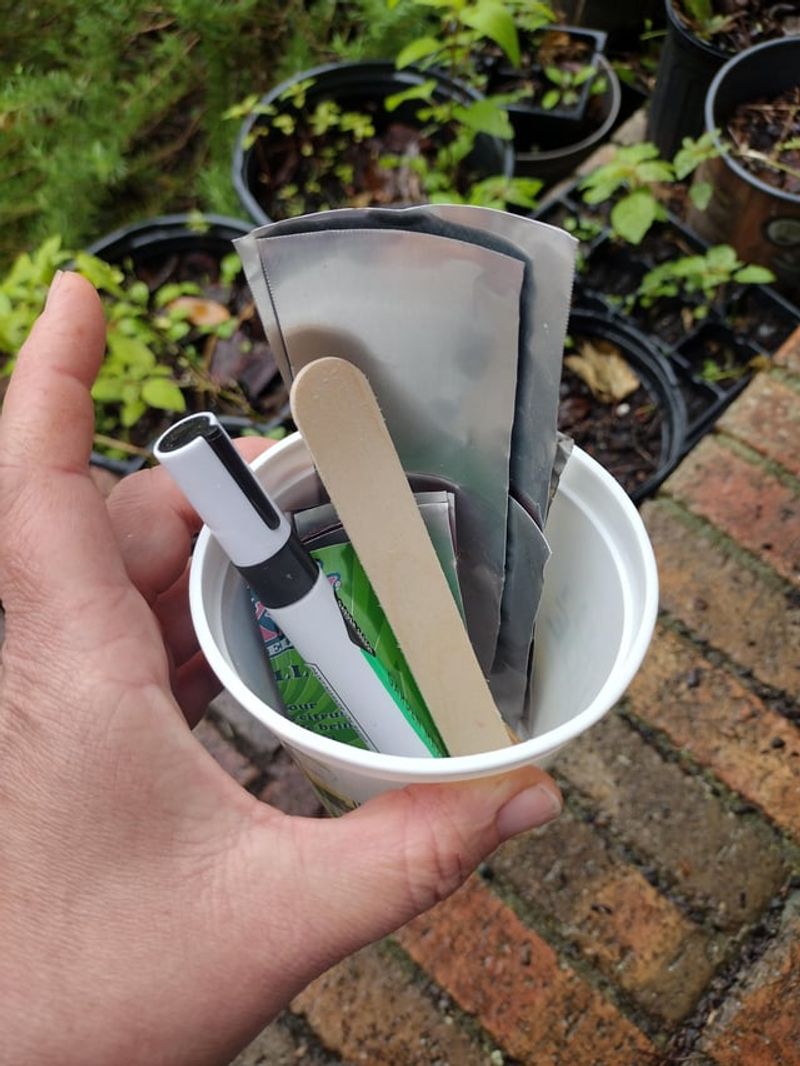
Marking your sowing areas solves the problem easily. Do it right after planting, while the details are fresh in your mind.
Wooden craft sticks, plastic labels, or small stakes all work well. Use a pencil or garden marker, since regular ink often fades.
Planting in straight rows or clear patches helps too. Weeds tend to pop up randomly, while your flowers will follow a pattern.
Snap a few photos of your beds after sowing. Pictures help when labels get knocked over by snow or curious squirrels.
Some New York gardeners sketch a simple map in a notebook. It’s a fun record to look back on each spring.
Learn what each seedling looks like before weeding begins. Seed packets and garden websites often show photos of young plants.
When you’re unsure, wait a week or two. Seedlings grow true leaves soon, which makes identification much simpler.
A little planning now leads to a garden full of blooms later. Your future self will thank you every bright spring morning.