An Easy Crop You Can Plant In New Jersey This October Pays Off Next Summer
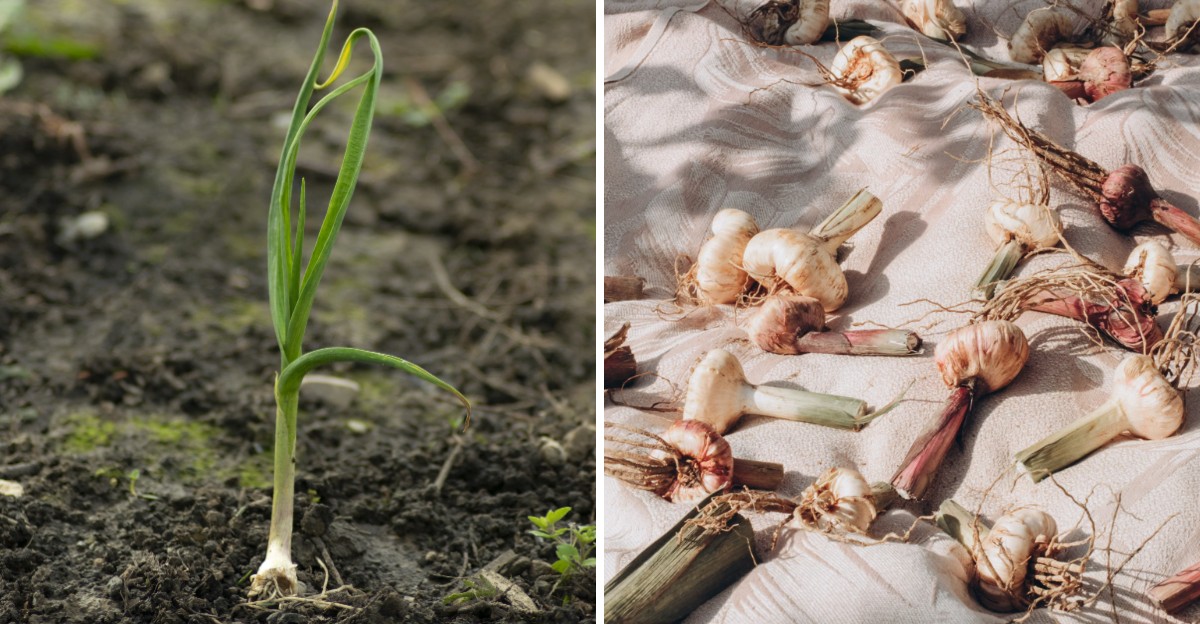
You plant next July’s best harvest right as gardens wind down. Garlic cloves slip into New Jersey soil this month and grow slowly.
Pick a spot with full sun and soil you can crumble by hand. Press each clove in, pointed tip skyward, then cover it with mulch.
Frost arrives, and the garlic settles in. Roots keep working underground while snow piles up overhead.
Winter does the heavy lifting for you. Late spring sends up curly scapes that you can snip for pesto.
Then July delivers fat, papery bulbs with a punch stronger than typical store-bought garlic. Neighbors may think you hold gardening powers.
Choose hardneck varieties for New Jersey winters and enjoy their bolder flavor. Hardneck types thrive on deep cold and give you edible scapes in June. Order seed garlic early, before supplies run low.
Why Garlic Is A Good Fit For New Jersey Gardens
Picture a crop you plant once, leave mostly alone through winter, and then happily harvest bulbs next July. Garlic is that crop, and October is its moment in New Jersey.
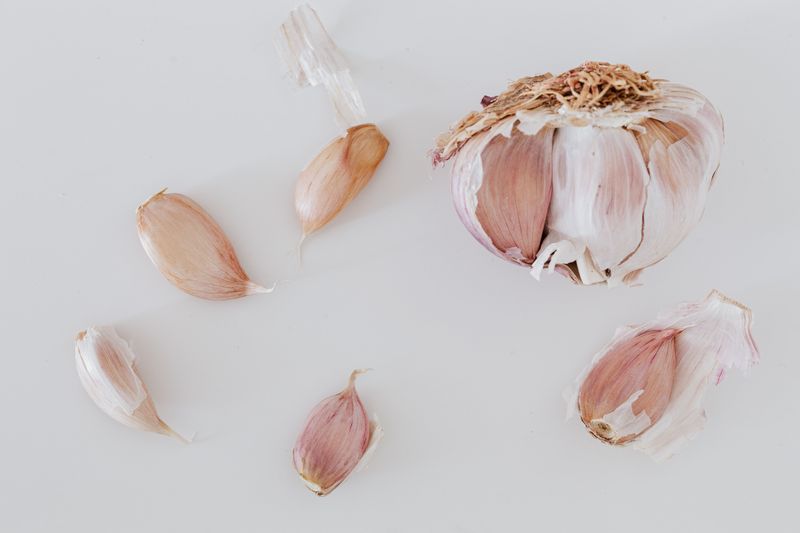
Each single clove you push into the soil turns into a whole new bulb. So one head from a farmers market can become four to ten heads next summer.
The trick is that garlic needs a cold spell to form those plump, divided bulbs. Jersey winters give it just the chill it craves, free of charge.
Plant now, and the cloves grow roots before the ground freezes solid. Green shoots may poke up a few inches, then pause until spring warms things up.
You do not need a big yard or fancy tools to pull this off. A raised bed or a sunny side yard works well, and a deep container can too if you shelter it from hard freezes.
Garlic also takes up very little space compared to sprawling squash or tomatoes. Cloves sit about six inches apart, so a small patch holds dozens of plants.
Many critters leave it alone, thanks to that strong smell we humans love. Deer and rabbits usually wander right past it to bother something else.
Compared with many crops, garlic needs little attention through winter once it is planted. That makes it an easy October project for busy families across the state.
Kids can help too, since pushing cloves into dirt feels a bit like hiding treasure. Next summer, they get to dig it back up and feel like real farmers.
The Right Window For Planting In The Garden State
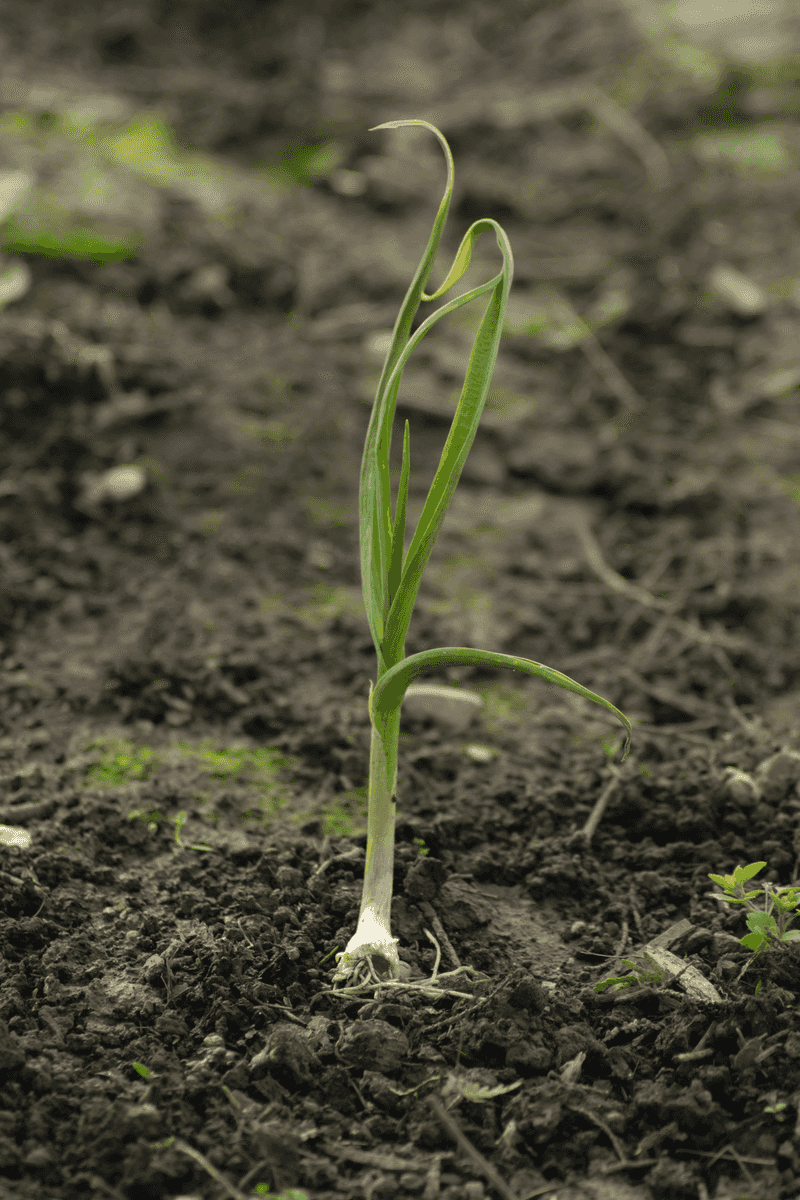
Many Northeast growers follow one simple rule. Plant garlic around Columbus Day, give or take a couple of weeks.
In most of New Jersey, mid-October through early November is the sweet spot. North Jersey gardeners can lean earlier, while South Jersey folks can wait a bit longer.
The goal is simple: get cloves in the ground about four to six weeks before it freezes hard. That gives roots time to settle in without pushing up too much tender leaf growth.
Your New Jersey Garden Changes Every Week. Your Plan Should Too.
Gardening in New Jersey changes quickly throughout the season. Every Friday you’ll receive a simple weekly plan showing exactly what to plant, prune, fertilize, harvest, and protect so you never miss the right timing.
Plant too early, and shoots might grow tall and get damaged by cold winter winds. Plant too late, and the roots may not anchor well before the cold arrives.
A handy clue is soil temperature, which should hover around 50 degrees Fahrenheit. A cheap soil thermometer from a garden center can take the guesswork out of it.
Another sign is the trees around you starting to drop their leaves in earnest. When the maples start turning orange, garlic season is usually near.
Weekend weather matters too, so pick a dry day when the soil crumbles in your hand. Soggy, sticky dirt can reduce air space and make cloves rot.
If life gets busy, a missed perfect date is not a problem. Many Jersey gardeners have planted in mid-November and still pulled up a decent harvest.
Mark your calendar now, and set a reminder for a sunny Saturday this month. By July, you will be enjoying roasted garlic from your garden.
Grocery Store Bulbs And Other Common Mistakes
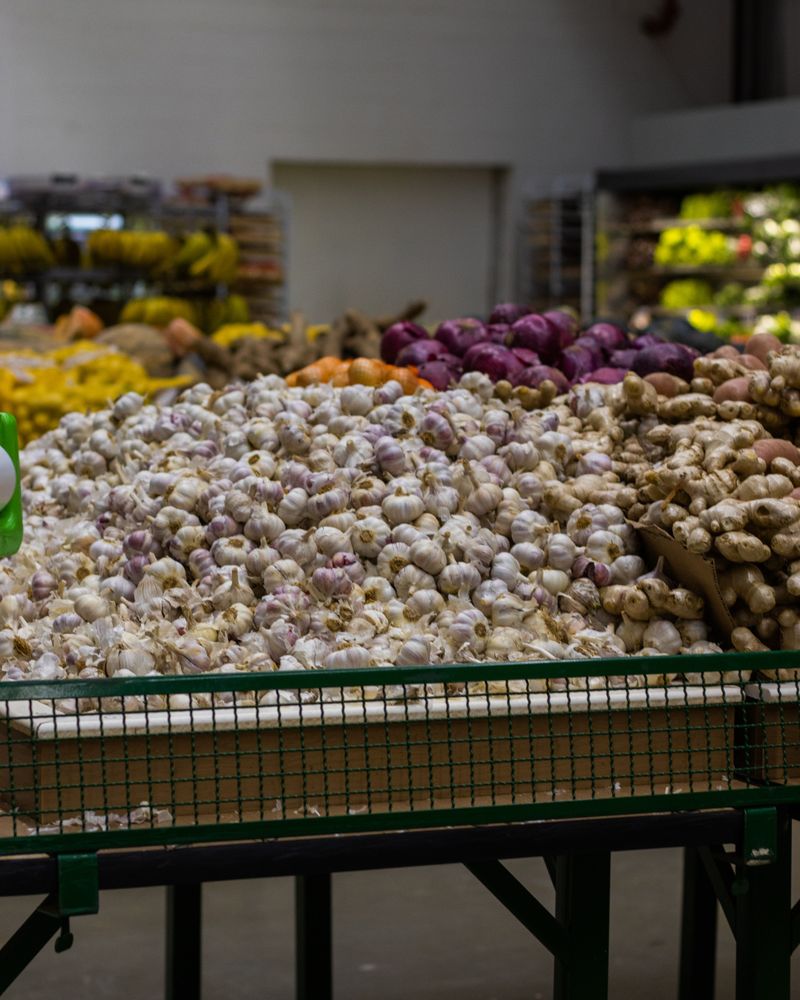
Many gardeners start with garlic from the supermarket produce bin, and it often performs poorly. Rutgers Cooperative Extension advises against using supermarket garlic as planting stock.
Grocery garlic is often grown in warm places like California or China. It may also be treated to stop sprouting, which is the opposite of what you want.
Instead, buy seed garlic from a local farm, a garden center, or a trusted online grower. Hardneck types such as Music or German White tolerate Jersey winters very well.
Another common slip is breaking the bulb apart days or weeks before planting. Keep heads whole until planting day so each clove stays fresh and protected.
Then there is the upside-down problem, which happens more than people admit. The pointy tip goes up, and the flat, hairy root end goes down.
Planting too shallow is a sneaky mistake as well. Cloves should sit one to two inches deep, and mulch helps stop frost heaving them out.
Some folks also choose a shady corner because garlic seems so tough. Still, it needs at least six hours of direct sun to bulk up properly.
Lastly, skip the smallest cloves, since they grow much smaller bulbs. Save those for cooking, and plant only the biggest ones for the biggest results.
Wet, heavy clay is a final trouble spot in many Jersey backyards. Mix in compost or use a raised bed so water drains away quickly.
Small choices like these add up by harvest time next summer. Get them right now, and your garlic has a real head start.
A Thick Blanket Of Straw For Winter Protection
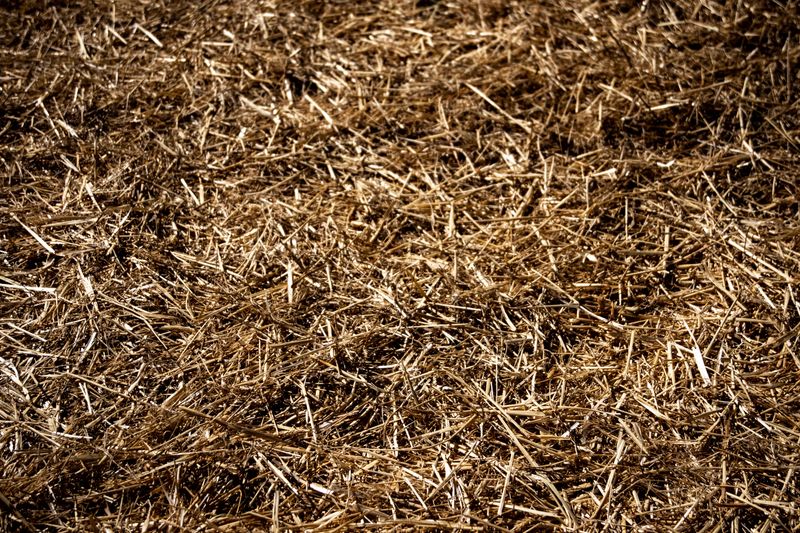
Think of mulch as a cozy winter coat for your garlic bed. Without it, large temperature swings can push cloves right out of the soil.
New Jersey winters often swing sharply between freezing nights and surprisingly warm, sunny afternoons. Those ups and downs make soil expand and shrink, a process called frost heave.
A three to four inch layer of straw keeps the ground temperature much steadier. It also blocks weeds, holds in moisture, and slowly feeds the soil as it breaks down.
Use straw, not hay, since hay usually carries lots of weed seeds. Shredded leaves from your own yard work well too, and they cost nothing.
Spread mulch right after planting to shield the cloves from frost heave.
Before you mulch, water the bed well if autumn has been dry. Garlic roots need moisture to grow strong during those first chilly weeks.
In spring, green shoots will poke through the straw with no help from you. You can pull some mulch back once nights stay above freezing, or just leave it.
Leave a thin layer in place through summer to keep weeds down. Garlic struggles against competition, and weeds can take nutrients it needs for big bulbs.
A bale of straw from a feed store covers a small to medium bed. It is one of the cheapest upgrades you can give your garden this season.
Fat Bulbs And Bonus Scapes By Early Summer
Sometime around mid-June, curly green stems start twirling above your garlic like little party streamers. Those are scapes, and they are a tasty bonus you seldom find in grocery stores.
Snip scapes off once they make a full loop. Removing them can help the plant send more energy down into the bulb.
Scapes taste like mild garlic with a fresh, grassy kick. Toss them on the grill, blend them into pesto, or chop them into scrambled eggs.
By late June or early July, the real harvest is close. Watch for the lower leaves turning brown while five or six top leaves stay green.
That is your cue to grab a garden fork and loosen the soil gently. Pulling by the stem alone can snap it and leave the bulb behind.
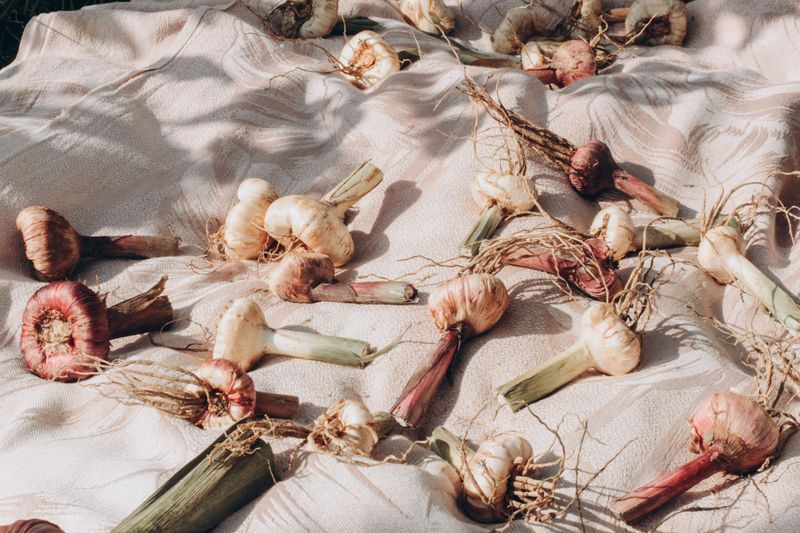
Next comes curing, which simply means drying the bulbs so they store well. Hang them in bundles in a shady, airy garage or porch for four to six weeks.
Once the skins feel papery, trim the roots and cut stems about an inch and a half above the bulb. Well-cured hardneck garlic keeps about two to four months, so use it first.
One pound of planted cloves can often yield five to eight pounds of fresh bulbs. That is a lot of garlic bread for very little October effort.
Many gardeners also save their biggest heads to replant next fall. Over time, saving only healthy heads can give you a strain well suited to your backyard.
Healthy Soil And Smart Rotation For Next Year
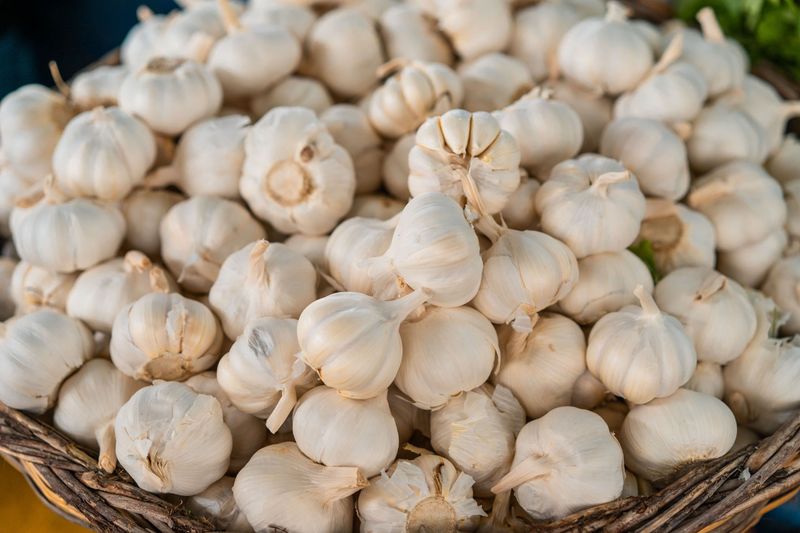
A great garlic crop starts long before a clove touches the dirt. Healthy soil is a key factor in keeping many problems away year after year in the garden.
Garlic loves loose, rich soil that drains well after a heavy rain. Work two or three inches of compost into the bed before planting this month.
A simple soil test from Rutgers Cooperative Extension can tell you a lot. Garlic does best at a pH between 6.5 and 7.0, which many Jersey yards can reach with lime.
Rotation is the other big secret to steady success. Avoid planting garlic, onions, or leeks in the same bed twice within three to four years.
These plants share pests and diseases, such as onion thrips and white rot. Moving them around helps, but white rot lingers for years, so buy clean seed.
A light dose of fertilizer in early spring gives growing plants an extra push. Blood meal or a balanced organic feed works nicely when the leaves start greening up.
Stop feeding by late May, though, since the plant shifts focus to building bulbs. Water an inch weekly in spring, then stop about a month before harvest.
Keep a little notebook or phone note about where each crop grew. Memory gets fuzzy by next October, and notes save you from repeating mistakes.
Good habits set up a garden that tends to get easier over time. These steps lead you to a basket full of fragrant bulbs next July.