8 Things That Draw Roaches Into Arizona Homes as Temperatures Drop
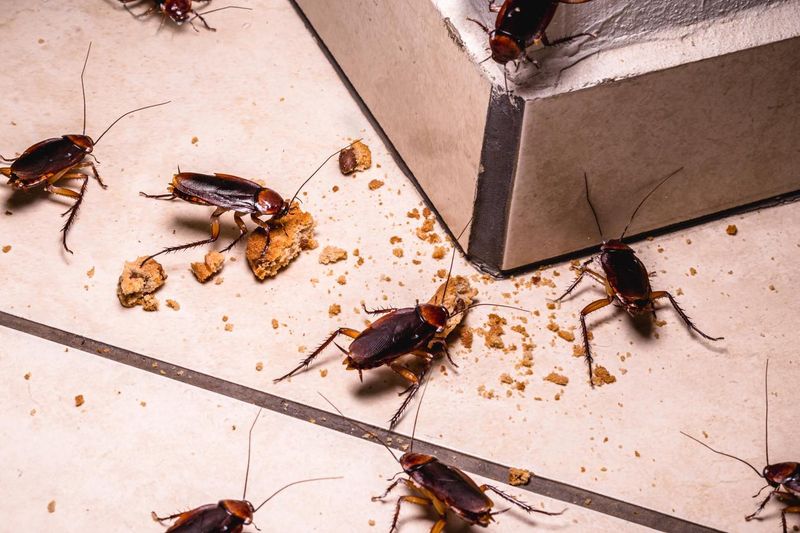
When fall finally cools the desert, you are not the only one who notices. Roaches feel that drop in temperature too, and many of them start looking for a cozier place to spend the cooler months.
In Phoenix and Tucson, that place is often your kitchen, garage, or laundry room. Knowing what pulls them inside can help you make your home far less inviting before they move in.
1. Steady Indoor Warmth
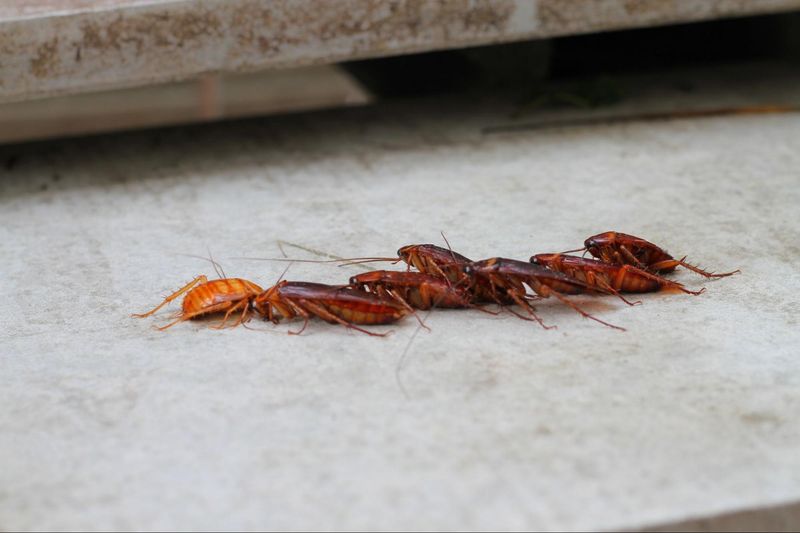
Picture a chilly October night in Mesa. The block wall out back cools off fast, the gravel loses its heat, and suddenly your living room at 72 degrees looks like a five-star resort to a roach.
Roaches are cold-blooded, so their bodies run on the temperature around them. When desert nights dip into the 50s, they slow down and start hunting for a spot that stays warm around the clock.
Your home, with its steady thermostat setting, checks that box better than almost anything outside.
The pull is strongest in spots that hold heat. Think behind the refrigerator, near the water heater, under the dishwasher, and inside wall voids next to warm appliances.
Those cozy pockets can feel like summer all year long to a bug that hates the cold.
You cannot turn your home into an icebox, and you should not have to. What you can do is reduce the paths that lead from the cold outdoors to those warm hideaways.
Pulling appliances out once a season to clean and check for droppings can help you spot trouble early. A little attention now may save you a lot of surprise late-night kitchen encounters later.
2. Hidden Moisture Sources
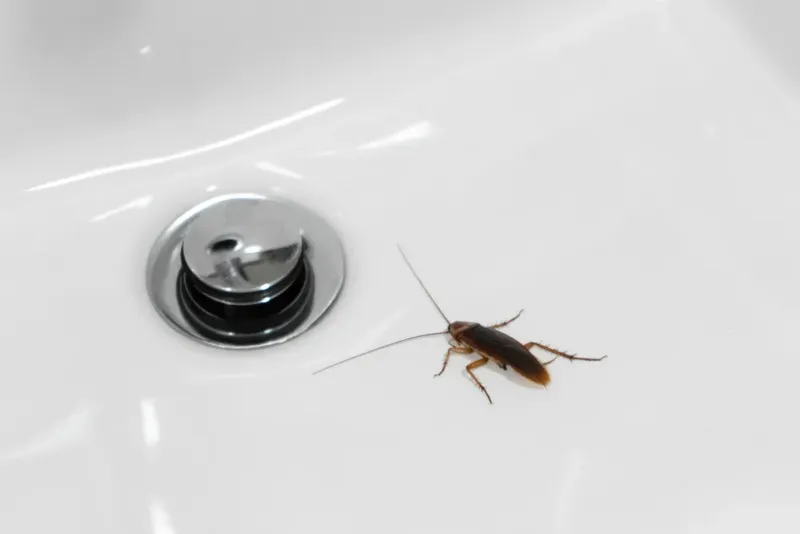
Water is the real treasure in the desert. Every living thing in the Sonoran Desert is searching for it, and roaches are no exception, especially once monsoon moisture dries up and fall settles in.
A tiny drip under the bathroom sink might seem harmless to you. To a roach, it can be a reliable drinking fountain that keeps it going for weeks.
Condensation on AC lines, a sweaty water heater, a leaky hose bib, and the drip pan under the fridge all count as open invitations.
Pet bowls are another sneaky source. Leaving a full water dish on the kitchen floor overnight is like putting out a welcome mat.
Laundry rooms and garages tend to stay damp too, which explains why so many homeowners spot roaches there first.
Here is a simple weekend checklist that can make a difference:
Look under every sink with a flashlight. Check outdoor faucets and irrigation lines near the foundation for leaks.
Empty and dry the fridge drip pan, and pick up pet bowls at bedtime if you can.
Cutting off easy water will not solve everything overnight. It can, however, make your home much less appealing to thirsty pests looking for a fall hangout.
3. Easy Food and Crumbs
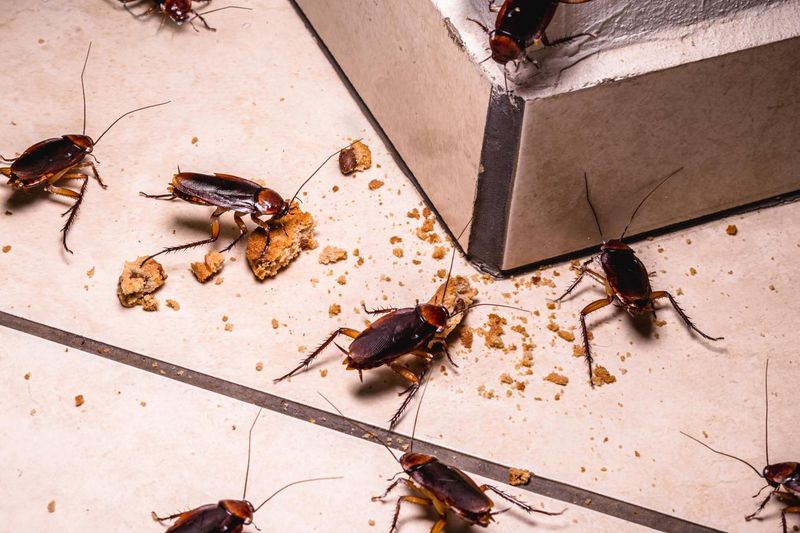
Roaches are not picky eaters. Toast crumbs, a smear of grease on the stove, a forgotten bag of dog kibble, even the glue on cardboard boxes can look like dinner.
Your Arizona Garden Changes Every Week. Your Plan Should Too.
Gardening in Arizona changes quickly throughout the season. Every Friday you’ll receive a simple weekly plan showing exactly what to plant, prune, fertilize, harvest, and protect so you never miss the right timing.
Fall in Arizona brings plenty of extra snacking opportunities. Football parties, holiday baking, and backyard cookouts on those perfect 75-degree evenings all leave behind tasty bits.
That outdoor grill with drippings in the tray? It may draw roaches close to your patio door, which puts them just steps from the kitchen.
Fun fact: some roaches can survive for weeks on very little food. That means a few crumbs here and there can be enough to keep them happy and sticking around.
Small habits can go a long way. Wipe counters and the stovetop each night, and sweep under the table where kids tend to drop things.
Store cereal, flour, and pet food in sealed plastic or glass containers instead of their original bags.
Take the trash out regularly and keep lids tight on both indoor and outdoor bins. Scrape and clean the grill after each use.
None of these steps is fancy, but together they can make your home a much less rewarding stop for a hungry roach.
4. Clutter and Cardboard Hideouts
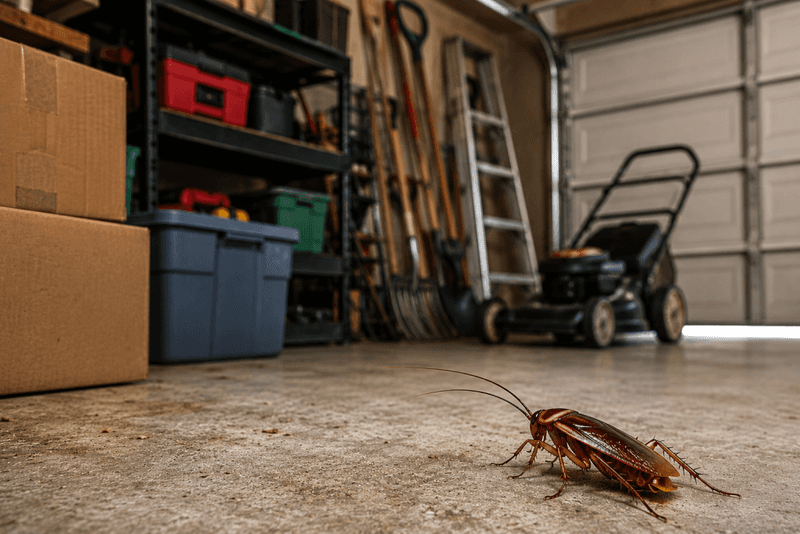
Ever notice how roaches vanish the moment you flip on a light? They spend daylight hours tucked into dark, snug spaces, then come out at night to forage.
Clutter gives them exactly what they want. Stacks of cardboard boxes in the garage, piles of newspapers, bags of old clothes, and crowded storage closets create a maze of tight cracks to squeeze into.
Cardboard is a double win for them because it offers shelter and something to nibble on.
Fall is when many Arizona families haul holiday decorations out of storage. If those boxes have been sitting in a warm garage all summer, they may already have tenants.
Give them a shake and a quick look outside before bringing them indoors.
Swapping cardboard for clear plastic bins with snap-on lids is one of the easiest upgrades you can make. You can see what is inside, and roaches have a harder time getting in.
Indoors, keep an eye on the spaces under sinks, inside lower cabinets, and behind appliances. Clearing out the junk drawer energy in those areas takes away hiding places.
Less clutter means fewer cozy corners, and that can nudge roaches to look somewhere else.
5. Gaps Around Doors and Pipes
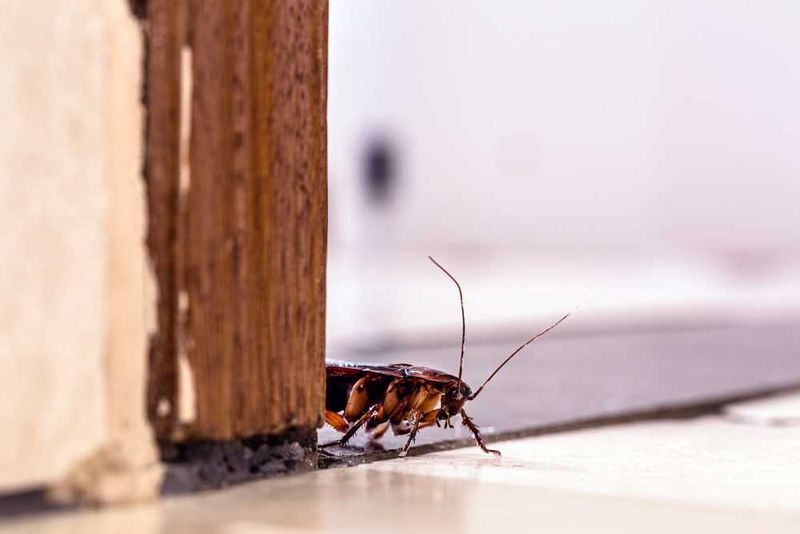
A roach can squeeze through a gap about as thin as a credit card. That sliver of daylight under your back door is a highway entrance for them.
Arizona homes take a beating from the sun. Rubber weatherstripping cracks and shrinks after a few brutal summers, and stucco can develop hairline cracks as it expands and contracts.
Gaps around pipes, cable lines, and dryer vents are also common entry points that many homeowners never think to check.
Here is a quick way to find trouble spots. On a sunny afternoon, close your doors and look for light peeking through from the inside.
Anywhere you see light, a roach can likely fit.
Fixes are usually simple and budget friendly. Replace worn door sweeps and weatherstripping, then seal small cracks with caulk.
For bigger gaps around pipes, expanding foam or copper mesh works well.
One extra tip: roaches sometimes hitch a ride inside on grocery bags, delivery boxes, and used furniture. German roaches in particular are famous for arriving this way.
Check secondhand items before bringing them in, and recycle shipping boxes quickly rather than letting them pile up by the door.
6. Fading Outdoor Habitat
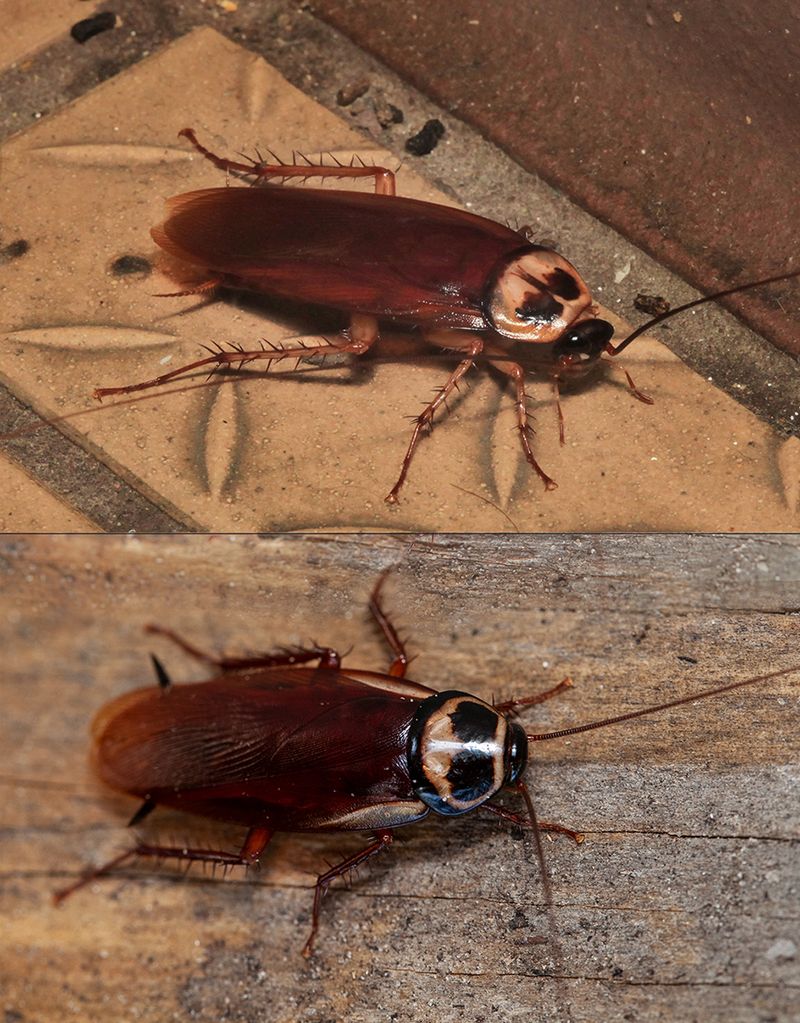
Most of the roaches Arizona homeowners see, like the big American roach and the Turkestan roach, actually prefer living outside. All summer they hang out in irrigation boxes, sewers, mulch beds, and the hollow spaces inside block walls.
So why do they show up in your hallway in November? Their outdoor homes stop feeling so comfortable.
As nights cool and the ground dries out after monsoon season, those once-perfect hideouts lose warmth and moisture.
Think of it like a roach real estate shift. When the outdoor neighborhood goes downhill, they start shopping for a better address, and your house is right next door.
Turkestan roaches have become especially common across the Phoenix and Tucson areas in recent years. They often gather in irrigation valve boxes and water meter boxes, then wander toward homes at night.
Checking those boxes now and then can help you see what is going on before it becomes an indoor problem. Keep valve box lids snug and fix any leaks inside them.
Trimming back thick ground cover near walls also makes the area less welcoming. A tidier, drier yard edge can reduce how many roaches end up house hunting at your place.
7. Dry Drains and Unused Sinks
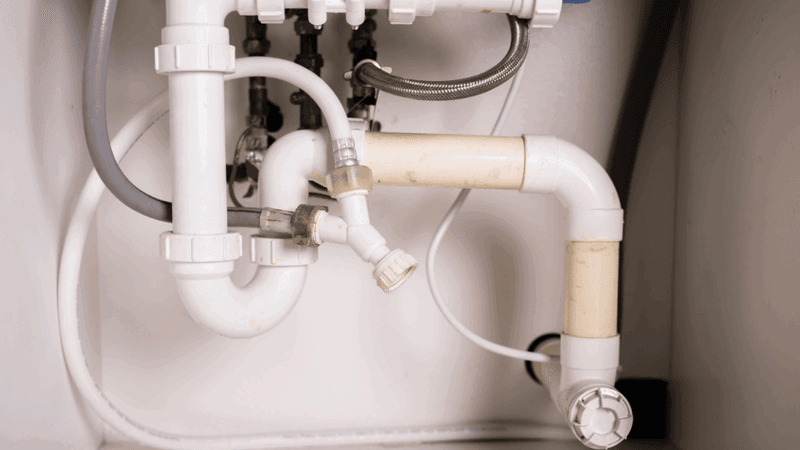
That guest bathroom nobody uses could be quietly letting roaches in. Sounds strange, right?
It comes down to a small curved pipe under every sink, tub, and floor drain called a p-trap.
A p-trap holds a little water that blocks sewer gases and pests from coming up through the pipe. In Arizona’s dry air, that water can evaporate surprisingly fast.
Once it is gone, roaches living in sewer lines have a much easier path toward your home.
Snowbird season makes this extra relevant. If your home sat empty for part of the summer, or you have a casita or spare bath that rarely gets used, those drains may be bone dry.
The fix takes about ten seconds. Run water in every sink, shower, and tub at least once a week.
Pour a bucket of water into floor drains in the garage and laundry room too.
Drain covers or stoppers at night add another layer of protection. Keeping drains clean of gunk and hair also helps, since that buildup can attract roaches looking for food and moisture.
It is one of the simplest habits on this list, and it can pay off nicely.
8. Yard Debris Against the Foundation
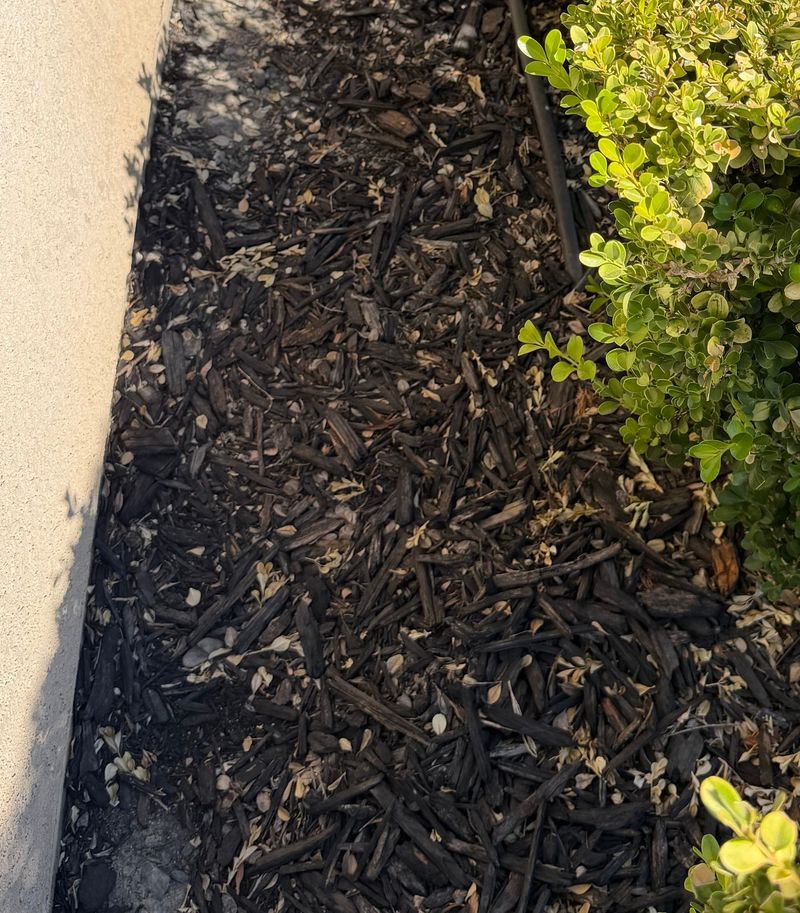
Stand outside and look at the base of your walls. If you see a woodpile, thick mulch, leaf litter, or shrubs brushing against the stucco, you are looking at a roach staging area.
Debris near the foundation gives roaches shade, moisture, and shelter only inches from cracks and weep holes. It is the perfect launch pad for a quick move indoors once temperatures dip.
The good news is that a smart desert yard can work in your favor. Try keeping a strip of about 12 to 18 inches next to the house clear, using decomposed granite or rock instead of moisture-holding mulch.
Stack firewood well away from walls and raise it off the ground.
Plant choice matters too. Native, low-water plants like agave, red yucca, desert marigold, and penstemon need less irrigation than thirsty shrubs, so the soil near your home stays drier.
Place them a few feet out from the wall rather than right against it.
A yard that welcomes natural helpers can also pitch in. Lizards, toads, and birds that visit native plantings may snack on insects outdoors.
Pair that with a clean foundation line, and your home becomes a far less inviting target this fall.