This Newly Arrived Mealybug Could Spell Trouble For Georgia Lawns
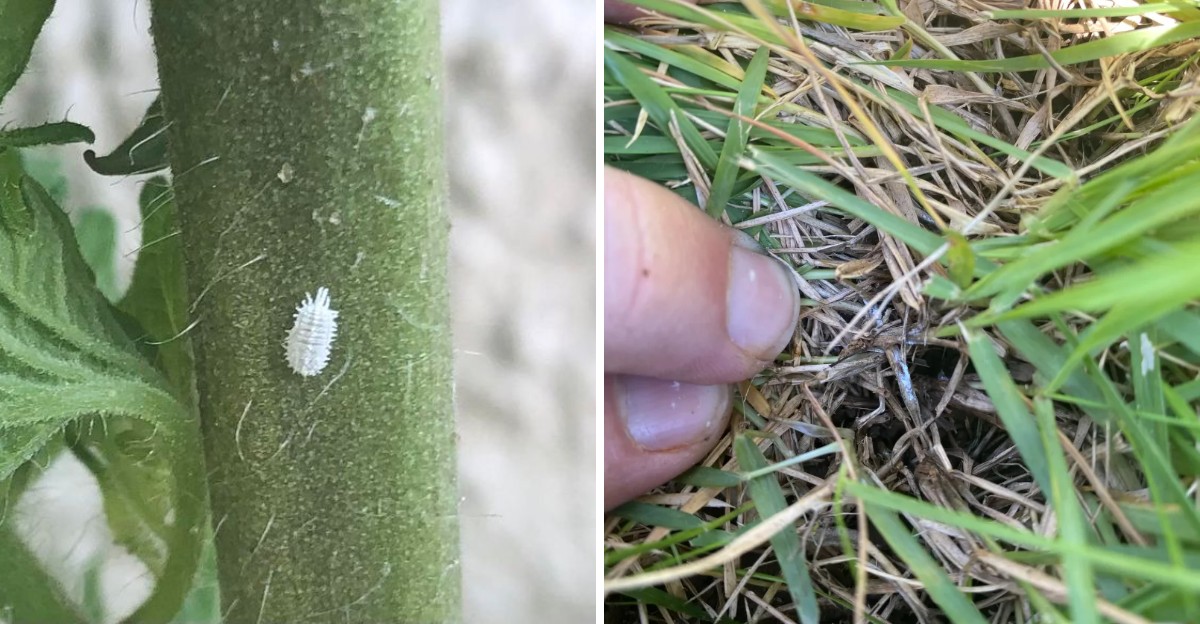
Small patches of yellowing grass can have several causes, but a mealybug is giving lawn owners another reason to investigate.
Unlike familiar insects found on houseplants, this pest feeds on turfgrass and can be difficult to notice at first. Its presence cannot be confirmed from brown patches alone.
That makes identification especially important before changing your lawn care routine.
If unusual damage appears in your Georgia yard, examine the grass closely and seek help from your local Extension office. The right diagnosis matters because drought, disease, and other insects can produce similar symptoms.
Avoid treating the lawn based only on its appearance.
Learning what to look for can help you respond appropriately without wasting time on the wrong solution. Early attention also makes it easier to document any suspicious activity.
1. Pasture Mealybugs Have Recently Arrived In The Region
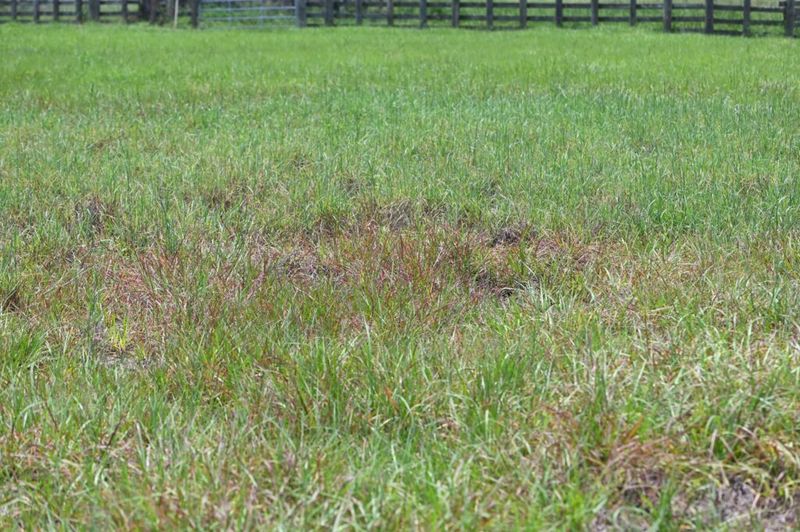
Georgia lawn owners have a new insect to learn about this year.
Pasture mealybug, known to scientists as Heliococcus summervillei, has been confirmed in the state after first turning up in Florida.
Native to South and Southeast Asia, this pest had been reported in other parts of the world before reaching the Southeast.
Florida growers noticed it in pastures a few years ago, where it was linked to yellowing and thinning forage grass. Experts worried early on that it could move into neighboring states.
Right now, researchers are still learning how widely it has settled in and how much damage it may cause in home lawns.
Honestly, that uncertainty is the main reason to stay alert. A pest caught early is usually easier to manage than one that has spread quietly for several seasons.
So what can you do today? Get familiar with what the insect looks like and walk your yard every week or two while the grass is actively growing.
Keep in mind that most brown or yellow spots in a yard still come from familiar causes like drought, disease, or chinch bugs.
New arrival or not, there is no need to panic. Calm, regular scouting gives you a solid chance of spotting trouble while it is still small and easier to handle.
2. Tiny White Insects Can Hide Deep In The Grass
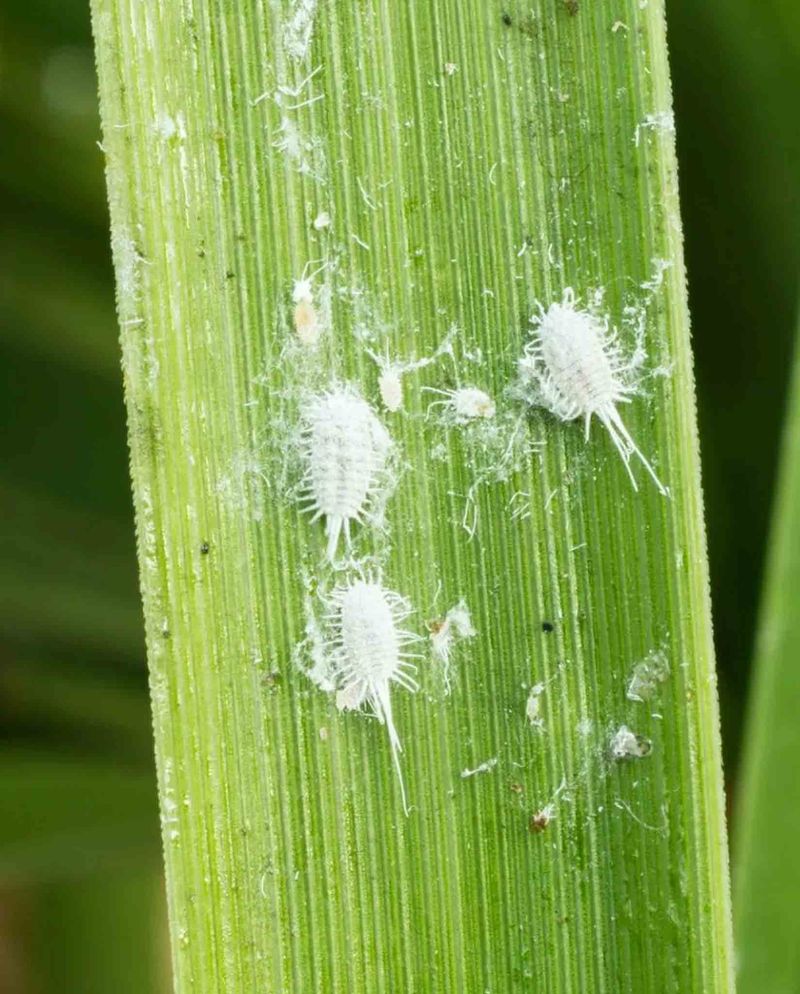
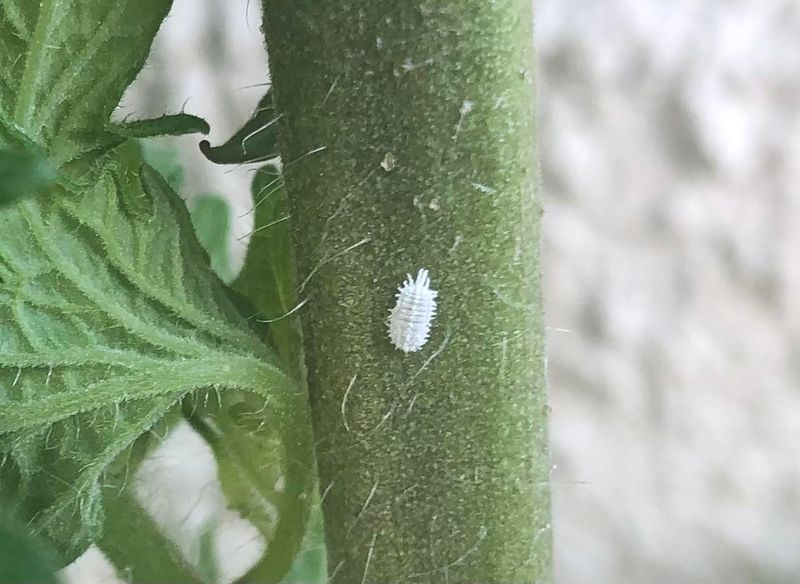
Look closely, because these pests are small enough to miss on a quick glance. Adult females are tiny, soft-bodied insects coated in a white, waxy powder that gives them a cottony look.
Instead of sitting on top of the blades, they tend to tuck themselves low in the turf, near the crowns and lower stems.
Pulling back the grass is the best way to check. Kneel down, part the blades with your fingers, and study the base of the plants where green meets soil.
You might see small white specks, fluffy wax, or clusters that look like bits of lint stuck to the stems.
A cheap hand lens helps a lot here. Even a phone camera zoomed in can reveal details your eyes might skip over.
Mealybugs feed by sucking sap from the plant, which can weaken grass over time.
Your Georgia Garden Changes Every Week. Your Plan Should Too.
Gardening in Georgia changes quickly throughout the season. Every Friday you’ll receive a simple weekly plan showing exactly what to plant, prune, fertilize, harvest, and protect so you never miss the right timing.
Georgia summers bring plenty of other lawn insects, so not every white speck is a mealybug. Spittlebugs, grass scale insects, and even some fungal growth can look similar at first.
Snap a clear photo and save a small sample in a sealed bag if something looks suspicious.
Checking the edges of a yellow patch, rather than the center, often gives you the best view of active insects. Grass in the middle may already be too weak to support many of them.
3. Centipedegrass Was Involved In The First Detection
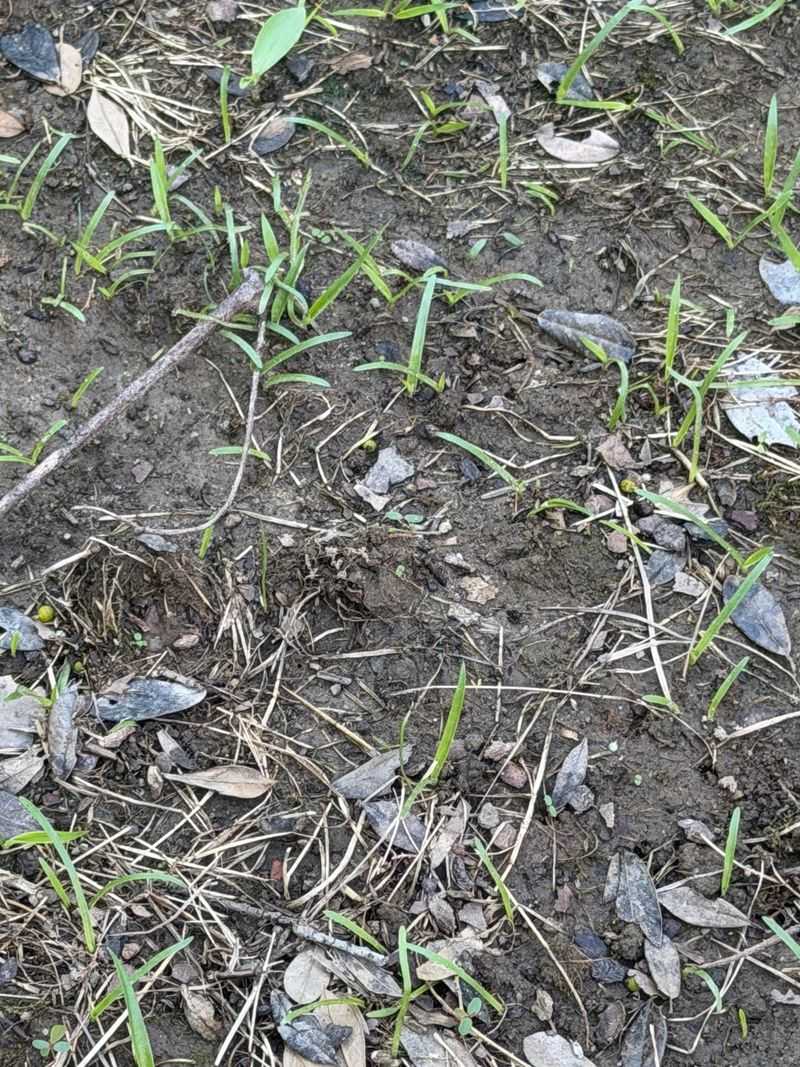
Centipedegrass is everywhere across the southern half of Georgia, which makes its role in the first report worth noticing. Extension reports tied the initial lawn detection to a centipedegrass yard showing yellow, declining patches.
Homeowners love this grass because it needs less mowing and fertilizer than some other choices.
That low-maintenance reputation can work against it, though. Owners who rarely look closely at their turf may not notice a slow decline until patches get larger.
One detection does not prove centipedegrass is the favorite host.
It simply means this is where the insect was spotted first in a residential setting. Scientists are still sorting out which turf types suffer most under real lawn conditions.
Got centipede in your yard? Make a habit of checking any area that looks off-color, especially spots that do not green up after watering.
Centipedegrass already has a few well-known issues, including centipede decline linked to too much fertilizer, high pH, or thatch buildup. Those problems can look a lot like insect damage.
Because of that overlap, avoid jumping to conclusions based on color alone.
Getting down on your knees and searching for the actual insects at the base of the grass is the most reliable way to tell the difference.
4. Yellowing Grass Can Be An Early Warning Sign
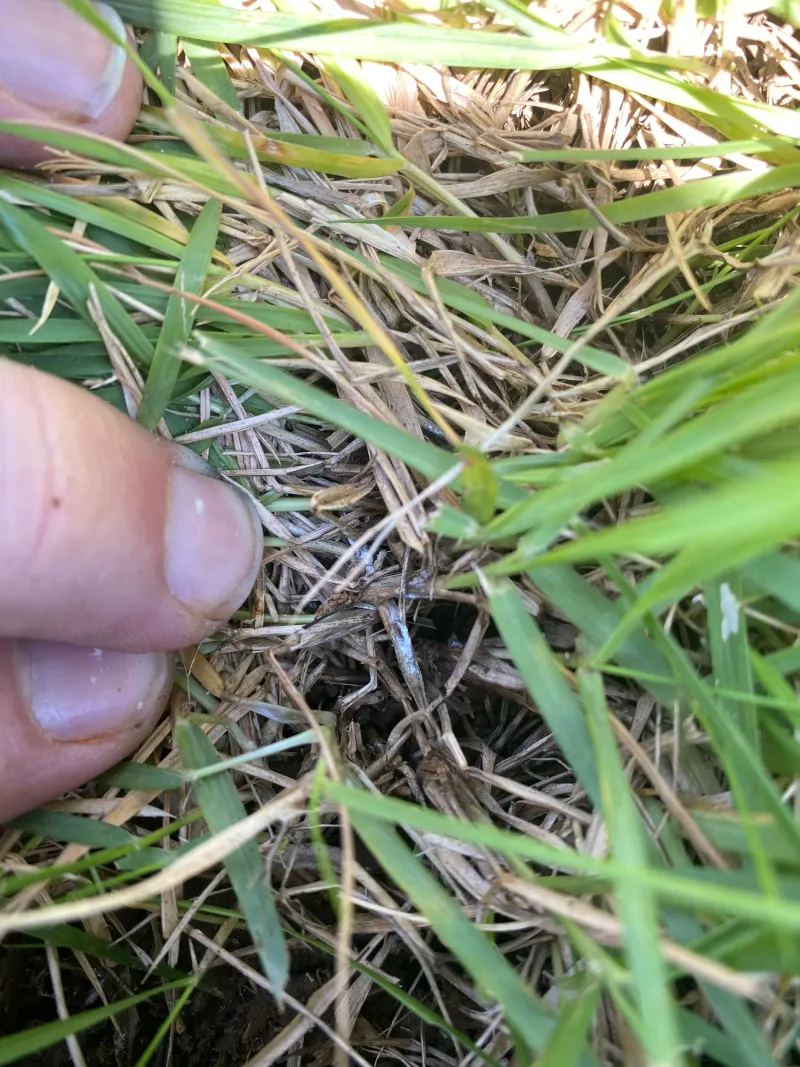
Color changes often show up before you ever spot a bug. In Florida pastures and the first Georgia lawn report, affected grass turned yellow, then thinned and browned in irregular patches.
Those patches may slowly grow larger as the insects keep feeding on sap.
Of course, yellow grass is one of the most common lawn complaints around. Drought stress, poor drainage, nutrient shortages, fungal diseases, and other insects can all cause similar color loss.
That is why a yellow spot should start an investigation, not end one.
Here is a simple routine. Water the area normally for a week or so and see whether it recovers, since drought-stressed grass usually bounces back once moisture returns.
If the patch stays pale or keeps spreading, take a closer look at the lower stems and crowns.
Patches that seem to march outward over several weeks deserve extra attention. Write down the date you first noticed them and take a photo from the same spot each week.
Those photos can be surprisingly useful later. Extension agents can learn a lot from how quickly a problem moved and how the damage pattern changed.
Soil testing is another smart step, since it can rule out pH or nutrient problems that cause yellowing on their own.
5. Several Common Grasses Could Be Vulnerable
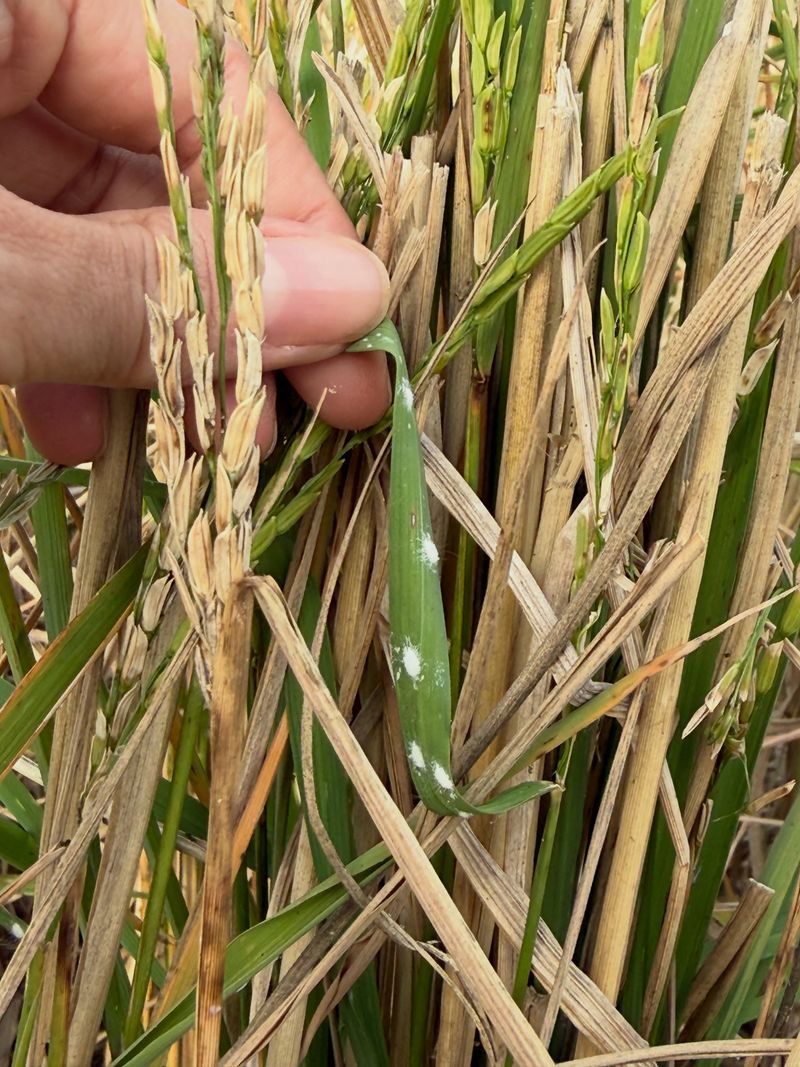
Centipede may have made headlines, but it is far from the only grass on the watch list. Pasture mealybug has been reported feeding on a range of warm-season grasses in Florida and abroad.
Bahiagrass, bermudagrass, and St. Augustinegrass have all come up in reports, and zoysiagrass is being watched as well.
Sound familiar? Those grasses cover a huge share of yards, parks, and athletic fields throughout Georgia, from Savannah to the Atlanta suburbs.
Still, being a possible host does not mean every lawn of that type will be hit hard.
How much damage a lawn suffers can depend on weather, mowing height, watering habits, overall plant health, and how many insects are present. Healthy, well-managed turf often handles some pest pressure better than stressed turf.
Cool-season grasses like tall fescue, common in the northern mountains, have not been a main focus so far.
Experts are still gathering information, so that picture may change as more reports come in. Staying updated through your local Extension office is the easiest way to keep up.
Meanwhile, good basic care is worth the effort.
Mow at the right height for your grass type, avoid overfertilizing, and water deeply but not too often so roots stay strong.
6. Mowers And Shoes Can Spread Them Between Lawns
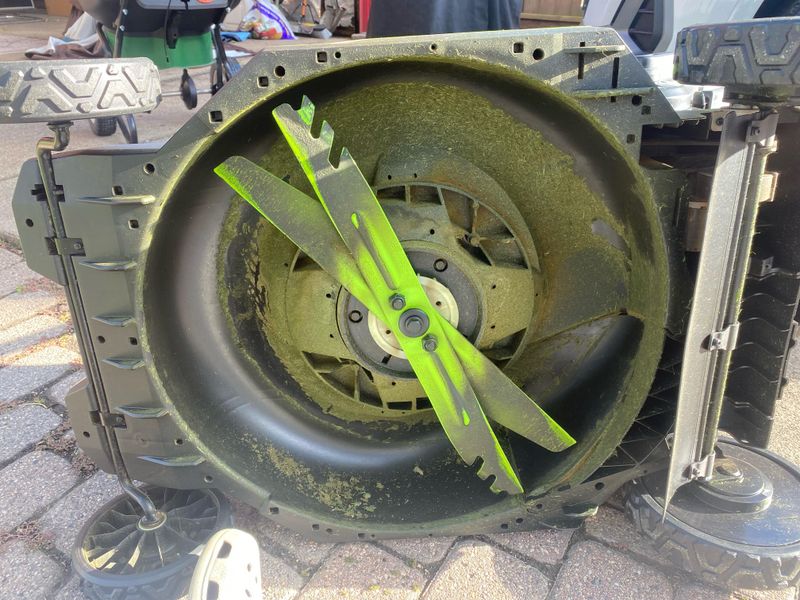
Mealybugs crawl slowly, yet they may still travel farther than you would expect. Tiny crawlers and egg masses can cling to mower decks, string trimmers, tires, and the soles of your shoes.
Moving that equipment from one yard to the next could carry them along for the ride.
Landscape crews deserve extra thought here. A single crew may service a dozen Georgia properties in one day, often with the same machines.
Hay, sod, and plant material moved from infested areas are also considered possible ways the pest spreads.
Luckily, a few simple habits can lower the risk. Brush or blow off clippings and debris from your mower before leaving a property, and knock dirt off your shoes too.
Do you hire a lawn service? Ask whether they clean equipment between yards, especially if anyone in your neighborhood has reported problems.
Mowing a suspicious patch last is a smart move. That way, you are less likely to drag insects across the healthy parts of your lawn.
Buying sod or plugs? Purchase from reputable suppliers and look over the material before you lay it down.
None of these steps is a perfect shield, but together they can help slow the spread while experts learn more.
7. Suspected Infestations Should Be Reported To Extension Experts
Spot something strange? Your county Extension office is the right first call.
University of Georgia Extension agents can help identify suspected insects and connect you with turf specialists if needed.
You can reach your local office by calling 1-800-ASK-UGA1, which routes you to your county.
Before you call, gather a few helpful details. Clear photos of the damaged area and close-up shots of any insects make the job much easier.
A physical sample may also be requested.
Usually that means cutting a small square of turf, including some roots and soil, from the edge of the yellow patch. Seal it in a plastic bag and keep it cool until you drop it off.
Hold off on spraying anything until you know what you are dealing with.
Treating the wrong problem wastes money and may harm helpful insects living in your yard. Agents can suggest options that fit your situation if treatment turns out to be necessary.
Reporting matters beyond your own property too, since each confirmed case helps experts track where the pest is moving.
Your phone call could give researchers a clearer map of the problem. That information can lead to better advice for homeowners, landscapers, and farmers across the region in the seasons ahead.