Your New York Rosemary Won’t Survive Winter Outside Without These October Steps
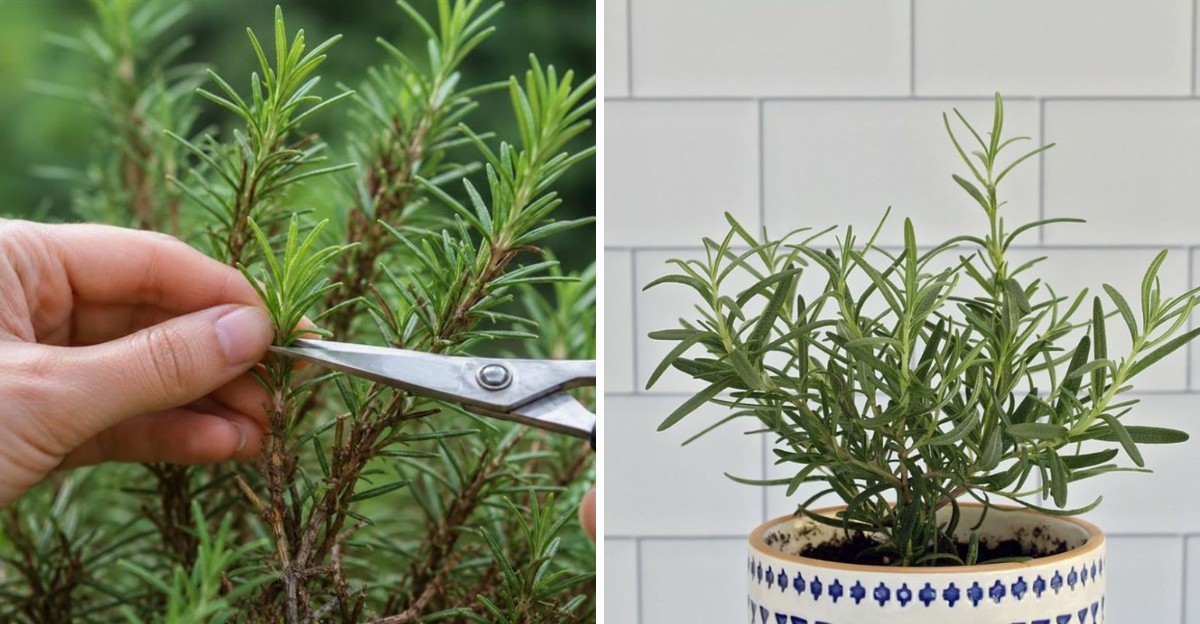
That piney rosemary on your patio smells like summer, but winter has other plans for it. One hard freeze can turn a lush, fragrant shrub into a brittle brown skeleton.
Rosemary comes from the sunny Mediterranean, where snow is rare and frost is mild. A New York winter is a whole different challenge.
October is the perfect window to act. A few smart moves now can keep your herb green, healthy, and ready for roast potatoes all winter long.
Some steps are obvious, like bringing the pot inside before nights get too cold. Others are sneaky, like picking the right room or holding back on water.
One tough variety even stands a fighting chance outdoors in milder corners of the state. Your rosemary is counting on you this month.
1. Most Varieties Can’t Handle A New York Winter
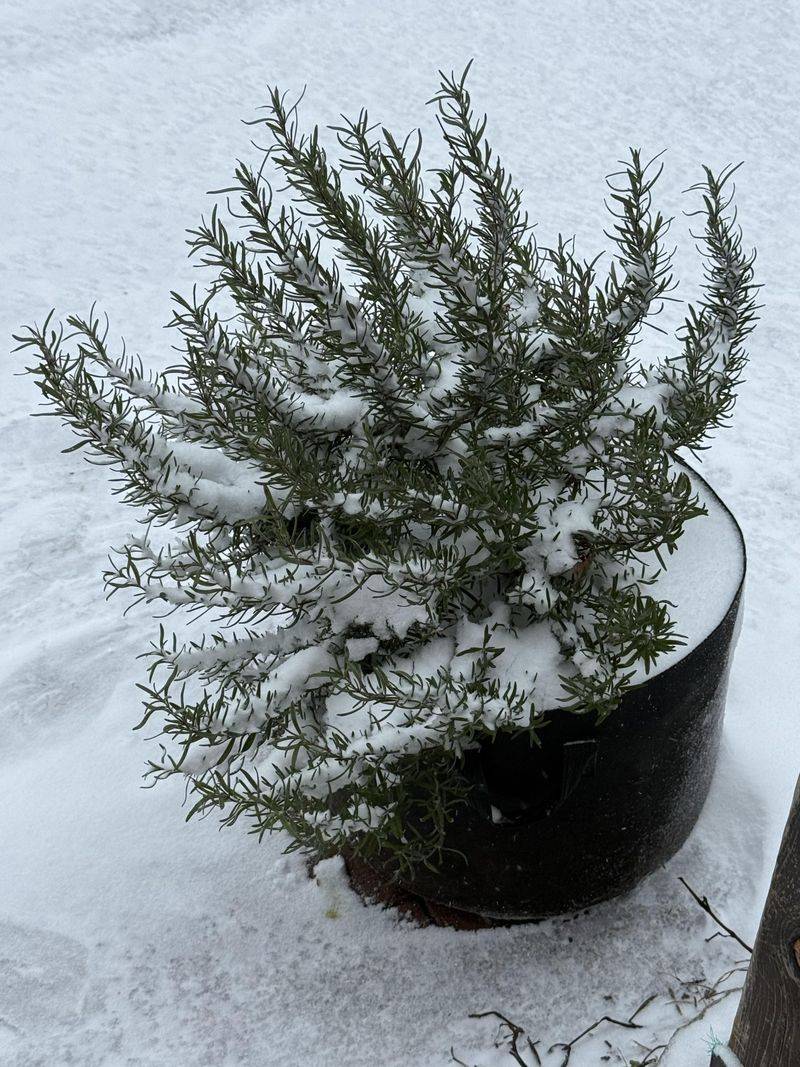
Picture a hillside in Greece, warm and dry, with rosemary growing wild among the rocks. Your backyard in January looks nothing like that scene.
Rosemary is a Mediterranean perennial that loves heat and sunshine. Most varieties stay winter hardy only in USDA Zones 8 through 10.
Much of New York sits in Zone 7 or colder. Upstate areas can dip into Zones 4 and 5, which is far too frosty for this herb.
Once temperatures stay below 30 degrees, most rosemary plants begin to struggle. Needles turn brown, stems go brittle, and the plant often fails to bounce back in spring.
Pots make the problem worse, not better. Roots in a container sit exposed on all sides, so they freeze much faster than roots in the ground.
Soil in a garden bed acts like a thick blanket. A plastic or clay pot offers only a thin wall between roots and icy air.
Wind adds another layer of trouble. Dry winter gusts pull moisture from the needles while frozen soil keeps roots from replacing it.
So what does a hopeful herb gardener do? First, check your exact zone using the USDA map and your zip code.
Next, look at your plant tag or nursery receipt for the variety name. Common types like Tuscan Blue rarely make it through a cold Northeast winter outdoors.
Knowing your zone and variety tells you which plan to follow. For most growers, that plan means bringing rosemary indoors before real cold arrives.
2. Bring Potted Plants In Before Nights Hit The 20s
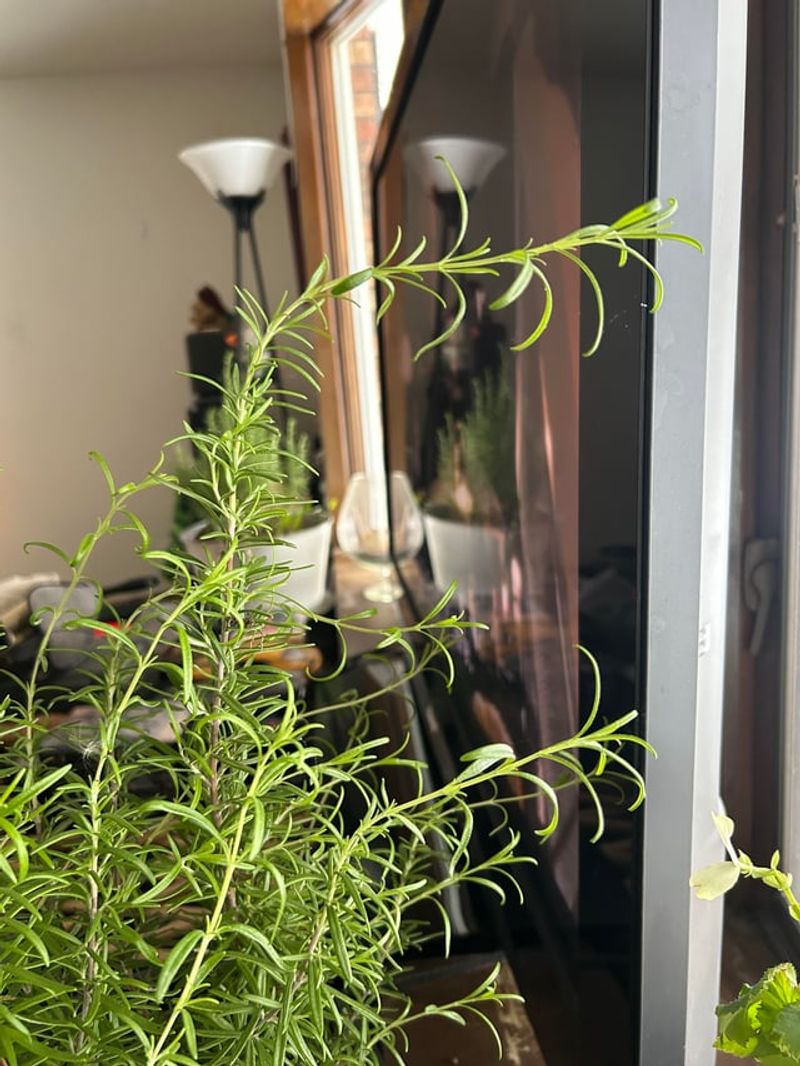
Your weather app is about to become your best gardening buddy. Check the overnight lows every evening once October rolls around.
Rosemary can shrug off a light chill, but it cannot handle steady temps below 30 degrees. Nights in the 20s spell real trouble for potted plants.
Many experts suggest moving rosemary inside once lows reach about 30 degrees. Waiting for a hard freeze puts the roots at serious risk.
In much of the state, that first cold night often shows up in mid to late October. Higher elevations upstate may see it even sooner, sometimes in late September.
Here is a handy trick for busy weeks. Set a phone alert for any forecast below 35 degrees, giving you a small safety cushion.
Your New York Garden Changes Every Week. Your Plan Should Too.
Gardening in New York changes quickly throughout the season. Every Friday you’ll receive a simple weekly plan showing exactly what to plant, prune, fertilize, harvest, and protect so you never miss the right timing.
Before carrying the pot inside, give it a quick inspection. Look under the needles and along the stems for aphids, spider mites, or tiny webs.
A gentle spray from the hose can wash off hitchhiking bugs. Let the plant dry a bit before the move so you are not bringing in soggy soil.
Wipe the bottom of the pot and check the drainage holes. Clogged holes can cause big problems once the plant lives indoors.
Heavy pots can be tricky to haul up stairs. A rolling plant caddy makes the job easier and saves your back.
Timing really is everything with this step. Moving a little early beats rescuing a frozen plant after one surprise cold night.
3. Ease The Move With A Week In The Shade
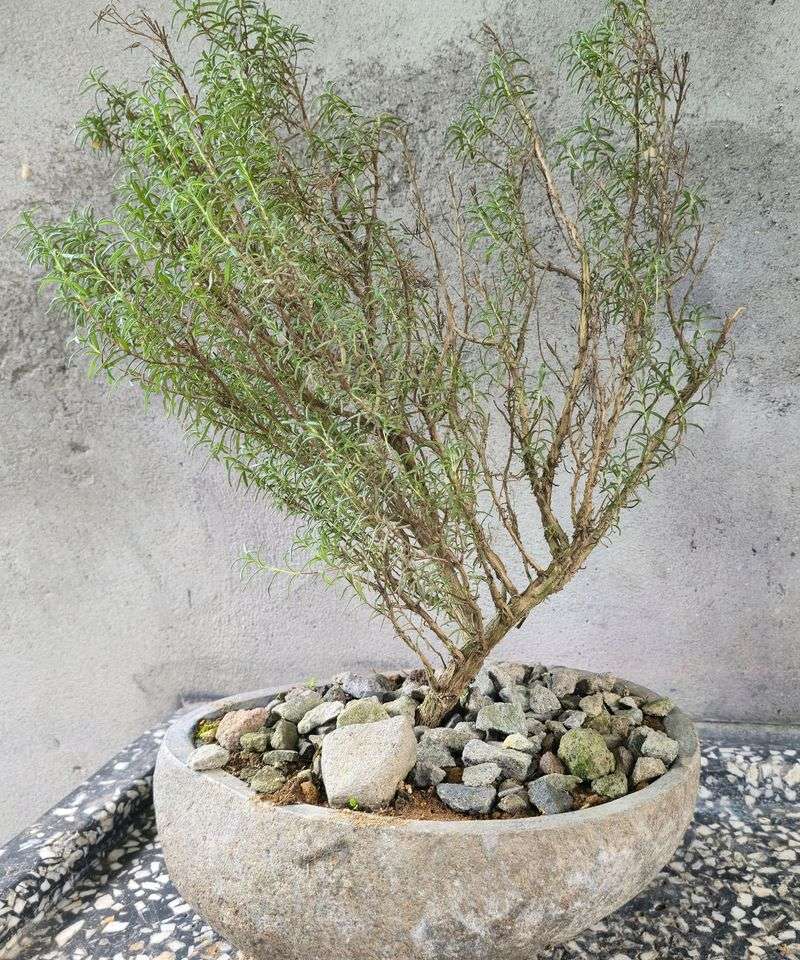
Imagine walking out of a dark movie theater into bright noon sun. Your eyes need a minute, and rosemary feels something similar in reverse.
Outdoor sunlight is far stronger than any light inside your home. A sudden switch can shock the plant and cause needles to drop.
Gardeners call the fix acclimating, and it is pretty simple. Move the pot to a partly shady spot for one or two weeks first.
A covered porch works nicely for this middle step. So does the east side of a house, where plants catch gentle morning sun only.
During this time, the plant slowly adjusts to dimmer light. Its leaves become better at using less sunshine, which helps once it lives indoors.
Humidity matters too during the shift. Indoor air in winter is much drier, so a gradual change helps reduce stress.
Plan this shady stay for early October. That way the plant finishes adjusting right before chilly nights force the final move.
Keep watching the forecast while it sits in the shade. If a sudden cold snap pops up, carry it inside for the night and return it in the morning.
Some needle loss after moving is normal, so do not panic. A few fallen needles beat a plant that drops half its leaves overnight.
Think of this week as a soft landing. A little patience now pays off with a calmer, greener plant all winter.
4. Give It The Brightest Window You Have
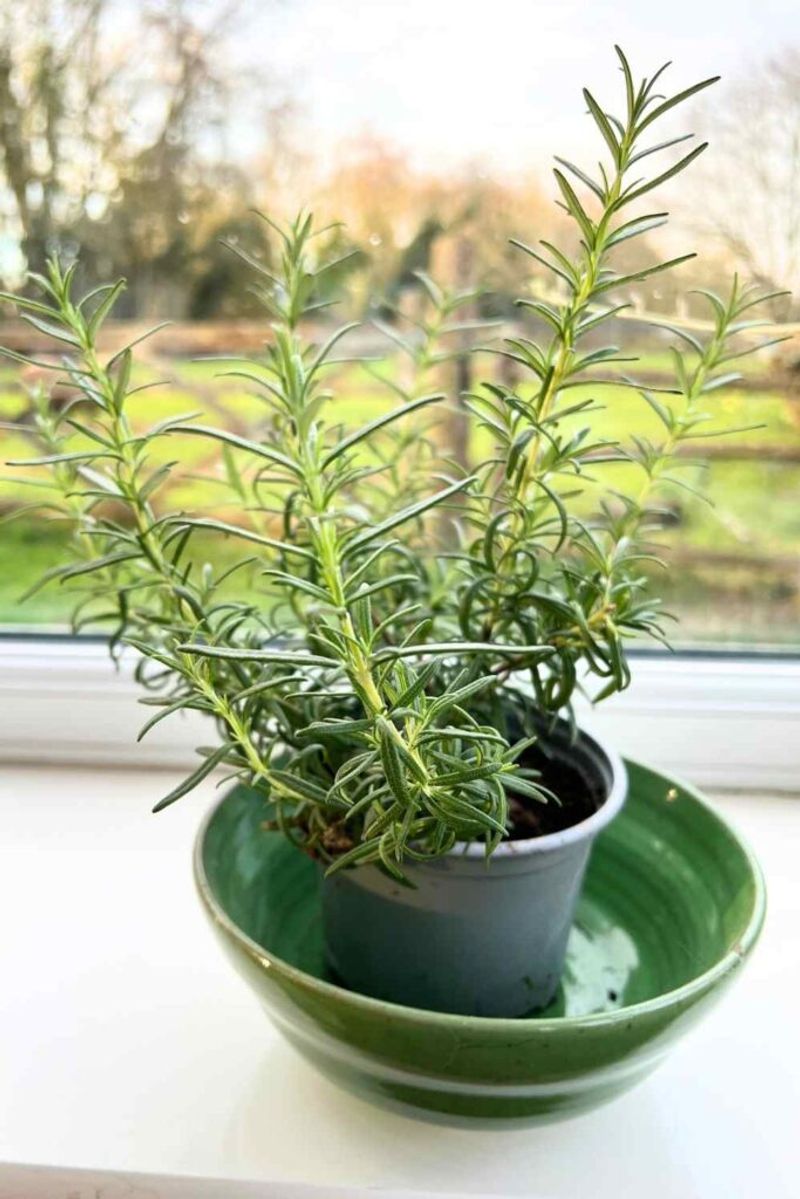
Light is the single biggest reason indoor rosemary struggles. A dim corner may look cozy, but your herb will quietly fade there.
Rosemary wants six to eight hours of bright, direct sun each day. That is a tall order during short New York winter days.
A south-facing window is your top choice. It catches the most sunlight from late morning through afternoon.
West-facing windows come in second place. East windows can work, but they usually need a little extra help.
Apartment dwellers often fight shadows from nearby buildings. If your window faces a brick wall, a grow light becomes a smart purchase.
Full-spectrum LED grow lights are affordable and use little power. Hang one about six to twelve inches above the plant for best results.
Run the light for twelve to fourteen hours daily. A simple outlet timer keeps the schedule steady without you remembering.
Turn the pot a quarter turn every week. Otherwise the plant leans toward the glass and grows lopsided.
Clean windows make a surprising difference. Dust and grime can block a noticeable amount of winter sunshine.
Watch for warning signs of low light. Pale, stretched stems with wide gaps between leaves mean your rosemary is hungry for more brightness.
Give it great light, and it rewards you with sturdy growth. You will be snipping fresh sprigs for soups all season long.
5. Cool Rooms Beat Toasty Living Rooms
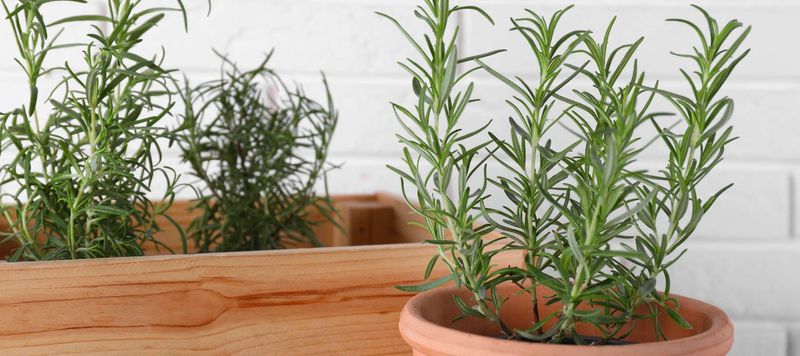
Here is a twist that surprises many plant lovers. Your rosemary actually prefers a chilly room over your warm, cozy den.
The ideal winter range sits between about 40 and 60 degrees. That cool zone mimics the gentle winters of its Mediterranean home.
Cooler air helps the plant rest and slow down. It grows less, needs less water, and handles lower light much better.
Warm living rooms tell rosemary to keep growing. Without enough sunlight to match, that growth turns weak and floppy.
Forced-air heat brings another problem. Hot, dry blasts can scorch needle tips and turn them crispy brown.
So where should it go? An unheated bedroom, a bright mudroom, or a cool sunroom all make great winter homes.
Many older homes have chilly back porches with windows. Enclosed porches can work well, as long as they stay above freezing.
Keep the pot away from radiators and heat vents. Even a few feet of distance helps reduce stress.
A cheap indoor thermometer takes the guesswork away. Place it near the plant and check it for a few days.
Drafty windows can be fine, but watch for icy glass. Needles touching freezing panes may get damaged on very cold nights.
Think of it as a quiet winter retreat for your herb. Calm, cool, and bright is the winning combination.
6. Let The Soil Dry Between Waterings
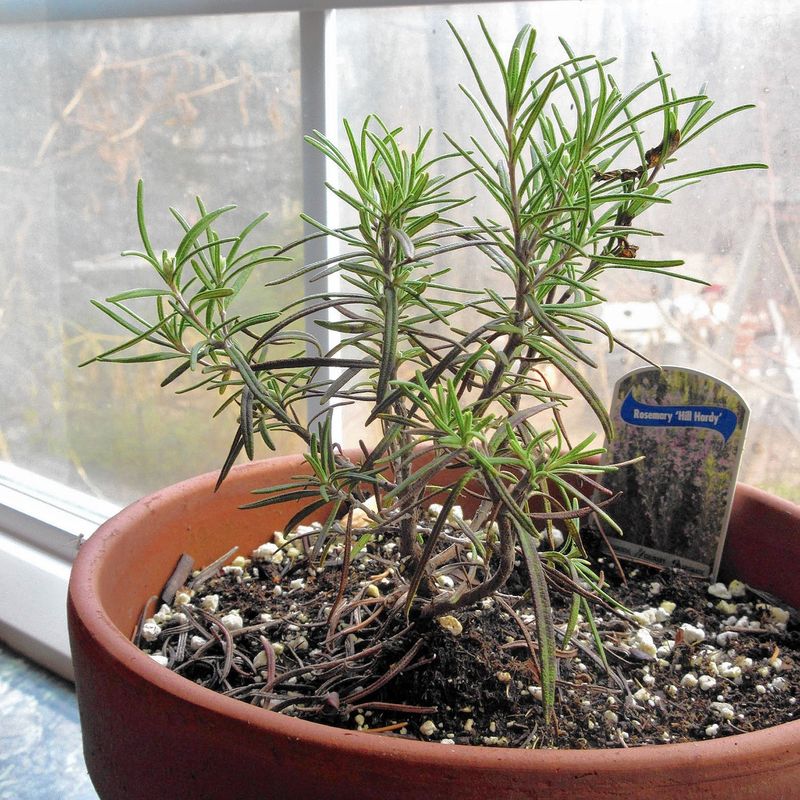
Love can drown a rosemary plant. More indoor rosemary goes downhill from too much water than from too little.
Soggy soil leads to root rot, a sneaky problem you cannot see at first. By the time needles droop, the roots are often already mushy.
The fix starts with your finger. Poke it into the soil about one to two inches deep before watering.
If the soil feels damp, walk away and check later. Water only when that top layer feels fully dry.
In a cool room, you may water just every one to two weeks. Sometimes the plant needs even less during the darkest stretch of winter.
When you do water, soak it well. Let extra water drain out the bottom so roots get a deep drink.
Empty the saucer after about fifteen minutes. Standing water at the base is a fast track to rot.
Terracotta pots are a smart choice here. The clay breathes and pulls extra moisture away from the roots.
A gritty potting mix helps too. Blend regular mix with some perlite or coarse sand for faster drainage.
One fun tip comes from old gardeners. Lift the pot each week, and you will learn how a dry pot feels compared to a wet one.
Fallen, gray needles can hint at overwatering. Brittle, crunchy tips usually point to a plant that went too dry.
7. Watch For Powdery Mildew Indoors
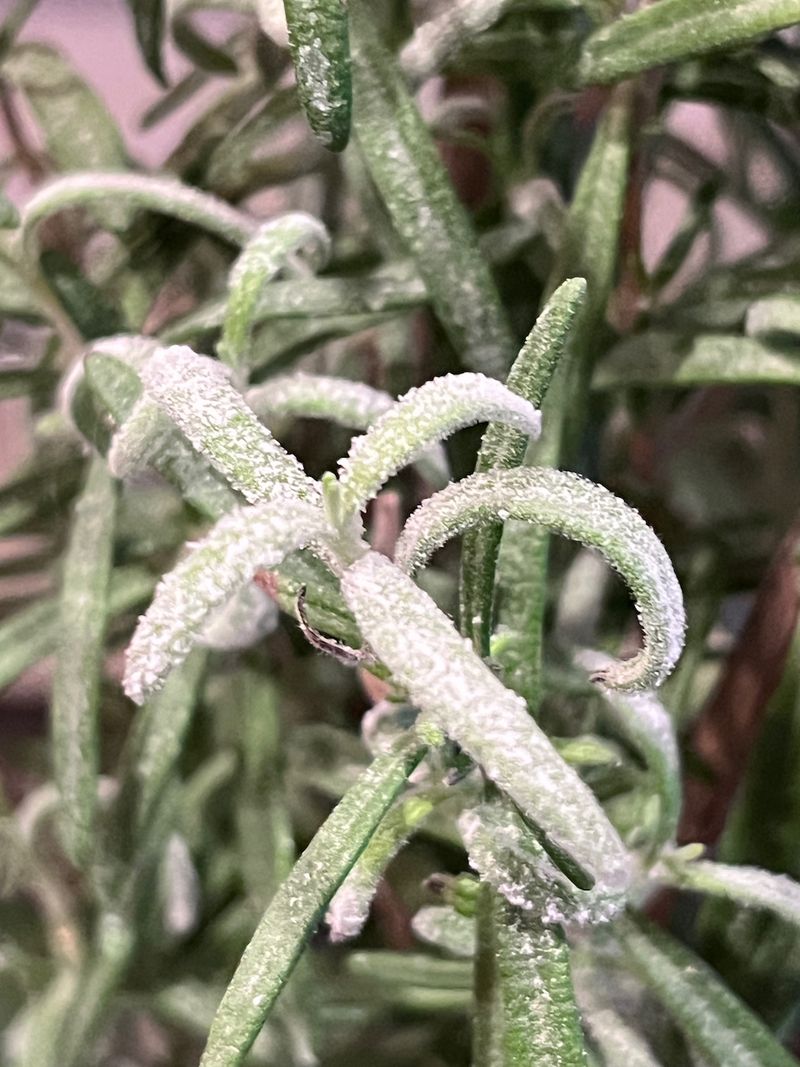
Ever noticed a dusty white film on your rosemary and wondered if it was flour? Sadly, it is probably powdery mildew.
Powdery mildew is a common fungus that loves still, humid air. Indoor rosemary is a frequent target during long winter months.
Look for white or gray patches on needles and stems. It often starts small, almost like someone sprinkled powder on a few leaves.
Good airflow is your best defense. A small fan set on low nearby keeps air moving and discourages fungal spores.
Give plants some elbow room as well. Crowded pots trap moisture and let mildew spread from one plant to the next.
Caught it early? Snip off the worst stems and toss them in the trash, not the compost.
A homemade spray can help. Mix one tablespoon baking soda, one teaspoon vegetable oil, and a few drops of dish soap in a gallon of water.
Neem oil is another popular option. Follow the label and spray in the evening, away from strong sunlight.
Test any spray on a small area first. Wait a day to make sure the needles do not react badly.
Avoid misting rosemary, even though it sounds helpful. Wet needles in a still room invite more mildew.
Check your plant weekly when you water. Spotting trouble early makes the cleanup much easier.
8. Harvest Generously Before It Comes Inside
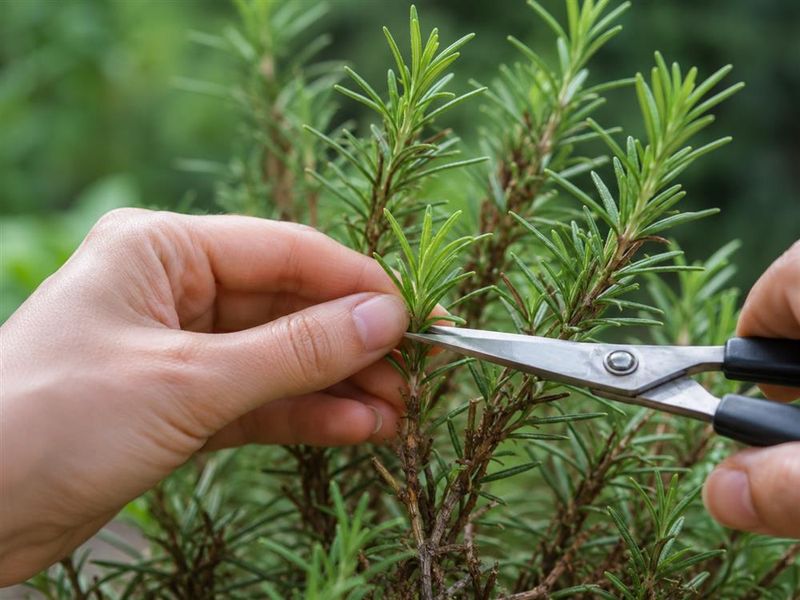
October is basically rosemary payday. Your plant is at its fullest after a long summer, so grab those pruners and enjoy the bounty.
Harvesting before the move does double duty. You stock your kitchen, and the plant becomes smaller and easier to manage inside.
Snip soft, green stems rather than thick, woody ones. Make each cut just above a leaf node, where new shoots can sprout.
Take no more than one-third of the plant at once. Leaving plenty of foliage helps it keep making food through winter.
Timing matters with heavier pruning. Give the plant four to six weeks before the first frost to recover from big cuts.
Wondering what to do with a mountain of rosemary? Tie small bundles with string and hang them upside down somewhere dry and airy.
In about two weeks, the needles crumble easily. Strip them off and store them in a glass jar away from light.
Freezing works too. Chop fresh needles, pack them into ice cube trays, and cover with olive oil.
Those frozen cubes are a gift on a snowy night. Drop one into a pan for instant flavor in potatoes or chicken.
Fun fact: ancient Greek students wore rosemary to help their memory. You may not ace a test, but your dinners will smell amazing.
A generous trim now means less stress later. Your plant and your pantry both win.
9. Take Cuttings For Insurance
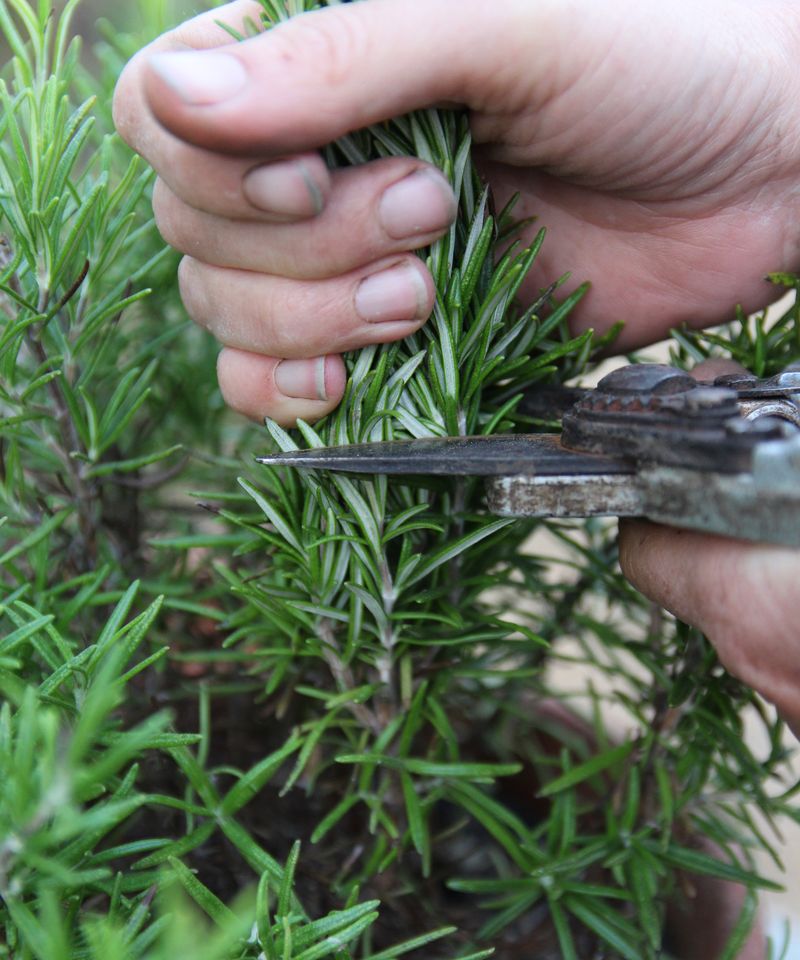
Smart gardeners keep a backup plan. Rosemary cuttings are a cheap and easy way to protect yourself against winter surprises.
Even with great care, an indoor plant can sometimes falter. A few rooted cuttings mean you will not have to start over in spring.
Choose healthy tips that are not flowering. Each cutting should be about four to six inches long.
Strip the needles from the bottom two inches of stem. Those bare spots are where new roots will form.
You have two easy rooting options. Stand the stems in a glass of water or poke them into a light, soilless mix.
A blend of perlite and peat or coco coir works well. It stays airy, which keeps young stems from rotting.
Place cuttings in bright, indirect light. Keep the mix lightly moist, never soggy.
Roots usually show up in two to six weeks. Be patient, since some stems take longer than others.
Not every cutting will succeed, and that is normal. Start six or eight so you end up with a few winners.
A dab of rooting hormone can boost your odds. Dip the cut end before planting for faster results.
Once roots reach about an inch long, pot each one up. Soon you will have extra plants to share with friends.
10. ‘Arp’ Is The Toughest Bet For In-Ground Planting
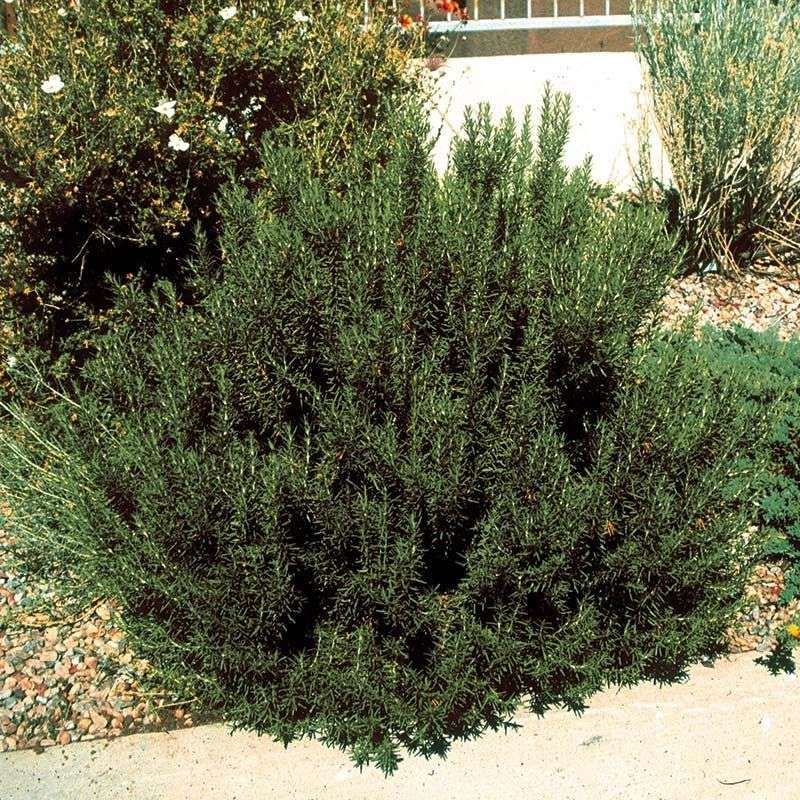
Dreaming of rosemary that stays put in the garden all year? Meet Arp, the tough cookie of the rosemary world.
Arp is widely known as the most cold-tolerant rosemary around. It ranks among the hardiest varieties, rated to as low as negative 10 degrees, though it often shows damage closer to 10.
That toughness makes it hardy through USDA Zone 6. Gardeners in New York City, Long Island, and the lower Hudson Valley have a real shot.
Fun fact: Arp is named after Arp, Texas, where it was discovered. A plant from Texas surviving Northeast winters is a pretty great story.
Location makes or breaks success. Pick a sheltered, sunny spot, like the south side of a house or a stone wall.
Walls soak up daytime heat and release it at night. They also block harsh winter winds that dry out needles.
Drainage is just as important as warmth. Wet, cold soil is often harder on rosemary than freezing air alone.
Plant in sandy or gravelly soil, or build a small raised mound. Water should run away quickly after rain or melting snow.
Add a thick sand mulch around the base in late fall. Sand protects the root zone without trapping soggy moisture like wood chips.
Plant Arp in spring so roots settle before winter. A young plant set out in October has little time to establish.
Even Arp has limits in colder upstate zones. There, a pot that comes indoors remains the safer choice.