Think Ticks Disappear In Winter? Here’s When They’re Still Active In Your Virginia Yard
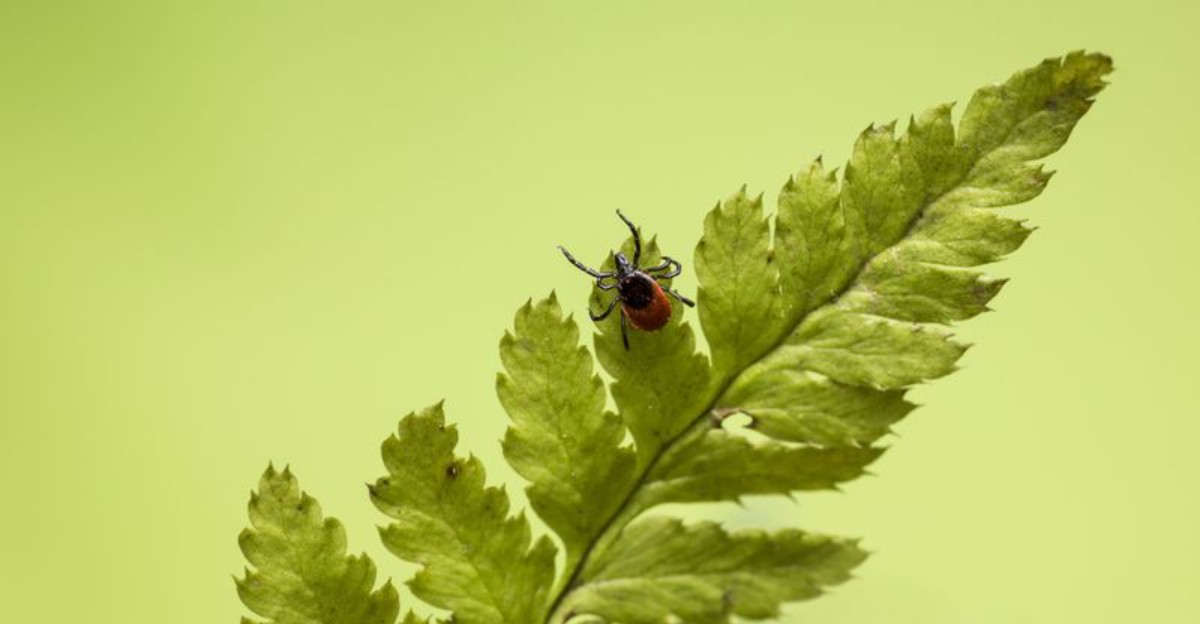
Adult blacklegged ticks are active outdoors right now across Virginia. Cold snaps do not stop them, because their bodies carry a natural antifreeze.
Mild winter afternoons wake them, and they climb low brush to wait. Brush against that perch, and they can climb onto your pants quickly.
Wool socks and thick flannel give them dark, warm routes toward your skin. Their bite can pass along Lyme bacteria, and you may not feel it.
Larval cousins fade by now, yet adults stay busy through winter thaws. Where they hide on your body decides how soon you spot them.
Nymphs, tiny as poppy seeds, spread infections during spring and summer. Remove an attached tick fast, and your risk drops sharply.
Tweezers placed close to the skin beat any home trick you have heard. Soon you will learn which Virginia days trigger them.
1. Ticks Stir Once The Air Passes Forty Degrees
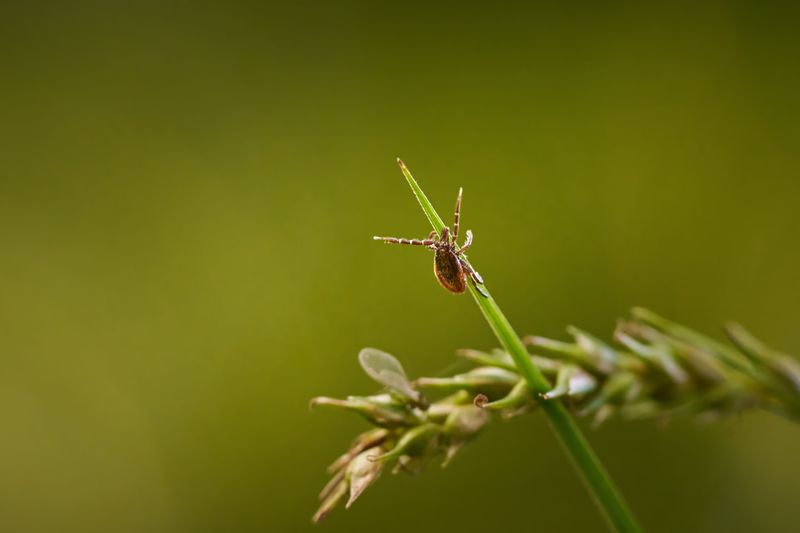
Picture a January afternoon in Richmond where the sun pops out and it hits fifty-two degrees. You might grab a light jacket, but ticks grab the chance to hunt.
Many people believe cold weather sends ticks into a deep sleep until spring. In truth, blacklegged ticks stay ready and simply slow down when temperatures drop.
Blacklegged ticks, often called deer ticks, can become active whenever the air rises above about forty degrees. Virginia winters are full of days like that, especially in the eastern half.
Our state sits in a mild zone where freezing snaps come and go quickly. A chilly Monday can turn into a soft, sunny Thursday that feels like early April.
On those warm breaks, ticks climb grass stems and low shrubs to wait for a passing host. Scientists call this questing, and it looks like tiny arms waving in the breeze.
Tick bites in winter often go unnoticed because people are not expecting them. That surprise factor is one reason cold-season bites may go unnoticed.
Keep an eye on your weather app during winter months. If the forecast shows forty degrees or higher, treat outdoor time like a summer hike.
Tuck pants into socks, wear light colors, and use a repellent with permethrin on clothing. Afterward, do a quick check of your scalp, waist, and behind your knees.
A mild winter day is a gift for people and ticks alike. Enjoy the sunshine, but bring a little caution along with your coffee.
2. Damp Leaf Piles Make Cozy Winter Shelters

In autumn, that tidy heap of oak and maple leaves by the fence becomes a sheltered winter spot for ticks. Ticks settle in and wait out the chilly nights.
Leaf litter traps moisture and warmth close to the ground. Even when the air feels cold, the layer under the leaves can stay several degrees warmer.
Ticks dry out easily, so they need humid spots to stay healthy. A soggy leaf pile gives them both shelter and the steady moisture they crave all winter.
Since it’s October, now is the perfect time to rethink your raking plan. Clear leaves away from patios, play sets, and the paths your family walks each day.
Your Virginia Garden Changes Every Week. Your Plan Should Too.
Gardening in Virginia changes quickly throughout the season. Every Friday you’ll receive a simple weekly plan showing exactly what to plant, prune, fertilize, harvest, and protect so you never miss the right timing.
You don’t have to bag every single leaf, especially if you love helping pollinators. Instead, move piles toward the back edge of the yard, away from busy spots.
Pay special attention to stone walls and woodpiles, which hold leaves in their cracks. Those spots act like hidden apartments for ticks during cold months.
When you do handle leaves, wear gloves and long sleeves. Toss dry clothes in a hot dryer for ten minutes afterward.
Damp clothes need more time, so dry them before washing, since washing alone does not kill ticks.
Kids love jumping into leaf piles, and that joy is worth keeping. Just build the pile in an open, sunny area and check everyone afterward.
A little planning keeps the fun and cuts down on unwanted guests. Your yard can look natural without rolling out a welcome mat for ticks.
3. Late Fall Is Prime Time For Adult Blacklegged Ticks
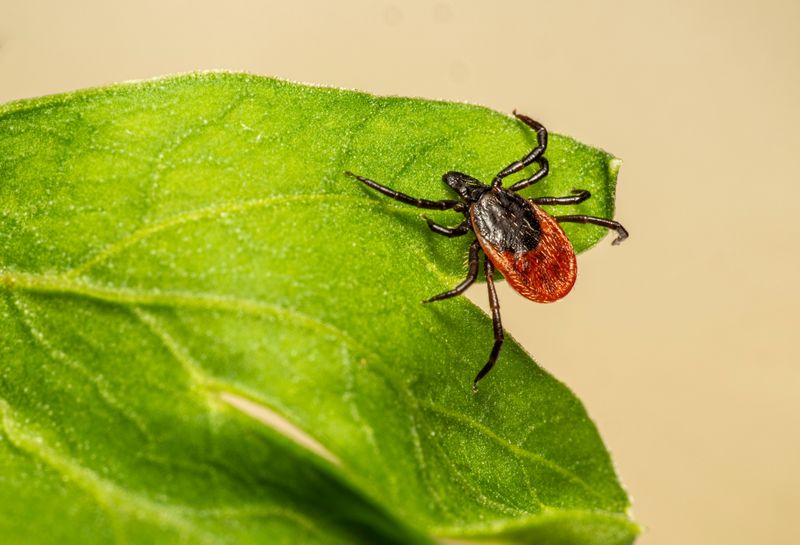
Here’s a surprise that catches many Virginians off guard. Adult blacklegged ticks are busiest in October and November, not in the heat of July.
Each tick goes through stages called larva, nymph, and adult. The grown-up females need one last big blood meal before laying thousands of eggs in spring.
That meal happens mostly in fall, right when hunters, hikers, and leaf rakers head outdoors. The timing overlaps with the season when people spend the most time outdoors.
Adults are bigger than nymphs, about the size of a sesame seed. Females have a reddish-orange body with a dark shield near the head.
Their larger size makes them easier to spot, which is helpful. Still, they can carry Lyme disease, anaplasmosis, and babesiosis, so a bite deserves attention.
Virginia reports more than a thousand Lyme cases each year, with the highest rates in western areas like Floyd and Montgomery counties and parts of northern Virginia. Fall bites from adult ticks add to that number.
When you come inside from yard work, run your hands through your hair and check your neckline. Look closely at socks and pant cuffs, too.
If you find one attached, grab it close to the skin with fine-tipped tweezers. Pull upward slowly and steadily, then clean the spot with soap.
Save the tick in a sealed bag with the date written on it. See a doctor if a rash, fever, or flu-like symptoms appear in the weeks after a bite.
Lyme transmission usually takes about 36 to 48 hours of attachment. Late fall is gorgeous in Virginia, with golden hills and crisp air. Just remember those beautiful months are prime time for adult ticks.
4. Visiting Deer Drop Ticks Across Your Yard
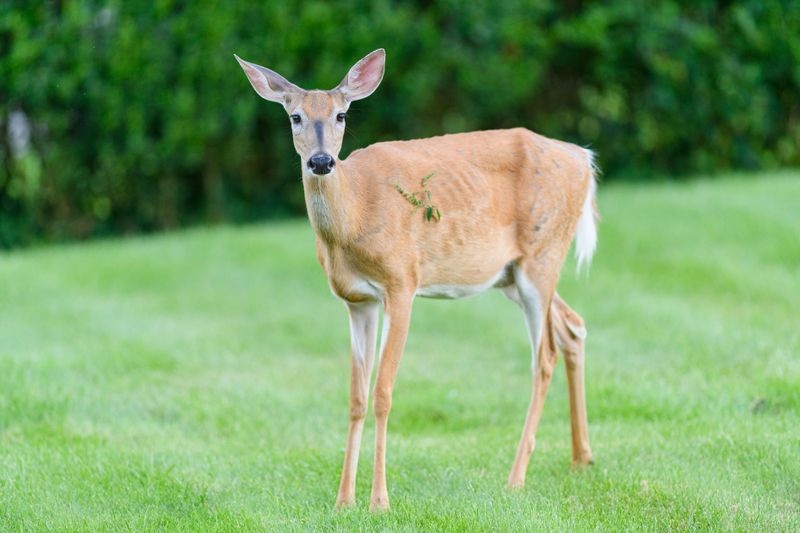
Spotting a doe nibbling your hostas at dawn feels magical, almost like a scene from a storybook. Those graceful visitors often carry uninvited passengers.
White-tailed deer are a favorite host for adult blacklegged ticks. One deer can carry hundreds of ticks at once, especially around its ears and neck.
As deer move through your yard, fed ticks drop off into grass and garden beds. Each female can lay up to three thousand eggs, setting up next year’s crop.
Virginia has about a million deer, and suburbs offer them easy snacks. Neighborhoods near woods in Loudoun, Fairfax, and Albemarle counties see plenty of hoofprints.
Deer stay active all winter, so they keep moving ticks from yard to yard. Your property can become a drop-off station without you noticing anything.
Fencing is the most reliable way to keep deer out of your space. An eight-foot fence works best, though it can cost a good amount.
For a budget option, choose plants deer dislike, such as lavender, boxwood, and daffodils. Skip tasty treats like hostas and tulips near the house.
Skip corn and salt licks. They are illegal statewide from September 1 to the first Saturday in January, and year-round in some localities. Feeding them invites more visits and more ticks into your yard.
Some regions use four-poster stations that treat deer with a tick-control product, but results are mixed. Ask your local extension office or Virginia DWR what is allowed here.
Enjoy the deer from your window with a warm mug in hand. Admiring from a distance keeps the magic and loses the hitchhikers.
5. Snow Cover Works Like A Blanket
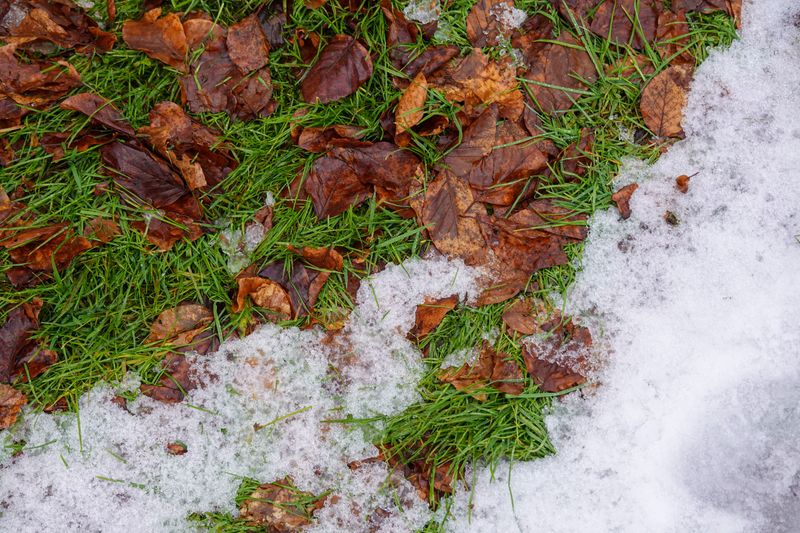
Snow seems like it should freeze every bug in sight. Surprisingly, a fluffy layer of snow works more like a quilt than an icebox.
Snow traps heat rising from the ground and blocks bitter wind. Underneath, the leaf layer can stay close to freezing while the air above drops much lower.
Ticks tuck themselves into that hidden pocket and wait. Studies show many survive the winter just fine, even in states far colder than Virginia.
Virginia snowstorms tend to come and go within days. Once the white stuff melts and the sun warms the soil, ticks wake up quickly.
That means the first warm afternoon after a storm can be surprisingly risky. Kids building snow forts near the woods edge may brush against waiting ticks.
Oddly enough, a bare, dry, and bitterly cold winter is harder on ticks than a snowy one. Without that blanket, they lose moisture and struggle to hang on.
Some research suggests snowy winters may help ticks survive, though the evidence is mixed. Keep that in mind when you plan yard cleanup after a snowy year.
After a melt, walk your yard edges and clear soggy debris from paths and play areas. Sunny, open spaces dry out faster and hold fewer ticks.
Snow days are still a joy, so bundle up and enjoy them. Just add a quick body check to the cocoa routine once everyone comes inside.
Think of it as one more layer to peel off. Boots, mittens, scarf, and then a fast look for tiny freeloaders.
6. Nymphs Take Over As Spring Warms Up
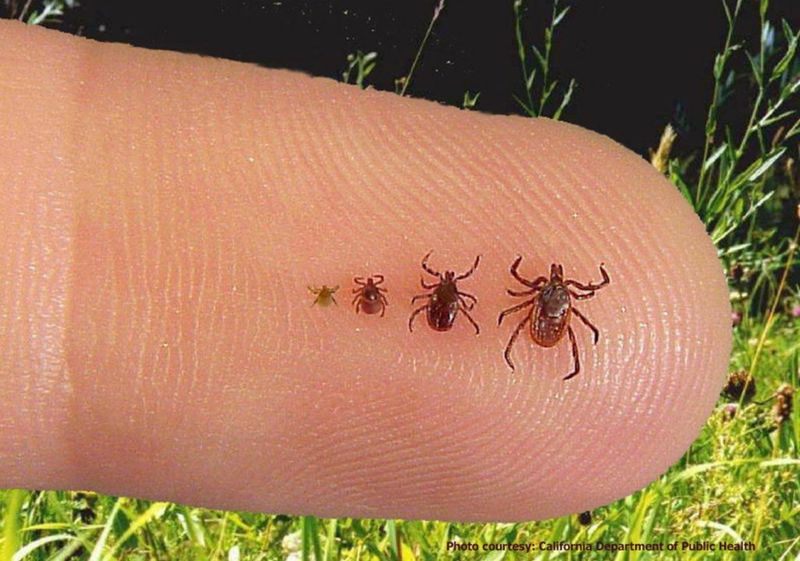
Tick nymphs are stealthy. They are about the size of a poppy seed and just as easy to miss. Adult ticks often start moving in March, long before most people think about bug spray. Nymphs follow in late spring and early summer.
A warm late-winter week in Virginia can send adult ticks climbing earlier than expected. Health experts say nymphs cause most Lyme disease cases in people. Their tiny size lets them feed for a day or more without anyone noticing.
Spring yard work puts you right in their path. Pulling weeds, edging beds, and spreading mulch all bring your hands and arms close to the ground.
Planning ahead this October can make next spring much safer. Trim tall grass, cut back brush, and create a three-foot strip of wood chips between lawn and woods.
That barrier strip makes ticks less likely to crawl into play areas. Ticks dislike hot, dry ground, so open sunny spaces work in your favor.
Stock up on gardening gloves, light-colored long sleeves, and a good repellent now. Having supplies ready means you won’t skip protection on that first gorgeous day.
Shower within two hours after coming indoors from yard work. Washing helps remove crawling ticks before they find a spot to settle in.
A full-length mirror makes body checks easier for hard-to-see places. Ask a family member to check your back and scalp, too.
Spring flowers are worth the wait, and so is peace of mind. A little preparation now lets you greet those daffodils without worry.
7. Winter Dog Walks Put Your Pets In Their Path
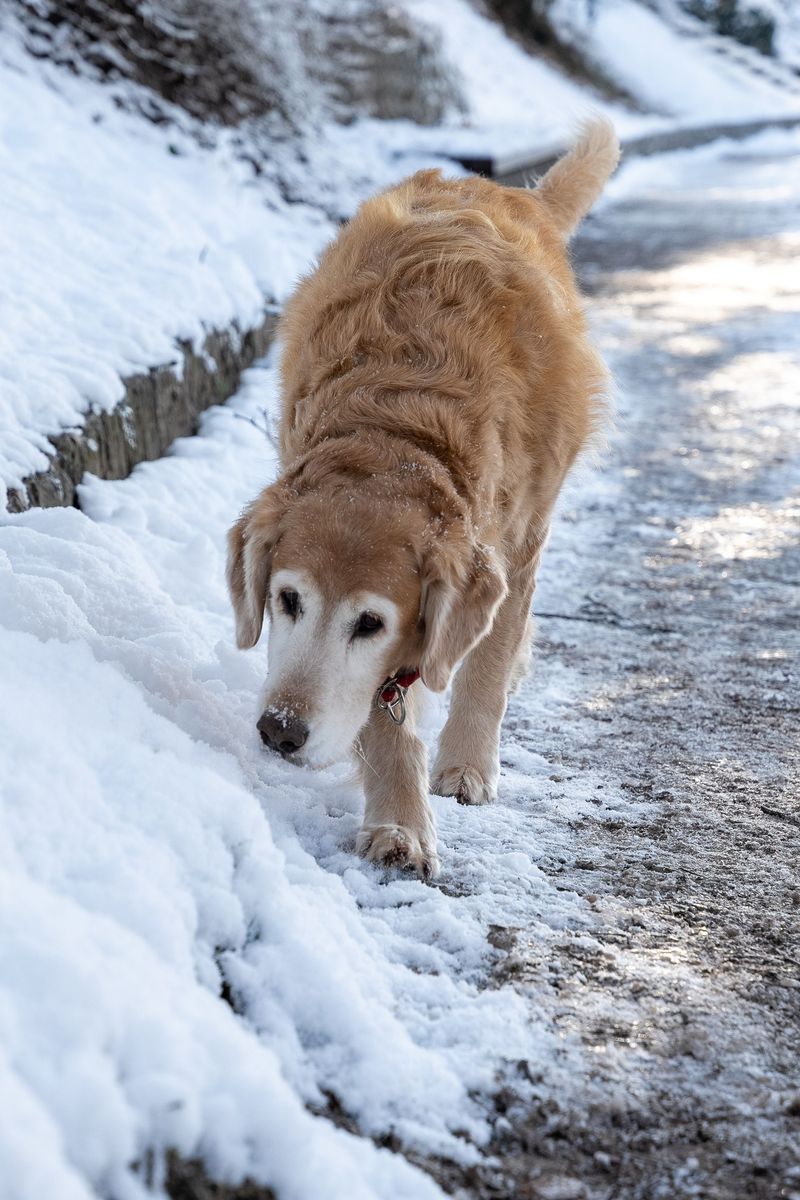
Your dog doesn’t care if it’s thirty-eight degrees or seventy, because a walk is a walk. Sadly, ticks share that same can-do attitude on mild winter days.
Pets brush through tall grass, sniff under bushes, and roll in leaves with pure joy. Those habits make them perfect tick taxis all year long.
Once inside, a tick can crawl off your pet and onto your couch or bed. A backyard problem can become a household problem.
Many owners pause flea and tick medicine in fall, thinking the risk has passed. Veterinary groups recommend keeping pets protected twelve months a year.
Dogs can get Lyme disease, ehrlichiosis, and anaplasmosis from tick bites. Cats are less likely to get sick but can still bring ticks indoors.
After each walk, run your fingers through your pet’s coat, feeling for small bumps. Check between toes, inside ears, under the collar, and around the tail.
A fine-toothed flea comb makes the job quicker for long-haired breeds. Keep one by the back door so checks become part of the routine.
Watch for warning signs like limping, low energy, or a sudden loss of appetite. Call your vet if your furry friend seems off after outdoor time.
Wash pet bedding in hot water every week or two during winter. Clean bedding means fewer chances for a sneaky tick to settle in.
Your four-legged buddy trusts you to keep them safe and comfy. A two-minute check is a small price for all those happy tail wags.
8. Mild Garden Days Call For Extra Protection
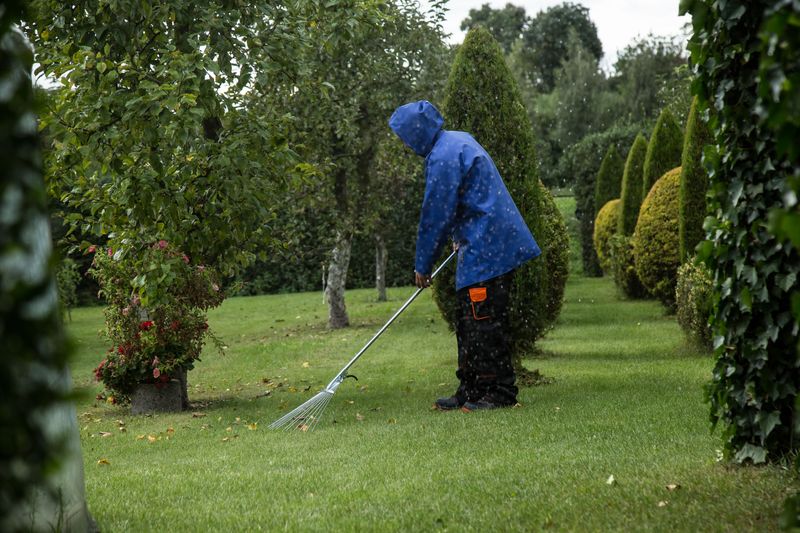
Gardeners in Virginia know the urge to dig doesn’t fade just because the calendar says December. Planting garlic, pruning shrubs, and tidying beds all happen in cooler months.
Winter chores often take you to shady, overgrown spots near fences and woods. Those edges are exactly where ticks like to hang out.
Kneeling in mulch or reaching into ground cover like English ivy puts you face to face with them. Ivy holds moisture and provides habitat for ticks.
Dress for the job before you step outside. Long pants tucked into socks and a long-sleeved shirt make it harder for ticks to reach skin.
Spray boots and pant legs with permethrin, letting them dry fully before wearing. One treatment can last through several washes, which saves time.
Use a kneeling pad instead of resting directly on soil or leaves. Gardening gloves with long cuffs add another layer of protection for your wrists.
When you finish, leave your work clothes in the laundry room instead of the bedroom. Ten minutes in a hot dryer handles any ticks hiding in the fabric.
Consider replacing ivy and tall ground covers near the house with gravel paths or low plants. Fewer hiding places close to your door means fewer surprises.
Ticks can crawl onto gear stored near the woods, so keep tools in a shed or garage. Mild winter afternoons are some of the most peaceful garden days of the year. A few smart habits keep that peace from turning into an itchy problem.