Your Virginia Christmas Cactus Not Budding Yet? Here’s Why, And How To Fix It Fast
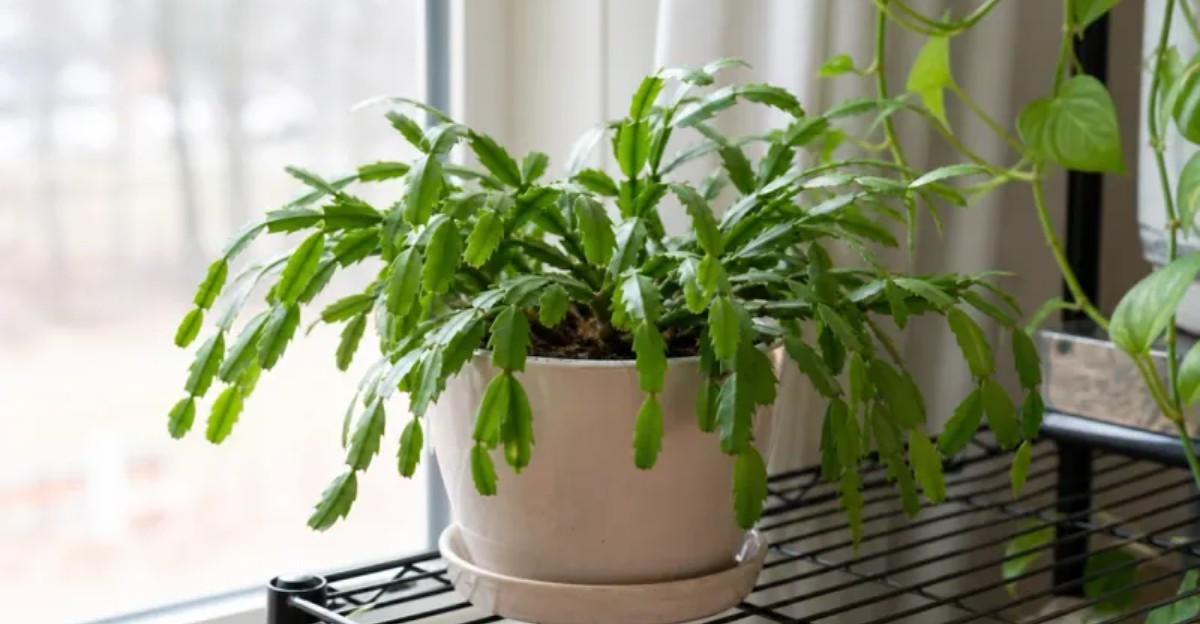
Your Christmas cactus sits there, green and stubborn, while the holidays race closer every day. Not a single pink bud in sight, and you are starting to wonder what went wrong.
Shifting fall weather and cozy heated homes can confuse a cactus more than you might expect. Good news: these plants are picky, not hopeless, and most bloom problems have simple fixes.
The plant reads clues from light, temperature, water, and even its pot size. When one of those clues feels off, it quietly holds back its flowers.
A few small changes can turn things around within weeks. Here are the most common culprits Virginia growers face, plus quick ways to coax those colorful blooms out in time.
1. Your Plant Isn’t Getting Long Enough Nights
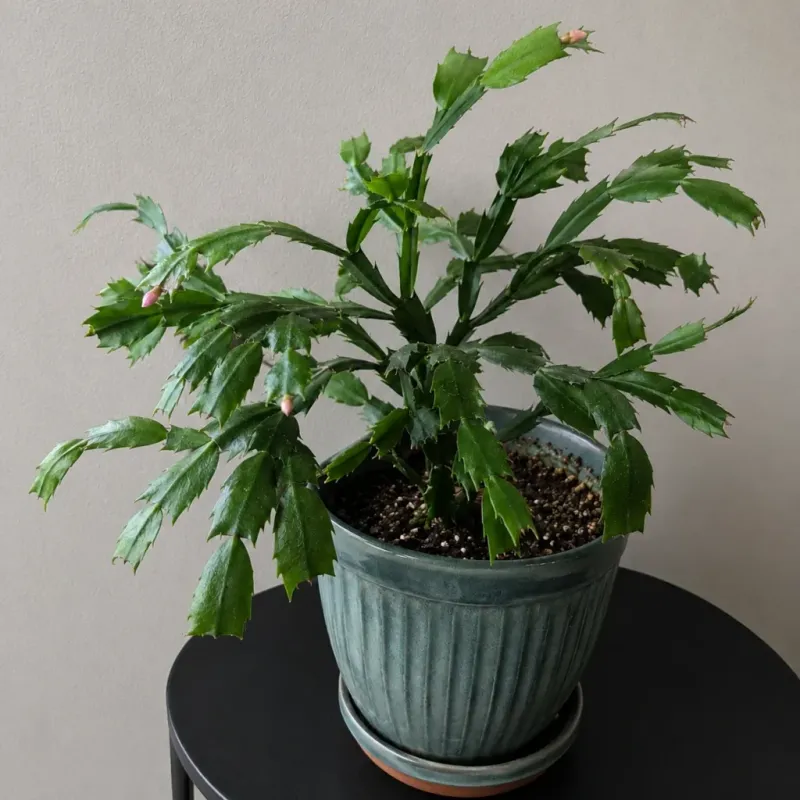
Picture your cactus checking a clock that only counts hours of darkness. Christmas cacti are short-day plants, so long nights tell them winter blooms are coming.
Without enough darkness, the plant simply keeps growing stems instead of buds. Leafy growth looks healthy, but it can hide a missing flower signal.
Experts suggest 12 to 14 hours of steady darkness each night. Keep that routine going for about 6 to 8 weeks before you want flowers.
In Virginia, fall nights grow longer naturally starting in late September. Indoor plants miss that cue because our homes stay bright well into the evening.
A simple fix is moving the pot into a spare room you rarely use. An unused bedroom, a closet, or a cool basement corner can work nicely.
Bring the plant out each morning so it can enjoy bright, indirect light. Return it to darkness around 6 p.m. and leave it until about 8 a.m.
Set a phone reminder so you do not forget the nightly move. Missing a night here or there may slow things, but consistency matters most.
Some growers cover the plant with a cardboard box instead of moving it. Make sure the box blocks light fully and allows a little air flow.
Within a few weeks, look for tiny bumps at the tips of the stem segments. Those small knobs are the first signs your effort is paying off.
2. Lamps And TV Light Are Breaking Its Darkness
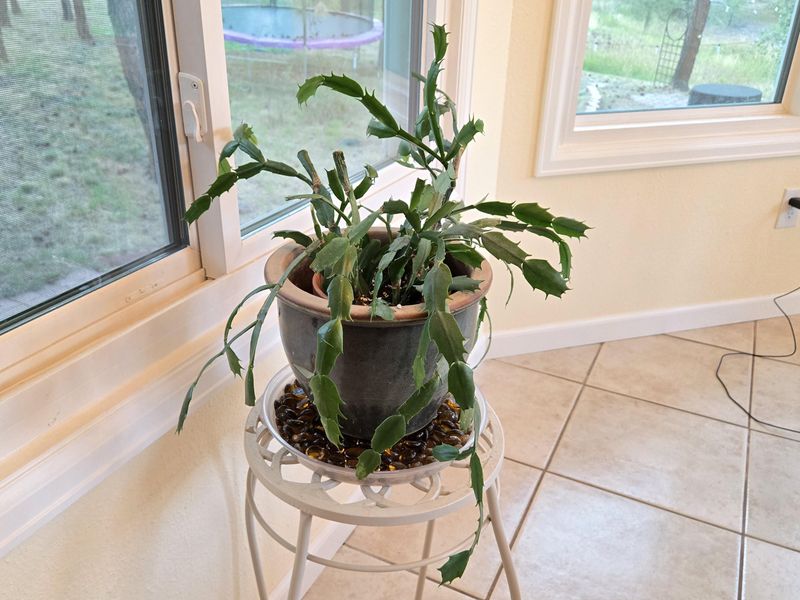
Even a quick flick of the lamp switch can reset your cactus’s countdown. Plants sense light far better than we often realize.
A Christmas cactus needs darkness without interruption to build flower buds. A glowing TV, a hallway bulb, or a porch light can break that pattern.
Many families gather in the living room each evening, which is often where the cactus sits. Movie nights feel cozy for us but confusing for the plant.
Streetlights can sneak through windows too, especially in neighborhoods with bright lamps. Sheer curtains rarely stop that soft outdoor glow.
Try a quick test after sunset by standing next to your plant. If you can easily read a book there, the spot is too bright.
Moving the pot to a quiet guest room usually solves the issue fast. Blackout curtains also help if you prefer to keep it in the same room.
Your Virginia Garden Changes Every Week. Your Plan Should Too.
Gardening in Virginia changes quickly throughout the season. Every Friday you’ll receive a simple weekly plan showing exactly what to plant, prune, fertilize, harvest, and protect so you never miss the right timing.
Small electronics deserve a second look as well. Charger lights, digital clocks, and router lights can add a faint but steady glow.
Here is a fun tidbit: poinsettias respond to darkness in a similar way. Growers in greenhouses carefully cover both plants to time their holiday color.
Once buds appear and grow about a quarter inch long, you can relax a bit. At that stage, normal room lighting usually will not stop the blooms.
3. Your Living Room Is Too Warm
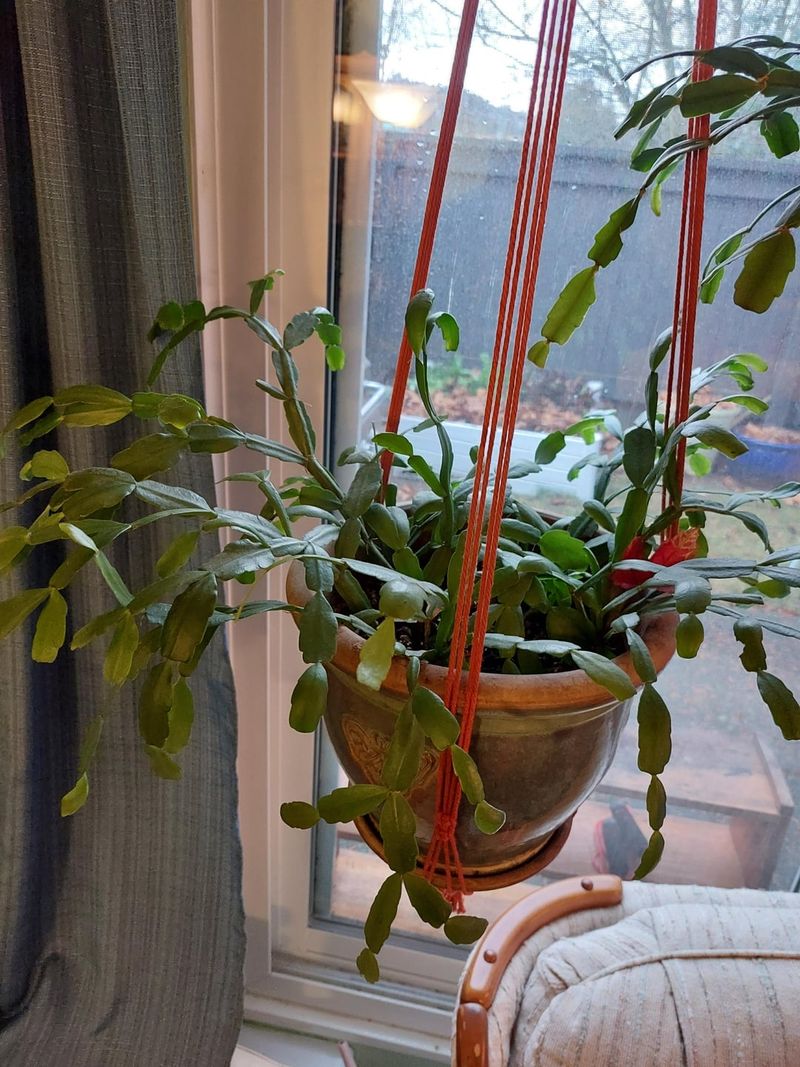
Cozy for you might feel like a sauna to your cactus. These plants come from cool, misty mountain forests in Brazil, not hot deserts.
Cooler nights help trigger bud formation in many Christmas cacti. Ideal temperatures for starting blooms sit around 50 to 55 degrees Fahrenheit.
Most Virginia homes run the heat near 70 degrees once October chills arrive. That comfy setting can slow buds or stop them from forming at all.
Good news: cool temperatures can help even if darkness is a little uneven. Many growers find chilly nights make a big difference on their own.
Look around your house for naturally cooler spots. An enclosed porch, sunroom, or spare bedroom with the vent closed can work well.
Place an inexpensive thermometer near the plant for a few days. Real numbers beat guessing, and you might be surprised by the readings.
Some gardeners leave their cactus outdoors until early fall. Bring it inside before nights dip below about 45 degrees to stay safe.
Watch out for frost, which can harm the tender stems quickly. Check your local forecast often during September and October.
Once buds form, you can move the plant somewhere a bit warmer if needed. Keep it away from radiators so flowers open slowly and last longer.
4. You’re Watering Too Much
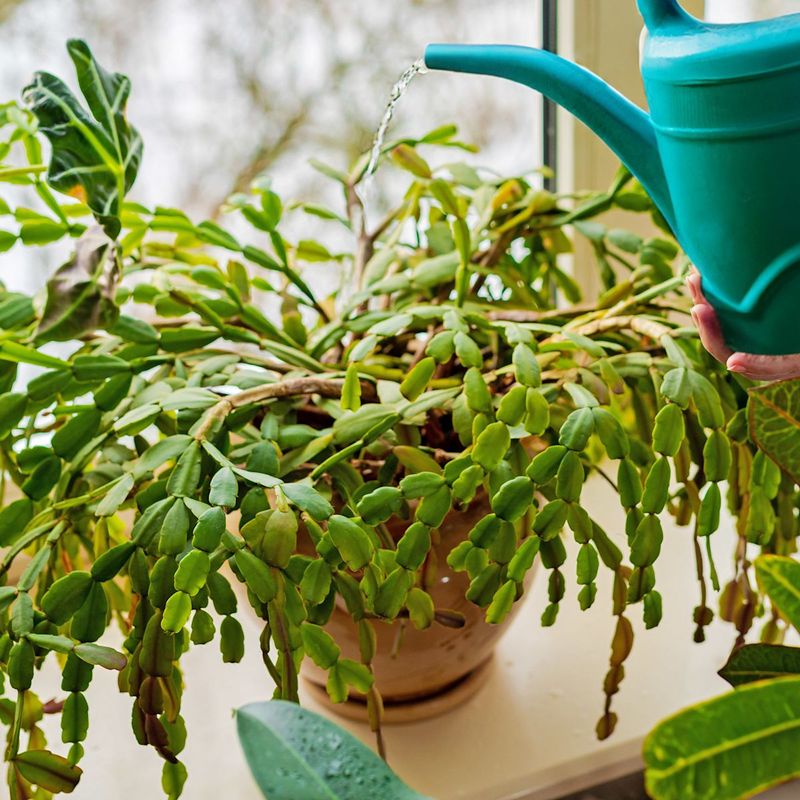
Love can drown a plant faster than neglect can. Many caring owners water on a schedule, and that habit often causes trouble.
Soggy soil can lead to root rot, a sneaky problem hiding below the surface. Damaged roots struggle to take up nutrients, so buds may never form.
Warning signs include limp stems, a sour smell, or segments that turn soft. Healthy segments should feel firm and plump when you gently squeeze them.
Here is an easy rule to follow. Water only when the top inch of soil feels dry to your fingertip.
When you do water, soak the soil until water drains from the bottom. Then empty the saucer so roots do not sit in a puddle.
During fall, the plant needs a bit less water as it prepares to bloom. Slightly drier soil can actually encourage buds to form.
Pot choice matters as well. A container with drainage holes is a must, and clay pots dry out faster than plastic.
A loose, well-draining mix helps too. Many growers blend regular potting soil with perlite or orchid bark for better air flow.
If you suspect rot, gently slide the plant out and check the roots. White, firm roots are healthy, while brown mushy ones should be trimmed away.
5. Too Much Fertilizer Is Feeding Leaves, Not Buds
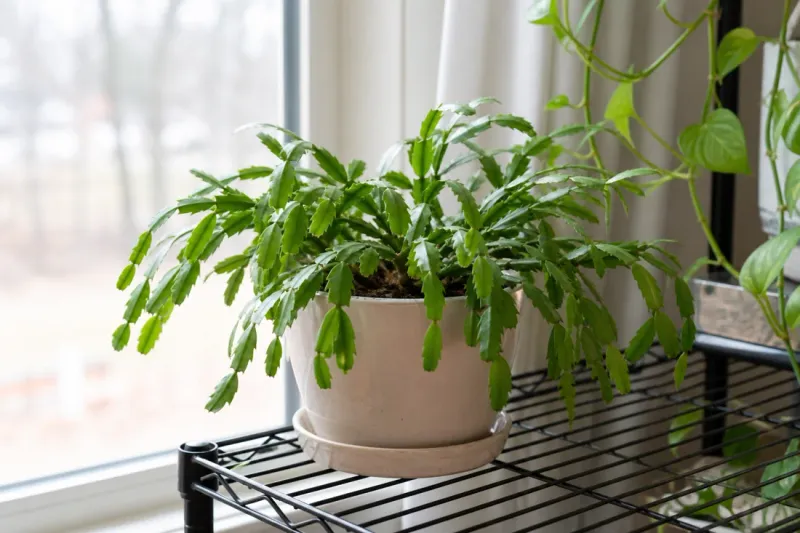
Think of fertilizer like snacks: helpful in moderation, messy in excess. Your cactus may be eating well but saving its energy for leaves.
Fertilizer high in nitrogen pushes fast green growth. The plant gets bushy and bright, yet flower buds stay missing.
Feeding makes sense during spring and summer when the cactus grows actively. A balanced houseplant formula every few weeks usually works well.
Timing is the real secret here. Stop fertilizing in late summer or early fall to shift the plant toward blooming.
In Virginia, that often means putting the fertilizer away around late August or September. Mark it on your calendar so you remember next year.
Some growers use a bloom booster with more phosphorus in summer. Read labels carefully, since the middle number shows phosphorus content.
Too much fertilizer can also leave salty crust on the soil surface. Flushing the pot with plain water helps wash away that buildup.
Here is a quirky fact for plant lovers. Some growers give a pinch of Epsom salt in summer, since these plants appreciate magnesium.
After blooming ends, give the plant a short rest before feeding again. Resume gentle fertilizing in spring when new segments appear at the tips.
6. Moving The Plant Is Stressing It Out
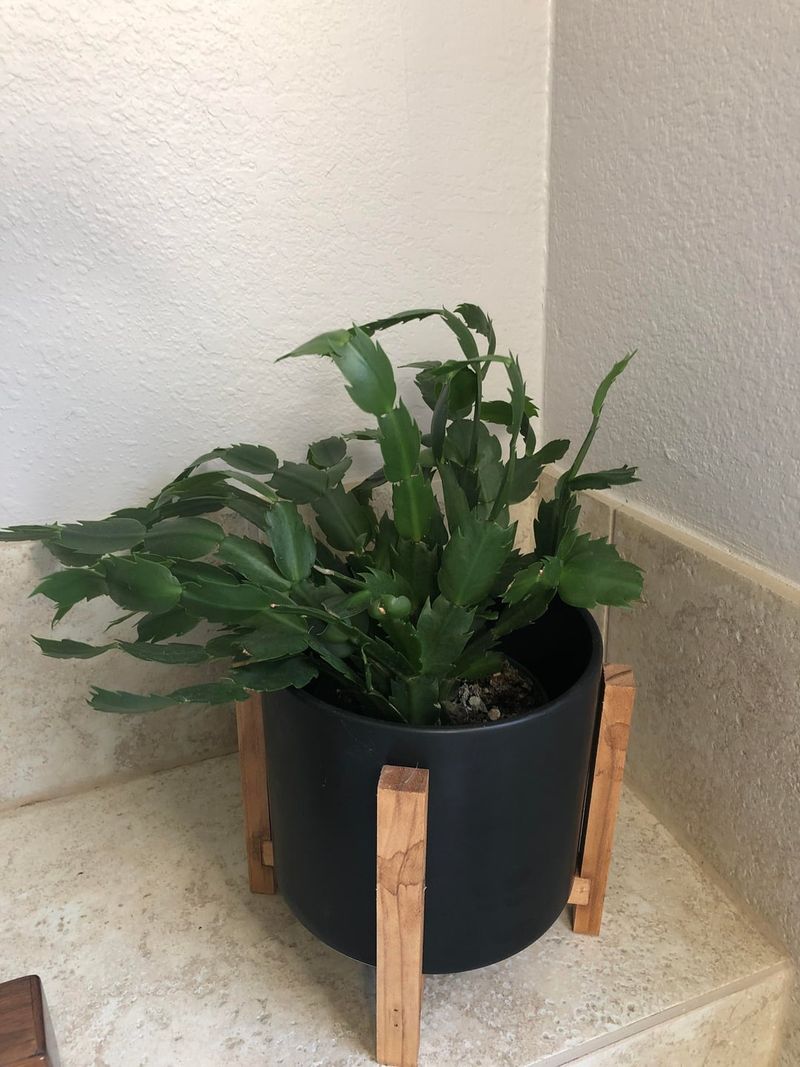
Ever felt grumpy after a big move? Your Christmas cactus can feel the same way, and it shows that mood by dropping buds.
These plants react strongly to changes in light, heat, and humidity. Shifting rooms after buds appear often makes those tiny buds fall off.
Many people carry the plant around to show it off or to clean. Even turning the pot can disturb buds that are leaning toward the light.
So once buds start forming, pick a spot and stick with it. Bright, indirect light and steady temperatures make the best long-term home.
Bringing home a new plant from a store? Expect a few dropped buds as it adjusts to your house.
Shopping during cold weather adds another challenge. Wrap the plant in paper or a bag for the trip from store to car.
Plan any big moves before the darkness treatment begins. Settling the plant early in fall gives it time to adapt.
Gifting a blooming cactus works best if the buds are just starting. Tell the recipient to choose a spot and leave it there.
If a few buds drop anyway, do not panic. The plant often keeps the rest and still puts on a cheerful holiday show.
7. It Might Actually Be A Thanksgiving Cactus
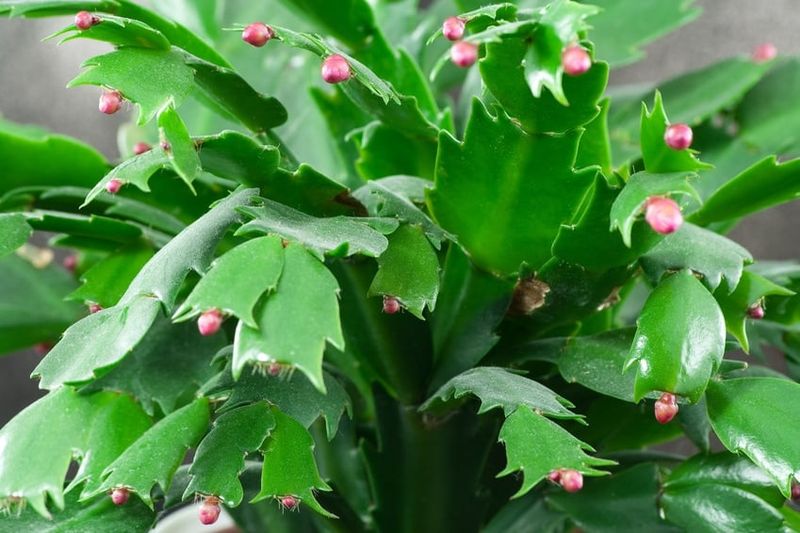
Plot twist: your Christmas cactus might be wearing a holiday name tag that is not quite right. Many stores label several holiday cacti the same way.
Thanksgiving cacti are some of the most common plants sold under that label. They often bloom earlier, usually around November.
Telling them apart is easier than you might think. Check the edges of each flat stem segment closely.
Thanksgiving cacti have pointed, claw-like teeth along the edges. True Christmas cacti have smoother, rounded scallops instead.
Flowers offer another clue if you have seen them before. Thanksgiving cactus blooms tend to hold more horizontally, while Christmas blooms often droop.
Why does this matter for buds? If your plant already bloomed in November, it may simply be finished for the year.
True Christmas cacti in Virginia usually flower closer to December. If yours is the real thing, buds may just be running on a later schedule.
There is also an Easter cactus, which blooms in spring. Its segments look bristly, and it follows a different care routine altogether.
Fun fact: all three plants come from Brazil and are close cousins. Their bloom timing depends on how they respond to day length and cooler nights.
8. A Snug Pot Can Actually Help It Bloom
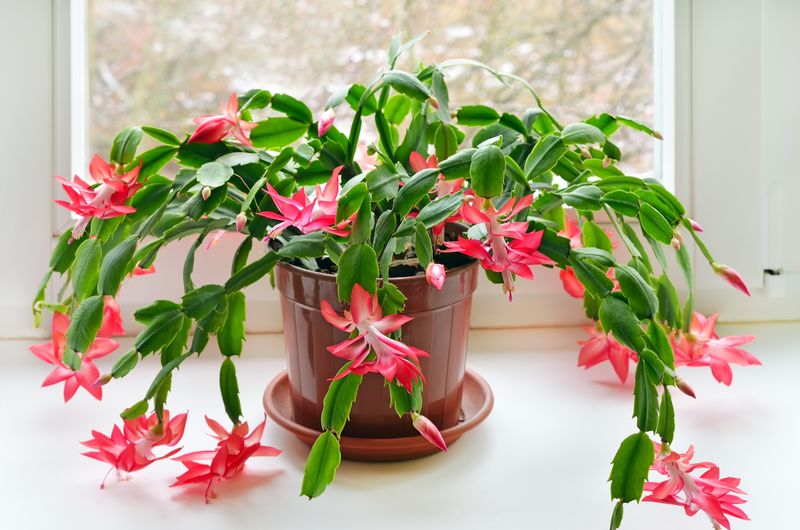
Bigger is not always better, especially for this plant’s home. A Christmas cactus often blooms best when its roots feel a little cozy.
In the wild, these plants grow on tree branches with very little soil. They are used to tight spaces and small root zones.
A huge pot invites the plant to spend energy growing roots. That leaves less fuel for flowers when the holidays roll around.
Being slightly root-bound tells the plant it is time to reproduce. Flowers are its way of making seeds, so blooms often follow.
Repotting is usually needed only every few years. Spring is the best time, since the plant is not focused on flowering then.
When repotting, choose a pot just one size larger. A jump of about an inch in width is usually plenty.
Look for signs that a move is truly needed. Roots circling the surface or poking from drainage holes can be your cue.
Never repot in fall if you want winter flowers. That disturbance can upset the plant right when buds are forming.
Many families keep decades-old cacti in surprisingly small pots. Some heirloom plants pass between generations and keep blooming year after year.
9. Drafty Windows Make Buds Drop Before They Open
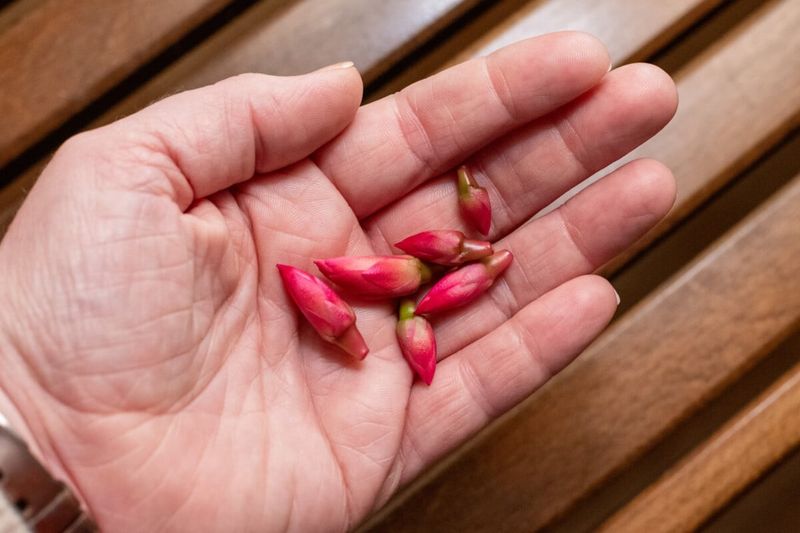
Nothing stings quite like watching plump buds tumble off right before opening. Often the cause is a sneaky draft nearby.
Christmas cacti dislike sudden temperature swings. Cold air from old windows or blasts from heat vents can make buds fall early.
Winter brings chilly mornings and warm afternoons. Glass near the plant can swing widely between those temperatures.
Hold your hand near the window on a cold day. If you feel a chill, your cactus feels it too.
Move the pot a few feet away from the glass for steady comfort. Bright, filtered light still reaches it without the cold blast.
Check for hidden heat sources as well. Fireplaces, space heaters, and floor vents can dry out buds quickly.
Front doors are another trouble spot during busy holiday visits. Each opening sends a gust of cold air across the room.
Low humidity adds stress during heated winter months. A tray of pebbles and water under the pot can help boost moisture.
Steady conditions give buds time to swell and open fully. With some care, those blooms can last for weeks and brighten your whole home.