Why Heavy Rain Won’t Fix A North Texas Drought
After weeks of cracked lawns and crispy flower beds, a big North Texas thunderstorm can feel like a miracle.
The skies open, the streets flood, and the rain gauge fills up in a single afternoon. Surely, the drought is over. Unfortunately, it rarely works that way.
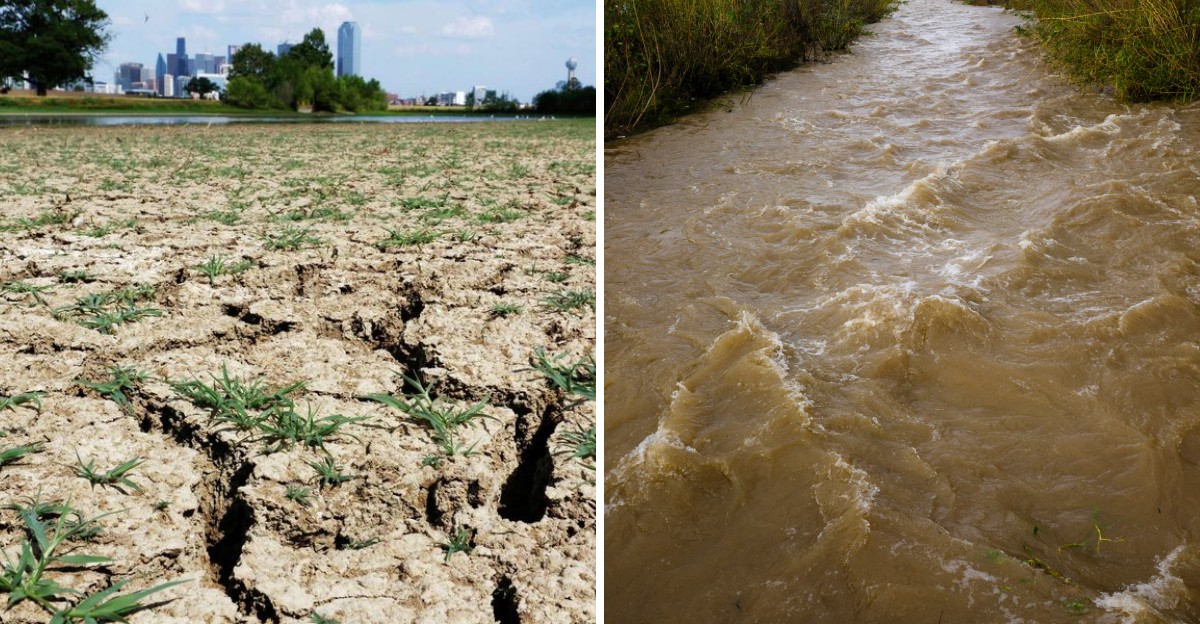
Dry clay soil acts a lot like a sealed sidewalk. When rain falls hard and fast, most of it can’t soak in quickly enough. Instead, it rushes across yards, into storm drains, and off toward creeks.
The top inch or two may get soaked, while the soil deeper down, where tree and shrub roots actually live, stays parched.
Months of missing rainfall can’t be made up in one dramatic storm. That’s why plants can keep struggling even after a soaking downpour.
Understanding what’s really happening beneath the surface can help you protect your yard until the drought truly breaks.
1. Dry, Hardened Soil Can’t Absorb Water Quickly
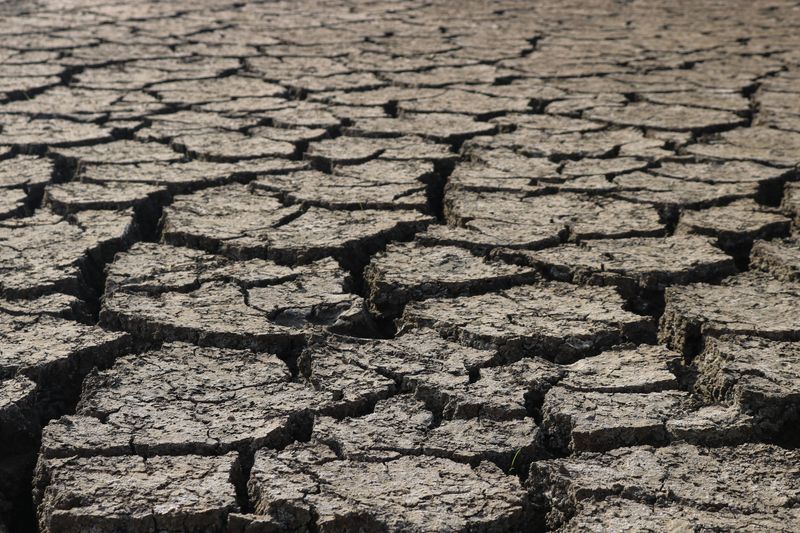
Ever tried pouring water onto a dry kitchen sponge? At first, the water just beads up and slides right off. North Texas soil acts the same way after a long dry spell.
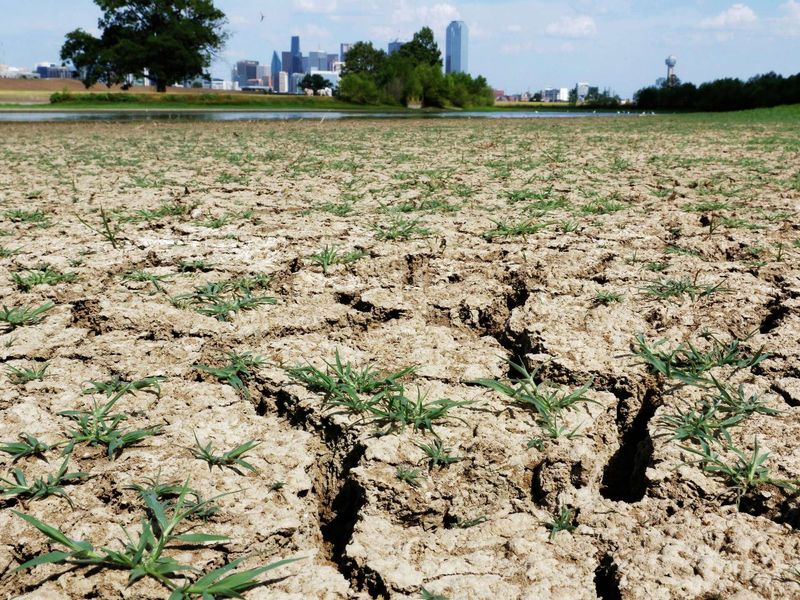
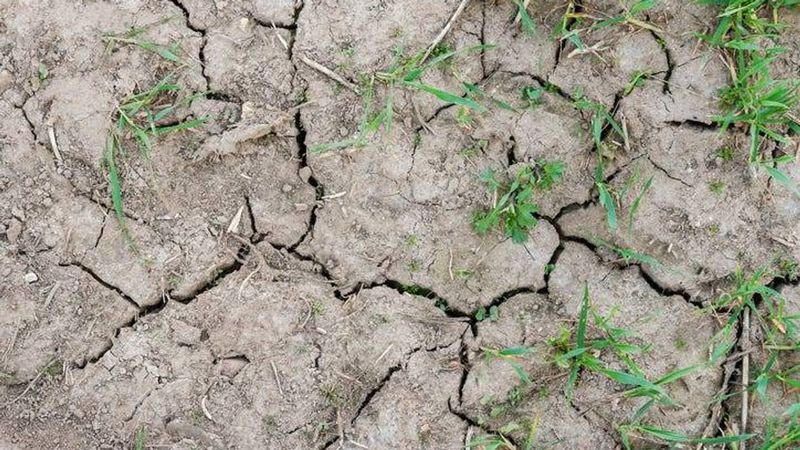
Much of the region sits on heavy clay soil, often called blackland prairie soil. When clay dries out, it shrinks, cracks, and gets as hard as a brick.
You may have seen wide cracks in your yard during August that look big enough to swallow a pencil.
When heavy rain finally falls, that hard surface cannot take in water fast enough. Most of the rain rolls across the top and heads downhill.
Only the top inch or two might get wet, while the soil a foot down stays dusty and dry. Plant roots that live deeper still go thirsty.
Compacted soil makes the problem worse. Foot traffic, cars, and construction squeeze the soil tight, leaving very little room for water to sink in. Lawns in new neighborhoods often have this issue.
So what can you do at home? Start by adding mulch around trees and garden beds. A layer of shredded bark or leaves keeps the soil softer and helps water soak in slowly. Compost also helps by loosening clay and giving it a spongy texture over time.
Another smart trick is to water deeply but slowly. A soaker hose or drip line lets water trickle into the ground instead of running down the driveway. Core aeration in spring or fall can also open up tight soil.
Fun fact: clay particles are so tiny that thousands could fit across the width of a single hair. That is why clay packs together so tightly and drinks water so slowly.
2. Intense Downpours Lead To Runoff And Flooding
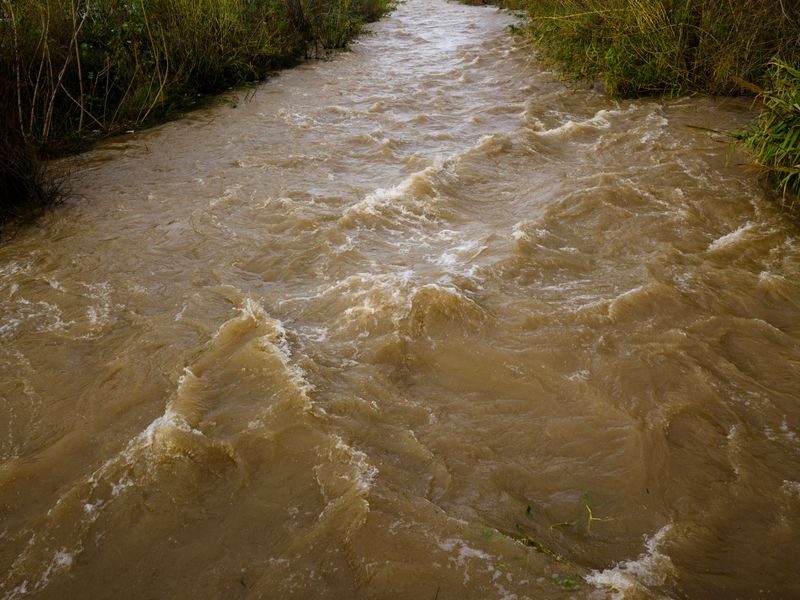
Here is a strange but true fact. A city can be in a drought and under a flash flood warning on the same day. North Texans see this happen more often than you might think.
The reason is simple. When rain falls faster than the ground can soak it up, the extra water has to go somewhere.
Your Texas Garden Changes Every Week. Your Plan Should Too.
Gardening in Texas changes quickly throughout the season. Every Friday you’ll receive a simple weekly plan showing exactly what to plant, prune, fertilize, harvest, and protect so you never miss the right timing.
It races into streets, parking lots, storm drains, and creeks. Within minutes, low spots can turn into fast moving rivers.
Cities like Dallas, Fort Worth, and Plano are covered with concrete and asphalt. Those hard surfaces do not absorb any water at all.
Every rooftop and road sends rain straight into drainage systems. During a two or three inch storm, that adds up to a lot of rushing water.
Sadly, most of that water leaves before it can help. It flows away through creeks and rivers instead of soaking into lawns, fields, and gardens. The soil stays thirsty, even though the streets were flooded.
Safety matters most during these storms. Never drive through water covering a road. Just six inches of moving water can knock a person down, and about a foot can float a small car. The phrase to remember is Turn Around, Don’t Drown.
At home, you can capture some of that runoff for later. A rain barrel under a downspout can collect a surprising amount of water.
One inch of rain on a typical roof can produce hundreds of gallons. You can use that water for flower beds and potted plants during dry weeks.
Rain gardens are another great idea. They are shallow planted areas that catch runoff and let it sink in slowly.
3. Droughts Are Built Over Months
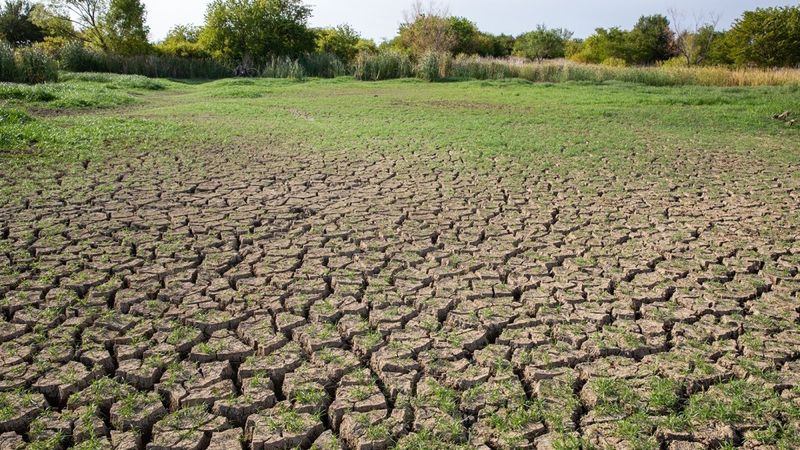
Think of a drought like a savings account that has been drained a little at a time. Every week without enough rain pulls more money out. Eventually, the account is deep in the red.
Weather experts call this a rainfall deficit. It is the gap between how much rain usually falls and how much actually fell.
In North Texas, the Dallas-Fort Worth area normally gets around 37 inches of rain a year. If a dry year only brings 22 inches, that leaves a 15 inch hole to fill.
Now consider one heavy storm that drops three inches. It sounds like a lot, and it might make headlines. Still, it only covers a small piece of that 15 inch shortage. The rest of the deficit remains.
Droughts also stack up across seasons. A dry spring leads to a hot, dry summer, which can roll into a dry fall.
Each season makes the next one tougher. That is why the drought of 2011 in Texas hurt farmers and ranchers for years afterward.
The U.S. Drought Monitor, a weekly map, tracks these conditions. You might notice it barely changes after a big storm. Experts wait to see if steady rain continues before upgrading conditions.
Here is a helpful habit. Check the Drought Monitor or local weather service updates now and then. Doing so will help you know when water saving rules may stick around.
Keep up smart habits even after a rainy week. Fix leaky faucets, take shorter showers, and water your yard early in the morning. Small steps add up, just like the drought itself did.
4. Lakes And Reservoirs Need Steady Runoff To Refill
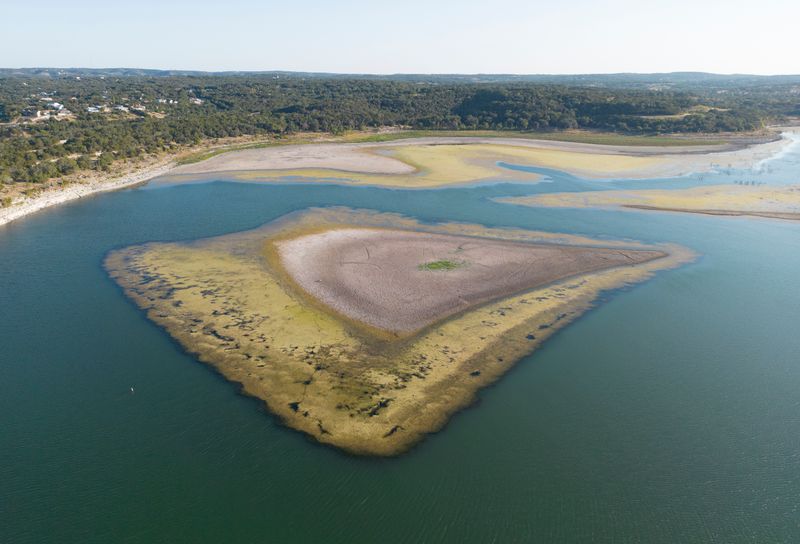
Walk along the shore of Lake Lavon or Lake Lewisville during a drought, and you might spot boat ramps ending in dry dirt. Docks sit on mud. Old tree stumps poke out of the water like bony fingers.
North Texas gets most of its drinking water from these reservoirs. They are man-made lakes built to store water for millions of people. Keeping them full is a big deal for every home, school, and business in the area.
You might expect a big storm to top them off quickly. It rarely works that way. Reservoirs fill from runoff that flows across huge areas of land, called watersheds, into creeks and rivers that feed the lake.
During a drought, the first rain gets swallowed up before it travels very far. Dry fields, thirsty grass, and parched trees grab that water first.
Small ponds and stock tanks on ranches fill up too. Only after the land is soaked does extra water flow toward the big lakes.
That means it often takes several rainy weeks, spread over a wide region, to make lake levels rise in a lasting way. A storm that only hits one city might barely move the needle.
Good news: you can help stretch the water supply. Follow your city’s watering schedule, even after rain.
Many North Texas cities limit outdoor watering to twice a week. Outdoor watering can make up a large share of summer water use, so cutting back really helps.
Did you know? Lake Texoma, on the Texas and Oklahoma border, is one of the largest reservoirs in the country, yet even it can drop during long droughts.
5. Groundwater Recharges Slowly
Deep beneath your feet, there is a hidden water supply most people never think about. North Texas sits on top of underground layers of rock and sand that hold water. These layers are called aquifers.
The Trinity Aquifer is one of the biggest in the region. It stretches across many counties, and lots of rural homes, farms, and small towns pump water from wells drilled into it. When a drought hits, those wells can drop lower and lower.
Refilling an aquifer is called recharge. It happens when rainwater soaks through the soil and slowly trickles down through cracks and spaces in rock.
That trip is incredibly slow. Water might move only inches or feet per day, and in some places it takes years to reach the aquifer.
A heavy storm does not help much here. Most of the water runs off or stays near the surface.
To recharge an aquifer well, the ground needs gentle, steady rain over a long period. Soft, soaking rains are much better than a wild thunderstorm.
People also pull water out faster than nature can put it back. As towns grow, more wells tap the same underground supply. Some well owners in North Texas have had to drill deeper to reach water.
If your family uses a private well, keep an eye on water levels and watch for changes in pressure or taste. Local groundwater districts often share tips and data online.
Everyone can help by using less water. Native plants like Turk’s cap, salvia, and buffalograss need far less watering than thirsty lawns. Fewer sprinklers means less pressure on that slow, hidden supply.
6. Heat And Evaporation Pull Moisture Back Out
Anyone who has lived through a Texas July knows the sun does not play fair. Rain falls on Monday, and by Thursday your yard can look crunchy again. Heat steals water back almost as fast as it arrived.
Evaporation is the culprit. When temperatures climb into the upper 90s or past 100 degrees, water in the top layer of soil turns into vapor and floats away. Wind speeds up the process, and North Texas gets plenty of breezy days.
Plants add to the loss too. They pull water from the ground and release it through their leaves, a process called transpiration.
A single large tree can move dozens of gallons of water into the air on a hot day. Together, evaporation and transpiration can drain soil quickly.
Without follow-up rain, the ground slides right back into drought conditions within days or weeks. Lawns brown, gardens wilt, and the cracks in clay soil reopen.
Luckily, a few easy habits can slow down the drying. Water your plants early in the morning, before the sun gets strong. Less water evaporates at that time, so more reaches the roots. Avoid watering in the middle of the afternoon.
Mulch is your best friend here. Two to three inches of mulch acts like a blanket, shading the soil and holding in moisture. Let your grass grow a little taller, too. Taller blades shade the ground and keep roots cooler.
Quick fact: Dallas-Fort Worth once went 40 straight days at 100 degrees or higher during the summer of 1980. Heat like that can dry out even the soggiest ground.