10 Plants Florida Gardeners Should Cut Back After a Hurricane (and 5 to Leave Alone)
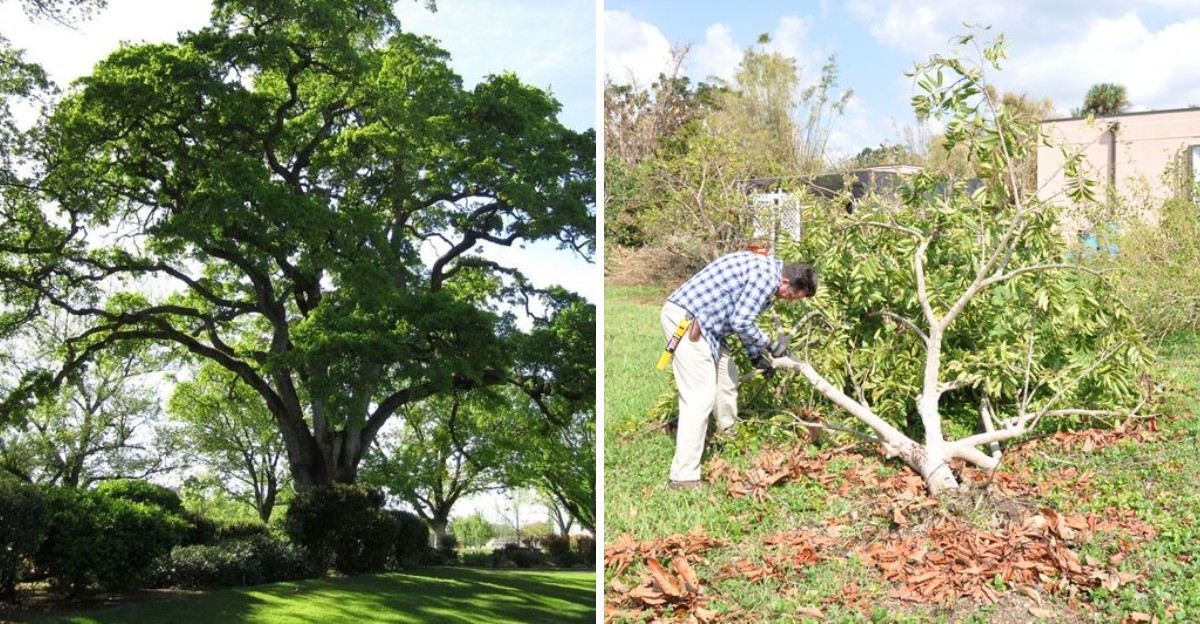
My yard after a big storm looks like a giant tossed a salad across every single bed. The urge to grab the pruners hits fast, but some of my plants would rather I just stayed inside.
Here in Florida, October brings drier weather, so storm-stressed plants need smart choices more than frantic cutting. I believe a few careful snips help recovery, while the wrong snip can set a plant back for months.
A handful of yard favorites recover faster when you clean up broken limbs and shredded leaves soon after. A tougher crew prefers a hands-off approach, and they honestly look smug about how well they handled the wind.
I sorted both groups below, with tips from Florida experts, so your weekend cleanup feels calmer and smarter. Your sore back and your recovering garden will both thank you for knowing when to stop.
1. Coconut Palm
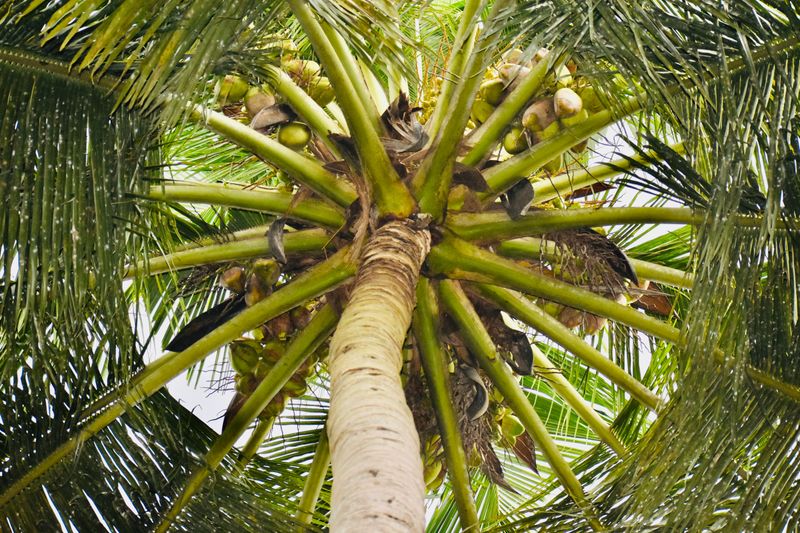
Coconuts hanging thirty feet overhead look charming until a gust turns them into heavy, falling bowling balls. After a storm, any fruit still clinging to your palm deserves a careful look before the next windy day.
Start by removing fronds that are fully brown or clearly snapped, since they offer the tree nothing useful. Leave the yellowing and partly green fronds in place, because the palm still pulls nutrients from them.
Many homeowners ask for a hurricane cut, which strips healthy fronds above the nine and three o’clock line. UF experts warn that this trim weakens the palm and offers no real storm protection at all.
Flower stalks and loose coconuts are fair game, because they can become flying hazards in strong winds. Hire a certified arborist for tall trees, since climbing a wet trunk with sharp tools is risky work.
Healthy green fronds act like solar panels, feeding the trunk and helping the palm rebuild after rough weather. Removing too many slows that recovery and can leave the crown looking thin and stressed for months.
October marks the start of the dry season, so give your palm deep, regular watering during recovery. Treat a storm-battered palm like a new planting, checking soil moisture every few days through the fall.
Watch the newest spear leaf in the center, because healthy growth there means your palm is bouncing back. A droopy or discolored spear deserves a call to your local extension office for expert advice.
2. Live Oak
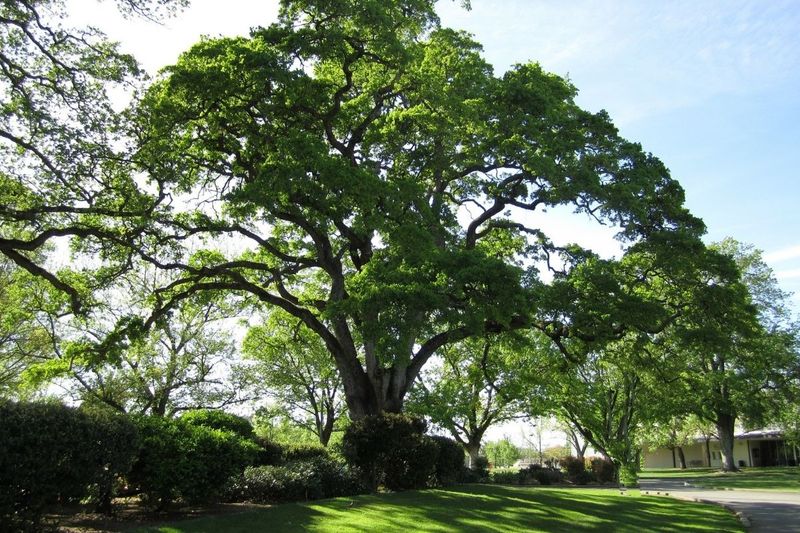
Live oaks earned a reputation as hurricane champions, often standing tall when neighboring trees are lying flat. Even these sturdy giants can lose a limb or two, and those wounds need tidy attention afterward.
Begin with broken or ripped branches, cutting them back cleanly to the trunk or a healthy major limb. Make each cut just outside the branch collar, that slightly swollen ring where a branch meets the trunk.
That collar holds special tissue that helps the tree seal the wound naturally over the coming seasons. Cutting flush against the trunk removes that tissue and can invite decay into the heartwood later.
Your Florida Garden Changes Every Week. Your Plan Should Too.
Gardening in Florida changes quickly throughout the season. Every Friday you’ll receive a simple weekly plan showing exactly what to plant, prune, fertilize, harvest, and protect so you never miss the right timing.
Look for crossing branches rubbing together, along with weak limbs attached at narrow, tight angles to the trunk. Removing them now helps wind slip through the canopy rather than pushing against it during the next storm.
Skip lion’s tailing, which strips the inner branches and leaves leafy tufts clinging only at the limb tips. Topping is another bad habit that produces weak sprouts, making the tree more fragile rather than safer.
Keep as much healthy canopy as you can, since leaves fuel the roots that hold this massive tree upright. Large limbs high overhead belong to a certified arborist, not a homeowner balancing on a wobbly ladder.
A slow, deep soak each week helps stressed roots recover during the dry fall months that lie ahead. Spanish moss on the branches is harmless, so you can leave those silvery strands swaying in the breeze.
3. Southern Magnolia
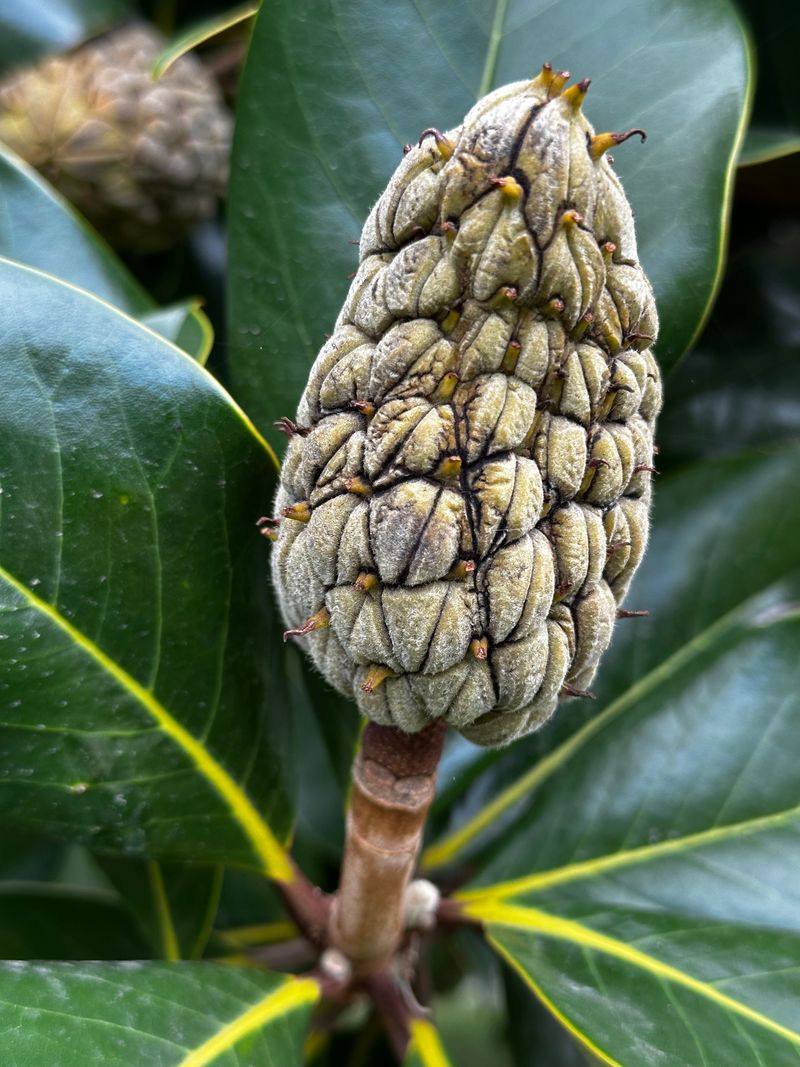
Glossy magnolia leaves scattered across the lawn look like someone spilled a box of leather bookmarks everywhere. Your magnolia probably dropped plenty after the storm, but the real concern sits higher up in the branches.
Walk around the tree and scan for cracked, split, or hanging limbs hiding behind that thick foliage. Those damaged pieces should come off with clean cuts, which helps the tree restore a strong, balanced shape.
Thinning a few crowded branches lets air and wind move through the canopy with far less resistance. Better airflow also helps the leaves dry faster, which can lower the chance of fungal trouble this fall.
Young magnolias benefit from formative pruning that encourages one strong central leader instead of several competing tops. A single main trunk tends to hold up better when strong winds return in future hurricane seasons.
Fallen leaves break down slowly, so rake them away from paths where they turn slippery after rain. You can also pile them beneath the tree as mulch, where they help hold soil moisture.
Magnolia roots spread wide and shallow, so avoid driving heavy equipment over them during your cleanup work. Compacted soil makes recovery harder, especially as rain becomes less frequent heading into the cooler months.
Fuzzy seed cones may still be clinging to branches, showing off bright red seeds that birds happily eat. Leave those cones alone if they look sturdy, since they add autumn charm and feed visiting wildlife.
4. Crape Myrtle
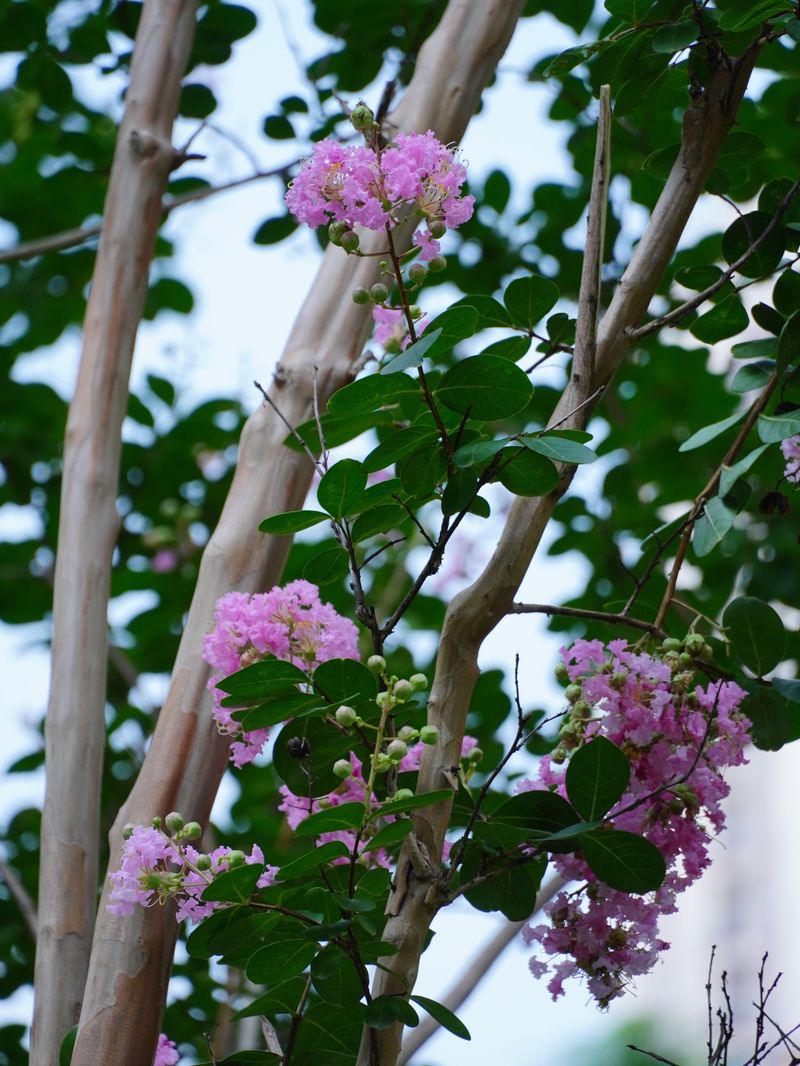
Crape myrtles bend and sway during storms like dancers, and many come through with only minor scrapes. Snapped branches still happen, though, especially where heavy seed clusters weighed down the thin limb tips.
Cut any broken stems back to healthy wood, choosing a spot just above a side branch or bud. Ragged tears invite pests and disease, so a sharp pair of loppers makes a noticeable difference here.
Resist the urge to chop every trunk down to the same height, a habit gardeners jokingly call crape murder. Those harsh cuts create knobby stumps and weak, whippy sprouts that break easily in the next big storm.
Old seed pods hanging on the branches add weight, and snipping them off reduces strain on slender limbs. Many experts suggest removing heavy clusters before storms when possible, since that can prevent breakage at the base.
Peeling bark is normal for this tree, so do not mistake that cinnamon patchwork for storm damage. Smooth, mottled trunks are part of the charm and deserve to stay visible after your careful cleanup.
Save major structural pruning for late winter, when the tree is dormant and its framework is easy to see. For now, focus only on broken pieces and leave healthy branches to feed the roots through fall.
Fall color often arrives as the weather cools, painting leaves warm shades of orange and red in many varieties. A storm-tidied tree shows off that seasonal show beautifully, with fewer awkward gaps in the canopy.
5. Royal Poinciana
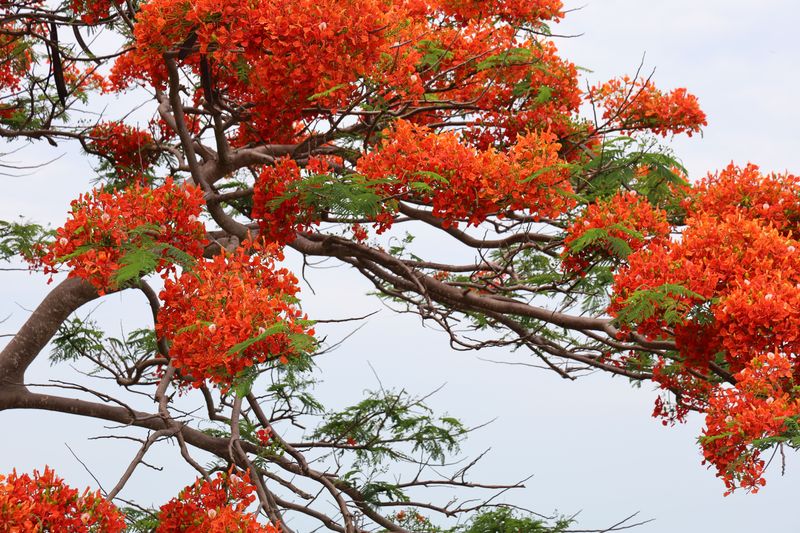
Few trees put on a summer show like a royal poinciana, with its blazing scarlet canopy stretching wide. That broad umbrella of branches catches a lot of wind, which makes storm damage fairly common for this beauty.
Native to Madagascar, the tree grows best in the warmest parts of the state, mainly zones 10 and 11. Its wood is fairly brittle, so ripped or twisted branches often show up after a strong hurricane passes.
Remove those damaged limbs with clean cuts back to healthy wood or the trunk, avoiding ragged stubs. Torn bark left hanging can trap moisture and welcome decay, so smooth edges help the tree seal itself.
Uprooted or leaning trees face a bigger challenge, since many of their feeder roots likely snapped underground. Experts suggest trimming up to about thirty percent of the canopy to balance the roots that were lost.
Fewer leaves mean less water demand, giving the remaining roots a better chance to support the tree. Stake or brace a replanted tree carefully, and ask an arborist if the trunk is especially large.
Water deeply and often during the coming dry months, because a stressed poinciana struggles without steady moisture. Keep a wide ring of mulch around the base, but pull it back several inches from the trunk.
Long, woody seed pods dangle from branches and can reach nearly two feet, rattling like maracas in the breeze. Snipping broken pods reduces mess, though healthy ones can stay as a quirky reminder of summer flowers.
6. Mango Tree
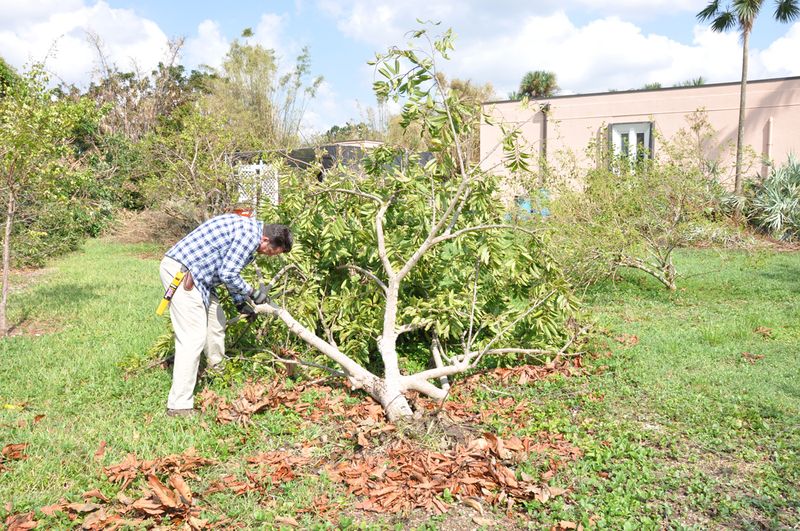
Mango lovers know the heartbreak of seeing a favorite fruit tree leaning sideways after a howling storm. Fortunately, many mangoes can recover with careful pruning and a little patience from the person who planted them.
These large tropical trees originally came from South Asia and thrive mostly in the warmest southern zones. Their dense canopies catch wind like sails, so toppling and root damage are common hurricane problems.
If your mango was pushed over, stand it back up gently while the soil is still soft and damp. Trimming the canopy reduces weight on the injured roots, but aim to remove no more than about thirty percent.
Cut broken or badly cracked limbs cleanly, leaving no jagged stubs where rot can sneak inside the wood. Opening a few crowded spots also lets sunlight reach deeper, which can help fruit production in future seasons.
Keep the tree at a manageable height, since shorter mangoes are easier to protect and harvest later. Many extension experts recommend regular size control for home mango trees growing in smaller backyards across the region.
Water the roots deeply through the dry season, treating your mango like a young tree that just arrived. Hold off on heavy fertilizer right now, since tender new growth can struggle before roots fully recover.
Keep an eye out for fungal spots on fresh leaves, because stressed trees invite more disease than usual. With good care, a battered mango can bloom again by late winter and surprise you with fruit.
7. Firebush
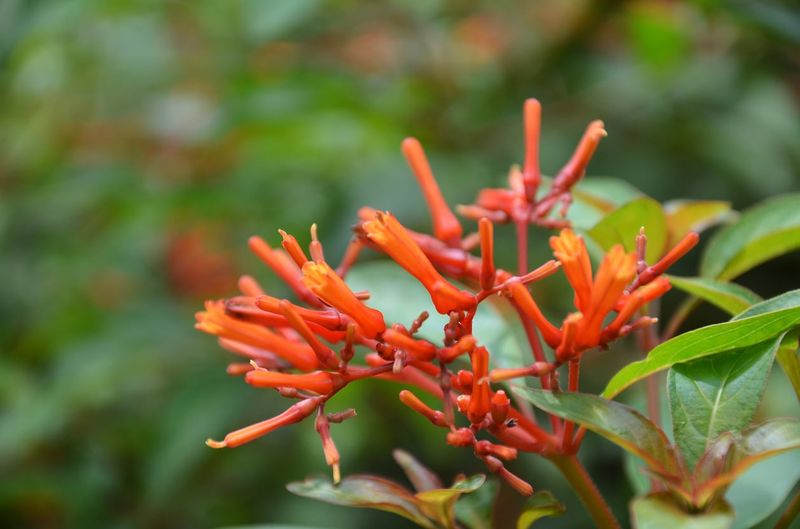
Hummingbirds treat firebush like a roadside snack bar, darting between its tubular red-orange blooms all day. After a hurricane, those tattered branches may look rough, but this native shrub has a knack for comebacks.
Firebush grows naturally across central and southern parts of the state and handles heat with impressive ease. Its flexible stems bend instead of snapping, and a strong root system helps it regrow quickly from the base.
Cut back broken or shredded sections to healthy wood, which encourages fresh, leafy growth within a few weeks. A hard trim is fine for this plant, since it bounces back with surprising speed in warm weather.
Leave some flower clusters in place if they survived, because butterflies and hummingbirds still visit in October. Zebra longwing butterflies often sip nectar from these blooms, adding fluttering color to your recovering fall yard.
Small berries ripen from green to glossy black, and many songbirds happily gobble them up during fall. Snipping every branch tip would remove that wildlife buffet, so trim with a light hand when possible.
In cooler northern areas, frost may knock it back later, so avoid heavy cuts too late this season. Pruning now still leaves plenty of time for new growth to toughen before any chilly nights arrive.
Water occasionally during long dry spells, although established firebush handles drought better than many other tropical shrubs. A thin layer of mulch keeps roots cool and comfortable while the plant rebuilds its leafy shape.
8. Tropical Hibiscus
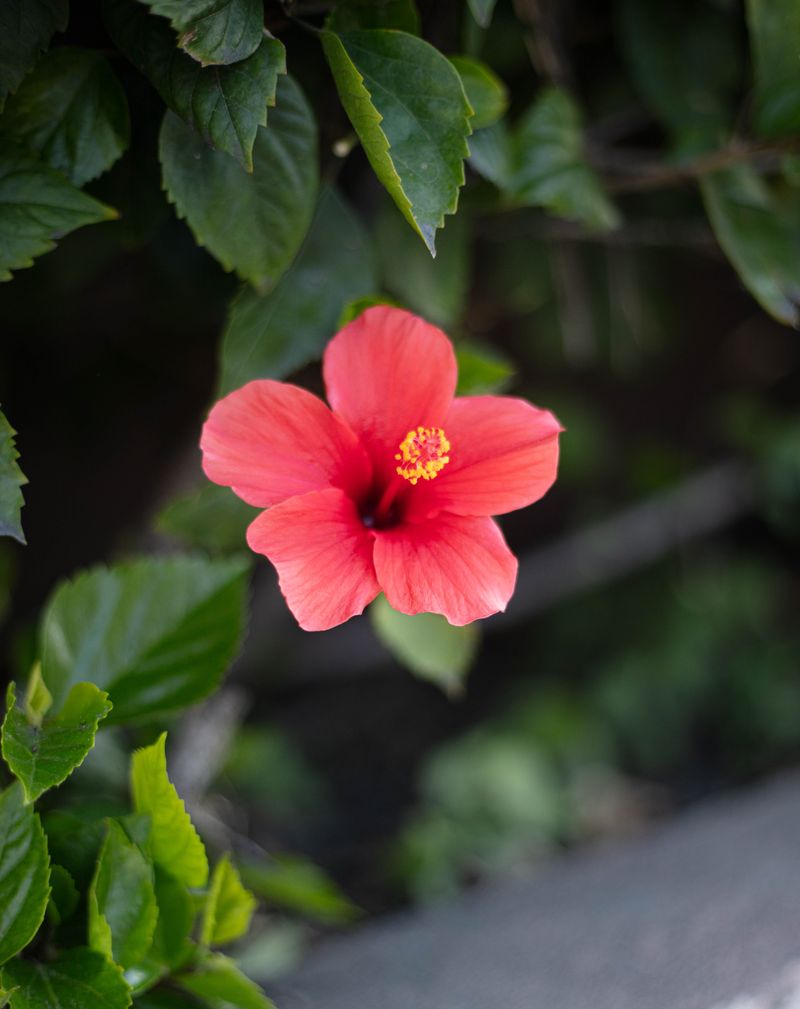
Dinner-plate blooms and windy weather rarely mix well, and hibiscus flowers often look shredded after a big storm. Underneath those ragged petals, though, most plants are tougher than they appear and ready for a quick tune-up.
Tropical hibiscus grows best in zones 9 through 11, where mild winters let it bloom for much of the year. Strong gusts can split branches and tear leaves, but the root system usually stays healthy and anchored.
Prune away broken or badly split branches, cutting just above a healthy leaf node pointing outward. Each clean cut helps the plant send energy toward fresh shoots rather than patching up injured wood.
New growth on hibiscus produces the flowers, so a light trim now can mean more blooms this fall. Avoid shearing the whole shrub into a tight ball, which often reduces flowering for many weeks afterward.
Salty spray from coastal storms can burn leaf edges, leaving brown, crispy margins along the foliage. Rinse leaves gently with a garden hose to wash away lingering salt before it causes more stress.
Stressed hibiscus plants can attract pests, so check under leaves for tiny insects or sticky shiny residue. Aphids and whiteflies often target tender new shoots, and a blast of water can help reduce them.
Give the plant steady water as rainfall tapers off, since hibiscus enjoys consistently moist but well-drained soil. Within a few weeks, glossy leaves should return, followed by those cheerful blooms you missed so much.
9. Bougainvillea
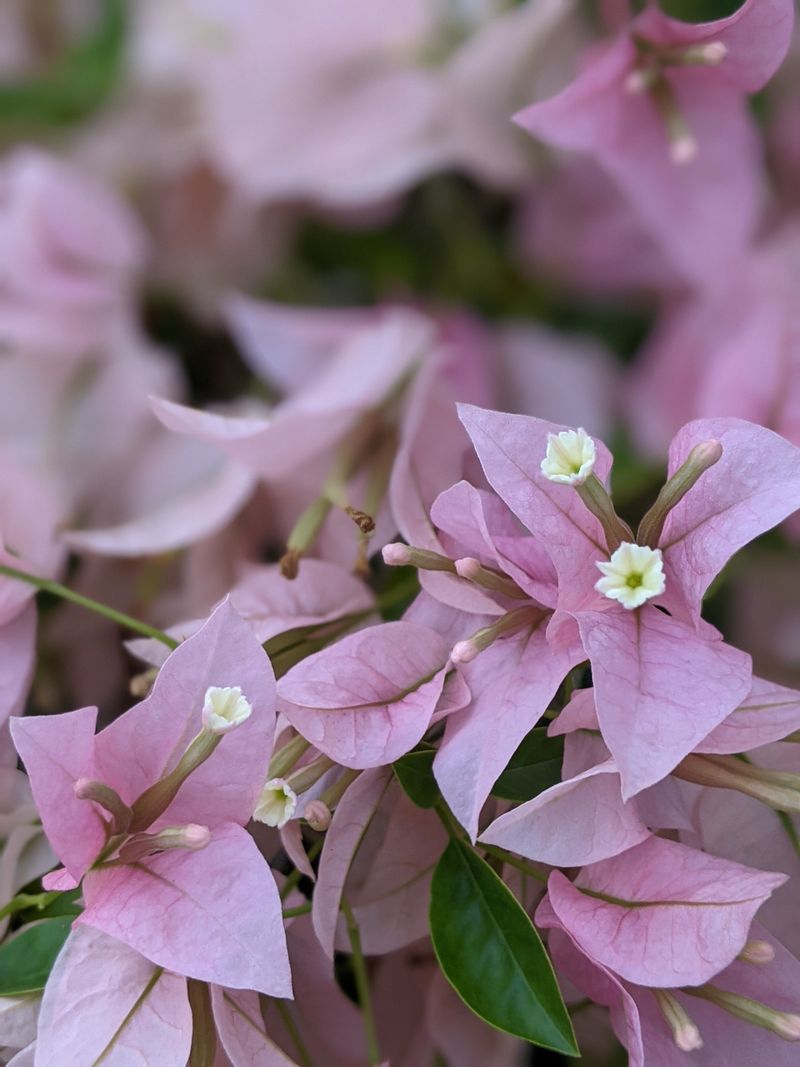
Those vivid pink and purple colors on bougainvillea are not petals at all, but papery leaves called bracts. The true flowers are tiny and white, tucked inside like shy guests at a flashy party.
Bougainvillea often handles storms well, especially low-growing types, but long thorny stems can tangle or snap. Wind whips those vines against fences and walls, leaving twisted, broken pieces that look messy and weak.
Prune snapped or twisted stems back to a healthy side branch or bud, using sharp, clean shears. Wear thick gloves and long sleeves, because those curved thorns grab skin and clothing with surprising enthusiasm.
Bougainvillea blooms on new growth, so a moderate trim now can encourage a fresh round of color soon. Cooler, drier fall weather often triggers heavier blooming, which makes this timing work nicely in your favor.
Check trellises and supports for damage, since a loose structure can collapse under the heavy vine later. Tie stems back gently with soft plant ties, leaving room so they do not rub or girdle.
Skip the urge to water heavily after a storm, because this plant prefers drier soil once established. Too much moisture often leads to lush leaves with fewer bracts, along with possible root problems.
Bougainvillea grows best in zones 9 through 11, where frost rarely threatens its tender, colorful stems. Container plants that blew over should be stood back up and checked for cracked pots or exposed roots.
10. Ixora
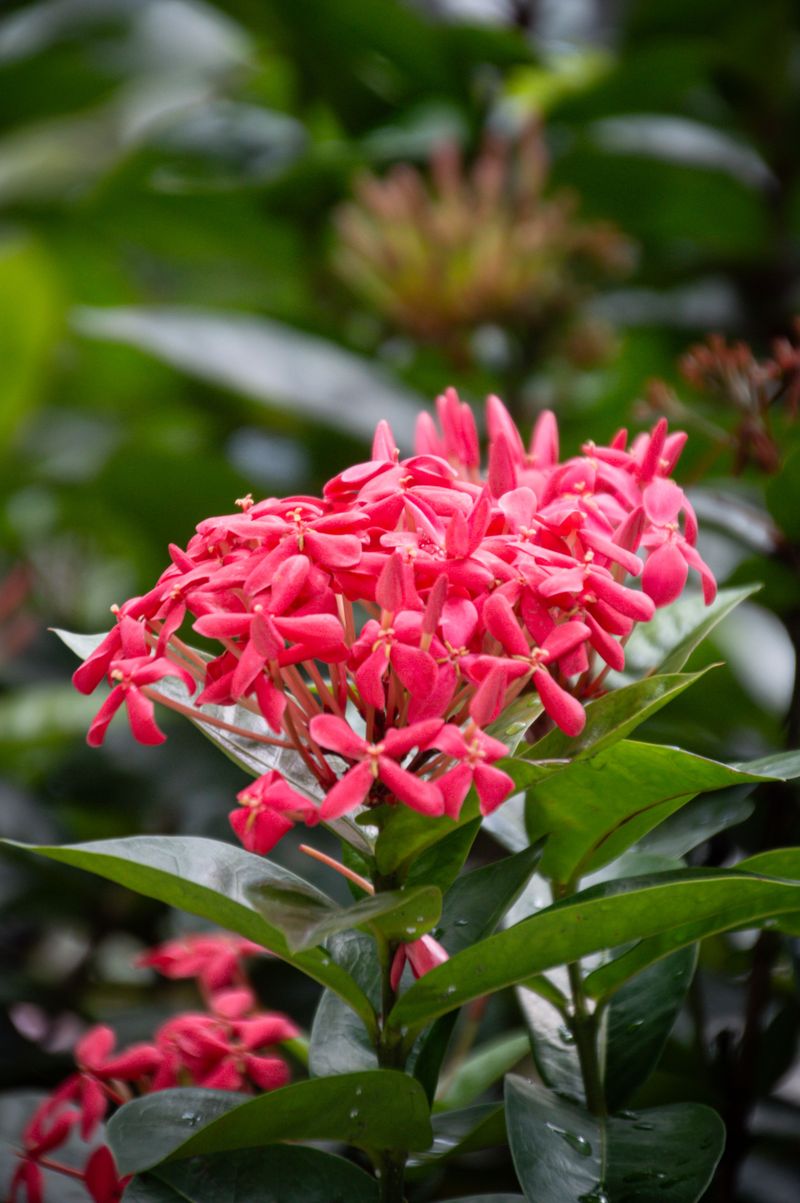
Ixora clusters look like tiny bouquets glued together, and they tend to hold up better than you expect. Storms still rip off branches or shred some foliage, so a quick cleanup helps this shrub look sharp again.
This tropical shrub grows best in the warmest zones, 10 and 11, where winter cold rarely reaches it. Its compact, dense habit helps it shrug off wind, though exposed branches sometimes crack along the edges.
Remove broken branches and badly shredded leaves, cutting just above a healthy set of leaves for tidy regrowth. New shoots usually appear quickly, filling in gaps and keeping the shrub’s rounded, compact shape in good form.
Ixora blooms at branch tips, so frequent shearing can reduce flowers, which makes careful, selective pruning the smarter move. Snip only what is damaged, and let healthy tips keep producing those bright clusters this fall season.
Yellow leaves with green veins often signal a nutrient problem, not storm damage, and ixora is famous for it. This shrub prefers acidic soil, and alkaline ground can prevent roots from absorbing iron and manganese properly.
Storms can wash mulch away and leave soil bare, so replace it with a fresh layer around the base. Pine bark or pine straw mulch can help slightly lower soil pH while holding moisture during dry weeks.
Rinse salt from leaves if you live near the coast, since ixora is not especially salt tolerant. Butterflies love those nectar-rich flower clusters, so your tidied shrub keeps feeding pollinators well into autumn.
11. Coontie
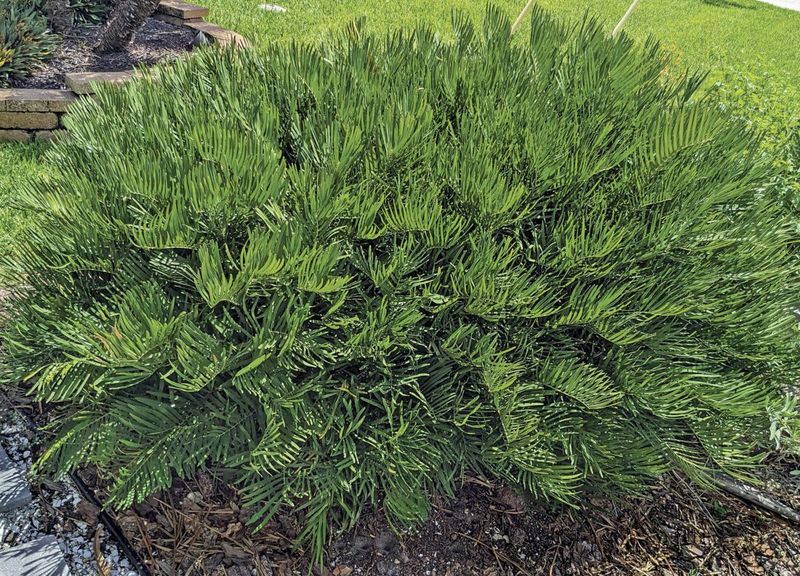
Coontie looks like a tiny palm, yet it belongs to an ancient plant group called cycads that predates dinosaurs. After a hurricane, this tough little native mostly asks you to leave your pruners in the garage.
Coontie is the only cycad native to the state, growing naturally in sandy soils and pine woods. Its stiff, leathery fronds handle wind and salt spray well, so storms rarely cause lasting harm.
Deep, thick roots anchor the plant firmly, and they store energy that fuels quick recovery after rough weather. Even when fronds look battered, new growth usually pushes up from the center within the coming months.
Trim only fronds that are clearly broken or fully brown, and leave everything else in place to recover. Removing green fronds takes away food the plant needs, slowing its comeback during the drier fall season.
Coontie is the host plant for the atala butterfly, a striking black insect with brilliant blue spots. Female atalas lay eggs on new fronds, and bright red caterpillars munch them before forming chrysalises nearby.
Seeing chewed leaves may tempt you to cut, but that feeding is part of a fascinating butterfly comeback story. The atala was once thought gone from the state, and coontie plantings helped bring it back.
Water occasionally if fall turns very dry, though established coontie handles drought better than most garden plants. A slow-growing plant like this rewards patience, so let it heal on its own steady schedule this fall.
12. Dwarf Yaupon Holly
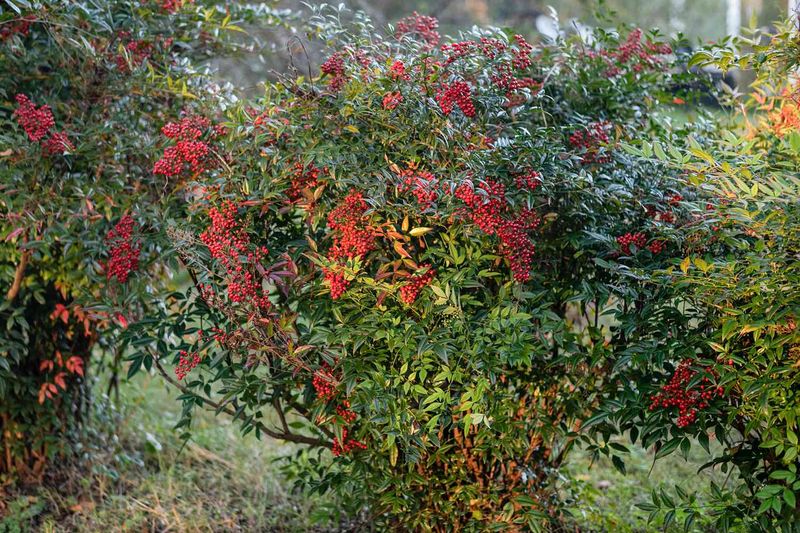
Dwarf yaupon holly is the quiet friend who shows up after a storm looking oddly unbothered. Its dense, rounded shape lets wind skim over the top instead of tearing through the middle.
This compact native shrub grows well in zones 7 through 10, covering most of the state with ease. Pliable branches bend rather than break, which explains why major storm damage is fairly uncommon for it.
Major pruning is generally unnecessary after a hurricane, so let the plant settle and recover naturally. Snip only stems that are clearly broken or shattered, and leave the healthy framework alone for now.
Its scientific name, Ilex vomitoria, came from an old and mistaken belief about drinks made from the leaves. Yaupon leaves actually contain caffeine, making it one of very few caffeinated plants native to North America.
Shearing a lightly damaged shrub now can trigger tender growth that struggles if a cold snap arrives later. Save any shaping for late winter, when a light trim keeps the mound neat without stressing it.
Fallen leaves and debris can collect inside the dense branches, so shake or rake them out gently. Trapped wet debris may encourage fungal spots, especially if humid weather lingers into warm October afternoons.
Established plants handle dry spells well, but a deep watering every week or two helps after storm stress. Before long, your tidy green mounds will look like nothing ever happened, which is wonderfully satisfying.
13. Silver Saw Palmetto
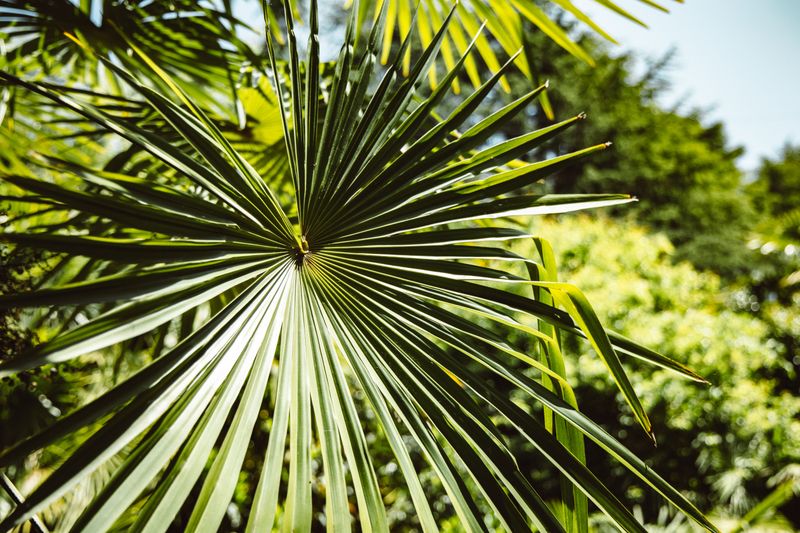
Silvery blue fronds shimmer in the sunlight, and saw palmetto barely flinches when hurricane winds roar through. Coastal dunes and pine flatwoods have tested this tough native for ages, and it keeps passing with ease.
The silver form grows naturally along the east coast, while green forms appear more often in other areas. Both types handle salty air and strong winds remarkably well once their deep roots become firmly established.
Its trunk often creeps along the ground, staying low where wind has less leverage to cause serious damage. Deep, anchored roots hold the clump in place, and new fronds emerge steadily after storms pass.
Post-storm care is minimal, involving only fronds that are fully brown or badly torn from the stem. Wear gloves when trimming, since sharp teeth line the leaf stems and explain the saw part of its name.
Healthy fronds should stay, because the plant grows slowly and needs every leaf to rebuild its energy. Cutting too much can leave it looking sparse for a long time, which defeats its natural charm.
Saw palmetto berries ripen in late summer and fall, providing food for black bears and many hungry songbirds. Some clumps are believed to be centuries old, which makes a little storm damage seem minor by comparison.
Water a newer planting during dry weeks, but established clumps generally handle the dry season on their own. Leaving this palmetto mostly untouched lets wildlife keep using it for shelter while your yard recovers.
14. American Beautyberry
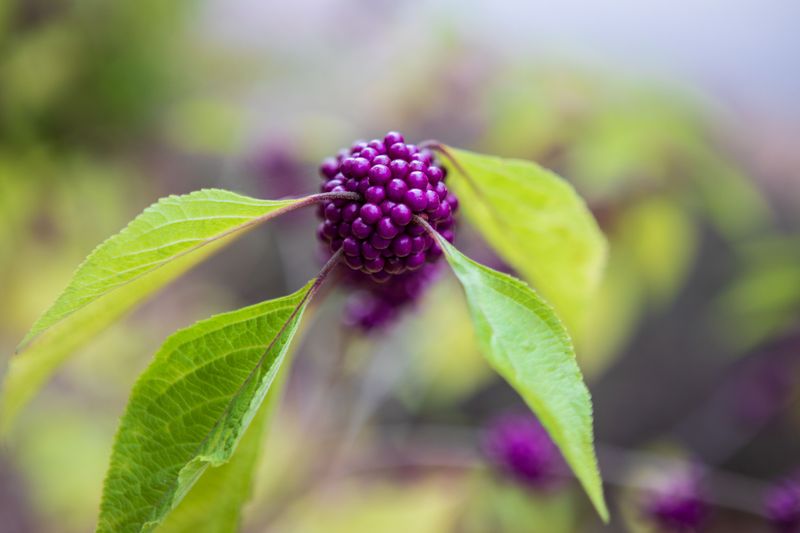
Clusters of shocking purple berries wrap around beautyberry stems in early fall, looking almost too bright to be real. Storms may knock some branches sideways, but this native shrub recovers so quickly that heavy pruning seems unnecessary.
American beautyberry grows in zones 7 through 11, which covers nearly every corner of the state. Its flexible stems bounce back from breakage, and fresh growth often fills in faster than you expect.
Light pruning is plenty right now, just enough to remove snapped stems and tidy a few rough edges. Cutting back hard in October would remove the berries birds rely on during their busy fall migration.
Mockingbirds and brown thrashers eagerly eat the berries, and the fruit often lingers into winter for hungry visitors. Watching birds gobble those purple beads beats any decoration you could hang in the garden this season.
Beautyberry blooms and fruits on new growth, so the best time for a harder trim is late winter. Saving major cuts for then gives you a fuller shrub and a bigger berry show next autumn.
Crushed leaves have a strong scent, and folk traditions used them to keep mosquitoes away from skin. Researchers have even studied compounds in the leaves for their insect-repelling properties, which is surprisingly cool.
Established plants tolerate dry spells, but a newer shrub appreciates deep watering as fall rainfall tapers off. Let this tough native heal on its own, and it will reward your patience with color.
15. Edible Ginger
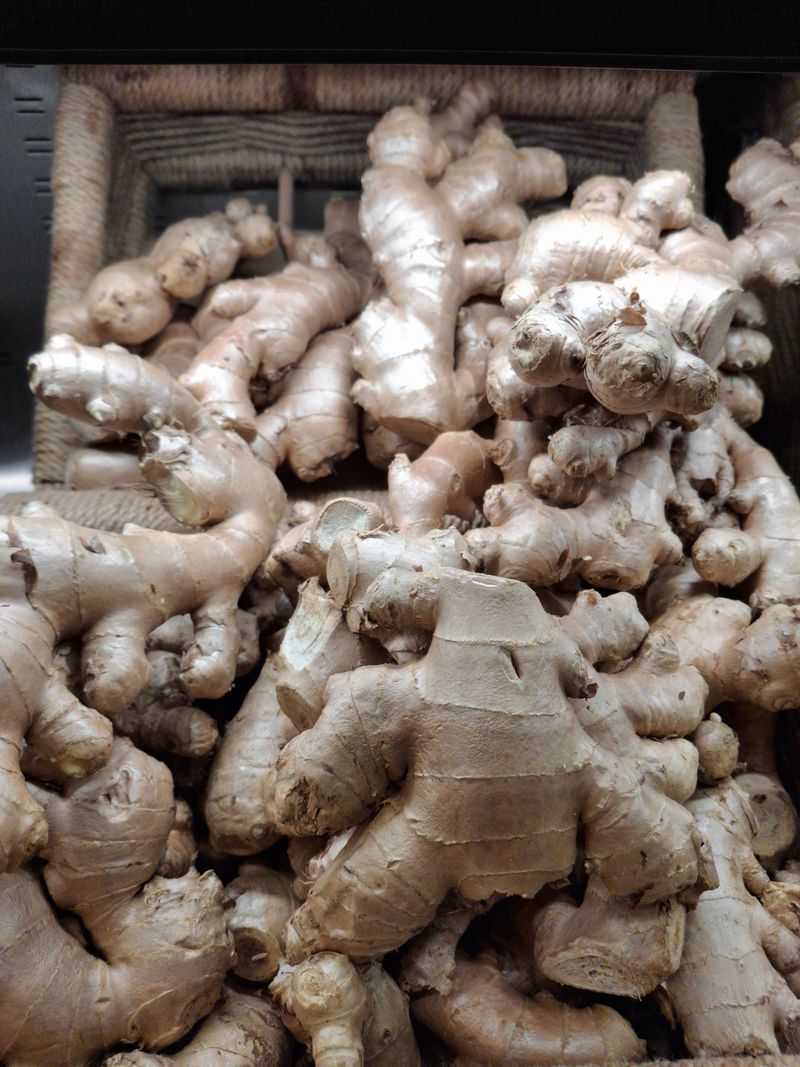
Ginger hides its real treasure underground, so shredded leaves after a storm tell only part of the story. Those knobby rhizomes beneath the soil are usually tougher than the floppy green stalks waving above them.
Edible ginger, known to scientists as Zingiber officinale, grows in partial shade and prefers soil that drains well. Hurricanes often dump huge amounts of rain, and soggy ground is a much bigger threat than wind damage.
Your first job is checking drainage, because waterlogged soil can cause rhizome rot within a short time. Clear clogged paths for runoff, and consider raising beds slightly if puddles linger for days after storms.
Extensive cutting back is not part of ginger recovery, since the leaves keep feeding those growing rhizomes. Remove only badly shredded leaves if they bother you, mostly for looks rather than plant health.
Early fall is when many ginger plants are still bulking up underground before harvest later in the season. Cutting healthy stalks now could reduce the size of the rhizomes you plan to dig up for cooking.
Leaves naturally yellow and flop as the plant matures, which signals that harvest time is getting close. Do not confuse that normal fading with storm stress, because it is a healthy part of the cycle.
Potted ginger that stayed soaked should drain freely, so tip out standing water and check the drainage holes. Give it patience and gentle care, and those spicy roots will likely be ready to enjoy soon.