The Slow Flies Swarming Ohio Windows In October Aren’t Coming From Your Houseplants
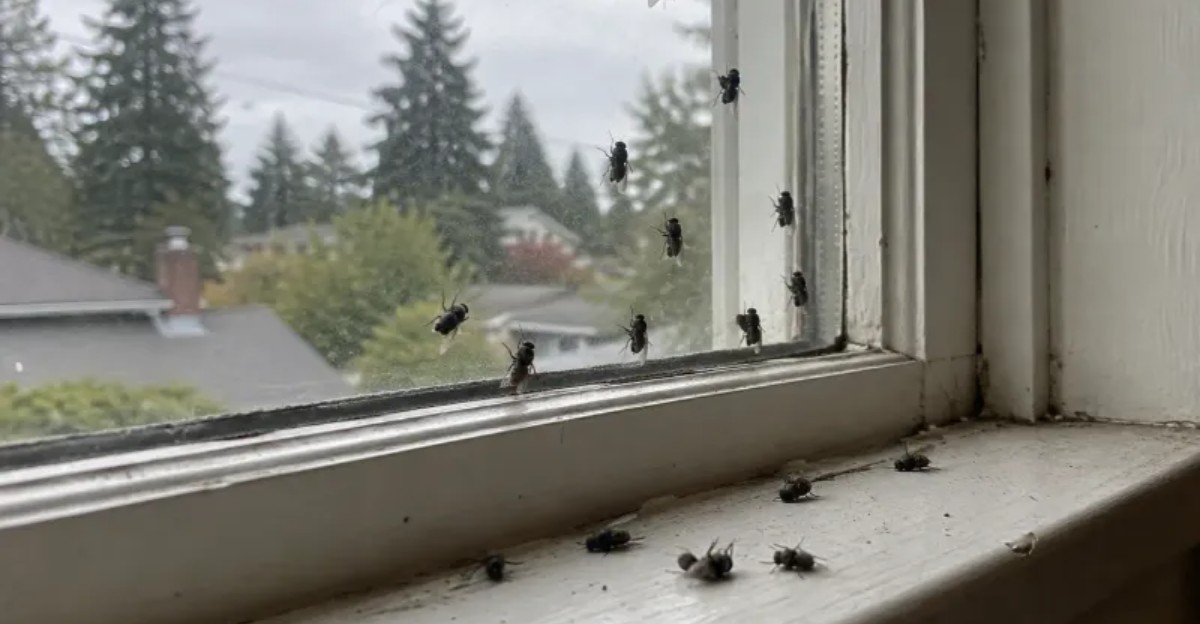
The sluggish flies bumping your Ohio windows this month spent their childhood living inside earthworms in your lawn. Each young maggot feeds quietly on one worm underground for several weeks, then crawls out as a grown fly.
Your houseplants have nothing to do with these chunky gray visitors, so you can stop blaming the potting soil. Fungus gnats from plants are tiny and fragile, but these flies are larger and seem half asleep on the glass.
Every fall in Ohio, the adults look for warm cracks around siding, windows, and attic vents to spend the winter. Sunny days fool them into wandering out of the walls toward your brightest windows in big buzzing groups.
Personally, I find it oddly comforting to know they do not breed inside the house or bite anyone. So what actually brought them to your windows, and what can you do about them this October?
Your Lawn Earthworms Raised These Sluggish Visitors
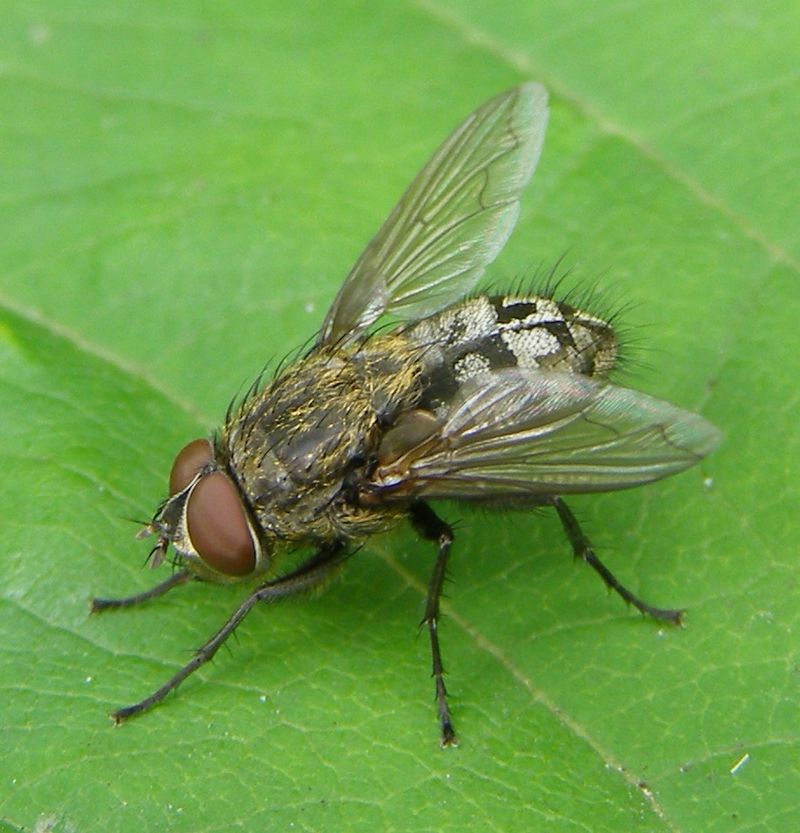
Underneath your October lawn, a strange little story plays out that most homeowners rarely hear about at all. The slow flies on your glass are cluster flies, and their young grow up inside earthworms.
Female cluster flies lay eggs in soil cracks during the warm months, often near lawns and grassy fields. Tiny larvae hatch, find an earthworm, and burrow inside it to feed for several days or weeks.
University extension experts note that several generations can develop each year in a state like Ohio. The final generation of the season is the one that crowds into homes as the days grow shorter.
Houseplants play no part in this cycle, because potting soil rarely holds the earthworms these larvae need. So if your ferns and pothos are getting the blame, you can give them a well-earned apology.
Earthworms are a healthy sign in your yard, so the presence of these flies is not a disaster. Homes beside large lawns, pastures, or golf courses often see bigger crowds because worm numbers run high there.
The cluster flies do not lay eggs inside your house, so the group on your windows will not multiply. Every cluster fly you see indoors came from outside, likely from soil within a short flight of your walls.
I like knowing this detail, because it turns a puzzling mystery into a simple outdoor nature lesson. Once you understand where they start, the rest of the puzzle about your windows starts falling into place.
Cluster Flies Leave Clues You Can Spot Easily
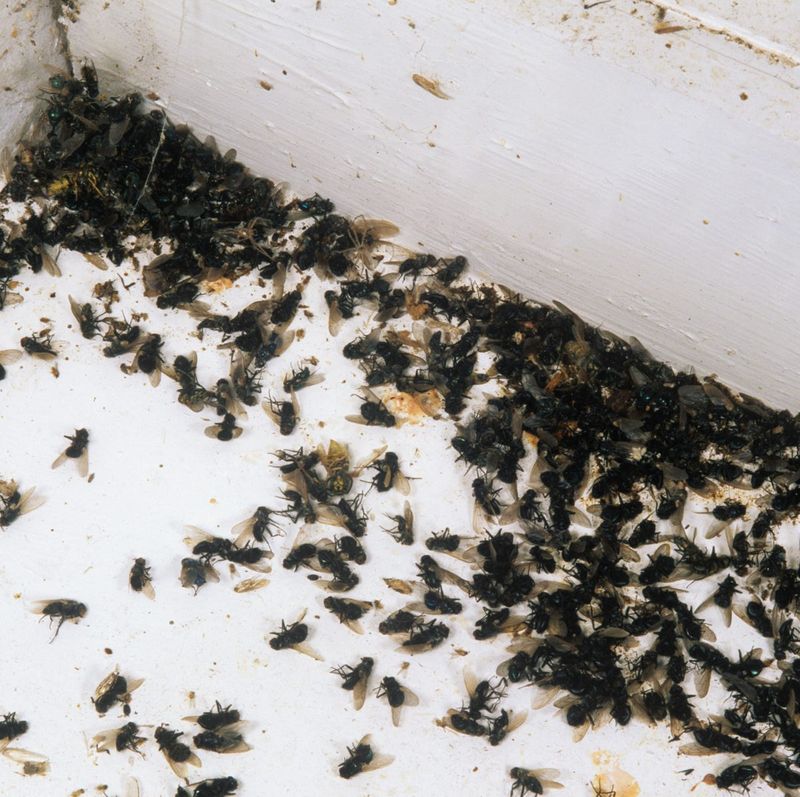
Hold a magnifying glass near one of these sleepy fliers, and you will notice golden hairs on its back. Those crinkly, yellowish hairs on the thorax are a classic clue that you are looking at a cluster fly.
Cluster flies are a bit bigger than house flies, usually around a third of an inch long. When resting, their wings overlap neatly across the back like a pair of closed scissors on the glass.
Fungus gnats from houseplants look very different, with thin dark bodies about the size of a fruit fly. Gnats also hover around damp potting soil, while cluster flies prefer sunny windows and bright, warm walls.
Your Ohio Garden Changes Every Week. Your Plan Should Too.
Gardening in Ohio changes quickly throughout the season. Every Friday you’ll receive a simple weekly plan showing exactly what to plant, prune, fertilize, harvest, and protect so you never miss the right timing.
Movement gives the cluster fly away too, since it bumbles slowly and often buzzes loudly in small circles. Many Ohio homeowners notice them crawling slowly along windowsills, buzzing in circles before settling again.
Squish one by accident, and you may notice a sweet, musty smell that some people compare to buckwheat honey. Extension guides mention this odd odor, and it can help confirm your guess about the culprit.
Face flies sometimes join them in autumn, especially near cattle farms, and they look more like house flies. Both kinds overwinter in buildings, so control steps are mostly the same no matter which one you have.
Snap a clear photo if you still feel unsure, and send it to your county extension office. Staff there often identify insects for residents and can point you toward the right next steps.
October Sunshine Pulls Them Out Of Your Walls
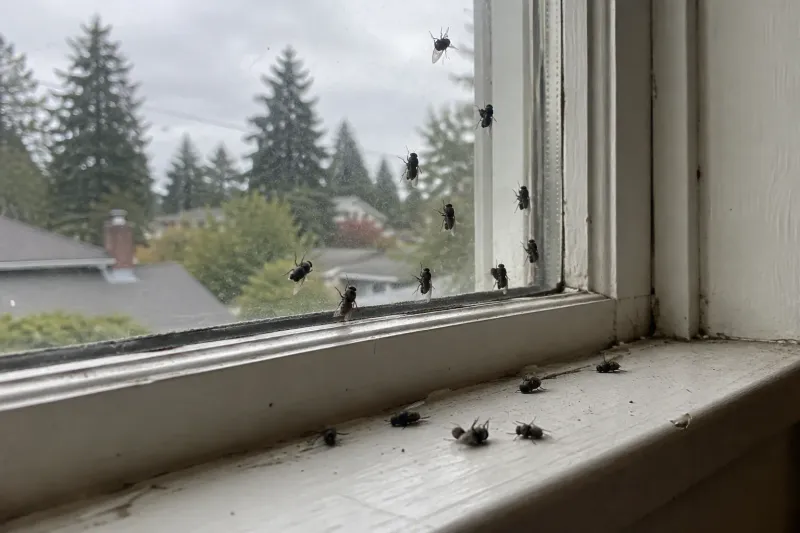
A chilly fall morning followed by a bright afternoon is the perfect recipe for a window full of flies. Late summer and early fall are when cluster flies start searching for shelter as temperatures slowly drop.
Adults gather on the sunny south and west sides of buildings, soaking up heat from siding and brick. From there, they slip through tiny gaps around window frames, soffits, utility lines, and loose attic vents.
Inside the walls, they settle into a sleepy resting state that lets them wait out the cold months. Warm spells wake them up, and they crawl toward the light instead of heading back outside to safety.
That confused trip often ends at your living room windows, where they buzz slowly against the glass for hours. You may also see them on bright winter days or during the first mild weeks of the new year.
Their sluggish behavior comes from the cooler indoor walls, which keep their bodies running at a slow pace. Honestly, I think their lazy flight makes them easier to catch than almost any other indoor insect.
Upper floors and rooms near the attic usually see the most activity, since flies tend to climb upward. Rooms that face south also attract crowds because the glass there warms up quickly in the afternoon.
Keeping a simple notebook of where and when they show up can reveal their favorite entry points. That record becomes very helpful later, once you start planning repairs to keep them outside next autumn.
Your Spray Bottle Is Not The Best Answer
Reaching for a can of bug spray feels natural, but it often creates a bigger problem inside your walls. Extension specialists in Ohio and nearby states usually discourage spraying insecticides inside living spaces for cluster flies.
Insecticide used inside wall voids can leave insect remains out of reach, which can attract carpet beetles and other scavengers. Those beetles may later wander into closets and feed on wool clothing, rugs, and stored pantry goods.
Room foggers are another popular choice, yet they rarely reach the hidden cracks where the flies actually rest. They also leave residue on counters, toys, and furniture, which is not something most families want indoors.
Another common mistake is tossing out healthy houseplants because people assume the flies came from the soil. That move costs money and heartache, and the cluster flies keep showing up on the glass anyway.
Sealing gaps from the inside this month can also cause trouble, since trapped flies may wander deeper indoors. Outdoor sealing works best before they arrive, while indoor gaps can wait until the spring thaw.
Swatting them on windows leaves smears and that musty odor behind, which makes cleanup more unpleasant than needed. I believe a calm, patient approach works better than a frantic chase every afternoon at the window.
Remember that these flies cannot breed indoors, so the numbers will drop on their own over time. Gentle removal methods handle the problem well without bringing harsh chemicals into the rooms where you live.
A Vacuum Becomes Your Best Friend Indoors
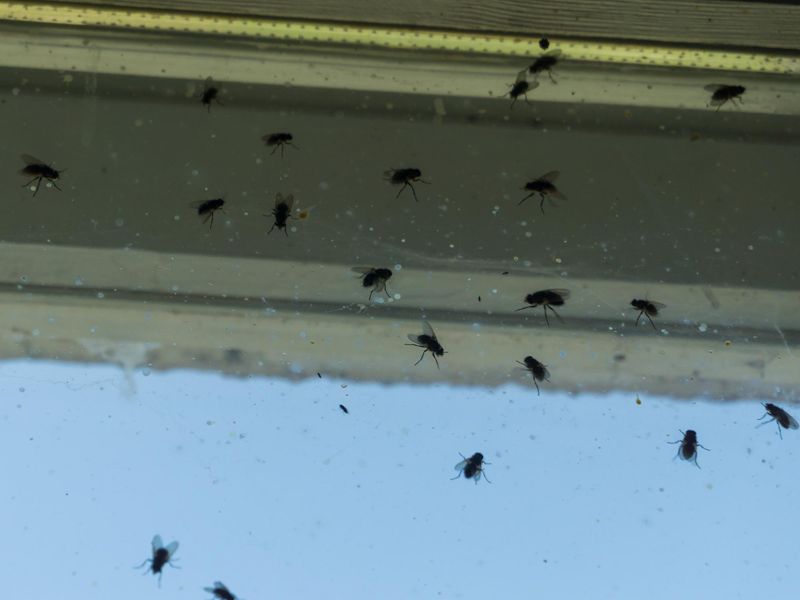
Few tools beat a plain vacuum cleaner with a hose attachment when slow flies line your window frames. Cluster flies move so slowly that you can usually pull them off the glass in just a few seconds.
Empty the canister or replace the bag soon afterward, so the trapped flies do not crawl back out. Some people slip a knee-high stocking over the hose with a rubber band to catch flies easily.
Sticky fly ribbons and window traps also help, especially in attics, sunrooms, and rarely used upstairs bedrooms. Clear window decal traps stick right onto the glass and grab flies as they wander toward the light.
Light traps with sticky boards can work well in dark attics, where flies drift toward the glowing bulbs. Place these traps away from outside windows, so they draw flies already inside instead of new ones.
Many Ohio families keep a small handheld vacuum near the sunniest window during October and November afternoons. A quick sweep each day keeps numbers low and saves you from finding flies gathered on sills.
Closing blinds on the sunniest windows can also help, because flies lose interest when the bright light fades. Turning off nearby lamps in the evening keeps them from clustering around ceiling fixtures and table lamps.
Large crowds year after year may call for help from a licensed pest professional with outdoor treatment options. Those exterior sprays usually go on in late summer, so October is mostly about simple indoor cleanup.
Tight Seals Bring A Calmer Fall Next Year
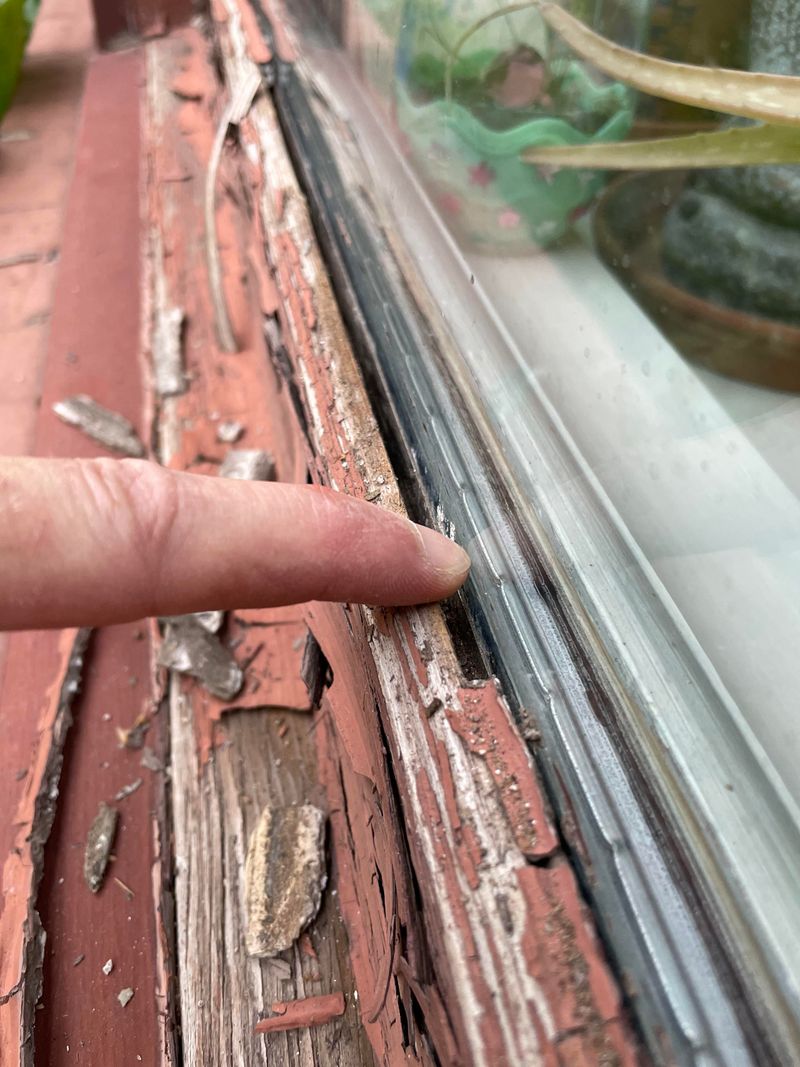
Next year’s quiet windows start with a caulk gun, a ladder, and a free Saturday in late summer. Sealing outside gaps before the flies arrive is the method most extension services recommend for long-term relief.
Walk around your home this fall and note cracks around window frames, door trim, pipes, and cable lines. The notes from your fly sightings can guide you straight to the worst spots on the sunny sides.
Fine mesh screens over attic, soffit, and gable vents block flies while still letting your house breathe properly. Replacing torn window screens and worn weatherstripping also closes many of the small doors flies use each year.
Older Ohio farmhouses with wood siding often have the most gaps, so they may need extra attention. Newer homes are not immune either, since gaps form as materials shift and settle over the seasons.
Sealing will not stop every single fly, but it can greatly reduce the number that reach your rooms. Keep your lawn and its earthworms, because removing worms would harm soil health far more than flies bother you.
Personally, I find the yearly sealing chore satisfying, and it also cuts drafts and lowers winter heating bills. Ladybugs, stink bugs, and boxelder bugs use the same cracks, so your work blocks several fall pests together.
Mark your calendar for August, when sealing gives the best results before the next wave of Ohio flies. Until then, a vacuum and a little patience will carry your windows through this sleepy October season.