Upstate Got Frost, But NYC Gardens Still Have Weeks Left. Here’s Your Timeline
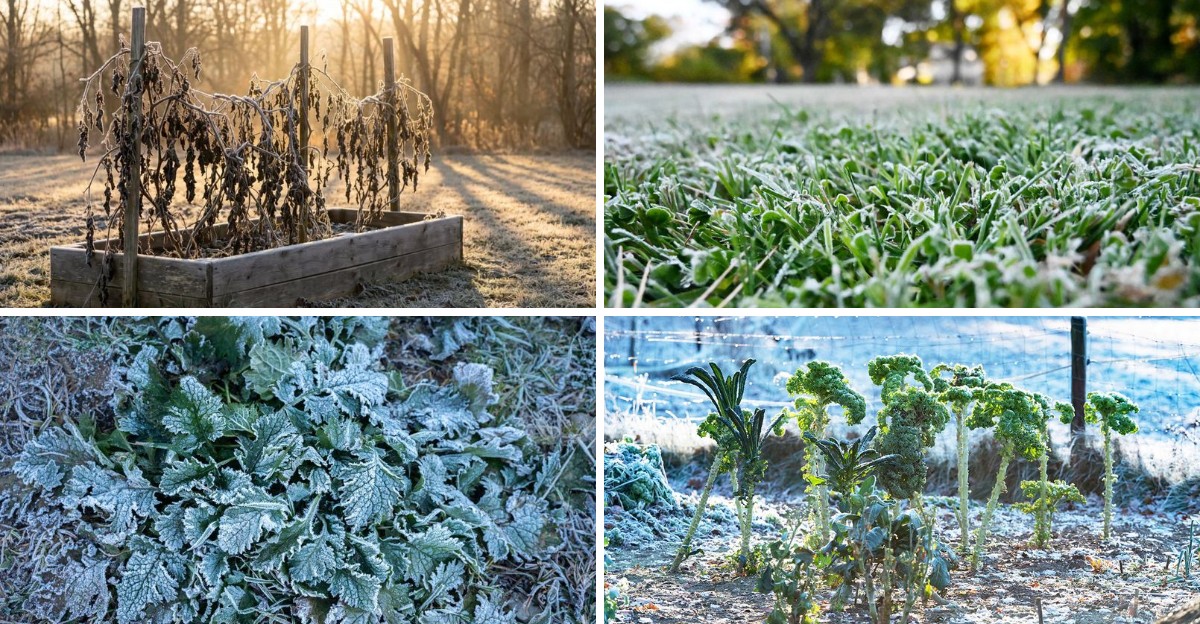
Somewhere up north, a gardener just woke up to silver lawns and droopy tomato vines. At the same moment, basil is still thriving on city balconies, and peppers keep turning red.
Frost doesn’t hit New York all at once, and the gap can stretch for weeks. Mountains, lakes, rivers, and ocean breezes all shape when that first cold night arrives.
City gardeners get an extra boost from all that warm brick and pavement. Concrete soaks up heat by day and releases it slowly overnight.
So when upstate friends start talking about frost, your season isn’t necessarily over. Knowing your local timeline helps you harvest the last tomatoes and protect tender plants at the right moment.
The cold moves across the state region by region. Your city garden may still have more time than you think.
The North Country And Adirondacks Are Done For The Season
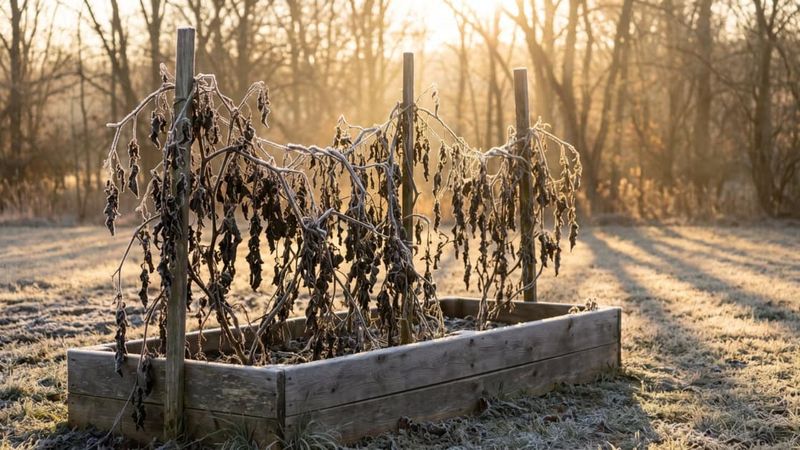
Picture a September morning in Lake Placid, with frost glittering on every leaf. For gardeners up north, that scene usually means the season has wrapped up.
The North Country often sees its first frost sometime in September. Lake Placid averages its first 32°F night around September 16 to 22.
Higher spots in the Adirondacks can turn chilly even sooner. Some mountain valleys may see near-freezing temperatures as early as late August.
Why does it get cold so fast up there? Elevation plays a big role, since air cools as you climb higher.
Cold air also sinks and collects in low valleys on clear nights. Gardens tucked into those pockets often get frosted before nearby hillsides.
Gardeners in the region plan around a short summer. Many grow quick crops like lettuce, radishes, and bush beans that mature fast.
By late September, most North Country gardens are being cleaned up. Folks pull spent vines, spread compost, and tuck in garlic for next year.
Here is a handy tip from mountain growers: keep a simple garden journal. Writing down your frost date each year shows patterns that general charts can miss.
For NYC gardeners, the Adirondacks offer a helpful preview. When frost lands there, the city usually still has about two months of growing ahead.
Fun fact: Lake Placid hosted the Winter Olympics twice, in 1932 and 1980. Its chilly climate made it a natural fit for winter sports.
Albany And Syracuse Usually Freeze In Early October
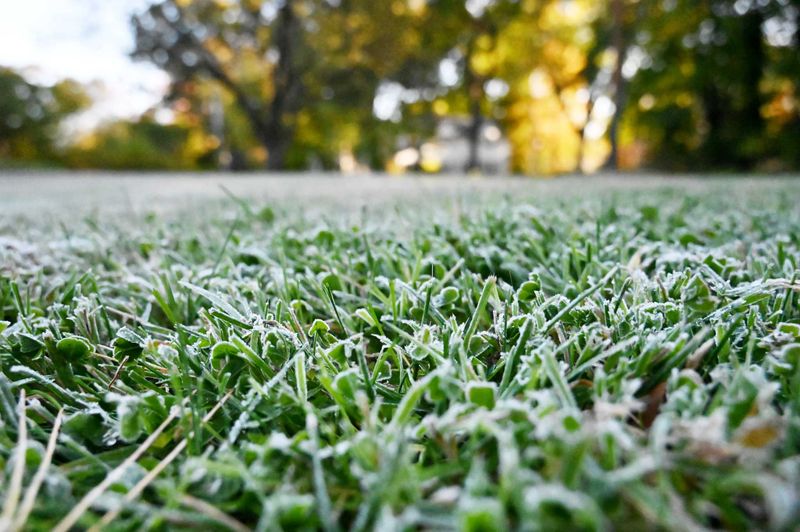
October in central New York starts with pumpkin patches and crisp apples. It also brings the first real threat of frost for many backyard growers.
Albany typically sees its first fall frost around October 3 or 4. By October 15, there is about a 50 percent chance the city has hit 32°F.
Syracuse follows a similar pattern with a slight delay. Its average first frost tends to land around October 8 to 11.
Both cities sit inland, away from the ocean’s steady warmth. Without that buffer, clear fall nights can cool down quickly.
So what do local gardeners do in early October? Many harvest every last tomato, pepper, and squash before the forecast dips.
Your New York Garden Changes Every Week. Your Plan Should Too.
Gardening in New York changes quickly throughout the season. Every Friday you’ll receive a simple weekly plan showing exactly what to plant, prune, fertilize, harvest, and protect so you never miss the right timing.
Green tomatoes can still ripen indoors on a kitchen counter. Wrap each one loosely in newspaper and check them every few days.
Cool-season crops handle these weeks much better. Kale, spinach, and Brussels sprouts often taste sweeter after a light chill.
A smart move is watching nighttime lows rather than daytime highs. A sunny 60-degree afternoon can still lead to a frosty sunrise.
Compared to New York City, Albany usually freezes about six weeks earlier. That gap shows just how much location shapes your gardening calendar.
Here is a quirky detail for history fans. Albany is one of the oldest continuously settled European communities in the original thirteen colonies, dating to the 1600s.
Western New York Isn’t Far Behind
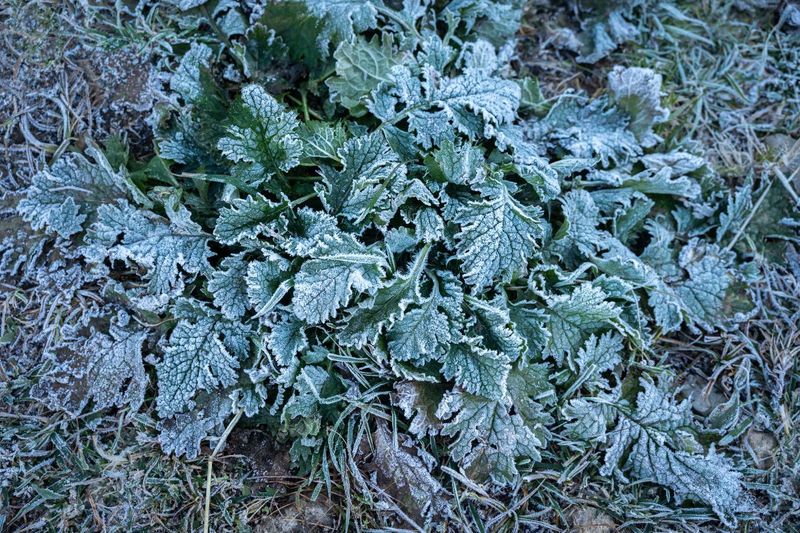
Lake Erie acts a bit like a giant warm bathtub each fall. That big body of water helps Western New York hold onto mild weather a little longer.
Buffalo usually sees its first fall frost around October 19. The lake stores summer heat and slowly releases it as nights grow cooler.
Rochester is a bit trickier to pin down. Some sources list late September, while others suggest mid to late October.
Why the mix-up? Frost dates can shift a lot depending on whether a garden sits near Lake Ontario or farther inland.
Neighborhoods close to the shore often stay milder than spots a few miles south. Hilltops and open fields tend to frost first.
Gardeners in the region often track forecasts from local weather offices. Those reports catch lake effects that national apps sometimes miss.
A useful trick is placing a cheap thermometer right in your garden bed. Readings at plant level can differ from official airport numbers.
Western New York growers also lean on fall crops like carrots and beets. Roots stay protected underground even when the air turns frosty.
Compared to NYC, Buffalo still loses its garden weeks earlier. Even so, it outlasts the Adirondacks by about a month.
Did you know the lake effect works both ways? The same water that delays frost later fuels Buffalo’s famous heavy snowstorms in winter.
The Hudson Valley Has A Little More Time
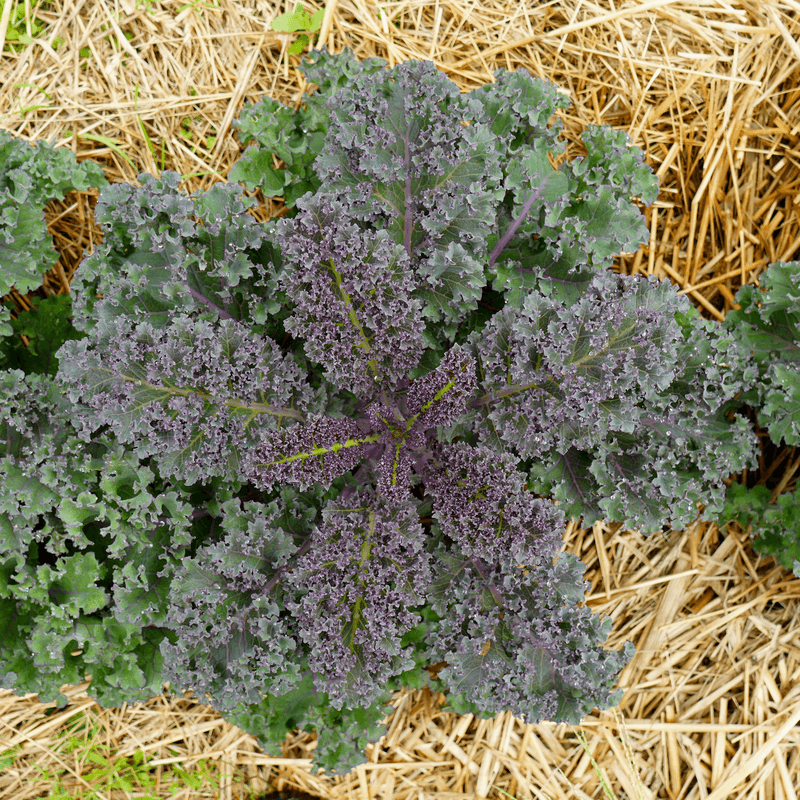
Drive north from the city in October and the Hudson Valley glows with orange hills. Many gardens there are still producing, even as upstate fields go quiet.
Poughkeepsie’s first fall frost usually comes somewhere between October 10 and October 21. Estimates vary, but the window lands later than in Albany.
The Hudson River helps a bit here. Large bodies of water cool slowly, which can soften chilly nights along the banks.
Winters in the region are fairly moderate. That gives gardeners a slightly longer stretch to enjoy late crops.
Valley floors and hilltops can behave very differently, though. Cold air drains downhill, so low gardens may frost before higher slopes.
Local growers often use this extra time for a second round of greens. Quick crops like arugula and spinach can mature in about a month.
Here is a practical tip: sow cool-season seeds in late August or early September. That timing lets plants grow strong before the days get short.
The Hudson Valley also has a rich farming history. Its orchards have grown apples for centuries, and many still welcome pickers each fall.
Consider the region a middle step between upstate and New York City. When Poughkeepsie frosts, city gardeners usually still have roughly a month to go.
A short drive can mean a big shift in season length. Keep that in mind when comparing notes with friends.
Long Island’s Ocean Air Delays Frost
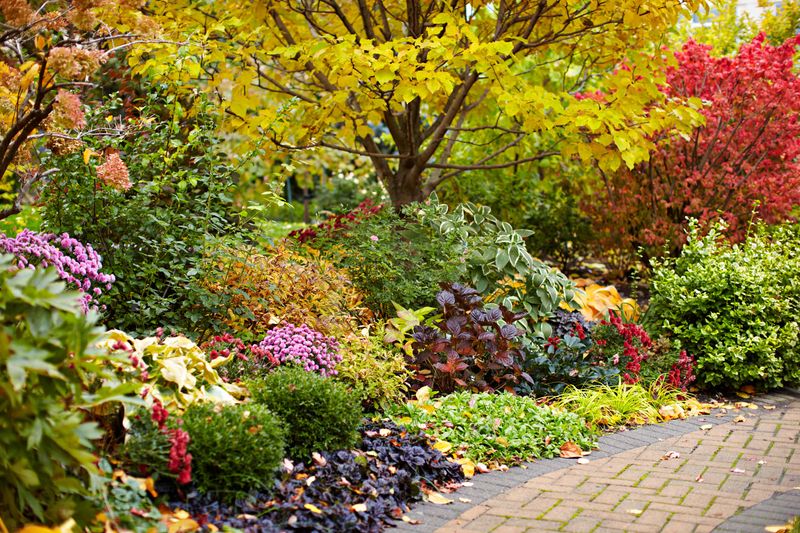
Salty breezes do more than mess up your hair on Long Island. They also keep frost away from gardens far longer than many people expect.
The Atlantic Ocean holds summer heat well into fall. As cool air drifts over that water, it warms up before reaching shore.
Because of this, much of Long Island sees its first frost between late October and mid-November. Kennedy Airport averages its first frost around November 17.
Not every spot on the island is the same, though. Areas near the center can frost earlier than neighborhoods right along the beaches.
Gardeners there often enjoy flowers like marigolds and zinnias well into autumn. Fall tomatoes may keep ripening when upstate plots are bare.
A clever tip for coastal growers is to watch for calm, clear nights. Wind and clouds usually keep temperatures up, while still skies let heat escape.
Long Island’s sandy soil also warms and drains quickly. Adding compost each fall helps it hold moisture and nutrients for next year.
Here is a fun bit of history for you. Long Island was once a leading potato-growing region, thanks partly to its long, mild growing season.
For New York City gardeners, Long Island makes a great comparison. Both areas benefit from the ocean, so their frost dates fall fairly close together.
Enjoy those extra weeks of color and harvest. The beach may be closed, but the garden is still open.
NYC’s Concrete Keeps Gardens Warm Into November
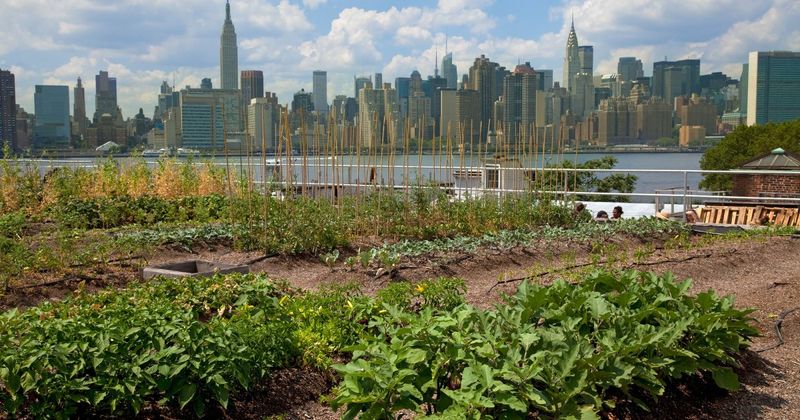
Sidewalks soak up sunshine all day, then give it back at night. That simple trick turns New York City into one of the warmest growing spots in the state.
Scientists call it the urban heat island effect. Concrete, asphalt, and brick store heat, while fewer trees means less natural cooling.
As a result, NYC’s average first frost lands around November 14. Central Park often holds out until closer to November 20.
Compare that to Lake Placid, which frosts in mid-September. City gardeners can enjoy about two extra months of growing time.
Your own block may be even warmer. Gardens near south-facing walls or on rooftops often stay several degrees milder than open parks.
Outer areas of the boroughs can run a bit cooler, though. Parts of Staten Island or the northern Bronx may frost a little sooner.
A handy habit is noting where frost appears first in your area. Car windshields and park lawns make easy early warning signs.
Brick walls are especially helpful for heat-loving plants. Set pots of peppers or herbs against them to soak up stored warmth.
Fun fact: on summer nights, Manhattan can run several degrees warmer than nearby suburbs. That same heat lingers into fall.
So while upstate friends are cleaning out beds, you can keep going. Treat November as bonus time, not the finish line.
City Gardeners Can Still Harvest Tender Crops
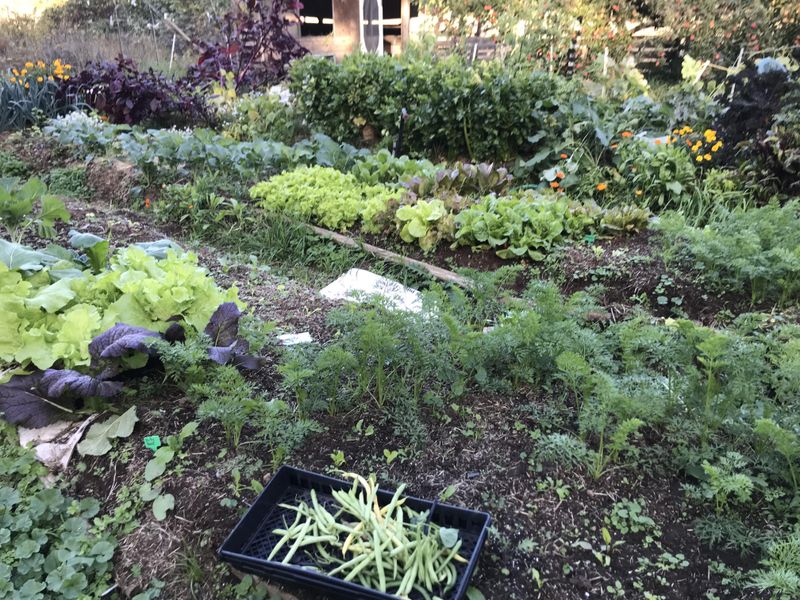
Few things beat a fresh salad picked in late October. With weeks of mild weather left, NYC gardens can keep filling your kitchen.
Leafy greens are the stars right now. Arugula, bok choi, lettuce, and spinach all grow happily in cool temperatures.
Kale and cabbage are tough customers too. They can handle a light frost and often taste better afterward.
Root crops deserve a spot in your fall plan. Carrots, beets, and Swiss chard thrive as days shorten and nights cool.
Why do some veggies taste sweeter after a chill? Plants turn stored starch into sugar, which helps protect their cells from freezing.
Warm-season plants are a different story. Tomatoes, peppers, and basil should be picked before nights drop near 32°F.
Basil is especially sensitive and may darken around 40°F. Harvest it early and blend extra leaves into pesto for the freezer.
A smart tip is to pick greens in the morning. Leaves are crisp and full of water before afternoon sun warms them.
Many community gardens host fall harvest days. They are a great way to swap seeds, recipes, and growing tips.
Short on space? Containers work well for fall greens on balconies and fire escapes.
Just make sure pots get at least four hours of sun.
Keep picking regularly, and plants will keep producing. Your fall garden may surprise you with how generous it can be.
Plant Garlic And Bulbs While The Soil Stays Soft
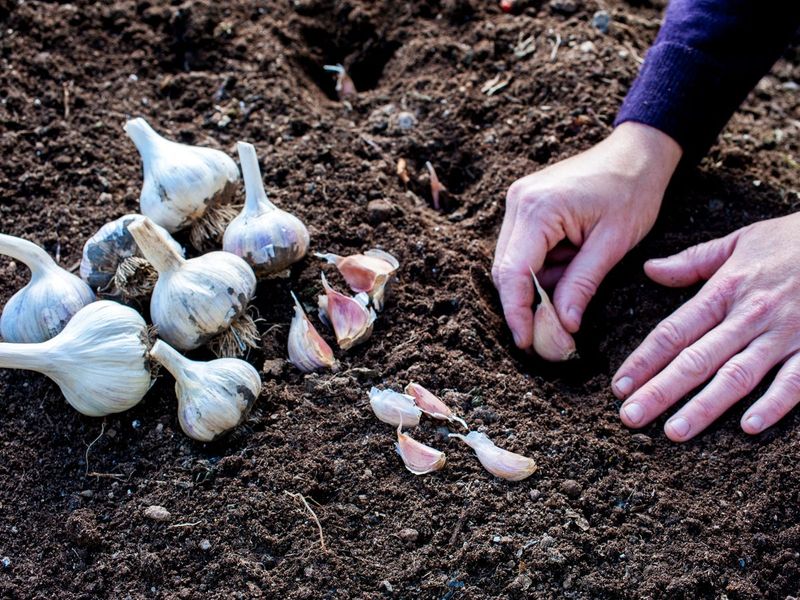
Here is a gardening secret: some of the best spring rewards start in fall. Garlic and flower bulbs need cool soil to settle in before winter.
Across the state, garlic usually goes in from early October upstate to early November downstate. Aim for a few weeks before the ground freezes, so cloves root without sprouting too early.
In NYC, that window often stretches later thanks to warm city soil. Many growers plant garlic from late October into early November.
Set each clove pointy side up, about two inches deep. Space them around six inches apart so bulbs have room to grow.
Spring bulbs like tulips and daffodils follow a similar plan. In the metro area, planting works well from mid-October to mid-November.
Very protected city spots can even handle bulbs into early December. Just make sure the ground is not frozen when you dig.
A good rule is planting bulbs about three times as deep as they are tall. Tulips usually go six to eight inches down.
Squirrels love digging up fresh bulbs. Daffodils are a smart pick, since squirrels tend to leave them alone.
After planting, add a layer of shredded leaves or straw. This mulch keeps soil temperatures steady through freezing and thawing.
Fun fact: tulips were once so valuable in 1600s Holland that single bulbs sold for huge sums. Today, you can plant dozens for a few dollars.
Keep Frost Cloth Handy For Surprise Cold Nights
Weather forecasts can surprise even the most careful gardener. One unexpectedly cold night might undo weeks of hard work.
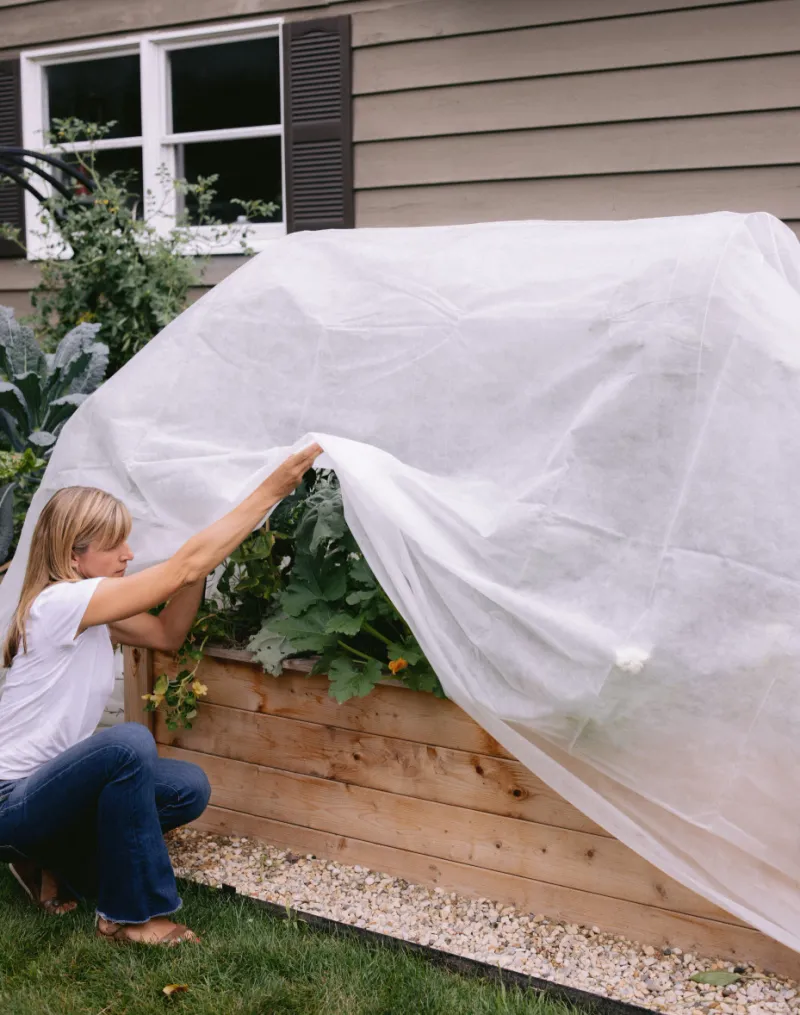
That is where frost cloth comes in. Made of lightweight polypropylene fabric, it acts like a cozy blanket for your plants.
A good frost cloth can add a few degrees of protection, and heavier fabrics can add up to about 8°F. That small boost can carry tender crops through a chilly night.
Unlike plastic sheets, the fabric lets air, light, and moisture pass through. Plants can breathe instead of overheating under a sealed cover.
Drape the cloth loosely over plants in the late afternoon. Let it reach the ground so it traps warmth rising from the soil.
Secure the edges with rocks, bricks, or garden clips. City winds between buildings can whip loose fabric right off your beds.
Remove the cover the next morning once temperatures climb. Leaving it on during sunny days may make plants too warm.
No frost cloth on hand? Old bedsheets or cardboard boxes can work in a pinch for one night.
Frost cloth also helps stretch your harvest well past the average date. Many NYC gardeners keep greens growing into December with steady coverage.
Store your cloth somewhere easy to grab in a hurry. When the forecast suddenly drops, you will be glad it is ready by the door.
A little preparation goes a long way. Protect your plants, and your garden can keep giving.