What St. Augustine Grass Needs After Chinch Bug Damage In Florida
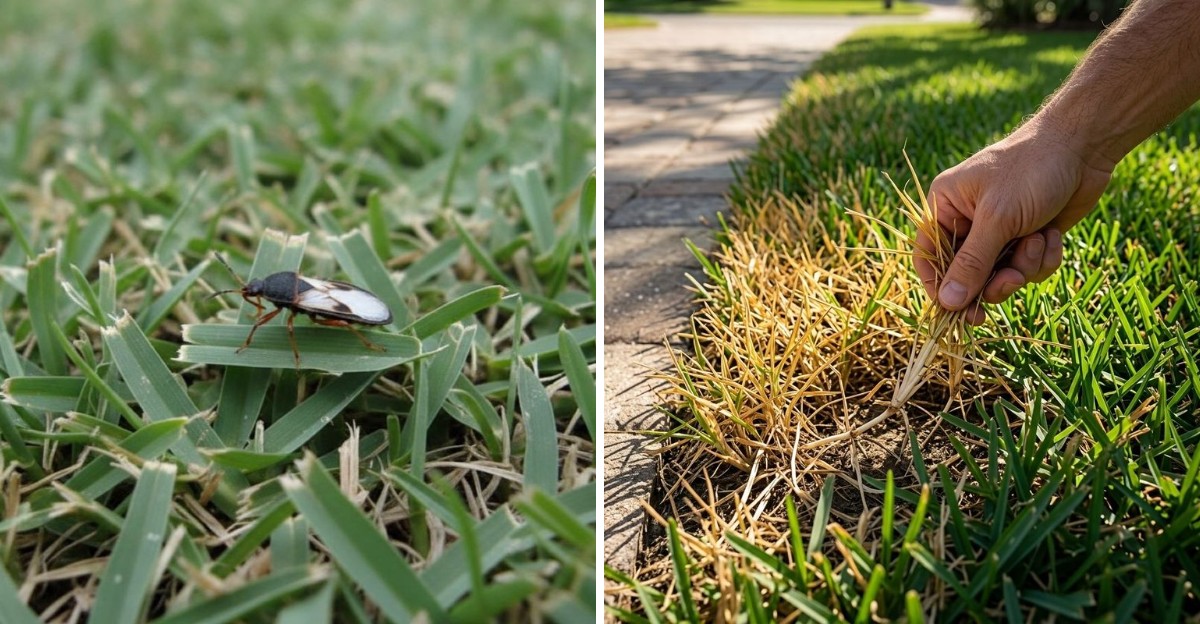
The bugs are gone, but the yellow-brown patches they left behind haven’t gotten the message.
Chinch bugs chew through a St. Augustine lawn fast, and by the time most Florida homeowners spot the damage, the worst has already happened. The temptation to grab a bag of fertilizer and start fixing things is strong.
That’s usually where round two of the trouble begins.
Recovery follows its own order of operations. Some steps need to happen right away.
Others have to wait, even though every instinct says to hurry. Skip the sequence and you could end up with dead-looking patches that never fill back in.
Your grass has a real chance of coming back, and a lot of it depends on the next few weeks.
Hold off on the quick fixes. A careful plan now saves you from patching the same spots all over again.
1. Make Sure The Chinch Bugs Are Gone First
Picture spending a whole weekend fixing your lawn, only to watch the brown spots spread again. That heartbreak happens when the bugs are still hiding in the grass.
Before any repair work, you need proof the invaders have moved on.
A simple float test does the trick. Cut both ends off a coffee can and push it about two inches into the soil at the edge of a brown patch.
Fill it with water, wait five to ten minutes, and watch for tiny bugs bobbing to the top.
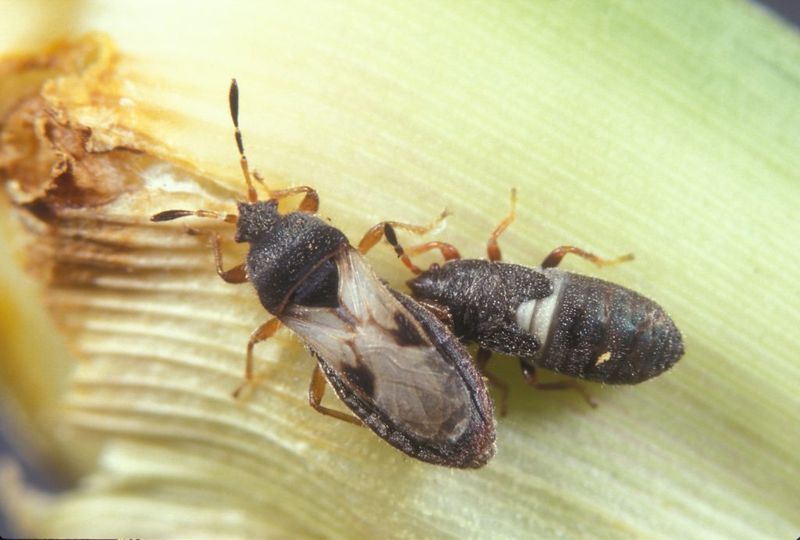
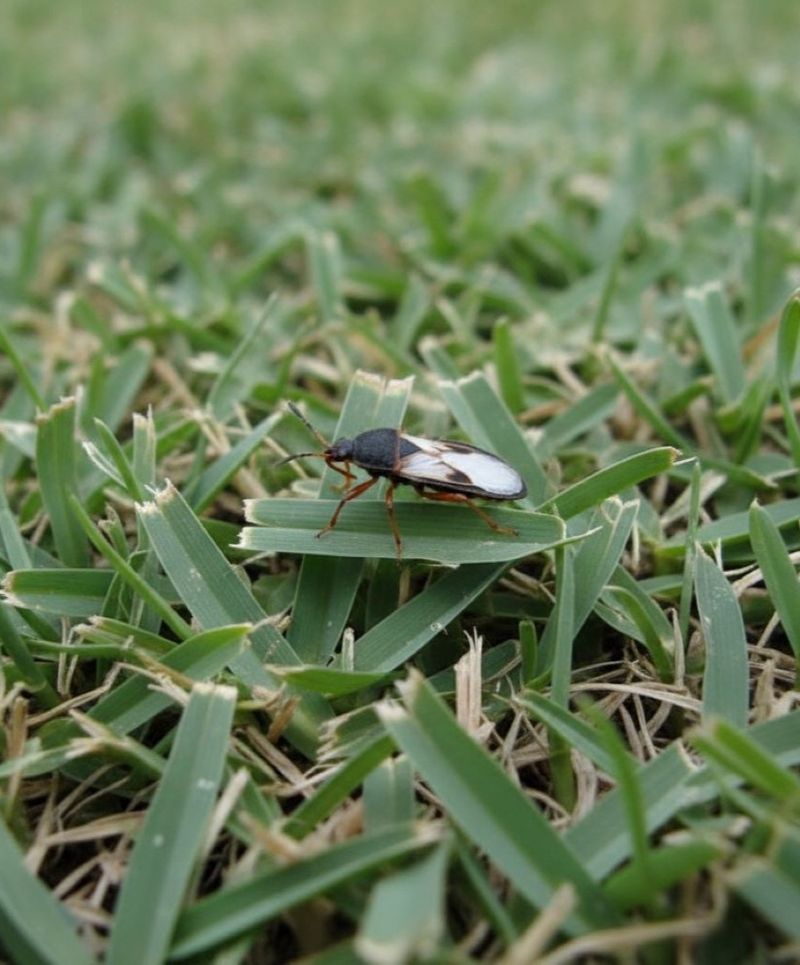
You can also part the grass where green meets brown. Look for small, quick black-and-white adults or reddish-orange babies with a white band across their backs.
They move fast, so a little patience helps.
Experts usually suggest treatment when you find 15 to 20 bugs per square foot, or three to five in your can. Sprays that only coat the top of the grass often miss them, since these pests hide down in the thatch layer.
A licensed pest pro can target that zone better.
Check again a week or two after treatment. Only once your tests come up empty should you move on to feeding, patching, and the rest of the recovery plan.
Rushing ahead tends to waste both money and effort.
2. Don’t Mistake Big-Eyed Bugs For The Culprits
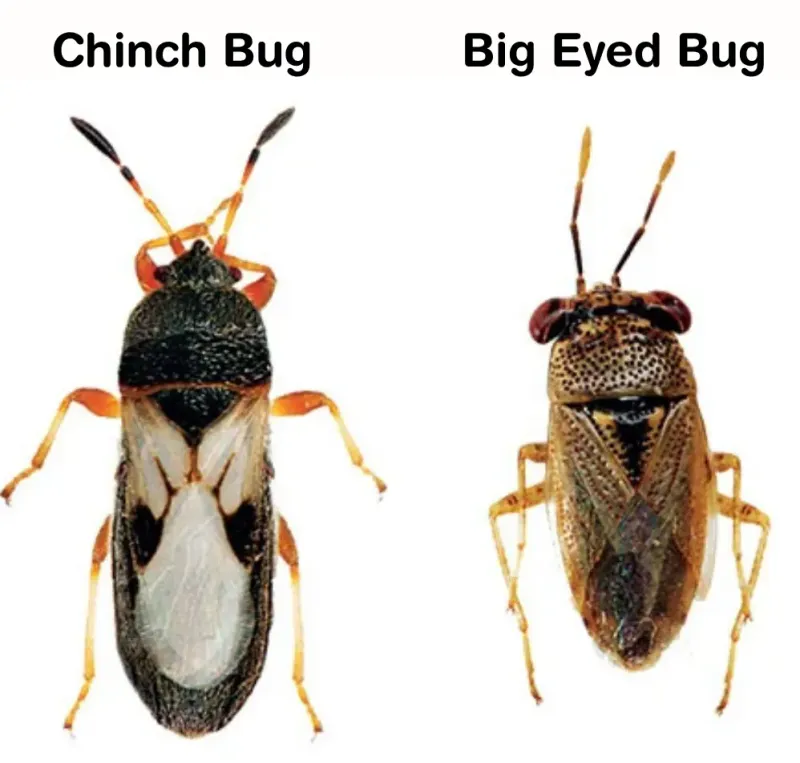
Not every tiny bug in your yard is a villain. Some of them are actually on your side, working the night shift for free.
The big-eyed bug is one of those helpful heroes.
At a quick glance, big-eyed bugs look a lot like chinch bugs. Both are small, grayish, and hang out low in the grass.
The giveaway is right in the name, since big-eyed bugs have large, bulging eyes that stick out from the sides of their heads.
Why does this matter so much? Big-eyed bugs eat chinch bugs.
If you spray every little critter you spot, you could wipe out the very predators that were keeping the pest numbers down.
Grab a magnifying glass or snap a zoomed-in photo with your phone. Compare what you see with pictures from the University of Florida extension website.
Your Florida Garden Changes Every Week. Your Plan Should Too.
Gardening in Florida changes quickly throughout the season. Every Friday you’ll receive a simple weekly plan showing exactly what to plant, prune, fertilize, harvest, and protect so you never miss the right timing.
Chinch bugs have narrower heads and smaller eyes, and adults show white wing patches folded on their backs.
Taking two extra minutes to identify bugs correctly can save you time, money, and chemicals. It also keeps your lawn’s natural defense team on duty.
Think of it as hiring security guards who work for snacks instead of a paycheck, which is a pretty sweet deal for any Florida homeowner.
3. Mow At 3 To 4 Inches And Never Cut More Than A Third
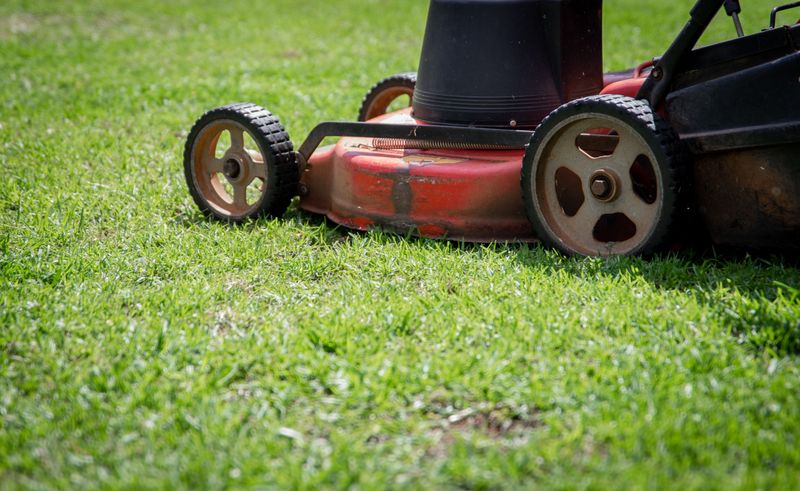
Here is a fun fact many people miss: taller grass grows deeper roots. What happens up top matches what happens underground.
Short blades usually mean short, weak roots that struggle in the heat.
St. Augustine grass does best at about 3.5 to 4 inches tall. That height helps it handle drought, insects, disease, and Florida’s brutal summer sun.
Mowing lower than that is one of the top reasons lawns get weak in the first place.
After bug damage, your grass is already tired. Scalping it now is like asking someone with the flu to run a marathon.
Raise your mower deck and leave those blades long so they can soak up sunlight and make food.
Follow the one-third rule every time you mow. Cutting off more than a third of the blade at once shocks the plant.
If the lawn got shaggy while you dealt with bugs, bring it down slowly over several mowings instead of one big chop.
During the hottest months or in shady spots, you can even go up to 4 or 4.5 inches. Extra height holds moisture and boosts photosynthesis.
Keep your mower blade sharp too, because dull blades tear grass and leave ragged tips that brown quickly.
4. Go Easy On Nitrogen While It Recovers
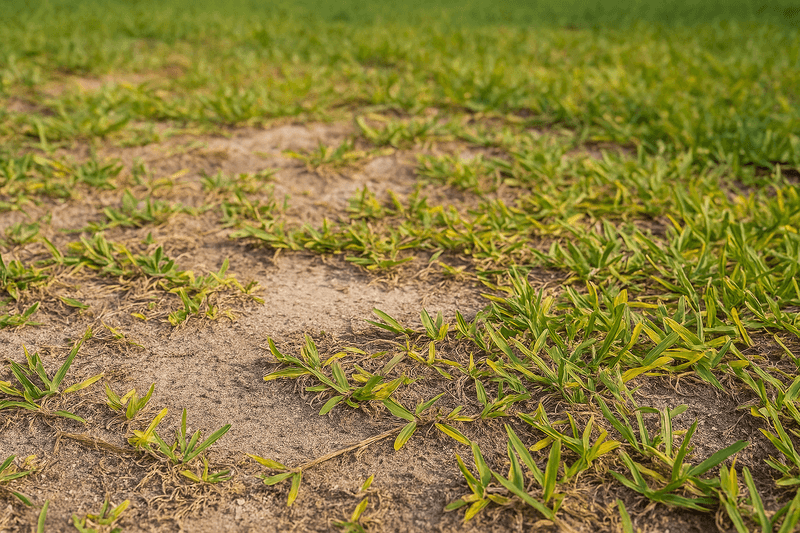
When something looks sick, our first instinct is to feed it. With a bug-damaged lawn, though, piling on fertilizer can backfire in a big way.
Too much nitrogen is basically a buffet invitation for chinch bugs.
Heavy nitrogen pushes fast, soft top growth. That juicy new growth attracts pests, and it also builds up thatch, which gives chinch bugs a cozy place to hide.
Studies have linked excess nitrogen with more chinch bug damage.
St. Augustine grass prefers a balanced meal. It does well with moderate nitrogen plus potassium and iron.
Over a full year, it typically needs only 2 to 4 pounds of actual nitrogen per 1,000 square feet.
Pick a slow-release fertilizer so nutrients trickle out over time. In Central Florida, many experts skip nitrogen from July through early August.
Instead, they use iron sulfate, which greens up the grass without that risky growth spurt.
Read the bag carefully and measure your yard before spreading anything. Over-fertilizing can also cause fertilizer burn, which makes a struggling lawn look even worse.
Check your local county rules too, since some Florida areas restrict summer fertilizer use. A light, steady hand wins this race every time.
5. Keep Thatch From Building Up
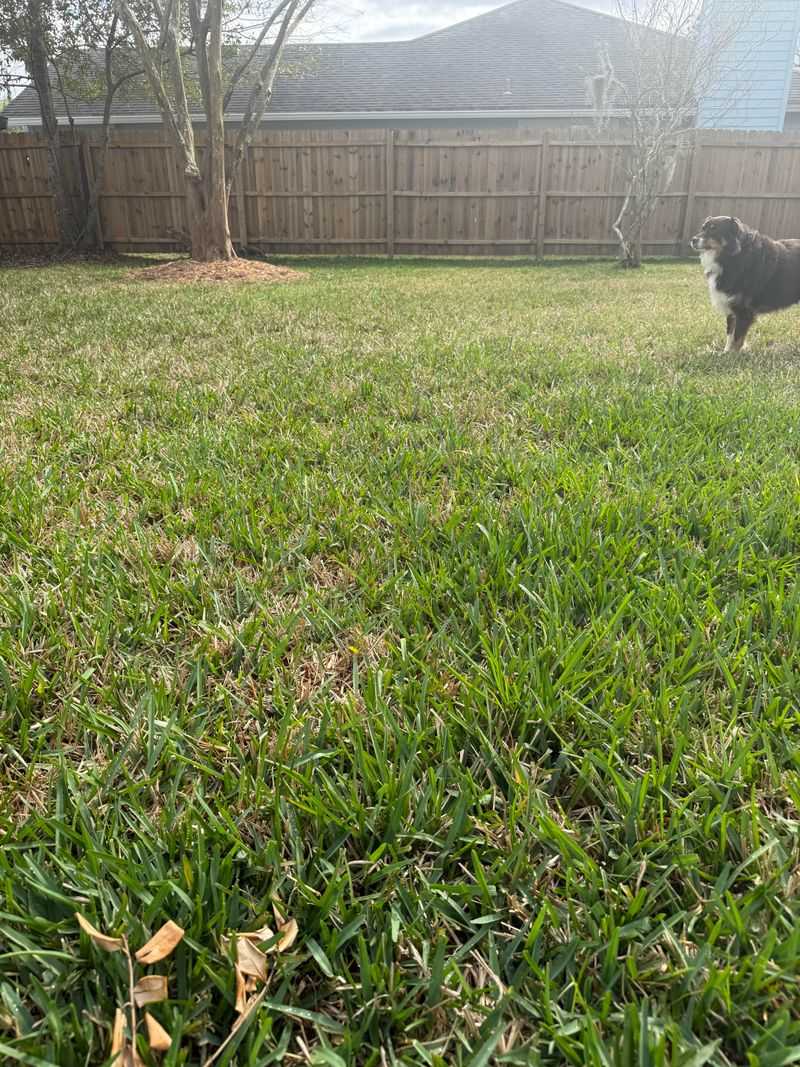
Grab a trowel and cut a small wedge out of your lawn. See that spongy brown layer between the green blades and the soil?
That is thatch, and it can quietly cause a lot of trouble.
Thatch is a mix of old and living stems, roots, and runners. A thin layer of half an inch or less is fine and even helps cushion the lawn.
Once it gets thicker than an inch, problems start piling up.
Thick thatch blocks water and air from reaching the roots. Roots then grow shallow, right up in that spongy mat, and the turf gets stressed.
Worst of all, it makes a perfect hideout for chinch bugs and fungus.
St. Augustine grass spreads by runners, so it builds thatch faster than many other grasses. Heavy fertilizing, packed-down soil, and too much water all speed things up.
Fixing those habits does more good than any machine.
Mow at the right height, go light on nitrogen, and aerate if your soil feels hard. Dethatching may only be needed every three to seven years.
If you do it, choose a time when the grass is actively growing, so it can heal quickly afterward.
6. Water Properly, Since Stressed Turf Invites Trouble
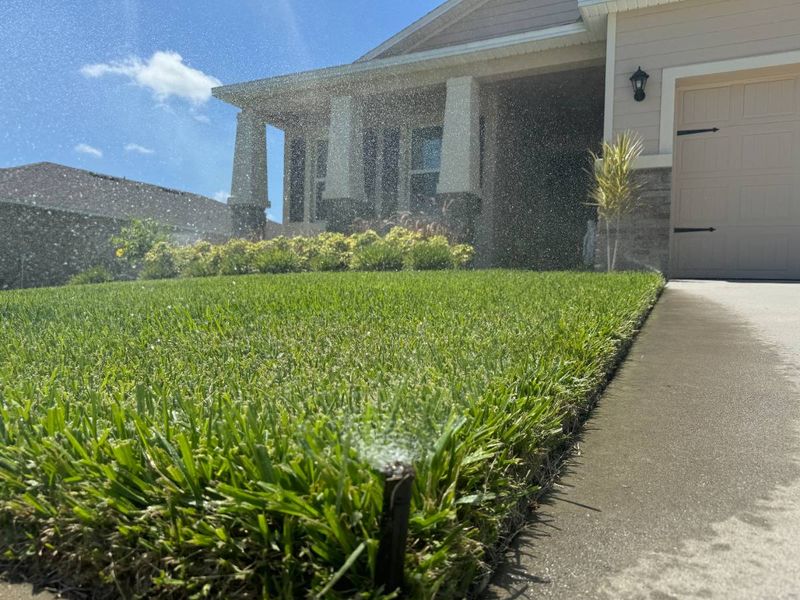
Thirsty grass sends out an open invitation to chinch bugs. Drought-stressed lawns get hit harder, and the damage shows up faster.
Good watering habits are one of your best shields.
Aim for deep, less frequent watering. About three-quarters of an inch per zone each cycle helps roots stretch down where the soil stays cooler and moist.
Shallow daily sprinkles keep roots lazy and near the surface.
Timing matters as well. Water in the early morning, before the sun gets fierce.
Less water evaporates, and the blades dry off during the day, which lowers the chance of fungus.
Watch out for the opposite mistake. Overwatering can lead to root rot, disease, and weak grass.
A few empty tuna cans placed around the yard make a cheap way to measure how much water each zone really delivers.
One tricky detail trips up lots of homeowners. Chinch bug damage looks like drought, but extra water will not bring it back, because the bugs inject a toxin that blocks the plant’s water pipes.
So if brown spots stay brown after good watering, do another float test. Water supports recovery, but it cannot cure an active infestation.
7. Rotate Insecticide Types If They Come Back
In Hillsborough County, researchers found chinch bugs that shrugged off bifenthrin at levels 45 to over 4,000 times higher than normal. That number sounds wild, but it is real.
These little pests are experts at outsmarting the same product used again and again.
Resistance builds when one chemical group, like pyrethroids or neonicotinoids, gets sprayed over and over. The few bugs that survive have babies that also survive.
Before long, your trusty spray barely slows them down.
The fix is rotation. Switch between products with different modes of action each time bugs return.
Look for the IRAC group number on the label, since that tells you how the product works.
Keep a simple notebook or phone note listing what you used and when. Next time, choose something with a different group number.
That way, no single generation of bugs gets a chance to toughen up against your whole toolbox.
A licensed lawn pro can help plan a rotation that fits your yard. They also know which products work best in Florida’s climate.
Following label directions carefully protects your family, pets, helpful insects, and nearby waterways while keeping your treatments working year after year.
8. Badly Damaged Areas May Need New Sod
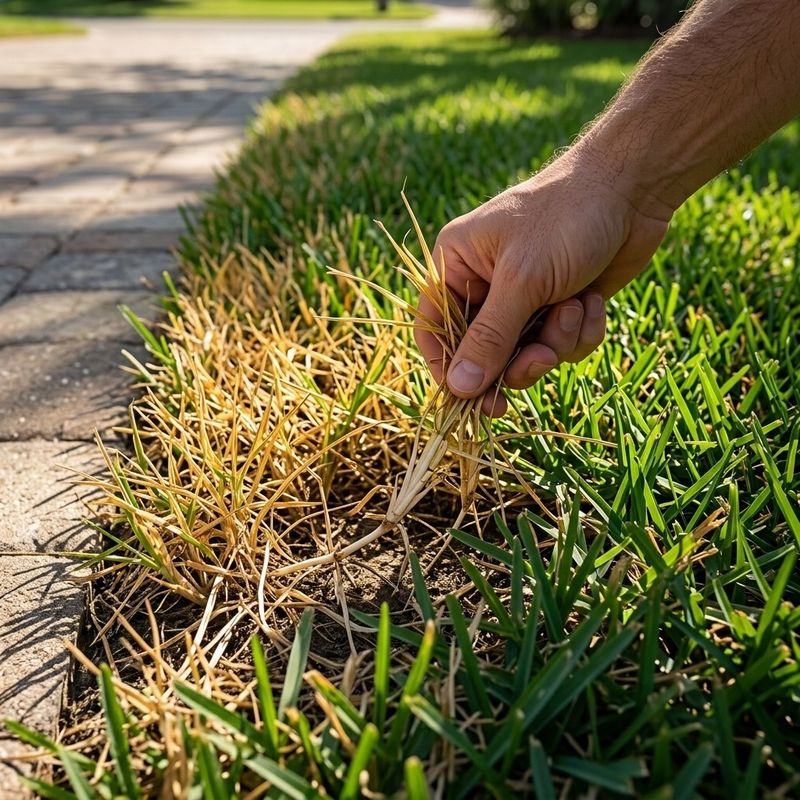
Sometimes a lawn just needs a fresh start. When the runners, called stolons, are wrecked all the way through, that patch is not coming back.
No amount of hope or fertilizer will change it.
To check, pull gently on the brown grass. If it lifts right up and the runners look dry, brittle, and hollow, they are past saving.
If you see some green or firm runners, there is still a chance.
Small spots under about two feet across can fill in on their own. With good water and light feeding, healthy runners nearby will creep in over 8 to 12 weeks.
St. Augustine is a natural spreader, so give it time.
Bigger patches usually need new sod or sod plugs. Plugs cost less and fill in slowly, while full sod gives you instant green.
Choose based on your budget and patience.
Before laying anything new, fix the ground first. Pull out weeds and loosen the soil a bit.
If water pools in that area, adjust the grading so it drains better. Then water fresh sod daily for the first couple of weeks until roots grab hold.
9. Consider A Chinch Bug-Resistant Variety When Replacing
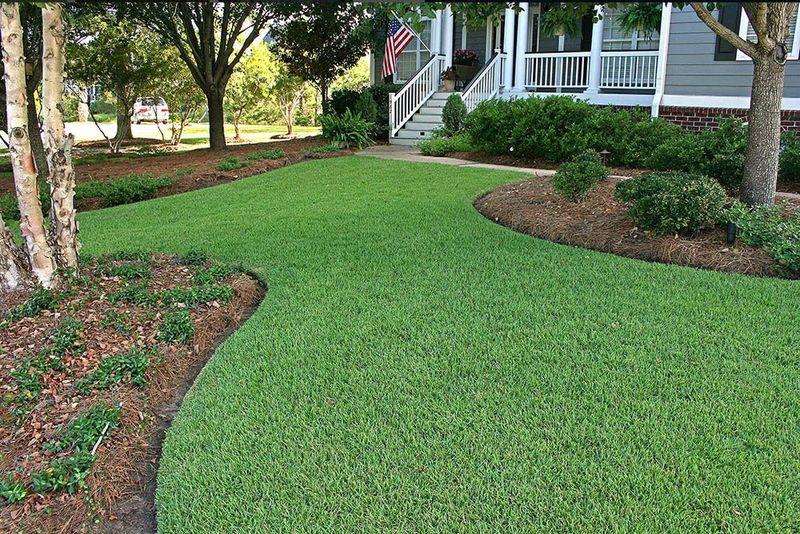
Back in the 1970s, Floratam was the superstar of Florida lawns. It was bred to resist chinch bugs, and homeowners loved it.
Over time, though, the bugs adapted, and today Floratam is one of their favorite meals.
That history lesson matters if you are replacing grass. Choosing the same type that just got chewed up might set you up for a rerun.
A smarter pick can save you headaches down the road.
Captiva St. Augustine grass is worth a look. Research from the University of Florida shows it handles chinch bugs better than other common cultivars.
It also has a dwarf growth habit, meaning it grows a bit slower and may need less mowing.
Ask your local sod farm or garden center what they carry. Talk about your yard’s sun, shade, and past bug trouble.
Matching the grass to your conditions gives it the best shot at thriving.
Resistant varieties are not magic shields, so keep up with smart mowing, watering, and feeding. Still, starting with tougher grass tilts the odds in your favor.
Pair it with the habits in this list, and those sidewalk-edge brown patches should become a much rarer sight.