The Venus Flytrap Grows Wild In Just One Small Region, And Most Of It Is In North Carolina
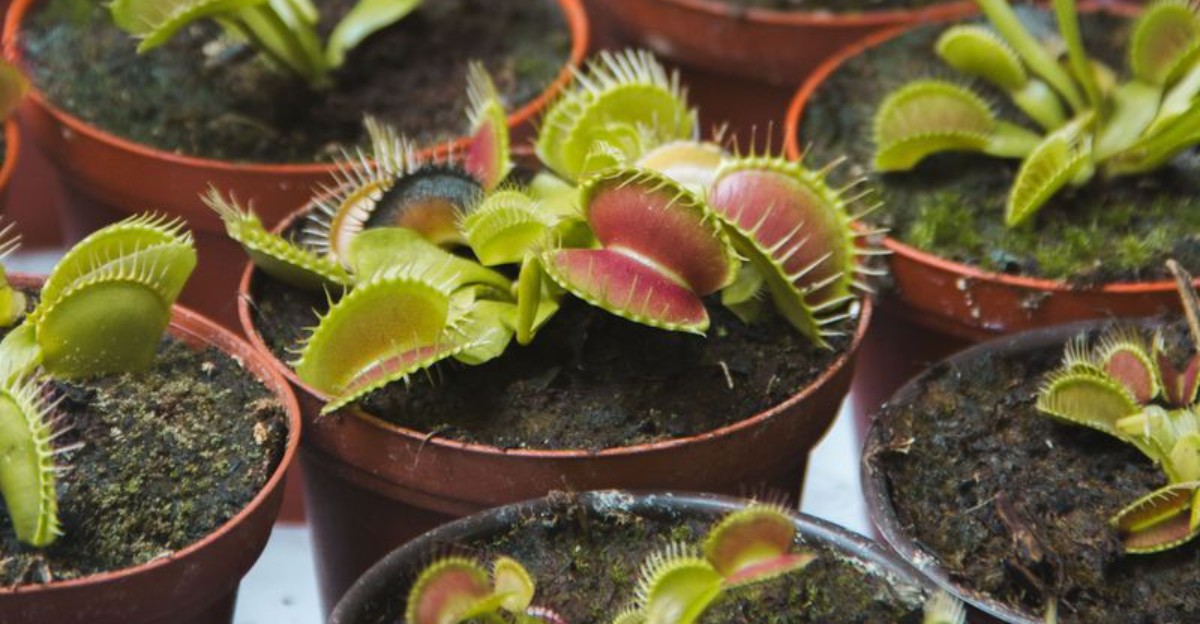
The most famous carnivorous plant in the world has a very small home. In the wild, the Venus flytrap grows only in a limited stretch of coastal North and South Carolina, centered around Wilmington. Nowhere else on Earth has natural populations.
The plants live in damp, sandy bogs where the soil is poor in nutrients, which is why they evolved to catch insects. Fire helps keep those habitats open, but development and poaching have shrunk them. Digging up wild flytraps is illegal in North Carolina.
Each trap snaps shut only after something touches the tiny hairs inside more than once. That small detail keeps the plant from wasting energy on raindrops. It is a remarkable plant, and it belongs to our state.
It Grows Wild Only Around Wilmington
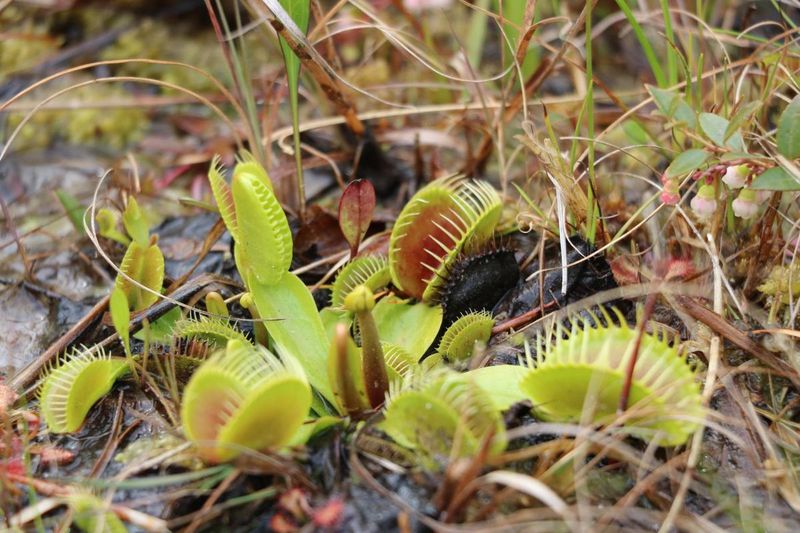
Some plants spread across whole continents. The Venus flytrap, known to scientists as Dionaea muscipula, chose a much smaller home. In the wild, it grows only in the coastal Carolinas, mostly within about 75 miles of Wilmington, North Carolina.
That makes its natural range one of the smallest of any famous plant on Earth. Most wild populations live in southeastern North Carolina, while a few more pop up just across the border in South Carolina.
Outside that patch of land, you will not find a single flytrap growing on its own. Here is the surprising part. Garden centers, grocery stores, and online shops sell flytraps in countries all around the globe.
Every one of those plants traces its family tree back to this small stretch of the Southeast, where the species first appeared and still grows naturally today.
So why does it stay put? The flytrap needs a very specific mix of sun, soil, water, and weather. The coastal plain near Wilmington happens to offer that perfect recipe, and few other places on the planet come close.
For North Carolinians, this is a point of real pride. The Wilmington area is known worldwide as the home of the Venus flytrap, and scientists, students, and plant lovers travel there just to see it.
Local schools teach about it, and businesses even use it in their names and logos. If you grow a flytrap at home, take a moment to think about where it came from.
Reading about its native habitat can help you care for it better, too. Copying those natural conditions, like bright light and wet soil, gives your plant its best shot at thriving on your windowsill.
It Needs Wet, Sandy, Nutrient-Poor Soil
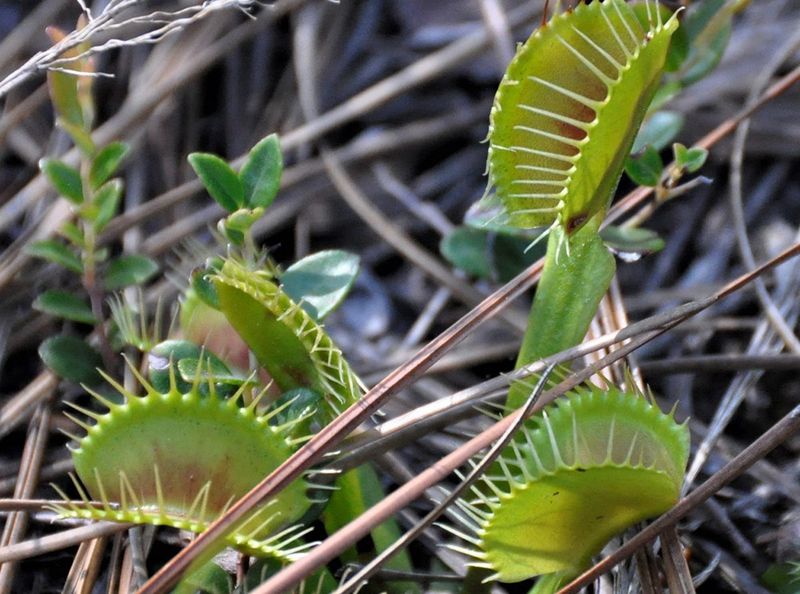
Most garden plants would struggle in the soil a flytrap calls home. It is sandy, soggy, sour, and almost empty of food. Somehow, the flytrap loves it.
Wild flytraps grow in open, sunny, wet pine savannas and along the edges of shrubby bogs called pocosins. The soil there is acidic and very low in nutrients like nitrogen. Regular plants pull those nutrients up through their roots, but the flytrap had to find another way.
Its answer was clever. By catching insects, the flytrap gets the nutrients its soil cannot give it. Bugs act like a vitamin boost, while sunlight still powers the plant through photosynthesis, just like any other green leaf.
Your North Carolina Garden Changes Every Week. Your Plan Should Too.
Gardening in North Carolina changes quickly throughout the season. Every Friday you’ll receive a simple weekly plan showing exactly what to plant, prune, fertilize, harvest, and protect so you never miss the right timing.
Many of these habitats sit in longleaf pine areas. Tall, spaced-out pines let plenty of light reach the ground, and the low land stays moist much of the year. Flytraps need both full sun and constantly damp soil to stay healthy.
Home growers can learn a lot from this. Plant your flytrap in a mix of peat moss and sand, never regular potting soil with fertilizer. Water it with rainwater or distilled water, since tap water often carries minerals that can harm the roots over time.
In North Carolina, these special wetlands have become rare. Over the years, people drained many bogs for farms, roads, and neighborhoods.
Each drained acre means less space for flytraps and the other unusual plants and animals that share their home.
Supporting groups that protect wetlands is one simple way to help. Even learning to spot a pocosin on a nature walk can build appreciation for these quiet, soggy places.
Its Traps Close With A Clever Trigger
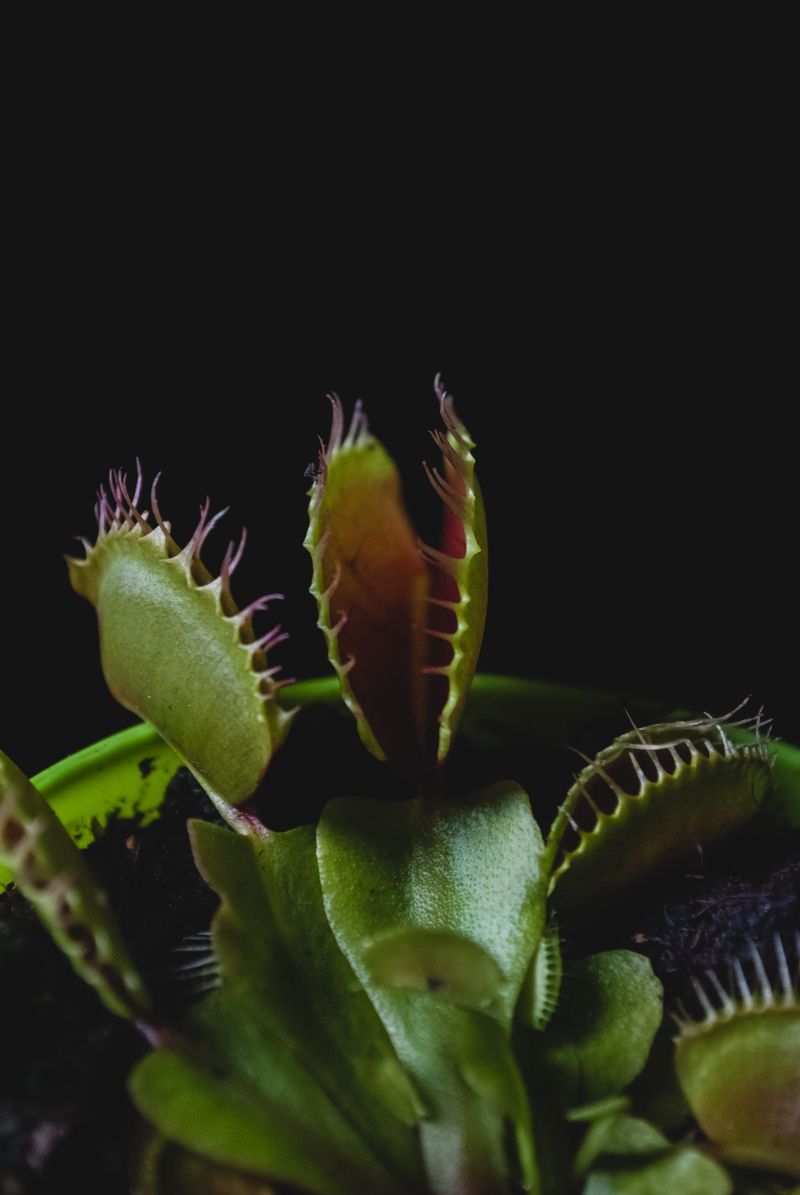
Snap! In less than a second, a hungry trap slams shut on a wandering fly. It is one of the fastest moves in the plant world, and it runs on a surprisingly smart system.
Each trap is really a changed leaf with two hinged halves. Inside, you can spot a few tiny trigger hairs, usually three on each side. When an insect brushes those hairs twice within a short time, about 20 seconds, the trap closes.
Why two touches? That double check keeps the plant from wasting energy on raindrops, falling bits of leaves, or blowing sand. A single bump does nothing, but a moving bug almost always touches a hair again.
Once closed, the stiff bristles along the edges lock together like fingers. The trap then seals tight and releases juices that break down the insect. Digestion takes several days, and afterward the trap opens again, leaving only a dry shell behind.
Each trap has limits, though. It can only open and close a handful of times before it stops working and turns black. That is why poking traps for fun actually wears out the plant.
Here is a useful tip for home growers. Let your flytrap catch its own insects, or feed it small live bugs only now and then. Never offer hamburger or other human food, since the trap cannot handle it.
For North Carolina residents and visitors, watching this behavior is a real treat. You can see it in the wild near Wilmington or on your kitchen windowsill. Just watch patiently and let the plant do the work.
It’s North Carolina’s Official Carnivorous Plant
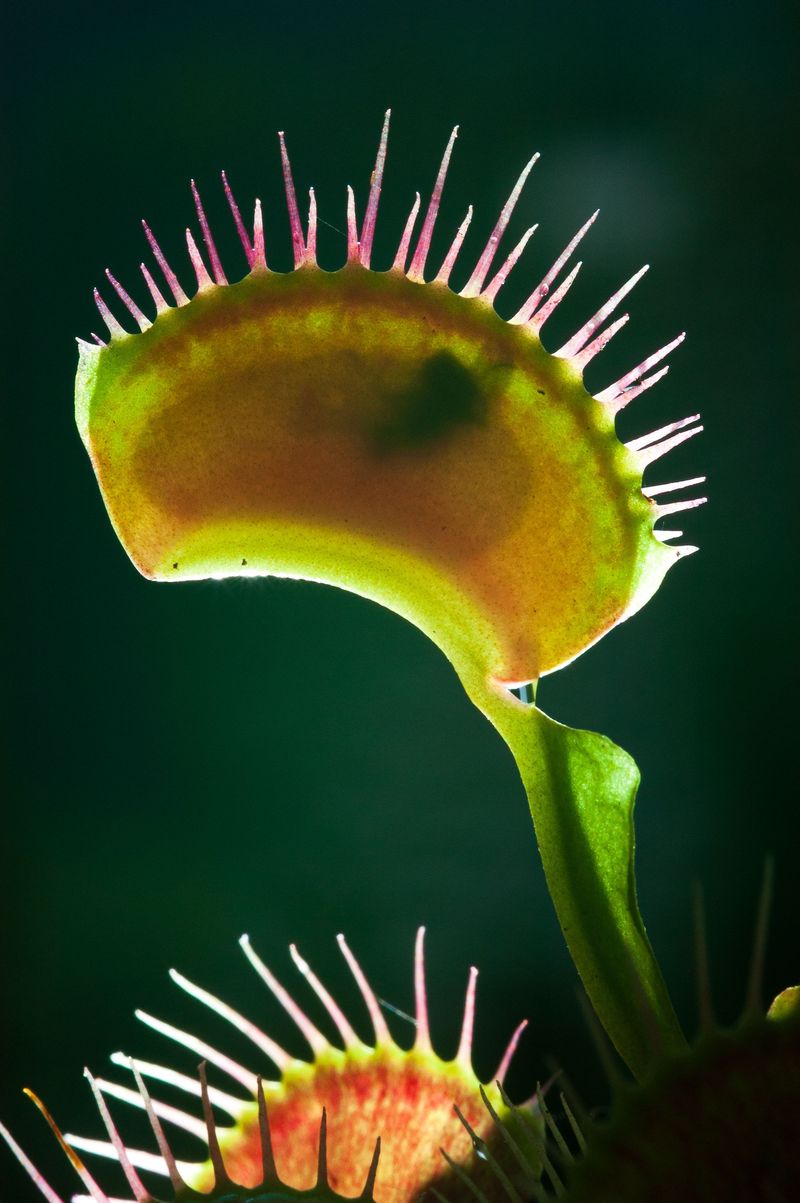
States pick official birds, flowers, and trees. North Carolina went a step further and picked a plant that eats bugs. In 2005, lawmakers named the Venus flytrap the official state carnivorous plant.
The move celebrated how closely the plant is tied to North Carolina, since nearly all of its wild range sits inside state lines. It also recognized the flytrap as a true natural treasure worth protecting.
Plenty of states have official symbols, but few can claim one found almost nowhere else on the planet. That makes the flytrap a perfect choice. It tells a story about the land, the climate, and the unusual wetlands of the coastal plain.
The flytrap also brings in nature tourism. People travel from other states and even other countries to see it growing in its native habitat. That interest supports local parks, guides, and shops, while spreading the word about protecting rare places.
Want to join the celebration? Teachers can use the flytrap to make science lessons come alive, and families can grow one together as a fun project. Kids love watching the traps work, and they learn about soil, sunlight, and ecosystems along the way.
For people in the Wilmington area, the flytrap is more than a plant. It is part of who they are, a small green symbol of home that the whole world recognizes.
Taking Wild Flytraps Is A Felony
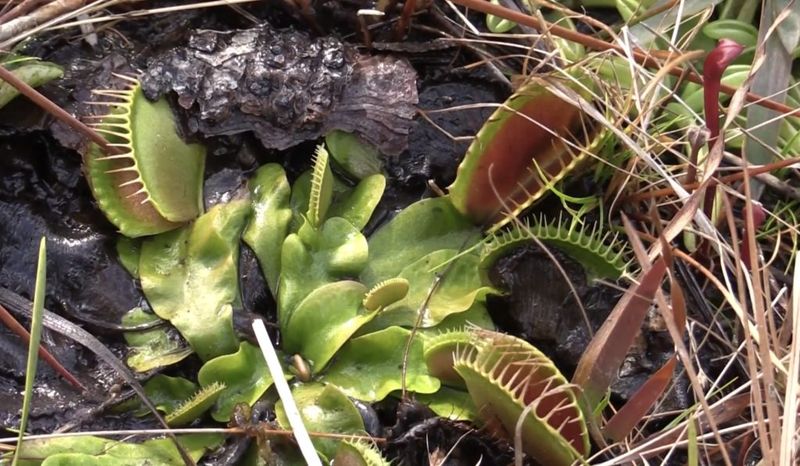
Digging up a wild flytrap might seem harmless. In North Carolina, it can land someone in serious legal trouble.
For years, poachers pulled flytraps out of the ground to sell them. Some took thousands of plants at a time, and wild populations shrank as a result. Because the plant grows in such a small area, every stolen flytrap made a real dent.
Lawmakers responded with a strong rule. Starting in 2014, North Carolina made it a felony to dig up or take Venus flytraps from the wild without permission. That puts the crime in the same class as many serious offenses, with possible fines and jail time.
Officials have caught people under this law, and courts have handed out penalties. The goal is simple: make poaching too risky to be worth it.
So what can you do to help? First, never remove a flytrap from the wild, not even one small plant. Second, buy only flytraps propagated by nurseries, which grow them from seeds or tissue culture instead of stealing them from bogs.
Shopping smart matters more than you might think. Reputable sellers often label their plants as nursery grown, and you can always ask before you buy. Skip plants with sandy roots or rough, uneven leaves that look freshly dug.
If you ever spot someone digging in a protected area, report it. Local police, park staff, or the North Carolina Wildlife Resources Commission can step in.
Protecting the remaining wild plants is essential for the species. With so few left in nature, each healthy patch helps keep the flytrap growing strong for future generations.
You Can See Them In Protected Natural Areas
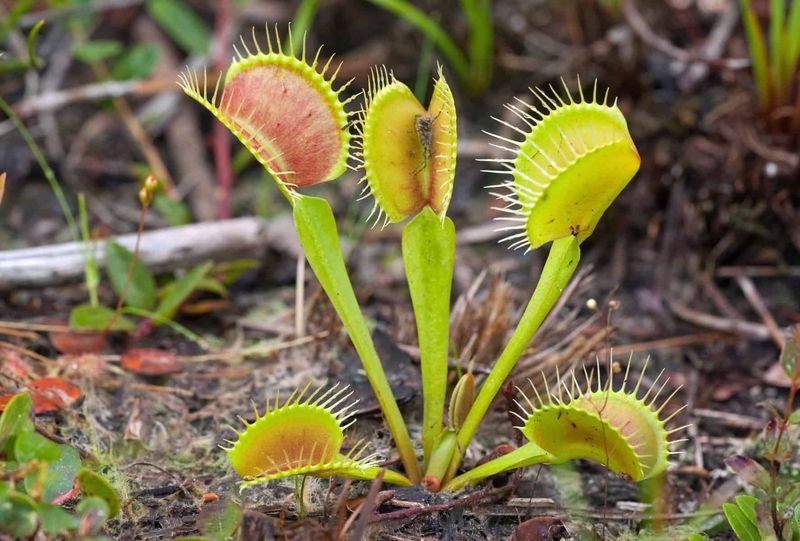
Spotting a wild flytrap feels a bit like finding hidden treasure. The traps are small, often no bigger than a fingernail, so sharp eyes help a lot. Protected areas are the best places to look.
They preserve the sunny, soggy habitat flytraps need, and they let people enjoy the plants without harming them. Rangers and staff also manage these lands with tools like prescribed burns to keep them healthy.
One favorite spot is the Flytrap Trail at Carolina Beach State Park, just south of Wilmington. This short, easy loop winds through pine savanna and past boggy pockets where flytraps grow.
Another great choice is The Nature Conservancy’s Green Swamp Preserve in Brunswick County, which protects huge stretches of savanna full of carnivorous plants.
A few simple habits make your visit better. Stay on marked trails so you do not crush tiny plants hiding in the grass. Look closely, take photos, and resist the urge to touch or trigger the traps.
Timing matters too. Late spring and summer are the best seasons, when the plants are most active and the traps glow red inside. In May and June, you may even catch the flytrap’s white flowers rising on tall stems.
Pack water, sunscreen, and bug spray, since these wet areas can get buzzing. A small magnifying glass is also handy for seeing those trigger hairs up close.
For North Carolina, these places near Wilmington offer one of the only chances in the world to see flytraps growing naturally. Plan a trip, bring curious friends, and enjoy a living wonder right where it belongs.