Things You Should Do If Coyote Shows Up In Your Texas Yard This Fall (And Things You Shouldn’t)
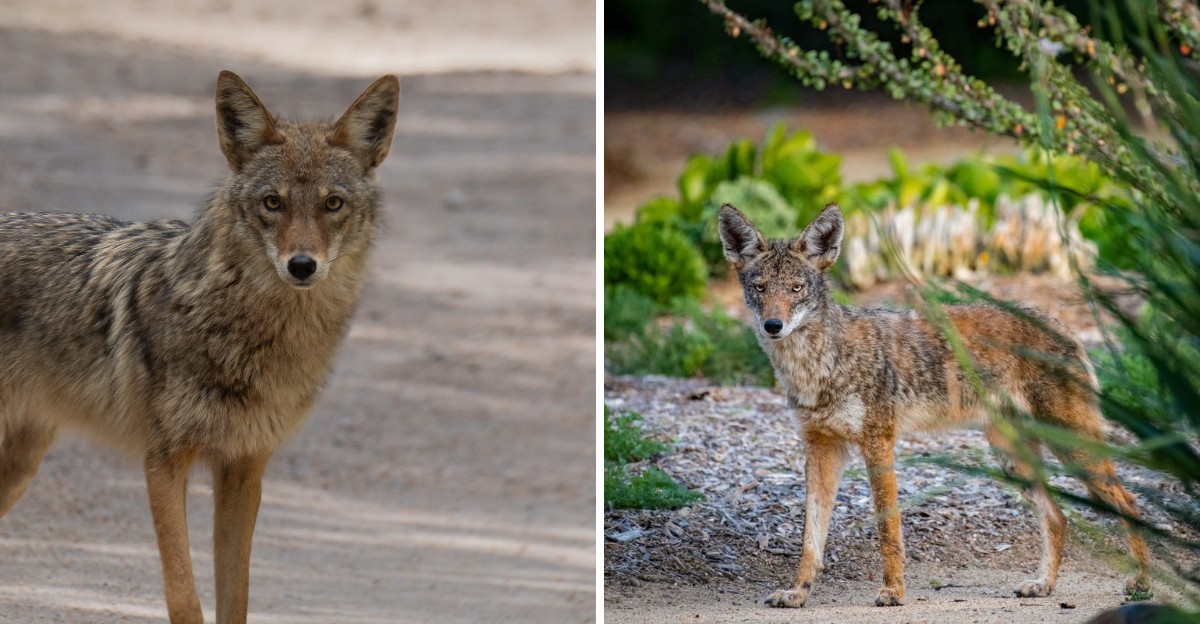
Spotting a coyote trotting across your Texas yard can stop you in your tracks. Maybe it’s standing near the fence at dusk. Maybe it pauses on the lawn and stares right back at you. In that moment, it’s hard to know what to do.
Some people freeze. Others reach for their phone to grab a video. A few even toss out food, thinking they’re helping.
Fall is a common time for these encounters. Young coyotes are leaving their families to find territory of their own, and many end up wandering through neighborhoods.
Most are simply passing through and want nothing to do with people. Still, the way you react can shape whether a coyote moves on or decides your yard is worth coming back to.
A few smart moves, and a few things to avoid, can keep your family and pets safer.
1. Scare It Away With Noise And Motion
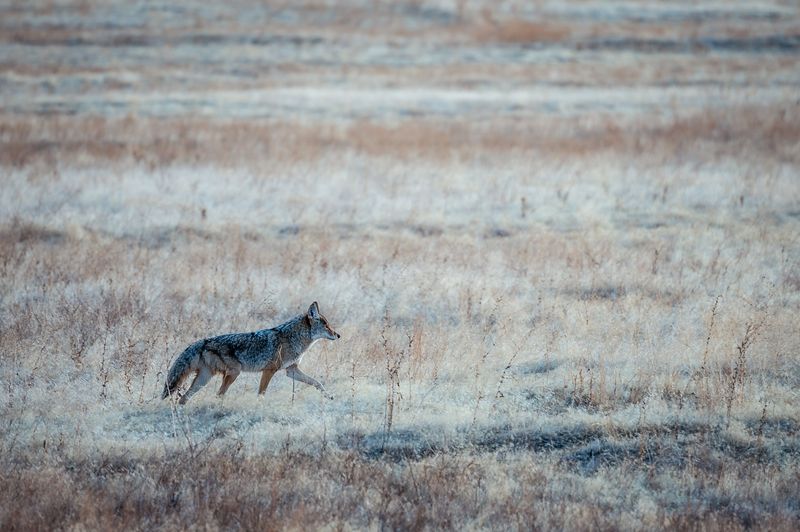
Wildlife experts have a funny name for chasing off coyotes. They call it hazing, and it works a lot like a loud, rude welcome. The goal is simple: make the coyote feel like your yard is the worst place to hang out.
When you spot one, stand tall and make yourself look as big as you can. Raise your arms over your head and wave them.
Yell in a deep, firm voice, like “Go away, coyote!” Clapping, stomping, and banging a pot with a spoon all help too.
A garden hose is another great tool. A quick spray of water surprises the animal without hurting it. Some Texas families keep a whistle, an air horn, or a shaker can near the back door.
To make a shaker can, drop a handful of pennies or pebbles into an empty soda can and tape the top shut.
Keep up the noise until the coyote leaves your yard completely. If it stops and looks back, go at it again. Giving up too soon can teach the animal that people are not really a threat.
So why bother with all this fuss? Coyotes that are hazed stay cautious around humans. That healthy fear keeps them out of yards and away from kids and pets. When coyotes lose that fear, problems start to happen.
Here is a fun fact. Coyotes are very smart and learn fast. If every neighbor on your street hazes them, the whole local pack starts to avoid the area. Teamwork really pays off.
One quick tip: never haze a coyote that seems hurt, sick, or is guarding pups. In those cases, just leave it alone and give it space.
2. Bring Your Pets Inside Before Dusk
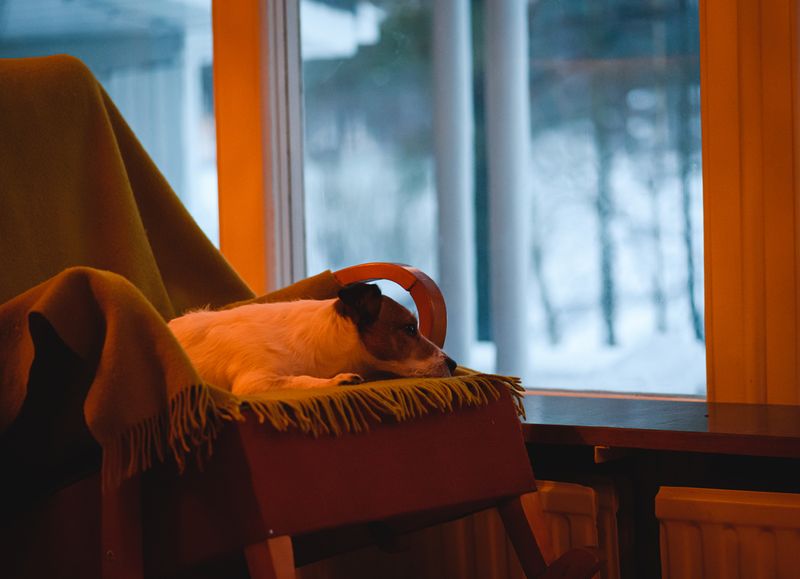
Your sweet little terrier might think it rules the backyard. To a hungry coyote, though, it looks a lot like a snack. That is a hard truth, but knowing it helps you protect the animals you love.
Coyotes are most active at dawn, at dusk, and through the night. Those quiet hours are when they hunt rabbits, mice, and other small creatures. Sadly, small dogs and outdoor cats fit right into that menu.
Your Texas Garden Changes Every Week. Your Plan Should Too.
Gardening in Texas changes quickly throughout the season. Every Friday you’ll receive a simple weekly plan showing exactly what to plant, prune, fertilize, harvest, and protect so you never miss the right timing.
The easiest fix is to keep pets indoors during those risky times. Feed them inside, let them sleep inside, and plan potty breaks for daylight when you can. If your dog needs to go out late, step outside with it and stay close.
Walks need a little extra care too. Use a short leash, about six feet or less, instead of a long retractable one. A retractable leash lets your dog wander too far ahead, and you cannot reel it in quickly if a coyote appears.
Carry a flashlight on evening walks around your Texas neighborhood. Coyotes like greenbelts, creek beds, and drainage areas, so watch those spots closely. If you see one, pick up your small dog and calmly head the other way.
Cats deserve a special mention here. Many Texans let cats roam freely, but outdoor cats face real danger from coyotes, especially in fall. A cozy indoor life with a window perch can keep a cat happy and much safer.
Bigger dogs are not totally in the clear either. A pack of coyotes may challenge a large dog that seems like a rival. Keeping every pet close is the smartest move.
3. Clean Up Every Snack In Sight
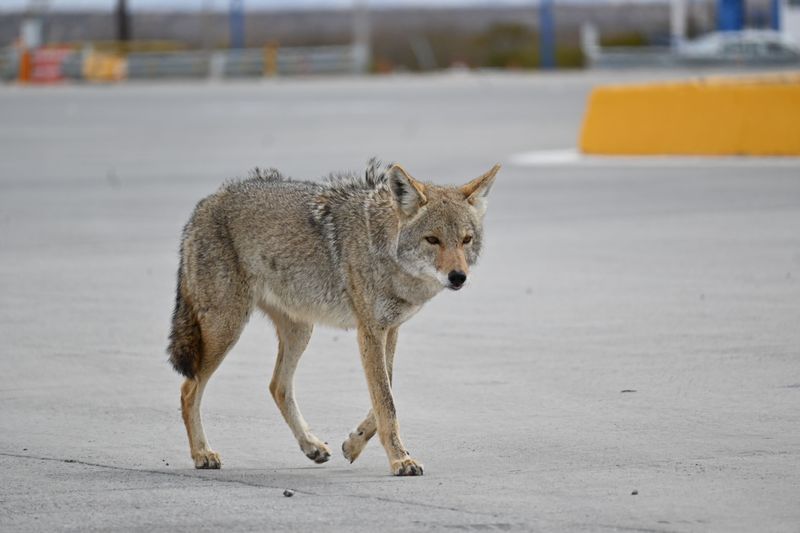
Think of your yard as a restaurant. Every bowl of pet food, pile of birdseed, or open trash can is a free menu item for wildlife. Coyotes are happy customers, and they will keep coming back if the food is good.
Start with the obvious stuff. Bring pet food and water bowls inside, especially at night. Even crumbs left in a dish can draw a curious nose.
Bird feeders are sneaky trouble. Seeds spill onto the ground and attract mice, rats, and squirrels.
Coyotes love to hunt those rodents, so a messy feeder can turn your lawn into their favorite hunting ground. Use a tray under the feeder and sweep up spills often.
Fall in Texas also brings falling fruit and nuts. Pecans, persimmons, and figs drop all over yards this time of year. Coyotes will eat fruit, so rake it up and toss it in a sealed bin.
Trash cans should have tight, locking lids. Store them in a garage or shed until pickup day if possible. Take the bags out the morning of collection instead of the night before.
Compost piles need care too. Avoid adding meat, bones, or dairy, and use a closed compost bin instead of an open heap.
Why does fall matter so much? Young coyotes born in spring are now heading out to find their own territory. They are inexperienced, hungry, and searching for easy meals. A clean yard tells them to keep moving.
Also check under decks and sheds. Thick brush and open crawl spaces make tempting hiding spots, so trim plants and block gaps.
4. Lock Up Chickens And Small Critters
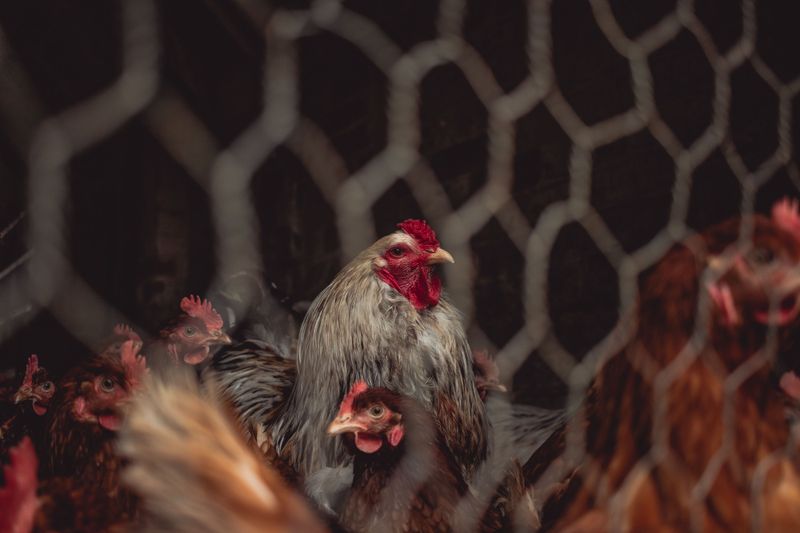
Ask any Texas farmer who has lost hens overnight, and you will hear the same advice. Chicken wire keeps chickens in, but it does not keep coyotes out. That one lesson can save your whole flock.
Backyard chickens are booming in popularity across Texas. So are pet rabbits, ducks, and guinea pigs. Unfortunately, all of them look like an easy dinner to a coyote on the prowl.
The fix starts with a strong coop or pen. Build it from solid wood or metal, and cover openings with hardware cloth.
Hardware cloth is a tough welded mesh with small holes, usually half an inch wide. Coyotes can tear through flimsy chicken wire in seconds, but hardware cloth holds strong.
Coyotes are also expert diggers. To stop them, bury the mesh about 12 inches into the ground around the coop.
Another trick is to lay an apron of hardware cloth flat on the ground, stretching out two feet from the walls. When a coyote tries to dig, it hits the wire and gives up.
Every evening, herd your animals inside and latch the door. Use a lock that needs two steps to open, like a carabiner clip on a sliding bolt. Clever paws can open simple hooks.
An automatic coop door can be a lifesaver for busy families. It closes at sunset on its own, even if you forget.
Motion-activated lights near the pen add another layer of defense. Sudden bright light startles nighttime visitors.
Finally, check the coop weekly for gaps, loose boards, or fresh digging. Small fixes now prevent big heartbreak later.
5. Never Hand Out Free Meals
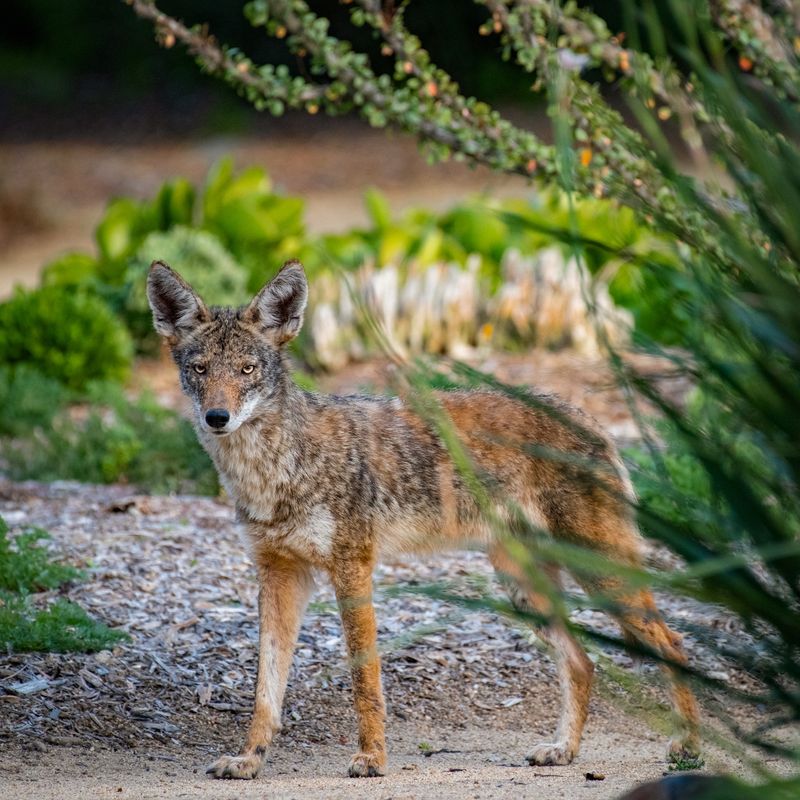
It might feel kind to toss leftover hot dogs to a skinny coyote. Wildlife officers will tell you it is one of the worst things you can do. A fed coyote is often a problem coyote.
Here is the reason. When people feed coyotes, the animals start linking humans with food. They lose their natural shyness and grow bold. Soon they may walk right up to porches, follow joggers, or snap at kids holding snacks.
Most coyote attacks on people in North America involve animals that were fed by humans. That fact alone shows how serious the habit can be.
Feeding does not always happen on purpose. Leaving cat food on the porch counts. So does tossing scraps into the yard for stray animals or leaving barbecue leftovers on a picnic table. Even piles of corn put out for deer can lure coyotes in.
Many Texas cities have rules about this. Places like Austin, Dallas, and parts of the Houston area discourage or ban feeding wildlife. Some even hand out fines. Check your city website to learn the local rules.
Talk to your neighbors too. One person feeding coyotes can create trouble for the whole block. A friendly chat or a note in a neighborhood group can stop the problem early.
Remember that wild animals are great at feeding themselves. Coyotes eat mice, rabbits, insects, berries, and much more.
They do not need our help, and they truly do better without it. Keeping wildlife wild is the kindest choice for everyone, coyotes included.
6. Hold Your Ground Instead Of Running
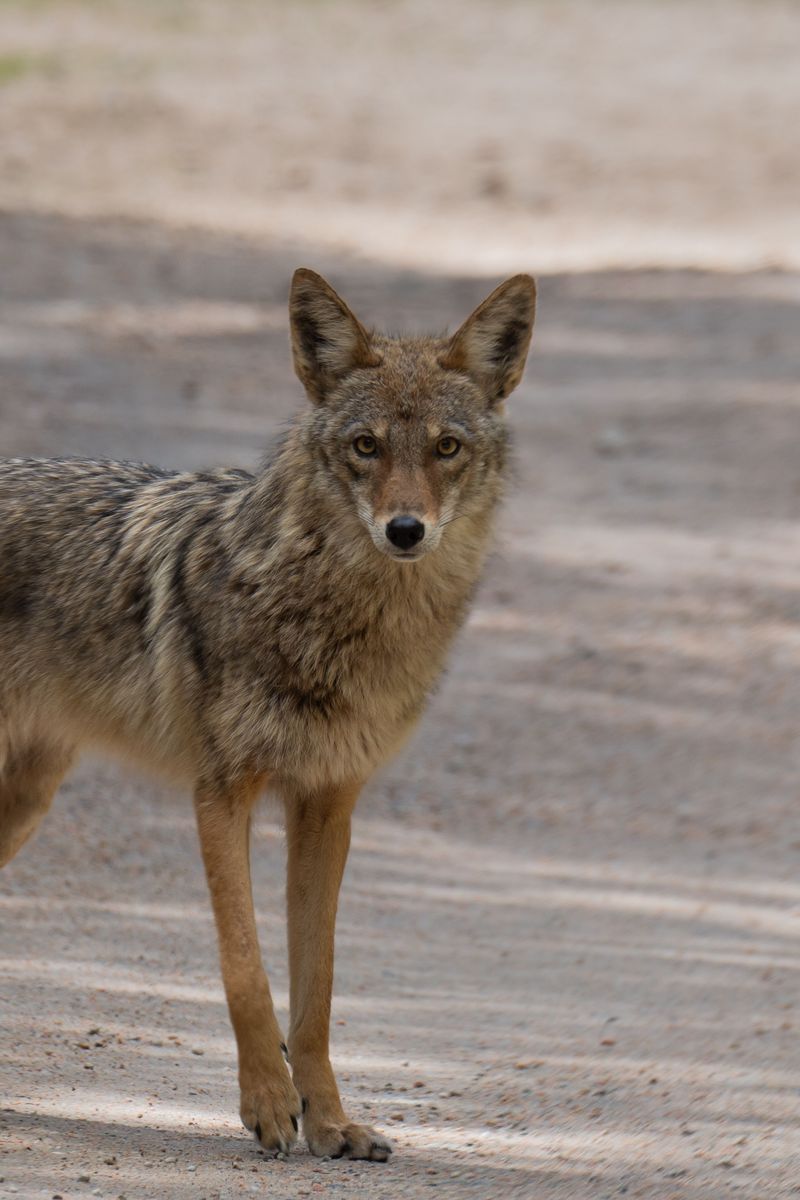
Your heart pounds, and every part of you wants to sprint for the house. Fight that urge. Running is exactly what you should not do when a coyote is nearby.
Coyotes are hunters, and hunters chase things that run. Fleeing can switch on that chase instinct, just like a rabbit dashing across a field. Plus, coyotes can run up to 40 miles per hour, so you would never win that race anyway.
Instead, stop and face the animal. Keep your eyes on it. Then stand tall, raise your arms, and use a loud, strong voice.
Next, back away slowly. Keep making noise as you go. Move toward your house, your car, or a group of people if you can.
Kids especially need to learn this rule. Practice it at home like a fire drill. Teach them to stop, stand big, yell, and walk backward without turning around. Making it a game helps the steps stick.
If you have something in your hands, use it. Waving a jacket, an umbrella, or a stick makes you look even larger. Tossing a small object toward the ground near the coyote can also send it running, though never aim to hurt it.
Most of the time, the coyote will turn and trot away within seconds. They truly prefer to avoid people.
A calm reaction protects you and reminds the coyote that humans are not prey. Staying steady may feel strange at first. With a little practice, though, it becomes second nature for the whole family.
7. Skip Leaving Pets Out Unsupervised
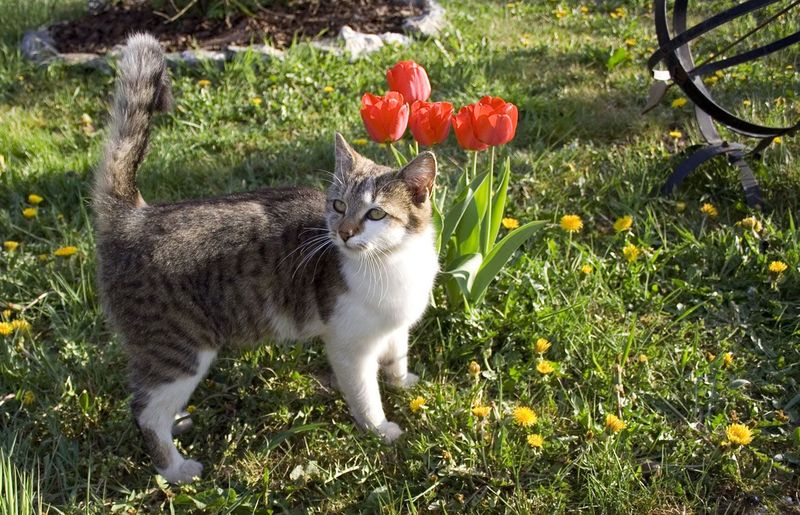
“But my yard has a fence.” Animal control officers in Texas hear that line all the time. Sadly, a fence is not the safety net many pet owners think it is.
Coyotes are amazing athletes. They can leap over a six-foot fence with ease and climb chain-link like a ladder. If jumping does not work, they simply dig underneath.
That means a small dog or cat left alone outside is never fully protected. Many pet attacks happen in fenced backyards, sometimes just a few steps from the back door. It can take only seconds.
The overnight hours are the riskiest of all. Leaving pets out after dark gives coyotes long, quiet stretches to hunt. Bring every pet inside before you head to bed.
Want to make your fence stronger? Coyote rollers are a smart upgrade. They are spinning bars that attach to the top of a fence, so a coyote cannot grip the top and pull itself over. Adding an L-shaped wire footer at the bottom helps stop diggers.
Doggy doors are another weak spot. Pets can wander out at night without you knowing. Lock the pet door after sunset, or choose a model that only opens for a special collar tag.
Some owners like special protective vests for small dogs. These vests have spikes or whiskers that make a coyote think twice. They are helpful, but they work best alongside close supervision.
At the end of the day, your presence is the best protection. Stand outside with your pet, keep a light on, and enjoy those quick trips together.
8. Give It Room And Call The Pros
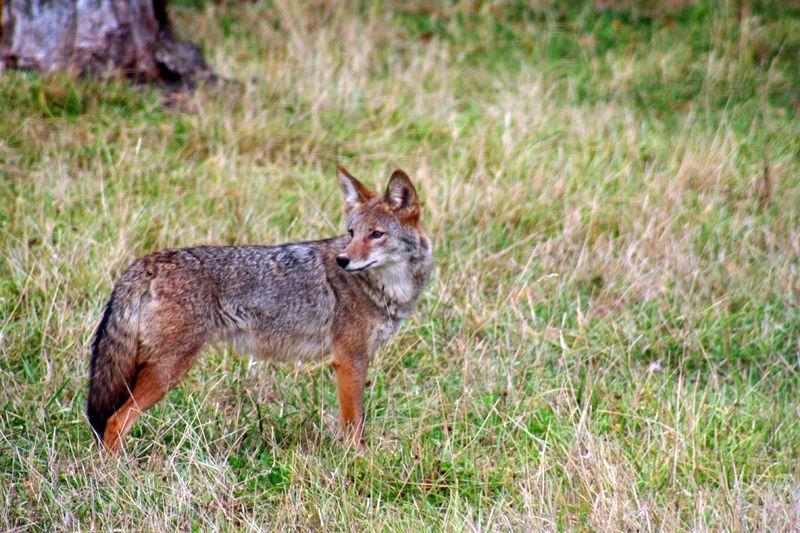
Curiosity is natural. Getting closer for a better photo or trying to shoo a coyote out of a corner might seem harmless. It is not, and it can turn a calm moment into a dangerous one.
Wild animals that feel trapped will defend themselves. A cornered coyote may growl, snap, or bite. Never try to touch, chase into a tight space, or catch one yourself.
Always leave the coyote a clear path out. Open a gate if you can do it safely, and step away from any exits. Most coyotes will gladly take the escape route and disappear.
Trapping is also a bad idea for regular homeowners. Texas has rules about trapping wildlife, and moving a coyote rarely solves anything. Another one usually moves into the empty territory soon after.
So when should you get help? Call if a coyote acts aggressive, like growling, lunging, or following people.
Call if it seems sick, with patchy fur, stumbling, or strange behavior in daylight. Also reach out if one keeps coming back even after lots of hazing.
Your local animal control office is a great first call. Texas Parks and Wildlife also offers advice and can connect you with wildlife specialists. Many Texas cities even have online forms for reporting coyote sightings.
When you report, share helpful details. Note the time, location, and what the coyote was doing. Snap a photo from a safe distance if possible.
Those reports help experts track coyote activity across neighborhoods. With smart choices and a little help from the pros, Texans and coyotes can share the land peacefully.