Get Your Michigan Roses Ready For Winter With These 7 Simple Steps
Michigan winters test roses harder than any other garden plant. Cold, wind, and freeze-thaw cycles all take a toll. The good news is that a few small steps make a big difference.
Preparation starts well before the ground freezes. Some tasks help the plant slow down naturally, while others protect the crown and canes once the cold arrives. Timing matters, because acting too early can encourage tender growth.
Acting too late makes the work harder. Many gardeners prune heavily in fall, though that often does more harm than good. Seven simple steps cover everything from watering to mulching.
Follow them in order, and your roses have a far better chance of waking up healthy when spring returns.
1. Stop Deadheading So Roses Can Prepare For Winter
Sometimes the best thing a gardener can do is put the pruners down. Before October wraps up, your roses need one simple gift from you: a break from deadheading. It sounds too easy, but it makes a real difference.
All summer long, snipping off faded flowers tells a rose to keep working. The plant responds by pushing out fresh shoots and new buds, hoping to make seeds.
When you let the last flowers fade on the stem, the rose finally gets the message that its job is done for the year.
Those spent blooms slowly swell into seed pods called hips. Once hips start forming, the plant shifts gears. It slows its growth and begins hardening its canes, which means the stems turn tougher and woodier so they can handle freezing weather.
Timing matters here. Plan to stop cutting off spent blooms by early fall, usually around late August or early September in most of Michigan. After that, simply let nature take over and allow the hips to develop right on the plant.
Here is the fun part. Many roses produce hips in cheerful shades of red, orange, or even deep purple. They add a pop of color to a gray winter garden, and birds like cardinals and cedar waxwings will happily snack on them when food runs low.
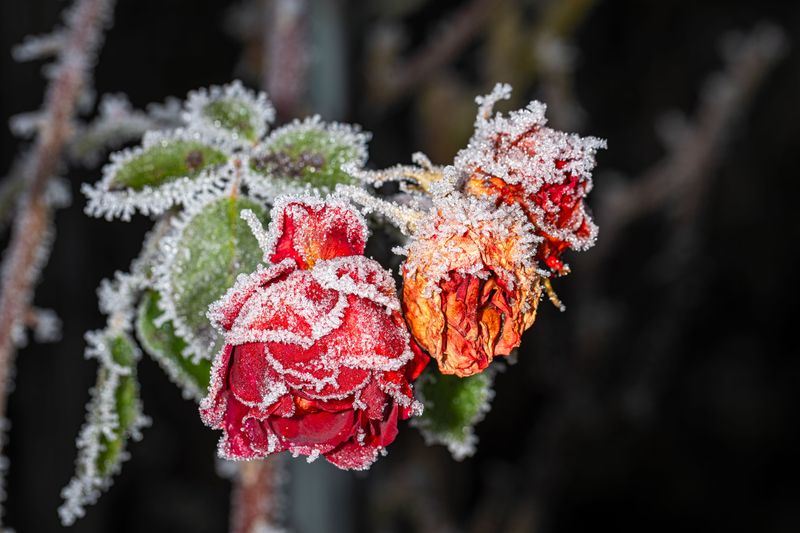
So why is this step such a big deal in Michigan? Early hard freezes can arrive with little warning, sometimes in October.
Soft new growth from late deadheading has no chance against that kind of cold, and it gets damaged quickly. Letting your roses slow down on their own helps them head into winter strong and ready.
2. Hold Off On Fertilizer
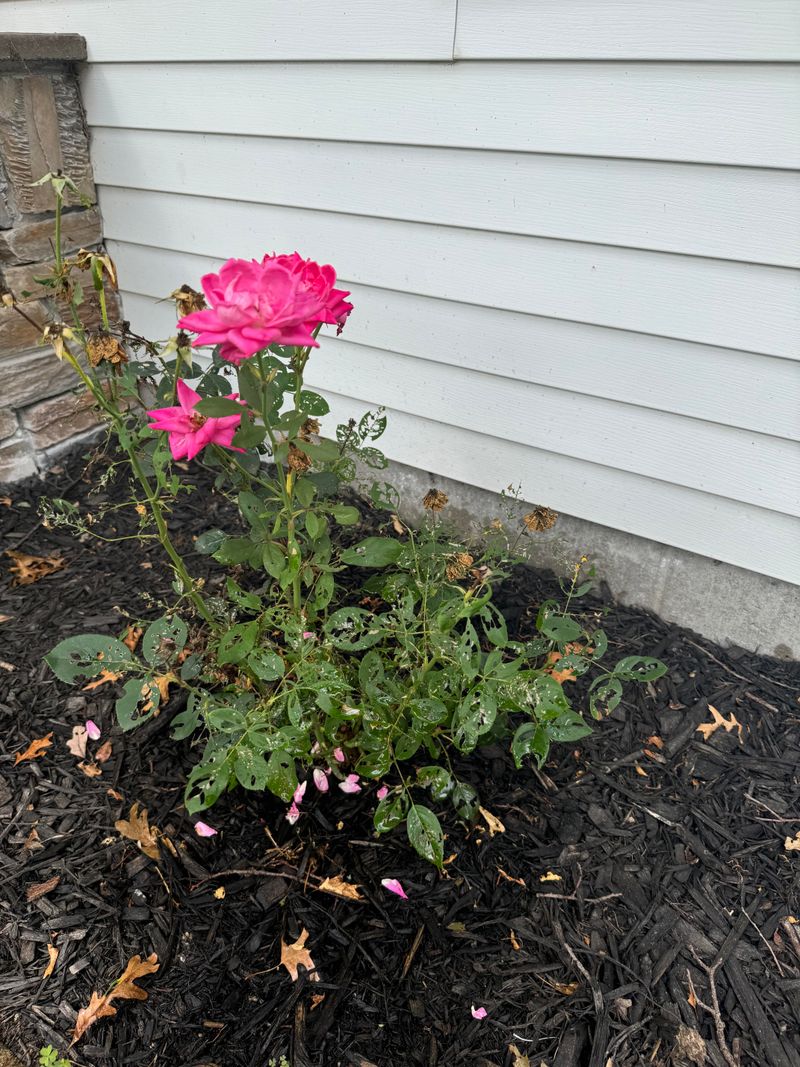
Feeding your roses feels like an act of love. Yet in the fall, that extra meal can actually work against them. Think of it like giving a kid a sugary snack right before bedtime.
Most fertilizers contain nitrogen, which is the nutrient that tells plants to grow leafy green shoots. In spring and early summer, that is exactly what you want.
Late in the year, though, nitrogen pushes out soft, tender stems that simply cannot toughen up before cold weather hits.
That fresh growth becomes the weak link once temperatures drop. It is usually the first part of the plant to suffer winter damage, turning brown or black by spring. Worse, the rose wastes energy on those shoots instead of storing it in its roots and canes.
Your Michigan Garden Changes Every Week. Your Plan Should Too.
Gardening in Michigan changes quickly throughout the season. Every Friday you’ll receive a simple weekly plan showing exactly what to plant, prune, fertilize, harvest, and protect so you never miss the right timing.
The fix is simple. Make your last fertilizer application by about midsummer, which for most Michigan gardeners means mid-July. After that, skip feeding completely through fall and winter, even if your roses look a little tired.
Once spring rolls around and you see new leaves unfolding, you can start feeding again. At that point, the danger of frost damage is fading, and your roses will be hungry for nutrients to fuel a season of blooms.
A balanced rose fertilizer or compost works nicely as a fresh start. Michigan gardeners have a special reason to follow this rule.
Our roses need every possible week to harden off before the long freeze sets in. A late dose of fertilizer can quietly undo all that preparation, leaving plants soft and exposed right when they need to be tough.
3. Clean Up Fallen Leaves To Reduce Disease
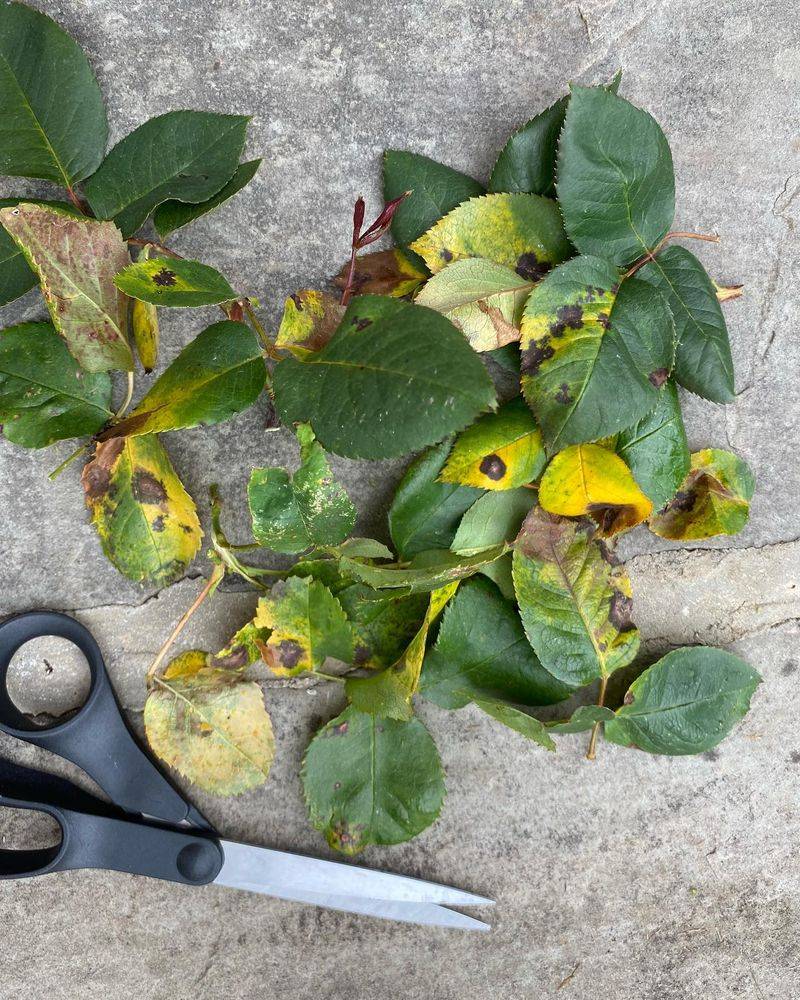
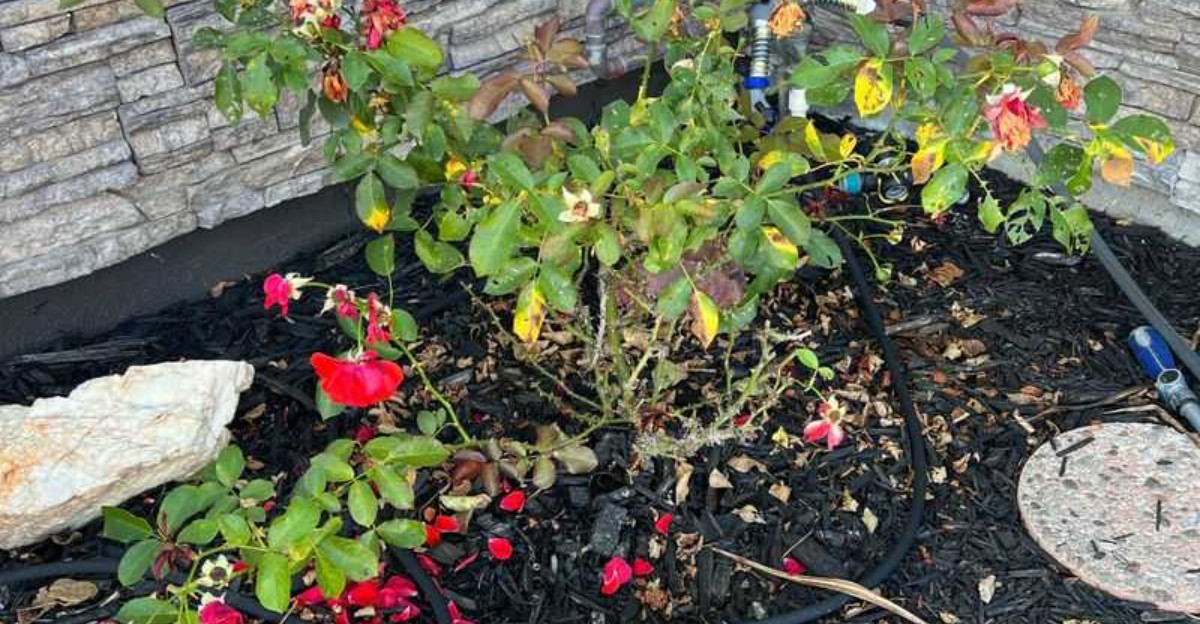
Black spot is the uninvited guest that loves to crash rose gardens. If you have ever seen leaves with dark, fuzzy-edged spots that turn yellow and drop, you have met this common fungal disease. The sneaky part is how it hangs around all winter.
The fungus survives the cold months hiding on infected fallen leaves and canes. When spring rain arrives, water splashes the spores back up onto fresh new leaves. Before you know it, the cycle starts all over again.
Breaking that cycle starts with a rake. Gather up all the fallen rose leaves around your plants and remove them from the garden. Then take a close look at the bush itself and pick off any spotted leaves still clinging to the stems.
Where you put that material matters a lot. Bag diseased leaves and toss them in the trash instead of your compost pile. Most home compost bins do not get hot enough to destroy the fungus, so tossing them there just saves the problem for later.
Keep the area under your roses tidy through the winter, too. A quick check after windy days can catch stray leaves that blow back in. A clean bed gives spring growth a much healthier start.
For Michigan gardeners, this chore pays off in a big way. Our humid summers and wet springs create the perfect conditions for black spot to spread.
A little cleanup in the fall means fewer spotted leaves next year and more energy for those gorgeous blooms you have been waiting for.
4. Water Deeply Before The Ground Freezes
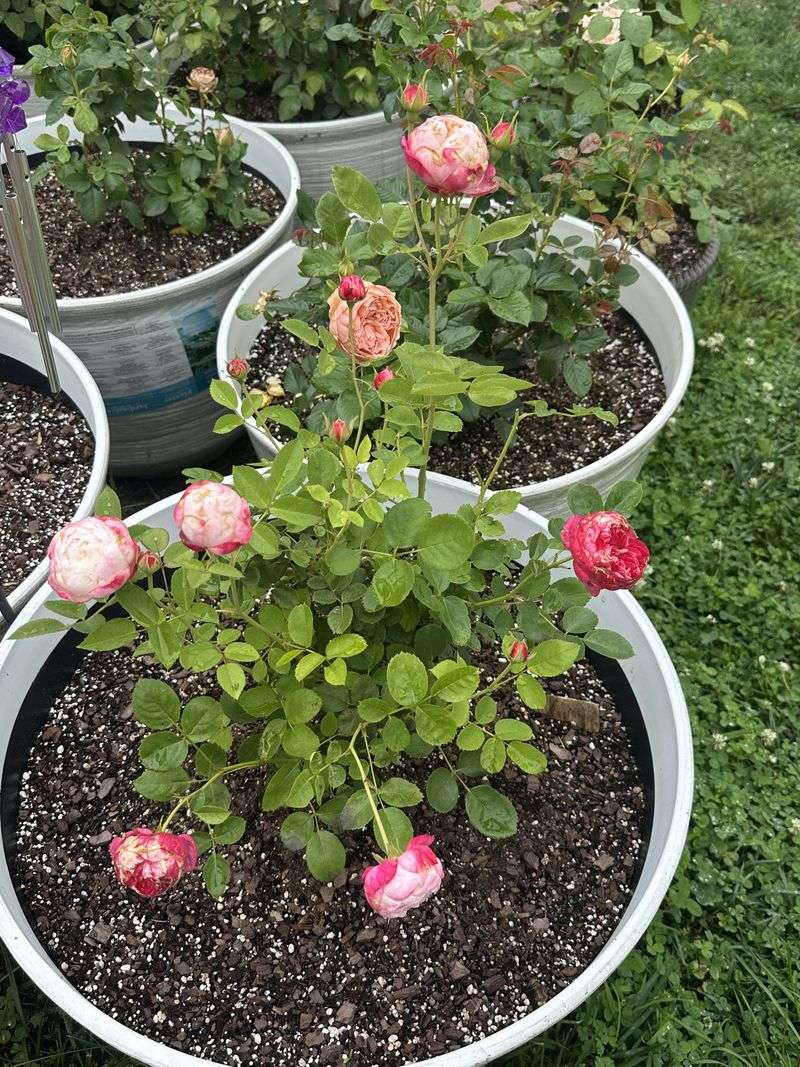
Cold is not the only thing that troubles roses in winter. Dry air and harsh winds can pull moisture right out of the canes, leaving them brittle and damaged. A well-watered rose is simply better equipped to handle whatever winter throws at it.
Think of water as a protective cushion. Roses that go into winter fully hydrated can handle cold snaps and drying winds much more easily. When roots and canes are thirsty, they are far more likely to crack, shrivel, or suffer winter injury.
Many people put the hose away once summer ends. That can be a mistake, especially during a dry fall. Rain often slows down in autumn, and the soil can become surprisingly parched even when the air feels cool.
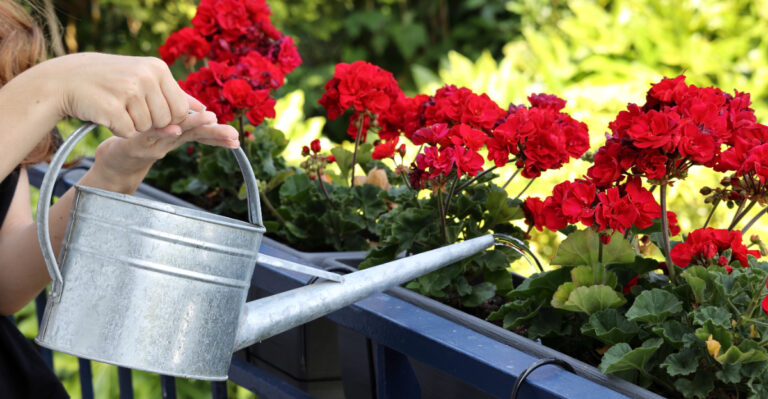
Aim to water your roses deeply about once a week during dry stretches. Let the water soak slowly into the root zone, which is the area of soil right around the base of the plant.
A soaker hose or a gently running garden hose works far better than a quick sprinkle, which only wets the surface.
A handy trick is to poke your finger a few inches into the soil. If it feels dry, it is time to water. Keep up this routine until the ground starts to freeze, usually around late November in much of the state.
Michigan falls can be sneaky. Warm, sunny weeks with little rain are common, and they leave roses stressed right before a long, cold season. Giving them a good drink now helps them stay strong until spring returns.
5. Save Heavy Pruning For Spring
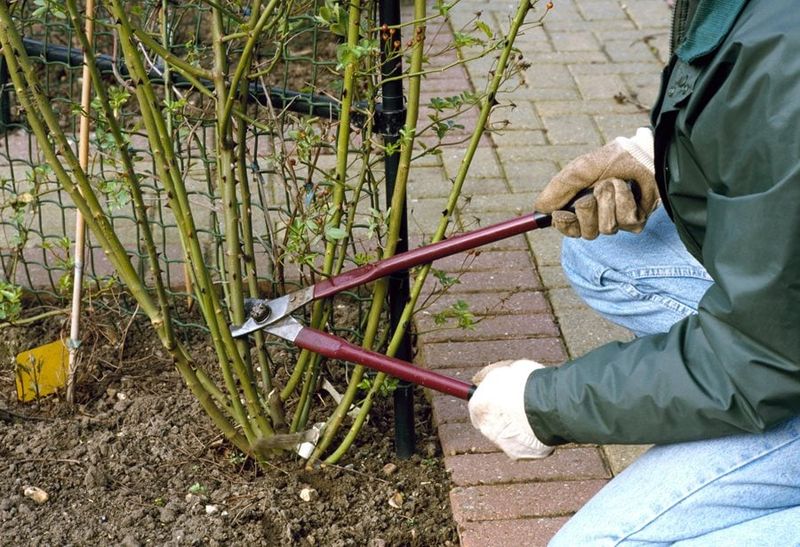
It is tempting to grab the pruners and give your roses a big haircut in the fall. The garden looks messy, and a neat trim feels satisfying. Hold that thought, though, because spring is the smarter time for serious cutting.
Heavy fall pruning can wake roses up at the wrong moment. Fresh cuts may trigger new growth that has no time to harden, and open wounds sit exposed to freezing temperatures.
On top of that, canes often suffer some winter damage at the tips no matter what you do. Waiting until spring solves that problem.
By then, you can clearly see which parts survived and which turned brown or black. Cutting back to healthy green wood becomes easy and accurate.
That does not mean you should ignore your roses completely in fall. Go ahead and remove any canes that are broken, diseased, or already brown and lifeless. These can harbor pests and disease, so clearing them out is a good idea.
Tall canes on shrub roses and hybrid teas deserve a little attention, too. If strong winds could whip them around and loosen the roots, shorten them slightly. Just trim enough to keep them steady, not a full cutback.
Save the main pruning job for spring, when the buds along the canes begin to swell. In Michigan, that usually happens in April.
Winter here often leaves canes damaged in ways you cannot predict, so a patient approach lets you clean things up properly and set your roses up for a beautiful season.
6. Protect Grafted Roses After The Ground Cools
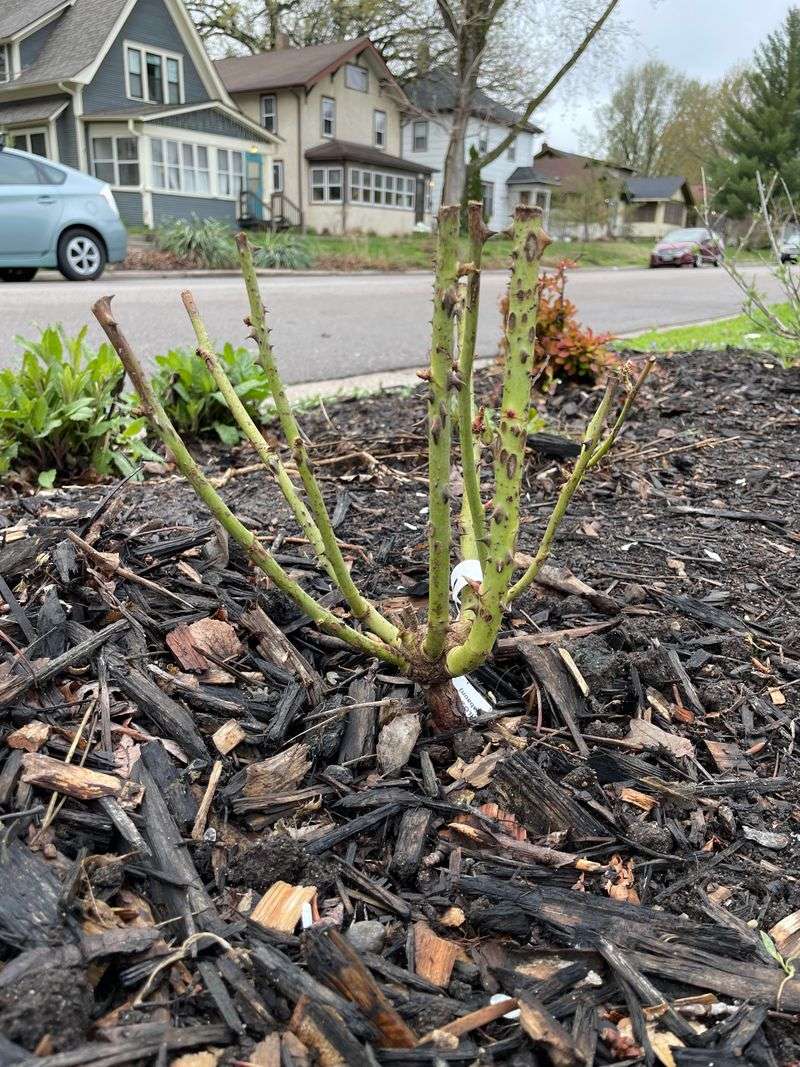
Every grafted rose has a soft spot, and knowing where it is can save your plant. Many hybrid tea, floribunda, and grandiflora roses are actually two plants joined together.
The top variety is attached to a sturdy rootstock, creating a knobby bump near the soil called the bud union.
That bud union is the most cold-sensitive part of the rose. If it freezes badly, the fancy variety you picked out may not come back. Sometimes only the rootstock survives, sending up canes with plain flowers that look nothing like the original.
Protecting the graft is the goal. Wait until after several hard freezes, which usually happens in November across Michigan. Covering too early can trap warmth and invite rot or rodents looking for a cozy home.
Once the timing is right, mound about 8 to 12 inches of soil or compost over the base of each rose. Bring that material in from another part of the yard instead of scraping it from around the plant, since digging near the roots can expose them.
For extra insulation, you can add shredded leaves or straw on top. Spring calls for a gentle touch.
As the weather warms, gradually remove the mound over a couple of weeks rather than all at once. That slow reveal helps protect the rose from a sudden late cold snap.
Michigan winters can swing from mild to brutal in a single week. Without protection, grafted roses often struggle to make it through. A simple mound of soil acts like a warm blanket, keeping that precious bud union safe until spring.
7. Cold-Hardy Roses Need Less Fuss

Wouldn’t it be nice if your roses could handle winter mostly on their own? With the right varieties, they nearly can. Cold-hardy roses take a lot of the worry out of Michigan gardening.
Shrub roses and roses grown on their own roots are much tougher than tender grafted types.
Popular choices include many Canadian Explorer roses, such as John Cabot and William Baffin, along with Easy Elegance and Knock Out varieties. These plants were bred or selected to shrug off harsh cold.
Here is the real bonus. If an own-root rose loses some canes over winter, it can regrow from its roots, and the new growth will be the same variety you planted. There is no rootstock surprise, just the same flowers coming back.
Hardy roses still appreciate some fall attention. Give them the same basics as any other rose, including no late feeding, a good cleanup of fallen leaves, and deep watering during dry weather. Those simple habits keep them healthy and strong.
What you can usually skip is the heavy mounding. Most hardy shrub roses do just fine without a big pile of soil at their base. That saves time, effort, and a lot of hauling in November.
If you have a rose that struggles every single winter, consider swapping it out. Replacing a fussy plant with a hardier variety can turn a yearly headache into a reliable show.
Across Michigan, from the southern Lower Peninsula to colder northern areas, tough roses keep blooming year after year with far less fuss.