Last Year’s Amaryllis Bulb May Need A Rest To Bloom Again In Georgia
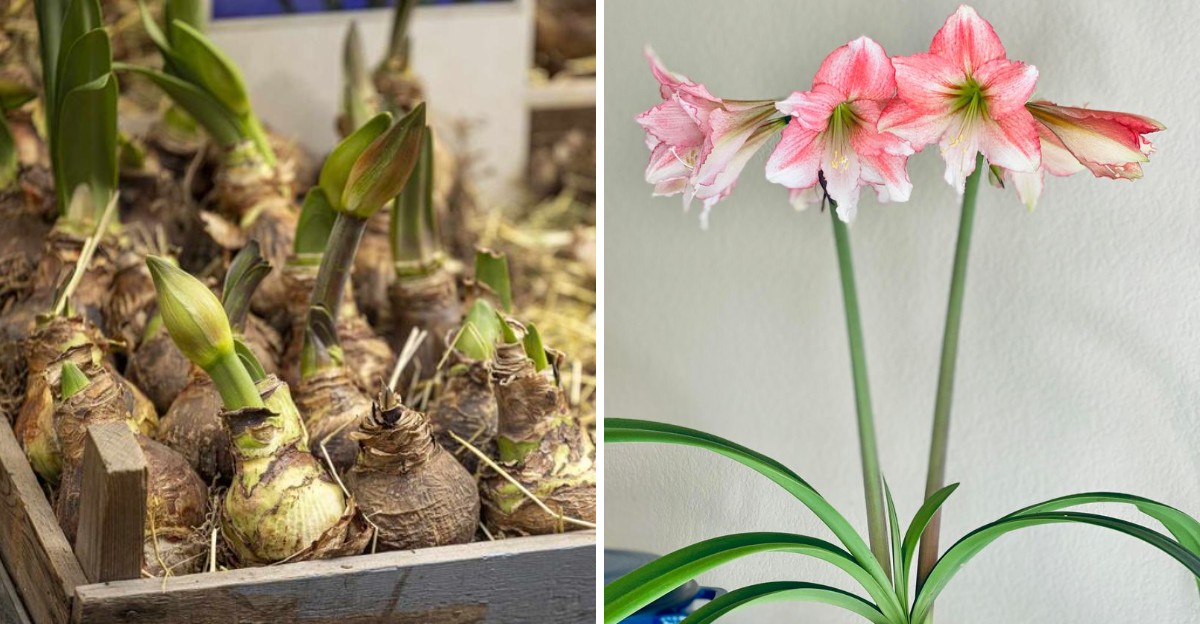
Your amaryllis produced gorgeous flowers last year, so why is the same bulb showing nothing but leaves this time around?
A healthy bulb can bloom again, but it needs enough time to rebuild its energy after flowering. Cutting back green leaves too early can interfere with that process.
Resting periods also matter, particularly when you want flowers to appear around the holidays.
For indoor amaryllis grown in Georgia, gardeners can encourage a dormant period by gradually reducing watering after the bulb has completed its active growth.
Don’t rush to discard a bulb simply because it missed its expected flowering season. Healthy foliage may mean it is still storing energy for another bloom.
With proper care and patience, last year’s bulb can reward you with another impressive display.
1. A Bulb Full Of Leaves But No Flowers May Be Asking For A Break
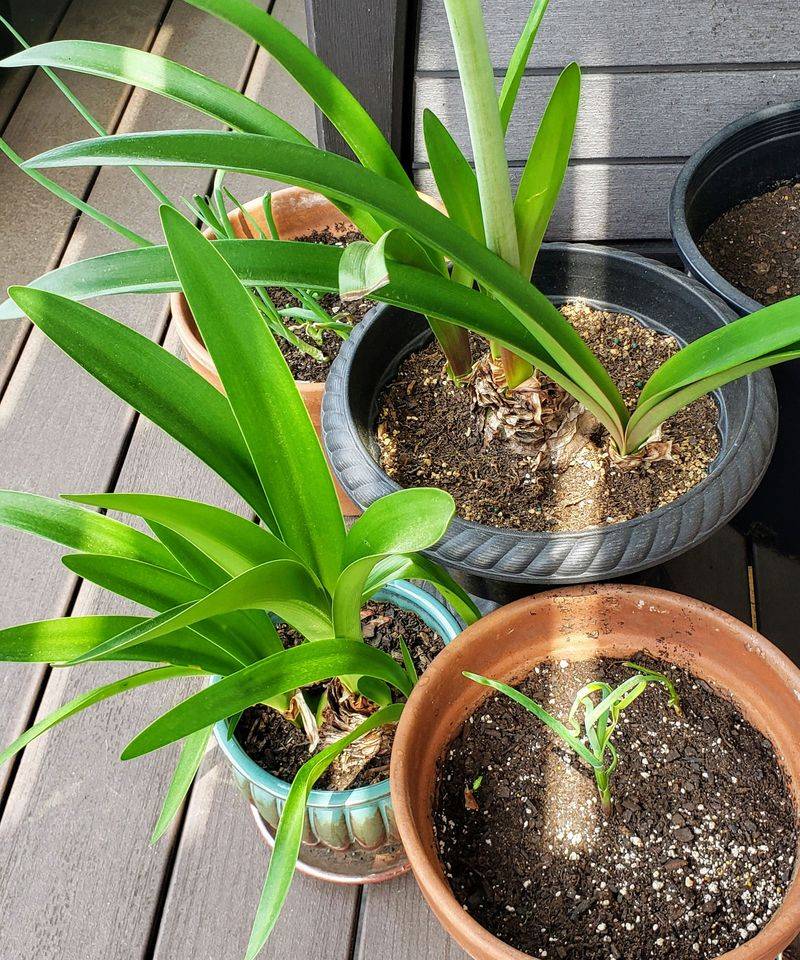
Green leaves without a single flower stalk can feel like a letdown. You watered, you fed, and the plant looks healthy, yet nothing showed up to bloom.
A missing rest period is one possible reason, though it is not the only one.
Amaryllis bulbs, sold as amaryllis but botanically Hippeastrum, usually flower after a slower stretch. Kept warm and wet all year, some bulbs just keep pushing out leaves.
Other causes deserve a quick look before you blame the schedule. A bulb that is small or soft may not have stored enough energy, and too little summer sun can leave it weak.
Crowding can play a part too, especially when a pot is packed with small offset bulbs.
So start by checking the bulb itself. A firm bulb about the size of a fist or larger is a good sign, while a shriveled one may need another full growing season first.
Here in Georgia, amaryllis kept indoors near a heater may stay in growth mode longer than expected. Warm rooms and steady watering can make the plant act like spring never ends.
If the bulb feels solid and got decent light last summer, a planned rest is a reasonable next step. Expect some variation, since bulbs differ and even good care does not promise flowers every year.
Patience matters here more than any special product.
2. Summer Leaf Growth Builds The Energy For Next Year’s Flowers
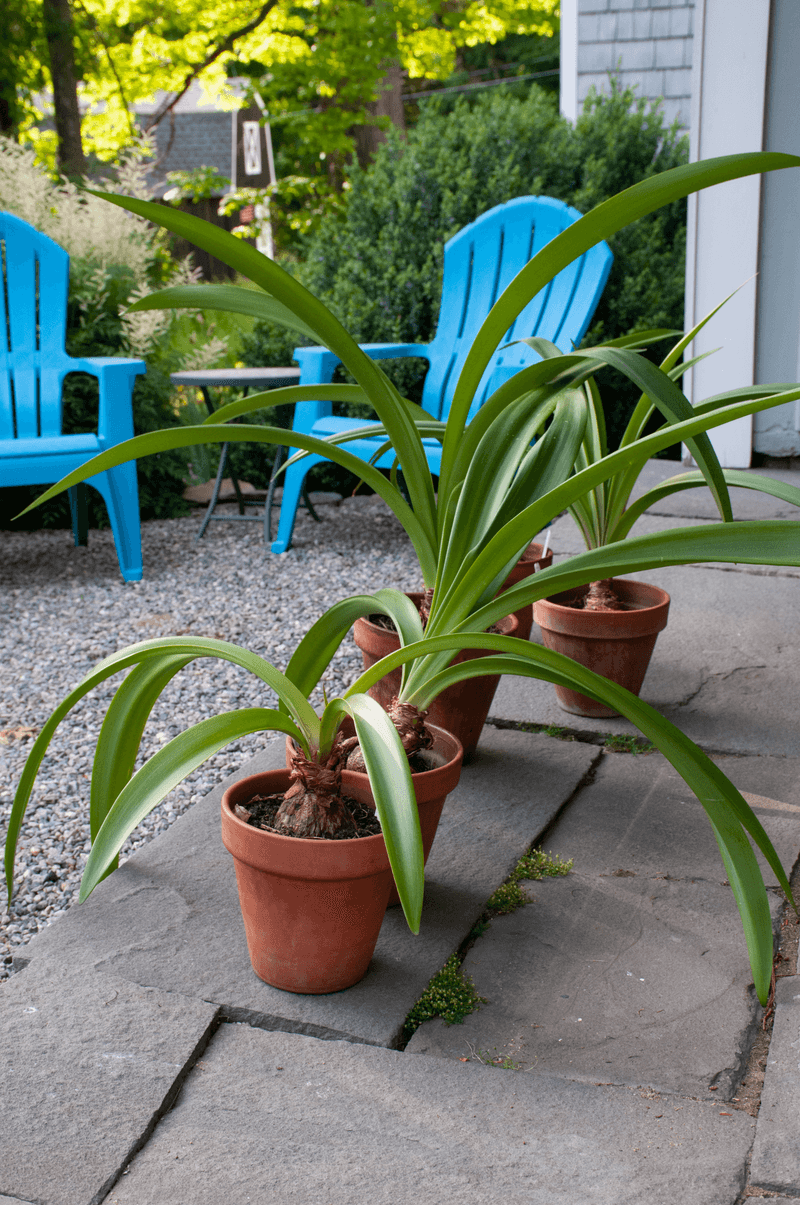
Leaves are the real engine behind next winter’s bloom. Each one gathers sunlight and helps the bulb store food for the flower buds forming inside.
After the flowers fade, cut off the old stalk an inch or two above the bulb, but leave every leaf in place.
Once frost danger passes in spring, many growers move potted bulbs outside. A spot with morning sun and some afternoon shade often works well in hot Georgia summers.
Full blazing sun in the middle of the day can scorch tender leaves, so ease the plant outdoors over about a week.
Water when the top inch or so of soil feels dry. Soggy soil can lead to bulb rot, so a pot with drainage holes is a must.
Your Georgia Garden Changes Every Week. Your Plan Should Too.
Gardening in Georgia changes quickly throughout the season. Every Friday you’ll receive a simple weekly plan showing exactly what to plant, prune, fertilize, harvest, and protect so you never miss the right timing.
Feeding helps during this season. A balanced fertilizer used at label rates every few weeks supports steady growth, but more is not better and can burn roots.
Keep an eye out for pests like mealybugs or the red blotch disease that sometimes shows up as reddish streaks on leaves.
Healthy, upright leaves through summer usually mean the bulb is filling up. A plant with only a few weak leaves may need another season before it has enough stored energy to flower again.
3. Holding Back Water In Late Summer Signals The Bulb To Rest
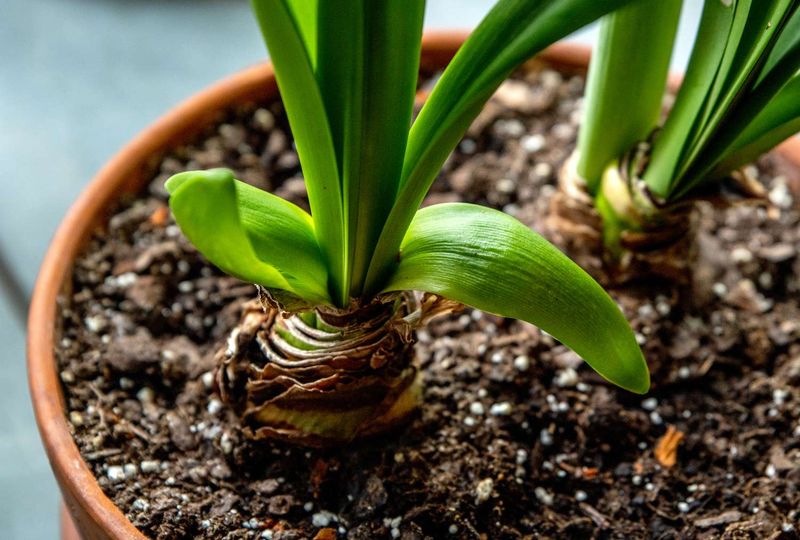
Less water, not more, is the cue your bulb is waiting for. Slowly drying the soil tells the plant that its growing season is winding down.
Most growers start cutting back sometime between late August and September.
Timing can shift based on when you want flowers. Counting backward from the rest period and the weeks needed to bloom after waking helps you pick a start date that fits your plans.
Go gradually rather than stopping all at once. Water a little less often over a couple of weeks, then stop watering entirely.
Rain can undo your efforts outdoors, so move the pot under a porch roof or into a garage.
Late summer storms and humid air in Georgia can keep soil damp longer than you might expect. Checking the pot with your finger before deciding anything beats following a strict calendar.
Bring the pot inside before nights turn cold. Amaryllis is not frost hardy in containers, and a chilly night near freezing can harm the bulb.
As water drops off, leaves will start to lean, fade, and lose their shine. That change is normal and means the bulb is pulling stored energy back down into itself.
Some bulbs hold onto a few green leaves for weeks, which is fine.
4. Trim The Leaves Away After They Yellow And Wither
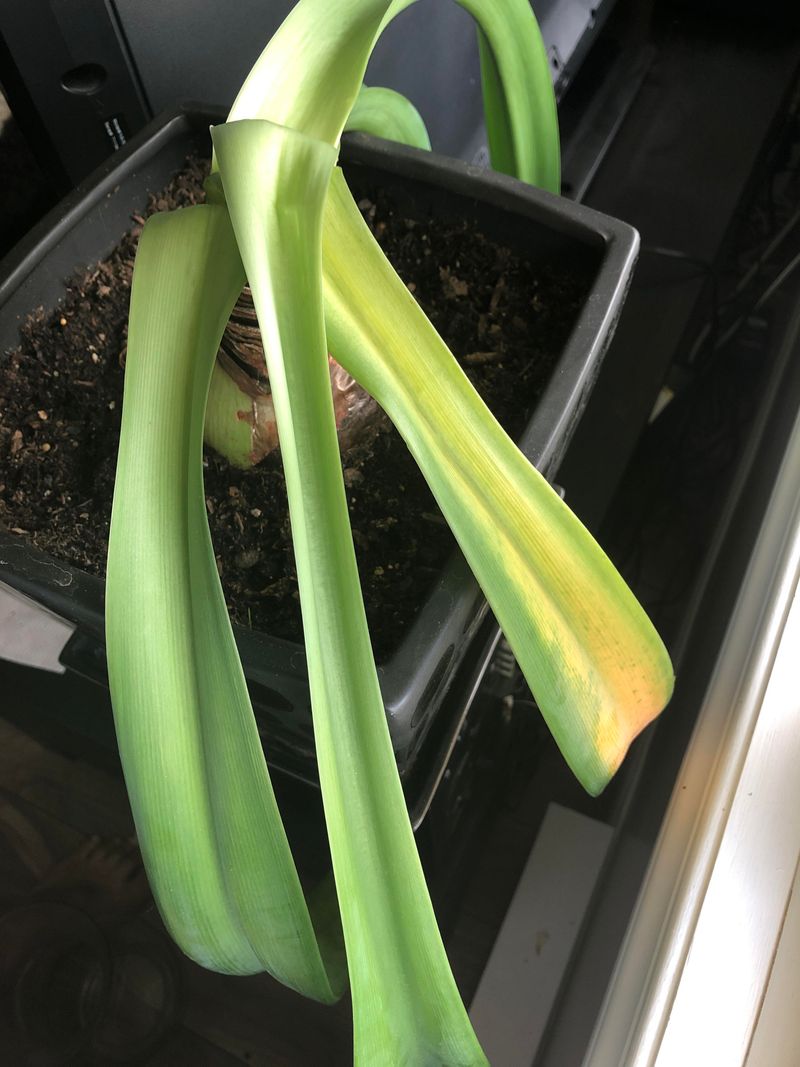
Yellow, floppy leaves look messy, but they are doing one last job. While they fade, the bulb absorbs nutrients from them.
Waiting until the leaves turn yellow or brown and dry gives the bulb the best chance to keep that energy.
Cutting green leaves too early can short the bulb on stored food. If a few leaves stay green for a while, let them be and give them more time.
Clean, sharp scissors or snips make the job easy.
Trim the withered leaves about an inch or two above the neck of the bulb. Avoid slicing into the bulb itself, since open wounds can invite rot.
Wiping your tool blades with a household disinfectant between plants is a smart habit if you grow several bulbs.
Gardeners in Georgia often deal with humid garages and sheds, so check the bulb after trimming. A firm, dry bulb is what you want, while mushy spots or a foul smell can signal rot.
Some people leave the bulb in its pot, and others lift it out and brush off the soil. Both methods can work, as long as the bulb stays dry during storage.
Lifted bulbs should keep their roots attached rather than being trimmed bare.
5. Cool Storage Around 50 To 55 Degrees Encourages Dormancy
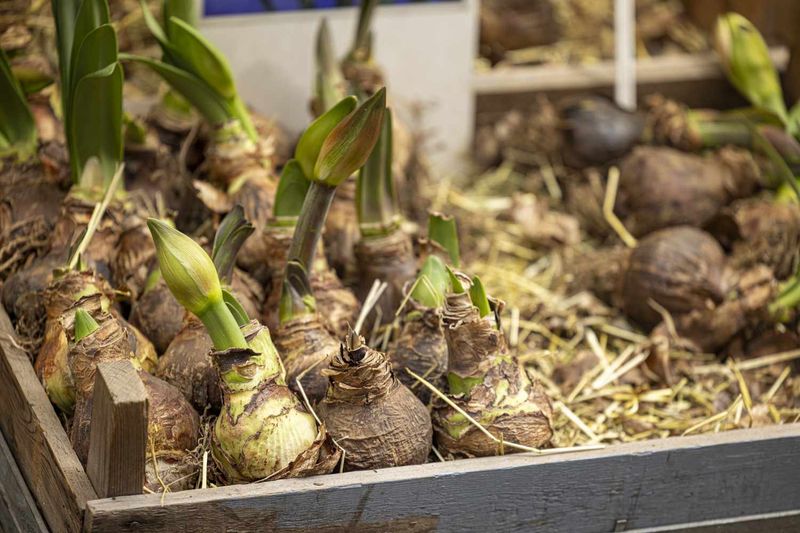
Think cool and dark, not cold. Many university Extension guides suggest storing resting amaryllis bulbs at about 50 to 55 degrees.
Temperatures much lower can risk chilling injury, and freezing can ruin the bulb.
Finding that range can be tricky across Georgia. A basement, an unheated spare room, or a garage in late fall may work, but garages in the southern part of the state can stay warm well into autumn.
Cheap indoor thermometers make guessing unnecessary.
Place one where you plan to store the bulb and check it for a few days. If readings swing a lot, look for a steadier spot.
Light is not needed during rest. A dark closet or a shelf away from windows suits a dormant bulb.
Keep the soil dry, or keep bare bulbs in a paper bag or open box with good airflow. Plastic bags can trap moisture and lead to mold.
Fruit like apples gives off ethylene gas, which may harm flower buds forming inside bulbs, so keep bulbs out of the fridge crisper with produce.
Some gardeners skip perfect temperatures and still get blooms. Cool storage tends to help, but bulb health and size matter just as much.
6. Eight To Twelve Weeks Of Rest Helps Reset Flowering
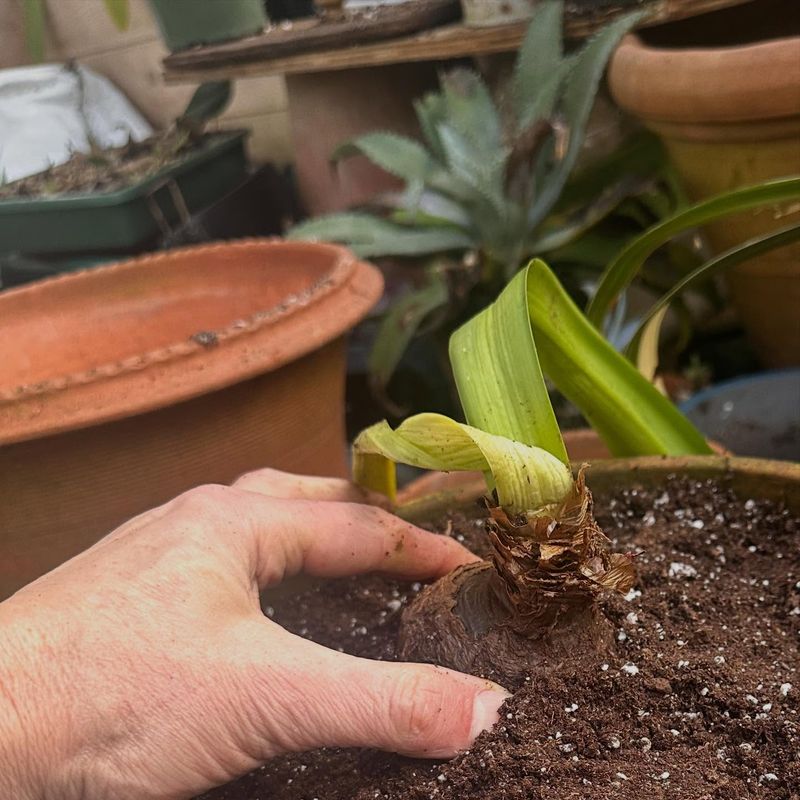
Mark your calendar the day the bulb goes into storage. Most Extension sources recommend a rest of around eight to twelve weeks before restarting growth.
Shorter breaks sometimes work, but the bulb may bloom weakly or skip a season.
Leave it alone during this stretch. No water, no fertilizer, and no need to check every day.
A quick look every couple of weeks is plenty.
Gently squeeze the bulb when you peek. It should stay firm, while soft or wrinkled spots may point to rot or drying out.
Planning ahead can line up blooms with the holidays. Bulbs often flower about six to ten weeks after they are woken up, though the exact time varies with the variety and room warmth.
So a bulb rested from early September could be restarted in November. In Georgia, that timeline might bring flowers around midwinter, when color is hard to find outdoors.
Sometimes a flower bud tip appears at the top of the bulb before the rest ends. If you spot one, many growers go ahead and start watering early.
Every bulb runs on its own clock, so treat these weeks as a guide rather than a strict rule.
7. Fresh Water And A Bright, Warm Spot Wake The Bulb Back Up
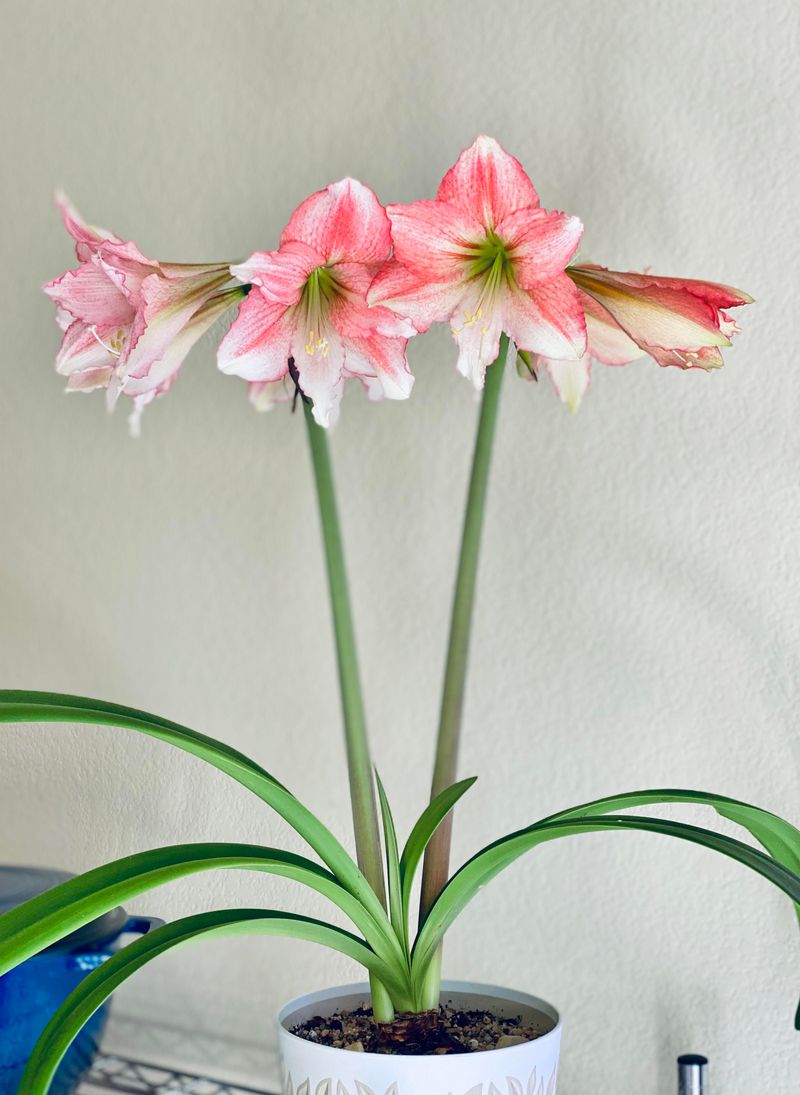
Wake-up day is the fun part. After the rest, many growers repot the bulb in fresh, well-draining potting mix.
Choose a pot only an inch or two wider than the bulb, and leave the top third of the bulb above the soil.
Water thoroughly once, then let the top of the soil dry before watering again. Too much water before roots wake up can cause rot.
Warmth helps get things moving.
Room temperatures around the high 60s to low 70s suit most bulbs. A bright window with plenty of indirect or gentle direct light keeps the new stalk sturdy.
Turn the pot every few days so the stalk does not lean toward the glass. Tall stalks may need a thin stake for support.
Indoor heating in Georgia homes during winter can dry the air and soil quickly, so check moisture often once growth starts. More water is usually needed as leaves and stalks get bigger.
Some bulbs send up a flower stalk first, while others push leaves before anything else. Either pattern is normal, and blooms can still follow.
If no flowers come this round, keep growing the leaves next summer and try the cycle again.