Do This For Florida Roses Now, Or The Fall Flush Won’t Come
Rose bushes that bloomed hard in spring and then sulked through summer still have one more big show in them.
Many varieties push out a second wave of flowers once the worst heat breaks. How strong that fall flush turns out depends on what happens to the plant in the coming weeks.
Plants left alone after a long, wet summer often put out scattered blooms instead of a full display.
The right care at this point in the season can make a noticeable difference. Give your bushes a close look this week, especially canes with spotted or yellowing leaves.
Schedules vary quite a bit from the Panhandle to the southern tip of Florida, where warm weather lingers much longer.
Roses that get this attention now can carry color into the cooler months ahead.
1. Cooler Fall Weather Can Bring Another Round Of Rose Blooms
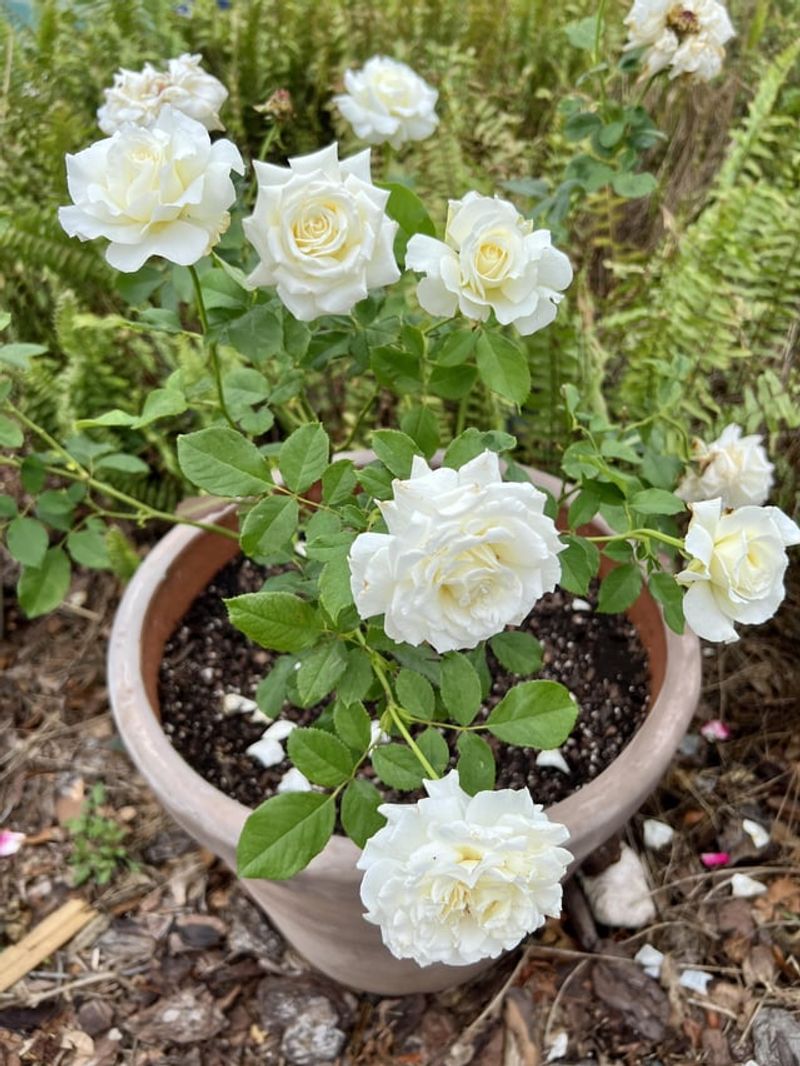
Relief arrives slowly for roses after a long, sticky summer. Once nights start to cool, many bushes shift from simply surviving to actively growing again.
Heat tends to slow flower production, and blooms that do open in summer often stay small or fade fast.
As temperatures ease, plants usually put more energy into new shoots and buds. Those fresh canes are where the next flowers form, so healthy growth now often leads to color later.
Timing varies across Florida, and that matters more than any calendar date.
Up north, cooler stretches may show up by October in some years. South Florida can stay warm well into November, so the flush there may start later and build more gradually.
Variety plays a big role as well. Repeat bloomers like many shrub roses, Knock Outs, and heirloom types such as Louis Philippe tend to respond well, while once-blooming roses may not flower again until spring.
Weather can still surprise you, since a warm spell or a late tropical storm can delay things.
Watch your bushes for tender red or bronze growth at the tips. That new growth is a good sign your rose is gearing up, and the care steps that follow help it make the most of the season.
2. Removing Spent Flowers Encourages Repeat Blooming
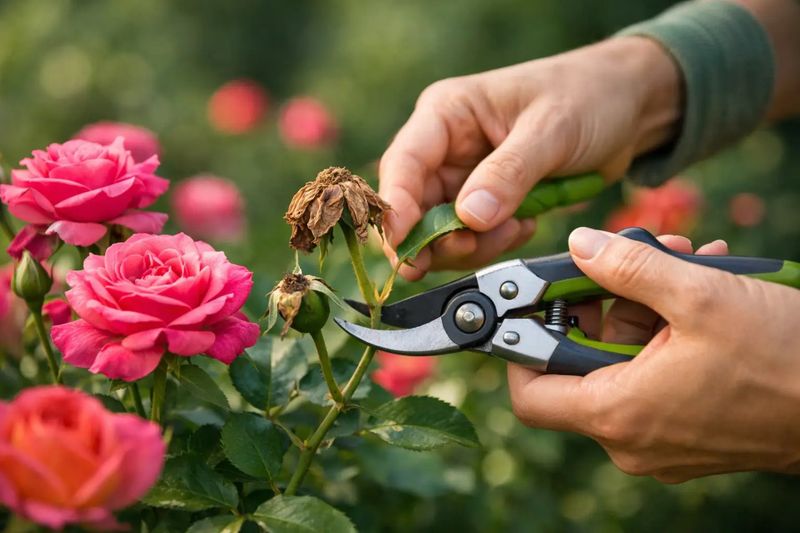
Faded blooms are more than an eyesore. Left on the plant, they can start forming seed pods called hips, and that process uses energy the rose could spend on new flowers.
Deadheading, the simple act of clipping off old blooms, helps redirect that effort toward fresh buds.
Grab a clean pair of sharp bypass pruners before you start. Cut the stem just above a healthy leaf with five leaflets, ideally one facing outward from the center of the bush.
New shoots usually grow from the bud right at that point.
Keep the cuts light during this time of year. You only want to remove the faded flower and a short piece of stem, not large sections of the plant.
Some modern shrub roses are sold as self-cleaning, meaning they drop old petals on their own. Even so, a quick tidy can make them look neater and may help them rebloom a bit sooner in Florida gardens.
Your Florida Garden Changes Every Week. Your Plan Should Too.
Gardening in Florida changes quickly throughout the season. Every Friday you’ll receive a simple weekly plan showing exactly what to plant, prune, fertilize, harvest, and protect so you never miss the right timing.
Wiping your pruners with a household disinfectant between bushes is a smart habit, especially if any plants show disease.
Toss the clippings in the trash rather than leaving them on the ground. A few minutes of snipping each week tends to add up, and you may notice more buds forming within several weeks.
3. Heavy Pruning Should Wait Until The Recommended Season
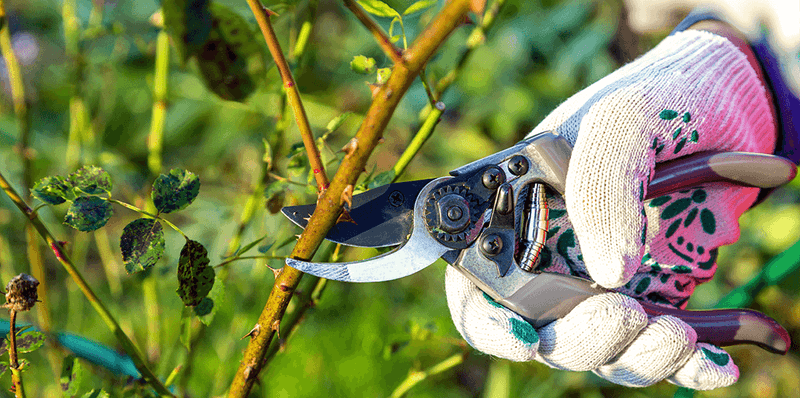
Hard cutting in fall can backfire. Big pruning cuts push out a wave of soft new growth, and that tender growth may struggle if cold weather arrives.
UF/IFAS generally suggests major rose pruning in late winter, often around late January into February, with timing adjusted by region.
North Florida gardeners may wait a little longer, since frost can linger there. Those farther south have more flexibility but still tend to prune in late winter.
Light trimming is a different story right now.
Removing broken canes, crossing branches that rub, or clearly diseased wood is usually fine any time. These small cuts help airflow and keep the plant tidy without forcing a big growth spurt.
Some gardeners also do a modest shaping in late summer, trimming back long, leggy canes by a small amount. In Florida, a gentle cut like that may encourage fresh shoots in time for fall blooms, though results depend on your variety and weather.
Keep that shaping modest, and avoid removing a large share of the bush.
Save the saw and heavy loppers for winter. Your roses will likely handle the bigger job better then, and you will keep the buds that are forming now.
4. Proper Feeding Supports Healthy Growth And Flowering
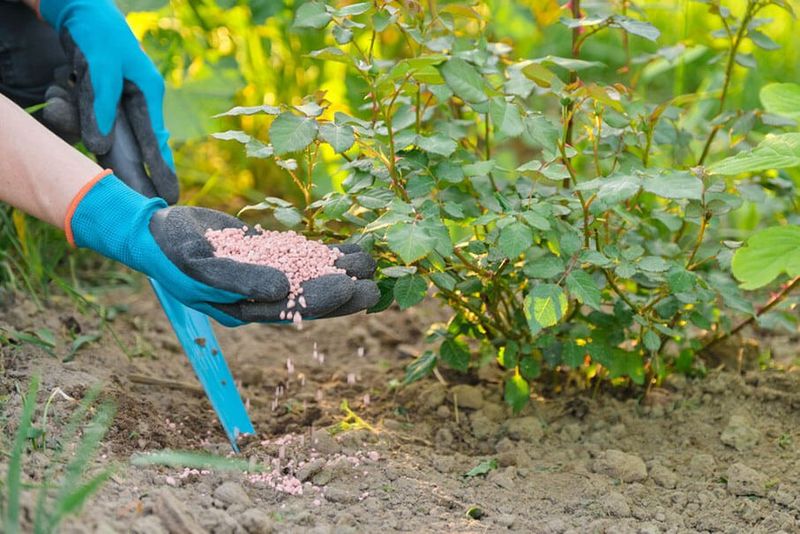
Roses are hungry plants. Producing flower after flower takes nutrients, and sandy soils can lose them quickly with heavy rain.
A balanced or rose-specific fertilizer can help support new growth heading into fall.
Slow-release products are often a good fit because they feed gradually over several weeks. Read the label closely, since rates and timing vary from brand to brand.
More is not better here.
Too much fertilizer can burn roots or push lots of leafy growth with few blooms. Excess nitrogen can also wash into waterways, which is one reason some Florida counties limit fertilizer use during the summer rainy season.
Check your local ordinances before you spread anything. Some restrictions run into late September, so it is worth confirming the rules where you live.
Water the soil before and after feeding, and keep granules off the leaves and canes.
Farther north, many gardeners taper off feeding as fall progresses. Late feeding may encourage soft growth when frost could follow, while gardeners in warmer southern areas often keep a light routine going longer.
A soil test through your county Extension office can show what your beds actually need. That small step may save money and help you avoid guessing.
5. Removing Infected Leaves Helps Keep Black Spot Under Control
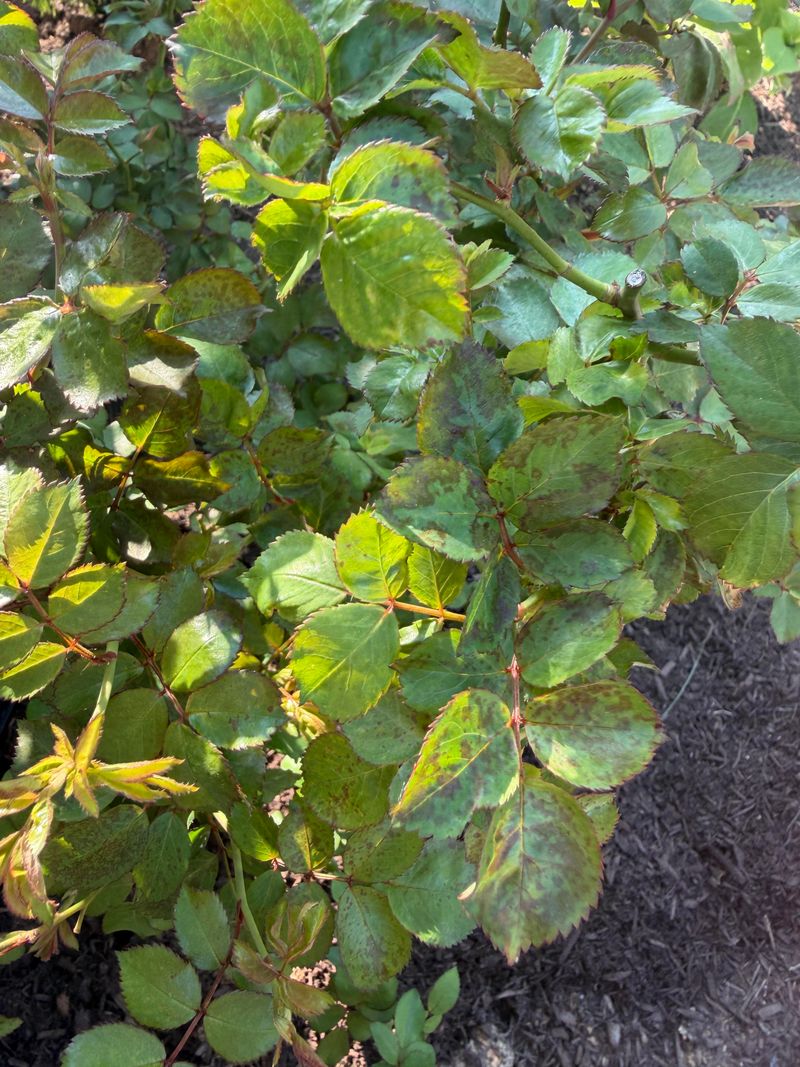
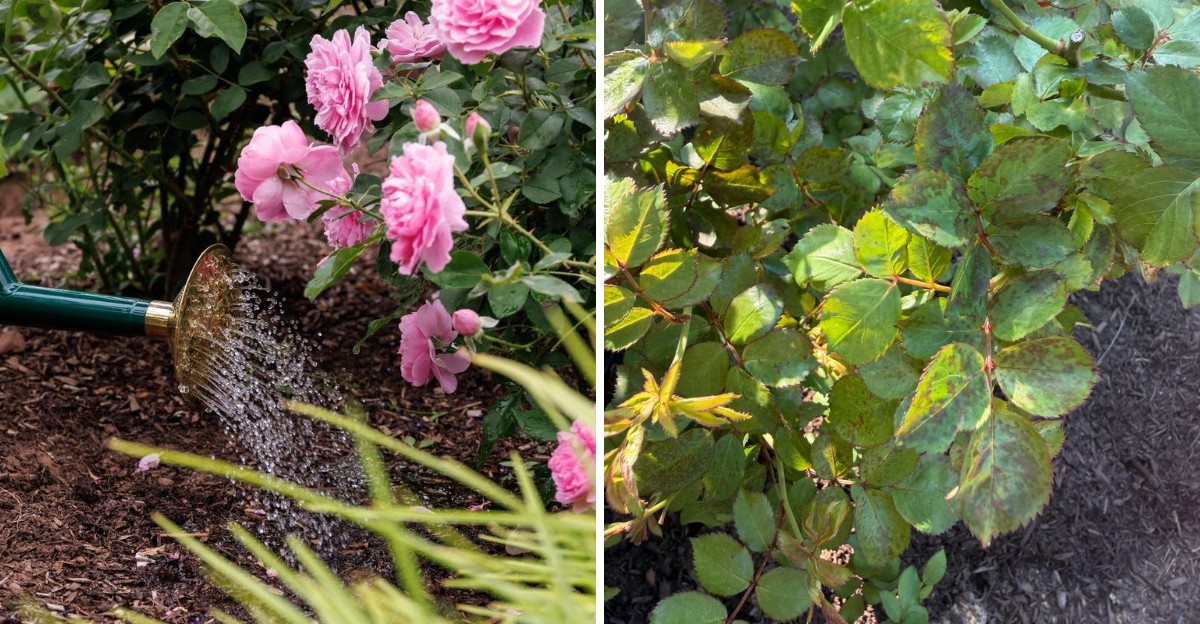
Black spot shows up fast in humid weather. Dark, round spots with fuzzy edges appear on leaves, which often turn yellow and drop early.
Fungal spores spread when water splashes from infected leaves onto healthy ones.
Warm, wet conditions are common in Florida from summer into early fall, so many gardeners see the disease peak then. Plants that lose lots of leaves have less energy to build new flower buds.
Picking off spotted leaves is one of the simplest ways to slow the spread.
Rake up fallen leaves around the base too. Spores can hang around in that debris and splash back up after the next rain.
Bag the material and put it in the trash, not the compost pile.
Removing a few leaves is fine, but stripping too many can weaken the plant. Focus on the worst ones and let healthy foliage keep doing its job.
Some roses resist black spot better than others, so variety makes a real difference. If a bush struggles every year, a fungicide labeled for roses may help, used exactly as directed.
Good spacing and pruning for airflow also help leaves dry faster. Keeping disease in check now gives your roses a better shot at a strong fall show.
6. Deep Watering At The Base Keeps Rose Foliage Drier
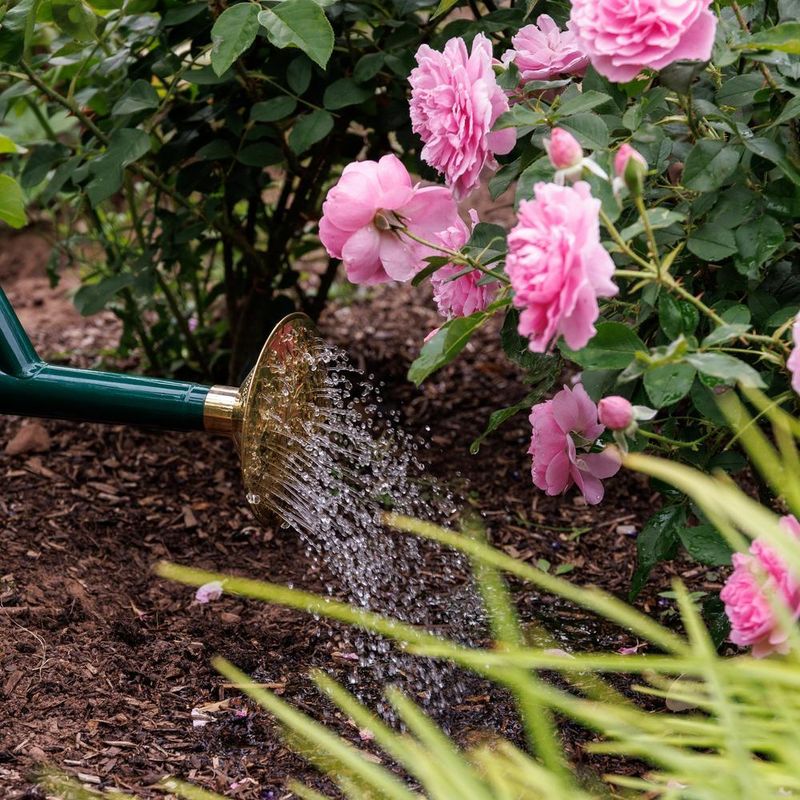
Wet leaves invite trouble. Overhead sprinklers soak the foliage, and leaves that stay damp for hours are more likely to develop black spot and other fungal problems.
Watering at the soil line keeps moisture where roots can use it.
Drip lines and soaker hoses work well for this job. A hand-held hose aimed at the base is fine too, as long as you take your time.
Deep, less frequent watering usually beats quick daily sprinkles.
Soaking the root zone encourages roots to grow deeper, which helps plants handle dry spells. Shallow watering keeps roots near the surface, where sandy soil dries out quickly.
Fall can bring drier weather to parts of Florida, but rainfall varies by year and region. Check the soil with your finger before watering, and skip a session if the top few inches still feel moist.
Morning is often the best time to water, since any splashed leaves can dry during the day.
A layer of mulch, a few inches deep and kept away from the canes, helps hold moisture and reduce splashing. Pine straw or shredded bark are common choices.
Watch your local watering restrictions as well, since many areas set specific days and hours.
7. Northern Gardens Need Extra Caution As Frost Approaches
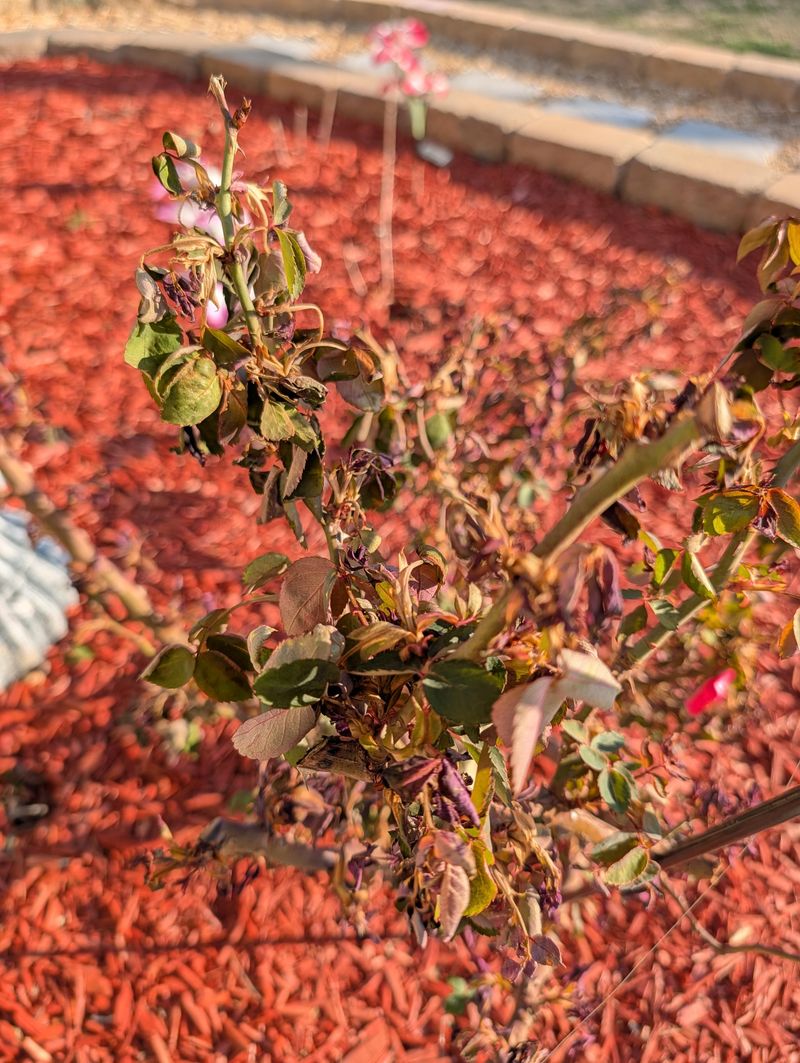
Cold snaps are real in the Panhandle and parts of North Florida. Frost can arrive in late fall or winter, and tender new growth tends to be the first to suffer.
Most established roses handle a light frost without lasting harm.
Fresh shoots and open buds are more vulnerable, though. A hard freeze may brown them, which can cut the fall show short in some years.
Keep an eye on local forecasts as the season moves along.
When a freeze warning pops up, a frost cloth or old sheet draped over the bush can offer some protection. Let it reach the ground to trap soil warmth, and remove it once temperatures rise the next morning.
Avoid plastic touching the leaves, since it can transfer cold and cause damage.
Water the soil a day or so before a cold night if it feels dry. Moist soil tends to hold heat better than dry soil, though it is not a perfect shield.
Hold off on cleaning up any frost-browned tips right away. Waiting until late winter lets you see what actually recovered, and that timing lines up with the main pruning season.
Central areas see frost less often, and southern gardens rarely deal with it at all.