This Native Florida Groundcover Is Replacing Bark Mulch In Garden Beds
Bark mulch in Florida garden beds is a seasonal commitment that never really ends. It breaks down, it washes out, it fades, and every spring the bags come back out and the process starts over.
Most Florida gardeners accept that cycle as part of the deal without asking whether something better exists. Something does.
A native Florida groundcover has been quietly replacing bark mulch in garden beds across the state, and the gardeners who made the switch are not going back.
It covers the same ground, suppresses the same weeds, and holds moisture with a consistency that mulch delivers in the first few weeks and then stops.
It also improves over time rather than breaking down. Spreads to fill gaps on its own.
And supports the kind of ground level wildlife activity that a layer of bark never could. Mulch does a job.
This plant does it better and keeps doing it.
1. Twinflower Turns Bare Bed Edges Into Living Cover
Bare soil along a bed edge is one of the most frustrating spots in a yard. Bark mulch washes out, blows away, or breaks down before the season ends, leaving exposed ground that looks unfinished and invites weeds.
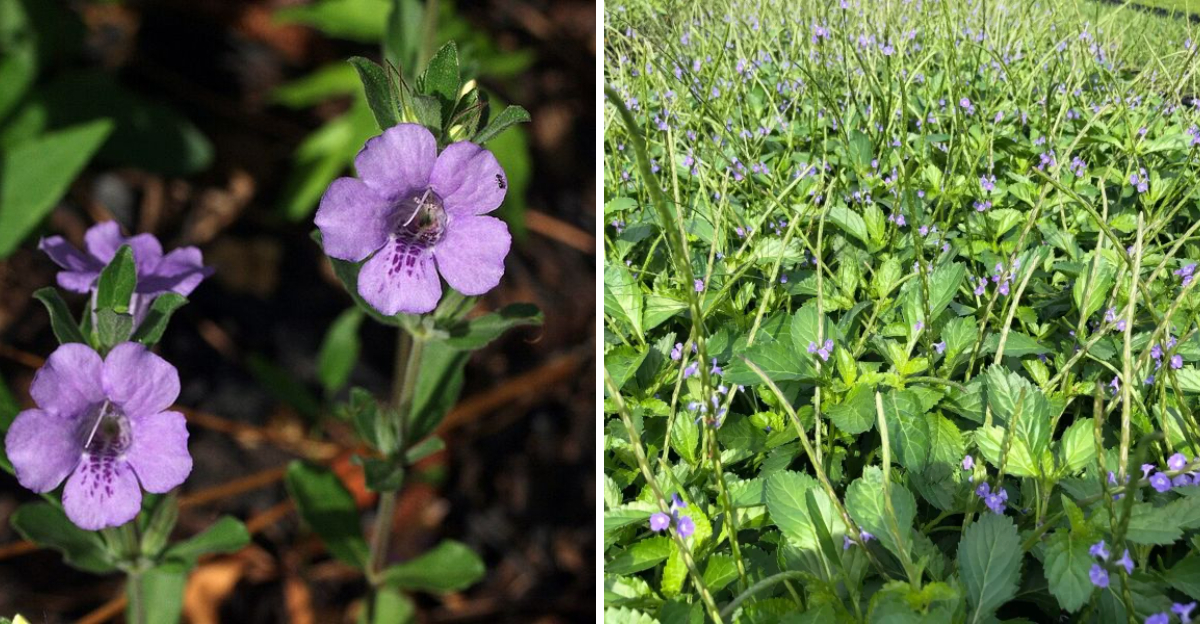
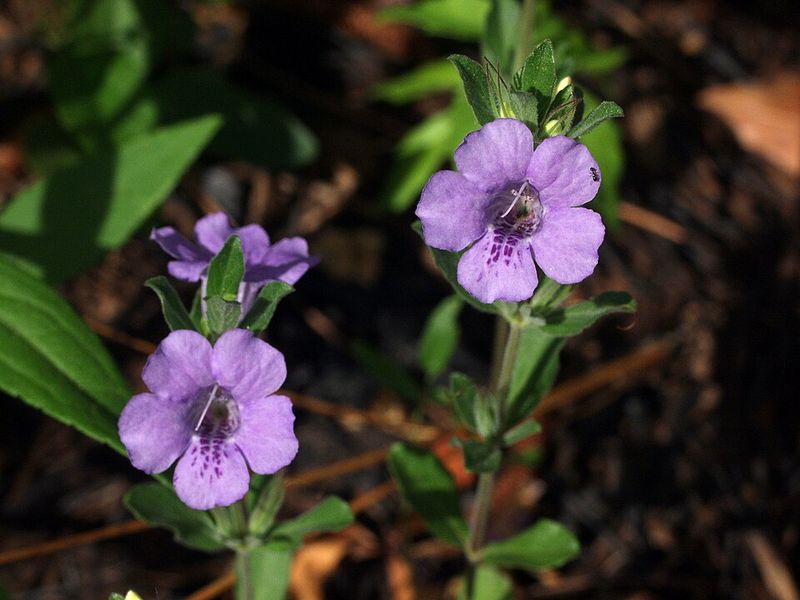
Twinflower, known botanically as Dyschoriste oblongifolia, is a low-growing native groundcover. It stays close to the ground, spreads outward, and can create a soft living layer right where mulch tends to fail.
According to the Florida Native Plant Society, Dyschoriste oblongifolia is a Florida native recommended for use as a groundcover. That makes it a strong choice for low, living coverage in appropriate garden beds.
Along bed edges, twinflower works by filling the gap between taller shrubs and the lawn line with green, textured growth. It does not form an instant carpet.
New plugs or small starts need spacing, time, and consistent moisture to root and spread. Expect a full, connected look after one to two growing seasons rather than weeks.
Buying from a reputable native plant nursery or a native plant sale gives you the best chance of getting correctly identified, healthy starts. Check that labels say Dyschoriste oblongifolia before you plant.
2. Lavender Blooms Make Mulch Look Flat
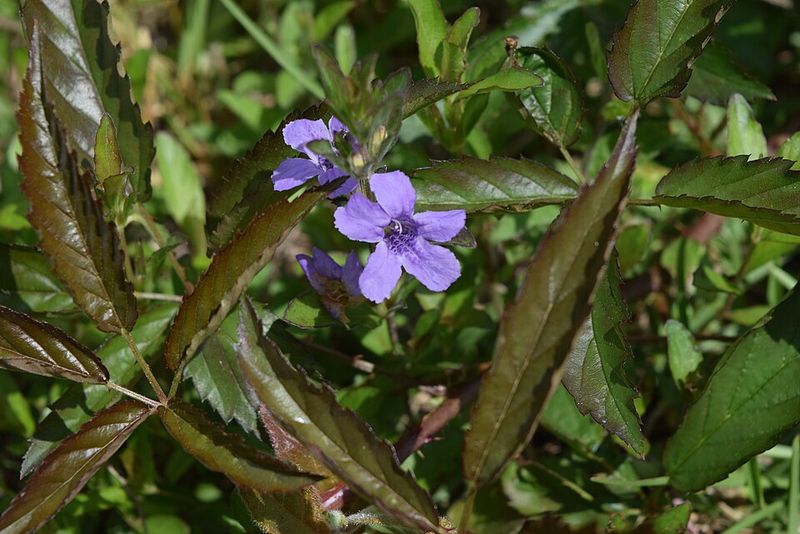
Walk past a bed covered in plain bark mulch and your eyes move right along. Walk past the same bed when small lavender blooms are scattered across low green foliage, and you stop for a second look.
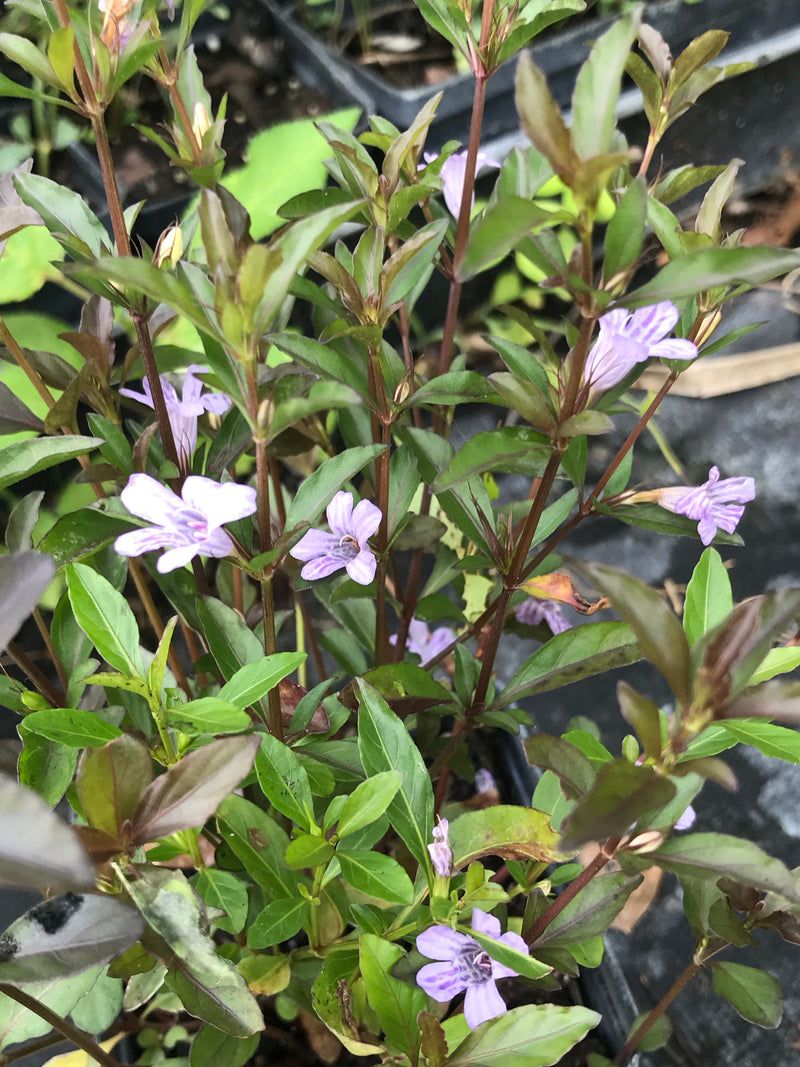
Twinflower produces paired lavender flowers, often with its heaviest bloom in May, though flowers may appear at other times of year depending on conditions.
The University of Florida IFAS Extension notes that Dyschoriste oblongifolia is commonly used as a landscape groundcover and has paired lavender flowers.
Florida Wildflower Foundation also describes oblongleaf twinflower as a native groundcover that attracts bees and butterflies.
The blooms are subtle rather than showy. You will not get the bold pop of a flowering annual, but that understated quality is exactly what works in a naturalistic bed design.
Your Florida Garden Changes Every Week. Your Plan Should Too.
Gardening in Florida changes quickly throughout the season. Every Friday you’ll receive a simple weekly plan showing exactly what to plant, prune, fertilize, harvest, and protect so you never miss the right timing.
The foliage does most of the work between bloom cycles, keeping the bed looking green and textured even when no flowers are present.
A living groundcover with seasonal blooms offers something bark mulch simply cannot match: movement, color, and pollinator activity. Do not plant twinflower only for the flowers, though.
Foliage coverage and soil protection are the real reasons it earns its place in the bed. Blooms are a welcome bonus.
3. Low Growth Keeps Beds Soft And Finished
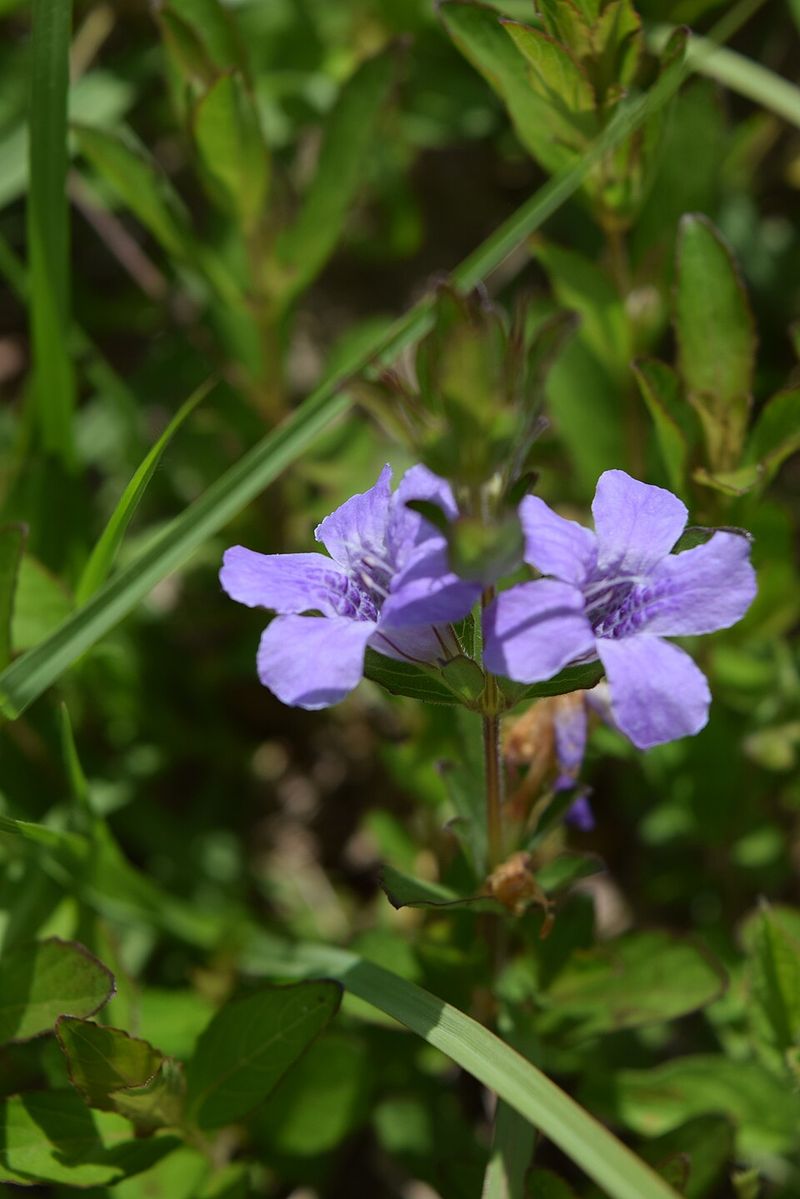
Chunky bark mulch has a way of making beds look heavy. After a fresh topoff it looks tidy, but within a few months it fades, compacts, and loses that clean appearance.
A low-growing groundcover creates a completely different visual effect.
Twinflower stays close to the ground, typically six to twelve inches tall, with foliage that gives beds a soft, layered look. That low profile works well beneath taller native shrubs or perennials, visually connecting the planting without competing for attention.
Over time, a well-established planting can suppress weed germination by shading the soil surface and reducing light for weed seeds. That said, twinflower does not eliminate all weeds, especially during the first season when gaps between plants are still open.
Weed pressure eases as the plants knit together and coverage improves.
Spacing matters for that finished appearance. Planting too far apart leaves the bed looking patchy for too long.
Planting too close together wastes plants and budget. Because twinflower has a relatively open habit, closer spacing may be needed if you want it to cover an area effectively.
Check with your local native plant nursery for spacing guidance based on plant size and site conditions. Consistent spacing and tidy edges make the difference between a bed that looks planned and one that looks neglected.
4. Sunny Openings Help It Spread Best
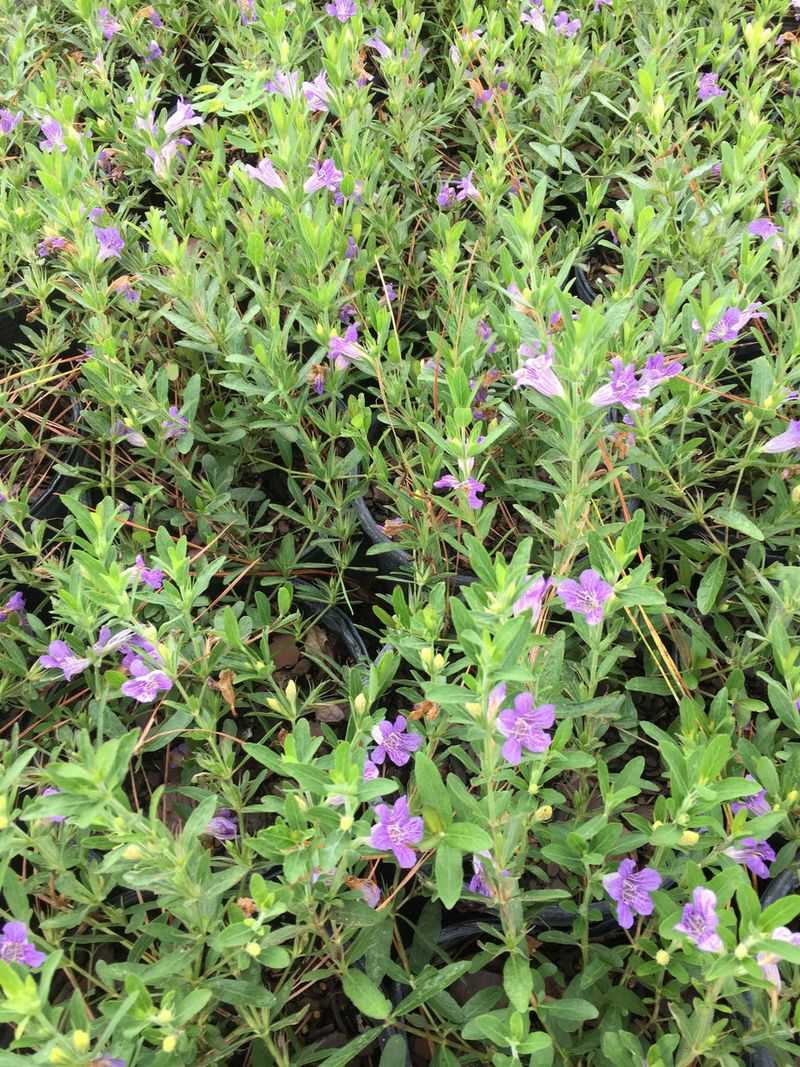
Not every bed in the yard is the right home for twinflower. Site selection is one of the most important steps you can take before spending money on plants or ripping out existing mulch.
Twinflower performs well in sun to partial shade and is commonly used as a low groundcover in landscapes. It prefers sites that are not excessively dry for long periods, and it should not be treated as a plant for constantly wet or flooded beds.
Beds with sun to partial shade are the best fit. Deep shade can lead to thinner growth, while some light helps the planting stay fuller.
Avoid compacted soil, heavy runoff zones, or low spots that stay wet after rain. Twinflower is adaptable, but consistently poor drainage can make establishment harder.
If your target bed is in deep shade, stays soggy after summer storms, or has heavy foot traffic nearby, a different native groundcover may be a better fit. Twinflower rewards you when the site matches its needs.
Forcing it into a poor location leads to slow growth, thin coverage, and a bed that never looks the way you hoped.
5. Mulch Still Helps While Roots Settle
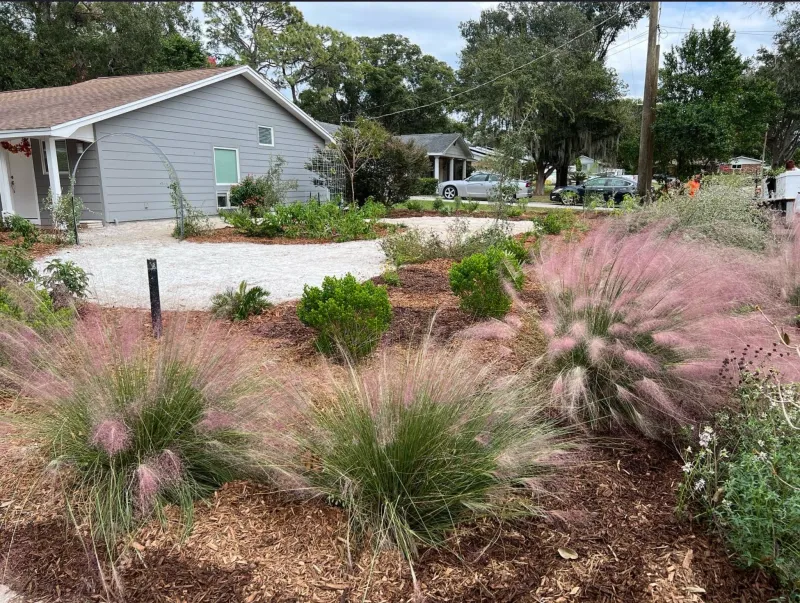
Planting day is exciting, but the first few weeks after putting twinflower in the ground are when the real work begins. Bare soil between new plugs is open to weeds, moisture loss, and erosion, especially during Florida’s intense summer rains.
A thin, careful layer of bark mulch between new plants helps hold moisture, moderate soil temperature, and slow weed germination while roots settle. This is not the moment to abandon mulch entirely.
A light one-to-two-inch layer placed between plants, not over them, gives the soil some protection without smothering small runners or crowns.
Avoid piling mulch against stems, crowns, or any low-growing foliage. Mulch pushed up against plant bases traps moisture against the stem and can encourage rot or pest issues over time.
Keep mulch pulled back an inch or two from each plant.
As twinflower fills in and coverage improves, the need for mulch between plants decreases naturally. Some gardeners phase out the in-between mulch entirely by the second season once the groundcover knits together.
The goal from day one is reducing bare soil while giving the plants room to grow, not choosing between mulch and plants as if they cannot coexist during establishment.
6. Weeds Need Pulling Before The Carpet Fills In
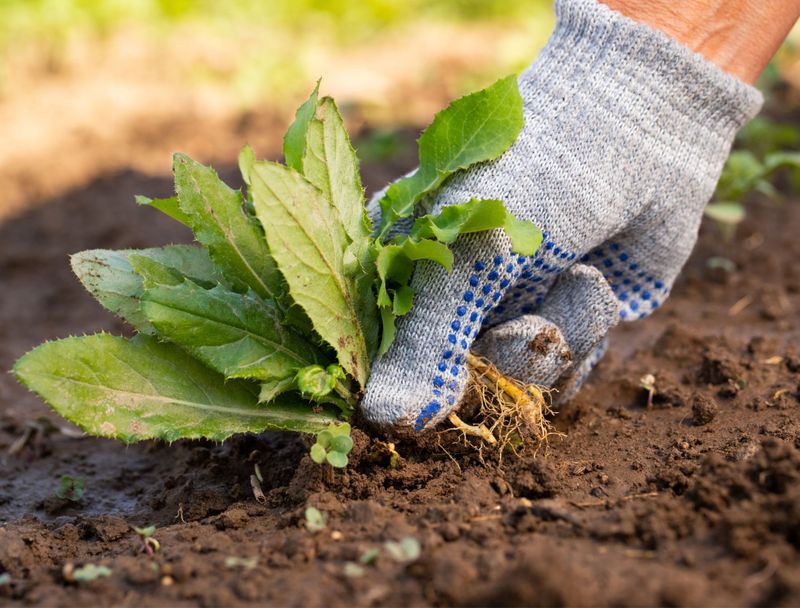
The first growing season after planting twinflower is the window that determines how easy or hard the next few years will be. Open soil between plugs is an open invitation for weed seeds already waiting in the ground.
Common Florida weeds and lawn grasses can establish quickly in the gaps between young groundcover plants. Once they root and spread, they compete directly for moisture, light, and space.
Staying ahead of weeds early makes a real difference in how quickly twinflower fills in and how good the bed looks.
Hand-pulling is the safest and most reliable method during this phase. Pull weeds when they are small, before they set seed or develop deep roots.
Work carefully around twinflower stems and runners to avoid uprooting the plants you are trying to grow. A narrow hand tool or hori-hori knife can help loosen stubborn roots without disturbing surrounding soil too much.
Skip homemade weed treatments, random herbicide applications, and anything that has not been tested around the specific plants in your bed. Some herbicides that are safe near turf can harm low-growing native groundcovers.
Consistent hand-pulling during the first season is less exciting than a quick spray fix, but it protects your investment and keeps the bed on track.
7. Foot Traffic Decides Where It Belongs
One bag of bark mulch and one bag of twinflower plugs are not interchangeable in every spot. Where people walk, bark mulch holds up.
Where feet are constantly stepping, low-growing native groundcovers usually do not.
Twinflower is a garden bed plant, not a lawn substitute or a durable walking surface. Its stems and foliage can handle light, occasional contact, but repeated foot traffic compacts soil, breaks stems, and thins coverage quickly.
Placing it in a high-traffic path between the garage and the back door will lead to a worn-out, patchy planting that looks worse than bare mulch.
The right spots for twinflower include bed interiors, low-use border areas, the spaces between larger native shrubs, and edges that people admire rather than walk across.
If maintenance access requires stepping into the bed occasionally, stepping stones or a defined path can protect the planting while still keeping the design clean.
Families with pets or young children who use the yard heavily may want to reserve twinflower for front beds or side areas that see less activity. Backyard beds near play areas may need a tougher surface treatment.
Matching the plant to how the space is actually used, rather than how you wish it were used, leads to better results and less frustration.
8. Living Cover Works Best With Clean Edges
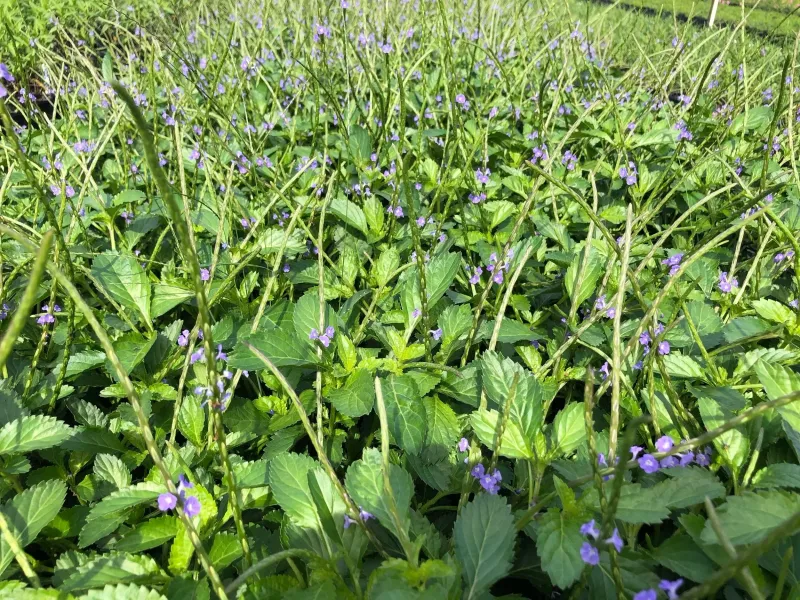
A living groundcover without structure can look like an overgrown mess, especially during the first year when plants are still spreading and the coverage is uneven. Clean edges change that completely.
Defined bed borders give twinflower a frame that makes even a partially filled-in planting look intentional. A simple trench edge, a metal or plastic edging strip, a mower strip, or a row of pavers along the lawn line all work well.
The key is creating a clear visual boundary between the planted bed and the surrounding turf or hardscape.
Without that edge, grass will creep into the bed, twinflower may spread beyond its intended area, and the whole planting can start to look undefined.
Lawn grasses are aggressive, and twinflower cannot always outcompete them along a soft, unprotected border.
Check edges every few weeks during the growing season and re-cut or redefine them as needed. A sharp spade or a power edger along a string line keeps the border crisp.
Twinflower can genuinely reduce your long-term mulch needs when it is part of a planned bed design with proper spacing, smart mulch use during establishment, early weed control, and clean edges.
It also makes your beds look more alive than a flat layer of shredded bark ever could.