Why Your Texas Lawn Turned Green After Polo and What to Do Before Winter
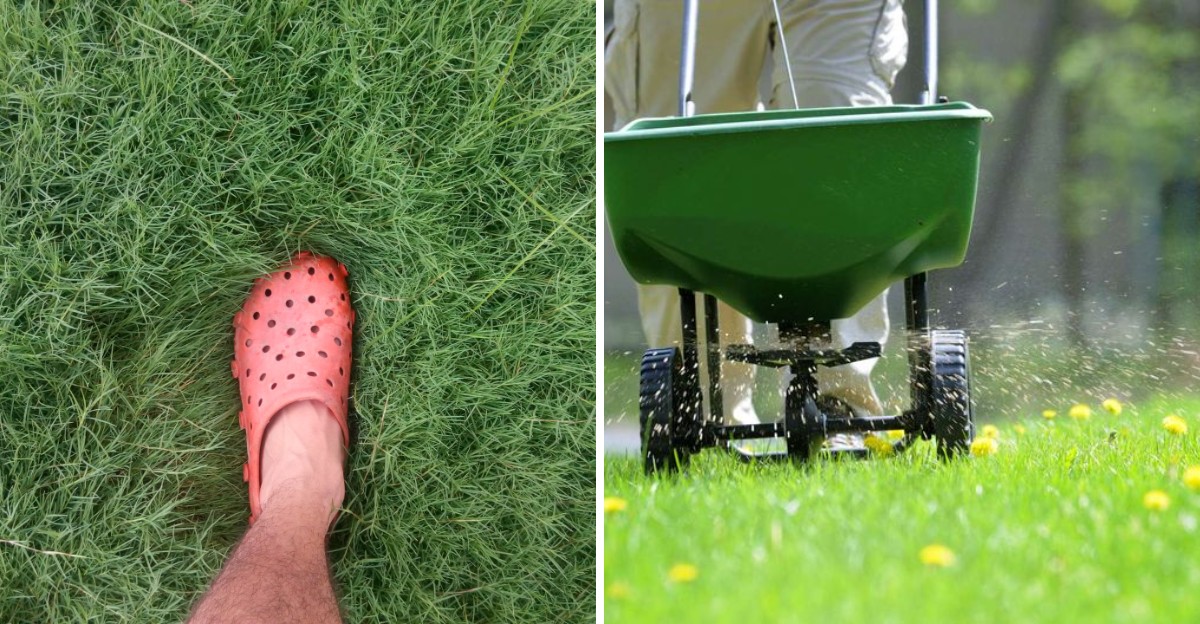
Brown, crunchy grass can bounce back to bright green in about a week. Many Texas yards did exactly that after Polo’s soaking rain. I watched my own crispy front patch flip colors almost overnight.
The grass was only resting. Warm-season turf goes quiet in heat and drought to save energy. One good, deep drink can wake it right up.
Personally, I love that kind of surprise. Still, that fresh green comes with a very short clock. Cool nights are on the way, and your lawn has a few big needs before then.
A few smart moves now can mean a thicker, healthier yard next spring. A few wrong moves can leave you with weak spots and a fresh crop of weeds. So which moves belong on your list before the first frost?
1. That Sudden Green Was Hiding Under Your Feet All Along

My neighbor down the street stood on her porch the morning after the storm and laughed out loud. Her yard looked like a different property.
That kind of quick change surprised a lot of people, but it makes perfect sense once you know what was going on below the surface.
Bermuda, St. Augustine, zoysia, and buffalograss are warm-season grasses. During long, hot, dry stretches, they slow down and let their blades turn tan.
The roots, crowns, and runners stay alive and ready. They are just waiting for moisture to return.
Heavy rain from a tropical system soaks deep into the soil. That deep moisture reaches the roots in a way a quick sprinkler pass often cannot.
Within days, new green blades push up from crowns and runners that looked finished a week earlier.
Rainwater also carries a small amount of nitrogen from the air, which gives grass a little extra boost. Add warm soil and you get a fast, cheerful green-up.
So the color did not come from nowhere. Your lawn simply had the right ingredients again, and it used them right away.
2. Your Grass Was Napping, Not Giving Up
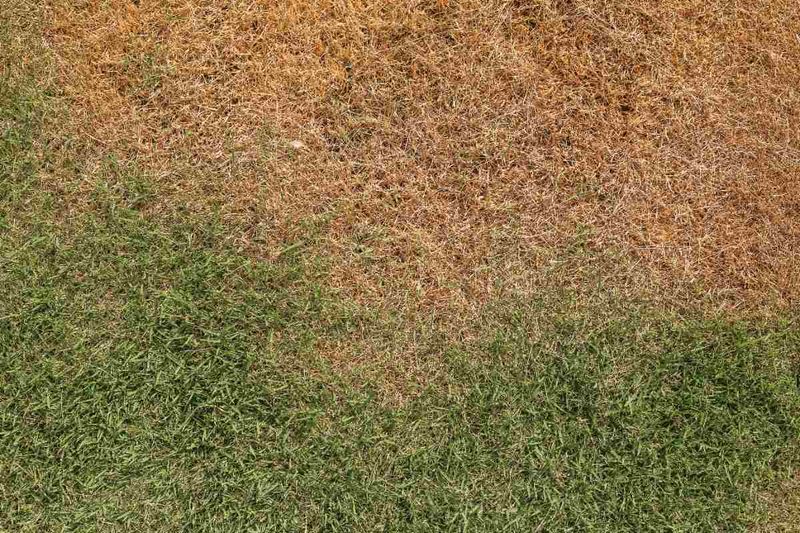
Summer dormancy is one of the smartest tricks a lawn can pull. Instead of burning through energy in brutal heat, warm-season turf shuts down its top growth and protects its crowns. Texas A&M AgriLife experts describe it as a survival strategy, not a failure.
Bermudagrass handles this especially well. It can sit tan for several weeks during drought and still recover once water returns.
St. Augustine is less forgiving, so long dry spells can thin it out more. That is why some yards bounced back fully while others came back patchy.
Take a slow walk across your yard this week. Look closely at any spots that stayed brown. Tug gently on the grass there.
If it pulls up easily with no roots, that area may need repair next spring. If it holds firm, give it more time. Some crowns take longer to wake up than others.
Mark the weak areas with a flag or a small stake. Fall is a poor season to plant new warm-season sod or seed in most of the state, so a simple note now helps you plan a spring fix.
Your Texas Garden Changes Every Week. Your Plan Should Too.
Gardening in Texas changes quickly throughout the season. Every Friday you’ll receive a simple weekly plan showing exactly what to plant, prune, fertilize, harvest, and protect so you never miss the right timing.
3. Weeds Love a Good Rain Just as Much as Your Lawn Does
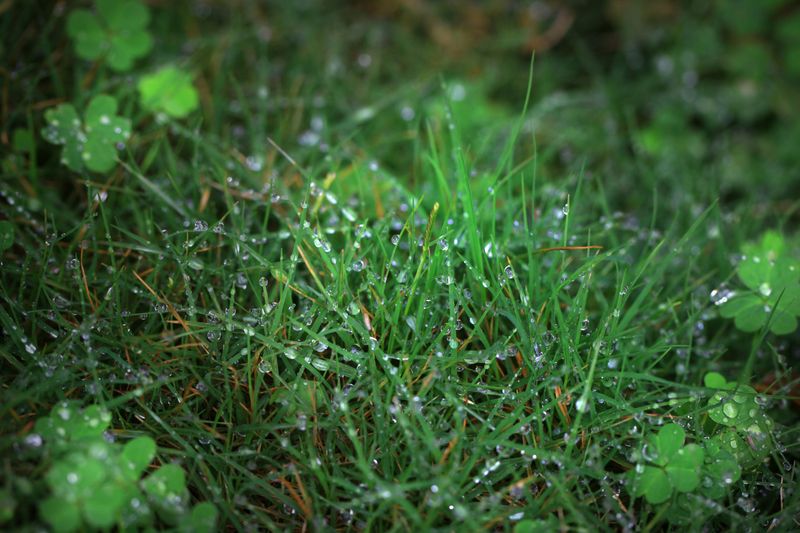
Rain is generous. It does not pick favorites, and weed seeds sitting in your soil got the same wake-up call as your grass. Some of that fresh green may not be grass at all.
Fall rains in Texas often trigger cool-season weeds like henbit, chickweed, annual bluegrass, and burclover. They sprout small now and grow quietly through winter. By early spring, they can take over thin spots and steal sunlight from your turf.
Get down low and look. Grass blades are narrow and grow in neat rows or runners. Weeds often have round, scalloped, or clover-like leaves, and some form flat little rosettes. A few strategies help a lot:
Pull small patches by hand while the soil is soft from the rain. A pre-emergent herbicide applied in early fall can stop many winter weeds before they sprout, so ask your county extension office about timing in your area.
For weeds already up, a product labeled for your grass type works best when they are young.
Read every label carefully. Some products can harm St. Augustine, especially when temperatures swing.
4. Go Easy on the Fertilizer This Late in the Year
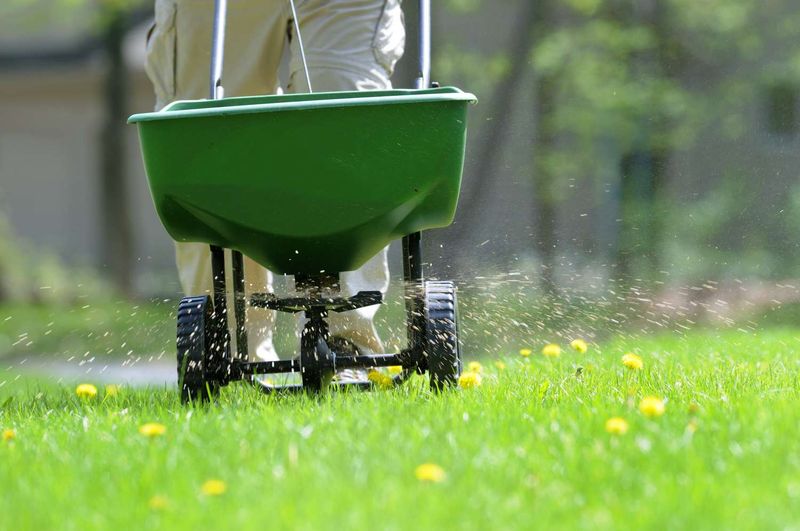
Feeding a freshly green lawn feels like the right reward. Your grass looks hungry and happy, so a big dose of fertilizer seems like a kind gesture. Timing, though, changes everything.
Warm-season grasses slow down as nights cool and days shorten. Heavy nitrogen late in the season pushes soft, tender new growth. That tender growth struggles more with cold snaps and can invite fungal problems like large patch.
Texas A&M AgriLife generally suggests that the last nitrogen feeding for warm-season lawns happen roughly six weeks before your area’s average first frost.
In North Texas, that window closes earlier. Along the Gulf Coast and in the Rio Grande Valley, you have a bit more time.
If you do feed, keep it light. Many experts like a fertilizer with some slow-release nitrogen and a decent amount of potassium, which helps grass handle stress.
A soil test is the smartest first step. Kits through Texas A&M are inexpensive and tell you exactly what your soil lacks. Skipping guesswork saves money and keeps extra fertilizer out of storm drains, creeks, and lakes nearby.
5. Raise the Mower a Notch Before Cool Weather Hits
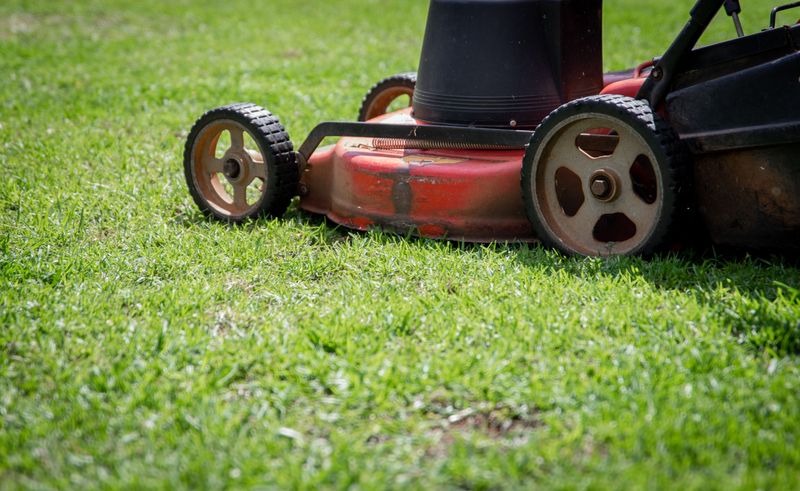
All that rain probably has your mower working overtime. Grass that sat still for weeks is suddenly shooting up, and it can feel like you mow every few days. Keep at it, but adjust your approach.
Follow the one-third rule. Cut no more than one-third of the blade height in a single mowing. Chopping off too much at once shocks the grass and weakens the roots right when they should be storing energy for winter.
As fall settles in, many lawn pros suggest raising your cutting height slightly. Taller blades shade the soil, which helps block weed seeds from sprouting. They also build stronger roots before dormancy.
St. Augustine usually does well around 3 to 4 inches. Common Bermuda handles 1.5 to 2 inches, and zoysia often sits somewhere in between.
Sharpen your blade, too. A dull blade tears grass instead of slicing it, leaving ragged brown tips that open the door to disease.
Leave the clippings on the lawn. They break down quickly and return nutrients to the soil, which is a free little snack for your grass.
6. Soggy Soil Can Invite Brown Patch This Fall
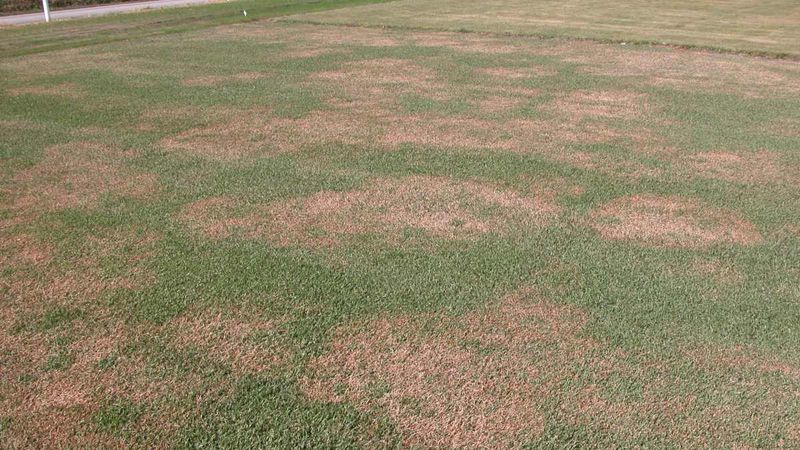
Large patch has a sneaky personality. It shows up as tan or yellow circles in St. Augustine and zoysia, often a few feet wide, and it loves the exact weather many Texas lawns are having now.
The fungus thrives when soil stays wet and temperatures drop into the 60s and 70s. Heavy rain followed by cool nights creates a near-perfect setup. Ring edges sometimes look orange or bronze, and blades pull easily from their base.
Water is your main lever. After a soaking storm, turn off your sprinkler system and let the soil dry out. Many yards need far less water in fall than in summer.
When you do water, run it early in the morning. Grass that stays wet overnight gives fungus more time to spread.
Improve drainage in low spots where puddles linger. Core aeration can help compacted soil soak up rain faster.
Fungicides can help in severe cases, but they work best as prevention. If you saw large patch last year, ask your local extension office about timing a preventive treatment in early fall.
7. Thinking About Winter Ryegrass? Weigh the Trade-Offs First
Green grass in January sounds dreamy. Some homeowners keep that color going by overseeding with ryegrass, a cool-season grass that grows while warm-season turf sleeps. It looks great, but it comes with real costs.
Annual ryegrass is cheaper and fades out more easily when spring heat arrives. Perennial ryegrass looks finer and holds color longer, but it can linger and compete with Bermuda during green-up.
Most Texas sources recommend overseeding in October or early November, once nighttime temperatures cool.
Not every lawn is a good fit. Many extension experts discourage overseeding St. Augustine because it can weaken the turf below. Ryegrass also needs regular water, mowing, and some fertilizer all winter long.
Bermuda lawns in full sun handle overseeding best. Even then, the ryegrass can shade and crowd the Bermuda as it tries to wake up in spring.
Personally, I think a tan winter lawn has its own calm charm. It saves water and gives your grass a true rest. If you crave color, though, choose annual ryegrass and plan for the extra care.
8. A Little Fall Prep Now Pays Off in Spring
Spring lawns are built in autumn. That might sound backward, but the work you do over the next few weeks shapes how fast and thick your grass returns after winter.
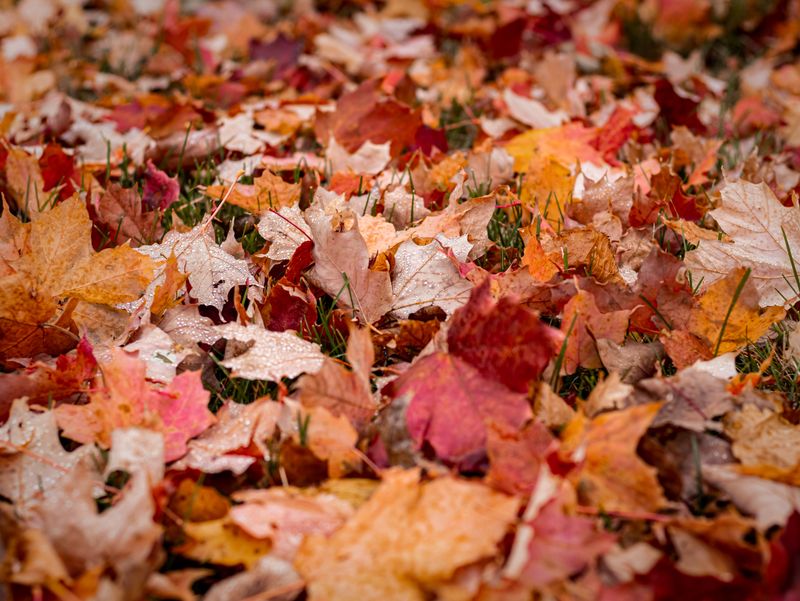
Start with leaves. A heavy layer smothers grass and traps moisture, which can lead to disease. Mulch light leaf cover with your mower, and rake up thick piles to add to a compost bin.
Next, check your irrigation. Shorten run times as weather cools, and set up a rain sensor if you lack one. Before a hard freeze, drain or protect backflow devices and exposed pipes.
Keep a little moisture in the soil during dry winter spells. Dormant grass still needs an occasional drink, roughly every few weeks without rain, especially in sandy soils.
Finally, stay off frosty grass. Walking on frozen blades can leave brown footprints that linger for weeks.
Write down what you noticed this season, including thin spots, weed areas, and drainage trouble.
That simple list becomes your spring game plan. Your Texas lawn already showed how tough it is, and a bit of care now helps it shine again.