These Texas Perennials Need To Be Divided Before August Ends
Late August might not seem like the obvious time to divide perennials, but for certain plants it’s actually one of the best windows of the entire year to do it.
Miss this opportunity and you’re either waiting until spring, dividing at a less than ideal moment, or watching established clumps continue to decline when a simple division would have turned them around completely.
Not every perennial belongs on this list. Timing matters enormously, and dividing the wrong plants in late August causes more harm than good.
But the ones that do belong on this list respond remarkably well to being split right now, developing strong root systems through fall and returning next spring with noticeably more vigor, better bloom production, and the kind of fresh energy that overcrowded, undivided clumps simply can’t sustain.
The window closes quickly, and late August is the sweet spot for getting this right. Here are the Texas perennials that need to be divided before August ends and exactly how to handle each one during the heat.
1. Bearded Iris
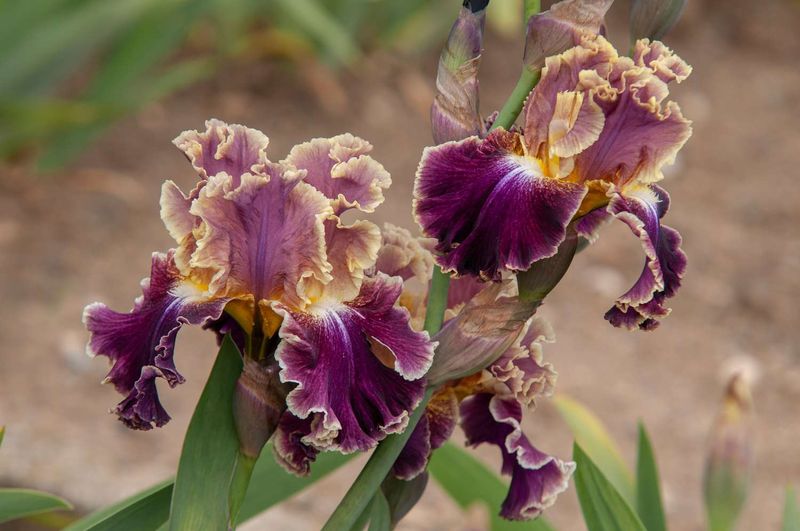
Few flowers bring as much drama to a garden as the bearded iris. Those gorgeous blooms come in almost every color imaginable, but if you have not divided your plants in a few years, you might notice fewer flowers showing up each season.
Crowded rhizomes compete for space, water, and nutrients, and the result is a plant that struggles to perform at its best.
Late summer, right after flowering has finished, is the ideal time to tackle this job. Start by digging up the entire clump with a garden fork.
Gently shake off the soil so you can see the rhizomes clearly. You will notice that some sections look healthy and firm, while older pieces from the center may appear shriveled or soft.
Toss those older parts into the compost and keep only the healthy, plump rhizomes for replanting.
Each healthy section should have at least one fan of leaves attached. Trim the leaves down to about six inches tall.
This helps reduce water loss while the plant works on growing new roots. Replant the rhizomes just at the surface of the soil, since burying them too deep can cause problems.
Space them about twelve to eighteen inches apart so they have plenty of room to spread over the next few seasons.
Water the newly planted sections well and keep the soil lightly moist for the first few weeks. Bearded iris are tough plants, and once they settle in, they do not need much extra attention.
With proper division every three to four years, your iris bed will stay vibrant and full of color for many seasons ahead.
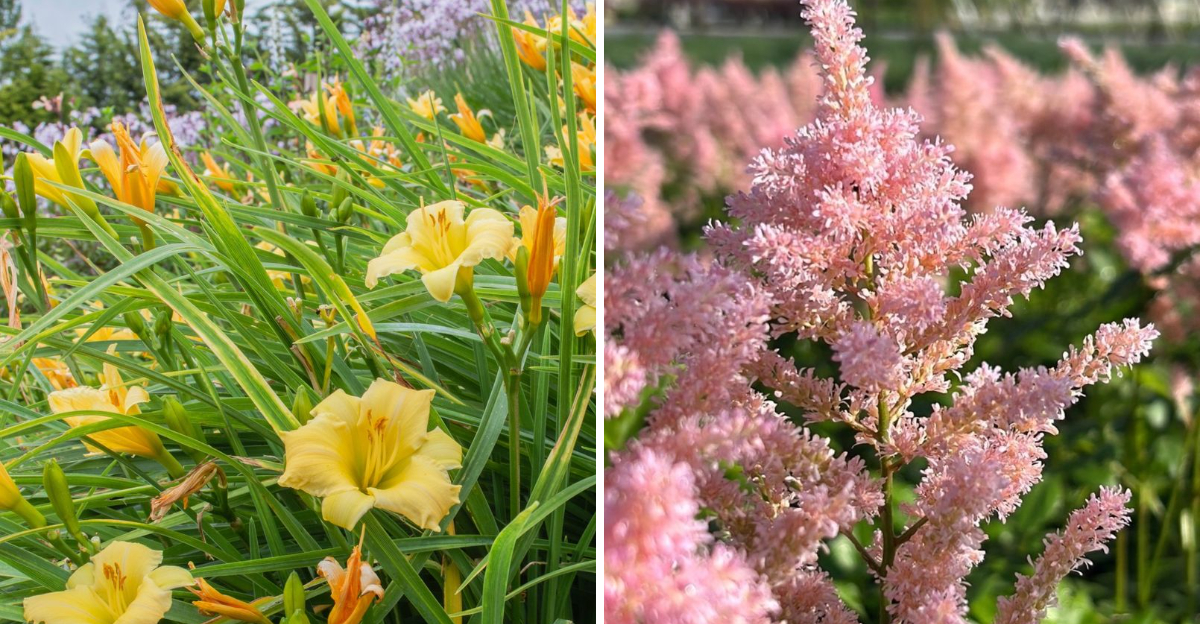
2. Daylilies
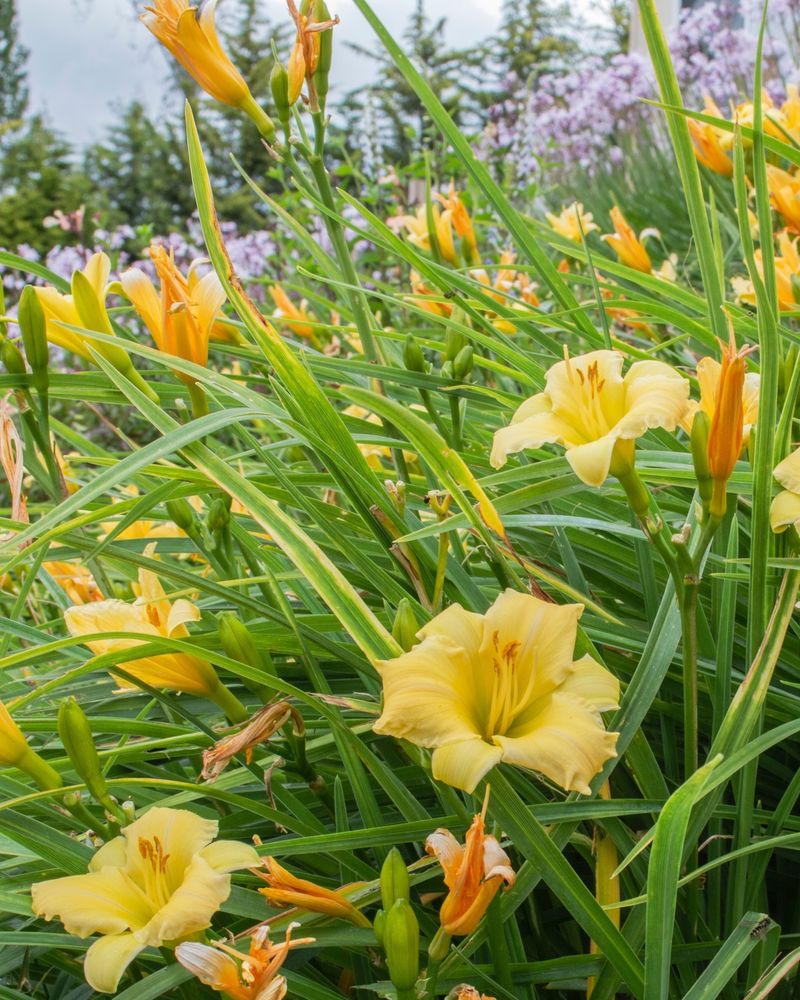
Daylilies are some of the toughest and most cheerful plants you can grow, but even these reliable bloomers have a limit. Over time, a single plant can spread into a massive, tangled clump that becomes so crowded the flowers nearly disappear.
If your daylilies have been sitting in the same spot for four or five years and the blooms are looking sparse, it is a clear sign that division is overdue.
Your Texas Garden Changes Every Week. Your Plan Should Too.
Gardening in Texas changes quickly throughout the season. Every Friday you’ll receive a simple weekly plan showing exactly what to plant, prune, fertilize, harvest, and protect so you never miss the right timing.
Late summer is a smart time to divide daylilies because the worst of the heat is starting to fade, and cooler nights help newly divided plants settle in without stress. Begin by cutting the foliage back to about eight inches.
Then use a sharp spade or garden fork to dig up the entire clump. Daylily roots can be surprisingly dense and tangled, so do not be afraid to use some force.
Once the clump is out of the ground, you can pull it apart by hand or use a knife to cut through stubborn sections. Each division should have several healthy fans of foliage and a good chunk of roots attached.
Smaller divisions often catch up quickly and can actually bloom more vigorously than larger ones.
Replant your divisions at the same depth they were growing before. Water them in well and keep the soil consistently moist for the first two to three weeks.
A light layer of mulch around the base helps hold in moisture and keeps the roots cool as they establish. Divided daylilies typically bounce back fast and reward you with a stunning display the following summer.
3. Peonies
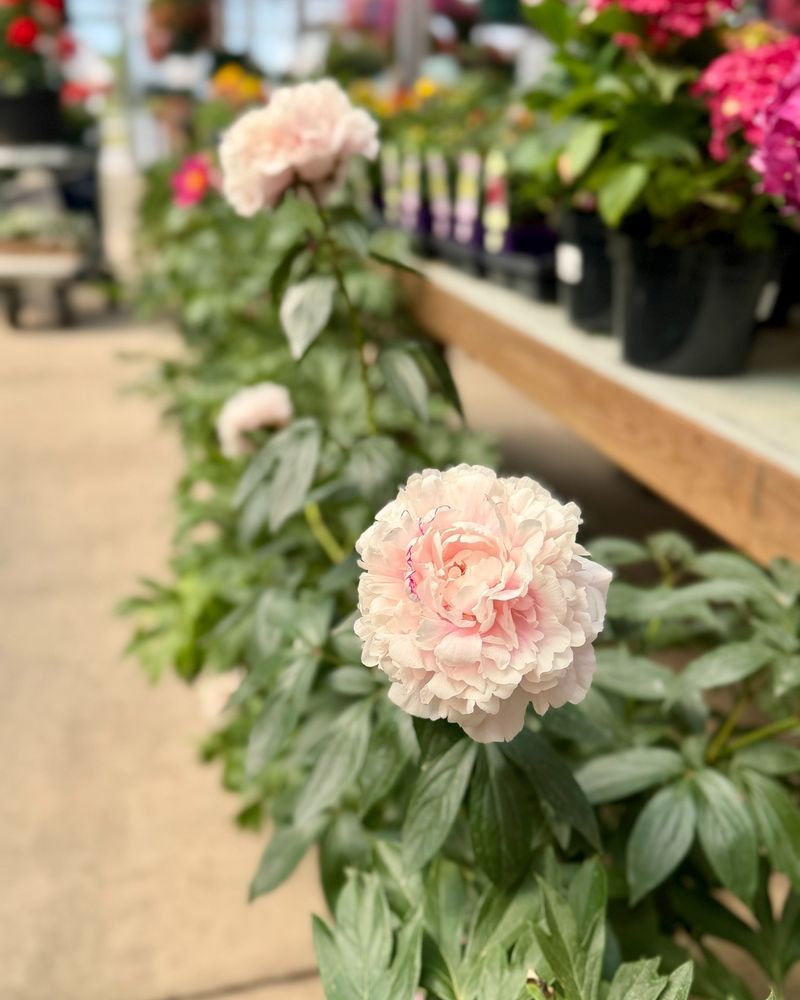
Peonies have a reputation for being fussy about being moved, and honestly, that reputation is not entirely wrong. These long-lived plants prefer to stay in one spot for many years, and most Texas gardeners never need to touch them.
However, if your peony clump has become extremely overcrowded or you simply need to move it to a better location, late August marks the beginning of the right window to get it done.
The key with peonies is patience and care. Start by cutting the foliage back to just a few inches above the ground.
Then dig a wide circle around the plant, going deep enough to lift the entire root mass without breaking too many roots. Peony roots are thick and fleshy, so work slowly and carefully to keep as much of the root system intact as possible.
Once the clump is out, rinse it off with water so you can clearly see the structure. Look for natural divisions in the root mass and use a clean, sharp knife to cut between them.
Each division needs at least three to five healthy pink buds, called eyes, which are the small reddish growth points visible near the top of the roots. Sections with fewer eyes may take longer to recover and bloom.
Replant divisions so the eyes sit no more than one to two inches below the soil surface. Planting too deep is one of the most common reasons peonies refuse to bloom.
Give each plant plenty of space, about three feet between divisions, and water thoroughly after planting. Peonies are slow to settle in, but with the right care, they will reward you for decades.
4. Siberian Iris
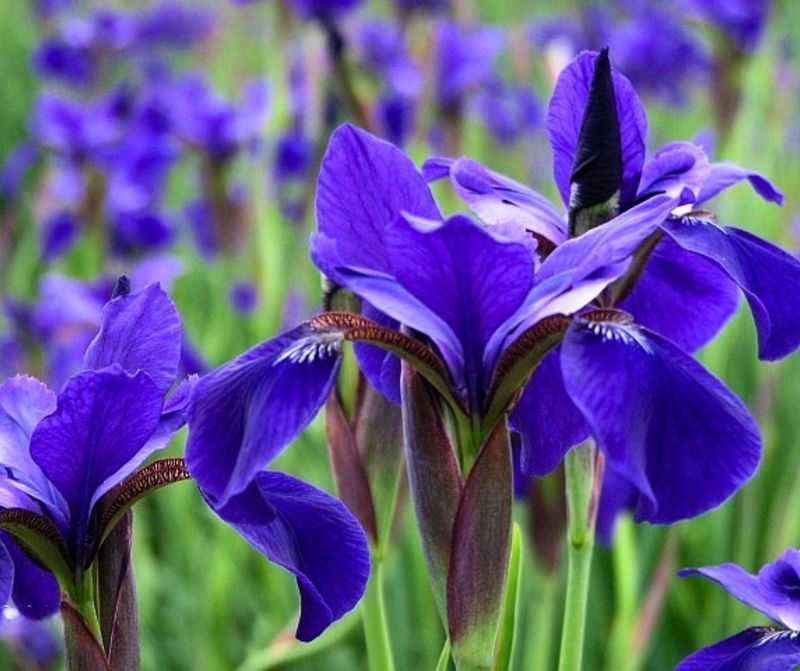
Siberian iris is one of those plants that quietly takes over a garden bed without you even noticing until the clump is enormous. Unlike their bearded cousins, Siberian iris grow in tight, grassy clumps that get denser every year.
When the center of the clump starts looking hollow or the plant stops flowering as freely as it once did, that is your signal to divide.
Late summer is a reliable time for this task because the plants have finished blooming and are directing energy back into their roots. Cut the foliage back to about six inches before you start.
Then use a sturdy garden fork to dig around and under the clump. Siberian iris have dense, fibrous root systems that can be quite tough to break apart, so be prepared for a little workout.
You may need two garden forks placed back to back to pry the clump apart, or a sharp spade to cut through it. Divide the clump into sections that each have several healthy fans of foliage and a solid root mass.
Avoid making divisions too small, since tiny sections take much longer to establish and may struggle through their first winter.
Replant divisions at the same depth they were originally growing, and space them about eighteen to twenty-four inches apart to give them room to fill in naturally.
Water new plantings deeply right after replanting and continue to water regularly for the next few weeks.
Consistent moisture is especially important during this settling-in period. Siberian iris are incredibly hardy once established, and a well-divided clump will reward you with beautiful blooms for years to come.
5. Hostas
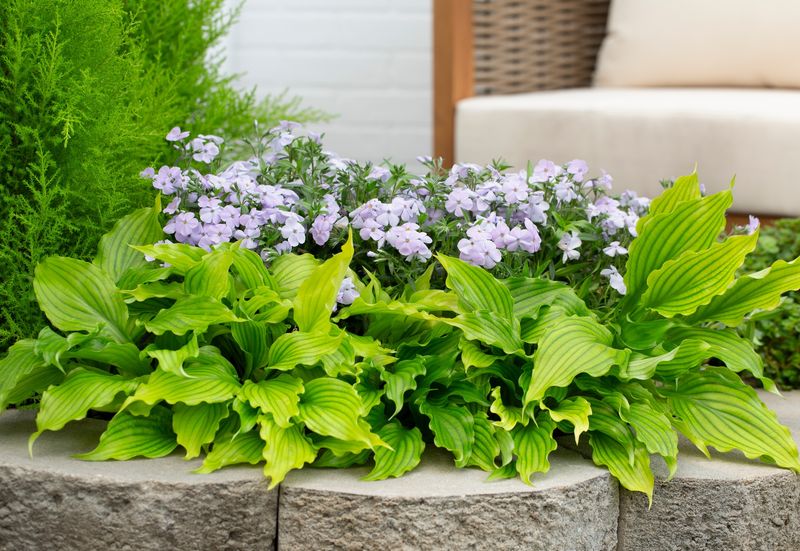
Walk through almost any shaded garden and you are bound to spot a hosta. These leafy, low-maintenance plants are a staple in yards across the country, and for good reason.
They come in an incredible range of sizes and colors, and they are remarkably forgiving. But even the most easygoing plant has its limits, and when a hosta clump grows so large that it starts crowding out its neighbors, it is time to step in.
Dividing hostas in late summer gives the new sections enough warm weeks to push out fresh roots before the ground freezes. Start by cutting the foliage back to make the job easier to manage.
Use a sharp spade to slice down through the clump, creating sections that each have several growing points, called eyes, and a healthy bundle of roots. Hostas are forgiving about being divided, so you do not need to be overly precise.
Each division can be replanted immediately in a prepared spot with rich, well-draining soil. Hostas thrive in partial to full shade, so choose your new planting location carefully.
Avoid spots that get intense afternoon sun, which can scorch the leaves and stress the plant during recovery.
After replanting, water generously and keep the soil consistently moist while the roots recover. Mulching around the base helps lock in moisture, which is especially helpful during late summer when the soil can still dry out quickly between waterings.
Divided hostas may look a little rough at first, but they typically bounce back with fresh, healthy growth. By next spring, you will have lush, full plants ready to anchor your shade garden beautifully.
6. Astilbe
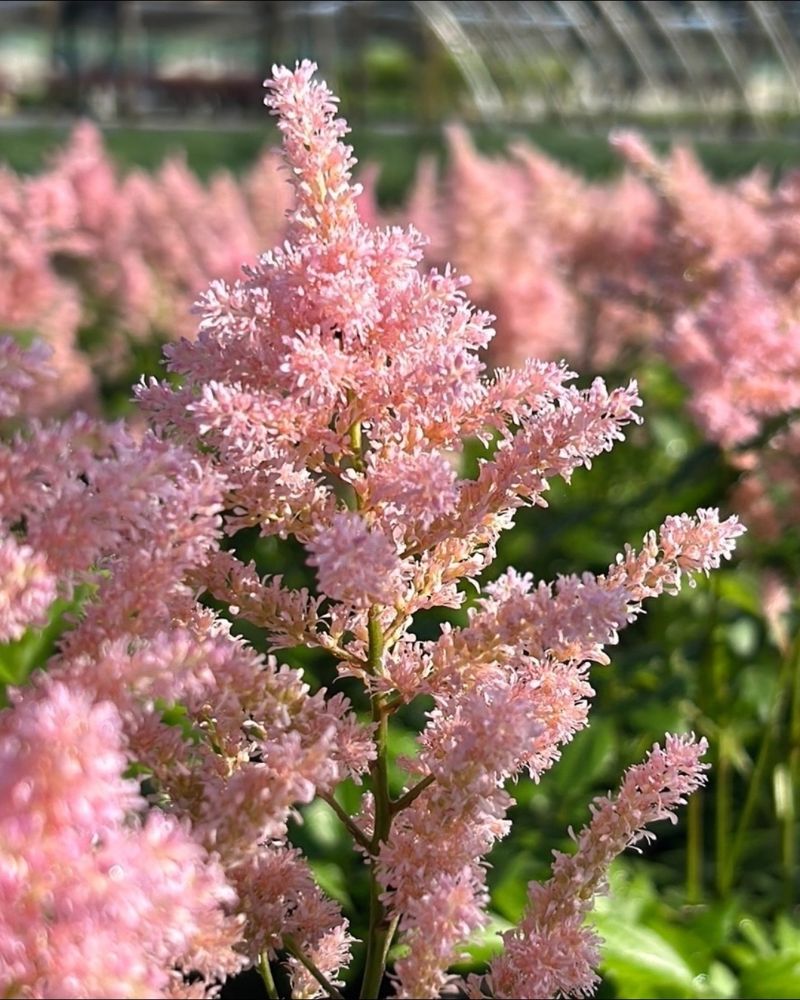
There is something almost magical about astilbe in bloom. Those feathery plumes of pink, red, white, and lavender light up shaded garden beds like nothing else.
But here is something many gardeners do not realize: astilbe clumps can exhaust the soil around them over time. When the center of a clump starts to look woody and lifeless while only the outer edges produce flowers, the plant is telling you it needs to be refreshed.
Dividing astilbe in late summer gives the new sections a chance to establish roots before winter arrives. Begin by cutting back the spent flower stalks and foliage to make the clump easier to handle.
Use a garden fork to loosen the soil around the edges of the clump, then lift the entire root mass out of the ground. Astilbe roots can be tough and dense, so a sharp spade may also come in handy.
Discard the older, woody center sections and focus on the healthy growth from the outer edges of the clump. Each division should include several buds and a firm section of roots.
Replant divisions in soil that has been amended with compost to give them a nutrient boost right from the start.
Astilbe loves moisture, so consistent watering after replanting is a must. These plants do not handle drought well, especially when they are trying to establish new roots.
Partial shade is the sweet spot for astilbe, though some varieties can tolerate more sun if the soil stays moist. With regular division every three to four years, your astilbe will keep producing those stunning, colorful plumes season after season.
7. Coral Bells
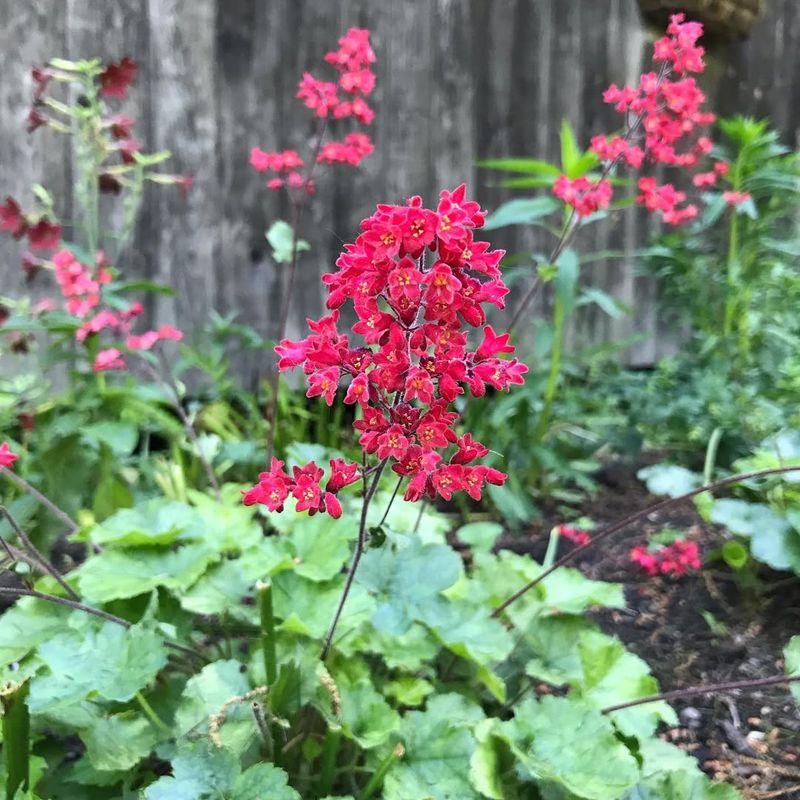
Coral bells, known botanically as Heuchera, have become one of the most popular shade garden plants in recent years, and it is easy to see why. Their bold, colorful foliage in shades of deep purple, copper, lime green, and silvery white makes them a standout in any planting bed.
As these plants mature, though, they tend to develop a woody crown that lifts out of the soil over time, which can weaken the plant and make it more vulnerable during cold winters.
Late summer is a good time to divide mature coral bells before that woody growth becomes a serious problem. Start by carefully digging up the entire plant.
You will likely notice that the crown sits high above the soil level. Use a clean, sharp knife to cut the clump into sections, making sure each piece has healthy roots and at least a few leaves attached.
Remove any old, woody stem material that does not have active growth. When replanting, set each division slightly deeper than it was growing before. This helps anchor the plant and encourages the crown to produce new roots from the buried stem.
Choose a spot with partial shade and well-draining soil, since coral bells do not like to sit in soggy ground for extended periods.
Water new divisions regularly for the first few weeks to help them settle in. A thin layer of mulch around the base can protect the roots and help the soil hold moisture between waterings.
Coral bells are not heavy feeders, so a light application of balanced fertilizer in early fall can give divisions a gentle push as they work on establishing themselves before winter arrives.