Why Fall Is The Wrong Time To Prune Your Christmas Cactus In Michigan
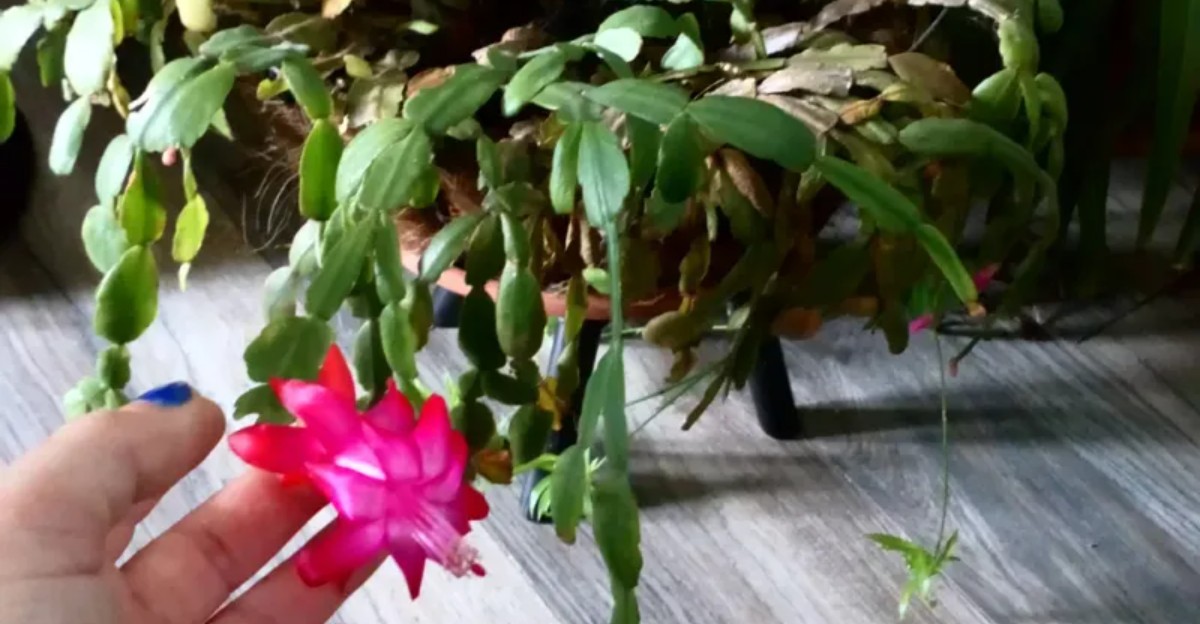
The cactus looks leggy, and a pair of scissors is within reach. Resist the urge. Right now, the plant is busy making flower buds, and every segment tip carries some of them.
Trimming in fall removes the very parts that will bloom. Michigan homes grow cooler and darker this time of year, which is exactly what the plant wants. Disturbing it only adds stress, and stressed plants drop buds.
Pruning does have a place, but the best moment comes after the flowers fade. By then, the plant is ready to branch out and grow fuller.
A simple twist of a segment, not a cut, does the job cleanly. Waiting a few months protects the bloom and gives you a better-shaped plant in the end.
1. Flower Buds Form At The Stem Tips In Fall
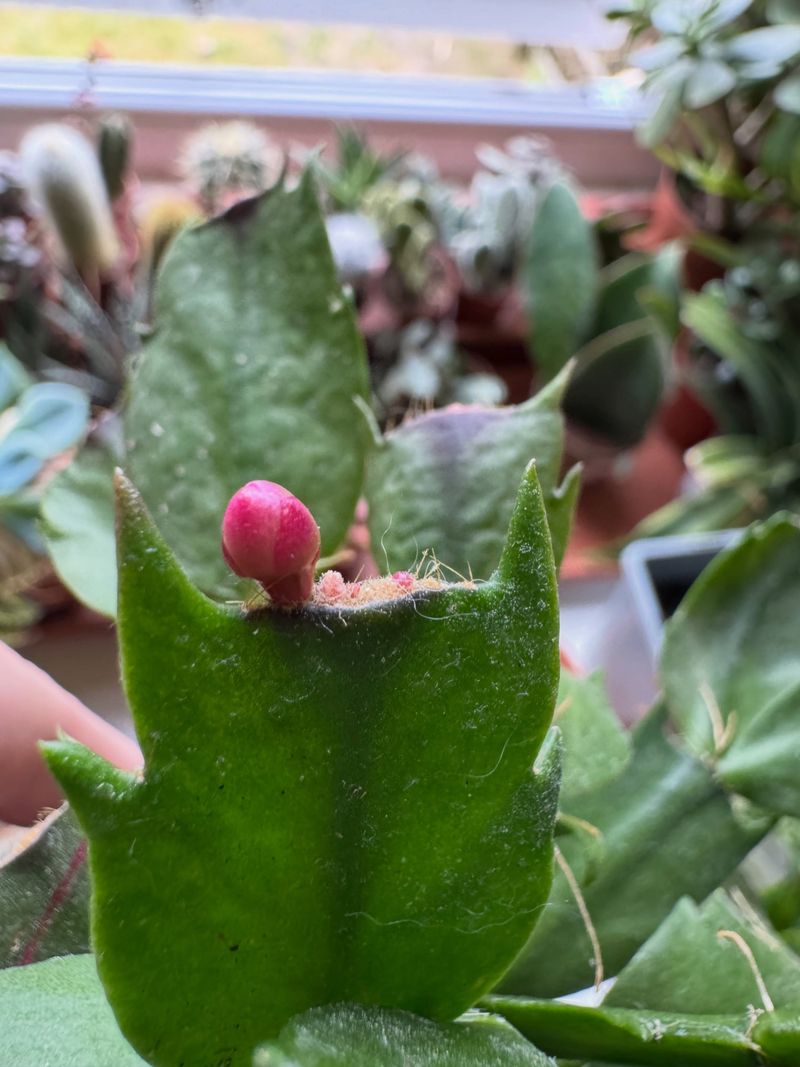
Every holiday bloom on a Christmas cactus starts in one very specific spot. Flowers on Schlumbergera grow from the very ends of its flat, jointed stem segments, and nowhere else.
So the tips you might want to trim are the exact places your blossoms will appear. Fall is when the magic happens. As nights grow longer and cooler, the plant gets a signal that it is time to make flowers.
Tiny buds begin forming right at those stem tips, and if you snip segments off during this stretch, you remove the buds along with them.
Think of it like picking apples before they grow. You would be tossing out the very thing you waited all year to enjoy. Even a small trim can mean fewer flowers in December.
The fix is simple and easy on your schedule. Leave every stem untouched from late summer until the plant finishes blooming. Instead of reaching for scissors, grab a magnifying glass or just look closely at the ends of each segment.
Watch for small bumps that look pink, red, white, or even a soft peach. These little nubs start out about the size of a pinhead and slowly swell over several weeks. Seeing them is a great sign that your plant is right on track.
Michigan timing makes this extra important. Here, a Christmas cactus usually sets its buds from September through November, as daylight shrinks and indoor rooms cool down near the windows.
That window lines up perfectly with the season when many people feel the urge to tidy up houseplants before the holidays. Resist that urge, and you will be rewarded with a plant covered in color right when guests arrive.
2. Disturbance Can Cause Buds To Drop
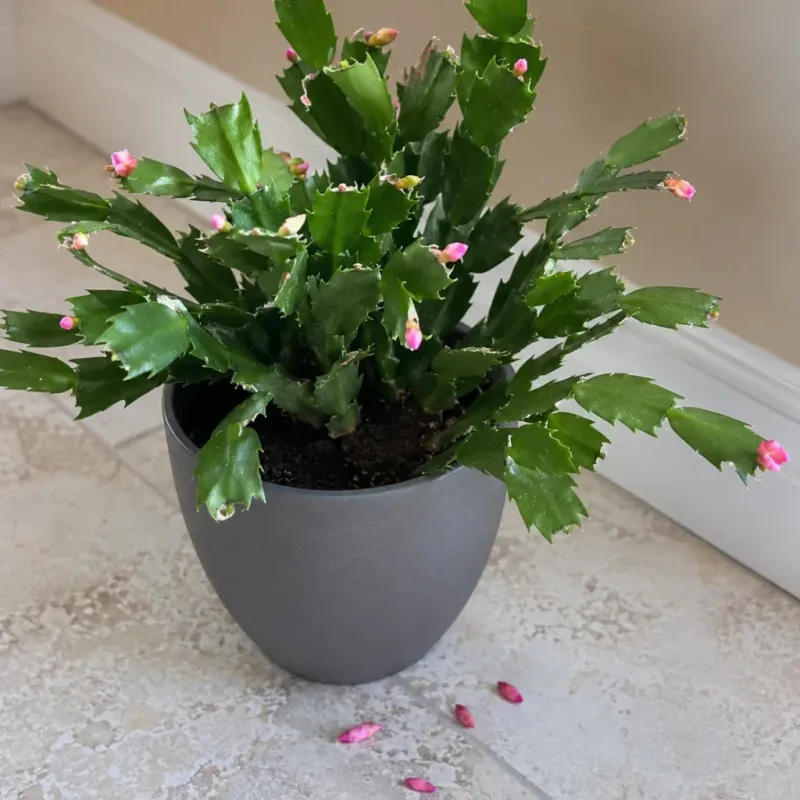
Nothing stings quite like finding a pile of tiny buds scattered around the base of your pot. Many Michigan gardeners have walked into the kitchen one morning to this sad surprise. The cause is usually stress, and fall pruning is one of the biggest triggers.
Once buds start forming, a Christmas cactus becomes surprisingly touchy. Trimming, repotting, or even moving it to a new room can upset its routine.
When the plant feels unsettled, it often protects itself by dropping buds before they ever open.
Your Michigan Garden Changes Every Week. Your Plan Should Too.
Gardening in Michigan changes quickly throughout the season. Every Friday you’ll receive a simple weekly plan showing exactly what to plant, prune, fertilize, harvest, and protect so you never miss the right timing.
So what keeps a budding plant calm? Steady conditions are the secret. Pick one bright spot with indirect light and let the pot stay there until the flowers fade.
Hands off is the best policy during this season. Skip trimming, avoid turning the pot too often, and wait until spring for any repotting. Water when the top of the soil feels a bit dry so the mix stays lightly and evenly moist, never soggy and never bone dry.
Temperature swings deserve attention too. A spot that stays between about 60 and 70 degrees during the day, with slightly cooler nights, suits the plant well. Keep it away from drafty doors and blasting vents.
Michigan homes in fall can be tricky places for a sensitive plant. Furnaces kick on and dry the air, windows get chilly at night, and rooms can feel warm one hour and cool the next. All of that already puts pressure on your cactus.
Adding a pruning session on top is like asking it to run a marathon during a storm, and the buds simply cannot handle it.
3. Pruning Signals New Growth Instead Of Flowers
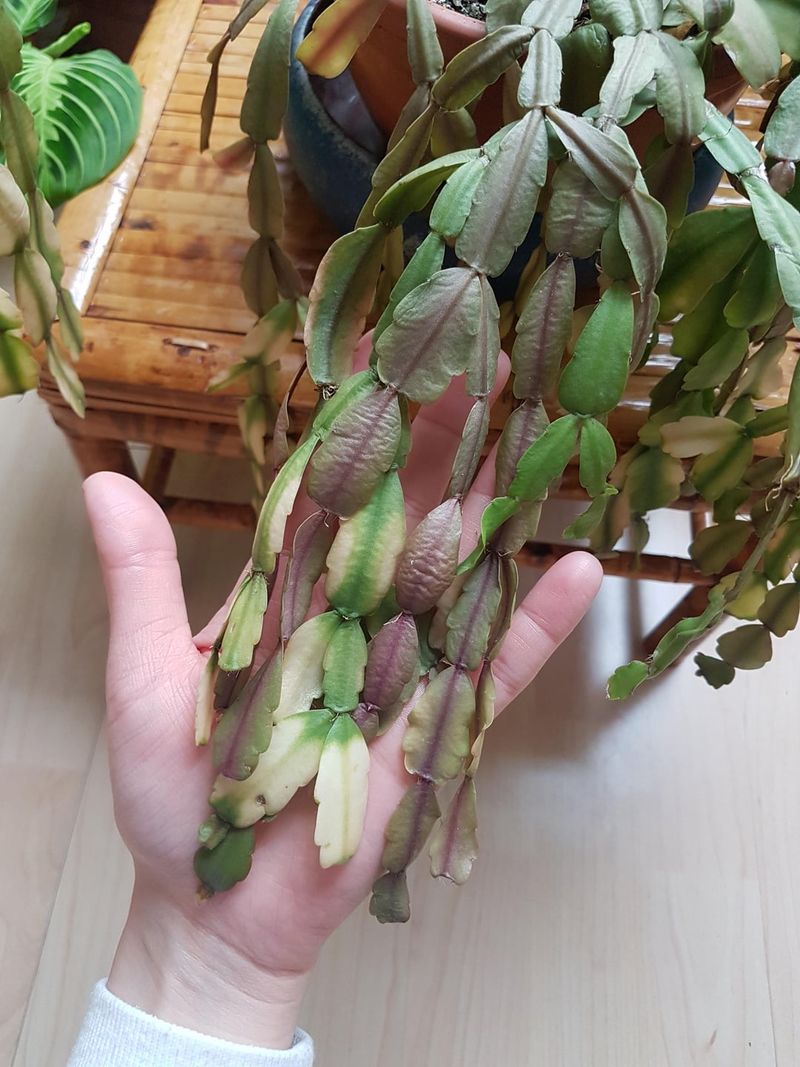
Plants are smart about spending their energy, and the Christmas cactus is no exception. Every cut you make sends a message. Unfortunately, in fall, that message says grow leaves, not flowers.
Here is how it works. When you cut back a stem, the plant responds by pushing out fresh green segments to replace what was lost. That new growth takes fuel, and the plant pulls that fuel away from the buds it should be building.
Autumn is supposed to be flower season for this plant. Asking it to grow new segments at the same time splits its focus. The result is often a thin, patchy bloom, or new pale segments that are too young to flower at all.
Give your plant a calm, quiet fall instead. Let it rest and set buds without any pruning interruptions. You can also put the fertilizer away from late summer until blooming ends, since feeding encourages leafy growth too.
Shaping can wait, and it is worth the patience. Jot a note on your calendar for after the last flowers fade. That is when trimming actually works with the plant rather than against it.
For Michigan gardeners, a full holiday bloom is often the whole point of owning this plant. Many families set their cactus near the tree or on the dining table as part of their seasonal decor.
A plant packed with pink or red blossoms in December feels like a gift. Keeping the scissors away in fall is one of the easiest ways to make sure that gift arrives right on time.
4. Late Winter To Spring Is The Best Time To Prune
Good news for anyone itching to shape their cactus: your moment is coming. Once the holiday flowers fade, the plant enters a short rest. Then, as spring arrives, it wakes up ready to grow.
Pruning shortly after blooming is a smart move. Each cut encourages the stem to branch, and more branches mean more stem tips. Since flowers form on those tips, you are basically planting the seeds for a bigger show next year.
Wait a few weeks after the last bloom drops. In most homes, that lands in late winter or early spring. Your plant will have had time to catch its breath.
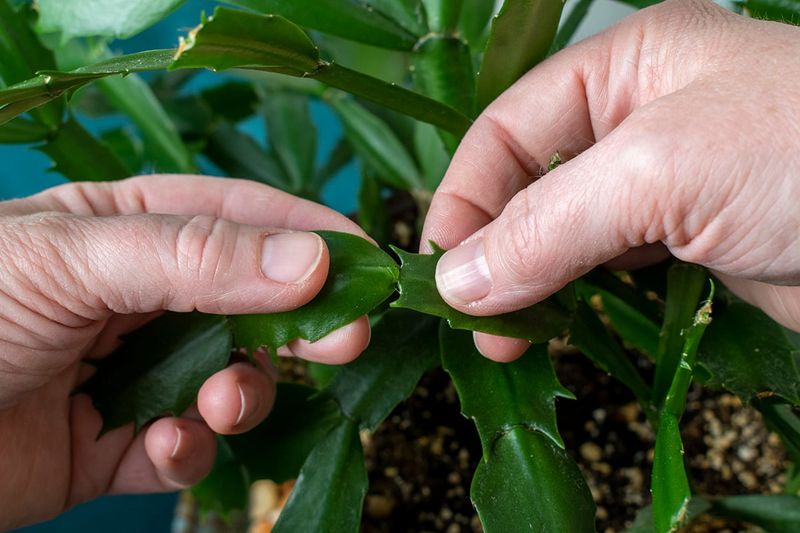
The method is easier than you might expect. Gently twist off one to a few segments from the ends of stems, or snip them at the joint with clean scissors. Focus on branches that look extra long, floppy, or uneven so the plant takes on a fuller, rounder shape.
Go easy on the trimming, though. Removing more than about a third of the plant at once can set it back. A light touch each spring works better than one big haircut.
Michigan springs offer the perfect boost. As days stretch longer from March into May, the extra sunlight tells your cactus it is time to wake up and grow. Fresh segments start appearing at the cut points within a few weeks.
By early summer, a plant that looked a little scraggly in February will be bushier and fuller, setting the stage for a much more impressive holiday season.
5. Spring And Summer Growth Builds Next Year’s Bloom

Winter flowers actually begin with summer sunshine. The segments your plant grows in spring and summer become the stage for next December’s blossoms. Strong growth now pays off months later.
Timing plays a big role here. New segments need several months to mature before they can carry buds. When you prune in spring and encourage branching early, those young segments have plenty of time to toughen up before fall arrives.
Care during these warm months is pretty relaxed. Place your plant in bright, indirect light, since harsh direct sun can scorch the stems and turn them reddish. Water whenever the top inch of soil feels dry, then let extra water drain out completely.
Feeding helps fuel all that fresh growth. A balanced houseplant fertilizer mixed at half strength every few weeks works well through summer. Stop feeding by late summer so the plant can shift its focus to buds.
Want to give your cactus a real treat? Try a summer vacation outdoors. Once nights stay above about 50 degrees, move it to a shady porch or under a leafy tree where it gets fresh air and filtered light.
In Michigan, that outdoor season usually runs from early June into September. Bring the plant back inside before nights get too chilly, and check it for hitchhiking bugs first.
The cooler early fall nights it experiences outside can even help kick off bud formation. A busy, healthy summer of growth almost always leads to a fuller and more colorful winter bloom.
6. Damaged Segments Can Still Be Removed Anytime
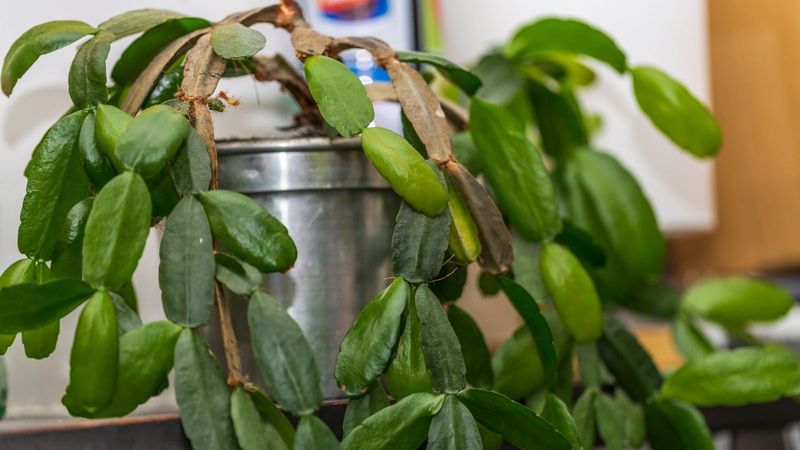
Every good rule has an exception, and this one is a lifesaver. Damaged segments do not need to wait until spring. You can remove them in any season, even in the middle of bud season.
Why the difference? Segments that are soft, mushy, broken, or diseased will not bounce back. Leaving them on can invite rot or fungus to spread to healthy parts of the plant. Cutting them away does not harm your bloom, and it actually helps protect it.
Grab a pair of clean, sharp scissors whenever you spot trouble. Wipe the blades with rubbing alcohol first so you do not pass germs along. Snip just below the damaged section at the joint, leaving healthy tissue behind.
Take a peek at the base of the plant while you are at it. A soft, dark, or smelly area near the soil line is a warning sign of root or stem rot. Catching it early gives you the best chance of saving the rest of the plant.
If rot shows up, watering habits usually need a change. Let the top inch of soil dry before adding more water, and make sure the pot drains well. Empty any saucer that collects extra water.
Michigan gardeners face a special challenge here. Cool fall and winter rooms slow down how fast soil dries, so the same watering routine from summer can suddenly become too much.
Soggy roots in a chilly house are a recipe for trouble. A quick weekly check of your plant helps you spot problems early and keep it thriving.
7. Save Cuttings For Propagating In Spring
Some Christmas cactus plants in Michigan have been passed down for generations, with cuttings traveling from grandma’s house to kitchens across the state.
Plants over fifty years old are not unusual. Spring pruning is how many of these family treasures get shared.
Pruning and propagating make a perfect team. Segments you remove in spring root quickly and easily, so every trim doubles as a chance to grow new plants. Cuttings taken in fall, on the other hand, root more slowly and steal potential flowers from your main plant.
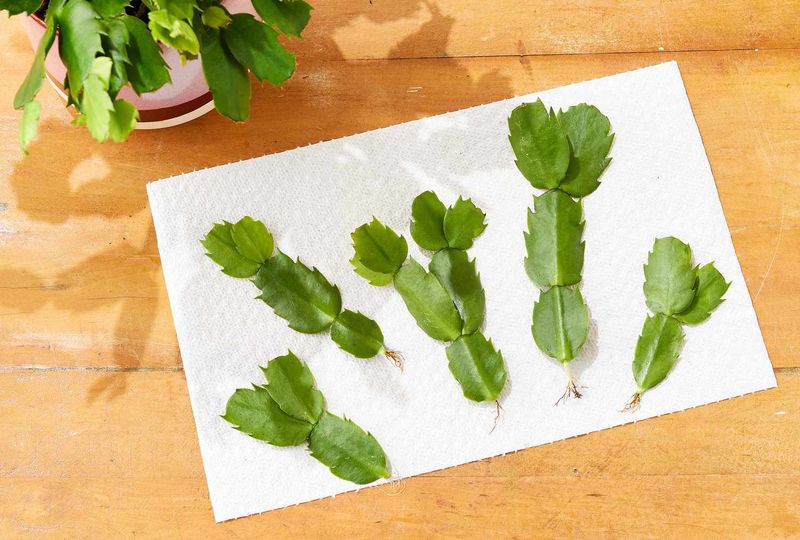
Getting started is wonderfully simple. Choose cuttings with two or three connected segments. Set them on a paper towel and let the cut ends dry for a day or two so they form a protective callus.
Next, fill a small pot with a fast-draining mix, such as cactus soil blended with a bit of perlite. Push each cutting about an inch deep so it stands upright. Several cuttings in one pot will make a fuller plant sooner.
Place the pot in bright, indirect light and water lightly. You want the mix barely moist, not wet. In a few weeks, a gentle tug will meet resistance, which means roots have formed.
For Michigan families, these little plants carry big meaning. A rooted cutting makes a thoughtful gift for a new neighbor, a college student, or a relative who moved away.
Pot it in spring, care for it through summer, and it may even bloom for its new owner by the holidays. That is a tradition worth keeping.